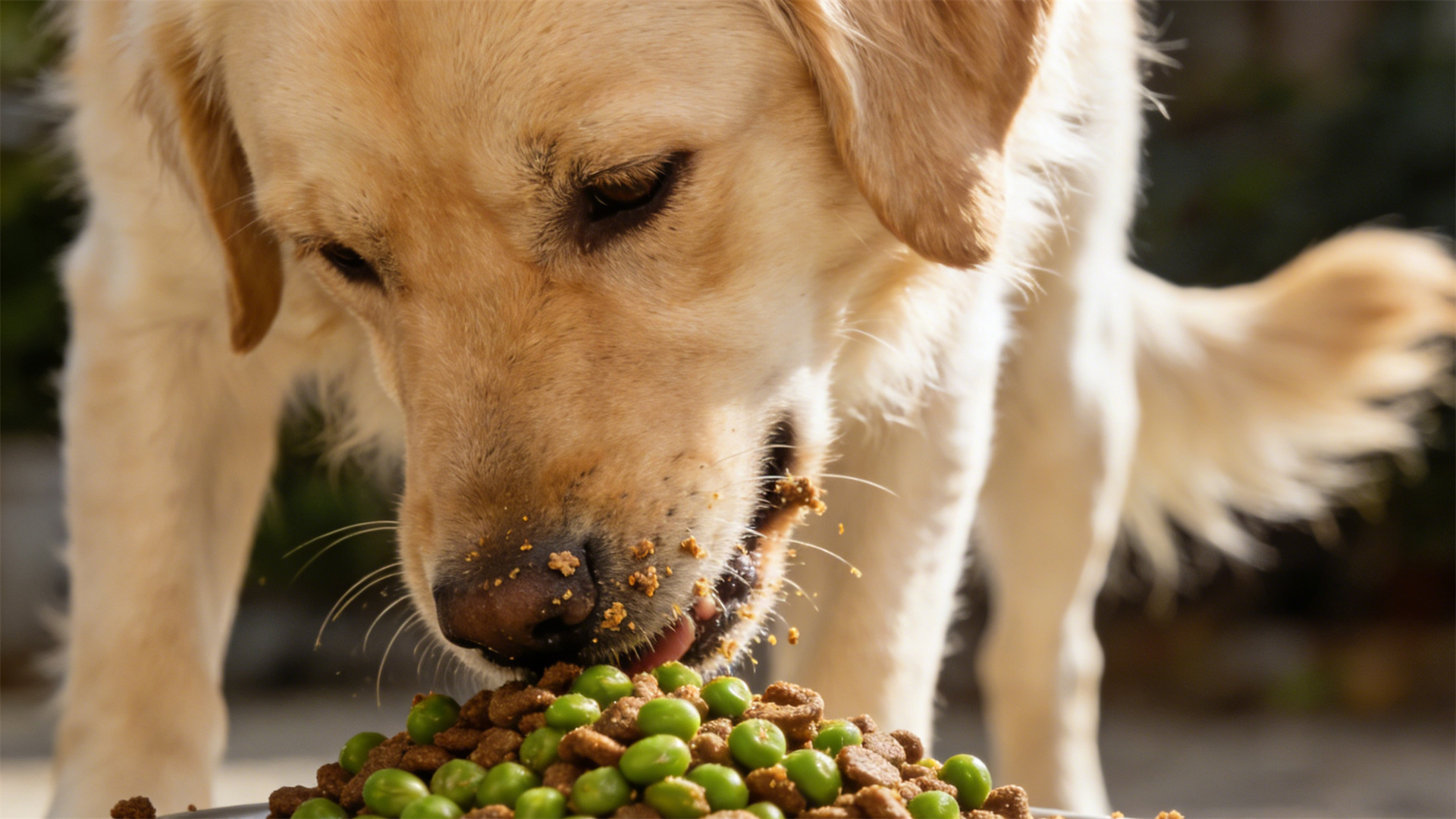
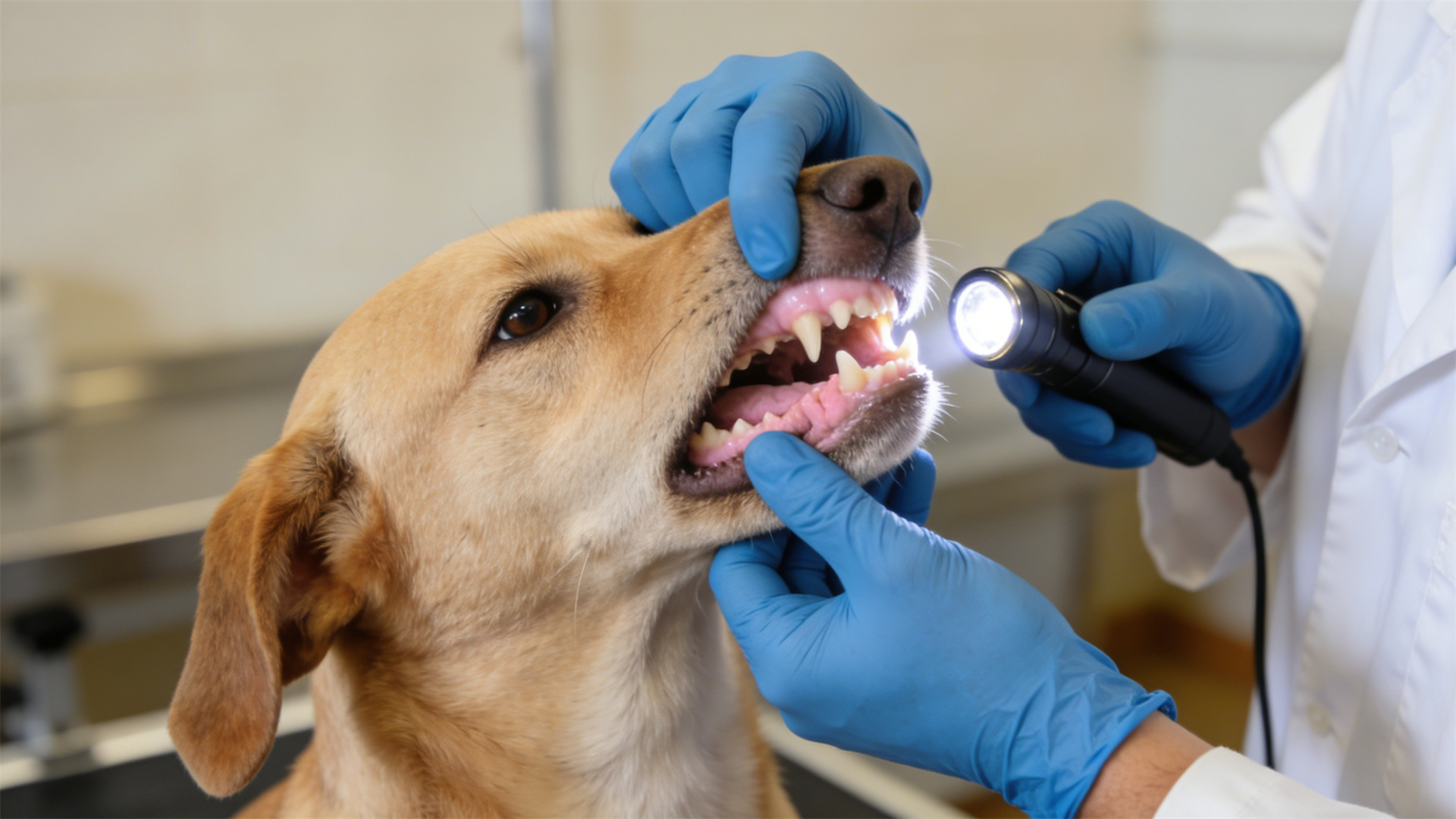
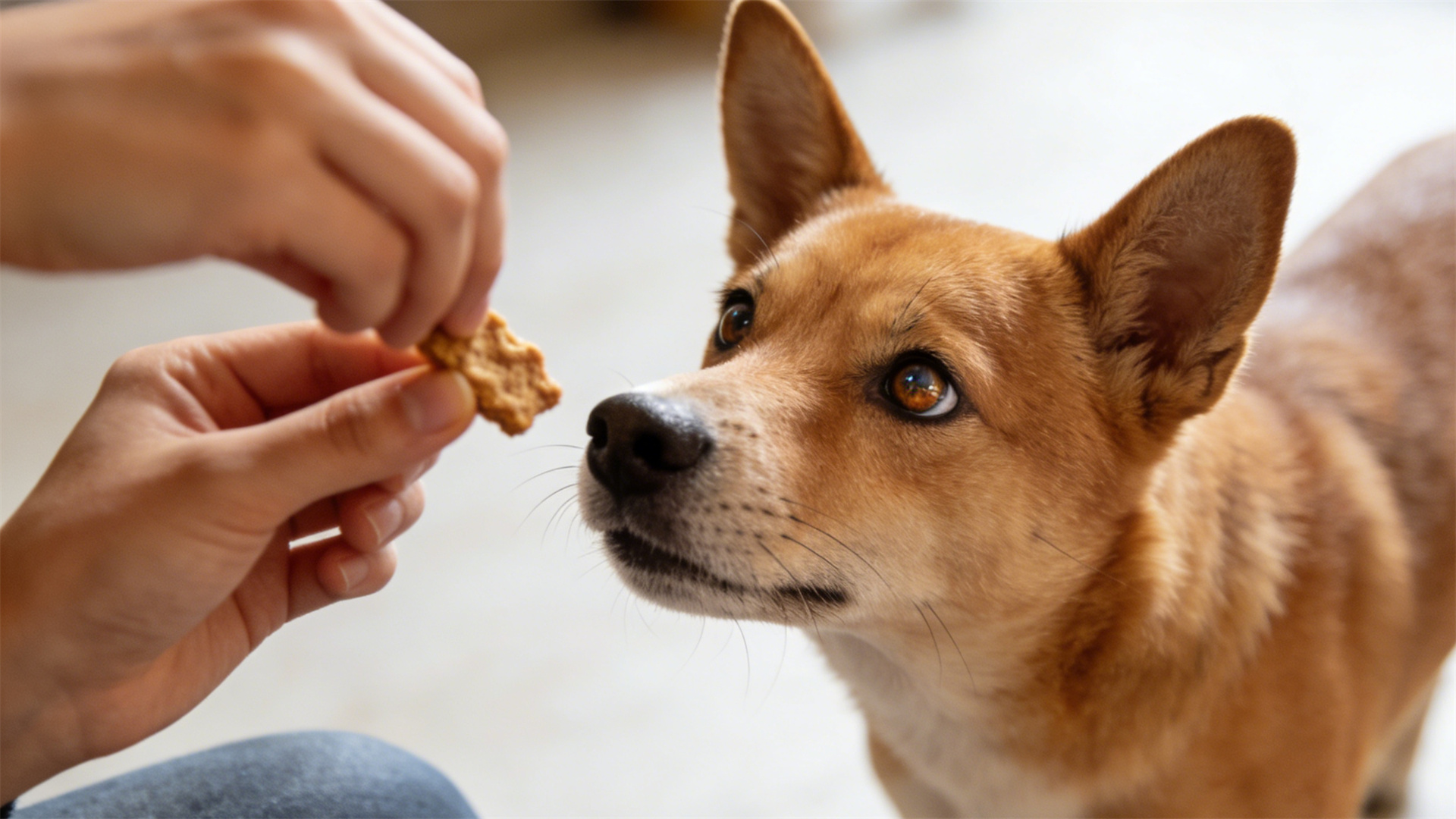
For owners of tiny companions—a Chihuahua, Yorkie, Pomeranian, or any other petite breed—the joy of a new puppy is immense. Yet, this joy comes with a significant responsibility unique to their size: guarding against hypoglycemia, or dangerously low blood sugar. This condition isn't just a minor concern; it's a potentially life-threatening emergency that can escalate with frightening speed. The cornerstone of prevention and management lies in a deceptively simple strategy: small, frequent meals. This article is your comprehensive guide to understanding why this is non-negotiable for toy and small breed puppies and exactly how to implement it to ensure your furry friend thrives.

🐕🦺 Understanding Hypoglycemia in Small Breeds
Hypoglycemia occurs when the body's blood glucose (sugar) levels drop below the normal range, depriving the brain and vital organs of their primary fuel source. Small and toy breed puppies are exceptionally vulnerable due to their physiology:
- High Metabolic Rate: They burn energy at a remarkably fast pace.
- Limited Glycogen Stores: Their miniature livers cannot store large amounts of glucose reserves.
- Poor Glucose Regulation: Their immature systems often struggle to balance blood sugar effectively.
Think of their energy reserves as a tiny fuel tank that empties quickly and needs constant, small refills, unlike larger breeds with a bigger "gas tank."
Why Puppies Are at the Highest Risk
Puppyhood itself is a risk factor. Young pups lack the fat reserves of adult dogs and may be too stressed, excited, or ill to eat adequately. A single missed meal, an overly active play session, or a bout of digestive upset can be enough to tip a small puppy into a hypoglycemic crisis.
🚨 Recognizing the Symptoms of Low Blood Sugar
Early detection is critical. Symptoms can progress from mild to severe rapidly. Owners must vigilantly watch for these signs of hypoglycemia in puppies:
- Weakness and Lethargy: Sudden tiredness, reluctance to move.
- Muscle Tremors or Shaking: Shivering that is not from cold.
- Disorientation: Stumbling, lack of coordination, or a "drunken" gait.
- Loss of Appetite: Refusing food or treats.
- Pale Gums: Instead of a healthy pink.
- Severe Symptoms (Medical Emergency): Seizures, collapse, or unconsciousness.
If you observe any severe symptoms, seek immediate veterinary care.
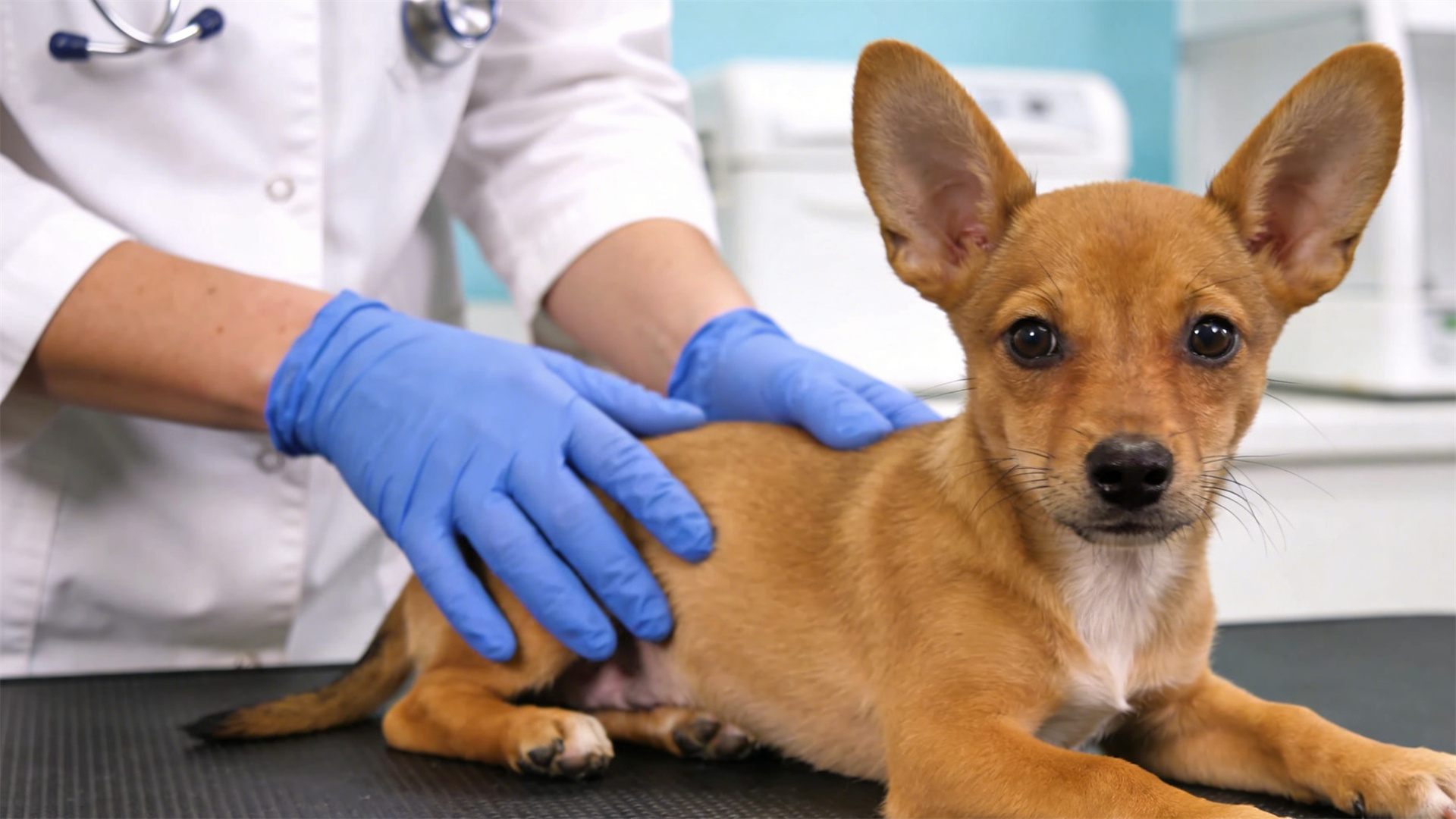
🧪 The Science Behind Small, Frequent Meals
The logic of frequent feeding for hypoglycemic puppies is rooted in biology. Feeding large meals twice a day causes a surge in blood sugar, followed by a sharp drop as the body releases insulin. For a puppy with poor regulatory ability, this "rollercoaster" is dangerous. Small, frequent meals provide a steady, gentle stream of glucose into the bloodstream, maintaining stable blood sugar and preventing the drastic dips that lead to crises.
🗓️ Practical Guide to Implementing a Feeding Schedule
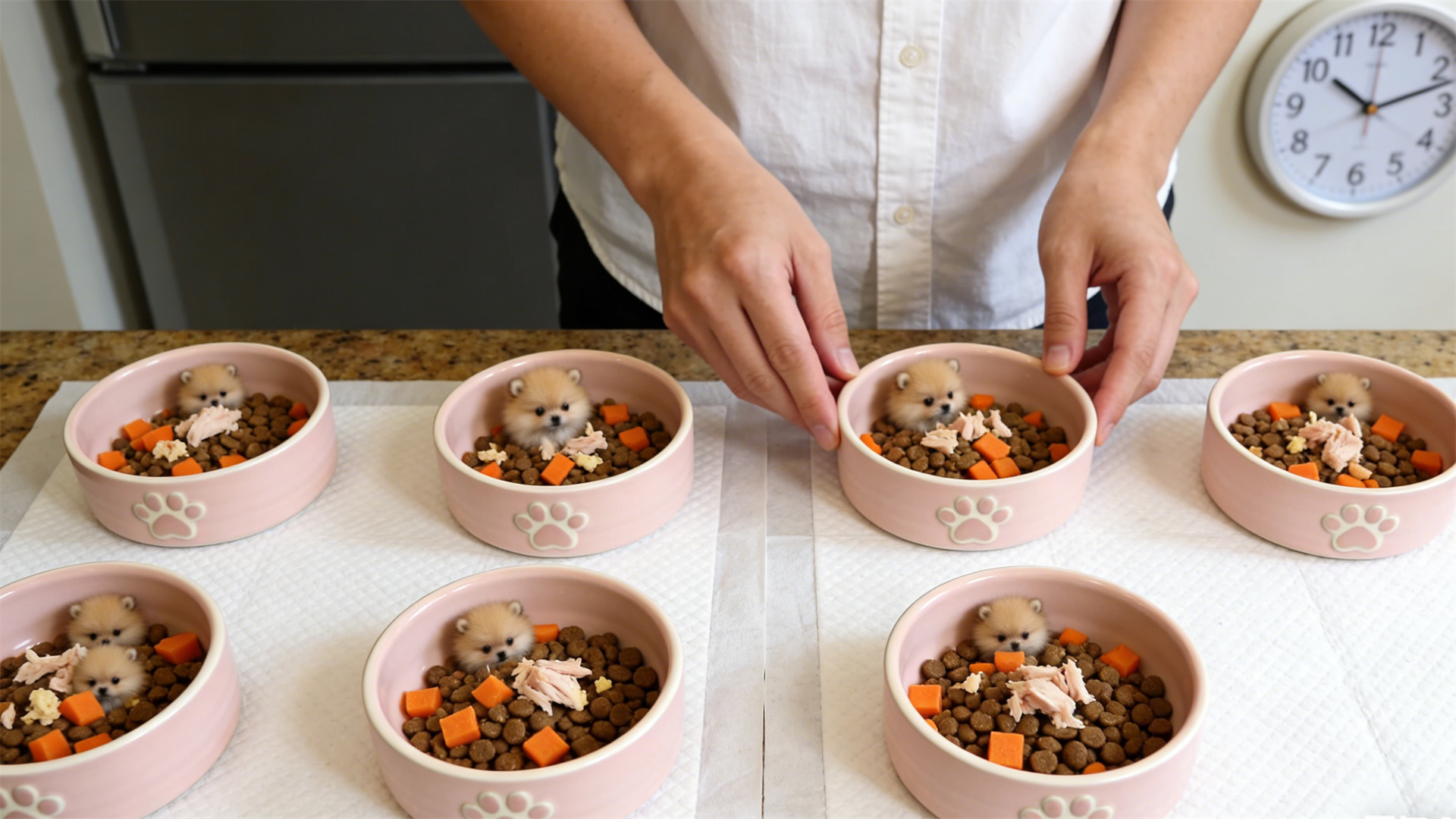
Here is a practical, sample puppy feeding schedule designed for hypoglycemia management in dogs. Adjust timing to fit your day, but consistency is key.
Sample Schedule for an 8-Week-Old Toy Breed Puppy:
- 7:00 AM: First main meal.
- 10:00 AM: Small snack or portion of a meal.
- 1:00 PM: Second main meal.
- 4:00 PM: Small snack or portion of a meal.
- 7:00 PM: Third main meal.
- 10:00 PM (or before your bedtime): Final substantial snack/meal.
Note: Young puppies (under 12 weeks) may need to eat every 3-4 hours, even overnight. Consult your vet for a personalized schedule.
Portion Sizes and Measurement:
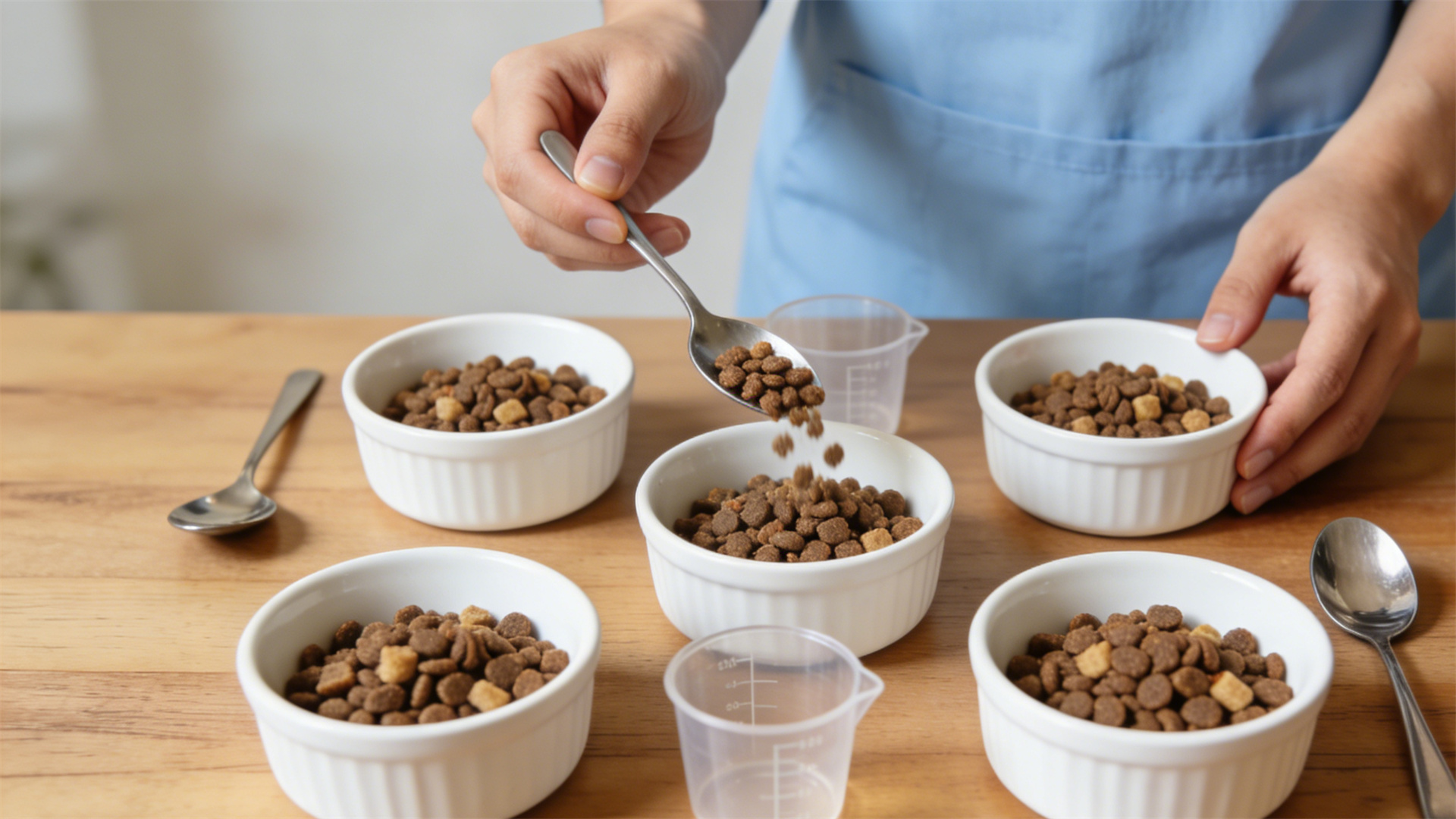
Always start with the portion guidelines on your high-quality puppy food bag, but use them as a starting point, not a rule. Your puppy's ideal portion depends on individual metabolism, activity, and growth. Weigh your puppy weekly and adjust food amounts to ensure steady, healthy growth. Use a proper measuring cup, not guesswork.
🍗 Recommended Foods and Safe Treats
Diet quality is paramount for preventing hypoglycemia in puppies.
- Primary Diet: A premium, nutrient-dense commercial puppy food formulated for small breeds. These are specifically designed with higher calorie density and smaller kibble size.
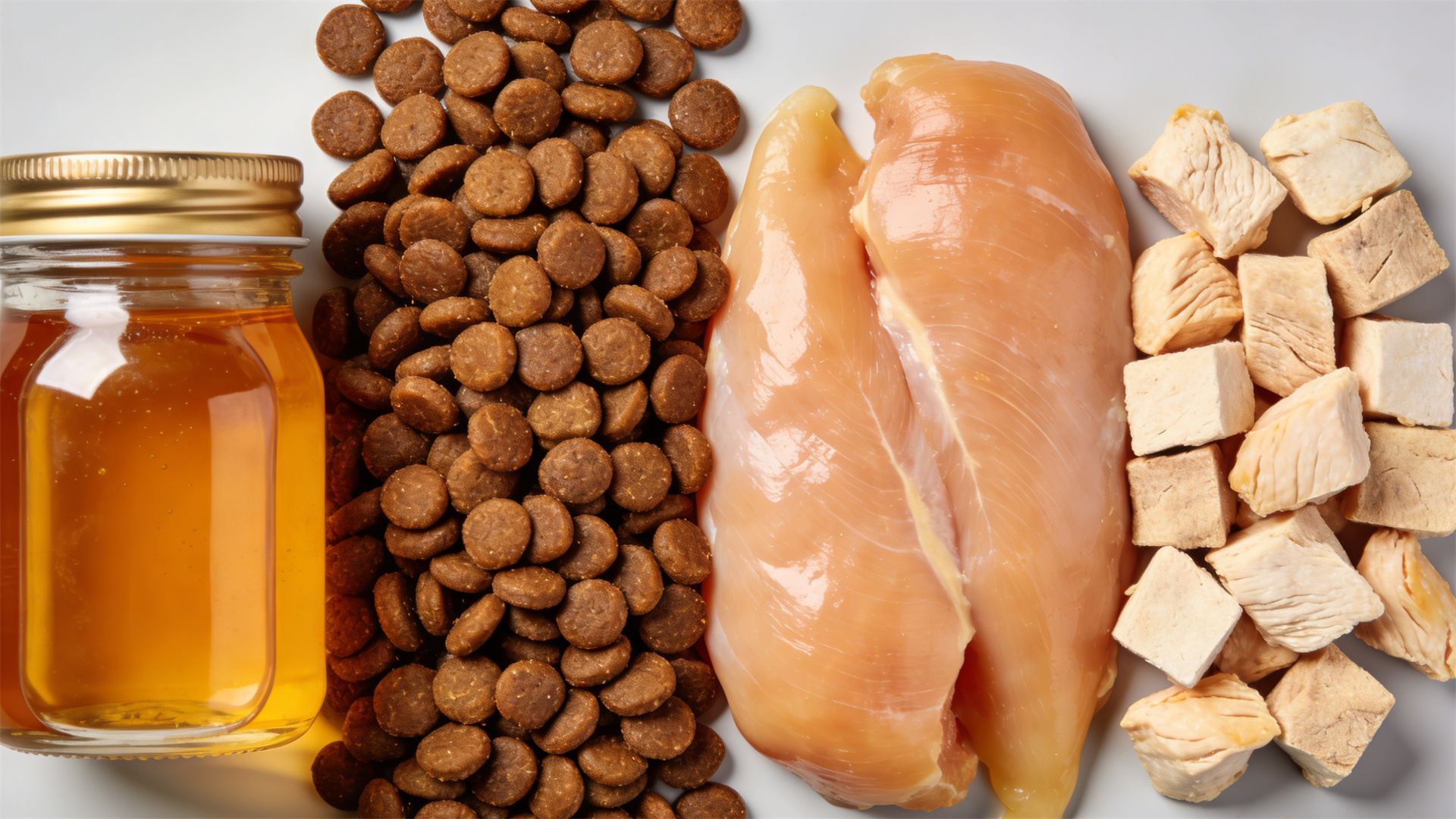
- Emergency Sugar Sources: Keep on hand for mild symptoms or as advised by your vet: honey, maple syrup, Karo syrup, or high-sugar nutri-gel. Rub a small amount on the gums. This is first aid, not a meal replacement.
- Healthy Training Treats: Use tiny pieces of their regular kibble, freeze-dried liver, or plain boiled chicken. Remember, treats should not exceed 10% of daily calories.
Special Reminder: Never feed a hypoglycemic puppy human foods like chocolate, xylitol-sweetened products, or fatty meats, as these can cause other severe health issues.
⚡ Emergency Procedures for a Hypoglycemic Episode
If your puppy is conscious but showing mild symptoms (weak, tremors):
- Immediately offer a small amount of a fast-acting sugar source (honey, syrup) on your finger, rubbed on their gums.
- Once they seem more alert (within 5-10 minutes), feed a small portion of their regular food.
- Keep them warm, quiet, and observe closely.
- Contact your veterinarian to report the episode and seek further guidance.
If your puppy is seizing, collapsed, or unconscious:
- This is a dire emergency. Do not force-feed food or liquid, as they could aspirate.
- If safe to do so, you can rub a small amount of honey or syrup on their gums while being cautious.
- Wrap them in a blanket for warmth and transport them to the nearest emergency vet IMMEDIATELY.
🔬 Long-Term Health Monitoring and Veterinary Care
As your puppy matures, their ability to regulate blood sugar will improve. Most small breeds can transition to a more standard 3-4 meal schedule by 4-6 months of age, and eventually to twice-daily meals as adults. However, some individuals may remain prone to hypoglycemia.
- Regular Vet Check-ups: Essential for monitoring growth and overall health.
- Know Your Dog: Be alert to situations that may trigger low blood sugar (stress, illness, excessive exercise).
- Maintain Routine: Even as an adult, a consistent feeding schedule is a cornerstone of wellness for small breeds.
Final Summary and Your Role as a Protector
Managing hypoglycemia in puppies is a proactive, detail-oriented commitment. By understanding the risks, recognizing the signs, and meticulously implementing a regimen of small, frequent meals for puppies, you provide the stable foundation your tiny companion needs to grow into a healthy, vibrant adult dog. This practice is not just about feeding; it's a critical act of care that safeguards their most vulnerable stage of life.
Call to Action: Your veterinarian is your ultimate partner in your puppy's health. Use this guide as a foundation, but always consult with them to create a plan tailored to your specific puppy's needs. Did you find this article helpful? Share it with fellow small dog owners to help spread awareness and protect more precious puppies from this common danger. Have you managed a puppy with hypoglycemia? Share your experiences and tips in the comments below!