Navigating the world of dog food is complex, but when your dog faces a health challenge, nutrition transforms from a matter of sustenance to a powerful component of medical therapy. This article delves into the specialized realm of canine clinical nutrition—a field where food is meticulously formulated as a tool to manage, mitigate, and sometimes even help treat specific diseases. Our goal is to translate veterinary science into clear, actionable guidance, empowering you to become an informed partner in your dog's healthcare journey. Clinical nutrition is not about the latest trend; it's about targeted, evidence-based dietary intervention.

🩺 Core Principles of Canine Clinical Nutrition
Understanding the foundation of clinical nutrition is crucial before applying its principles. It operates on a different level than maintenance nutrition, governed by specific medical objectives.
The Non-Negotiable: The Veterinary Partnership
Special Reminder: Clinical nutrition is always initiated under veterinary supervision. It requires a precise diagnosis. Feeding a kidney-support diet to a dog with liver disease could be harmful. Your veterinarian or a board-certified veterinary nutritionist identifies the target and prescribes the dietary "medication," while you manage its daily administration. Nutrition here is a therapeutic tool, not a substitute for medical care.
Condition-Specific Formulations: Nutrients as Medicine
Clinical diets are engineered so that every nutrient serves a purpose in managing a disease state. For example:
- For Kidney Disease: Diets are formulated with controlled levels of high-quality phosphorus and reduced but highly bioavailable protein to lessen the kidneys' workload and minimize toxic byproducts.
- For Food Allergies: Diets may use hydrolyzed proteins—proteins broken down into pieces too small for the immune system to recognize—or novel protein/carbohydrate sources the dog has never encountered.
Key Nutrient Modifications Demystified
Clinical diets achieve their goals through precise alterations:
- Protein: Adjusted in level, source, and digestibility (e.g., reduced for kidney disease, novel source for allergies, high-quality for critical illness).
- Fats: Modified in amount and type (e.g., severely restricted for pancreatitis, enriched with specific omega-3s for arthritis and heart health).
- Minerals: Strategically restricted or supplemented (e.g., low sodium for heart disease, controlled calcium and phosphorus for urinary stones).
🔍 Reading the Label: Identifying a True Clinical Diet
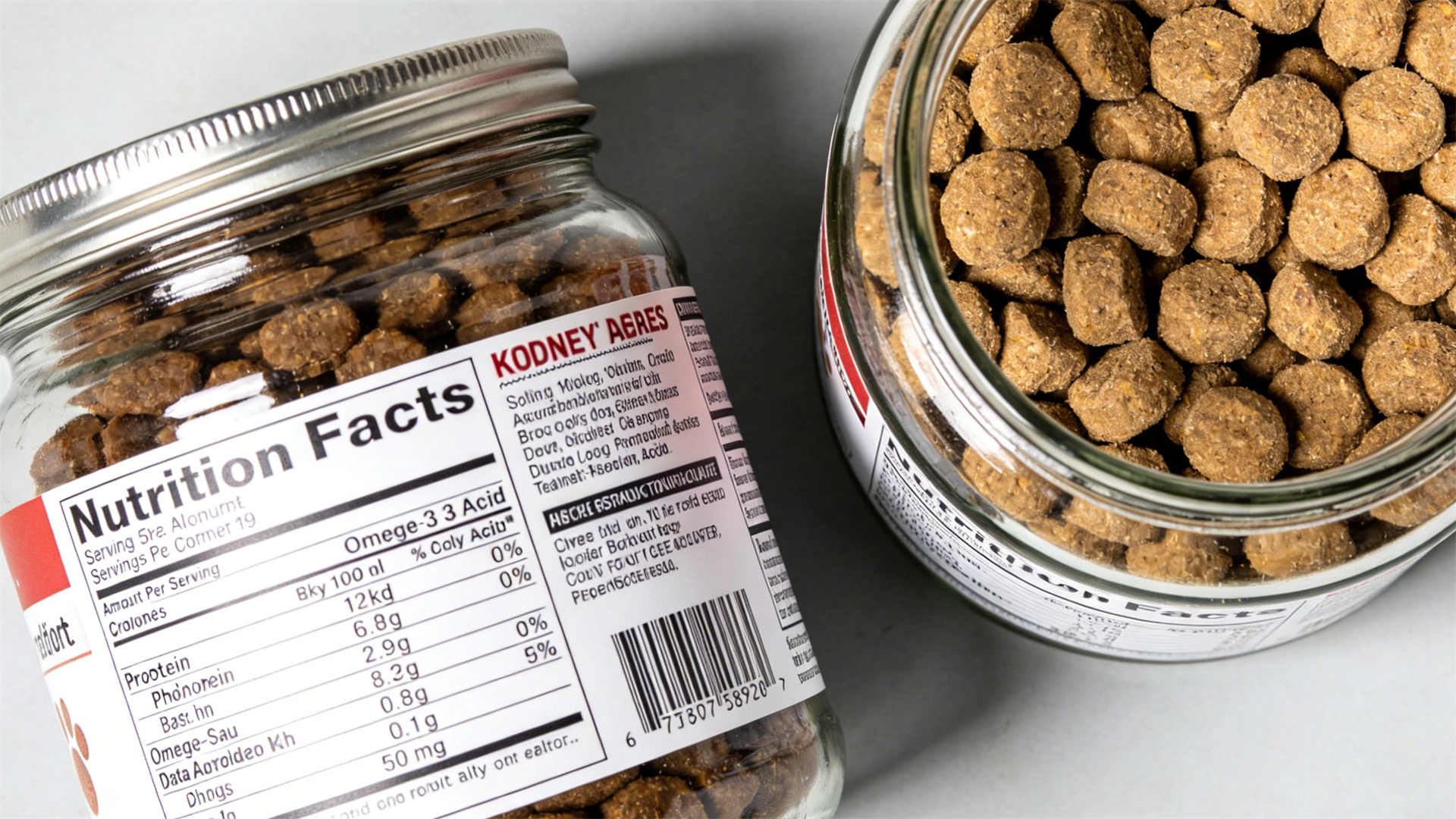
Not all bags labeled "sensitive stomach" or "healthy weight" are clinical diets. True veterinary therapeutic diets are often available through veterinary clinics or authorized pharmacies. The label tells the story:
- Look for the AAFCO statement of nutritional adequacy. For clinical diets, it will typically state: "Animal feeding tests using AAFCO procedures substantiate that [Product Name] provides complete and balanced nutrition for the maintenance of adult dogs and is formulated to aid in the management of [Specific Condition, e.g., renal dysfunction]."
- You will also find feeding instructions for specific disease states and often the disclaimer: "Use under veterinary supervision."
💡 Practical Application for Common Conditions
Here is a summary of dietary approaches for prevalent canine health issues, based on clinical nutrition guidelines.

⚖️ Obesity Management
Goal is fat loss while preserving muscle mass. Diets are calorie-dense but nutrient-rich, often with increased protein and specific fiber blends (like cellulose) to promote satiety without adding excess calories. Caloric restriction must be precise, typically calculated by your vet.
🤢 Gastrointestinal Disorders (Acute & Chronic)
Focus is on digestibility and gut support. Formulas are low-fat, feature highly digestible proteins and carbohydrates, and often include prebiotics (e.g., FOS, MOS) to nourish beneficial gut bacteria and soluble fibers (e.g., beet pulp) to regulate stool consistency.
🧪 Urinary Health
Strategies vary dramatically by condition:
For Struvite Stones: Diets are formulated to acidify urine and have reduced magnesium and phosphorus to dissolve existing stones.
For Chronic Kidney Disease (CKD): As outlined, diets are low in phosphorus, have controlled high-quality protein, and are often supplemented with omega-3s and potassium.

🐕 Food Allergies and Intolerances
The cornerstone is an elimination diet trial using either a hydrolyzed protein diet or a novel protein/novel carbohydrate diet for 8-12 weeks, with absolutely no other foods, treats, or flavored medications. This is a diagnostic and therapeutic tool.
🦮 Arthritis and Mobility Support
Nutritional management focuses on two pillars: weight management to reduce joint stress and therapeutic levels of omega-3 fatty acids (EPA/DHA) from fish oil, which have potent anti-inflammatory effects. Diets may also include antioxidants like vitamins C and E, and chondroprotective agents like glucosamine.
🔄 Implementation and Monitoring: The Owner's Role
Transitioning to a New Clinical Diet
A sudden switch can cause GI upset, undermining trust in the new food. Follow a strict transition over 7-10 days:
Days 1-3: 75% old food / 25% new food.
Days 4-6: 50% old food / 50% new food.
Days 7-9: 25% old food / 75% new food.
Day 10: 100% new therapeutic diet.

Ensuring Compliance and Palatability
Some medical diets are less palatable. Never add unauthorized foods that undermine the diet's purpose. Ask your vet about approved toppers like a specific hydrolyzed protein treat, or warming the food to enhance aroma. Consistency is key.
Monitoring Efficacy with Your Vet
Track objective measures and report them:
- Body Weight & Condition Score: Regular weigh-ins.
- Clinical Signs: Reduction in itching, vomiting, diarrhea, or increased energy.
- Laboratory Work: Improved bloodwork (e.g., lower creatinine, normalized liver enzymes) is the gold standard for conditions like kidney or liver disease.
✅ Conclusion: Nutrition as a Cornerstone of Care
The transformative power of targeted clinical nutrition in managing canine disease is profound. When food is aligned with medical need, it can enhance quality of life, improve outcomes, and strengthen the bond you share with your dog. This journey is a collaborative one, built on a lasting partnership with your veterinary healthcare team.