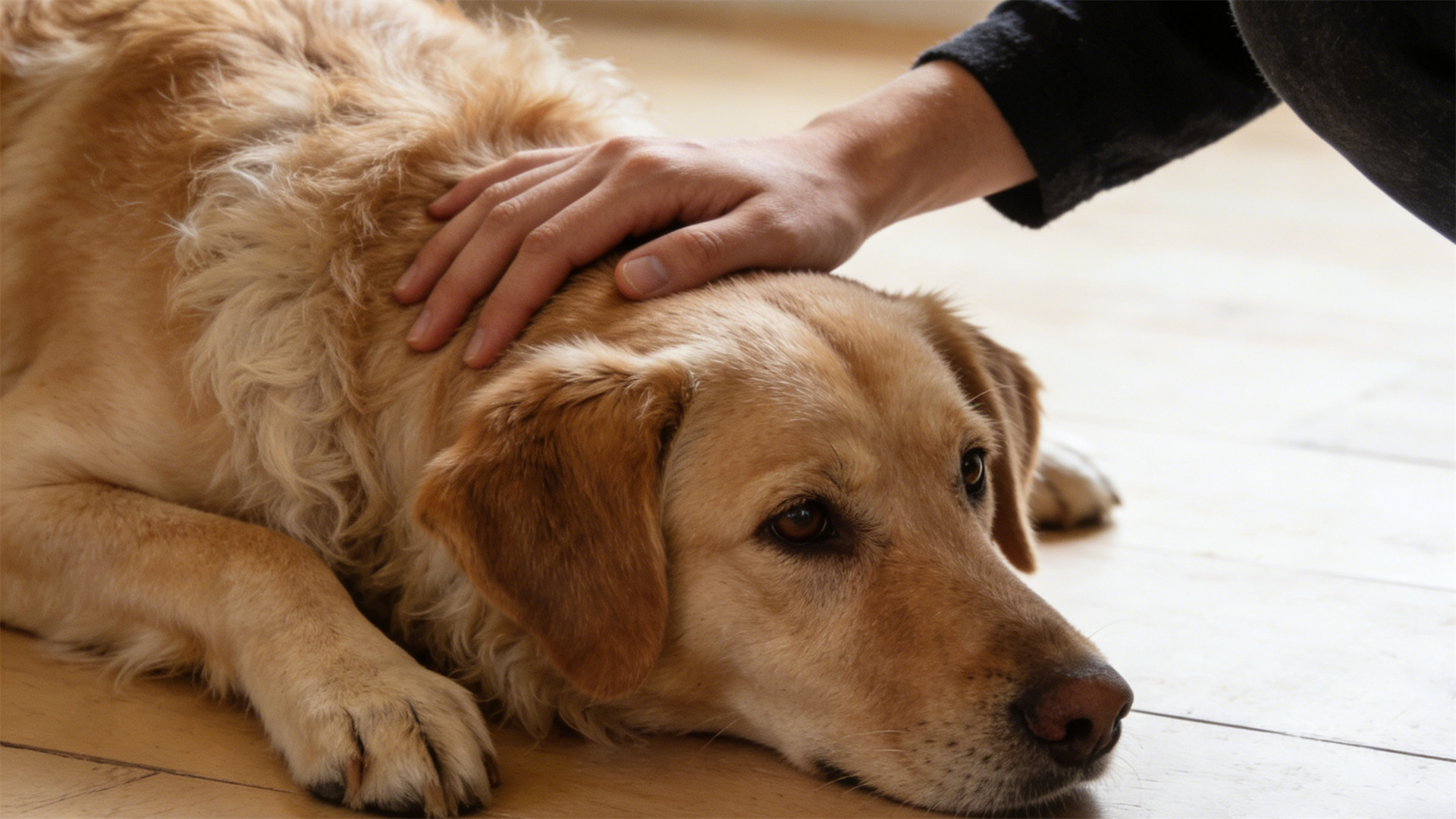
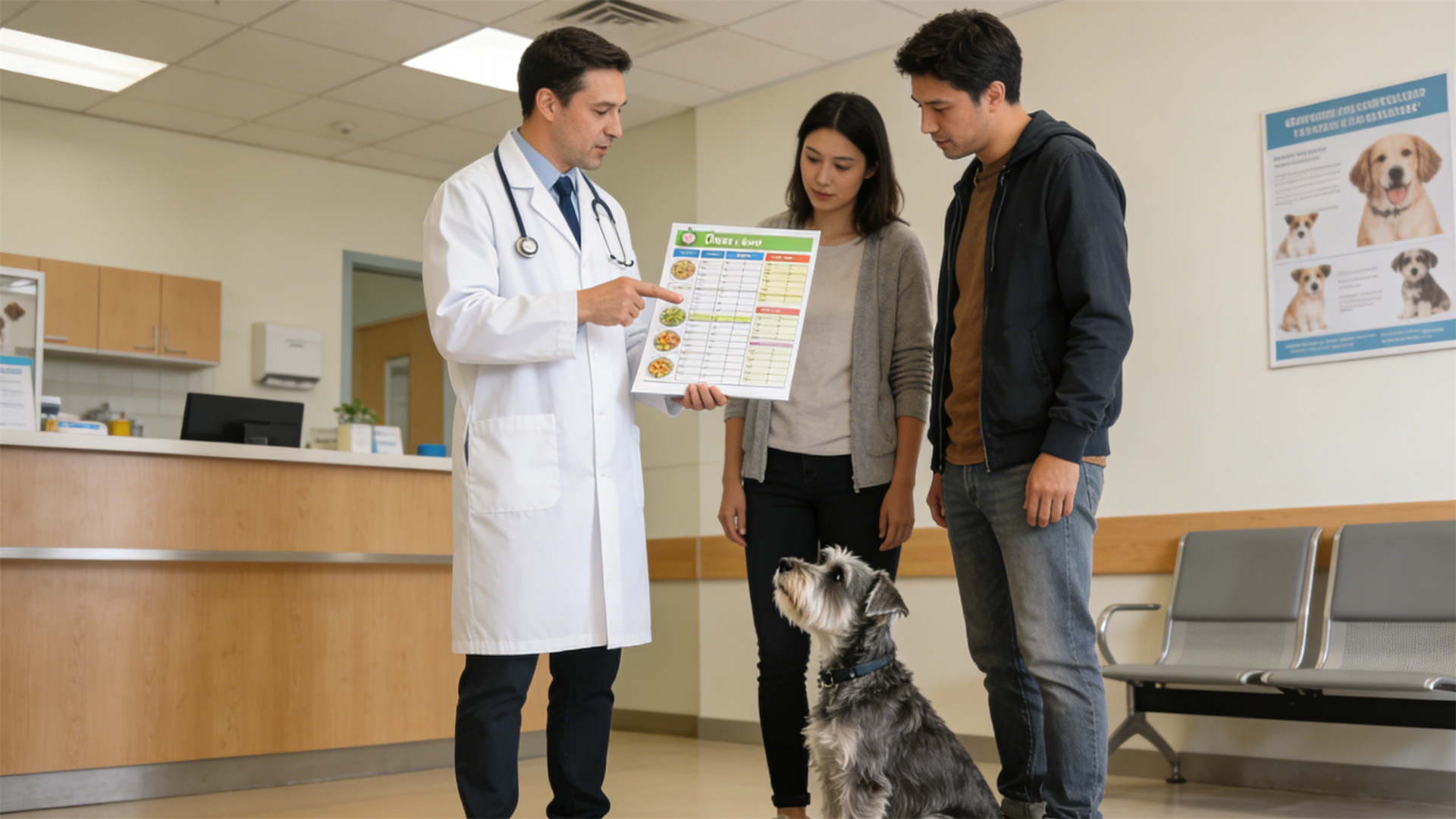
Have you ever collapsed on the couch after a grueling day, only to have your dog immediately lay its head on your lap with a soft sigh? Or perhaps you've noticed a spike in your dog's nervous energy during a period of personal tension or anxiety. This is not a coincidence. The bond between a dog and its owner is profound, built on millennia of co-evolution and daily companionship that goes far beyond the transactional nature of food and walks. Modern science now confirms what devoted pet lovers have always felt in their hearts: our dogs are deeply, intrinsically attuned to our emotional states. Your stress, often without a single word spoken, is being perceived, interpreted, and even felt by your canine companion.
This article delves into the remarkable science behind this emotional connection, explores how your stress manifests in your dog's behavior, and provides actionable guidance to foster a calmer, healthier environment for you both. Understanding this subtle, unspoken dialogue is the key to a more harmonious and empathetic partnership.
🔬 The Science of Canine Empathy: More Than Just a Feeling
Dogs are not just loving pets; they are remarkable observers and bio-detectors. Their ability to read us stems from a combination of acute senses, social intelligence, and an evolutionary history woven with our own.
👀 The Power of Observation: Reading Body and Face
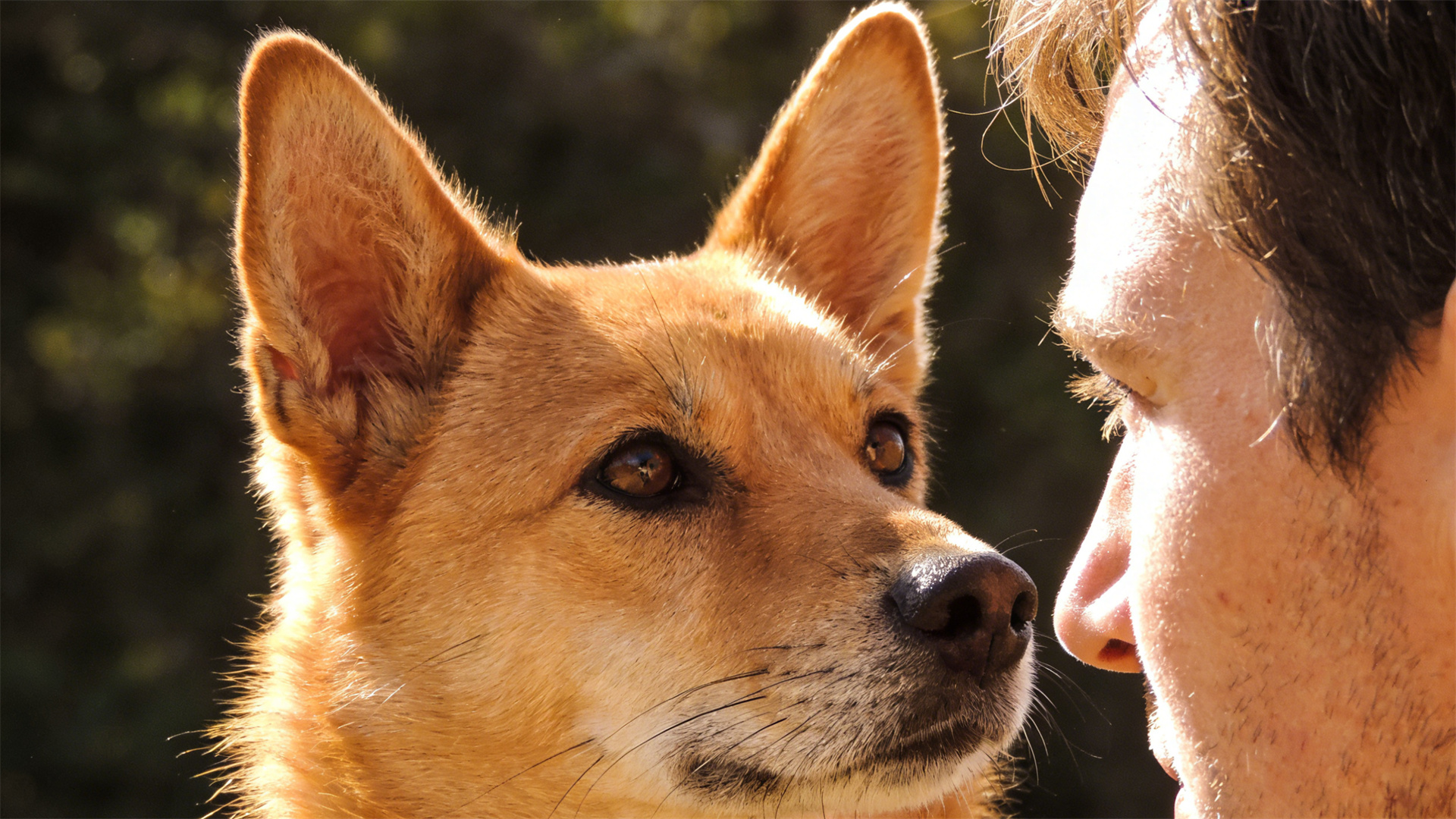
Dogs are experts in human body language. They watch us constantly, learning the subtle cues that predict walks, meals, or departures. This extends to our emotional state. Pioneering studies, such as those conducted at the University of Veterinary Medicine Vienna, have shown that dogs can distinguish between human emotional expressions like happiness and anger in photographs. They not only recognize the difference but also respond appropriately—often approaching happy faces with more ease and avoiding angry ones. This skill is honed through a lifetime of living with us, making them uniquely sensitive to shifts in our posture, facial tension, and even the rhythm of our movements.
👃 The Olfactory Dimension: Smelling Your Stress
While we communicate primarily through sight and sound, dogs experience the world through scent. Their olfactory capability is between 10,000 to 100,000 times more acute than our own. This superpower allows them to detect the biochemical changes that accompany our emotions. When you are stressed or anxious, your body undergoes a cascade of physiological changes: your heart rate may increase, your palms may sweat, and crucially, you release stress hormones like cortisol and adrenaline. These hormones can alter your body's odor profile in subtle ways imperceptible to humans, but to your dog, it's as clear as a neon sign. Research, including notable work published in the journal "Animal Cognition," has demonstrated that dogs can differentiate between the scent samples of a stressed human and a calm one.
💞 Emotional Contagion: "Catching" Your Feelings
This is where the connection becomes profound. Emotional contagion is the phenomenon where one individual's emotions trigger similar emotions in another. It's the foundation of empathy. Evidence suggests dogs are susceptible to this. For instance, a study from the University of Pisa found that dogs tend to mirror their owner's emotional state during interactions in a home environment. If the owner is displaying signs of stress, the dog's levels of the stress hormone cortisol often rise in synchrony. This isn't just mimicry; it's a shared physiological and emotional experience. Your dog isn't just observing your stress—it may be absorbing it.
😟 How Your Stress Manifests in Your Dog: Decoding the Signals
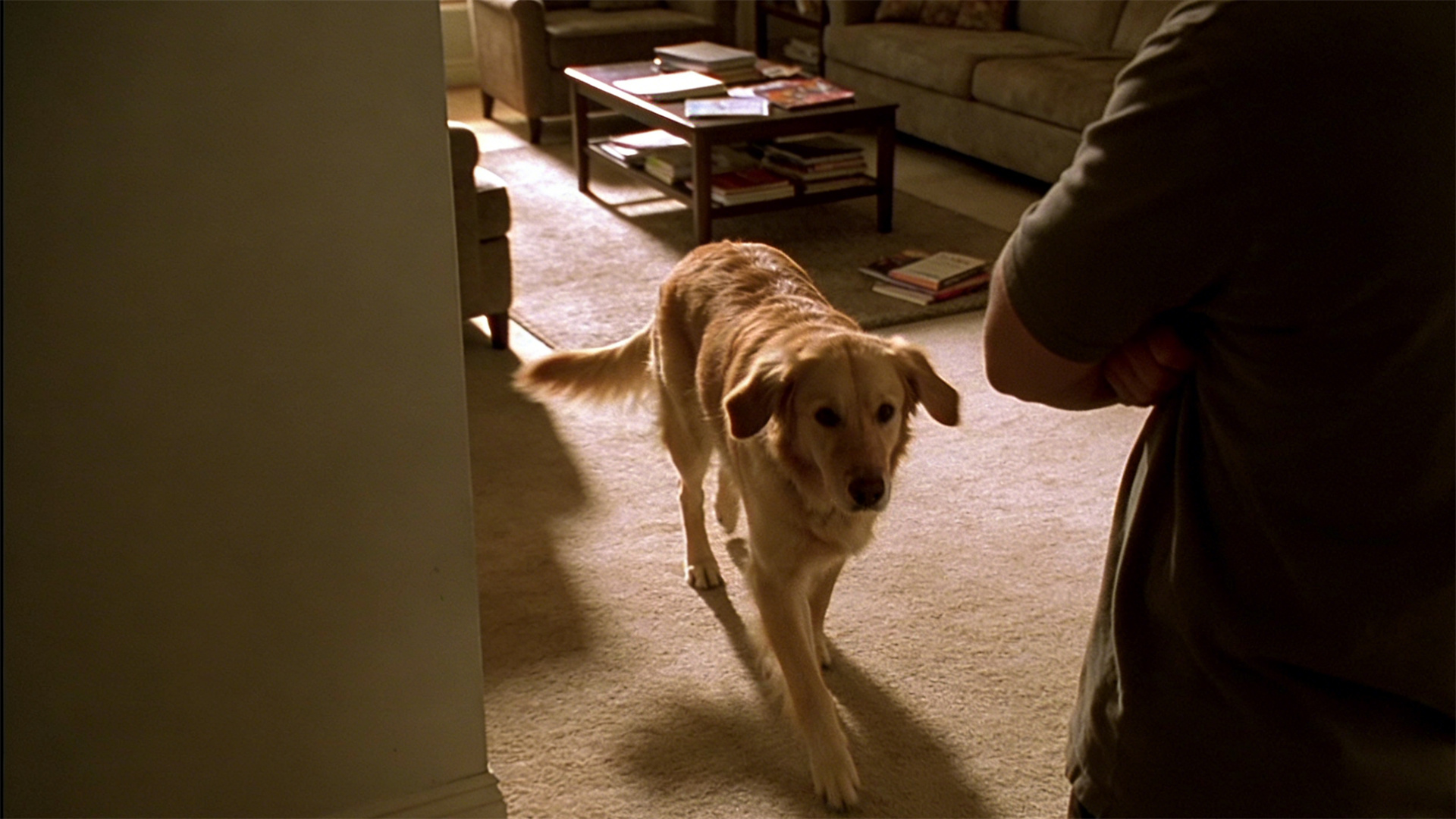
Your stress doesn't just vanish into the ether; it can subtly, yet significantly, influence your dog's behavior and physical health. It's vital to first rule out any underlying medical conditions with a veterinarian, but if your dog exhibits these signs during periods of your own tension, emotional transmission is a likely contributor.
- Increased Clinginess or "Velcro Dog" Syndrome: Your dog may follow you from room to room, demand constant physical contact, or become overly persistent in seeking attention. This can be a search for reassurance in an environment it perceives as uncertain.
- Unusual Lethargy or Hiding: Conversely, some dogs may shut down. They might sleep more than usual, lose interest in play, or retreat to a closet, crate, or under furniture, especially when the household's emotional atmosphere is tense.
- Displacement Behaviors: These are normal behaviors performed out of context, often signaling internal conflict or anxiety. Watch for:
- Excessive licking (of paws, furniture, or the air).
- Frequent yawning when not tired.
- Whining or barking without an apparent trigger.
- Nervous and Hyper-vigilant Behaviors: Pacing, trembling, being easily startled by normal sounds, or inability to settle are classic signs of a dog picking up on environmental tension.
- Stress-Related Physical Issues: Chronic stress can weaken the immune system and exacerbate conditions like:
- Digestive troubles (diarrhea, vomiting).
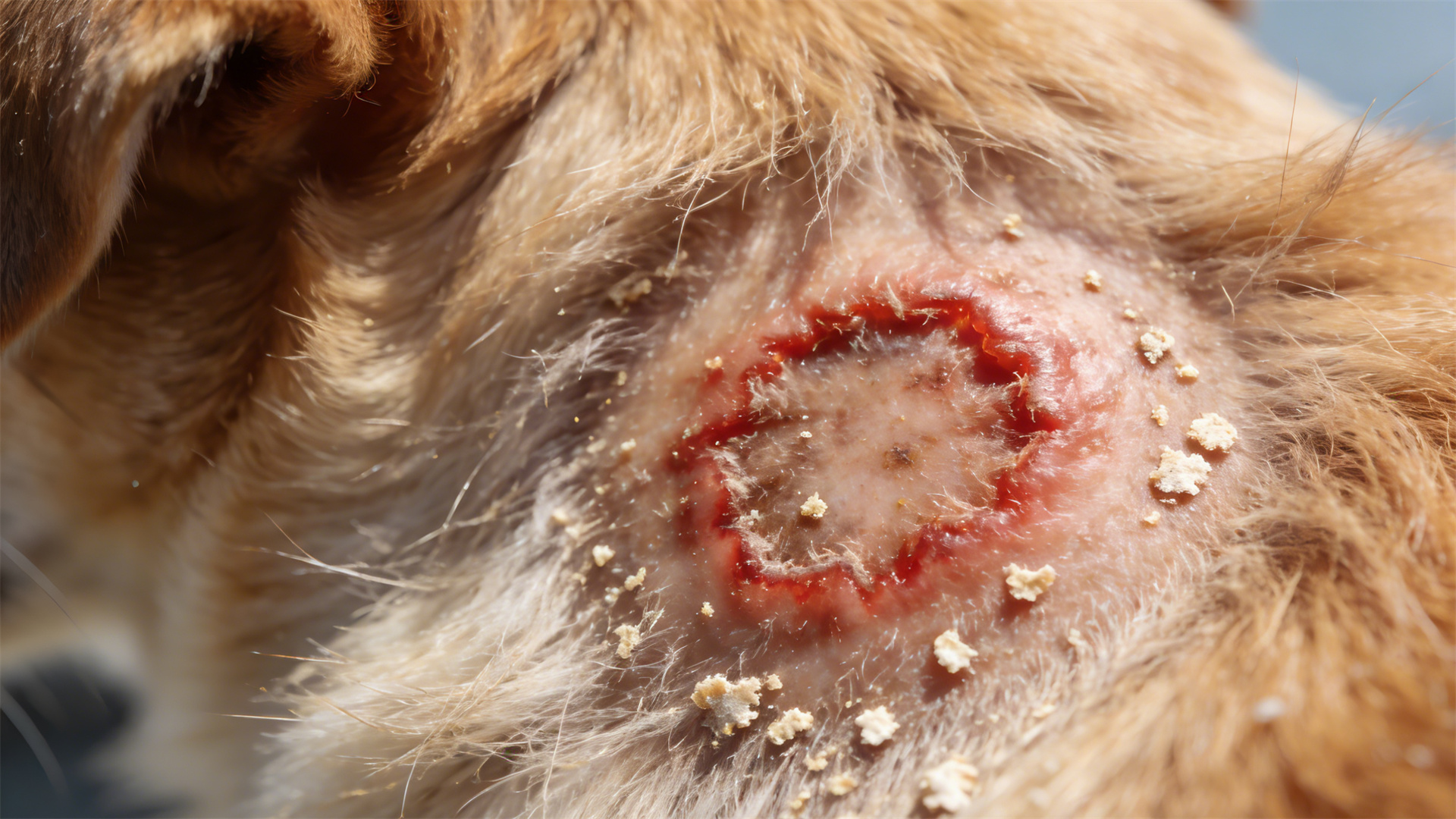
- Skin conditions (hot spots, excessive shedding).
- Changes in appetite.
🧘♂️ Practical Guidance for the Stress-Conscious Owner: Breaking the Cycle
Awareness is the first and most powerful step. Recognizing that your emotional state is part of your dog's environment allows you to manage it proactively. Here are actionable strategies to protect your dog's well-being and, in turn, create a positive feedback loop of calm for yourself.
⚡ Practice Mindful Calmness
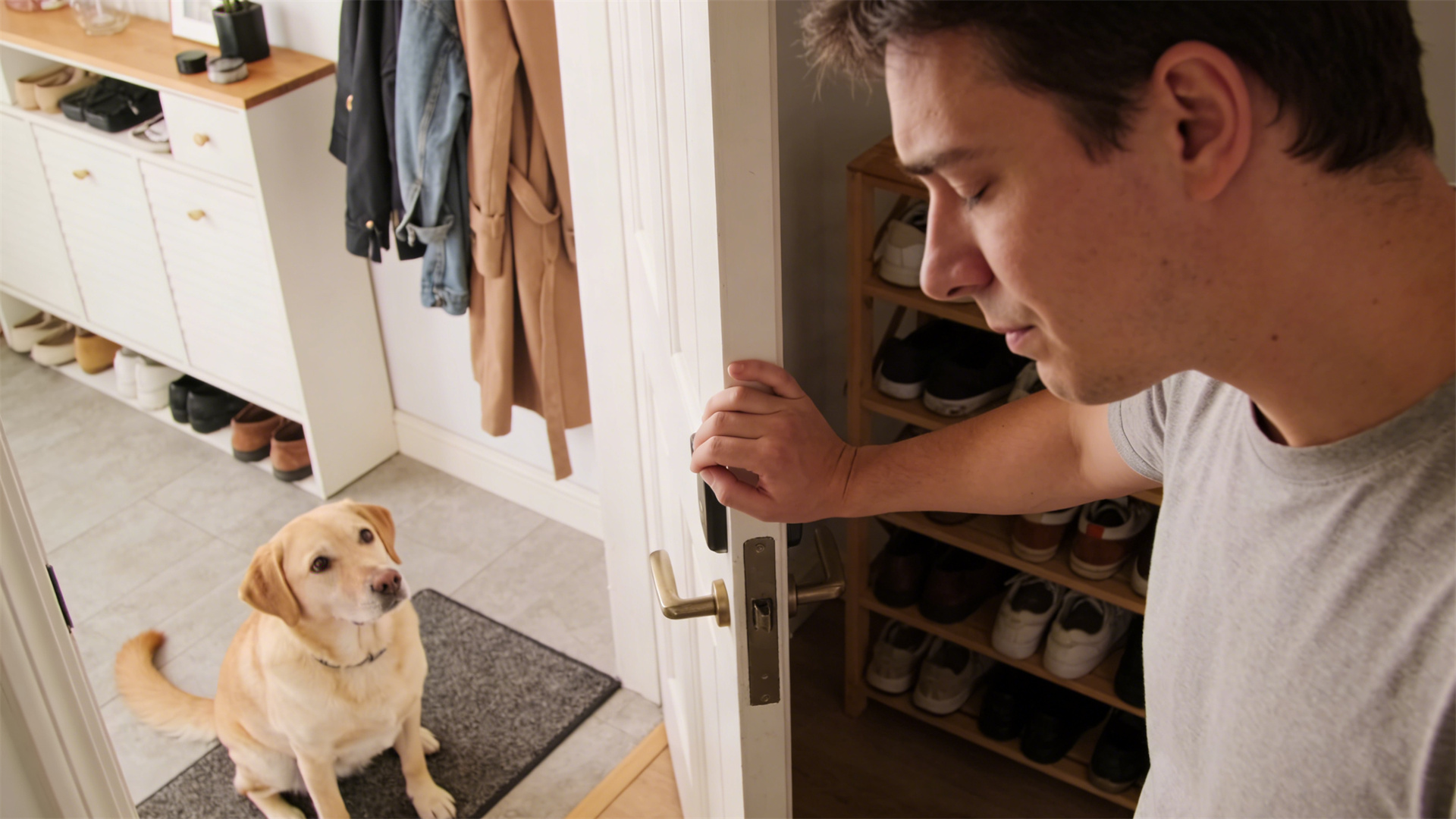
Before you greet your dog after a stressful day, take a moment. Pause at the door, take three slow, deep breaths, and consciously release the tension in your shoulders and face. Center yourself. Your dog will greet this calmer version of you, setting a different tone for the interaction.
🔄 Maintain Consistent, Predictable Routines
Dogs thrive on predictability. A consistent schedule for feeding, walks, playtime, and rest provides a scaffold of security in their world. When your external life feels chaotic, maintaining these pillars of routine can buffer your dog from anxiety.
🐕 Engage in Calming Mutual Activities
Not all exercise is equal for de-stressing. Replace a frantic game of fetch with a "sniffari"—a leisurely walk where your dog sets the pace and explores scents to its heart's content. This is mentally enriching and calming for both species. Quiet grooming sessions or gentle massage can also be powerful bonding and relaxation tools.
🗣️ Master Your Calm, Assured Voice
Dogs are highly sensitive to tone. An anxious, high-pitched, or frustrated voice can amplify their nervousness. Practice giving cues in a calm, steady, and confident tone. This doesn't mean being emotionless, but rather projecting a sense of assured leadership.
🏠 Provide a Safe, Quiet Retreat
Ensure your dog has access to a comfortable, den-like space (like a crate with a cover or a quiet corner bed) where it can retreat undisturbed. This is especially important in busy or chaotic households, giving the dog agency over its need for quiet.
❤️ Consider Your Stress Management Part of Responsible Pet Ownership
This is the cornerstone. Special Reminder: Your dog's long-term health is intertwined with your own mental well-being. Investing in your stress management—whether through exercise, meditation, therapy, or hobbies—isn't self-indulgent; it's a critical aspect of caring for your dependent companion. A calmer you unequivocally leads to a calmer dog.
💖 Conclusion: Deepening the Bond Through Conscious Connection
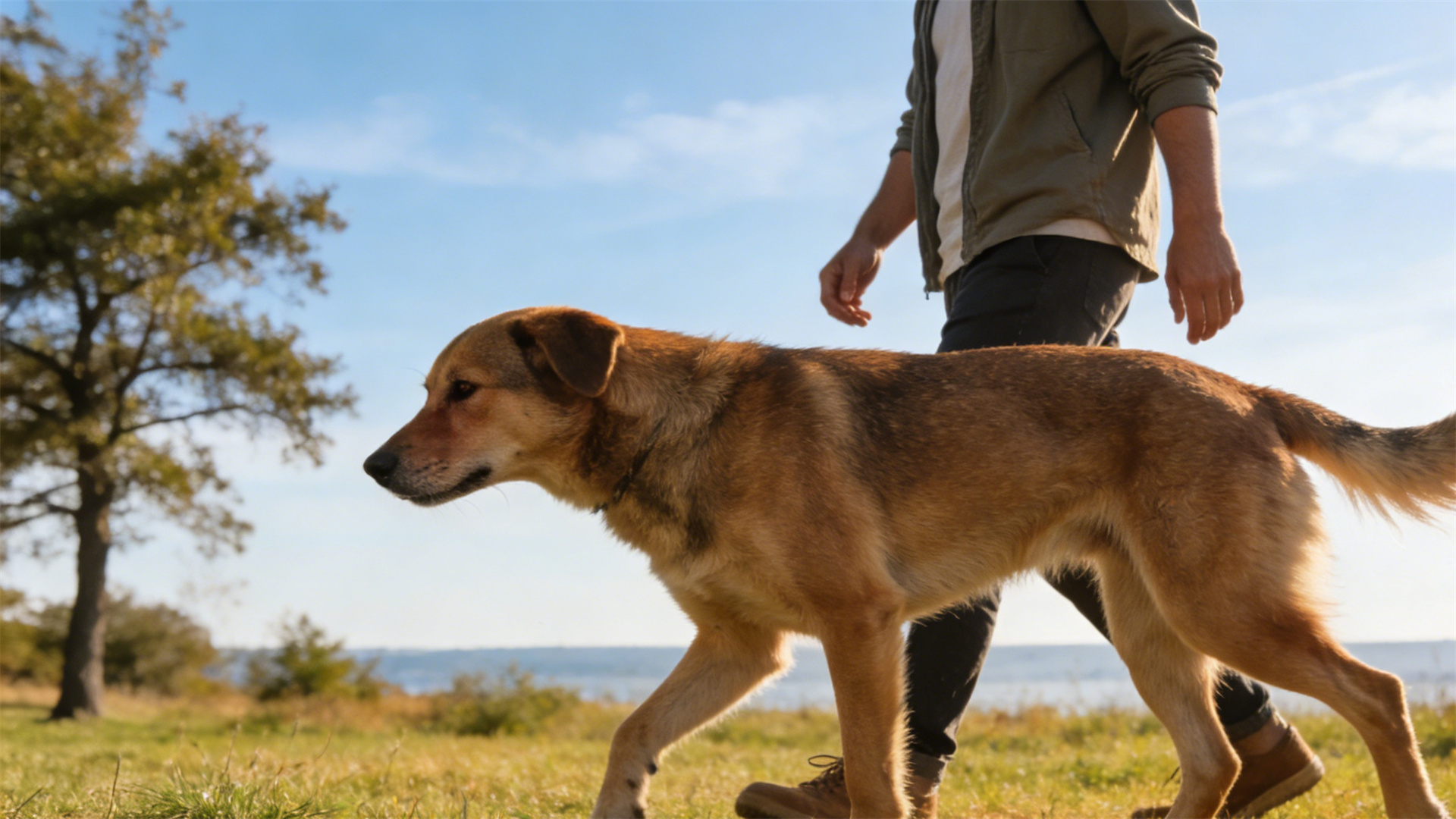
Your dog's profound ability to sense your emotions is not a flaw in your ownership; it is a breathtaking testament to the unique, cross-species connection you share. This emotional bond is the product of thousands of years of partnership. By understanding the science of canine emotional intelligence and the reality of subtle stress transmission, you empower yourself to be a more mindful guardian.
Recognizing that your stress affects your dog is not a burden of guilt, but an opportunity for growth. It invites you to become more aware of your own internal state and to actively cultivate calm, not just for yourself, but for your loyal friend who shares your emotional world. In doing so, you move beyond basic care into the realm of true empathy, fostering a more harmonious, healthy, and resilient life together. The journey toward calm is one you take side-by-side, each subtly supporting the other, as the best partners do.