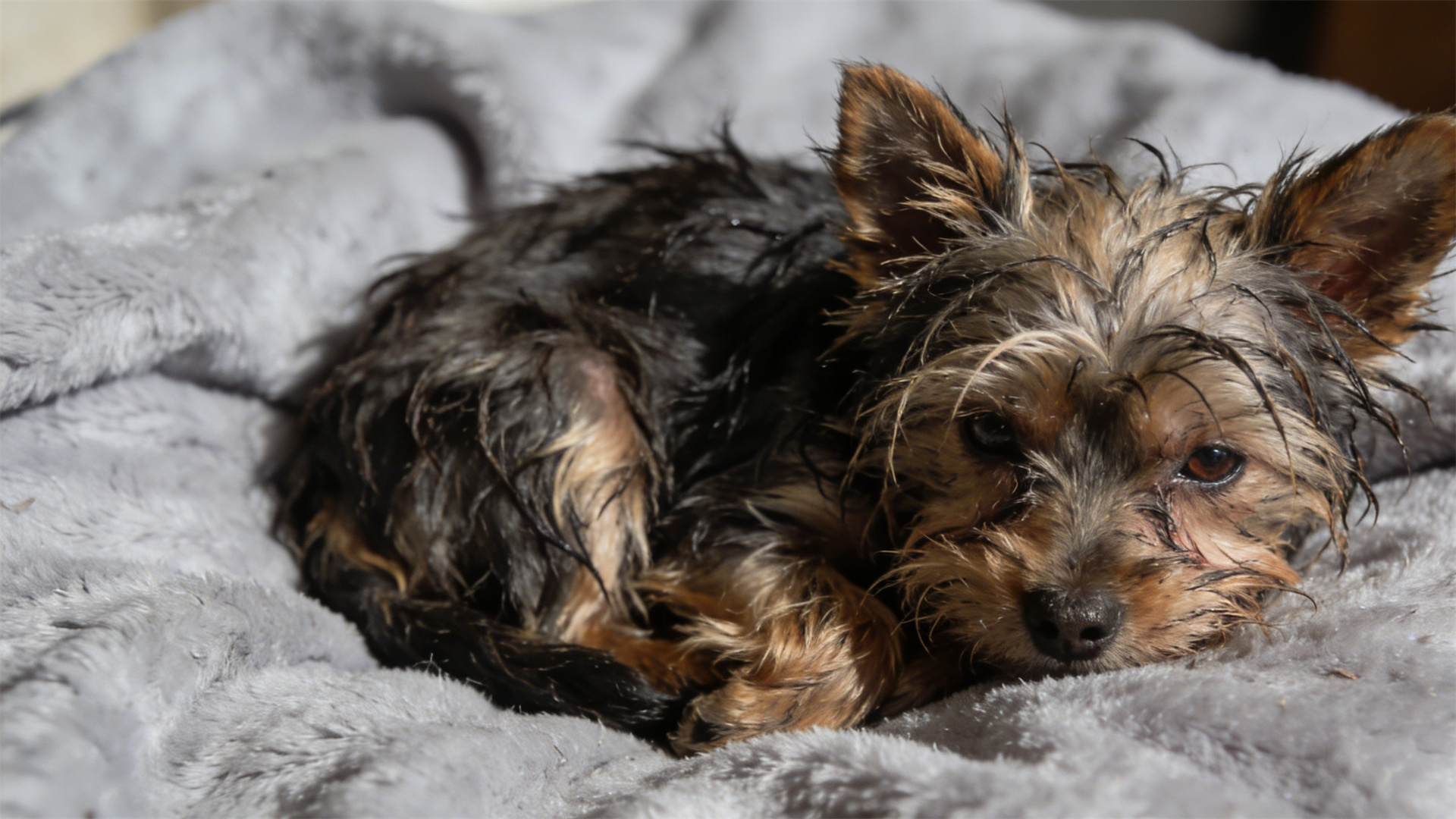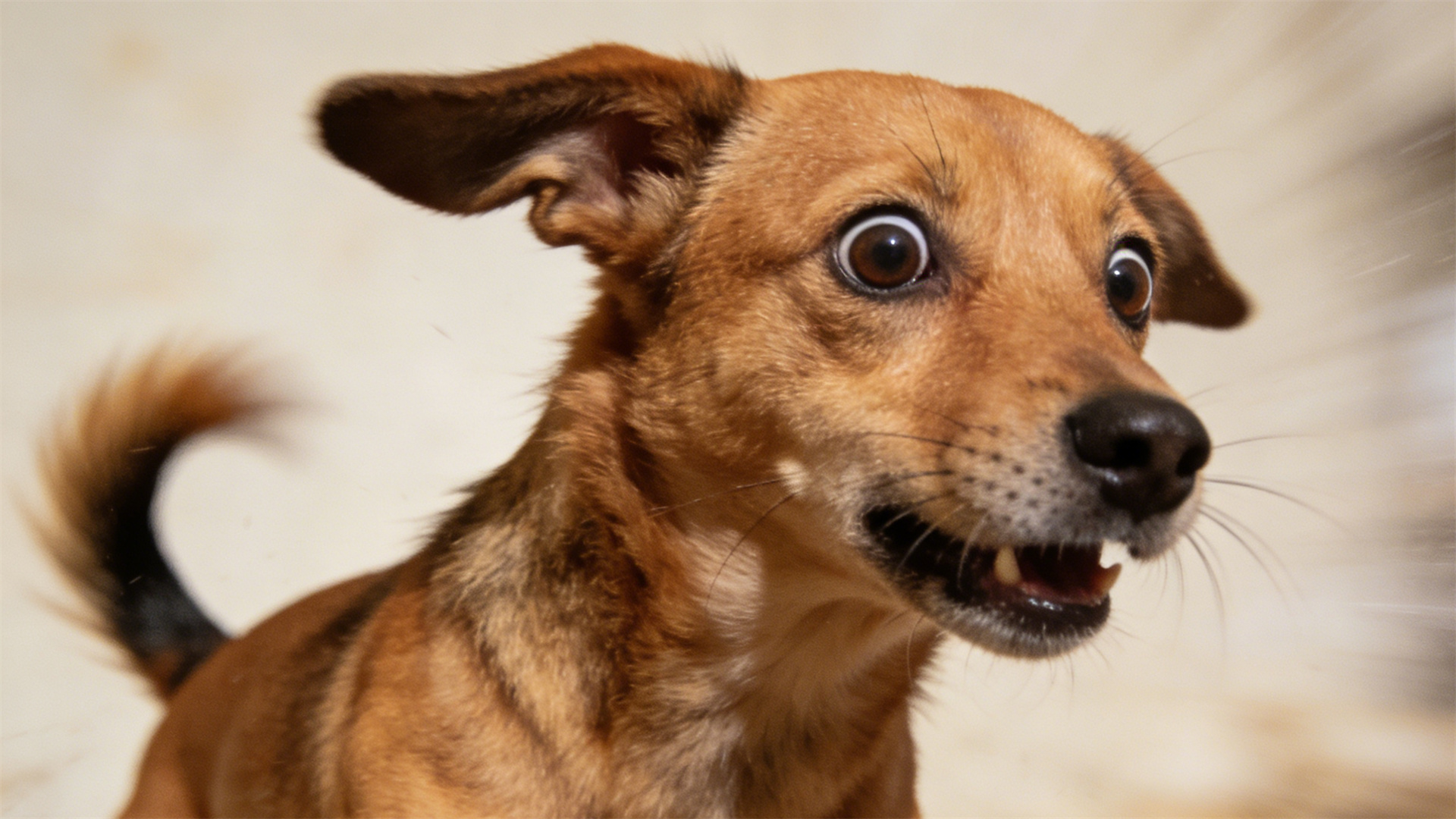
Have you ever looked at your dog and wondered if they're truly as healthy as they seem? That wagging tail and eager eyes can sometimes hide subtle signs of discomfort or early illness. As a devoted dog owner, your vigilance is the first line of defense in your pet's lifelong wellness journey. A full-cycle physical examination is not merely a sporadic vet visit; it's a proactive, consistent practice of observation and assessment that spans from puppyhood to the senior years. This comprehensive canine health checklist empowers you to become an active partner in your dog's health care. By mastering this nose-to-tail exam, you'll learn to spot minute changes, communicate effectively with your veterinarian, and ultimately, add more happy, healthy years to your dog's life. Let's embark on this essential aspect of responsible pet ownership together.
🐾 What is a Full-Cycle Physical Exam and Why is it Non-Negotiable?
A full-cycle dog exam is a systematic, thorough evaluation of your dog's physical condition and behavioral history. Unlike focusing on a single symptom, it examines the entire animal in context, creating a holistic picture of their well-being. This cycle encompasses regular at-home checks between professional veterinary clinical examinations. The benefits are profound: early detection of issues like dental disease, arthritis, or heart murmurs; establishing a normal baseline for your unique dog; and strengthening your bond through gentle, routine handling. Think of it as continuous health monitoring rather than an annual event.
Your Role vs. The Veterinarian's Role
Your Role (At-Home Monitoring): You are the detective, noting daily changes in behavior, appetite, and energy. Your at-home dog health check is about surveillance and gathering information. You provide the crucial historical context—"When did the limp start?" or "Has his water intake increased?"
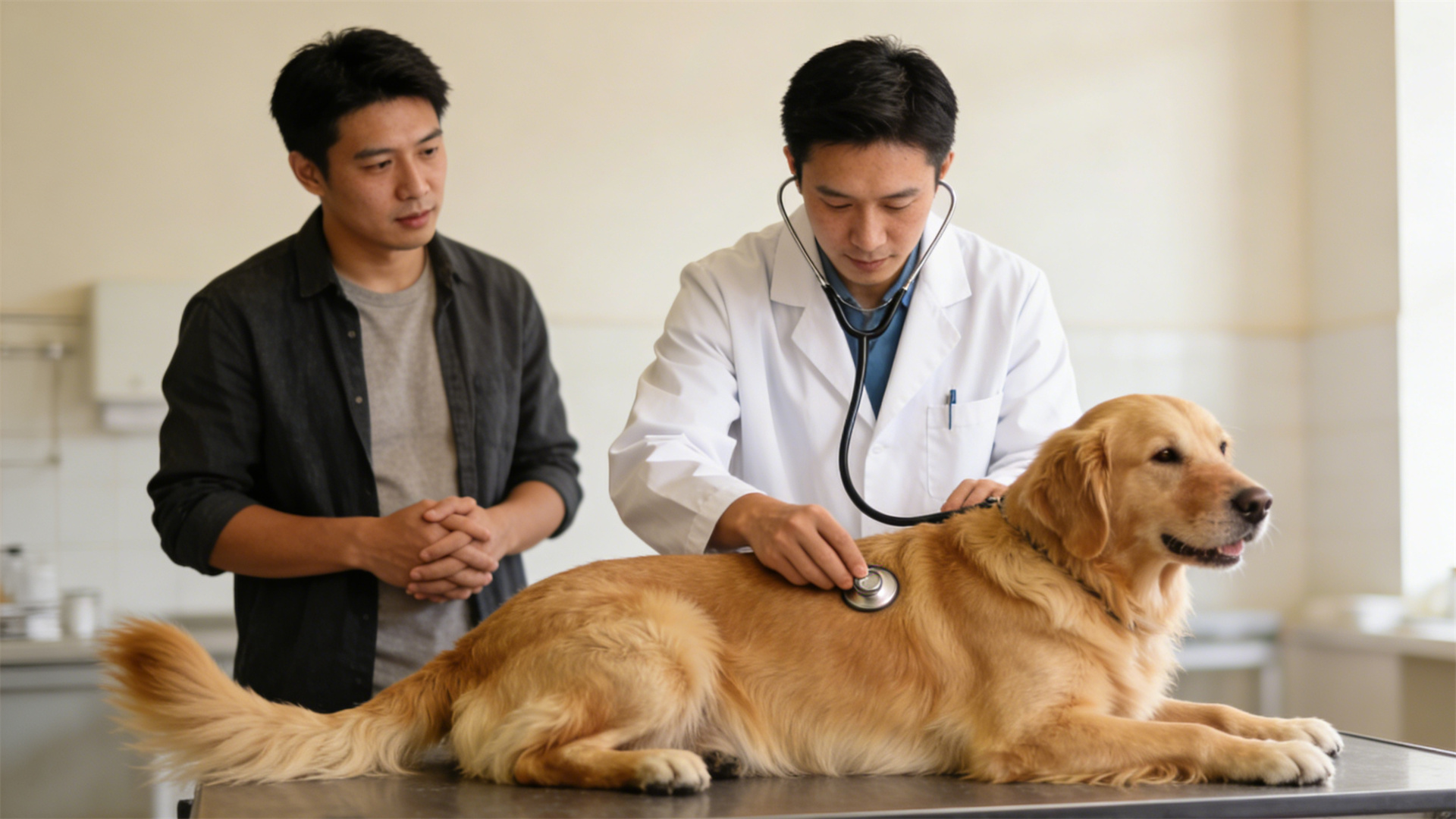
Your Veterinarian's Role (Clinical Diagnosis): The vet is the expert analyst and diagnostician. They perform palpation, auscultation, and inspection with clinical skill, interpret findings with medical knowledge, and conduct necessary tests (blood work, x-rays). They provide the official dog wellness assessment and treatment plan.
Special Reminder: This complete dog checkup checklist is a powerful tool for preventive care, but it does not replace professional veterinary care. Always consult your vet with any concerns.
🔍 Phase 1: The Pre-Exam – History and Behavioral Observation
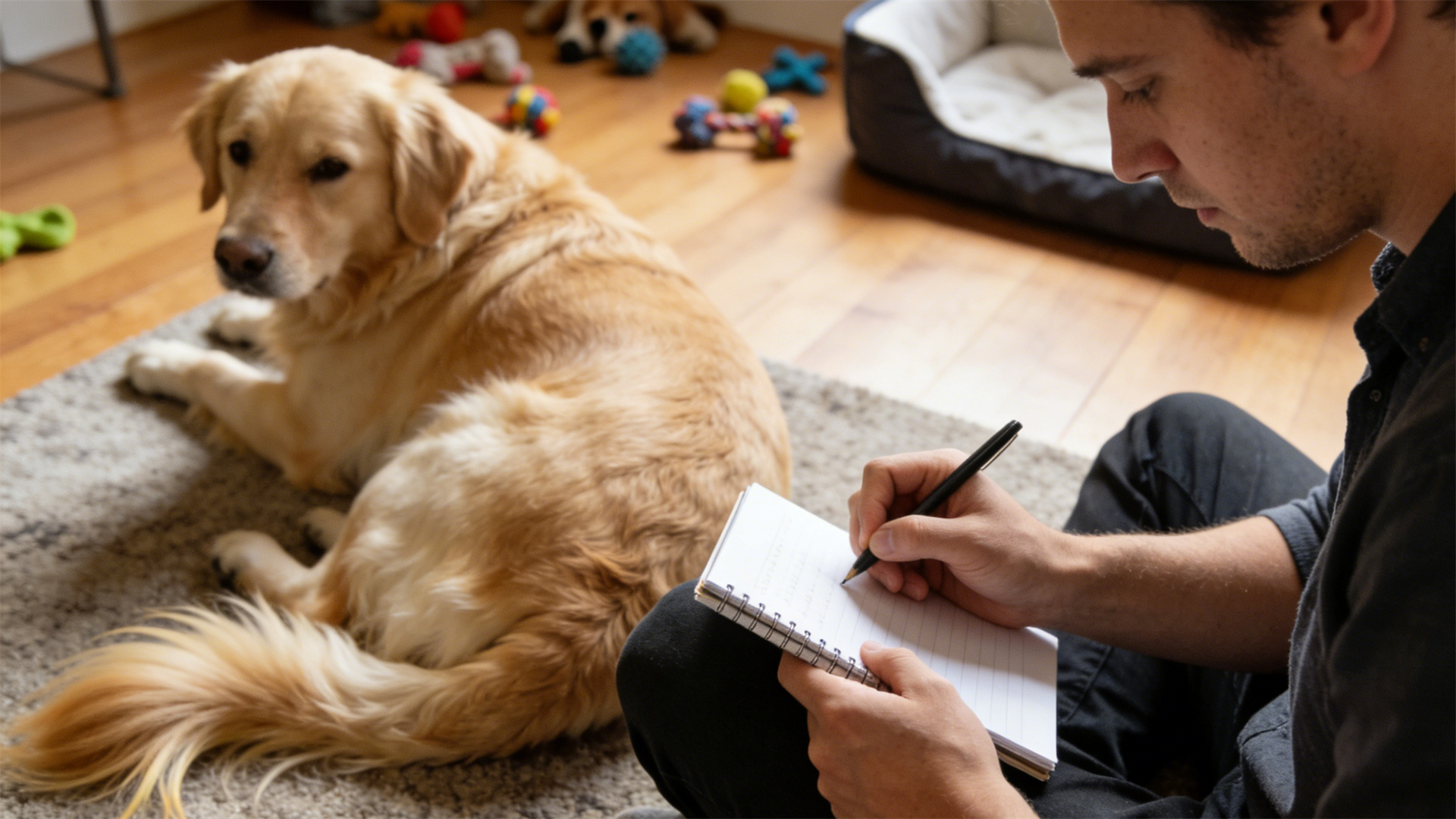
Before you lay a hand on your dog, the exam has already begun. This phase involves keen observation and record-keeping. Grab a notebook or use a notes app dedicated to your dog's health. Track these elements over days and weeks to identify patterns.
Behavioral & Historical Log:
Appetite & Thirst: Has there been any increase or decrease? A sudden ravenous appetite or disinterest in food can be significant.
Energy & Demeanor: Is your normally playful dog lethargic? Is your calm dog restless or anxious? Note changes in sleep patterns.
Bathroom Habits: Monitor frequency, consistency, and color of stool and urine. Difficulty urinating or straining is a red flag.
Coughing/Sneezing/Vomiting: Frequency, timing (after exercise?), and description of the event.
Recent History: Note any changes in diet, medication, environment, or routine stressors.
❤️ Phase 2: Vital Signs Assessment – The Core Metrics of Life
This is the quantitative foundation of your canine health assessment checklist. Learning to measure these at home (when your dog is relaxed) provides invaluable data for your vet.
Checkpoint 1: Vital Signs
Heart Rate (Pulse): Place your hand over the left side of the chest, behind the elbow. Count the beats for 15 seconds and multiply by 4.
Normal Range: 60-140 beats per minute (smaller dogs are typically faster).
Respiration Rate: Watch the rise and fall of the chest while your dog is at rest. Count one inhale and exhale as one breath for 30 seconds, multiply by 2.
Normal Range: 10-30 breaths per minute.
Temperature: Use a digital rectal thermometer lubricated with petroleum jelly. This is often a two-person job!
Normal Range: 101.0°F to 102.5°F (38.3°C to 39.2°C).
Capillary Refill Time (CRT): Gently lift the upper lip and press on the gum above a canine tooth until it blanches (turns white). Release and time how long it takes for the pink color to return.
Normal: Less than 2 seconds. A prolonged CRT can indicate dehydration or circulatory issues.
Mucous Membrane Color: Check the gums. They should be pink and moist. Pale white, yellow (indicating potential liver issues), blue, or bright red gums require immediate veterinary attention.
👁️ Phase 3: The Head Region – A Window to Health
Start at the front and work your way back, using treats and a calm voice to keep your dog comfortable.
Checkpoint 2: Eyes
Appearance: Eyes should be clear, bright, and free of discharge. The whites (sclera) should be white, not yellowed or red.
Response: Gently move your hand toward the eye; your dog should blink. Shine a penlight briefly; the pupil should constrict.
Eyelids & Third Eyelid: Check that eyelids roll normally and the third eyelid is not prominently visible.
Checkpoint 3: Ears
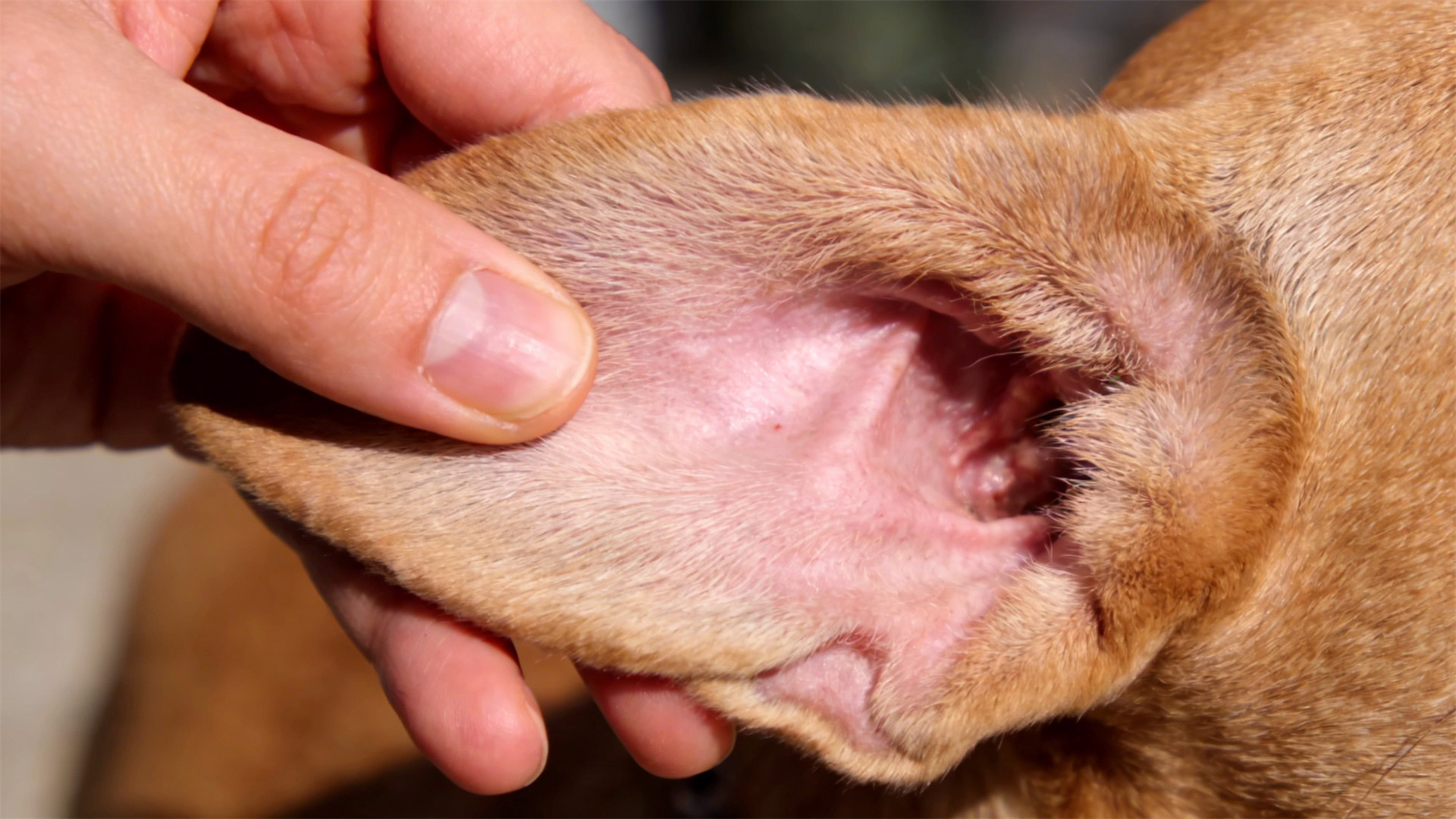
Odor & Discharge: Smell gently. A healthy ear has a mild, neutral odor. A foul, yeasty, or pungent smell indicates infection. Look for dark wax or debris.
Skin & Sensitivity: The inner ear flap should be pale pink and clean. Touch the base of the ear; if your dog flinches, cries, or scratches, it may be painful.
Checkpoint 4: Nose
Texture & Discharge: The nose can be wet or dry, and both can be normal! Focus on texture (crusty, cracked?) and discharge (clear is okay; thick, yellow, green, or bloody is not).
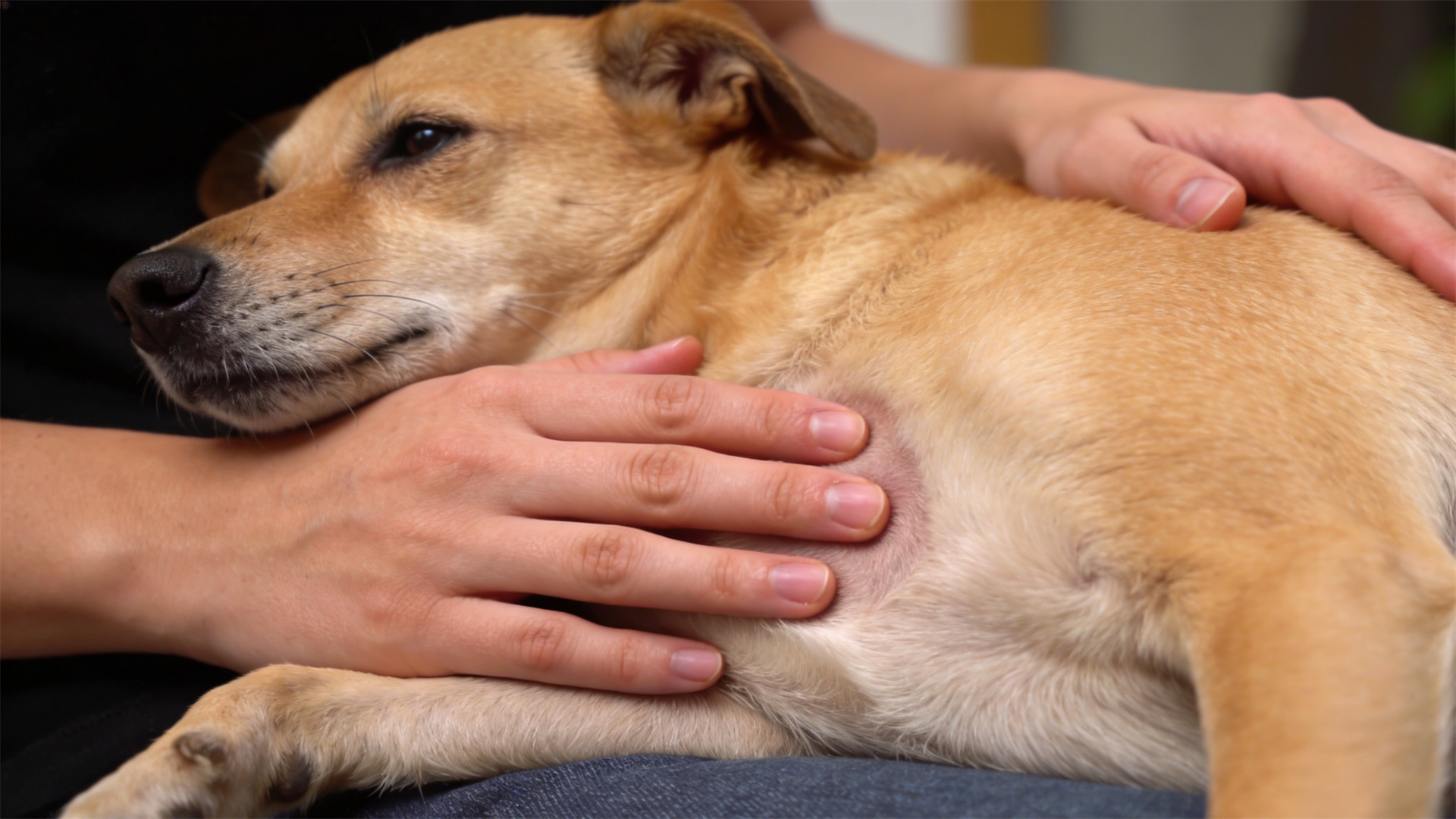
Checkpoint 5: Mouth & Teeth
Gums & Teeth: Re-check gum color and moisture. Lift the lips to inspect teeth for tartar (brown buildup), redness at the gum line (gingivitis), broken teeth, or unusual growths.
Special Reminder: Severe dental disease can lead to bacteria entering the bloodstream and affecting the heart, liver, and kidneys.
Breath: While dog breath isn't minty fresh, extremely foul, sweet (diabetic clue), or urine-like odors warrant a vet visit.
🐕 Phase 4: Torso, Coat, and Skin – The Main Canvas
Use a gentle, probing touch with your fingertips over your dog's entire body.
Checkpoint 6: Coat and Skin
Coat Quality: Should be clean and have a natural sheen (breed-dependent). Note excessive dryness, oiliness, or brittleness.
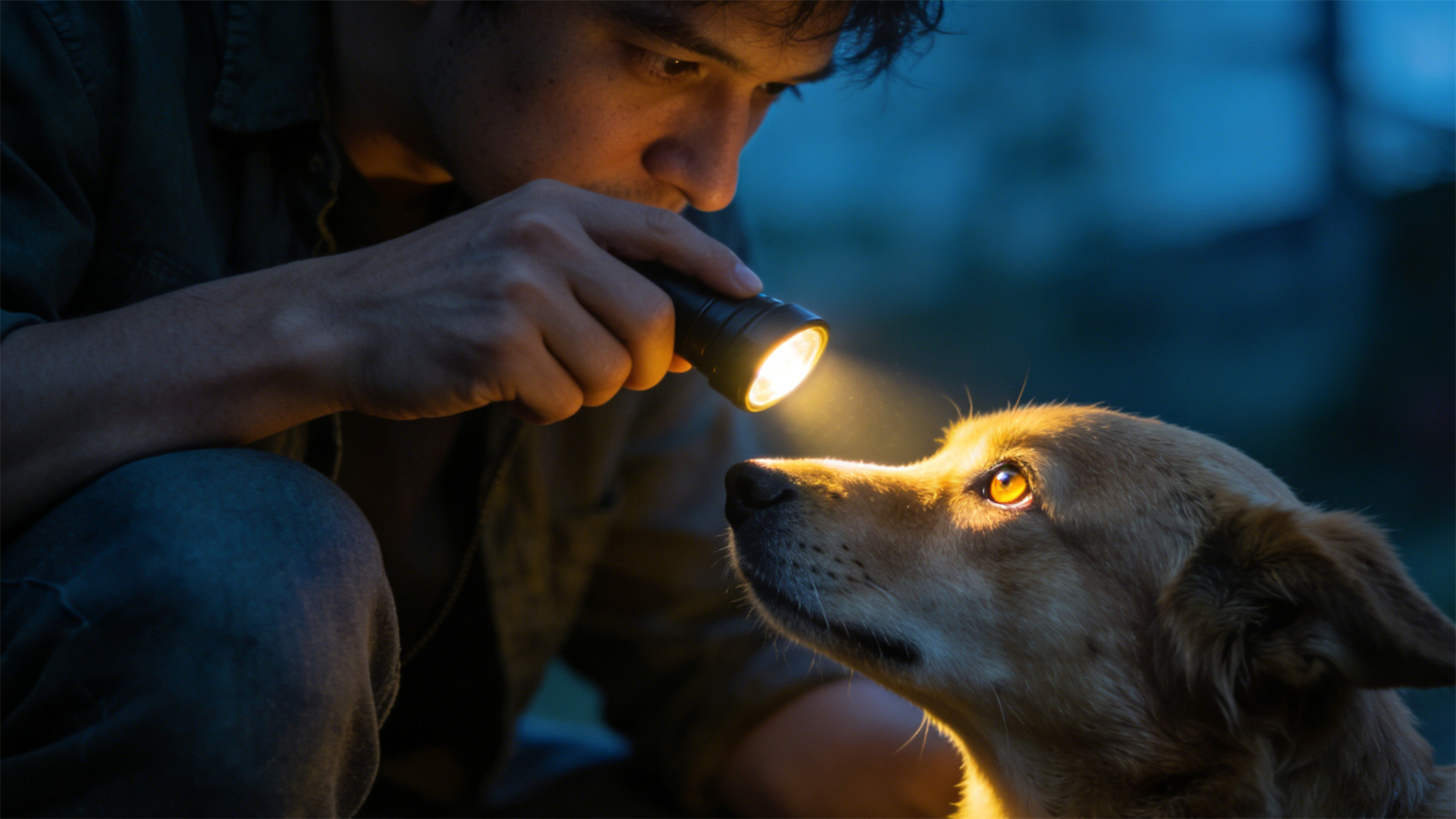
Skin Health: Part the fur and look at the skin. It should be clean, without flakes (dandruff), redness, pimples, scabs, or dark spots. Check for any lumps or bumps, noting their location, size, and texture (soft, firm, movable?).
Parasites: Look for fleas ("flea dirt" looks like black pepper that turns red when wet) or ticks, especially in armpits, groin, and between toes.
Checkpoint 7: Abdominal Palpation
With your dog standing, gently use both hands to feel the abdomen. Start just behind the ribs.
Goal: Identify obvious pain, extreme tightness (bloating is an EMERGENCY), or unusual masses. You may feel the faint ripple of intestines or a full bladder. Do not press deeply if your dog shows discomfort.
Body Condition Score (BCS): Visually assess and feel your dog's ribs. You should be able to easily feel them under a thin layer of fat. There should be a visible waist when viewed from above and an abdominal tuck when viewed from the side.
🦵 Phase 5: Limbs, Joints, and Gait – The Foundation of Movement
Observe your dog moving freely before handling their legs.
Checkpoint 8: Gait and Stance
Watch your dog walk and trot away from you, toward you, and from the side. Look for:
Lameness: Favoring one leg, head bobbing, or "hopping."
Stiffness: Especially after resting, which is common in senior dog health checks.
Stance: Are they standing evenly on all four paws?
Checkpoint 9: Legs and Joints
Joints: Gently feel each joint (shoulder, elbow, wrist, hip, knee, hock). Check for swelling, heat, pain, or reduced range of motion. Gently flex and extend the joint—does it cause discomfort?
Muscle Mass: Compare muscle symmetry between left and right legs. Atrophy (wasting) can indicate pain or neurological issues.
Checkpoint 10: Paws and Nails
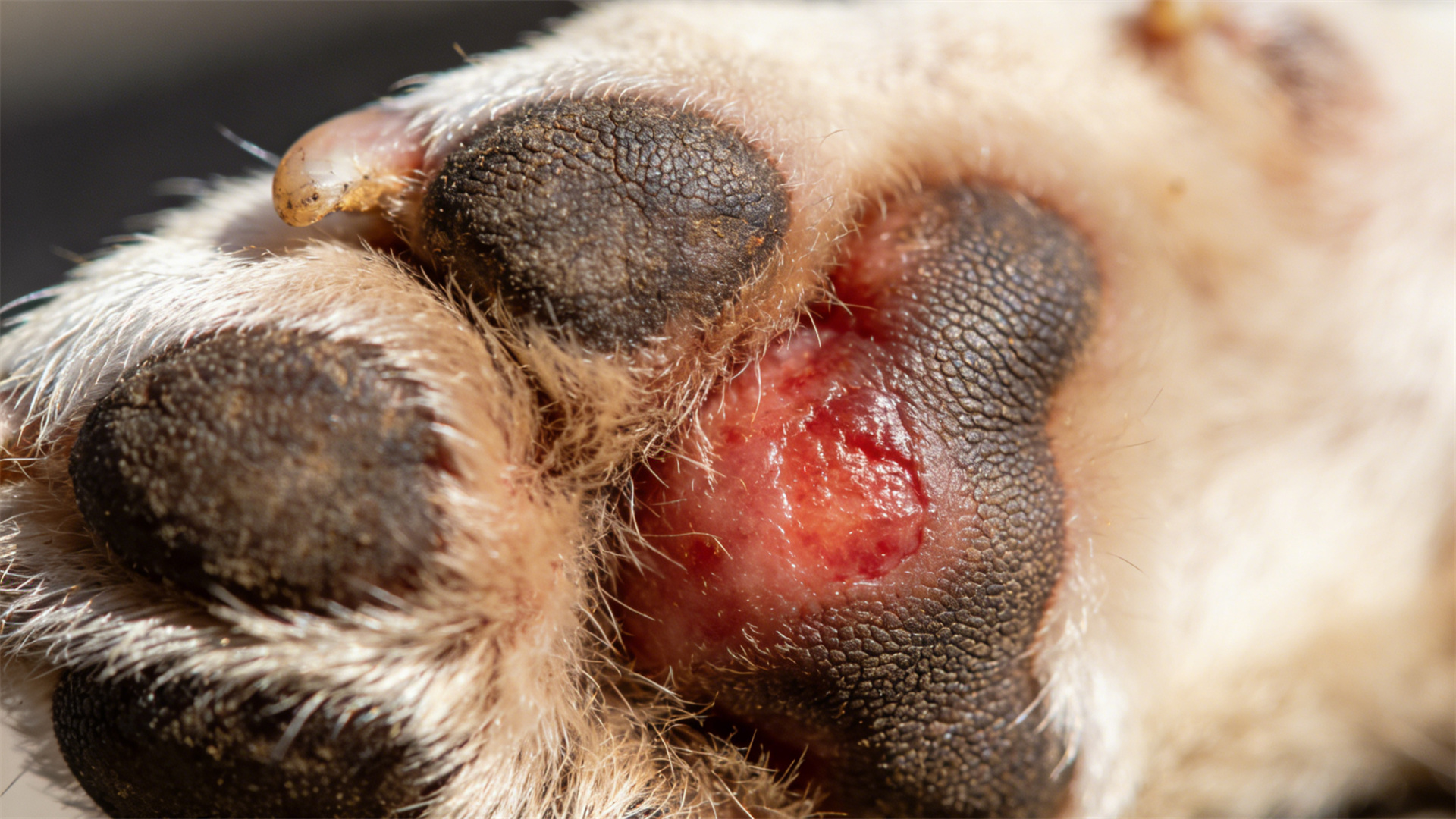
Paw Pads: Inspect for cuts, cracks, burns, or foreign objects (like foxtails) lodged between pads.
Nails: Check length. Overlong nails affect gait and can cause pain. Look at the quick (the pink inner part) to avoid cutting it during trims.
Interdigital Areas: Spread the toes. Look for redness, cysts, or infection.
📊 Phase 6: Synthesis, Record-Keeping, and The Vet Partnership
You've now completed a comprehensive at-home dog checkup. This final phase is about turning observations into action.
Compiling Your Findings
Transfer your notes from your behavioral log and physical exam into a clear, concise summary. For example: "3/15: Noted slight stiffness after nap. Rear left leg muscle appears slightly less defined than right. Appetite and energy normal." This log becomes a powerful tool during your vet visit.
The Professional Wellness Exam: What to Expect
When you bring your checklist to the vet, they will perform their own comprehensive dog exam, often following the same systematic approach. They will:
1. Review your historical notes.
2. Confirm and interpret vital signs.
3. Perform advanced palpation and auscultation (listening to heart and lungs with a stethoscope).
4. Possibly recommend diagnostics (blood work, urinalysis) based on age and findings, especially for a senior dog health check.
Your prepared notes allow them to focus their expertise efficiently, making the visit more valuable for everyone.
🎯 Conclusion: Empowerment Through Proactive Care
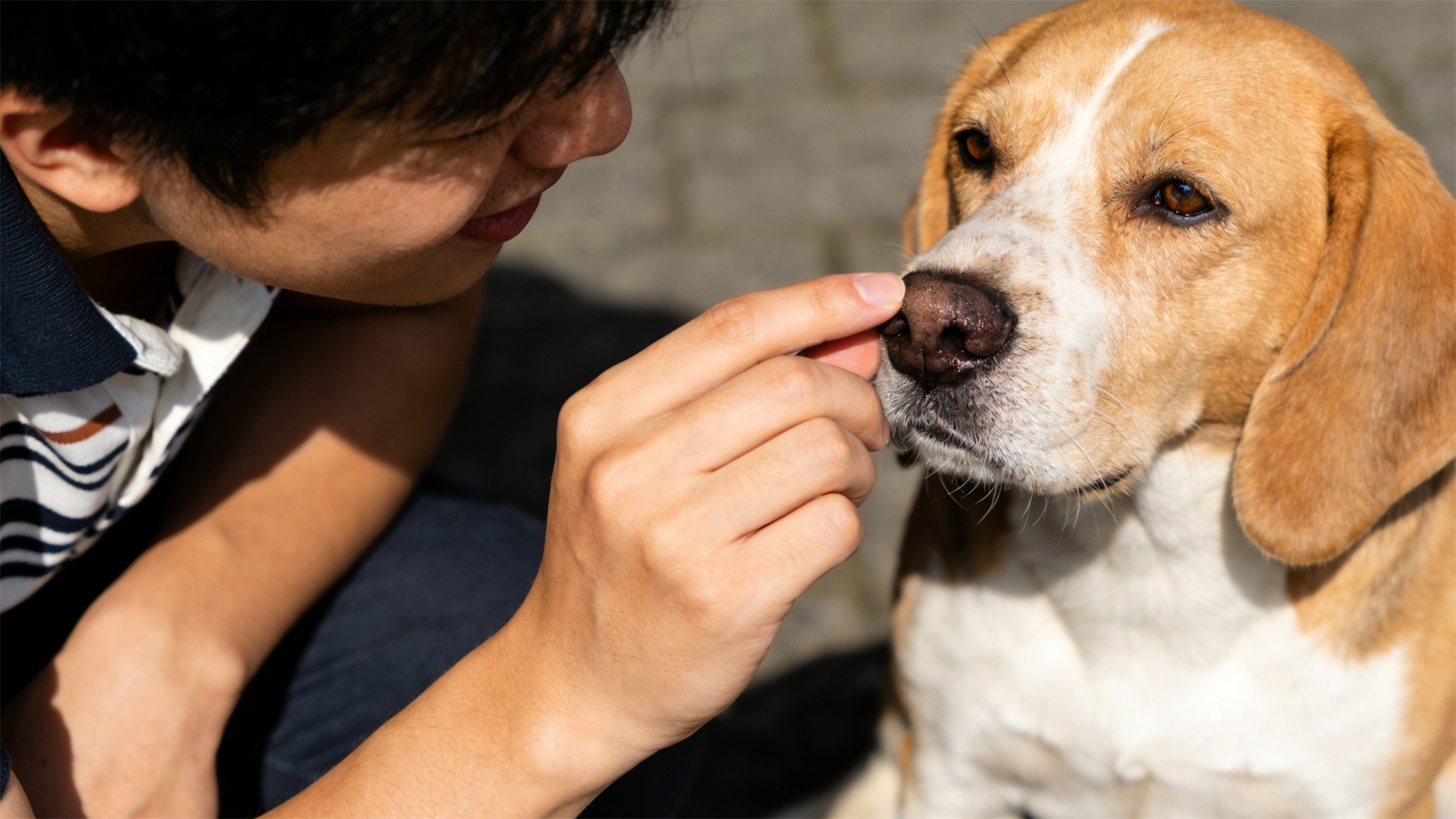
Mastering this full-cycle physical examination checklist transforms you from a passive observer to an active, informed guardian of your dog's health. It demystifies your dog's body, deepens your connection, and places you squarely on the same team as your veterinarian. Remember, the goal isn't perfection in diagnosis—it's the cultivation of awareness. By integrating these dog wellness exam procedures into your routine every month or so, you create a safety net of observation that catches small issues before they become big problems. So, take a deep breath, grab some treats, and start your first gentle exam today. Your dog's vibrant health and wagging tail for years to come will be your greatest reward.
Now, use your newfound knowledge as a springboard for action. Schedule that annual or biannual professional veterinary physical examination, and bring your detailed checklist with you. Your vet will be impressed, and your dog will thank you.
Disclaimer: This article is for educational purposes and is not a substitute for professional veterinary advice, diagnosis, or treatment. Always seek the advice of your veterinarian with any questions you may have regarding your pet's medical condition.