Healthy

Oral health management

M

Maya

Oct 15,2025 • 5 Min Read

Oral health management

Let's be honest: does your dog's breath smell like a garbage truck on a hot day? 🚚💨 You're not alone. But here's the real question—are you dismissing that foul odor as just "dog breath," or are you recognizing it as the first red flag of a serious health issue? Oral health management for dogs isn't just about fresh kisses; it's a critical pillar of your pet's overall longevity and vitality. In this definitive guide, we'll walk you through everything, from daily dog dental hygiene routines to knowing when it's time for a professional veterinary dental care visit. Ready to transform your dog's dental health? Let's dive in!

🐾 Why Canine Dental Care Is Non-Negotiable

Think of your dog's mouth as a gateway. Poor oral health management doesn't stay in the mouth. Bacteria from plaque and tartar can enter the bloodstream, traveling to vital organs like the heart, liver, and kidneys. This can lead to life-threatening conditions. Canine periodontal disease affects over 80% of dogs by age three, making it the most common clinical condition in adult dogs. The stakes are high, but the good news? It's largely preventable with consistent canine dental care.

⚠️ The Silent Symptoms: What to Watch For

Your dog won't tell you their gums hurt. You have to be a detective. Watch for these dog gum disease symptoms:

Bad breath in dogs (Halitosis): The most common early sign. It's not normal!
Visible Tartar: Yellow or brown crust on teeth, especially near the gumline.
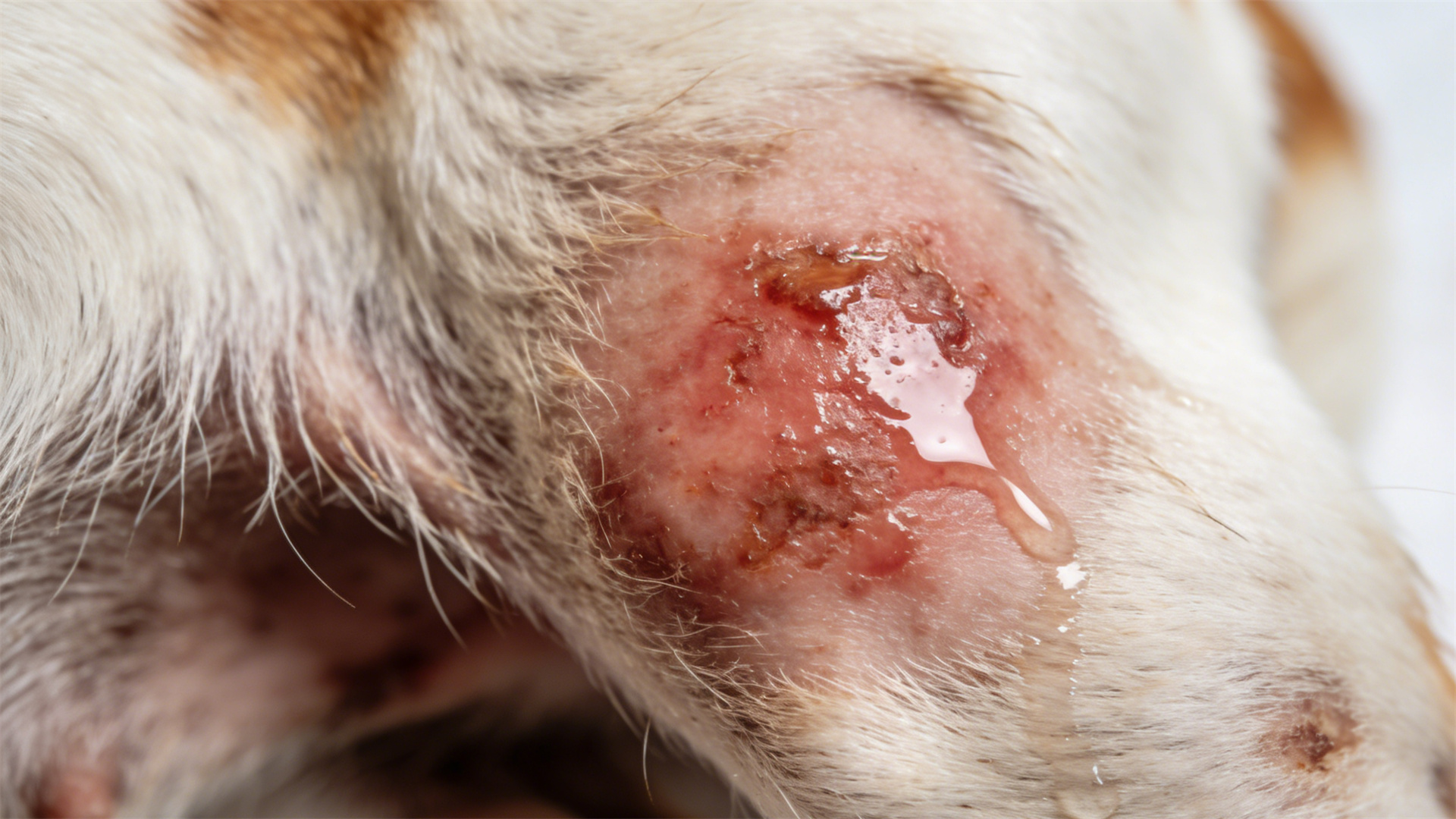
Red, Swollen, or Bleeding Gums: A clear sign of gingivitis.
Difficulty Chewing or Dropping Food: They might favor one side or seem uncomfortable.
Pawing at the Mouth or Facial Swelling: This indicates pain or possible abscesses.
Loose or Missing Teeth: A severe stage of periodontal disease.
Oral health management

🪥 Your Dog's Daily Defense: The At-Home Oral Hygiene Routine

Consistency is your secret weapon. An effective dog oral hygiene routine is the frontline of defense against plaque, the sticky film that hardens into tartar within 24-48 hours. Yes, that means you have a very short window!

Mastering Dog Teeth Brushing Tips

It's the gold standard. If you can brush daily, you're a superstar. Here’s how:

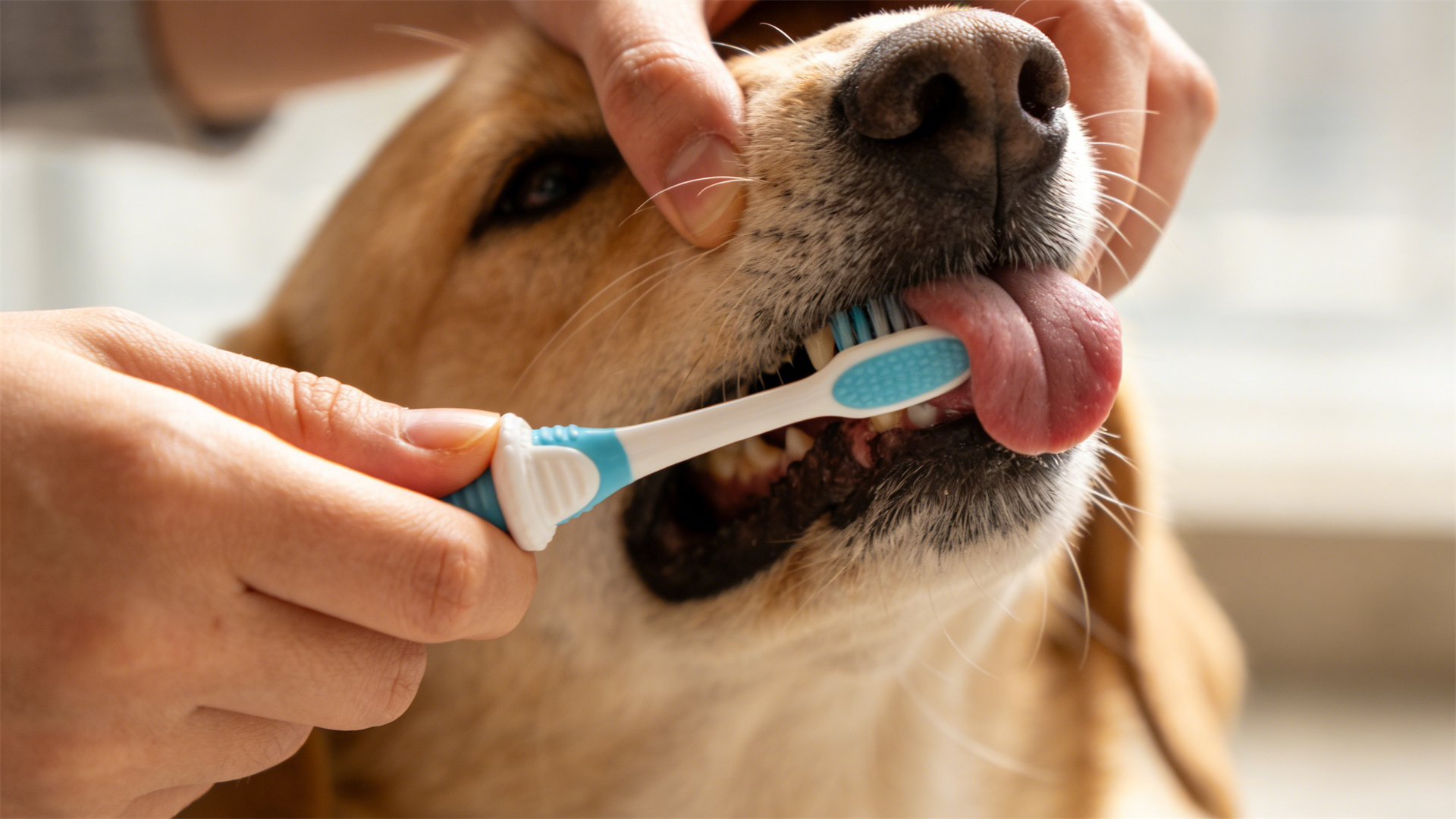
1. The Right Tools: Use a dog-specific toothbrush (finger brushes work great for beginners) and veterinary-approved toothpaste. Never use human toothpaste—it contains fluoride and xylitol, which are toxic to dogs.
2. The Introduction Process: Start slow. Let them taste the tasty paste (poultry flavor, anyone?). Gradually rub your finger on their teeth and gums.
3. The Technique: Lift the lip, brush at a 45-degree angle to the gumline, and use gentle circles. Focus on the outer surfaces where plaque accumulates most. Celebrate with praise and treats!
Oral health management

Beyond the Brush: Supplemental Dog Dental Care at Home

Brushing isn't the only tool in your kit. Think of these as helpful reinforcements:

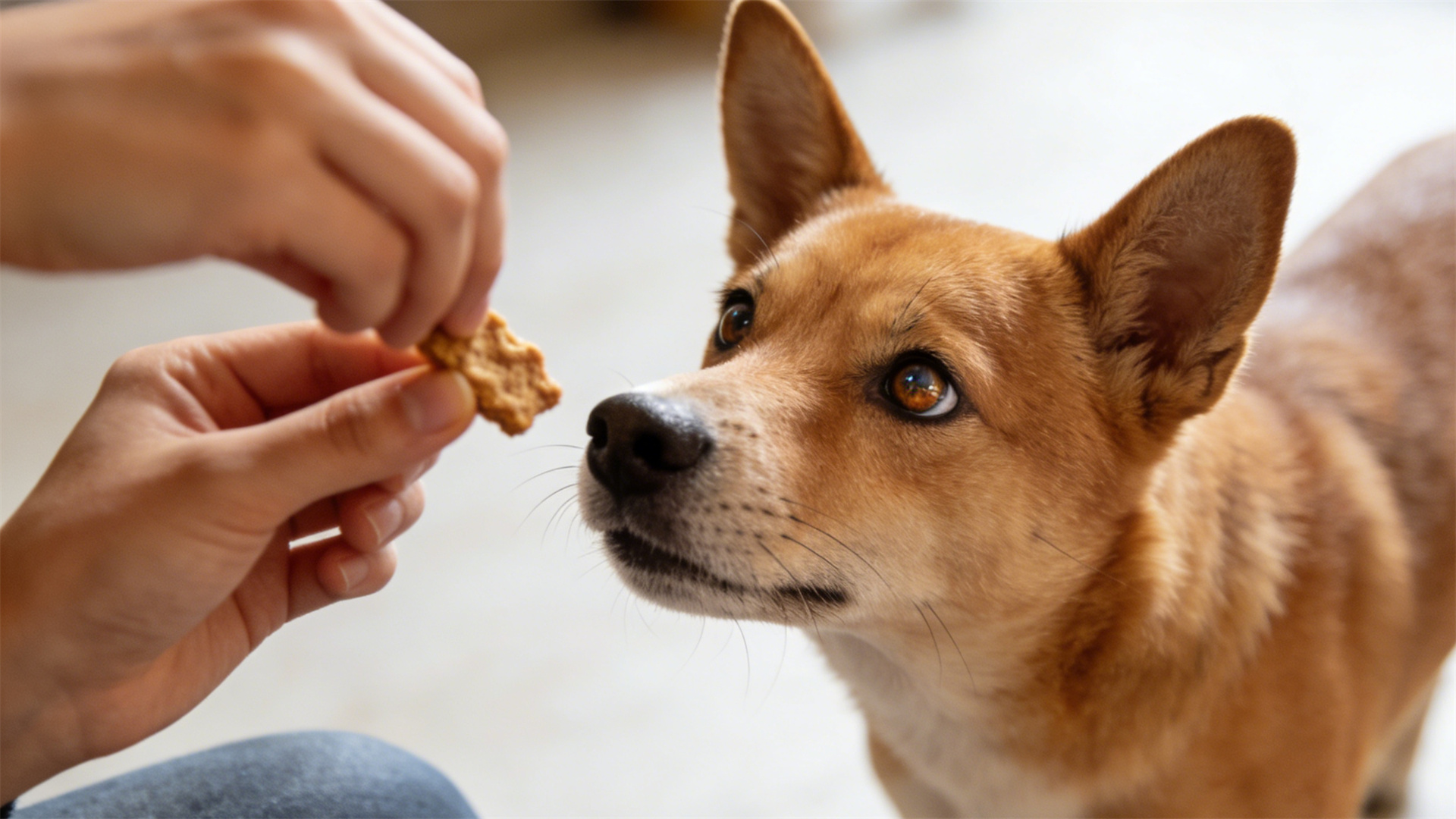
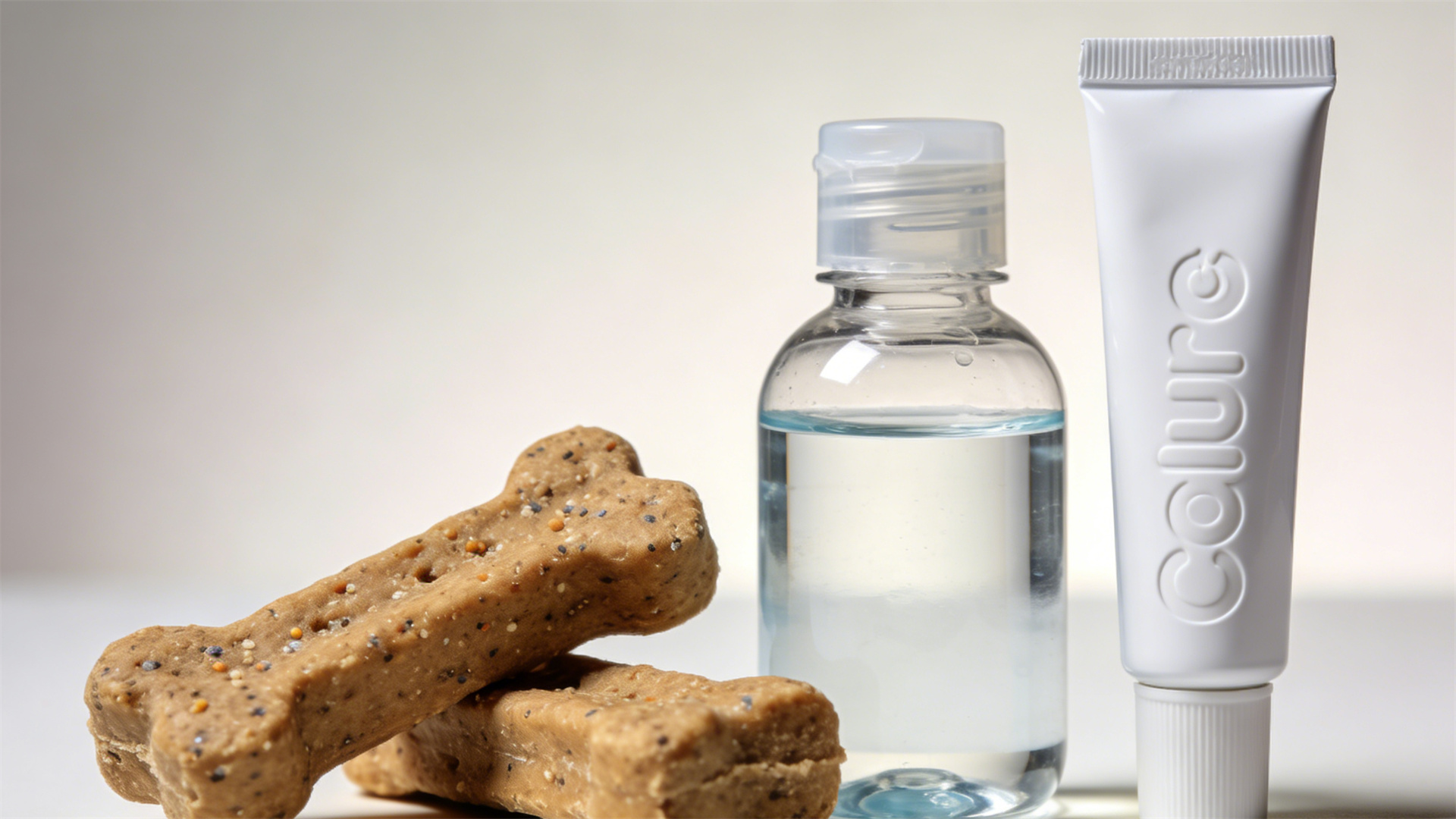
Dog Dental Treats & Chews: Look for products with the VOHC (Veterinary Oral Health Council) seal. These are scientifically proven to reduce plaque and tartar. They are treats, not miracles—factor the calories into their diet!
Dog Dental Health Products: Water additives, dental gels, and dental wipes can help, especially for dogs who absolutely refuse the brush. They are supplements, not replacements.
Natural Dog Dental Care: Some advocate for raw, meaty bones or specific crunchy vegetables. Consult your vet first, as bones can fracture teeth and pose choking risks.

Oral health management

👩⚕️ The Professional Power Play: Veterinary Dental Care for Dogs

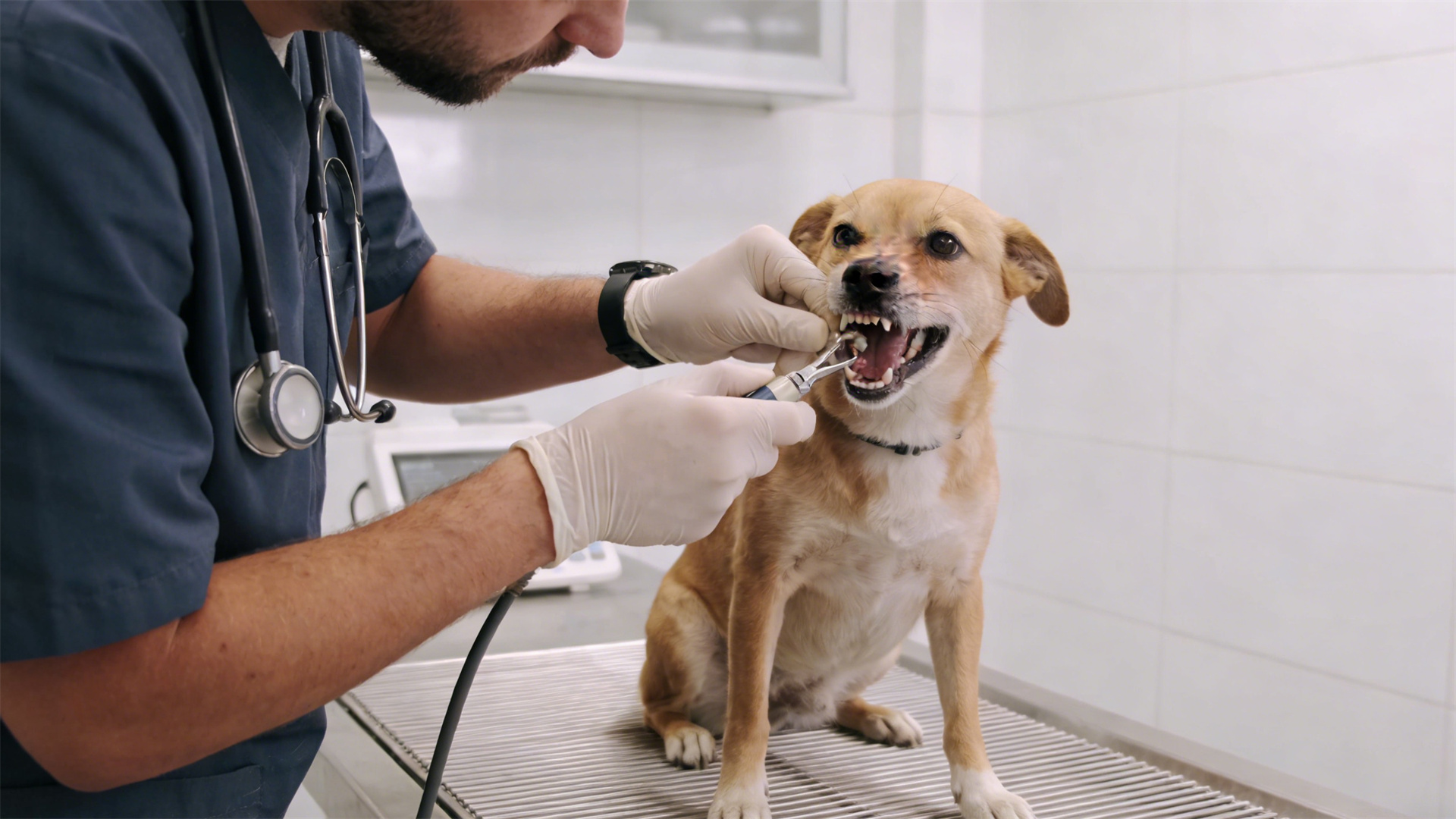
No matter how diligent you are, some tartar will require professional removal. A professional dog teeth cleaning is a medical procedure performed under anesthesia. This allows for a thorough examination (including under the gumline with dental X-rays) and a complete dog plaque removal and scaling.

What Happens During a Professional Cleaning?

Understanding the process eases anxiety. It involves:

Pre-anesthetic Bloodwork: Ensures your dog is healthy for anesthesia.
Safe Anesthesia: Allows for a pain-free, stress-free procedure and protects the airway.
Comprehensive Oral Exam & X-rays: Up to 60% of a tooth's disease is below the gumline—only X-rays can reveal this.
Scaling & Polishing: Removes tartar from all surfaces and polishes to smooth the enamel.
Treatment Planning: If dog tooth decay or periodontal disease is found, your vet will discuss extractions or other treatments.
Oral health management

🔍 Building a Lifetime of Healthy Smiles: Prevention & Routine Checks

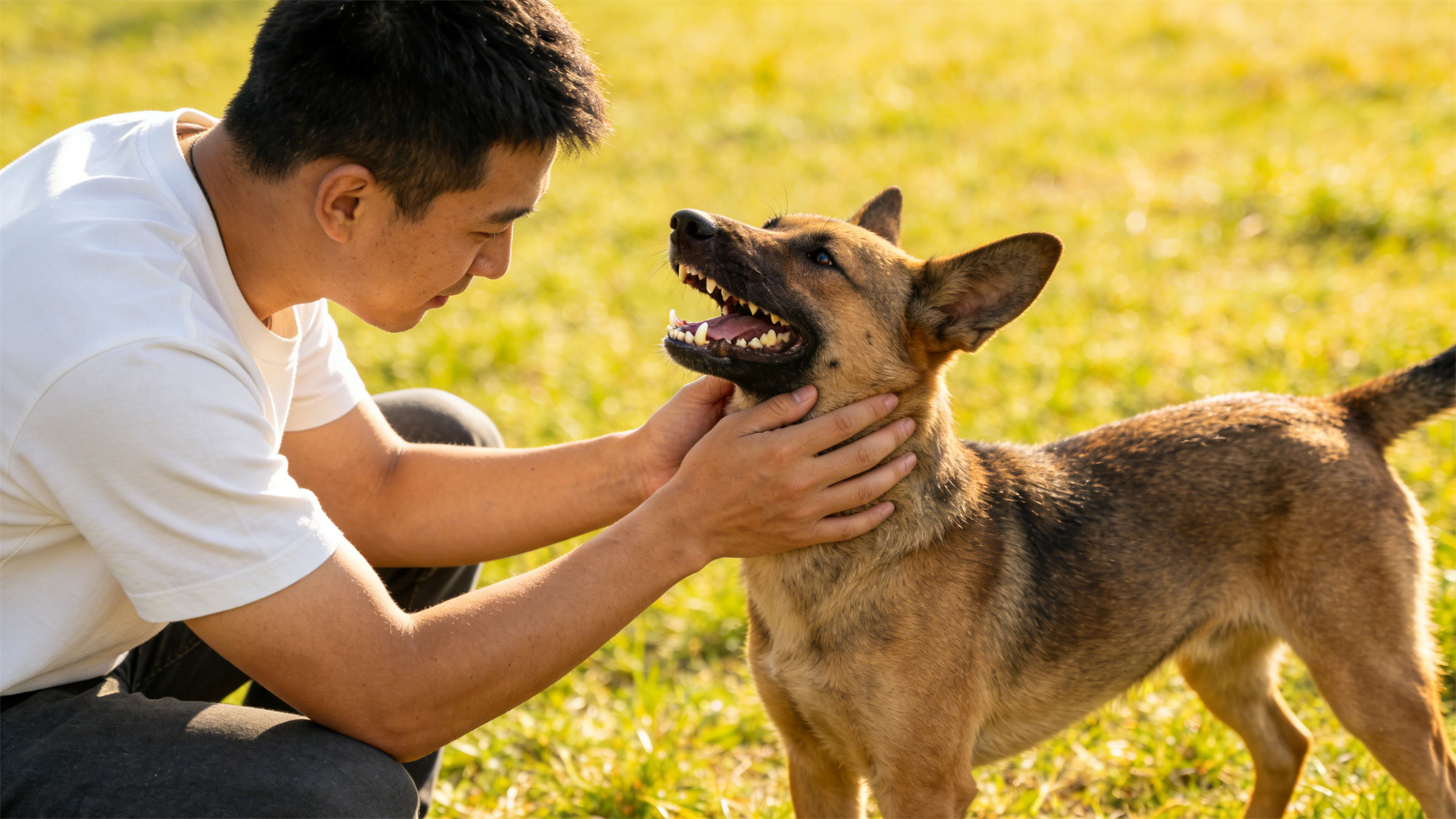
Oral health checks for dogs should be a regular part of your life. Make it a habit to peek in their mouth weekly during cuddle time. Schedule annual veterinary exams where the mouth is assessed. This proactive approach is the core of effective oral health management and canine tooth decay prevention.

Your Action Plan Recap:
: Daily: Brush if possible, use approved dental aids.
: Weekly: Perform a quick visual oral check.
: Annually: Get a professional veterinary oral exam.
: As Recommended: Schedule professional cleanings based on your vet's assessment.
Oral health management

🎯 Your Dog's Health Starts Here: Take Action Today!

You now hold the blueprint for exceptional oral health management for dogs. From understanding the dangers of canine periodontal disease to mastering daily brushing techniques, you're empowered to make a profound difference. That "dog breath" can become a thing of the past, replaced by a healthier, happier, and potentially longer life for your furry family member.

🌟 Special Reminder: Knowledge is power, but action creates change. Don't let this information sit idle. The single most important step you can take right now is to schedule a professional veterinary dental checkup for your dog. Your vet can provide a personalized baseline and plan. And for more insightful tips on canine dental care, nutrition, and wellness, sign up for our newsletter below! Let's commit to giving our dogs the healthy, pain-free smiles they deserve. 🐕💖

-->
Next Article→
Advertisement

Found this article helpful?

Share it with more new dog owners and raise pets scientifically together.

You May Have Missed

Health risks after getting wet in the rain: eczema, colds, and the details of drying your skin.
Healthy

Health risks after getting wet in the rain: eczema, colds, and the details of drying your skin.

The joyous, muddy puddle jump, the enthusiastic sprint through a downpour—for many dogs, rainy weather is just another exciting element of their outdoor adventure. However, as they shake off in your hallway, a hidden process begins. That sodden coat isn't just an inconvenience; it's a potential gateway to a range of health issues that can dampen your canine companion's spirits far more than the weather. For the responsible pet owner, understanding the health risks posed by lingering moisture and mastering the art of proper drying are not just chores, but critical acts of preventative healthcare. This comprehensive guide delves into the science behind the risks, from the itchy menace of canine eczema to the sneezes of a dog cold, and provides an exhaustive, step-by-step protocol to ensure your dog is truly dry, safe, and comfortable after every wet outing.

Hidden Concerns about Drinking Water Health: The Effects of Tap Water, Purified Water, and Mineral Water on Dogs' Kidneys
Healthy

Hidden Concerns about Drinking Water Health: The Effects of Tap Water, Purified Water, and Mineral Water on Dogs' Kidneys

For the devoted dog owner, every wag, every bark, and every soulful gaze is a reminder of the profound bond we share. We meticulously choose their food, schedule their exercise, and lavish them with care. Yet, there is one fundamental, often overlooked, element coursing through every aspect of their well-being: water. It is the essence of life, comprising about 60-70% of an adult dog's body weight and playing a critical role in every cellular function. While we ensure the bowl is never empty, have we ever paused to consider what is in that bowl? This article delves into a hidden, long-term concern—the subtle but significant impact of different water types on the cornerstone of your dog's filtration system: their kidneys. We will dissect the profiles of tap water, purified water, and mineral water, moving beyond myth to provide clear, actionable guidance for safeguarding your canine companion's vitality through informed hydration.

First aid for nails clipped too short: essential home remedies for styptic powder and wound treatment.
Healthy

First aid for nails clipped too short: essential home remedies for styptic powder and wound treatment.

The sudden sight of blood after a nail trim can send any dog owner into a panic. Rest assured, accidentally clipping your dog's nail too short and nicking the quick is an incredibly common grooming mishap. This article provides a calm, step-by-step guide to managing this situation at home. Our immediate goals are to stop the bleeding effectively and prevent infection. Understanding a bit of anatomy helps: inside your dog's nail is a living, blood-rich nerve called the quick. In light-colored nails, it's visible as a pinkish area; in dark nails, it's hidden. Cutting into it causes bleeding and discomfort, but with the right first aid, it's a quickly solvable problem.

Dog paw pad care: Choosing professional ointments to prevent cracking in winter and burns in summer.
Healthy

Dog paw pad care: Choosing professional ointments to prevent cracking in winter and burns in summer.

Your dog's paws are engineering marvels—compact shock absorbers, traction devices, and temperature insulators all in one. These resilient pads allow your adventurous companion to traverse countless terrains. Yet, despite their toughness, they are surprisingly vulnerable to the extreme elements of each season. Just as we protect our own feet, proactive care for your dog's paws is non-negotiable. Beyond booties, a cornerstone of this care is the use of professional ointments. This comprehensive guide will delve into why these specialized products are essential and how to select the perfect formula to keep those paws healthy and happy all year round. 🐾

The grain controversy is over: Why do some dog breeds still need adequate dietary fiber?
Healthy

The grain controversy is over: Why do some dog breeds still need adequate dietary fiber?

For years, the dog food aisle was a battleground of grain-free diet dogs versus traditional formulas, fueled by fears and trends. Today, the grain controversy dogs have endured is largely settled by science, shifting our focus from elimination to inclusion. The real question isn't about grains per se, but about ensuring all dogs, especially certain breeds, receive optimal dietary fiber for dogs. This article delves into why canine dietary fiber is non-negotiable for health, how needs vary by breed, and how to provide it wisely.

Resource competition pressure in multi-dog households: How to alleviate long-term social stress in dogs
Healthy

Resource competition pressure in multi-dog households: How to alleviate long-term social stress in dogs

You come home to your two dogs, and instead of a joyful, wiggling greeting, you're met with a subtle tension. One dog is on the couch, stiffening as the other walks by. The younger dog quickly grabs a toy and scurries to another room when the older one glances over. There's no growling, no fights—just a quiet, palpable strain in the air. This is the often-overlooked reality of resource competition in a multi-dog household, and it extends far beyond squabbles over food bowls. Resources include prime sleeping spots, your attention, doorways, and even a clear path to walk through a room. When dogs live in a state of low-grade, perpetual negotiation for these assets, it leads to long-term social stress, a serious health and welfare issue that can manifest in behavioral and physical decline. The good news? This guide provides actionable, evidence-based strategies to transform your home into a more peaceful, predictable, and low-stress environment for every canine member of your family.