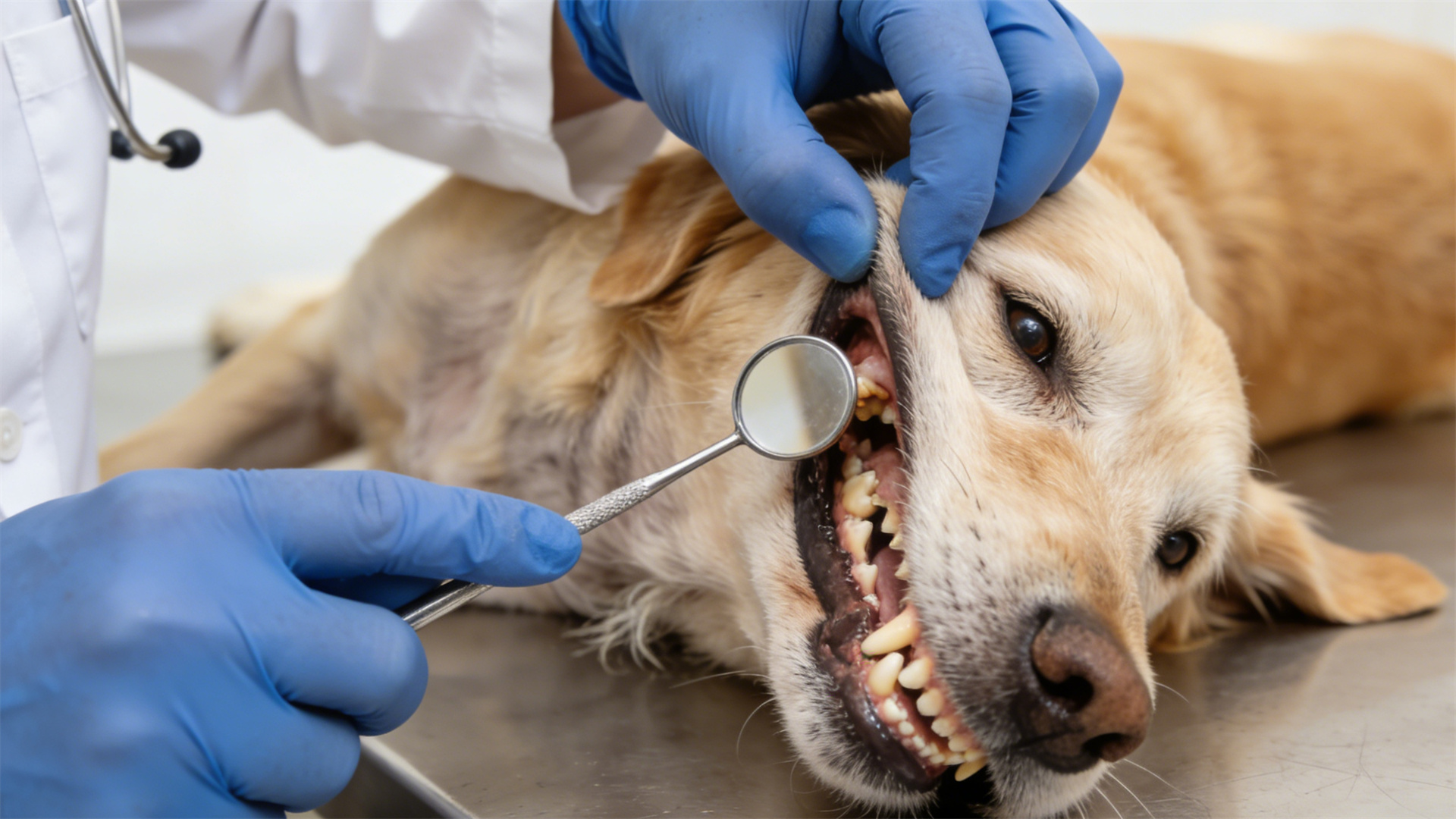
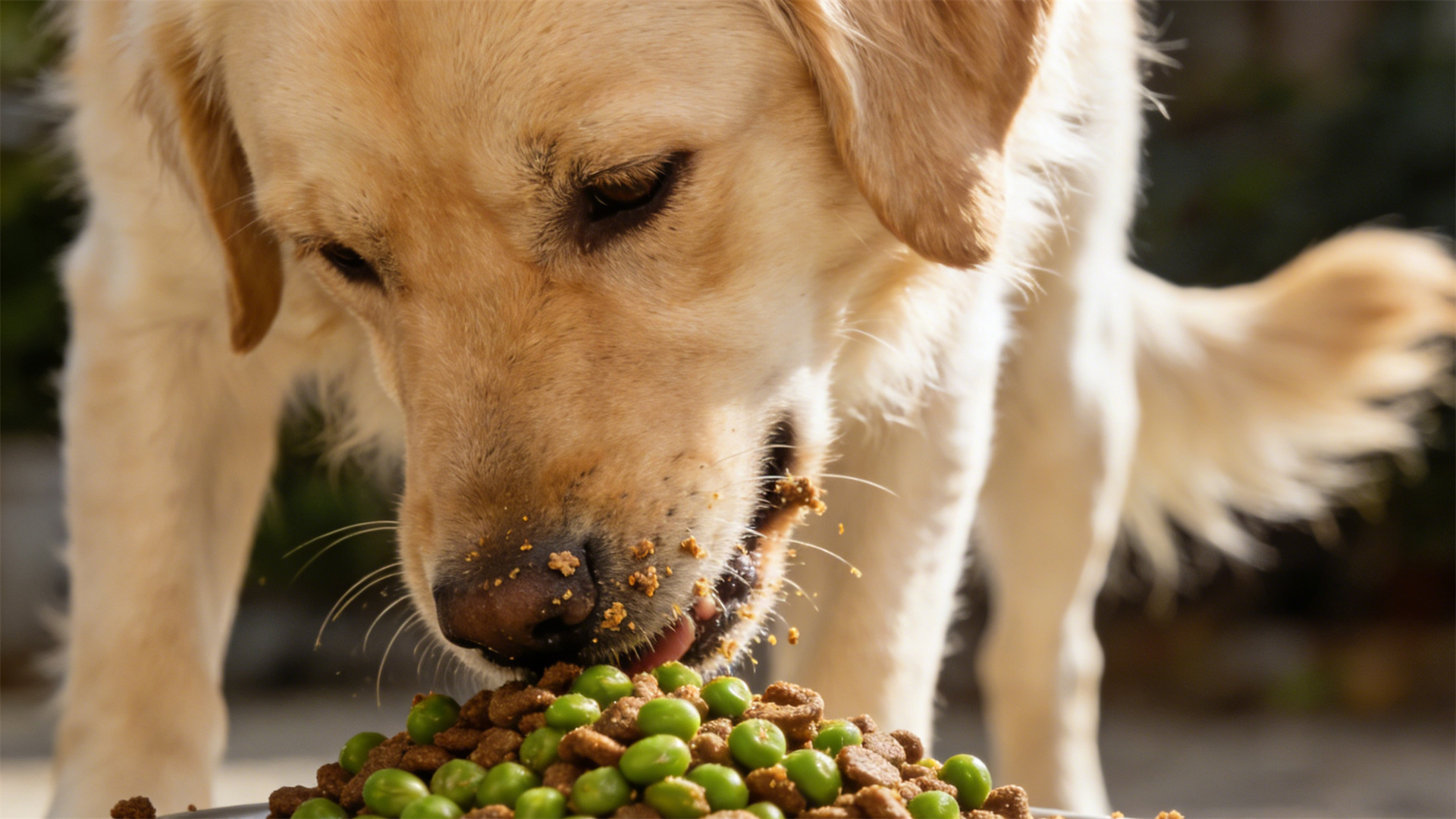
As a loving dog owner, you've likely considered homemade meals to provide the best for your furry companion. But did you know that well-intentioned kitchen efforts are a leading cause of nutritional deficiencies like anemia in dogs? A startling number of pets on homemade diets suffer from preventable health issues due to imbalanced nutrition. This article serves as your comprehensive guide, offering a reliable nutritional balance formula and dismantling the dangerous misconceptions that put your dog's health at risk. Let's ensure your culinary love translates into genuine, lifelong vitality for your pet.
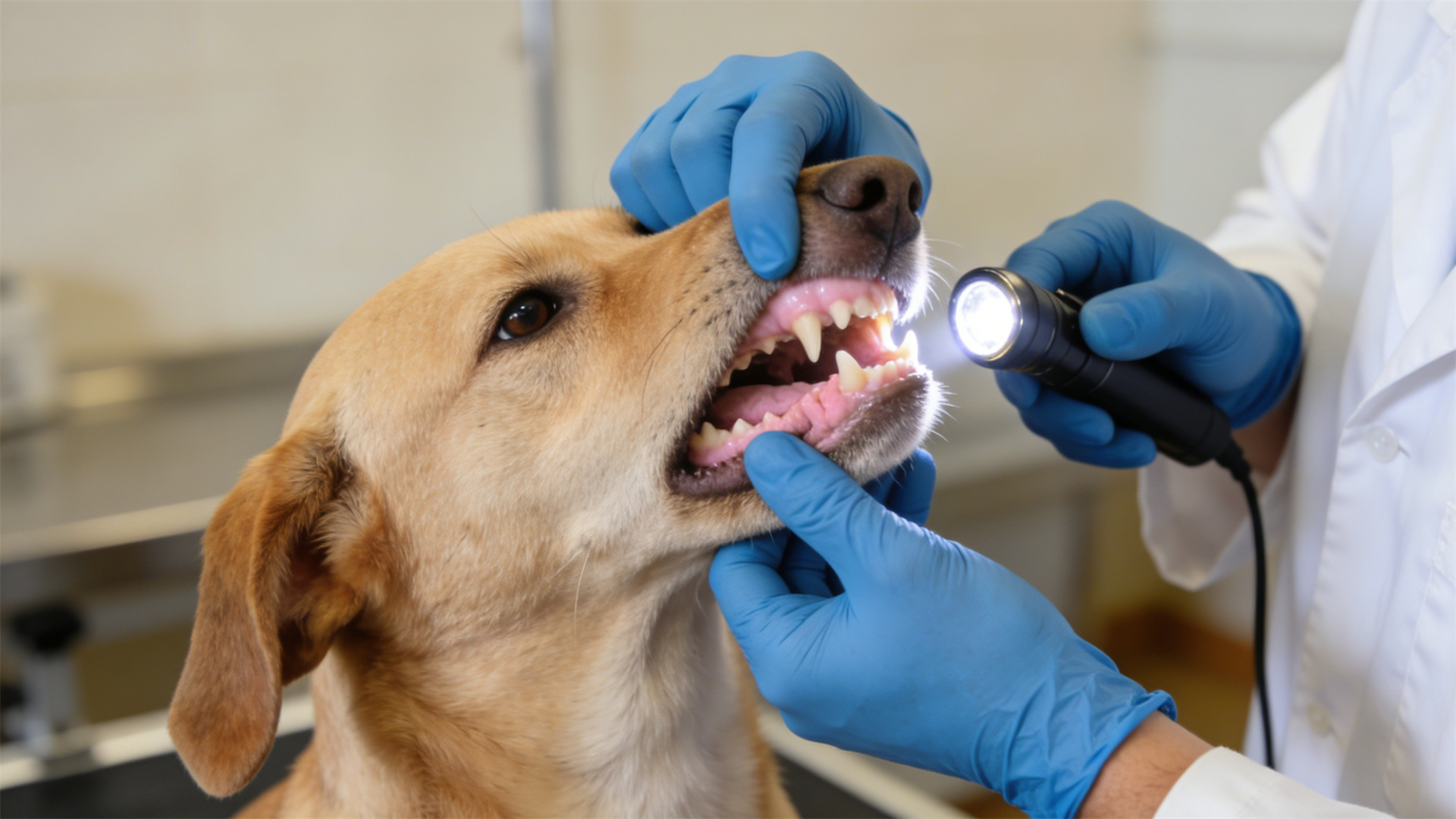
🐕 Understanding Canine Anemia: The Silent Threat in Your Bowl
Canine anemia is a condition characterized by a deficiency of red blood cells or hemoglobin in the blood, impairing oxygen delivery throughout the body. While causes range from parasites to chronic disease, nutritional deficiencies from an improper diet are alarmingly common in homemade-fed dogs. Essential nutrients like iron, copper, vitamin B12, and folate are crucial for red blood cell formation. Without them, the body cannot produce enough healthy cells.
Key Symptoms Every Owner Should Know:
Watch for these signs: lethargy and weakness, pale gums or tongue, rapid breathing or panting, loss of appetite, and collapse in severe cases. Early detection is key to reversing diet-induced anemia.
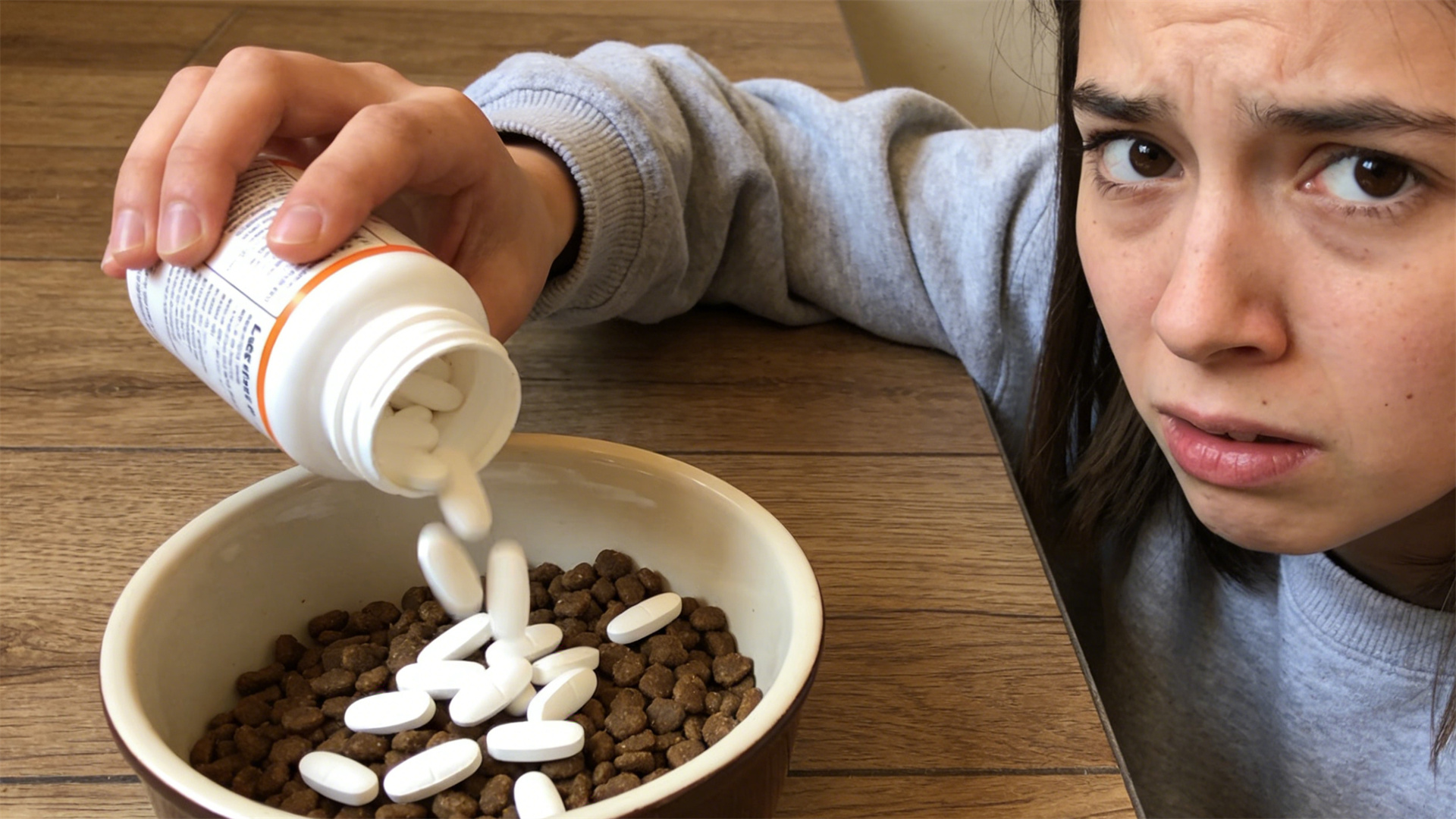
⚠️ Debunking Danger: Common Misconceptions About Homemade Dog Food Nutrition
Many homemade diets fail because they are built on widespread myths. Let's expose and correct these critical errors.
❌ Misconception 1: "Meat-Only Diets Are Complete and Sufficient"
This is perhaps the most perilous belief. While dogs are omnivores with carnivorous leanings, feeding only muscle meat (like chicken breast or ground beef) creates severe imbalances. It lacks essential calcium, trace minerals, and certain vitamins. An all-meat diet is often deficient in calcium (leading to bone issues) and vitamin E, but critically for anemia, it may not provide enough copper or the full spectrum of B vitamins needed for hematopoiesis (blood cell formation).
❌ Misconception 2: "If I Add a Vitamin, It's Balanced"
Sprinking a generic human multivitamin into your dog's food is not just ineffective—it can be dangerous. Canine requirements differ vastly, and some human supplements contain toxic levels of certain nutrients (like vitamin D) for dogs. Proper balance requires precise amounts and forms of nutrients that work synergistically.
❌ Misconception 3: "My Dog Looks Fine, So the Diet Must Be Working"
Nutritional deficiencies like anemia can develop slowly over months. Outward signs may only appear once the deficiency is severe. Regular blood work, not just physical appearance, is necessary to assess nutritional health.
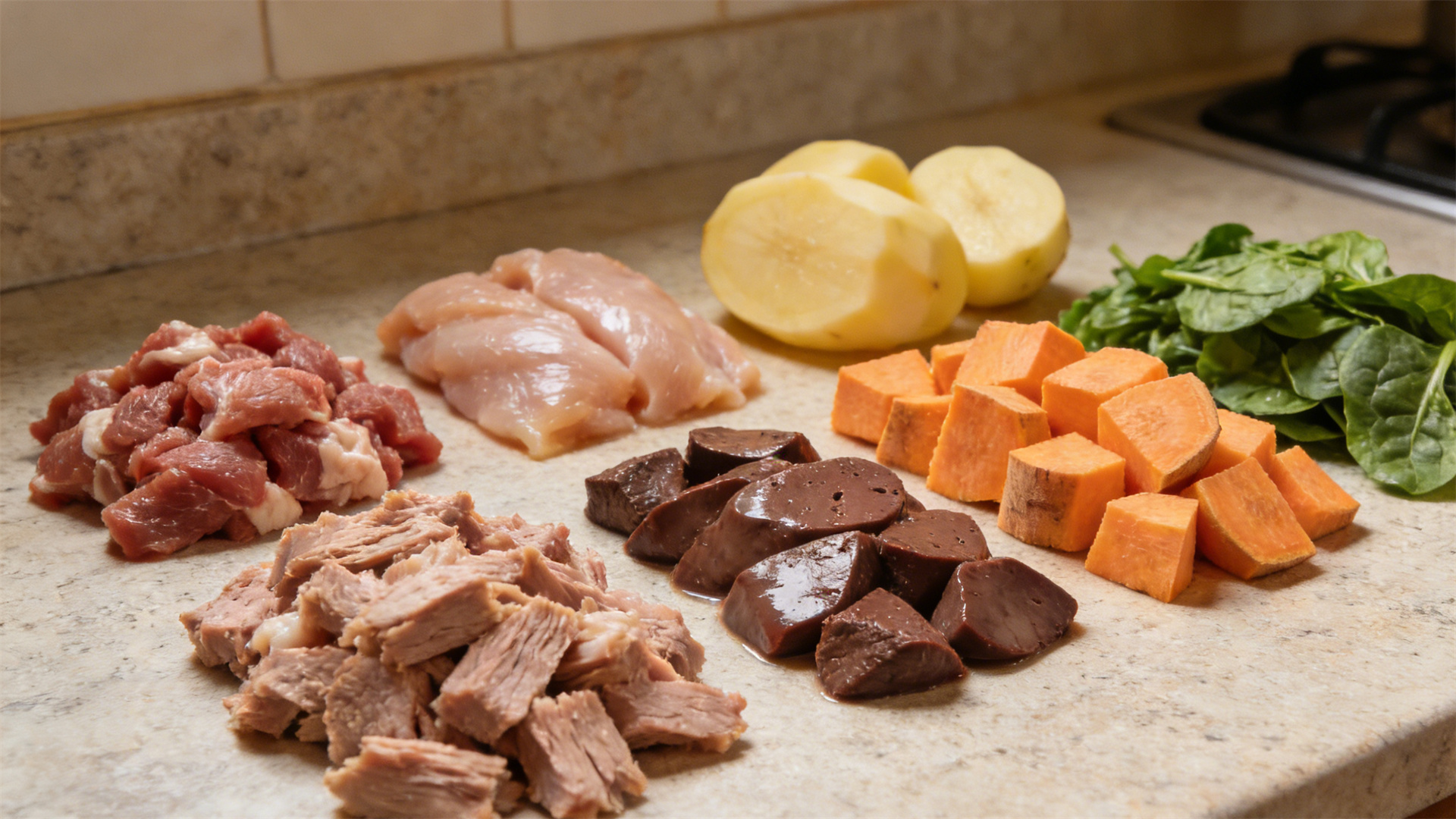
🔬 The Science-Backed Nutritional Balance Formula for Homemade Meals
Creating a balanced meal is about proportions and variety. Here is a foundational nutritional balance formula expressed in percentages of total daily calories (on a dry matter basis). This framework helps prevent dog anemia causes from improper diet.
Core Macronutrient Ratios:
- Protein (30-40%): High-quality animal sources like lean beef, chicken, turkey, fish, and eggs. Organs are crucial.
- Fats (20-30%): From meat sources and added oils like fish oil (for omega-3s) or coconut oil.
- Carbohydrates (20-30%): Digestible sources like cooked sweet potato, pumpkin, brown rice, or oats for energy and fiber.
Anemia-Fighting Micronutrients: The Essential Additions
This is the heart of preventing anemia in dogs through diet. Your formula must actively include these nutrients:
- Iron (Heme Iron is Best): Found in red meat, organ meats (especially liver), and eggs. Heme iron from animal sources is far more bioavailable for dogs than non-heme iron from plants.
- Vitamin B12 (Cobalamin): Exclusively in animal products. Liver, kidney, muscle meat, clams, and fish are excellent sources. Deficiency directly causes pernicious anemia.
- Copper: Works with iron to form hemoglobin. Sources include beef liver, shellfish, and certain seeds (like flaxseed, but ground for digestibility).
- Folate (Vitamin B9): Found in dark leafy greens (spinach, kale), liver, and legumes (like lentils, cooked thoroughly).
- Vitamin B6 (Pyridoxine): Involved in hemoglobin synthesis. Present in poultry, fish, and liver.
Special Reminder: Liver is a nutritional powerhouse, providing iron, B12, copper, and vitamin A. However, it must be fed in moderation (typically 5% of the total diet) to avoid vitamin A toxicity.
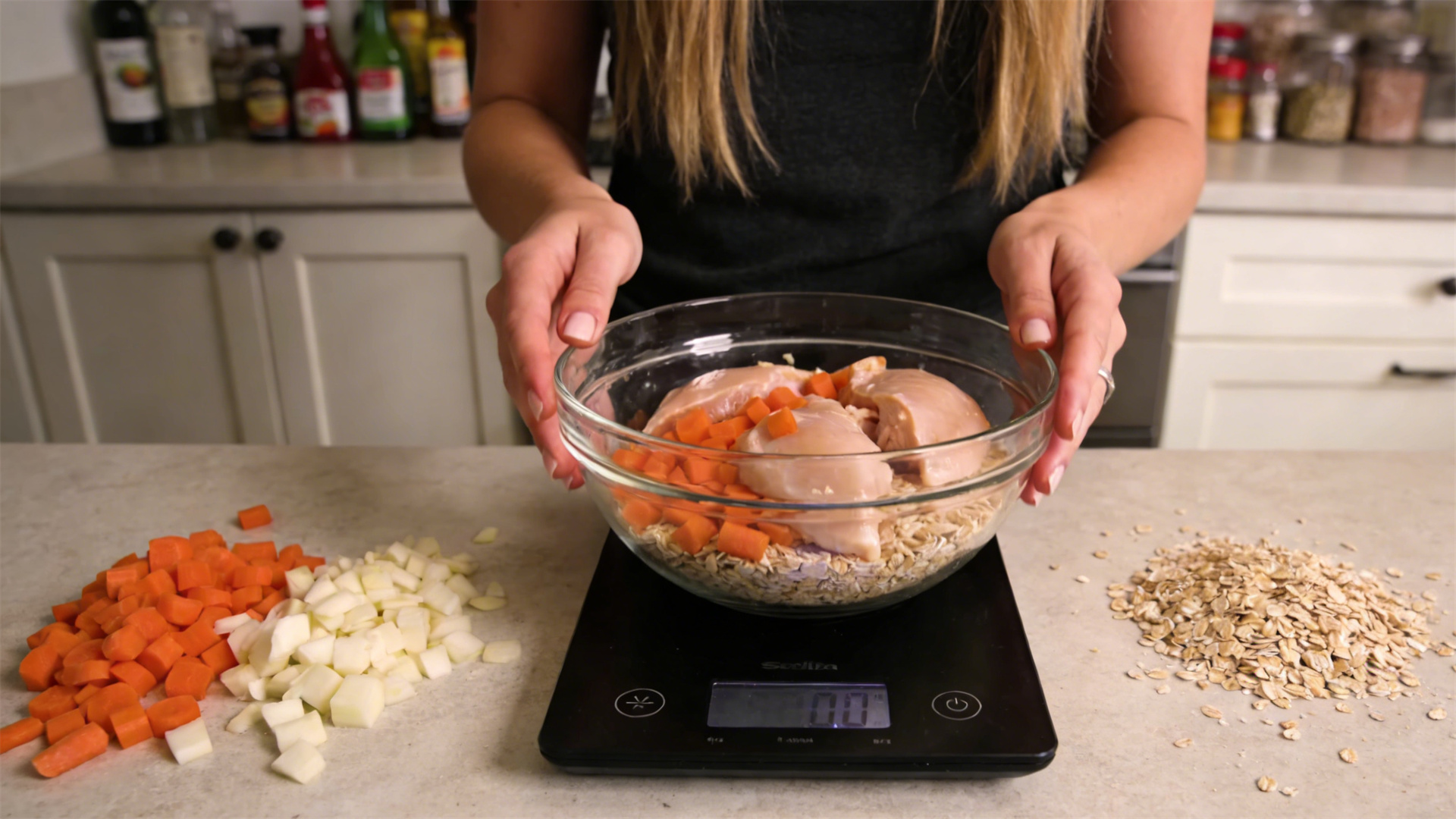
🍳 Practical Application Guide: Step-by-Step to Balanced Meals
Theory is good, practice is everything. Follow this guide to implement the canine nutrition balance for homemade meals.
📝 Step 1: Calculate Your Dog's Daily Caloric Needs
Consult your vet or use a reliable formula (e.g., Resting Energy Requirement = 70 x (body weight in kg)^0.75). Adjust for activity level. This number is your starting point for all measurements.
📊 Step 2: Apply the Formula with a Sample Meal Plan
For a 10kg (22lb) moderately active dog (~600 kcal/day):
- Protein (35%): 210 kcal. Example: 100g cooked lean ground beef (approx. 250 kcal, but balance with other components).
- Fats (25%): 150 kcal. Example: From the meat + 1 tsp fish oil (approx. 40 kcal).
- Carbs (25%): 150 kcal. Example: 100g cooked mashed sweet potato (approx. 86 kcal).
- Vegetables/Fiber (15%): 90 kcal. Example: 50g steamed chopped spinach and 30g pureed pumpkin.
The Anemia-Prevention Boost: To this base, add 15g of cooked beef liver (2-3 times per week) and a properly formulated canine supplement that covers calcium, phosphorus, vitamin E, zinc, and iodine. Never skip the supplement unless formulated by a veterinary nutritionist.
🔁 Step 3: Ensure Variety and Safe Supplementation
Rotate protein sources (beef one week, poultry the next, fish another) and carbohydrate vegetables to provide a wider range of nutrients. Use a reputable, research-backed canine multivitamin/mineral supplement designed for homemade diets. This is non-negotiable for closing nutritional gaps.

✅ Conclusion and Professional Advice: Your Dog's Health is Paramount
Crafting a balanced diet for homemade dog food is an act of love that requires knowledge and precision. We've outlined a foundational nutritional balance formula, highlighted critical essential nutrients to prevent anemia, and debunked dangerous myths. Remember, Special Reminder: Even the best generic formula may not suit every dog's unique life stage, breed, or health condition.
The final, most crucial step is to consult with a veterinarian or a board-certified veterinary nutritionist. They can review your recipes, recommend tailored supplements, and help you avoid common misconceptions leading to anemia, ensuring your homemade journey is safe and successful. Your dog's vibrant health is worth that expert guidance.