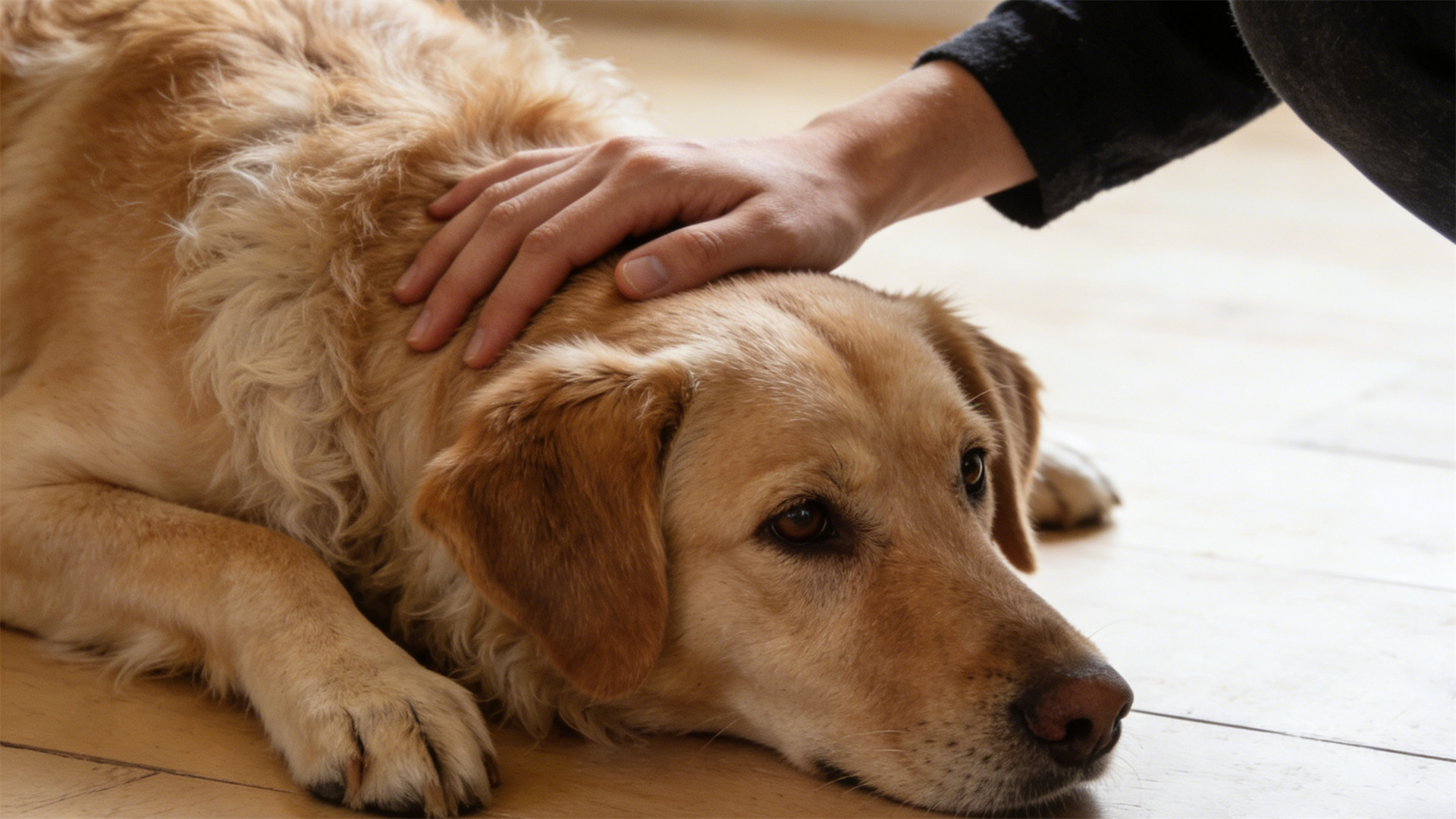
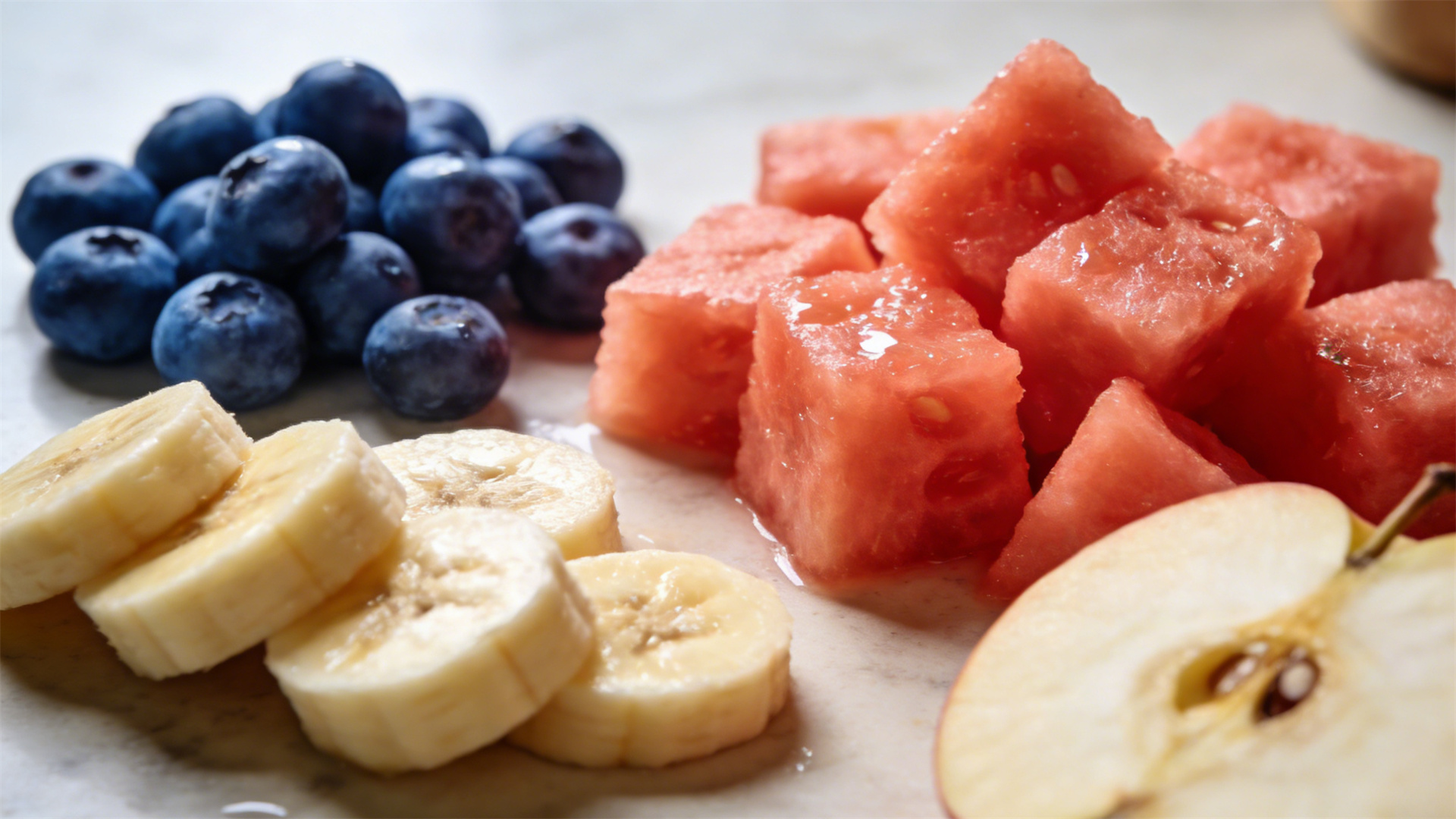
As our loyal canine companions enter their golden years, their dietary needs evolve just as ours do. One of the most significant and caring adjustments you can make is transitioning your senior dog to a soft food diet. This isn't merely about convenience; it's a strategic move to support their changing health, comfort, and vitality. Crafting this food at home allows you to control the quality, tailor the nutrients, and, crucially, employ cooking techniques for senior dog food that maximize both appeal and digestibility. This comprehensive guide will walk you through the why and how, providing you with the knowledge to become your senior dog's personal chef and nutritionist.
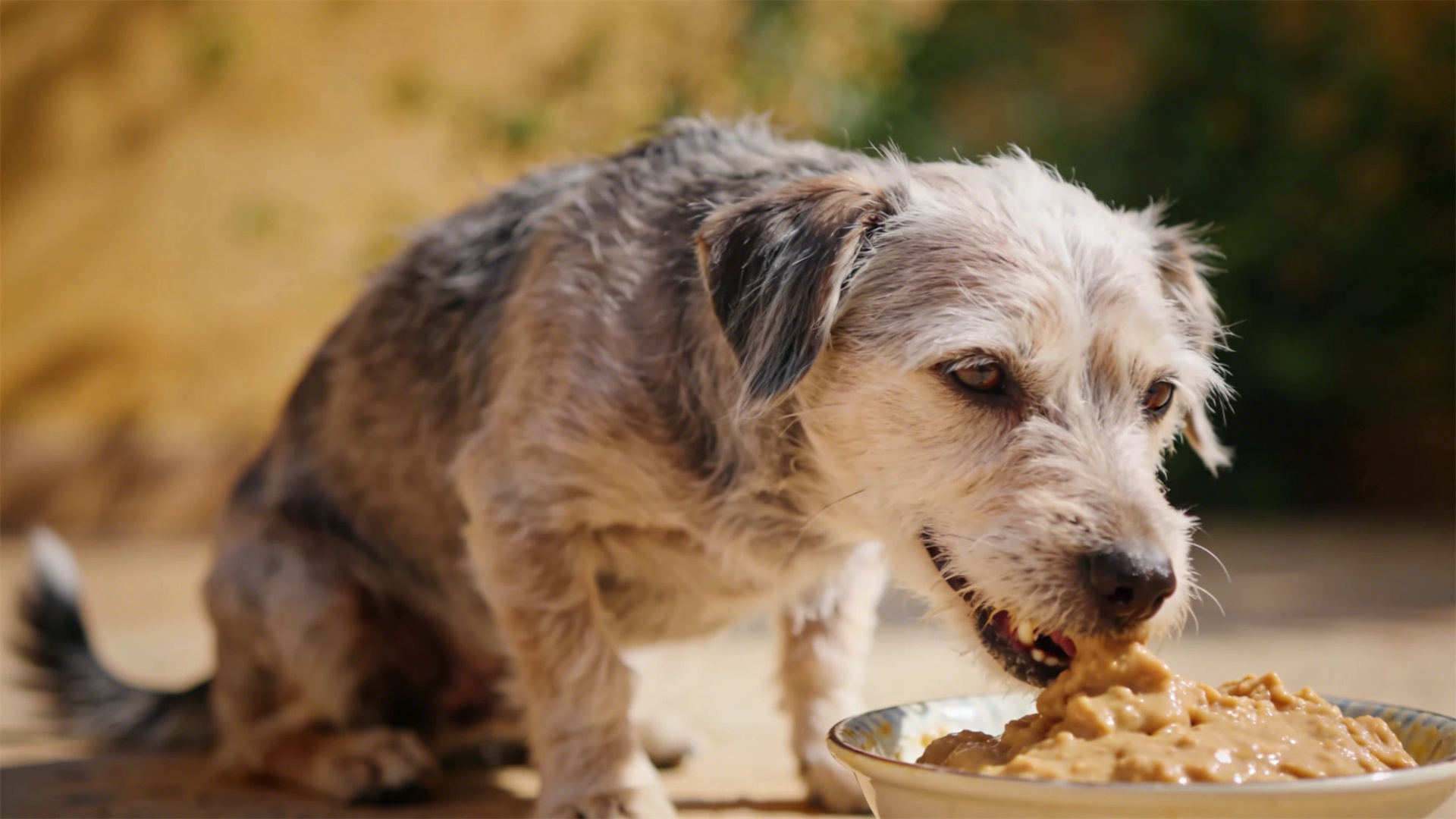
🐾 Introduction: The Golden Bowl - Why Soft Food is a Act of Love for Aging Dogs
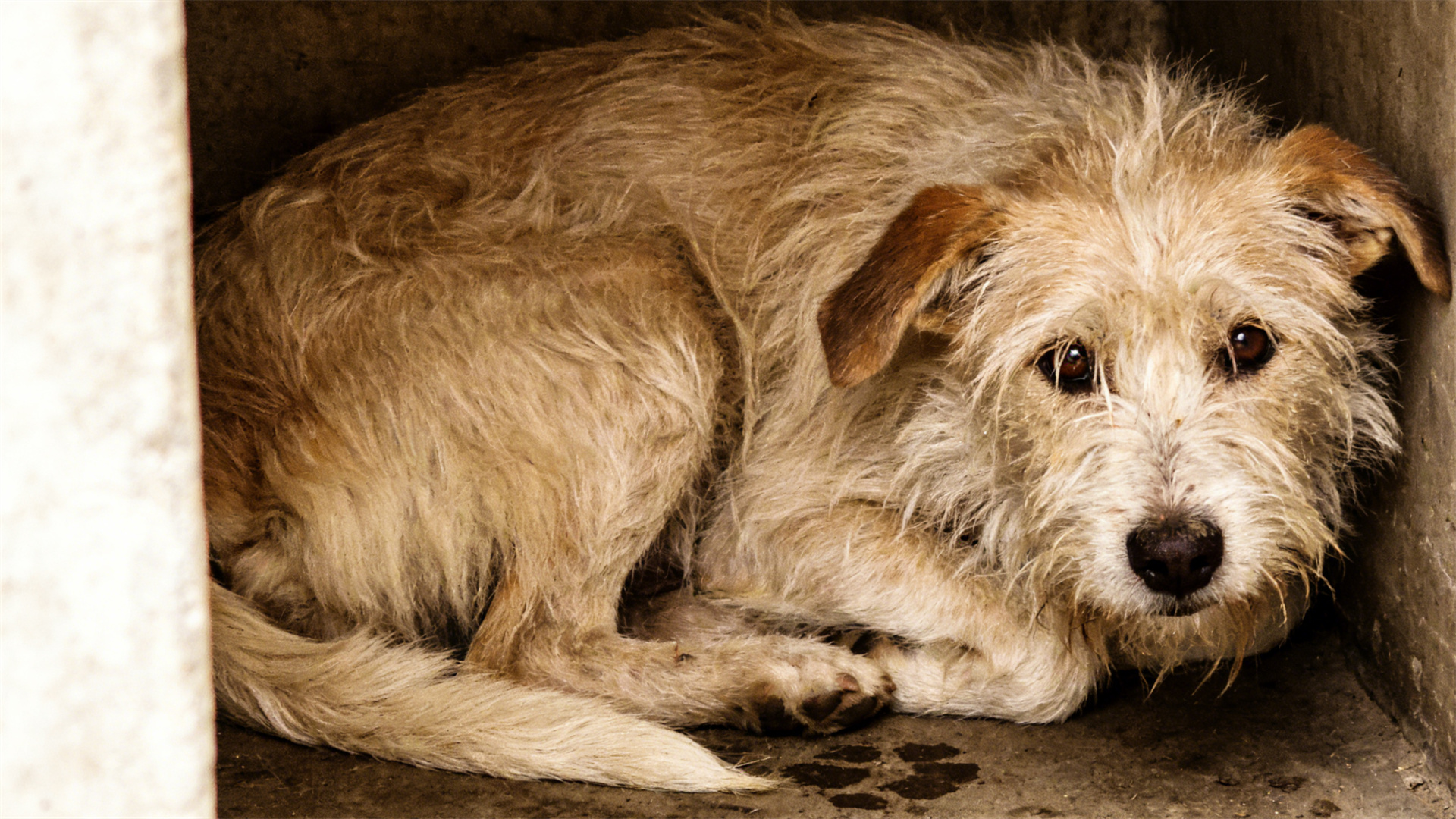
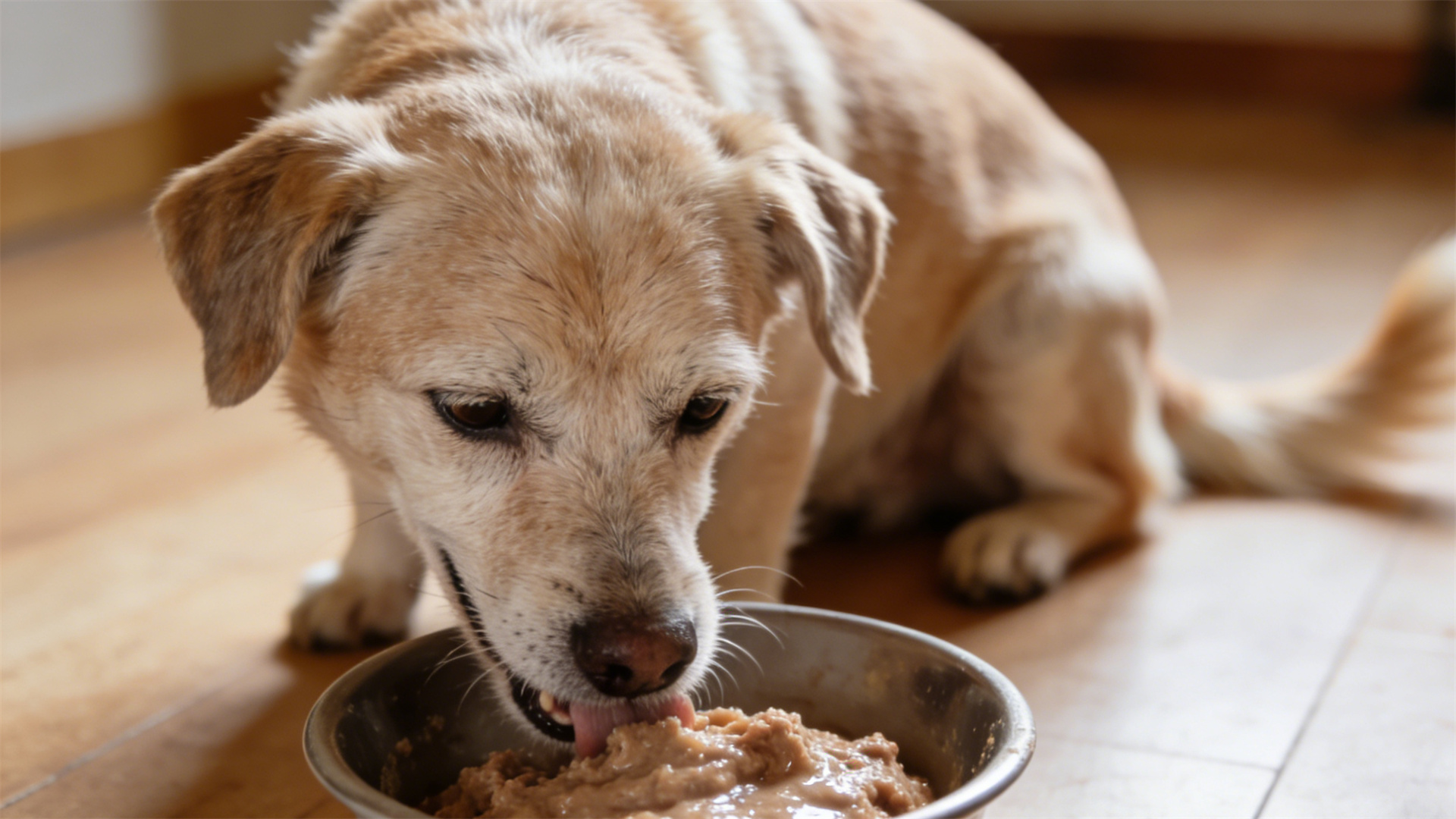
Watching your dog age can be bittersweet. You may notice they approach their bowl with less enthusiasm, chew more cautiously, or experience digestive upset. These are not just signs of "getting old"—they are clear signals that their body needs different support. Transitioning to a soft food for senior dogs addresses the core challenges of aging: dental wear, decreased digestive efficiency, and sometimes, a diminished sense of smell and taste. A thoughtfully prepared, homemade soft diet can rejuvenate their mealtime, ensure they receive essential nutrients in an accessible form, and significantly enhance their quality of life. This journey is about more than food; it's about extending comfort, joy, and health into every bite.
🩺 Why Transition: Unpacking the Health Imperatives for Senior Dogs
Understanding the "why" empowers you to make the best decisions. The shift to soft food for older dogs is primarily driven by two interconnected age-related systems: oral and digestive.
Common Age-Related Dental and Digestive Issues
Dental Health: Years of chewing can lead to worn, loose, or missing teeth, gum disease (gingivitis), and oral tumors. Hard kibble can become painful or impossible to eat. Soft, easy to chew dog food for seniors alleviates this pain, encouraging adequate calorie intake.
Digestive Changes: A senior dog's metabolism slows, and their gastrointestinal tract becomes less efficient. Production of digestive enzymes may decrease, and intestinal motility can slow. This makes digestible food for elderly dogs crucial. Soft, well-cooked foods are pre-broken down, requiring less mechanical and enzymatic work for nutrient absorption for senior dogs.
Essential Nutrients for the Senior Canine
A balanced diet for aging dogs focuses on high-quality, bioavailable nutrients:
- High-Quality Protein: Maintains muscle mass. Sources like lean chicken, turkey, fish, and eggs are excellent.
- Moderate, High-Quality Fats: Provides energy and supports cognitive function. Think fish oil, flaxseed oil, or fats from animal sources.
- Easily Digestible Carbohydrates: Like sweet potato, pumpkin, and white rice, for gentle energy and fiber.
- Joint Support Nutrients: Glucosamine, chondroitin, and Omega-3s.
- Antioxidants: Vitamins C and E, beta-carotene (from vegetables) to combat cellular aging.
- Liver and Organ Meats (in moderation): Packed with vitamins and minerals crucial for overall health.
👩🍳 Cooking Techniques: The Art and Science of Preserving Taste and Nutrition
How you cook is as important as what you cook. The goal is to break down tough fibers for easier chewing and digestion while preserving the maximum amount of vitamins, minerals, and flavor. Here are the core cooking methods for dog food palatability and nutrient retention.
Steaming: The Gentle Guardian of Nutrients
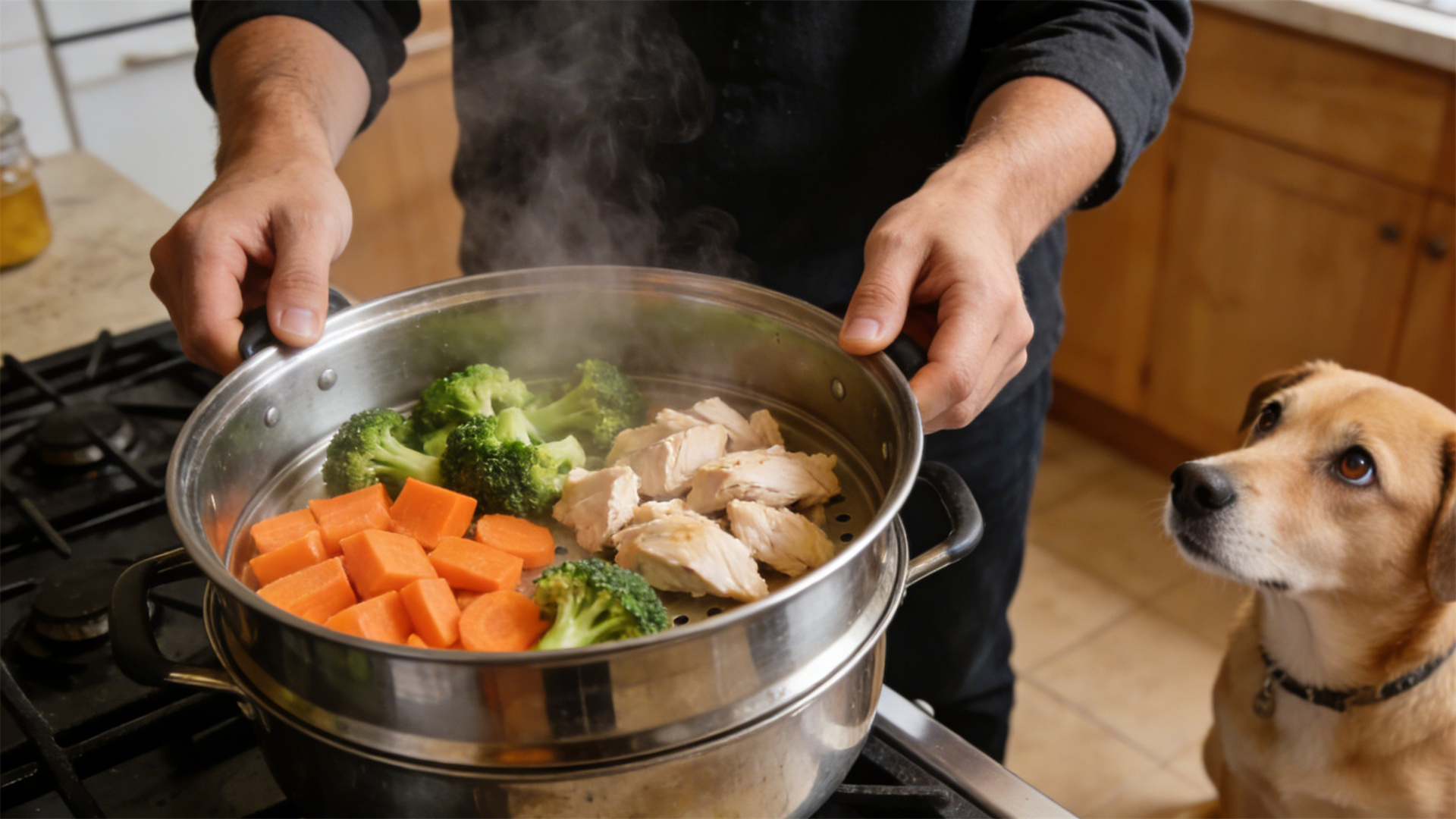
Steaming uses indirect heat from boiling water, making it one of the best methods for preserving water-soluble vitamins (like B and C) that are easily lost in boiling. It softens vegetables perfectly while keeping proteins tender and moist. Ideal for: Green beans, carrots, zucchini, broccoli, and fish fillets.
Boiling/Simmering: Creating Digestible Comfort Food
Boiling or gentle simmering is excellent for making stews and breaking down tough cuts of meat and fibrous vegetables. To minimize nutrient loss, use the cooking liquid (now a nutrient-rich broth) as part of the meal. Ideal for: Making hearty stews, cooking grains like rice or quinoa, and preparing poultry.
Pureeing: The Ultimate Texture Solution
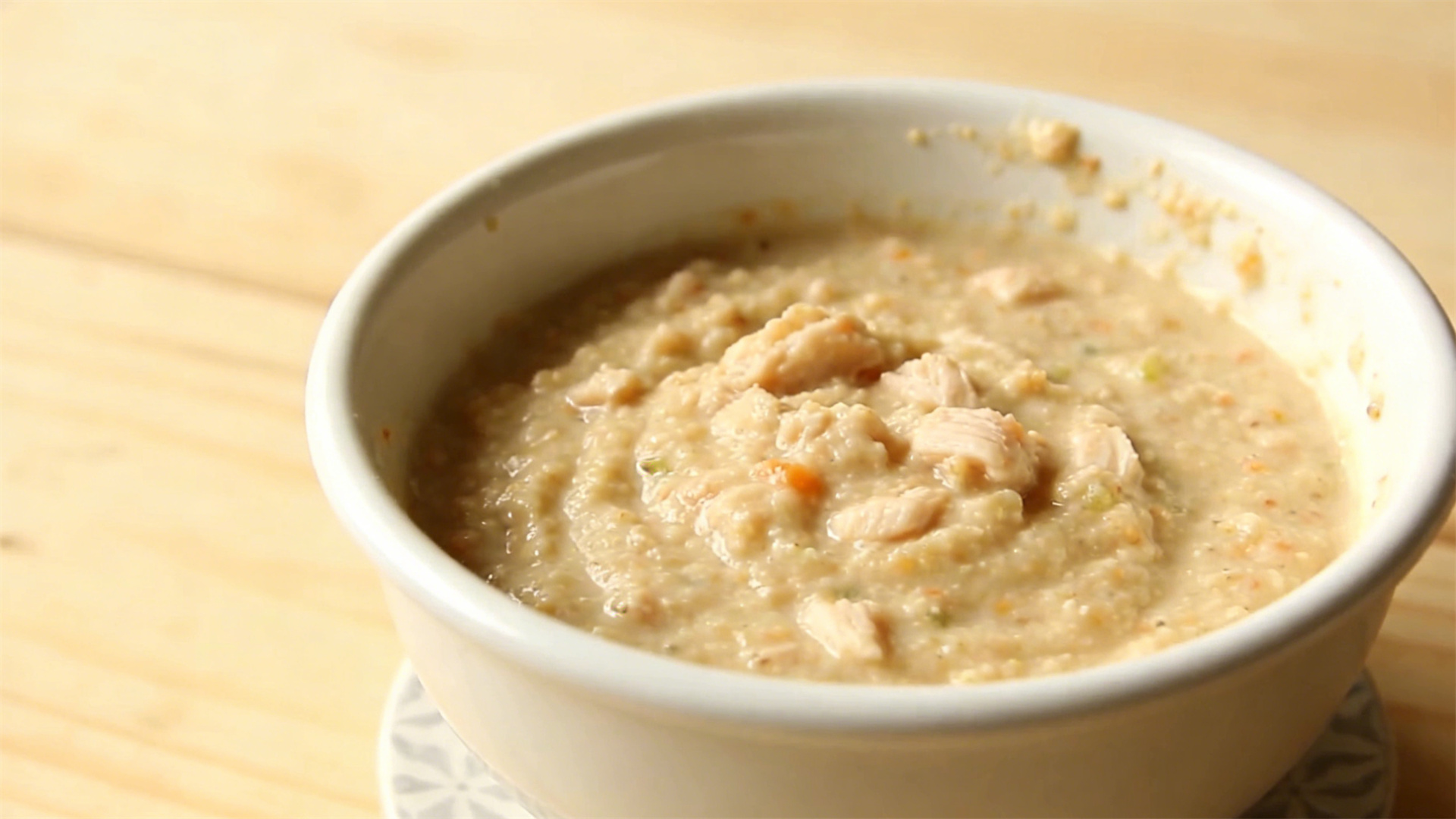
For dogs with severe dental issues or who are very frail, pureeing transforms a balanced meal into a smooth, lap-able consistency. You can puree an entire cooked meal or just mix pureed vegetables into softer proteins. This is a key technique for enhancing nutrient absorption in dog food by presenting it in its most accessible form.
Slow Cooking: Low and Slow for Maximum Flavor and Tenderness
A slow cooker (Crock-Pot) is a senior dog owner's best friend. The low, prolonged heat slowly breaks down collagen in meats, resulting in fall-apart tenderness and deeply flavorful, nutrient-rich broths. It's a set-and-forget method for creating nutrient dense soft food for senior dogs.
🌟 Palatability Tips: Crafting Irresistible, Vet-Approved Meals
Palatability in senior dog food is critical, as their senses may dull. Enhance flavor safely without salt, onions, garlic, or harmful spices.
- Umami Boosters: Incorporate a small amount of low-sodium beef, chicken, or bone broth.
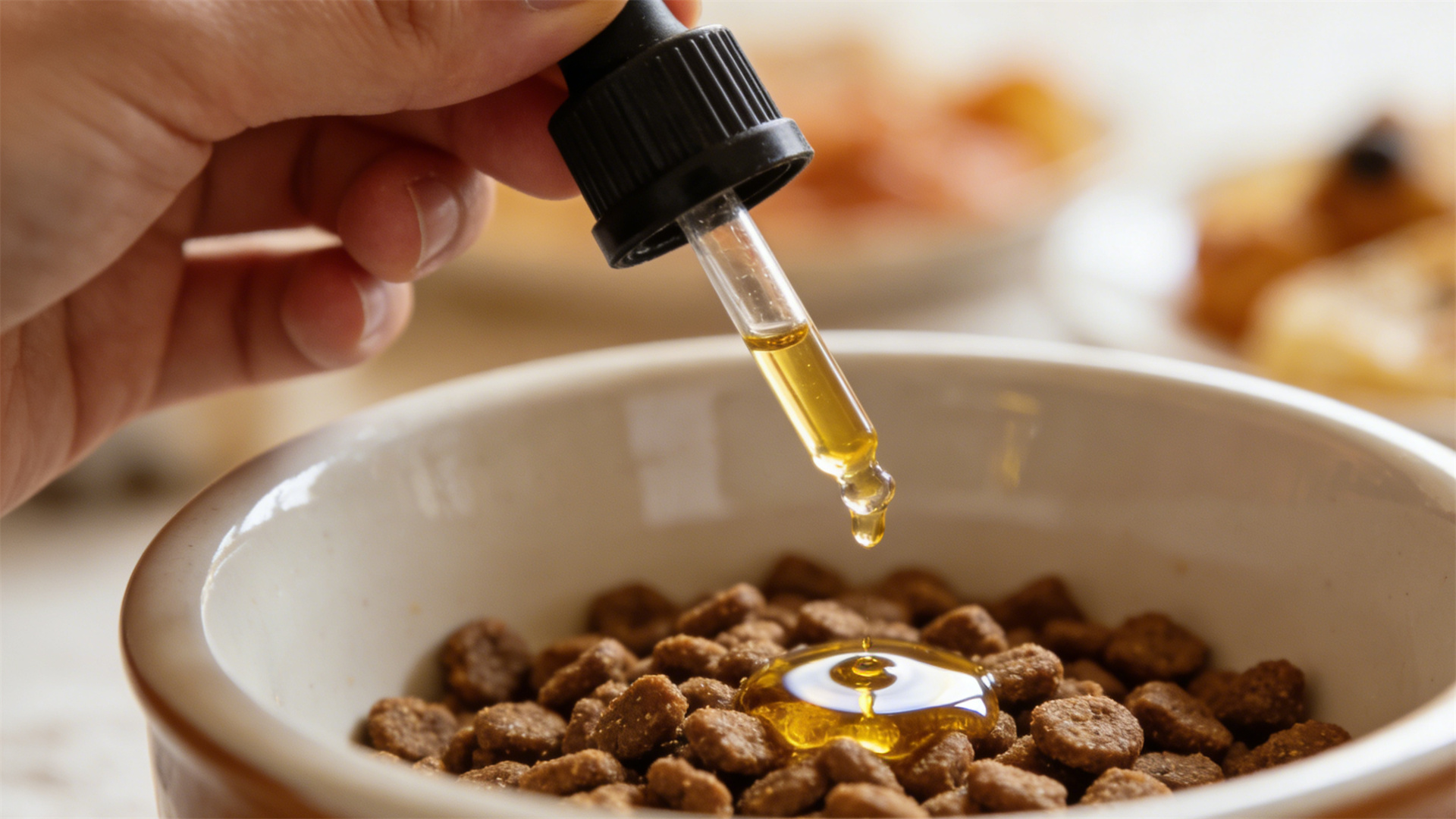
- Healthy Fats: A drizzle of salmon oil or a teaspoon of coconut oil post-cooking adds flavor and benefits.
- Topping Magic: Sprinkle a bit of grated parmesan cheese, a spoonful of plain yogurt, or a mashed sardine over the food.
- Warm it Up: Gently warming the food to just below body temperature (around 95°F/35°C) enhances aroma, making it more enticing.
🔬 Nutrient Absorption: Maximizing the Dietary Benefits
Cooking for improving nutrient absorption in senior dog food involves strategic combinations and preparations:
- Pair Fat with Fat-Soluble Vitamins: Adding a healthy fat source (like oil) to vegetables helps the body absorb vitamins A, D, E, and K.
- Proper Protein Preparation: Lightly cooking meat (to safe internal temperatures) makes its protein more bioavailable than raw for many seniors, while overcooking can make it tough and less digestible.
- Pureeing Plant Matter: Breaking down plant cell walls through pureeing or thorough cooking releases more nutrients for absorption.
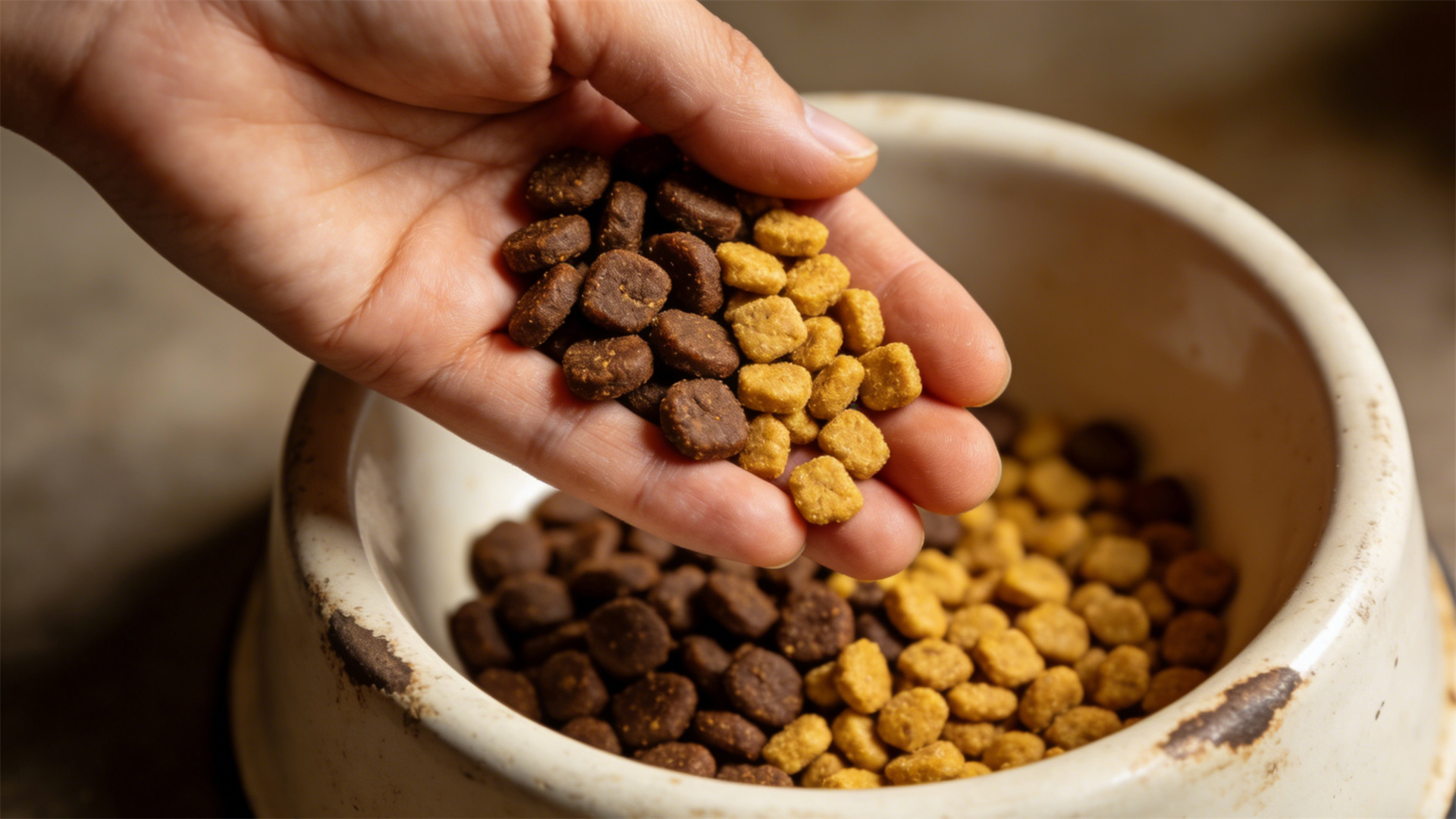
📋 Transition Plan: A Gradual, Stress-Free Step-by-Step Guide
Abrupt changes can cause gastrointestinal upset. Follow this plan for transitioning older dogs to soft food smoothly over 7-10 days:
- Days 1-3: 75% old food / 25% new homemade soft food for senior dogs.
- Days 4-6: 50% old food / 50% new food.
- Days 7-9: 25% old food / 75% new food.
- Day 10+: 100% new soft food diet.
Special Reminder: Monitor stool consistency and your dog's energy levels closely throughout. Slow the transition if any diarrhea or constipation occurs.
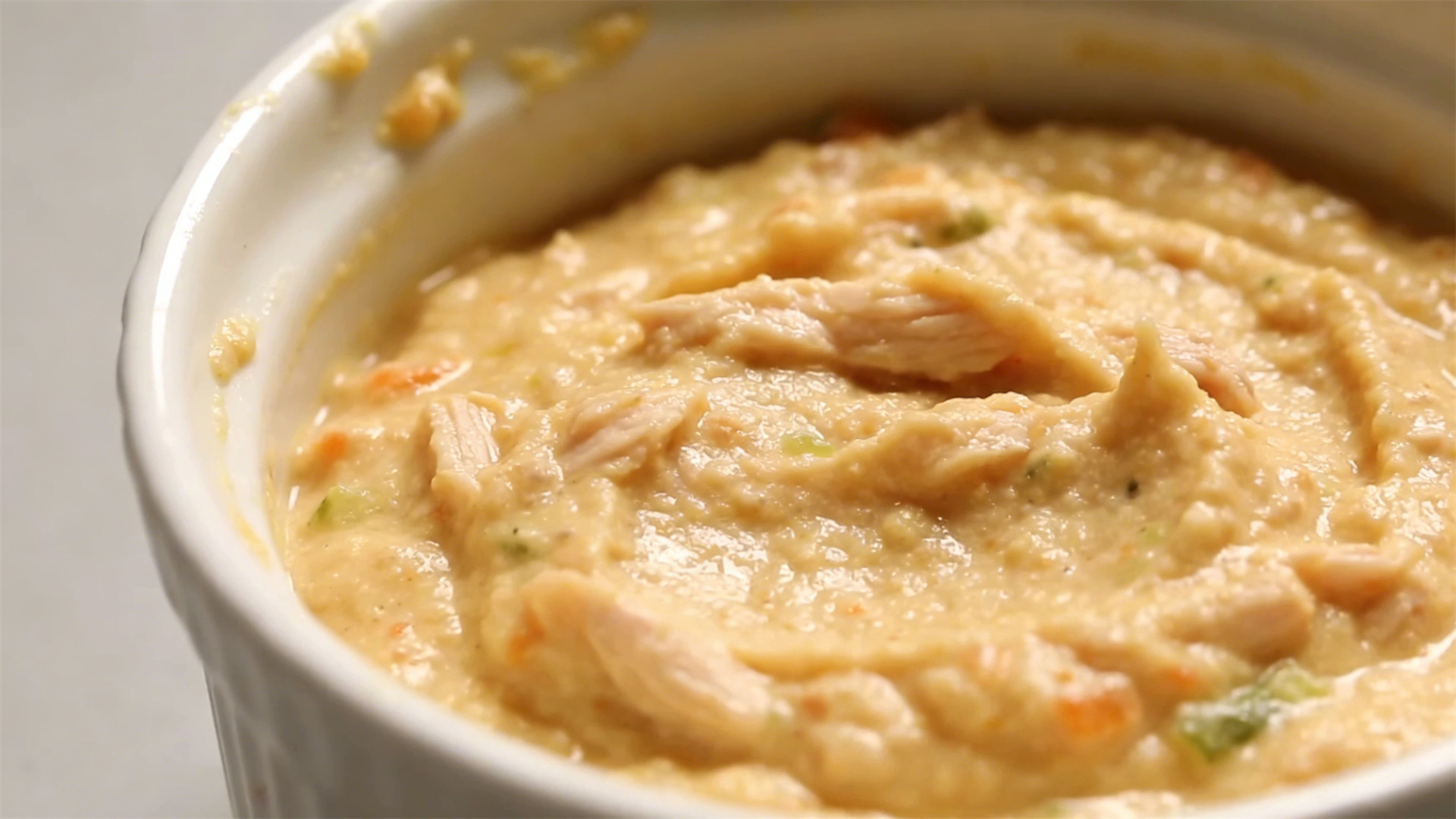
🍲 Practical Elements: Simple, Vet-Approved Recipe Examples
Special Reminder: These are template recipes. Always consult your veterinarian to ensure they meet your dog's specific calorie and nutrient needs, especially for any liver, kidney, or heart conditions.
Recipe 1: Steamed Chicken and Vegetable Mash
A simple, nutrient-preserving meal.
- Ingredients: 1 cup chicken breast (diced), 1/2 cup carrots (diced), 1/2 cup green beans (chopped), 1/4 cup sweet potato (diced), 1 tsp salmon oil.
- Instructions: Steam chicken and vegetables until fully cooked and tender (approx. 15-20 mins). Mash together with a fork or puree for a smoother texture. Mix in salmon oil after cooling slightly. Serve cool.
Recipe 2: Slow-Cooked Beef and Rice Stew
A tender, flavorful stew perfect for slow digestion.
- Ingredients: 1 lb lean ground beef or stew meat, 1 cup brown rice, 1 cup chopped spinach, 1/2 cup peas, 1 tbsp. ground flaxseed, 4 cups low-sodium beef broth.
- Instructions: Place all ingredients in a slow cooker. Cook on low for 6-8 hours. Stir thoroughly, ensuring the meat is completely broken down. Allow to cool completely before serving.
✅ Conclusion: Your Path to Nourishing Their Golden Years
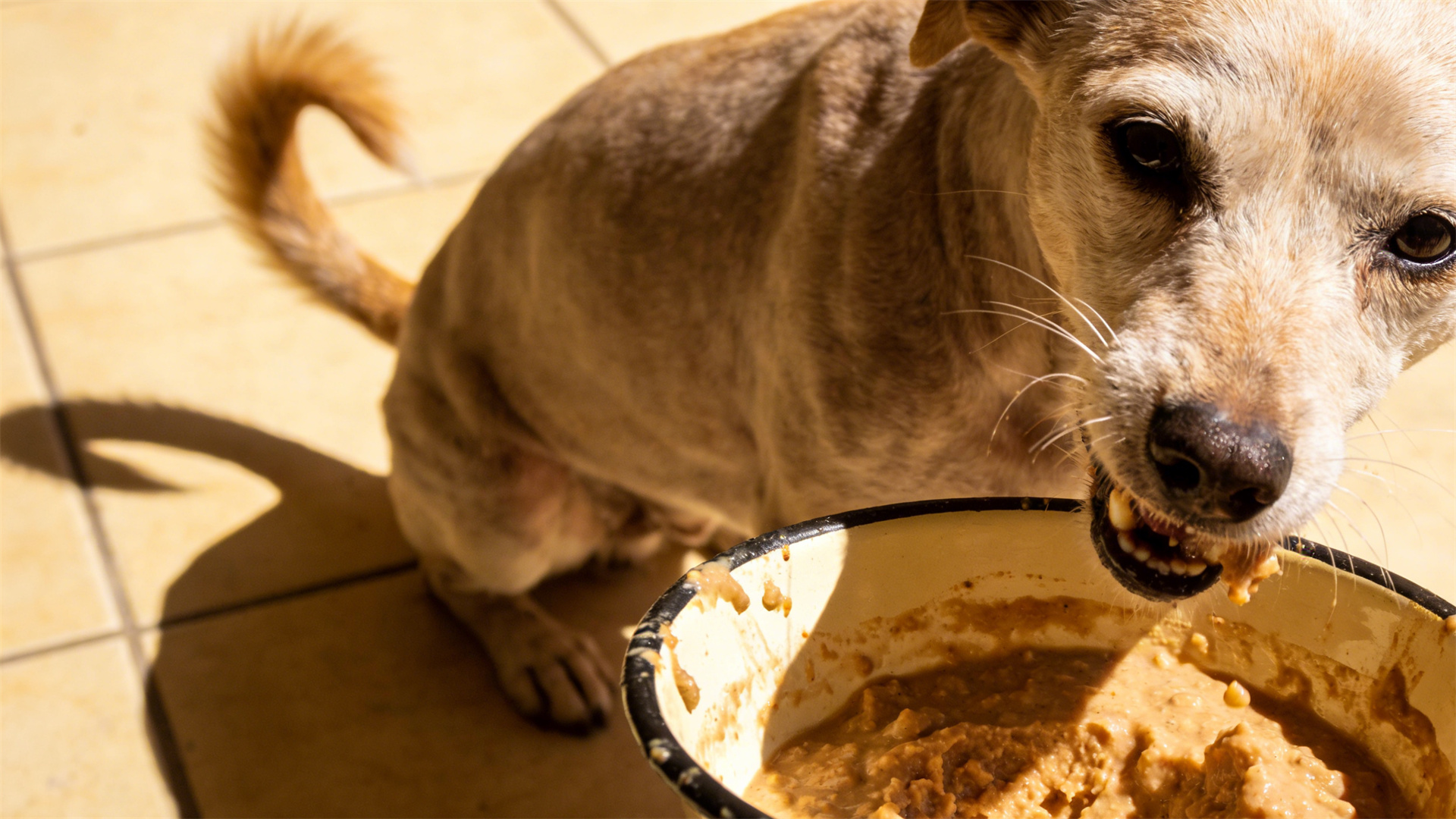
Transitioning your senior dog to a homemade soft food diet is one of the most profound acts of care you can provide. By mastering cooking techniques for dog food palatability and focusing on enhancing nutrient absorption in dog food, you directly contribute to their comfort, health, and happiness. Start with a veterinary consultation, proceed with a gradual soft food transition for senior dogs, and observe the joyful difference a tailored, lovingly prepared meal can make.