
You May Have Missed
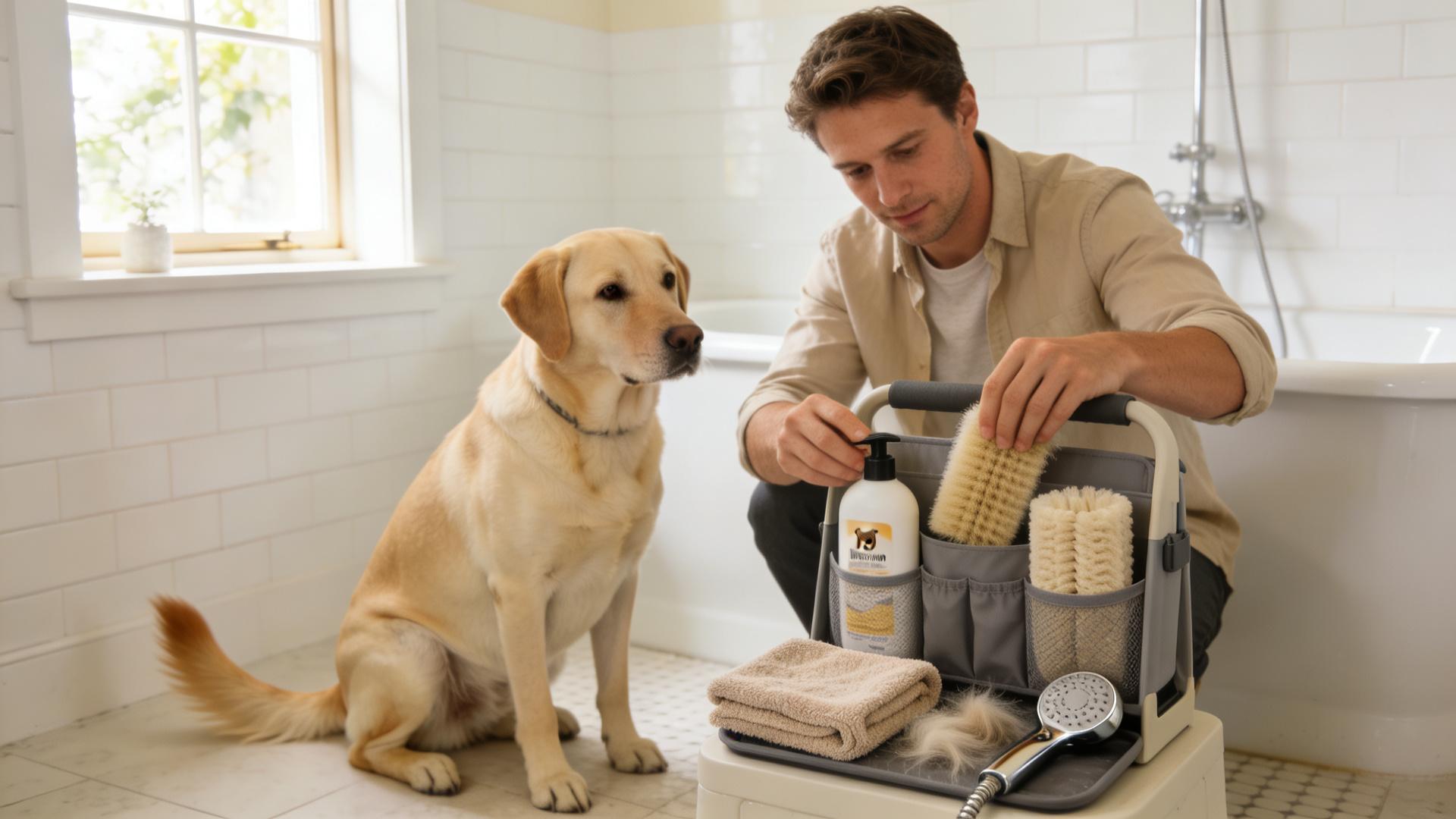
No more need for help with dog washing at home: 5 steps to turn your bathroom into a professional pet grooming studio
Tired of the chaotic, soggy struggle of bathing your dog. Wrestling with a wet, slippery pup in a cramped tub is a chore for both of you. But what if you could transform that ordinary bathroom into a serene, efficient, and professional pet grooming at home studio. Imagine achieving a salon-quality wash and dry in the comfort of your own home, saving money and reducing stress for your canine companion. It's not a fantasy. With these five strategic steps, you can create the perfect environment for a successful, mess-controlled, and even enjoyable dog washing at home experience. Say goodbye to needing an extra pair of hands and hello to your new role as your dog's personal groomer.
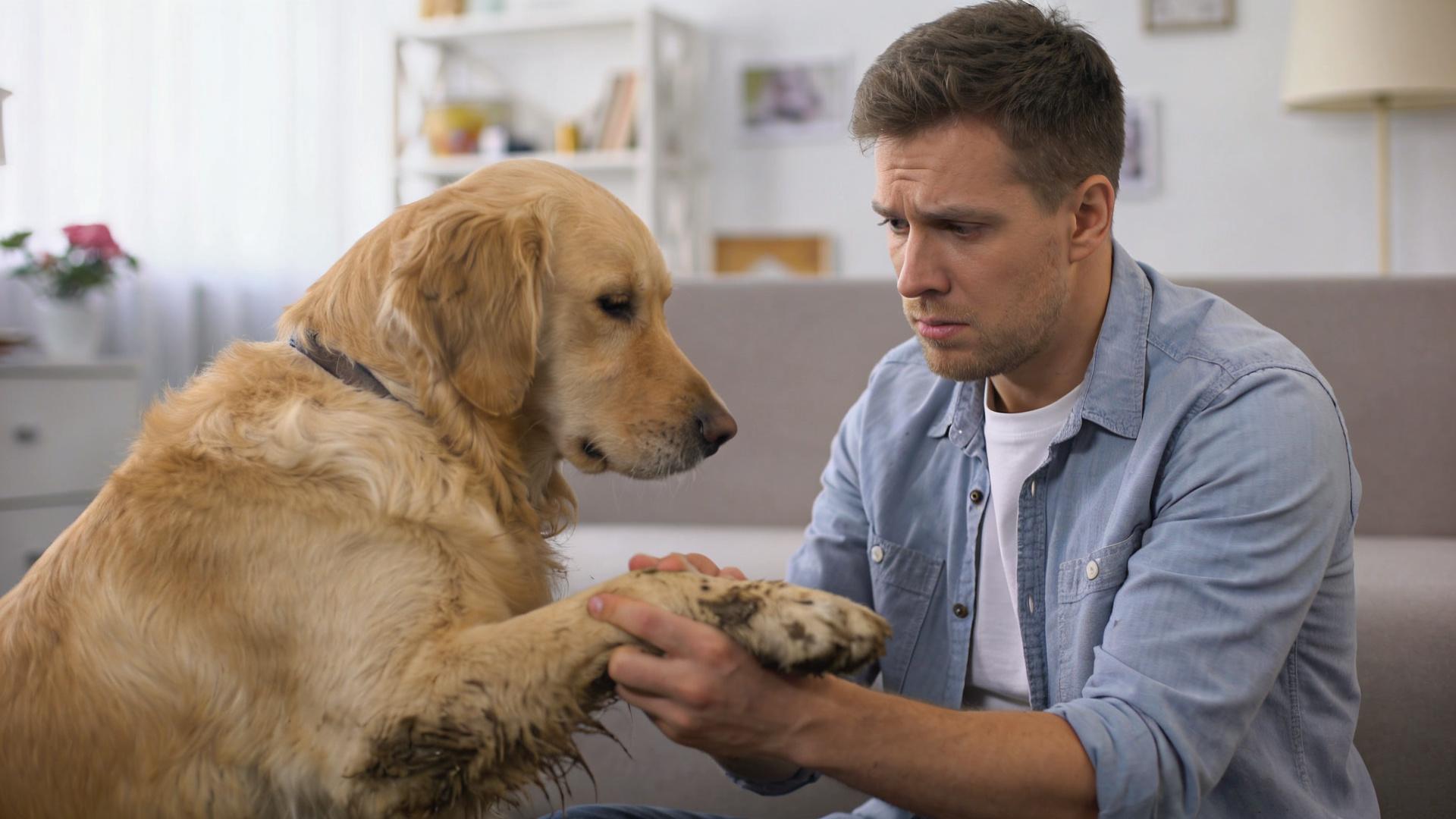
In-depth analysis: Why does frequent bathing cause skin diseases in dogs?
You love your dog, and you want them clean, fresh, and smelling great. It seems logical: a dirty dog gets a bath. But what if your well-intentioned frequent bathing is secretly sabotaging your best friend's health? Imagine this: after a muddy park adventure, you give your pup a thorough scrub. A week later, they're scratching again, so into the tub they go. Soon, you notice dry, flaky patches, a faint odd smell, or persistent itching. This common scenario leads us to a critical question: Can washing your dog too often actually make them sick? This article provides a comprehensive, evidence-based explanation of how frequent bathing disrupts the delicate health of canine skin, leading to diseases, and offers practical guidance for safe, effective grooming.
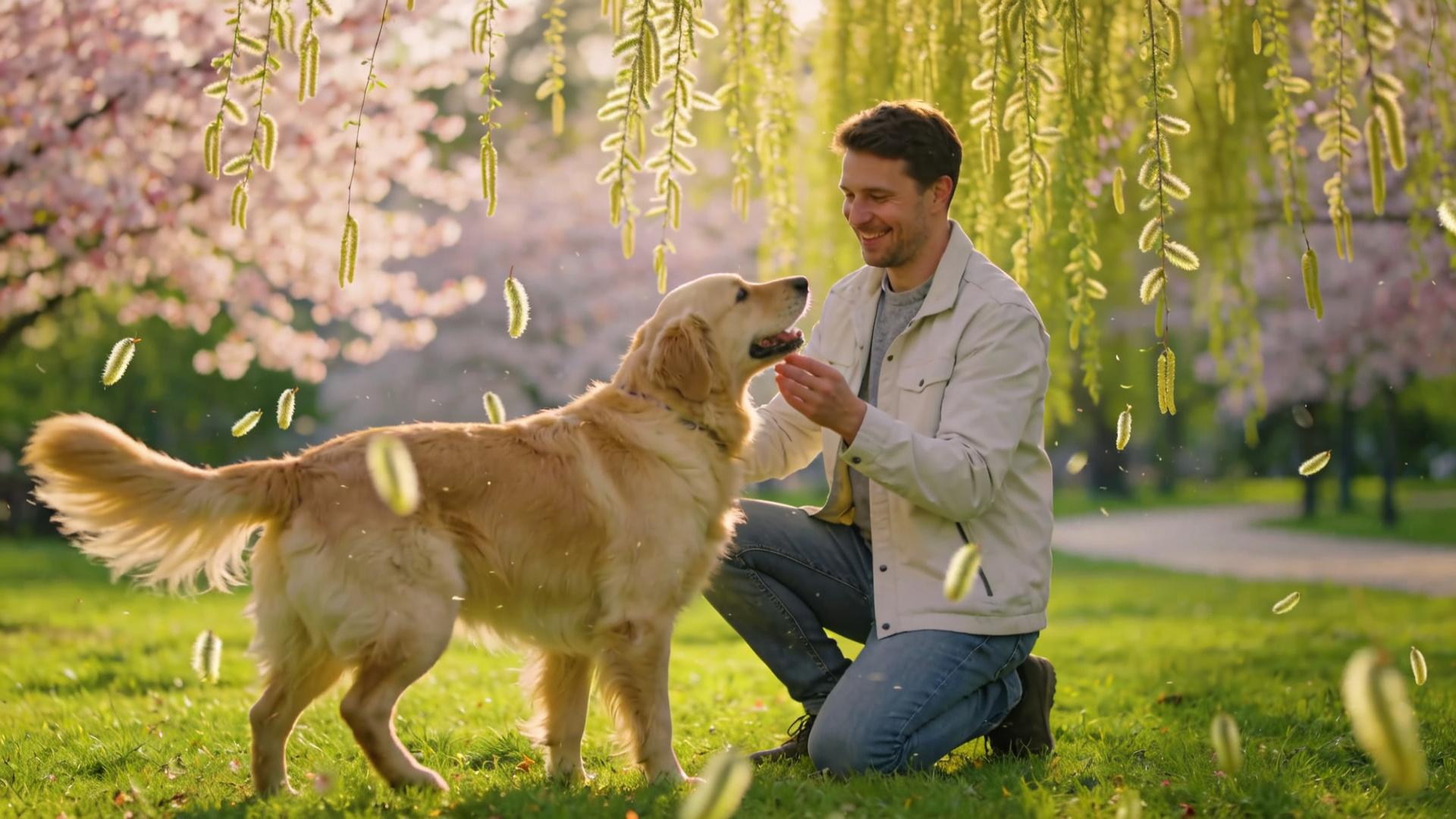
Springtime willow catkin allergy season: Is it okay to put a mask on your dog?
Spring is a symphony of rebirth—blooming flowers, longer days, and a sense of renewal. However, for countless dogs and their owners, this season also heralds the arrival of a delicate, floating nuisance: willow catkins. These fluffy seed pods, while picturesque, can turn into a cloud of allergens, triggering a range of uncomfortable symptoms in our canine companions. As a pet parent, seeing your dog sneeze incessantly or scratch relentlessly can be heart-wrenching. In the search for solutions, a question has emerged in parks and online forums alike: “Can I put a mask on my dog?” This article, crafted from a dual lens of canine health expertise, will provide a comprehensive, nuanced guide to navigating this seasonal challenge. We’ll explore the science, weigh the practicalities, and outline a holistic management plan to ensure your dog enjoys the spring safely and comfortably.
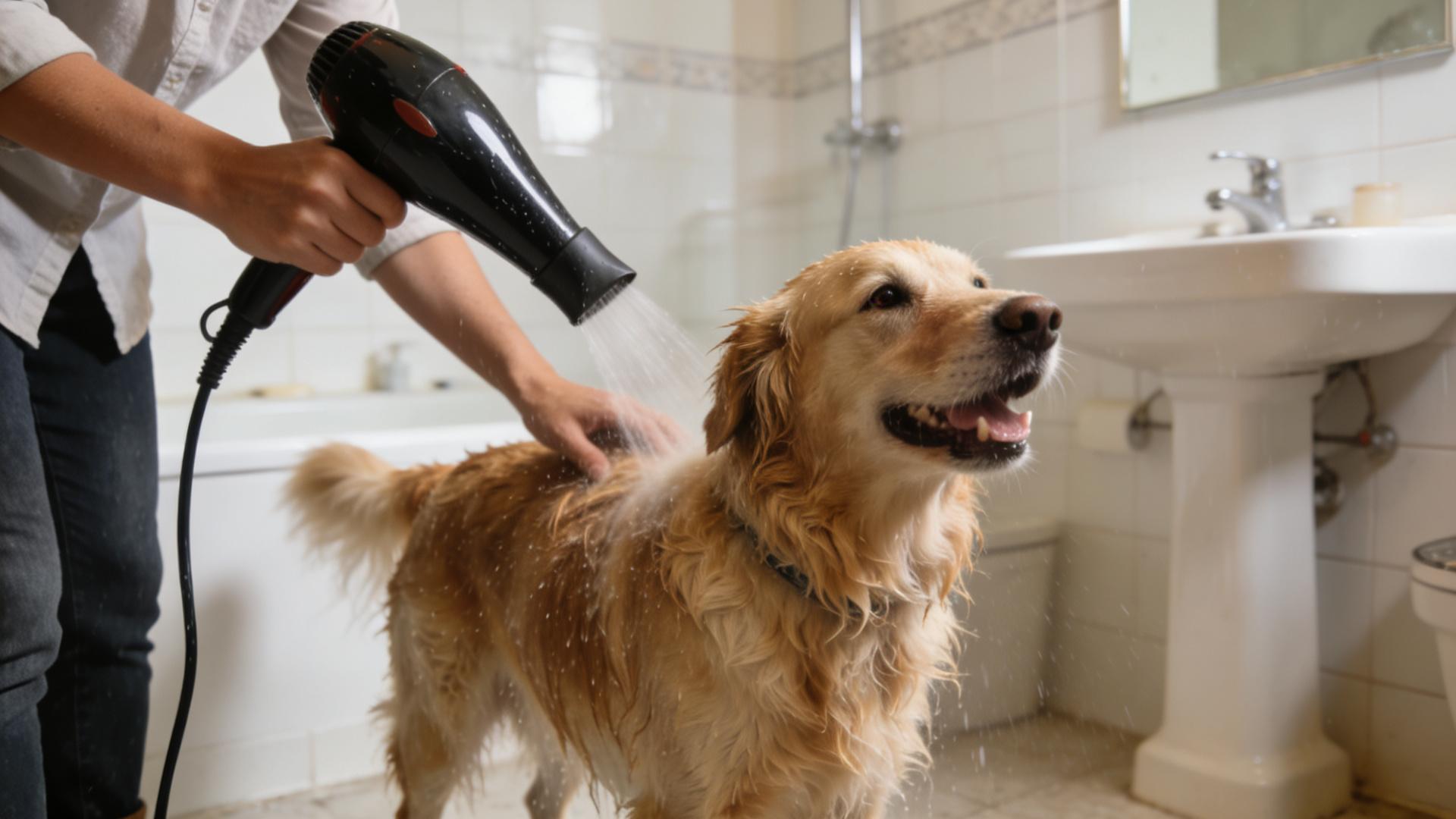
The underlying reason why dogs must be dried after a bath: a breeding ground for eczema and fungal infections.
For many dog owners, bath time is the main event—the suds, the scrubbing, the sometimes comedic struggle. The job feels done once the last rinse is complete. However, this mindset overlooks the most critical step in the entire grooming process: thorough drying. Incomplete drying is not merely an oversight that leaves your dog damp and uncomfortable; it is an active risk factor that creates a perfect, humid breeding ground for serious and painful skin conditions. Understanding the science behind this process is the cornerstone of proactive, preventative canine care. This article delves deep into why skipping this step is one of the most common and detrimental dog bathing mistakes, and how a proper routine is your best defense.
Are dog conditioners a rip-off? Scientific solutions for repairing dry, brittle fur.
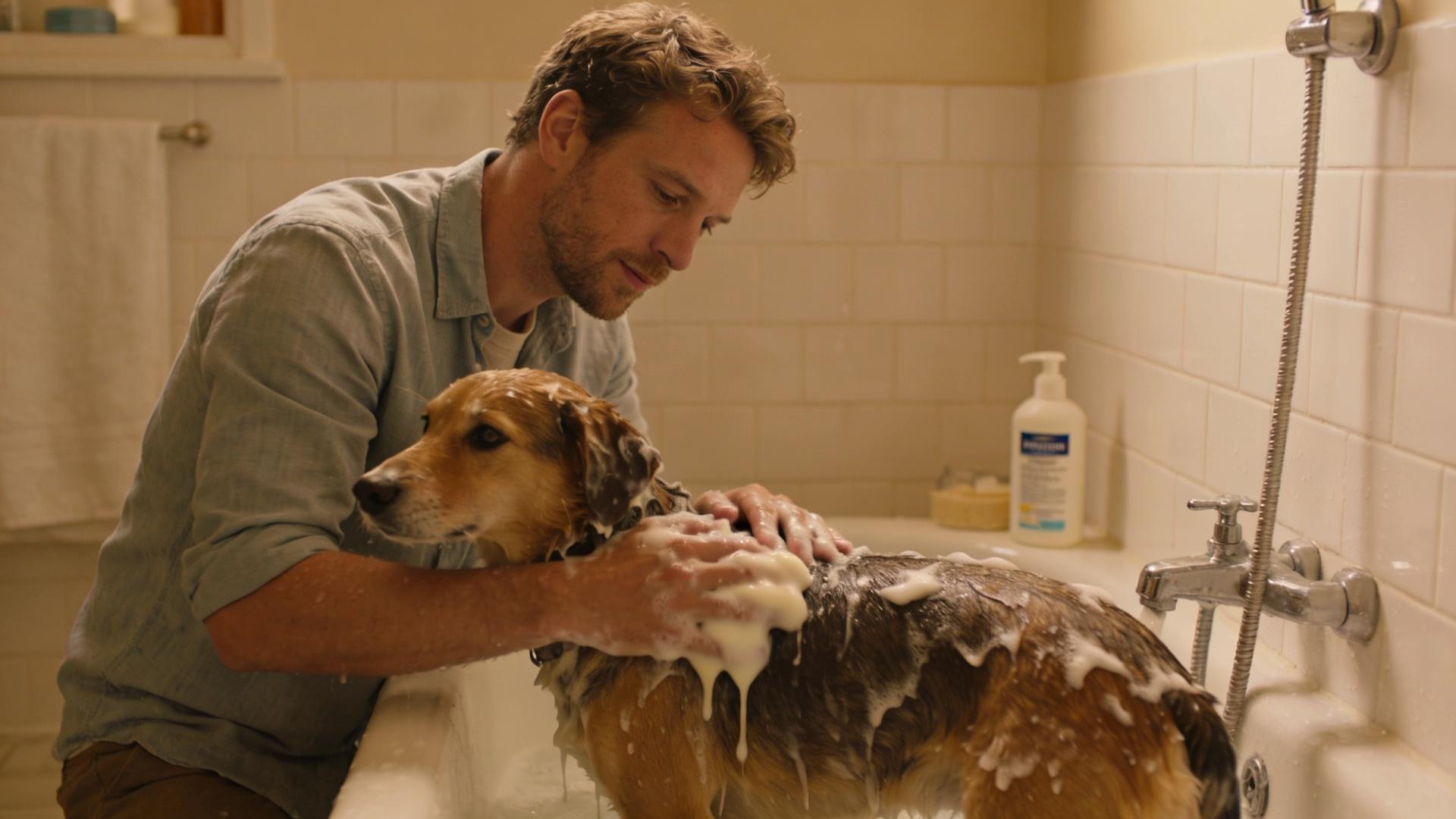
As a dog parent, you want nothing but the best for your furry companion. A shiny, soft coat is often the most visible sign of a healthy dog. But when that coat turns dry, brittle, and lackluster, the search for solutions begins, often leading you to the pet care aisle and the myriad of dog conditioners. The immediate question arises: is this a genuine solution or just a clever marketing ploy? Let's dive deep into the science of canine coat health and separate fact from fiction.
Tear Stain Removal Techniques: A Combination of Dietary Adjustments and Localized Cleansing
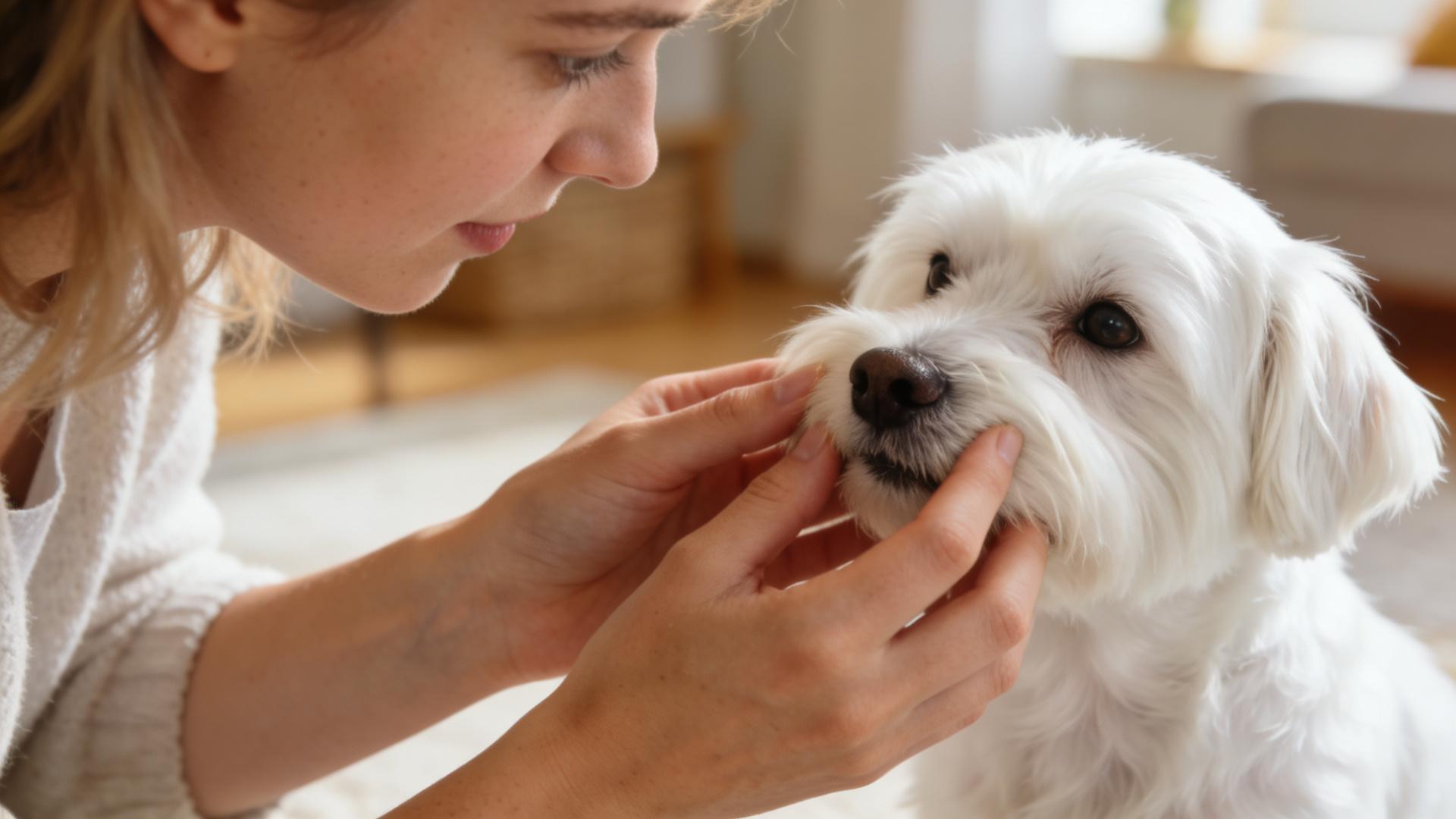
If you share your life with a dog, especially a light-colored breed like a Maltese, Shih Tzu, or Poodle, you've likely encountered those reddish-brown streaks beneath their eyes. These are dog tear stains, a common and often frustrating Grooming concern for pet parents. More than just a beauty issue, they can signal underlying factors worth addressing. This article cuts through the clutter of misinformation to provide a clear, actionable, and trustworthy guide. Our core thesis is that effective, long-term management of tear stains requires a dual-pronged strategy: addressing potential internal triggers through dietary adjustments and implementing a consistent, gentle localized cleansing routine. We must emphasize from the outset: sudden, severe, or persistent staining should always prompt a visit to your veterinarian to rule out medical issues like eye infections, blocked tear ducts, or anatomical problems.