
You May Have Missed
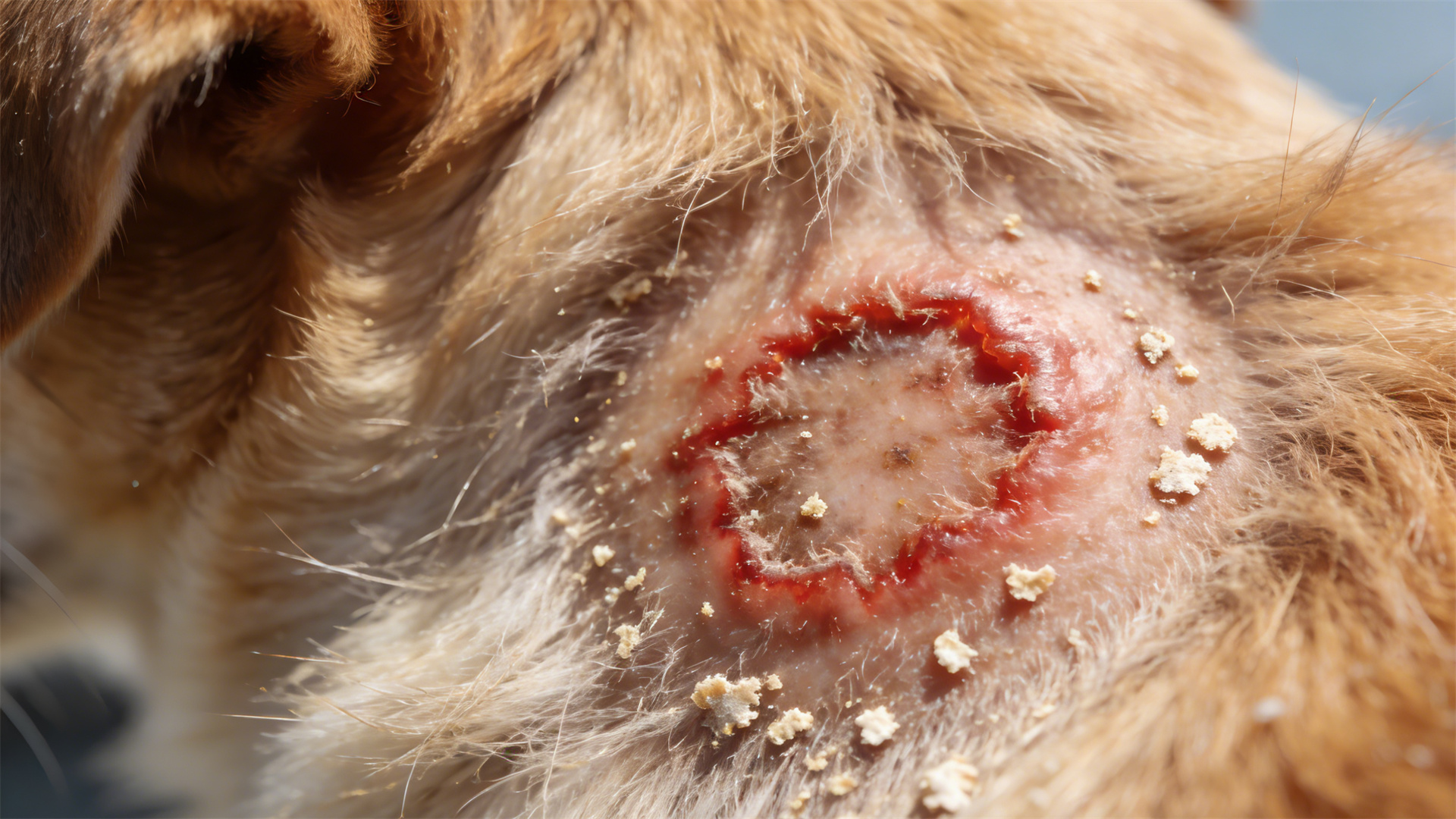
The "detective" approach to canine skin diseases: differentiating between fungal, bacterial, and allergic dermatitis.
As a seasoned content creator and SEO expert in canine care, I know that understanding your dog's skin issues is like solving a complex mystery. 🕵️♂️ Your dog can't tell you what's wrong, and the symptoms—itching, redness, hair loss—often look frustratingly similar. But just like a skilled detective, you can learn to gather clues, examine evidence, and narrow down the suspects. This comprehensive guide will empower you to become a "skin detective" for your furry friend, learning to differentiate between the three most common culprits: fungal, bacterial, and allergic dermatitis. Remember, while this information is an invaluable tool for observation and communication, always consult your veterinarian for a definitive diagnosis and treatment plan. Your vet is the forensic lab and the chief inspector rolled into one.
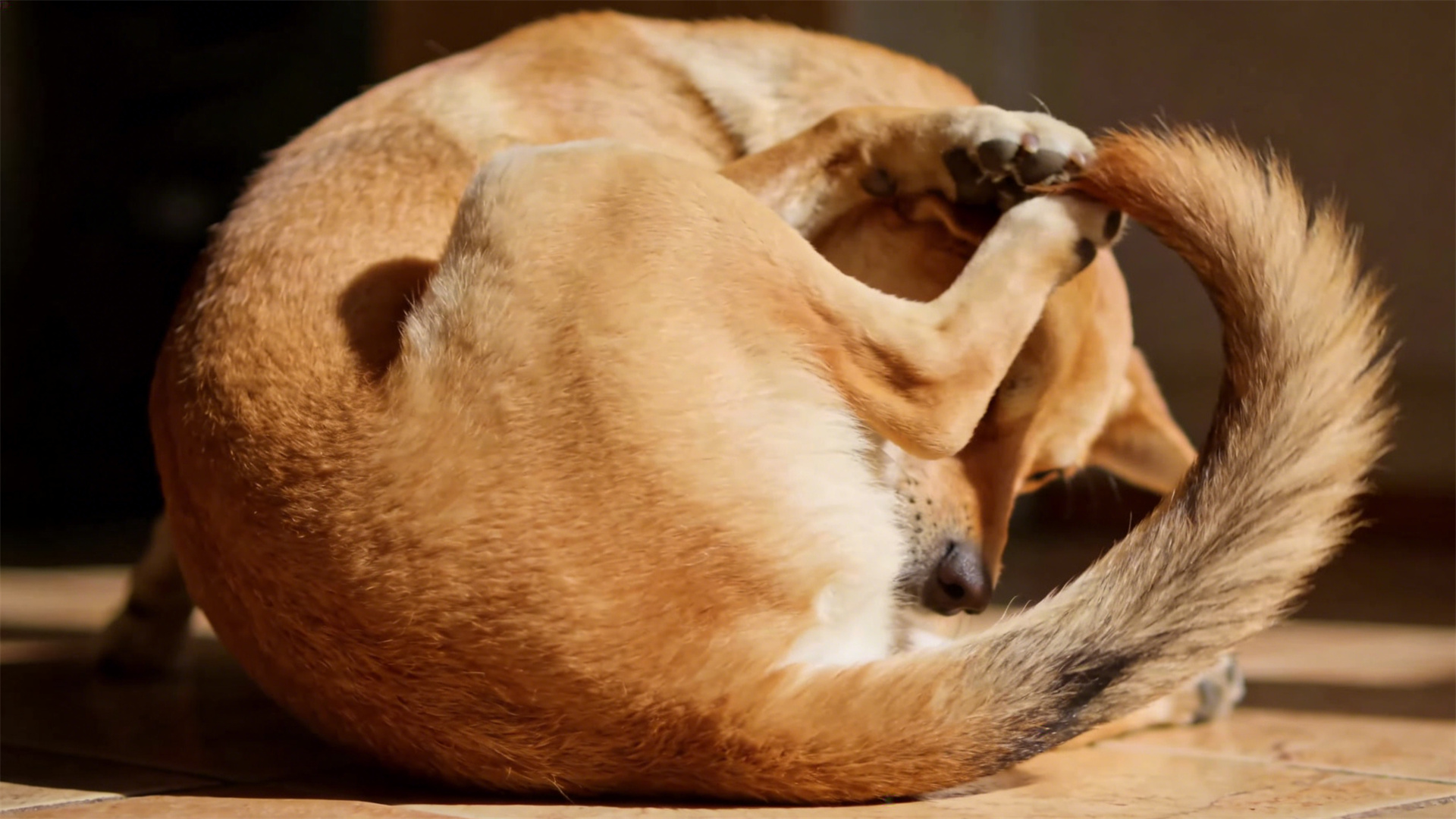
Compulsive behaviors (such as tail chasing): Is it naughtiness or brain damage?
As a dog owner, few sights are as simultaneously amusing and perplexing as watching your dog spin in frantic circles, determined to catch that elusive tail. It’s a classic canine quirk, often laughed off as a moment of goofy antics. But when the spinning becomes a daily ritual, when it intensifies to the point of exhaustion or injury, that amusement can quickly curdle into concern. Is this just a naughty phase, a silly habit? Or could it be a red flag for something more serious, like brain damage or a neurological disorder? Understanding the stark difference between playful behavior and a pathological compulsion is not just academic—it’s crucial for the long-term health and happiness of your four-legged family member.
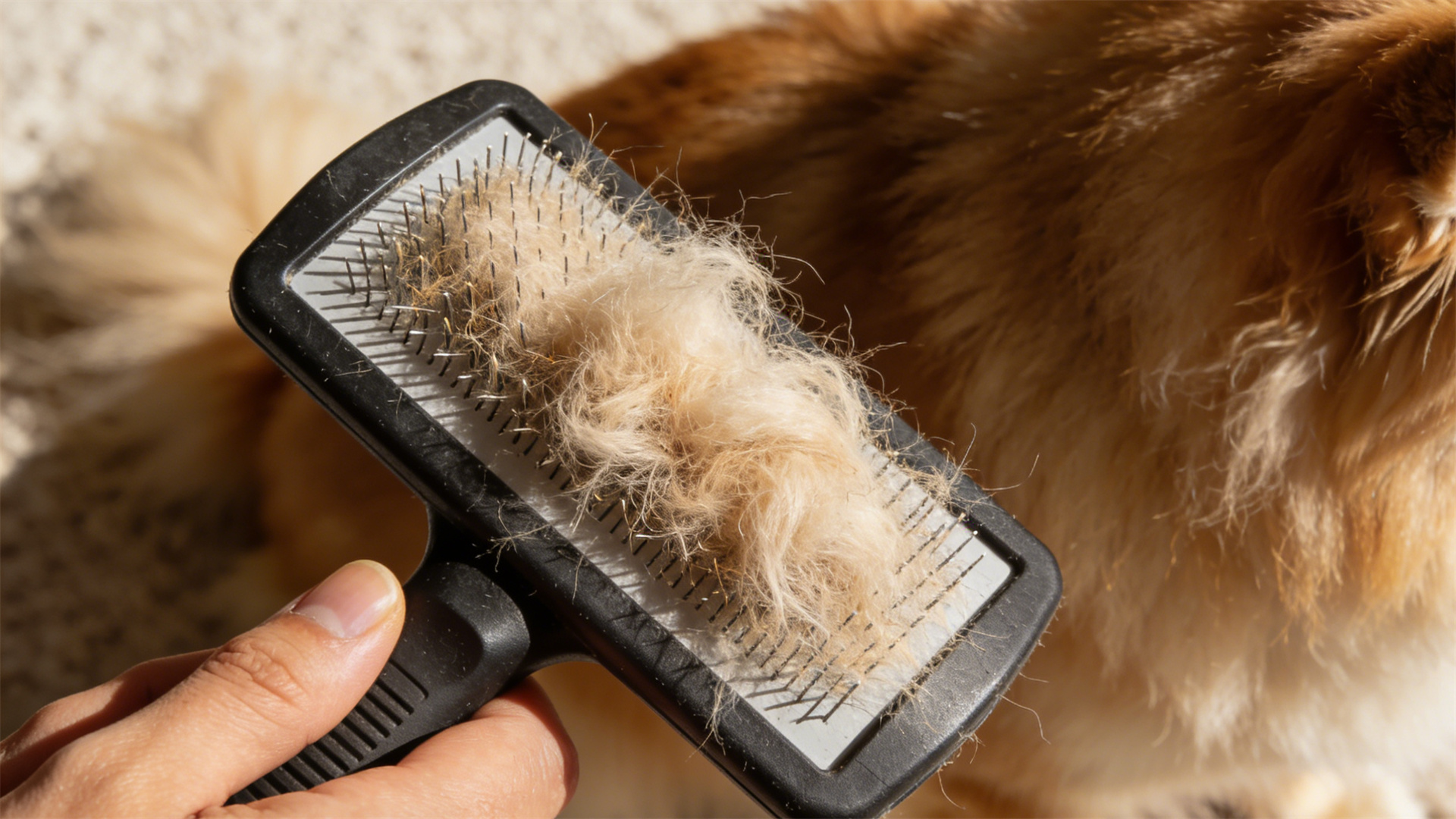
Eczema prevention in long-haired dogs: a solution for breathable skin beneath a thick undercoat
You brush your dog’s magnificent, flowing coat until it gleams in the sunlight. To the world, they are the picture of canine health and beauty. Yet, beneath that luxurious exterior, a silent struggle may be occurring. Your dog is itchy, restless, and constantly seeking relief on the corner of the rug. This is the hidden paradox for many owners of long-haired and double-coated breeds: a stunning coat masking distressed, inflamed skin. The culprit is rarely neglect, but rather a fundamental misunderstanding of what these breeds need. True eczema prevention in dogs like Golden Retrievers, German Shepherds, and Samoyeds does not stop at a tangle-free topcoat. It demands a dedicated strategy focused on one core principle: creating and maintaining breathable skin beneath that dense undercoat.
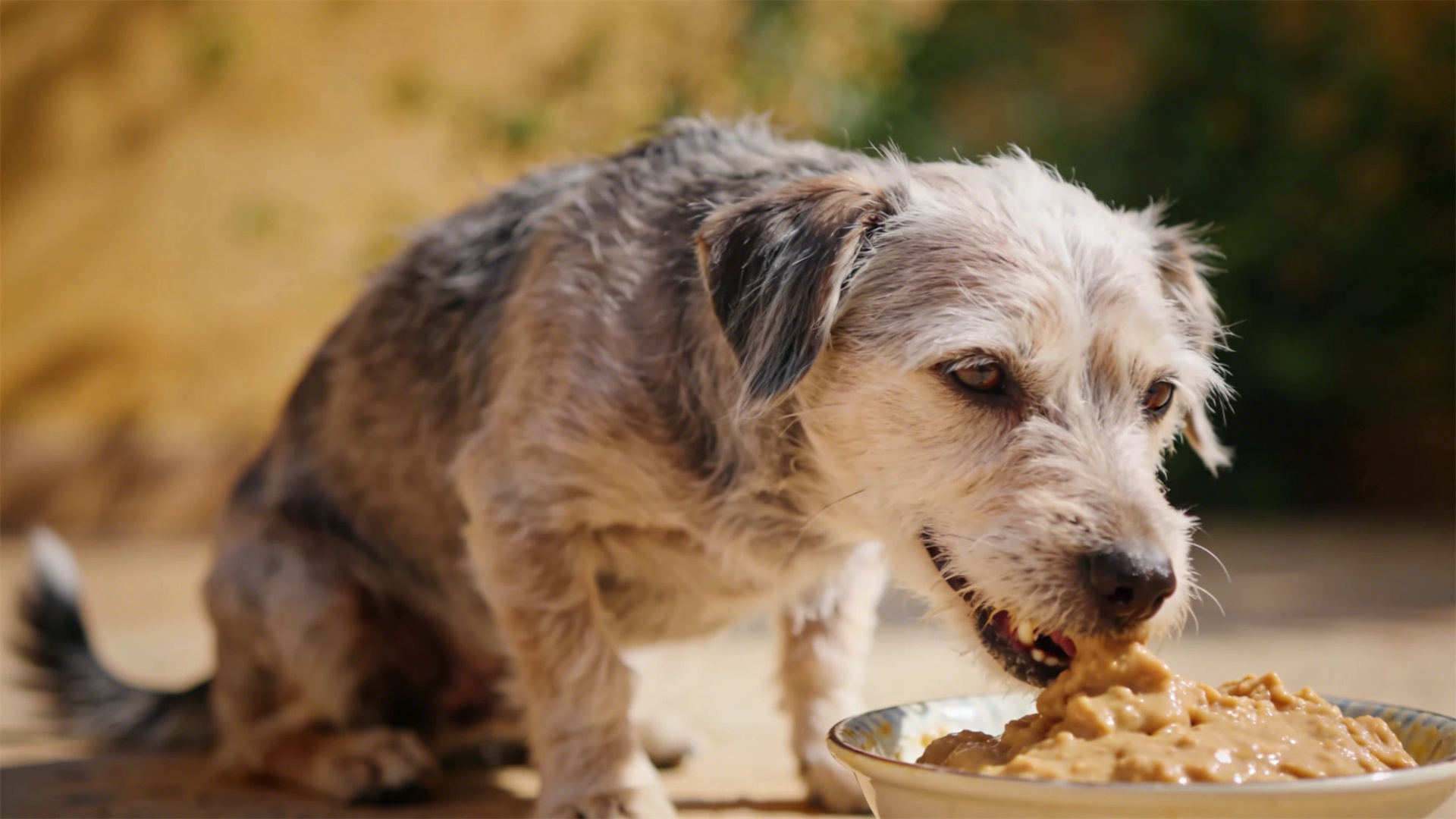
Soft food transition for senior dogs: Cooking techniques that balance palatability and nutrient absorption
As our loyal canine companions enter their golden years, their dietary needs evolve just as ours do. One of the most significant and caring adjustments you can make is transitioning your senior dog to a soft food diet. This isn't merely about convenience; it's a strategic move to support their changing health, comfort, and vitality. Crafting this food at home allows you to control the quality, tailor the nutrients, and, crucially, employ cooking techniques for senior dog food that maximize both appeal and digestibility. This comprehensive guide will walk you through the why and how, providing you with the knowledge to become your senior dog's personal chef and nutritionist.
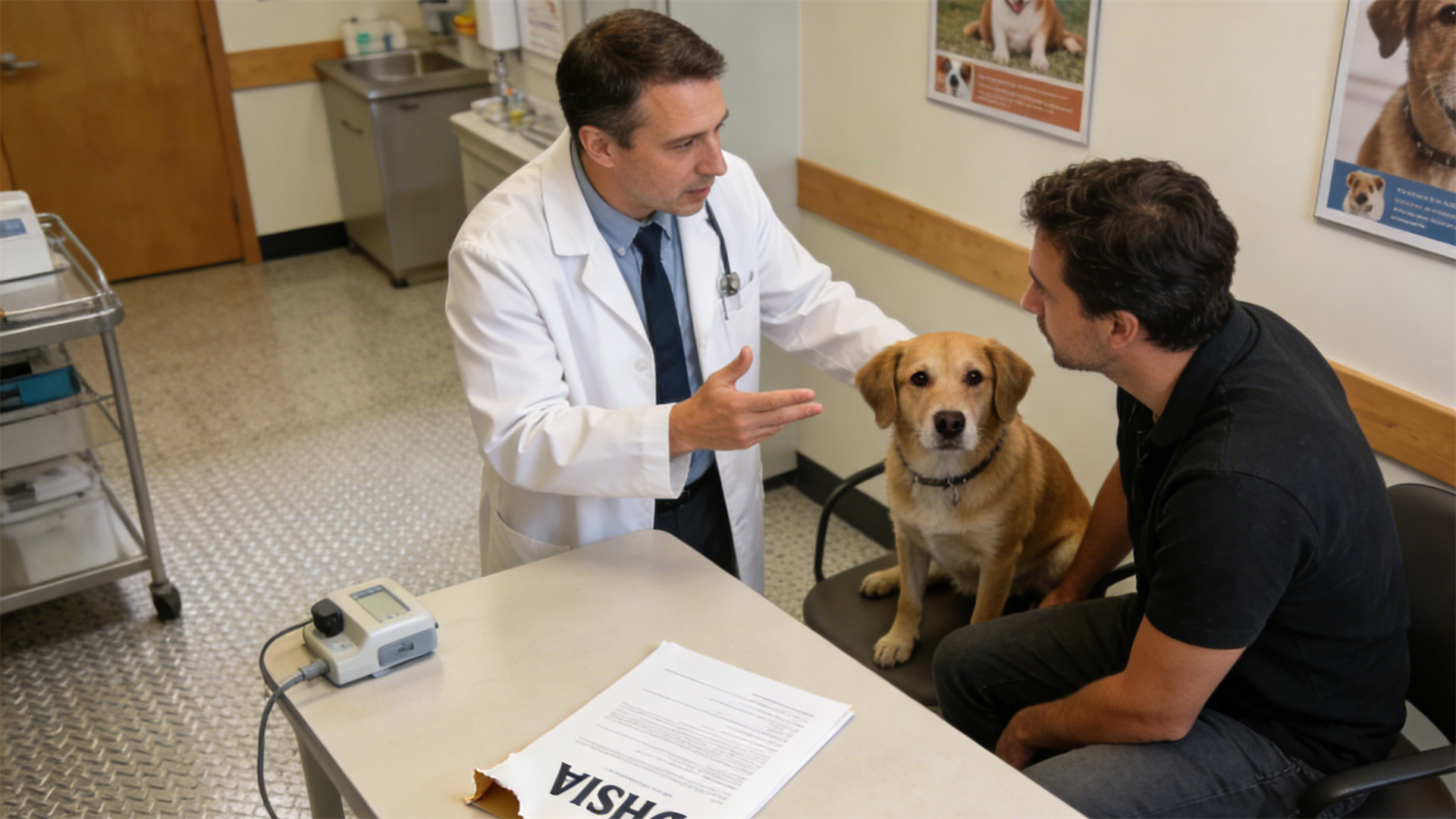
Cognitive impairment (CCD)
Watching your loyal companion grow older is a journey filled with love, but it can also bring new challenges. If your senior dog seems to be "acting differently," it might not just be normal aging. Canine Cognitive Dysfunction, often called dog dementia, is a common but under-recognized condition affecting older dogs. Similar to dementia or Alzheimer's in humans, CCD is a progressive, age-related decline in cognitive abilities caused by physical changes in the brain. This article will guide you through recognizing the signs, understanding the condition, and most importantly, learning actionable strategies to support your dog's quality of life. You are not alone in this journey.
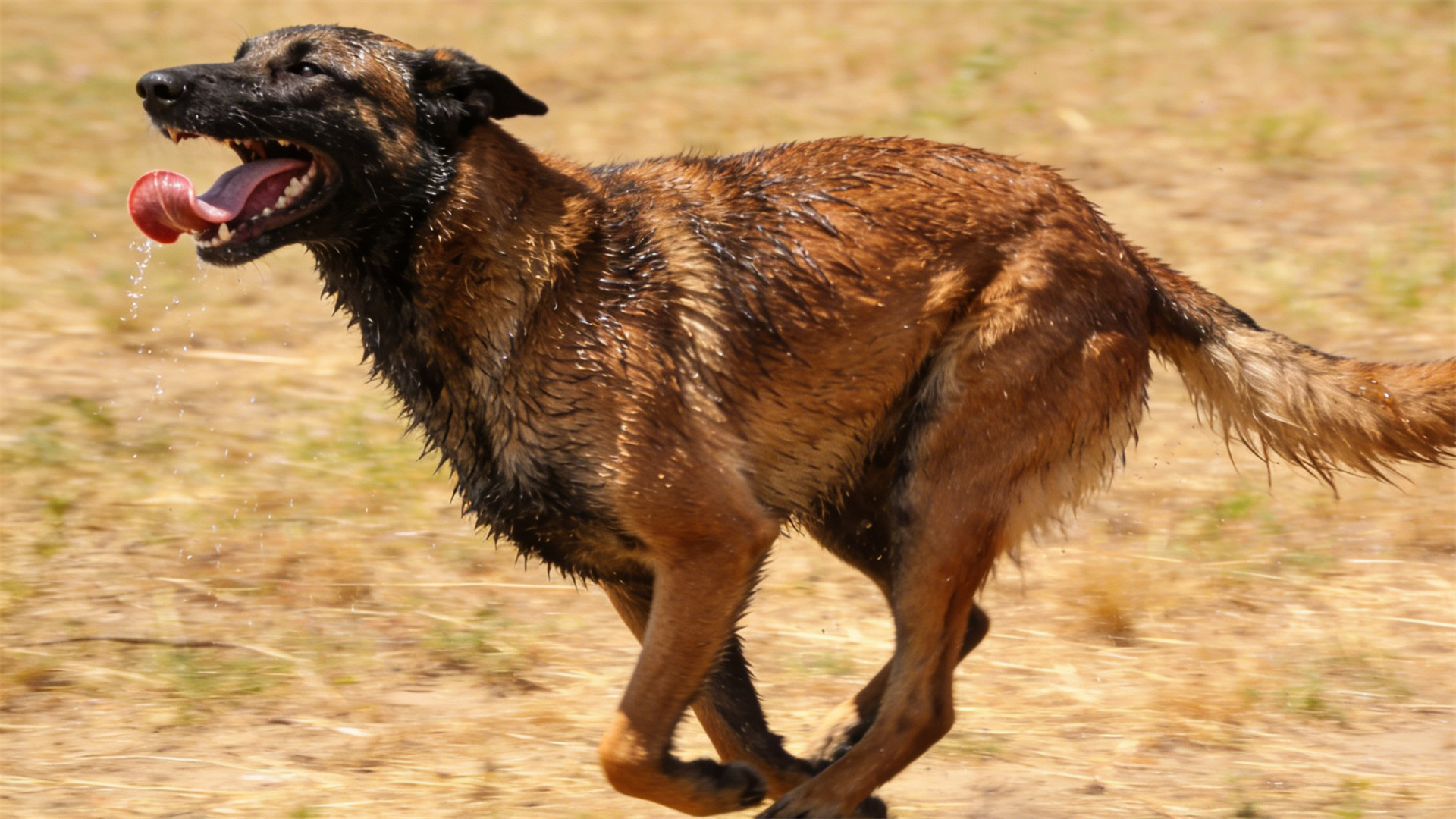
Physical recovery for working dogs: the science of electrolyte replenishment after high-intensity exercise
In the world of canine athletes, victory and reliability are forged not only in the intensity of the work but in the quality of the recovery that follows. For the working dog—be it a police K9, a search-and-rescue hero, an agility champion, or a dedicated sport partner—high-intensity exercise is a routine demand. While we meticulously plan their training and fuel their drive, the science of physical recovery, particularly electrolyte replenishment for dogs, is often the unsung hero of sustained performance and long-term health. This article delves beyond simple hydration, exploring the critical physiological processes and providing a practical, evidence-based roadmap for optimizing your canine partner's post-work reset.