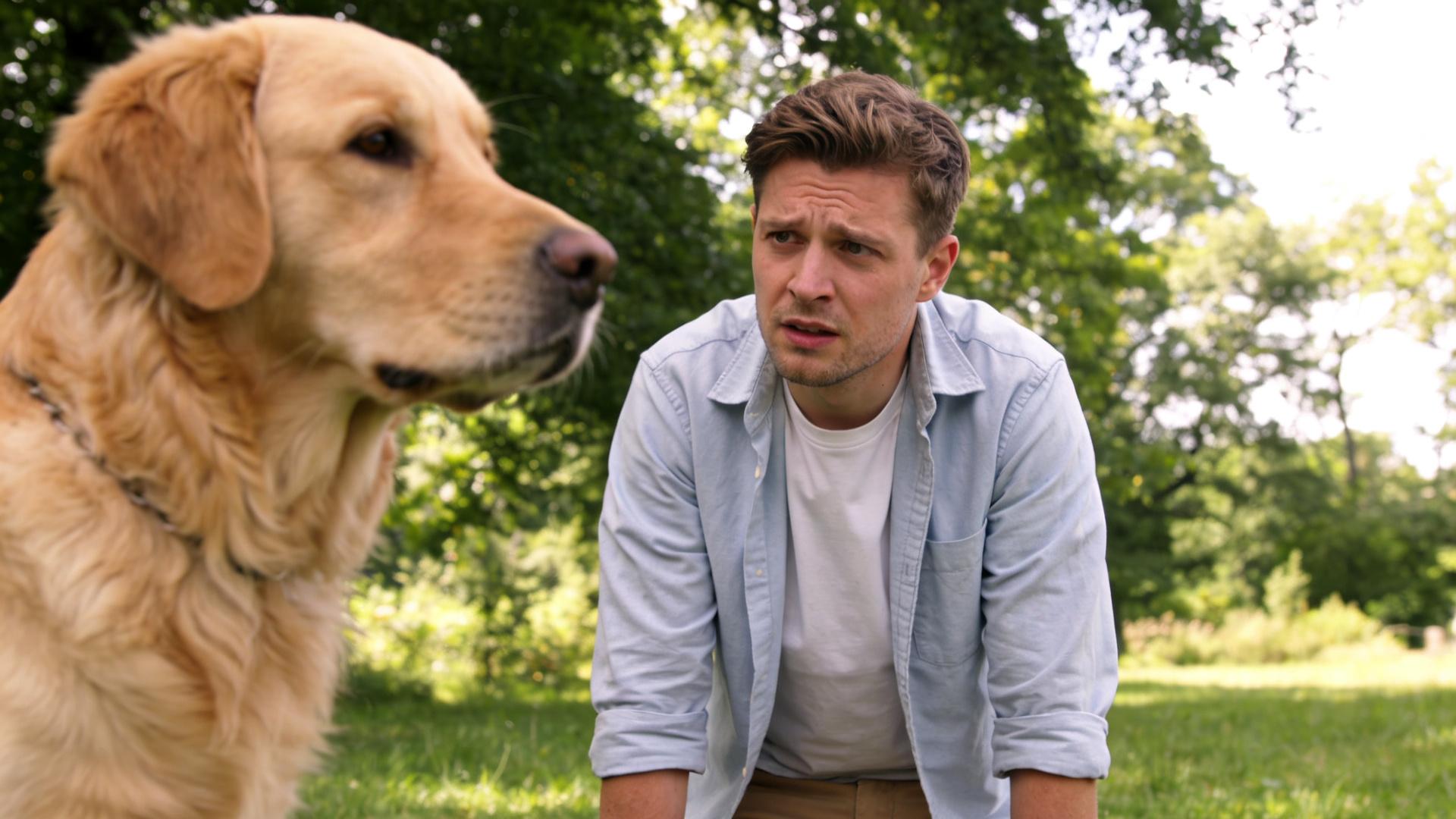
You’re in the middle of a crucial training session, the treat pouch is full, but your dog’s focus is everywhere but on you. You hold up their once-favorite chicken bit, and they just… sniff and look away. It’s a frustrating moment every dedicated dog owner faces: when the treats that used to guarantee a perfect “sit” or “down” suddenly seem to lose all their power. What happened? Has your dog become stubborn, or have you failed as a trainer? The answer is likely neither. You’re experiencing a fundamental principle of canine behavior and learning theory: the law of diminishing returns on rewards. Just like in economics, where added benefits decrease with more investment, the motivational value of a treat can plummet with overuse or poor strategy. Let’s unpack why your edible currency is losing its value and, more importantly, how you can restore its buying power.
🍖 Section One: Satiation and Frequency: The Science of "Enough is Enough"
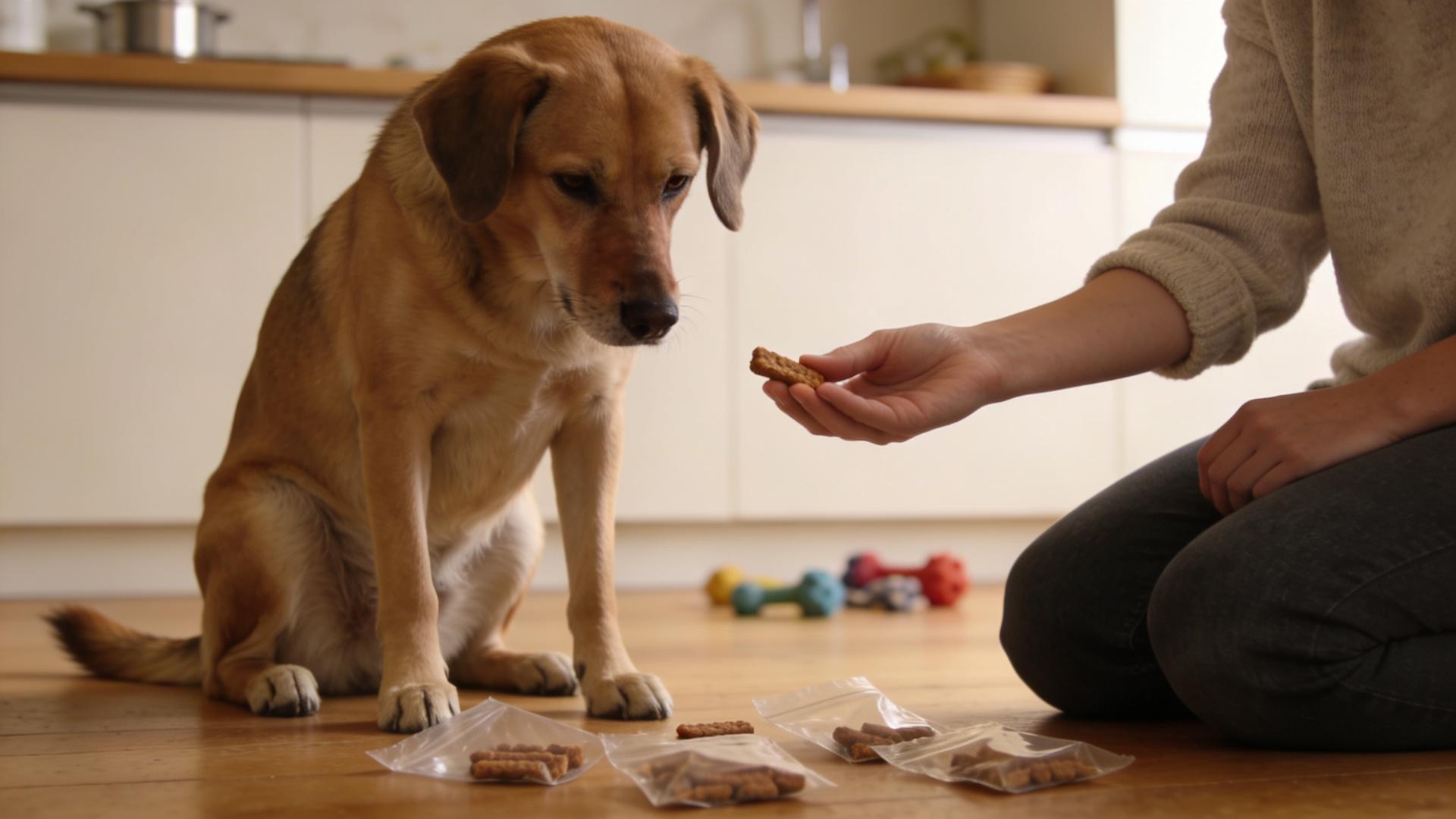
The most straightforward reason your treats stop working is simple satiation. If a dog is full, the prospect of more food holds little to no value. This goes beyond a full belly, touching on a fascinating psychological concept called sensory-specific satiety. This term describes the phenomenon where the more you consume of one specific flavor or texture, the less rewarding that particular food becomes. Your dog might love cheese, but after ten tiny cheese cubes in a repetitive training drill, the eleventh cube isn't exciting—it's boring, maybe even slightly off-putting.
This is why high-frequency, low-variety training sessions are a prime culprit for diminishing returns dog treats. The treat isn’t a special event; it becomes a predictable, mundane part of the routine. The dog’s internal dialogue shifts from, “If I do this, I might get something amazing!” to “Yeah, yeah, here comes another piece of that dry kibble.”
Key Takeaway:
To combat sensory-specific satiety, treat value must be managed. This means: 1. Using treats primarily when the dog is motivated (e.g., before meals). 2. Keeping training sessions short and impactful. 3. Being strategic about treat size—a pea-sized morsel is often enough to mark the behavior without causing rapid satiation.
🔄 Section Two: The Monotony Problem: When Predictability Kills Motivation
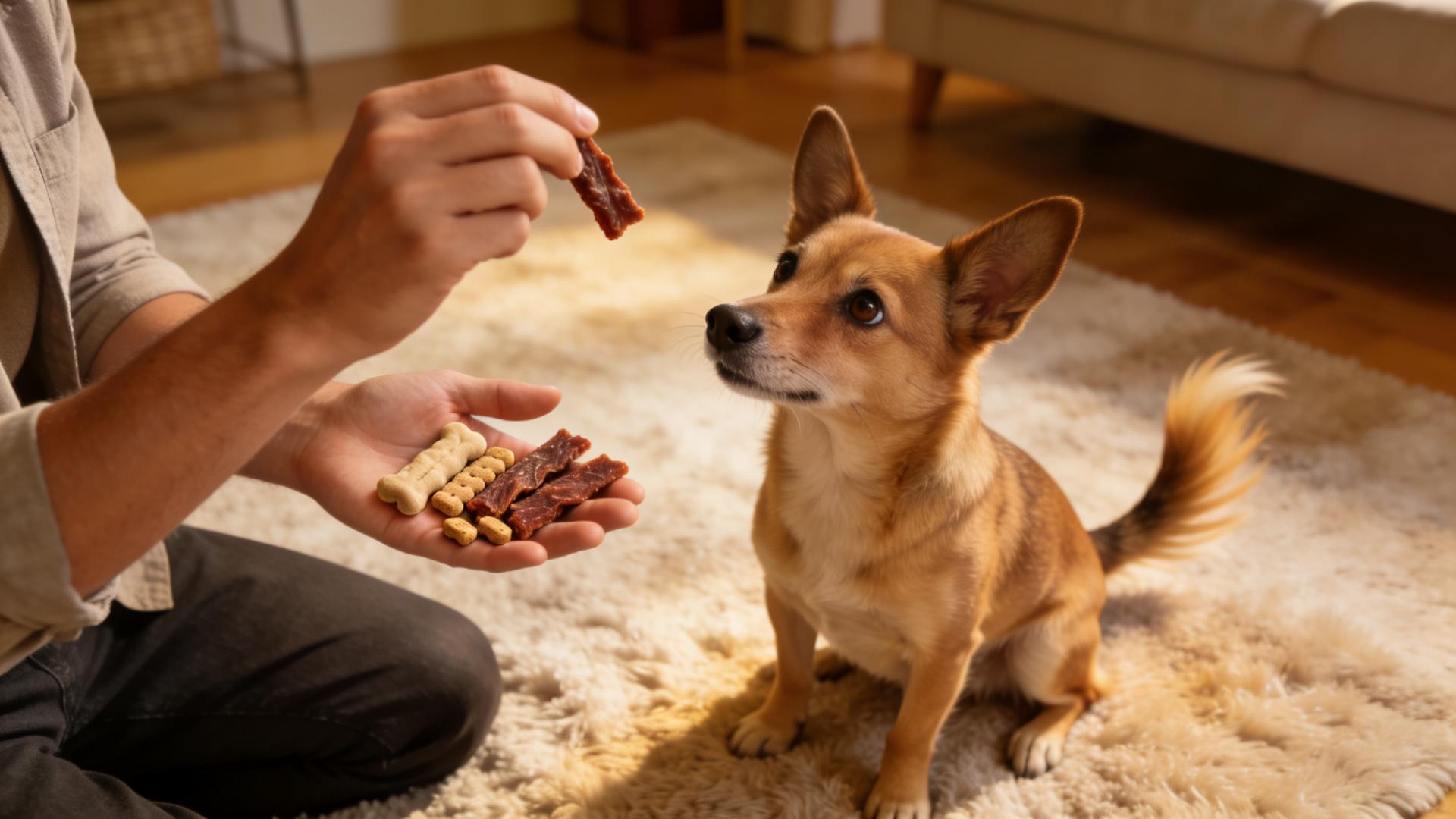
Closely linked to satiation is the issue of monotony. Dogs are intelligent, curious creatures. A reward system that never changes leads to habituation—the process of becoming so accustomed to a stimulus that you stop responding to it. The same old biscuit, given the same way, for every single command becomes background noise.
This is a core reason behind ineffective dog training rewards. The reward lacks surprise and therefore, loses its reinforcing strength. The solution is a dynamic reward system.
Implementing a Reward Rotation Schedule:
Think of your treat pouch like a toy box. Rotate the items to keep things interesting. Create a hierarchy:
Low-Value Rewards: Kibble, dry biscuits. Used for easy, well-known behaviors in low-distraction environments.
Medium-Value Rewards: Soft, commercial training treats, small pieces of carrot or apple. For learning new behaviors or practicing with mild distractions.
High-Value Rewards: The “grand prize” items: real meat (chicken, liver), cheese, fish. Reserved for breakthrough moments, recall away from major distractions, or exceptionally good behavior.
By varying the reward type unpredictably, you reignite your dog’s curiosity. They never know if this “sit” will earn kibble or a piece of liver, making them far more likely to offer the behavior eagerly to find out.
🧠 Section Three: Psychological Principles: It’s Not Just What, But When
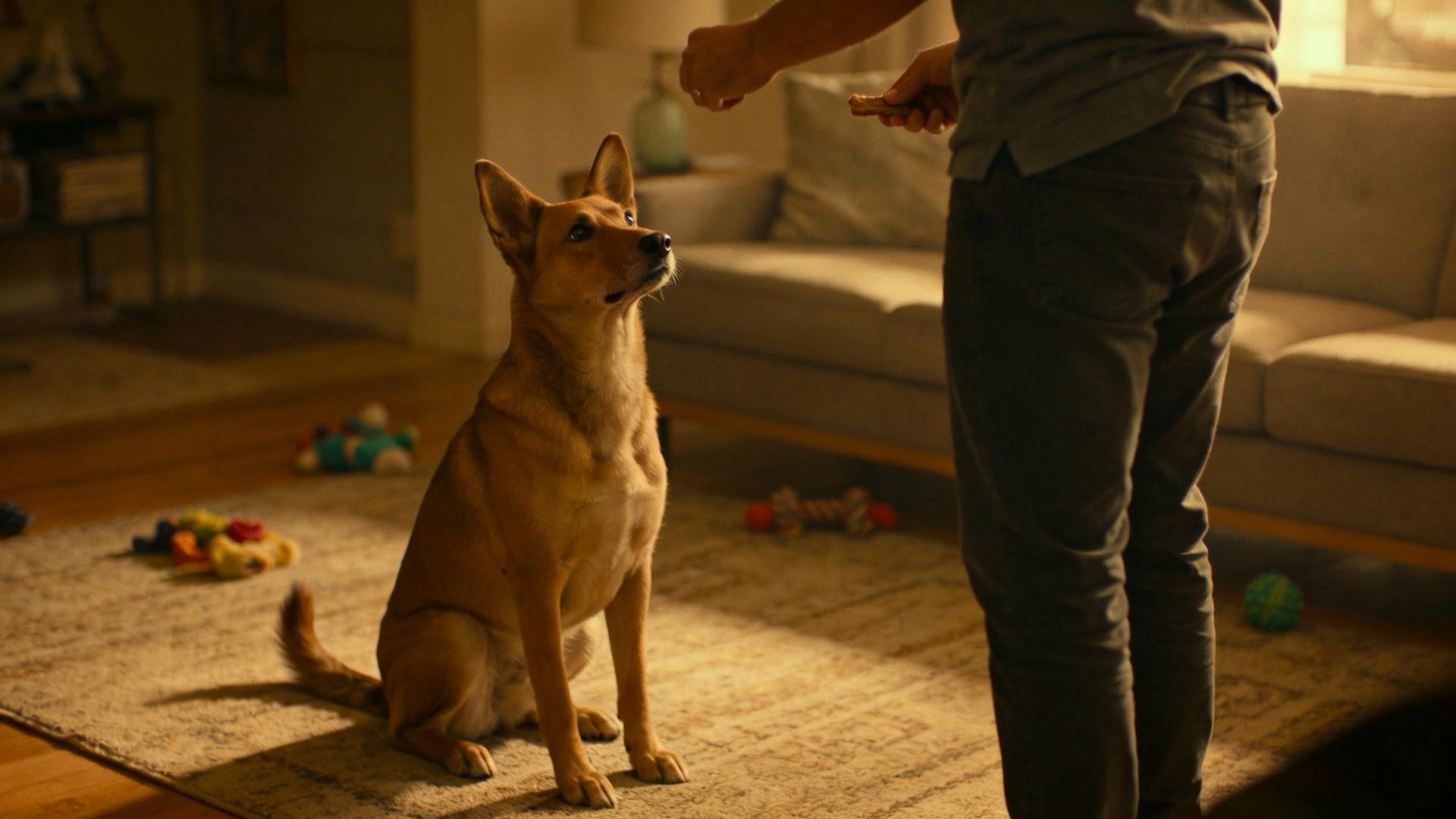
Understanding basic reinforcement schedules is crucial to solving the puzzle of why treats stop working. If you reward every single time (a continuous reinforcement schedule), you teach the dog that the treat is a guaranteed salary. Once the behavior is learned, this schedule makes it vulnerable to extinction if rewards stop. More importantly for motivation, it becomes expected, not exciting.
Shifting to an intermittent or variable reinforcement schedule is a game-changer. This means rewarding unpredictably—sometimes after one correct response, sometimes after three, sometimes after five. This is the psychological engine behind slot machines and why they are so addictive. The chance of a reward is more powerful than a guaranteed one. Your dog will work harder and longer, thinking, “The next try might be the one that pays off!” This is the ultimate antidote to dog treat saturation.
Actionable Step:
For a solid "sit," start rewarding randomly: treat, no treat (but praise), treat, no treat, no treat, TREAT! You'll see a noticeable spike in attentiveness and speed.
❤️ Section Four: Health and Value Connection: The Internal Dashboard
Your dog’s perception of a treat is intrinsically tied to their overall health and diet. A dog that is fed a calorie-dense, nutritionally complete diet may simply be less food-motivated in general. Similarly, a dog that isn’t feeling well, has dental pain, or is experiencing digestive discomfort will understandably turn down even high-value rewards.
Furthermore, constant treat dispensing can disrupt nutritional balance and lead to weight gain. A dog that is gaining weight may also be less hungry and thus less motivated. It’s a cycle: ineffective snack rewards lead to using more treats to try and get the behavior, which contributes to overfeeding and further reduces motivation.
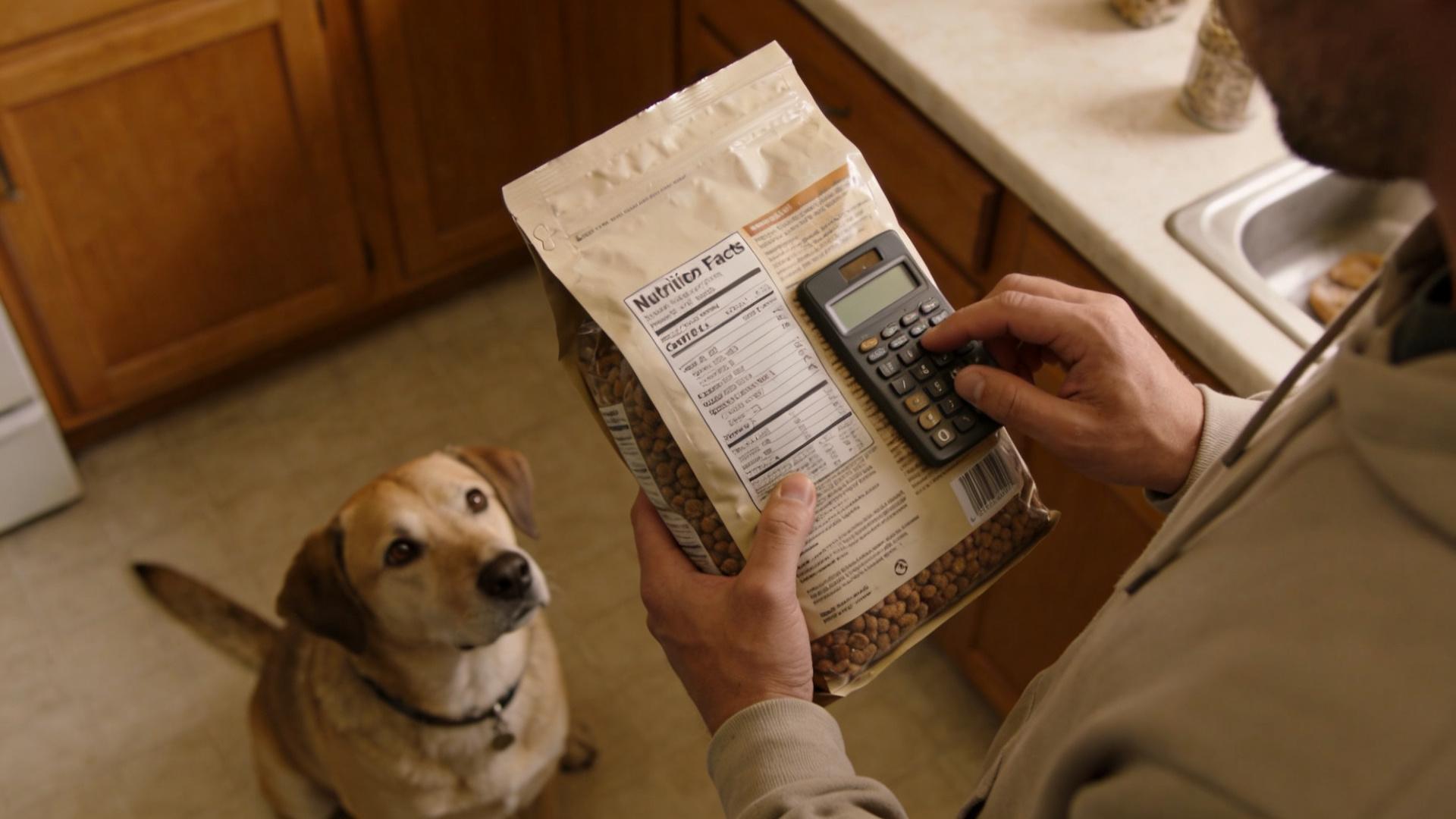
Special Reminder: Always consider your dog’s daily calorie intake. Deduct a portion of their regular meal to account for training treats, or use their regular kibble as the low-value reward in sessions. This maintains health and keeps food motivation more consistent.
🎯 Conclusion: Rebuilding Value and Moving Beyond Food
The canine reward effectiveness decline you’re witnessing is not a training dead end, but a valuable signal. It tells you your strategy needs refinement. To combat diminishing returns of dog treats, you must become a strategic reward banker. Manage satiation by training smart, smash monotony with a rotating menu of surprises, leverage the power of unpredictable reinforcement schedules, and always keep your dog’s overall health in mind.
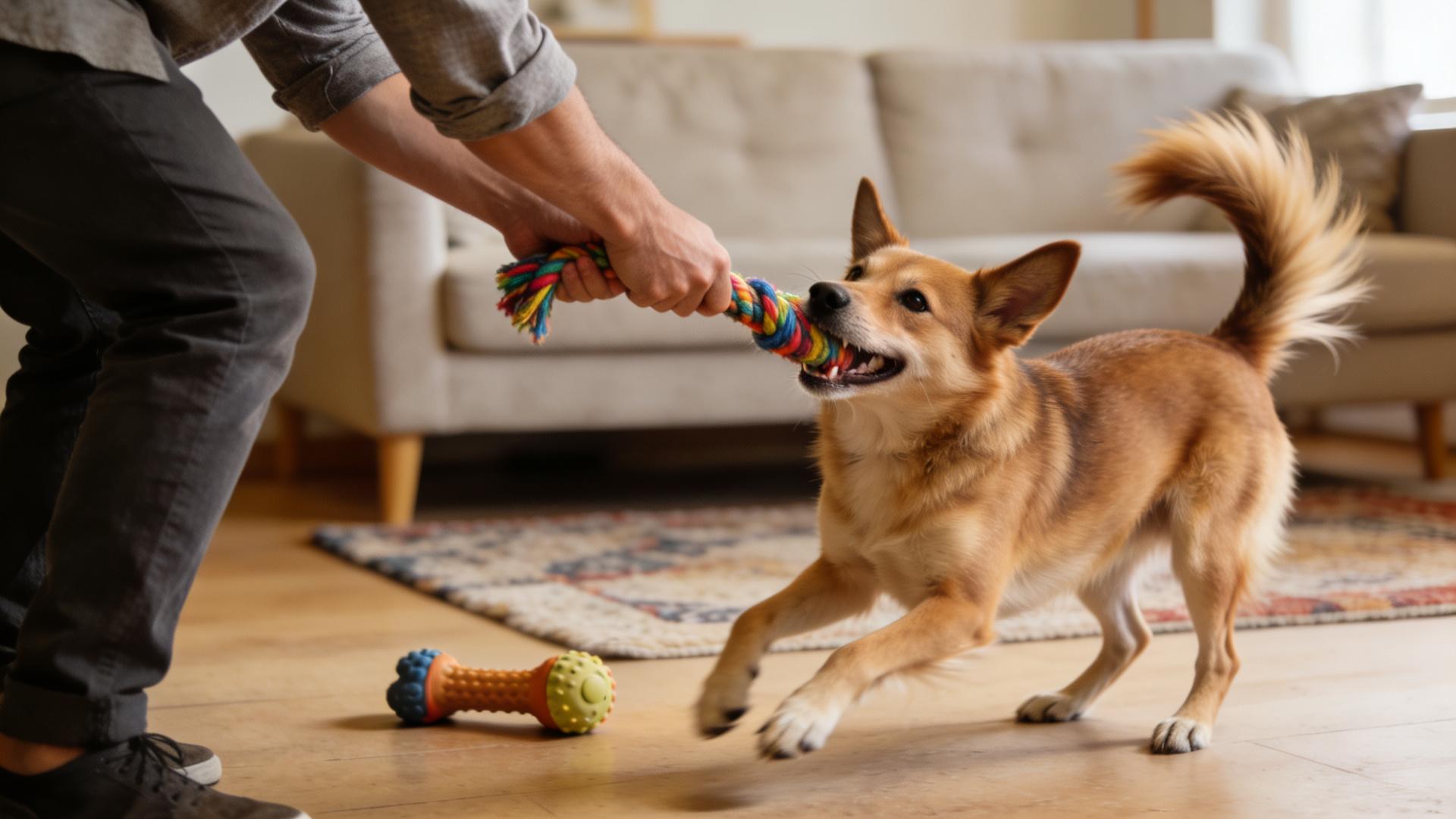
Finally, remember that food is not the only currency. For many dogs, the true premium rewards are non-food based: a thrilling game of tug, a chance to chase a ball, enthusiastic praise and petting, or the opportunity to go sniff a fascinating bush. By building a diversified “reward portfolio,” you ensure your dog’s motivation never runs dry. Effective training is about communication and partnership, not just bribery with snacks.

💬 Call to Action: Your Turn!
Have you hit the wall with treat rewards? What creative, non-food rewards does your dog go absolutely wild for? Share your experiences and strategies in the comments below! For a deeper dive into advanced dog training reward strategies, visit our comprehensive training resource library to discover more tips on how to keep treats effective for dogs and build an unbreakable bond with your canine companion.
Meta Description: Is your dog ignoring training treats? Discover the science behind diminishing returns of dog treats. Learn why snack rewards stop working and get actionable solutions like reward rotation and intermittent schedules to restore your training effectiveness.