For decades, the phrase "dog color blind" dominated our understanding of canine vision, leading many to believe our furry friends live in a world of grays. Dog color discrimination training shatters this outdated myth, presenting a fascinating frontier in advanced dog training. This journey isn't about giving your dog a superpower they don't possess; it's about harnessing their actual visual capabilities for profound mental stimulation for dogs. As a seasoned content creator in the canine realm, I'm here to guide you through this intricate process. We'll move beyond basic obedience into the realm of canine cognitive skills, where success is measured in engagement, communication, and the joy of collaborative learning. Remember, the goal is to exercise your dog's brilliant mind, not to pass a canine art critique.
🔍 Seeing the World Through Their Eyes: The Science of Canine Vision
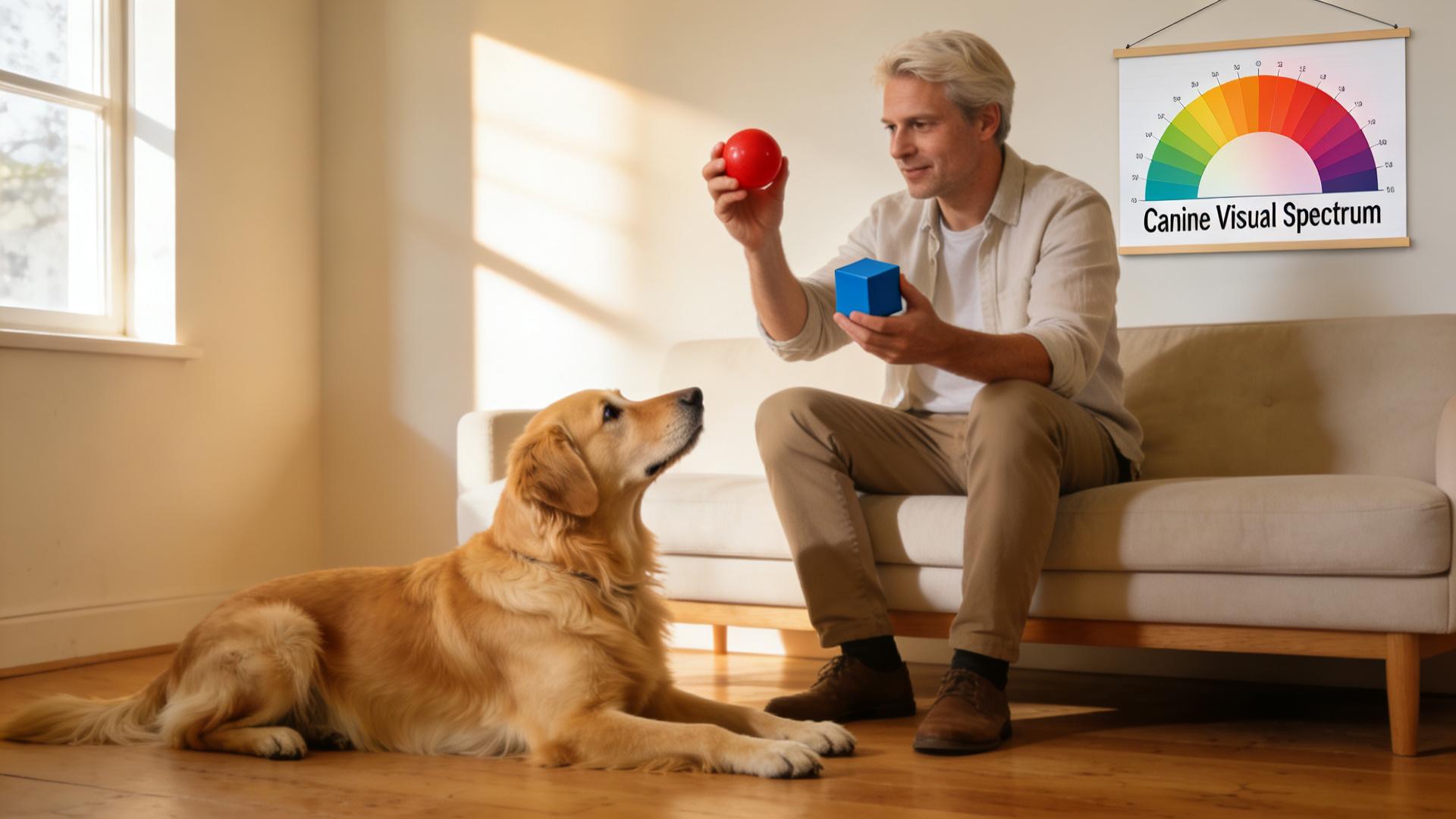
Before we ask a dog to tell red from blue, we must first understand how dogs see red yellow and blue. Humans are trichromats, meaning we have three types of color-detecting cones in our retinas sensitive to red, green, and blue light. Dogs, however, are dichromats. They possess only two cone types: one sensitive to blue-violet light and another to yellow-green light. This canine dichromatic vision means their color spectrum is similar to that of a human with red-green color blindness, but not devoid of color.
- Blues and Violets: Appear vibrant and distinct to dogs.
- Yellows and Greens: These are seen as a yellowish hue, often difficult to distinguish from each other.
- Reds and Oranges: These colors likely appear as shades of dark brown or yellowish-brown to a dog. A bright red toy on green grass may look like a dark yellowish-brown object against a light yellowish background—a low-contrast puzzle.
Therefore, when we engage in color recognition training for dogs, we are not teaching human color perception. We are teaching them to discriminate between objects based on the brightness and saturation contrasts as they perceive them. The blue and yellow objects will offer the highest visual contrast for your dog, while the red will be the most challenging. This foundational knowledge is critical for setting realistic expectations and appreciating your dog's achievements.
✅ Prerequisites: Laying the Groundwork for Success
This is not a beginner's exercise. Dog logic development at this level requires a solid foundation of trust, communication, and impulse control. Before introducing the colored objects, ensure you have the following prerequisites firmly in place:
Essential Skills & Tools:
1. Foundational Obedience: Your dog must reliably respond to a solid "sit" and "stay". This provides control and calmness at the start of each training repetition.
2. Marker Training Expertise: A precise marker—a clicker or a sharp, consistent verbal marker like "Yes!"—is non-negotiable. It tells your dog the exact moment they've earned a reward.
3. High-Value Motivation: Use small, soft, and irresistible treats. This is challenging mental work; pay accordingly!
4. The Right "Canvas": You need three identical objects differing only in the color we perceive. Ideal choices are wooden blocks, plastic jar lids, or PVC pipe caps. Paint each one a solid, matte color: one red, one yellow, and one blue. A matte finish prevents light glare, which can alter perceived brightness.
5. The Right Environment: Begin in a calm, familiar room with minimal distractions. As your dog masters the concept, you will "proof" the behavior by changing locations.
🎯 Phase One: Building the Foundation - Target and Color Association
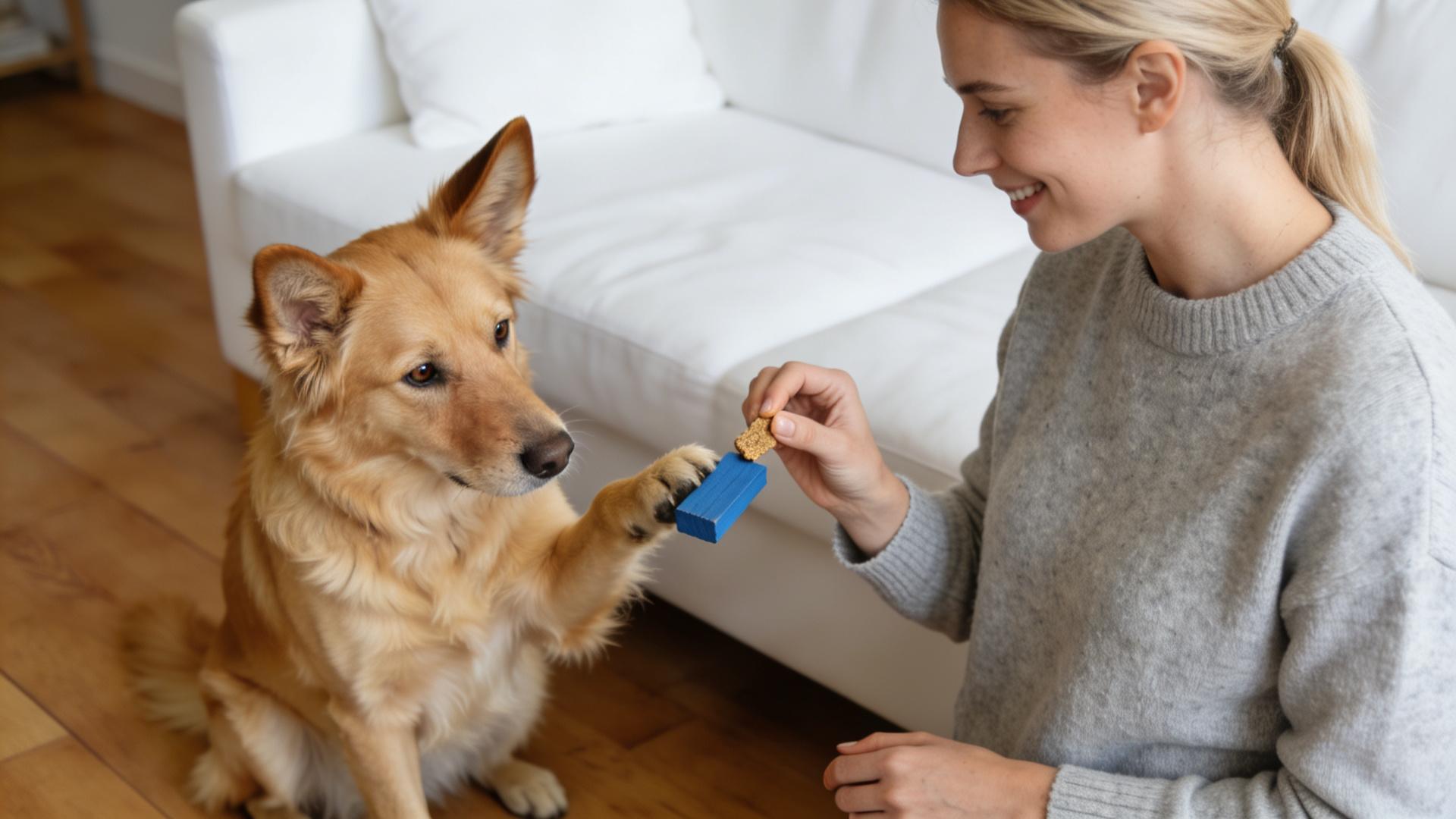
We begin with a single color. Choose the blue block, as blue is highly distinct in a dog's visual spectrum. This phase is about creating a positive association between the object, an action, and a verbal cue.
- Introduce the Object: With your dog in front of you, simply place the blue block on the floor. The moment your dog shows any interest—a sniff, a glance—mark (click or "Yes!") and reward by tossing a treat near the block.
- Shape the Touch: Now, wait for a more deliberate interaction. Do not lure or point. When your dog touches the block with its nose, mark at the instant of contact and reward generously.
- Add the Verbal Cue: Once your dog is reliably touching the block, begin saying your chosen cue just before they touch it. For example, "Touch blue." This pairs the action with the sound. Repeat until the dog responds to the cue alone.
This process, known as training dogs for color cues, establishes the fundamental game: hear a word, touch a specific object, get a reward. Success here is 100% on the correct object, as it's the only choice.
🔄 Phase Two: The First Discrimination - Introducing Contrast
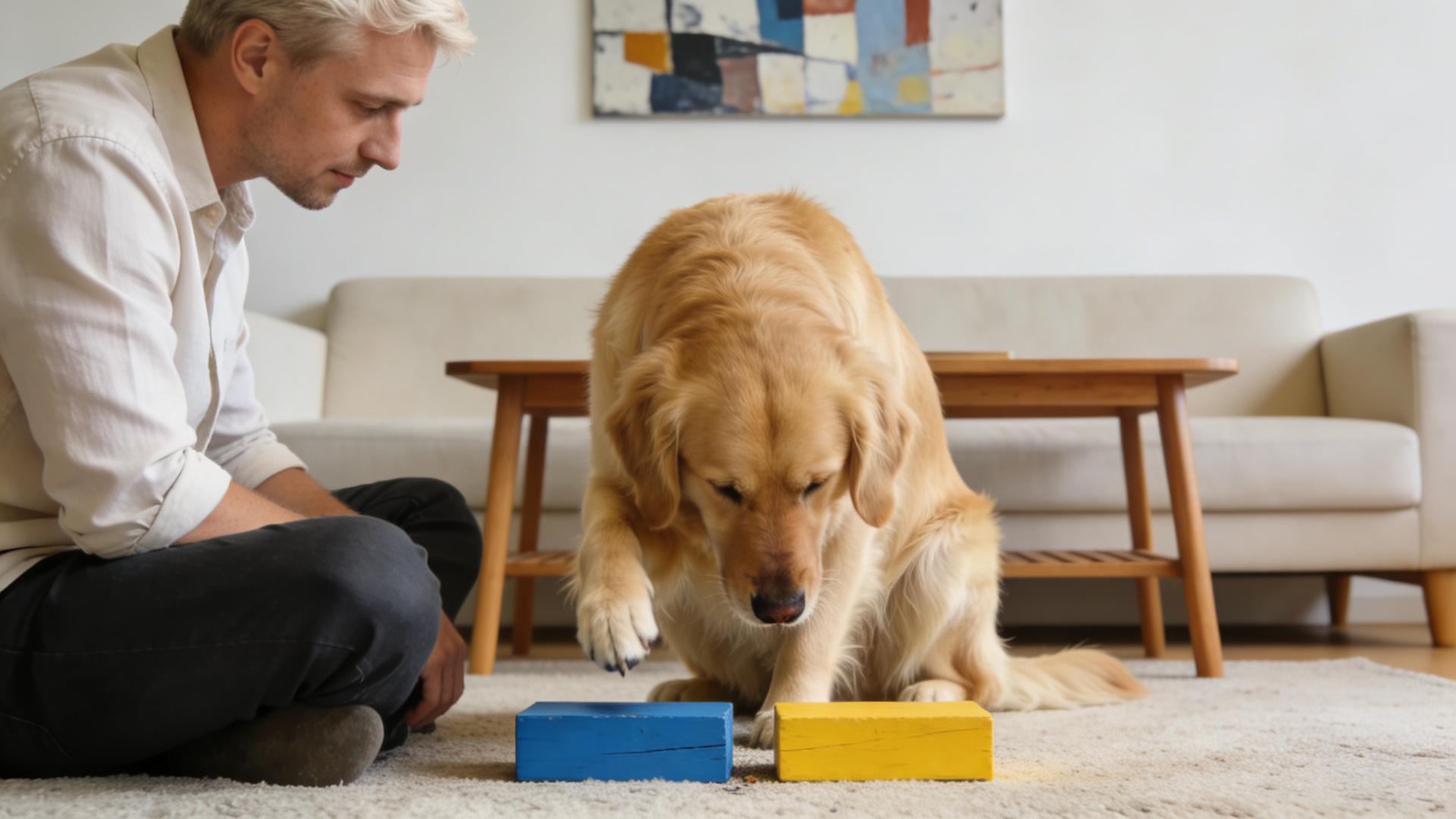
Now we introduce cognitive load. Bring in the yellow block. The high contrast between blue and yellow in your dog's vision makes this the ideal second step.
- The Two-Option Setup: Place the blue and yellow blocks about a foot apart on the floor. Give your familiar cue: "Touch blue."
- Mark for Choice, Not Chance: Your dog must now choose. Only mark and reward if they touch the blue block. If they touch the yellow one, simply say a neutral "Oops" or "Ah-ah," calmly pick up both blocks, reset, and try again. Crucially, never scold. An incorrect choice is simply a lack of information, not disobedience.
- Achieve Reliability: Practice in short, 5-minute sessions. The goal is for your dog to choose the correct color at least 9 out of 10 times (90% reliability) before moving on. Randomize the left/right position of the blocks to ensure they're learning the color property, not the location.
This stage is the core of color discrimination exercises. You are witnessing your dog's logic development in real-time as they analyze the visual information to solve the puzzle you've presented.
🧩 Phase Three: Mastering the Triad and Proofing the Behavior
This is the culmination. Introduce the final red object. Remember, to your dog, this appears as a dark, desaturated version of the yellow. This is the ultimate test of their discriminatory skills.
Step-by-Step Integration:
1. Three-Option Discrimination: Place all three blocks in a row. Start by cueing for the most familiar color (blue), then the second (yellow), and finally introduce the cue for "Touch red." Follow the same marking rules: reward correct choices, neutrally reset after incorrect ones.
2. Increase the Difficulty (Proofing): Once your dog is successful with all three colors, begin to "proof" the behavior against mistakes.
- Scramble Positions: Randomly rearrange the blocks between every single repetition.
- Add Mild Distractions: Have a family member walk quietly in the background, or train near a window.
- Change the Environment: Move your training session to a different room, then later to your backyard.
- Vary Your Position: Sit or stand in different places relative to the blocks.
This proofing process solidifies the learning, ensuring your dog truly understands the color identification task and isn't relying on environmental cues.
⚠️ Troubleshooting Common Roadblocks
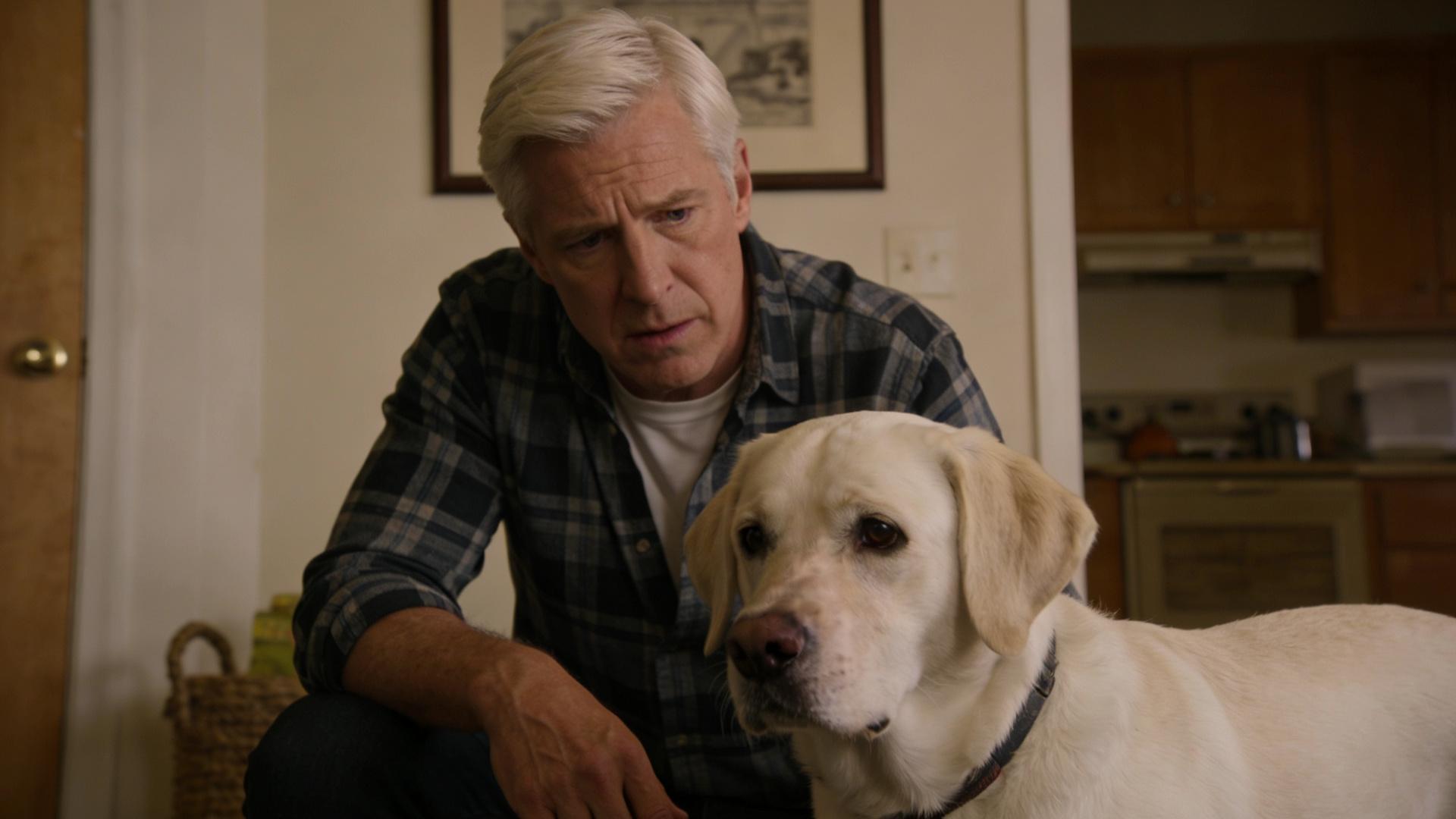
Even with perfect preparation, you may hit snags. Here’s how to navigate common issues in this practical dog color training:
Problem: The Dog is Guessing or Frustrated.
Solution: This is a clear sign to take a step back. Return to the previous, successful phase. If they were struggling with three colors, go back to just two for a session to rebuild confidence. Always end sessions on a high note—ask for a few easy, known tricks and reward lavishly. Keep sessions extremely short (3-5 minutes) and positive.
Problem: Inconsistent Success with a Specific Color (Usually Red).
Solution: This is expected due to canine color vision limits. Isolate that problematic color pair. Practice discrimination only between the red and yellow blocks for a full session, as they are the most similar in a dog's eyes. Use even higher-value rewards for correct choices with the harder color.
Special Reminder: This entire endeavor is a mental workout. Watch for signs of mental fatigue—sniffing the ground, avoidance, scratching. When you see these, stop immediately. Pushing past fatigue will only create frustration and set back your training.

💡 Conclusion and Key Takeaways: The Reward is in the Journey
Teaching your dog to distinguish colors is a testament to the incredible potential of the canine mind and the depth of the human-canine bond. It's a superb brain game that goes far beyond a simple parlor trick. Let's recap the pillars of success:
- Foundation is Key: Strong basic obedience and marker training are the non-negotiable bedrock.
- Perception is Reality: Train according to your dog's dichromatic vision, not your own. Understand that red is a significant challenge.
- Process Over Perfection: Celebrate the effort, engagement, and incremental progress. This is about enhancing dog mental abilities and communication.
- Short, Sweet, and Positive: Many brief sessions will always trump one long, frustrating one.
- The Bond is the True Reward: The ultimate outcome of this advanced dog training technique is a deeper, more nuanced connection with your dog, built on mutual understanding and shared intellectual curiosity.
By embarking on this journey of dog psychology and color perception, you are not creating a circus act. You are engaging in a collaborative dance of minds, enriching your dog's world and gaining a profound appreciation for the unique and brilliant way they experience life. Now, gather your blocks, your treats, and your patience, and start exploring the colorful world of your dog's logic.