In the vast world of dog training methodologies, few tools have garnered as much acclaim from professional trainers and pet owners alike as the humble clicker. More than just a noisemaker, the clicker is the cornerstone of a revolutionary approach that emphasizes clarity, mutual respect, and joyful learning. Clicker training for dogs isn't a fleeting trend; it's a scientifically-backed application of operant conditioning that empowers your dog to think and participate actively in their own education. This comprehensive guide will demystify the clicker training method, equipping you with the knowledge and steps to forge a deeper bond and unlock your canine companion's full potential.
🐾 How the Clicker Method Works: The Science of the "Click"
At its core, clicker training is a form of marker training. The clicker itself is a conditioned reinforcer. This means the sound, initially meaningless to your dog, is deliberately paired with something they inherently love—usually a high-value treat. Through consistent pairing, the click becomes a powerful "bridge signal."
The Golden Sequence: Mark & Reward
The mechanism is elegantly simple but requires precise timing:
- Dog performs the desired behavior (e.g., sits).
- You click at the exact moment the behavior occurs. This "marks" the action with pinpoint accuracy.
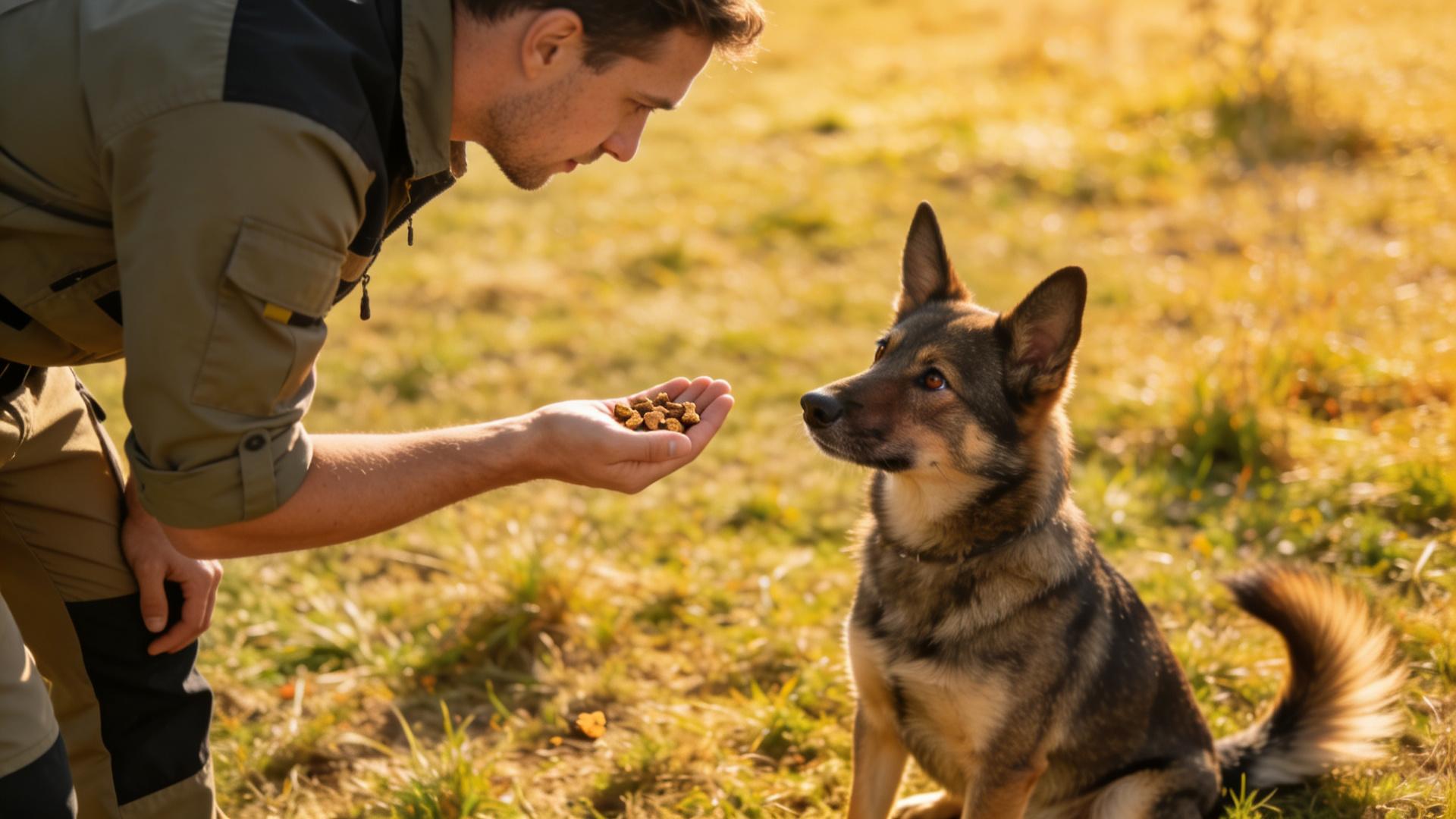
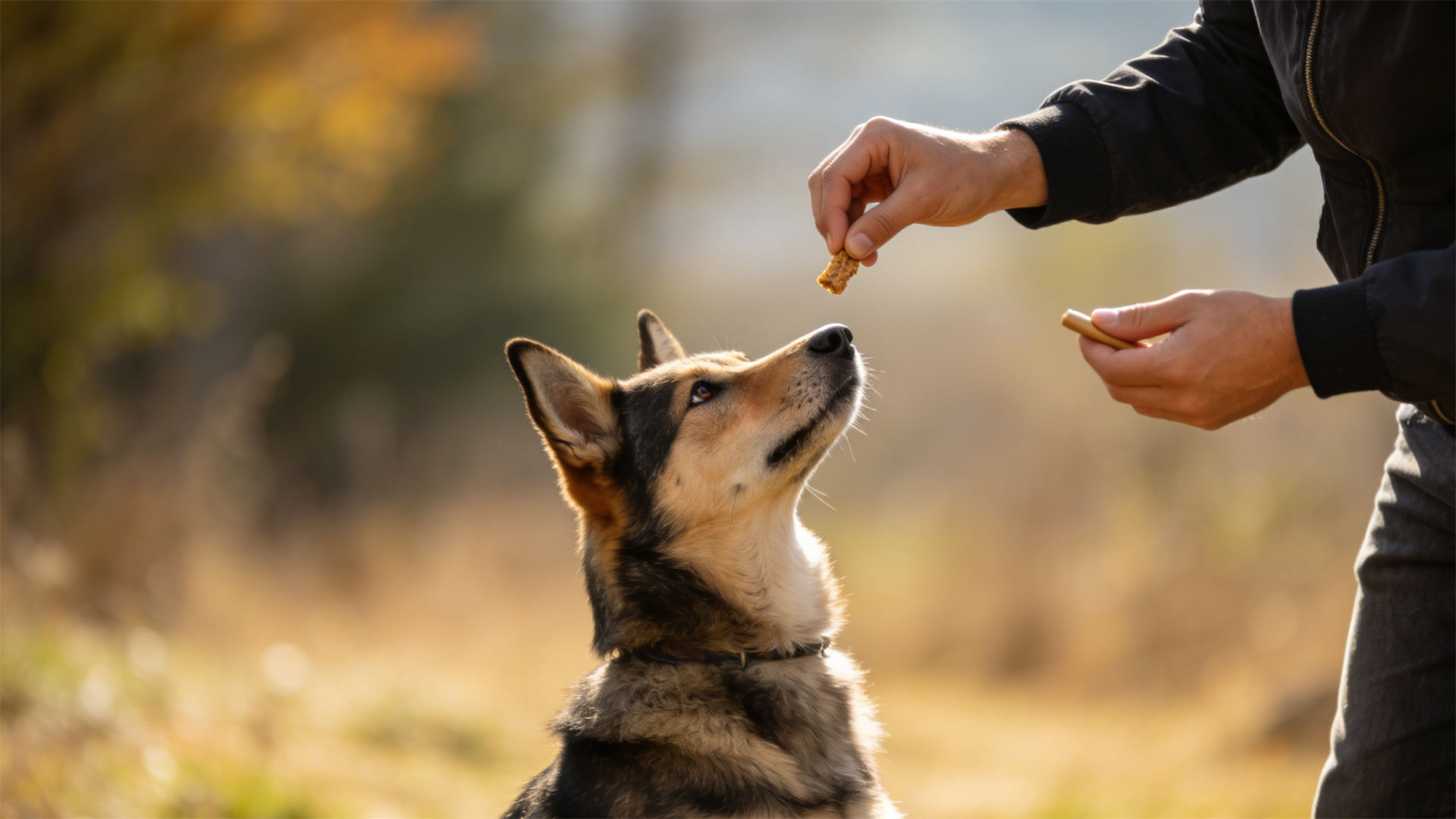
- You immediately follow the click with a treat. The treat is the primary reinforcer.
This process, repeated, creates a strong neural pathway: Behavior → Click → Reward. The click tells your dog, "Yes! That precise thing you just did is what earns the paycheck." It eliminates guesswork, making canine learning faster and more efficient. It’s a direct line of communication, free from emotional tone or language barriers.
💖 The Multifaceted Benefits of Clicker Training
Why choose clicker training for dogs over other methods? The advantages are profound and impact both behavior and your relationship.
🎯 Crystal-Clear Communication
The click’s consistency is its superpower. Unlike a verbal "good dog," which can vary in tone, length, and enthusiasm, a click is always the same. This clarity reduces canine confusion exponentially, allowing your dog to quickly identify which action is being rewarded.
⚡ Instantaneous Feedback
Dogs live in the moment. A reward given even three seconds after a behavior can be associated with something else entirely (like standing up after a sit). The click bridges that gap, providing instant feedback that "freezes" the correct behavior in time for your dog.
🧠 Promotes Mental Engagement & Problem-Solving
Clicker training turns learning into a game. Your dog becomes an active participant, offering behaviors to see what works. This mental stimulation is as tiring as physical exercise and is crucial for preventing boredom-related behavioral issues.
🤝 Strengthens Your Bond Through Trust
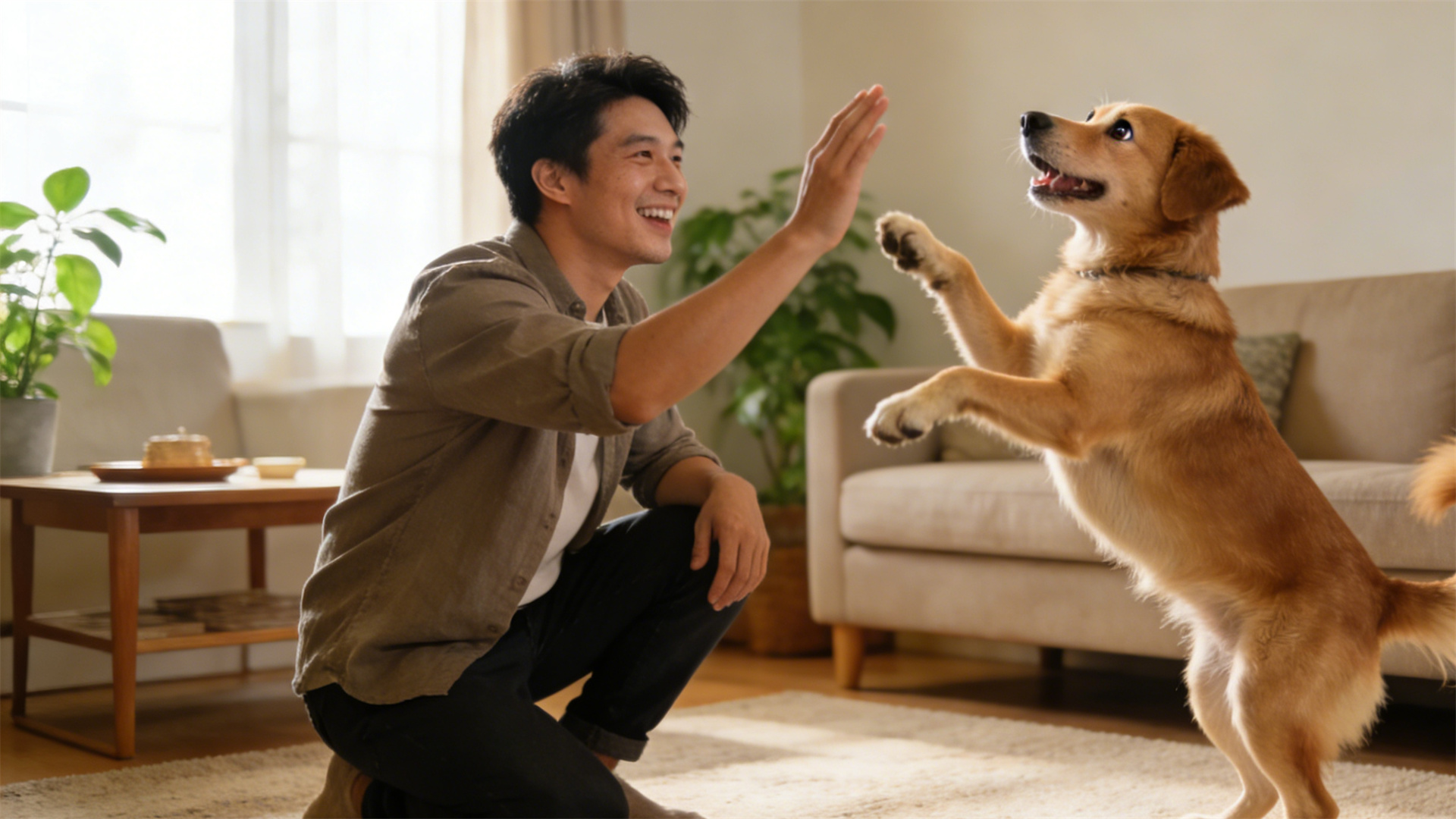
As a force-free method, it builds a partnership based on positive outcomes, not fear or avoidance. Your dog learns that working with you is fun and profitable, which fosters confidence and enthusiasm and deepens mutual trust.
🛠️ Getting Started with Clicker Training: A Step-by-Step Guide
Step 1: "Charging" or "Loading" the Clicker
This is the foundational step where you create the association. In a quiet room with no distractions:
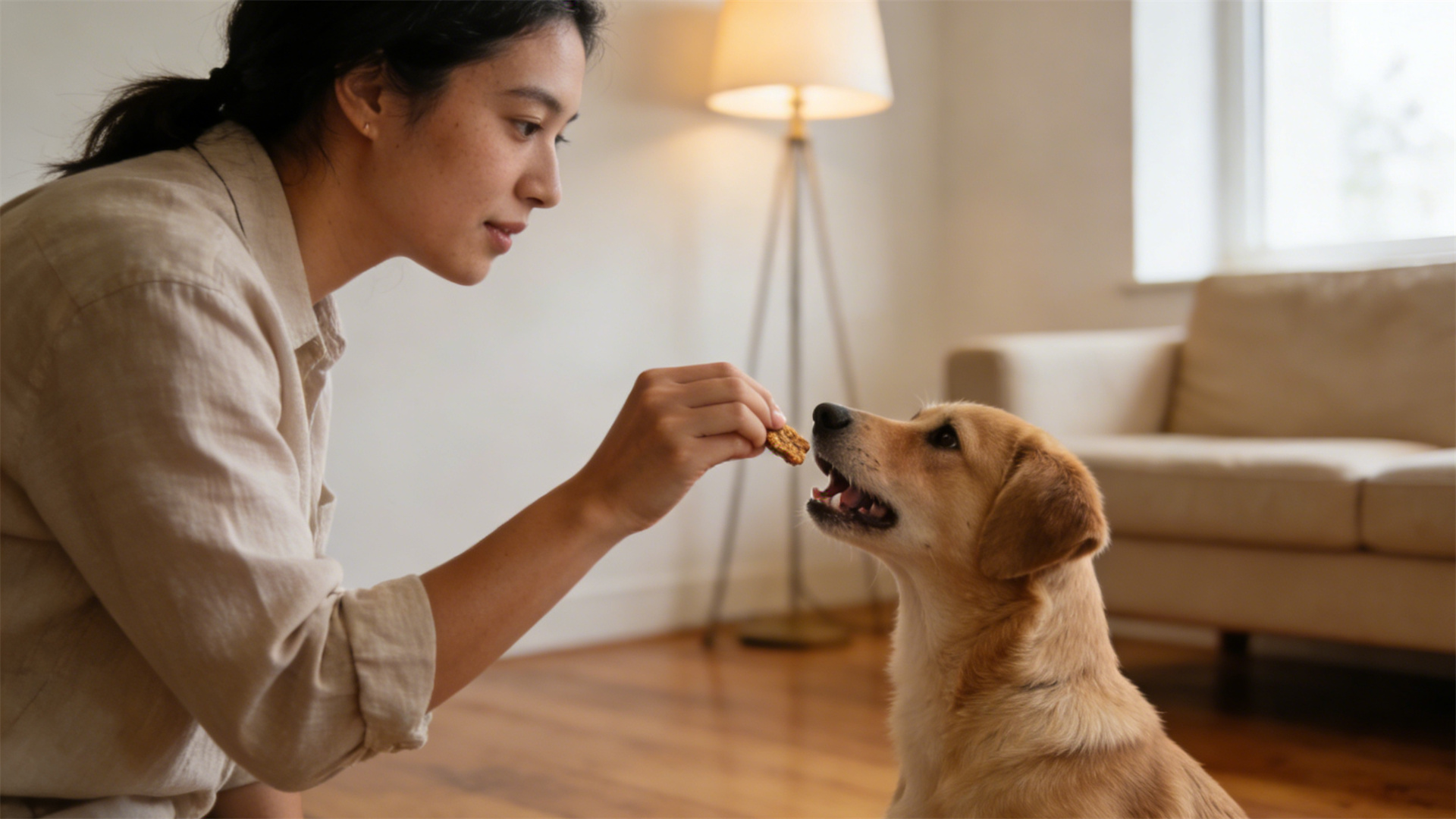
- Click. Then immediately give your dog a tasty treat.
- Repeat. Click → Treat. Click → Treat. Do this 10-20 times.
- Observe. Soon, your dog will anticipate the treat after the click. You'll see a perking of ears or a focused look. The clicker is now "charged" and has meaning!
Step 2: Capturing and Marking Simple Behaviors
Start with a behavior your dog does naturally, like "sit."
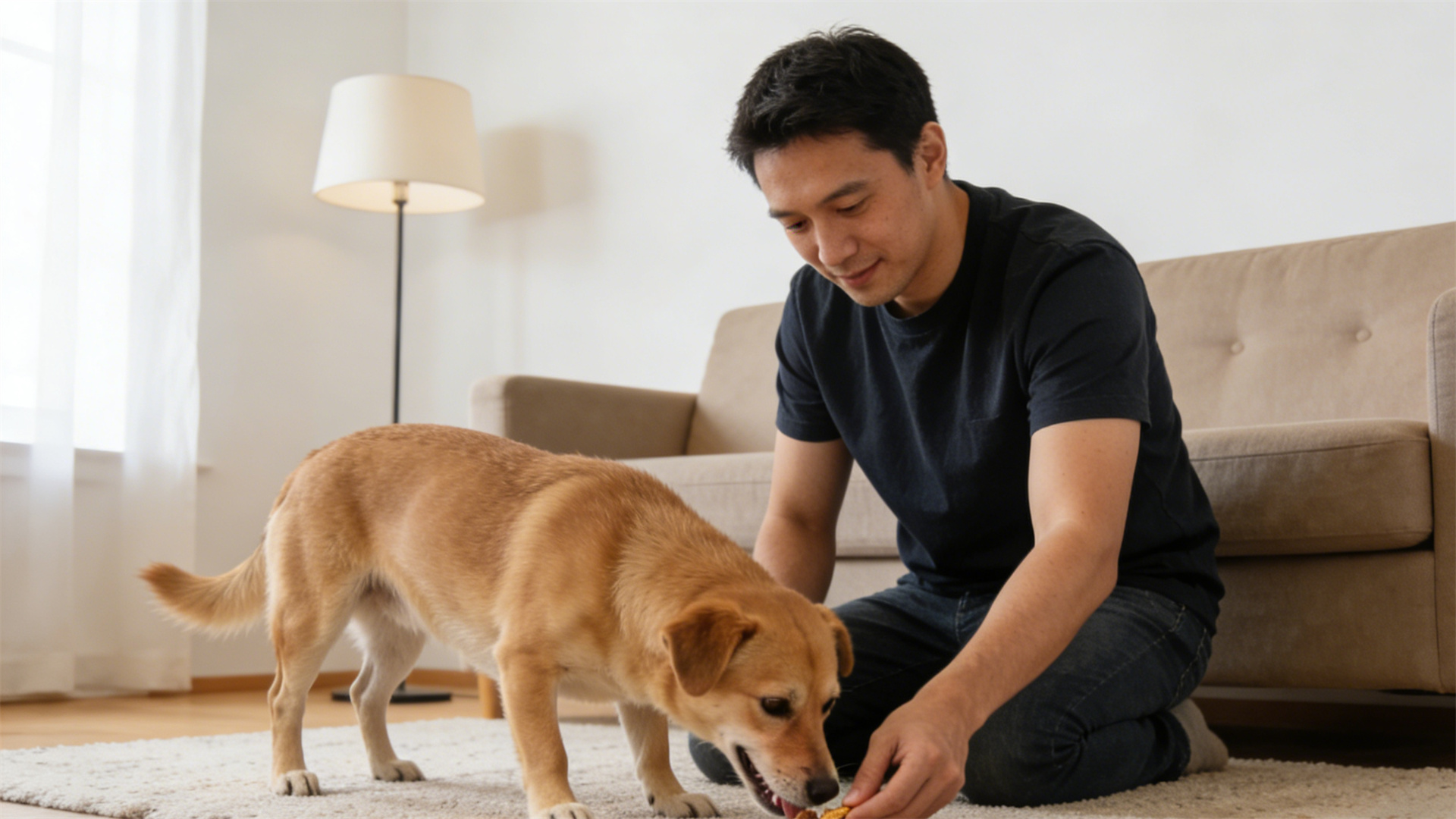
- Wait for your dog to sit on their own.
- The moment their bottom touches the floor, CLICK.
- Then deliver the treat.
Step 3: Shaping More Complex Actions
Shaping is a core clicker training technique. You break a complex behavior (like "go to your bed") into tiny, achievable steps and click/reward for each successive approximation.
- Click/treat for looking toward the bed.
- Click/treat for taking one step toward it.
- Click/treat for walking all the way to it.
- Finally, click/treat for lying down on it.
🌟 Tips for Clicker Training Success
⏱️ Keep Sessions Short & Sweet: Five to ten minutes, 2-3 times a day, is far more effective than one long, tedious session. Always end on a positive note—a successful, easy behavior followed by a jackpot of treats.
🍖 Use High-Value Rewards: For training, use small, soft, smelly treats your dog loves. Reserve these special treats for training to sustain motivation.
🎯 Timing is Everything: The precision of your click is paramount. Practice your timing without your dog present by trying to click the exact moment an object (like a dropped pen) hits the floor.
🌿 Manage the Environment: Begin clicker training for puppies and adult dogs in a quiet, familiar space. Gradually add distractions (like a quiet radio, then a person walking by) as they succeed.
🚫 Common Clicker Training Mistakes to Avoid
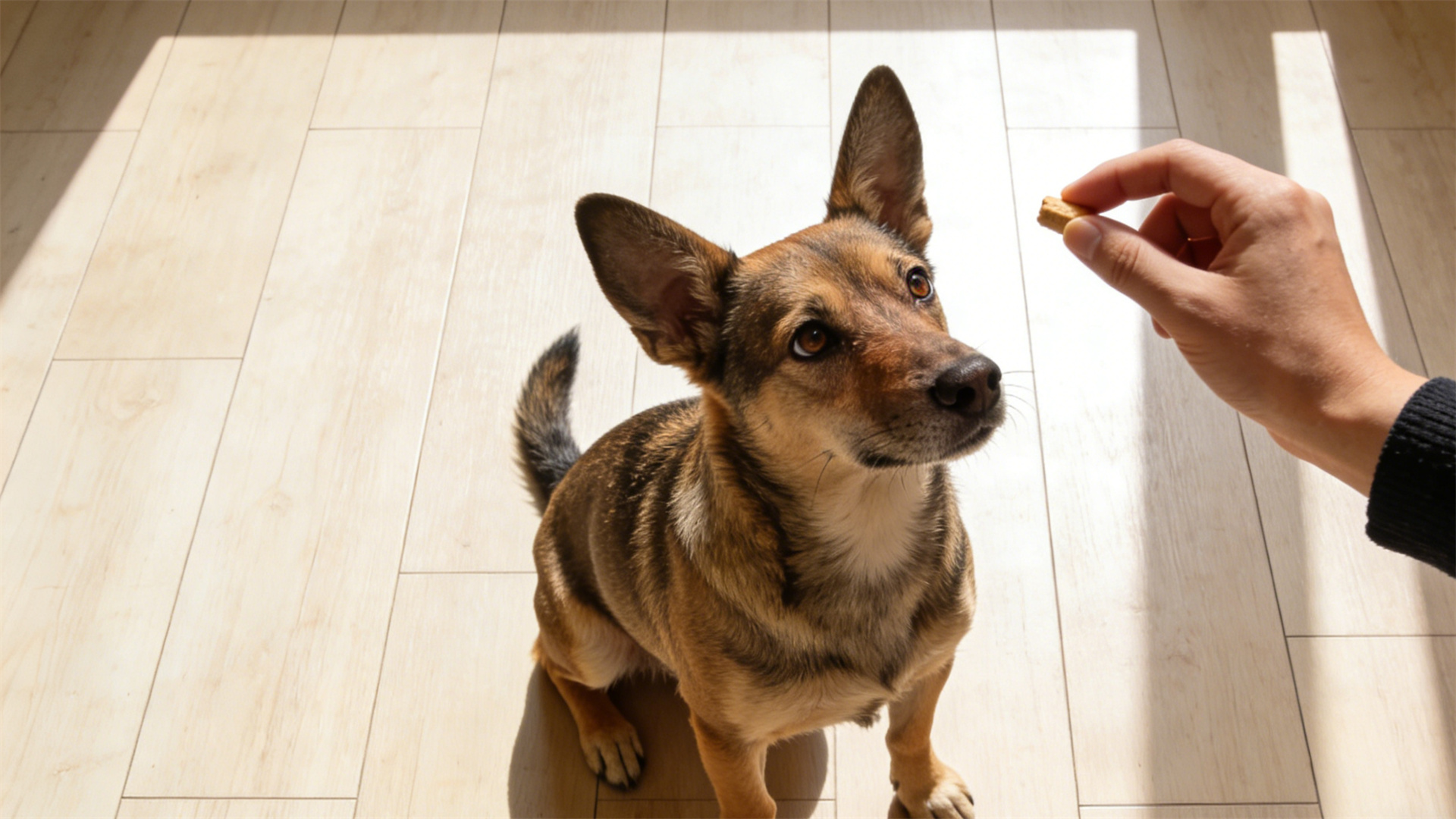
Mistake 1: The Empty Click. Never click without following it with a reward. This breaks the sacred click=treat contract and devalues your marker.
Mistake 2: Using the Clicker as a Remote Control. The clicker is not a "come here" tool or a noise to startle your dog. It marks behavior, it does not initiate it.
Mistake 3: Progressing Too Quickly. Moving to a distracting environment before the behavior is solid in a quiet one sets your dog up for failure. Adhere to the principle of the "Three D's": increase Distance, Duration, and Distraction separately and slowly.
Mistake 4: Inconsistent Protocol. Ensure everyone in the household uses the clicker the same way. Mixed signals will confuse your dog and stall progress.
🎉 Conclusion: Embrace the Journey
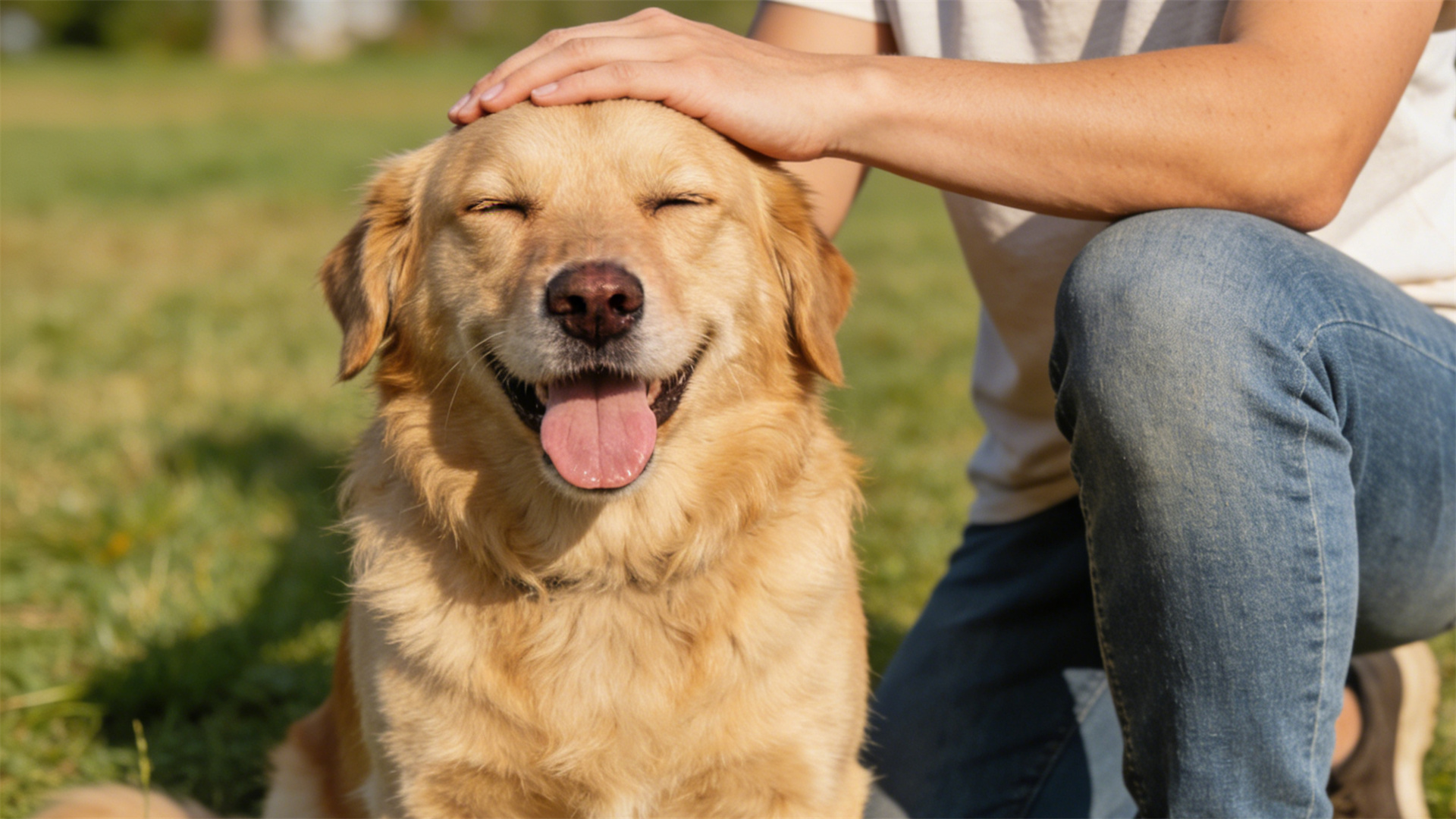
Clicker training basics are simple to learn but offer a lifetime of refinement and deepening connection. This humane and efficient training tool transforms obedience from a chore into a collaborative dialogue. Whether you're engaging in puppy training or teaching an old dog new tricks, the principles of operant conditioning dog training through a marker remain the same. With patience, precise timing, and a pocketful of treats, you will witness remarkable progress in your dog's behavior and confidence. So, pick up that dog training clicker, and embark on a rewarding training experience that celebrates your dog's intelligence and strengthens your unbreakable bond. Happy clicking! 🐕💕