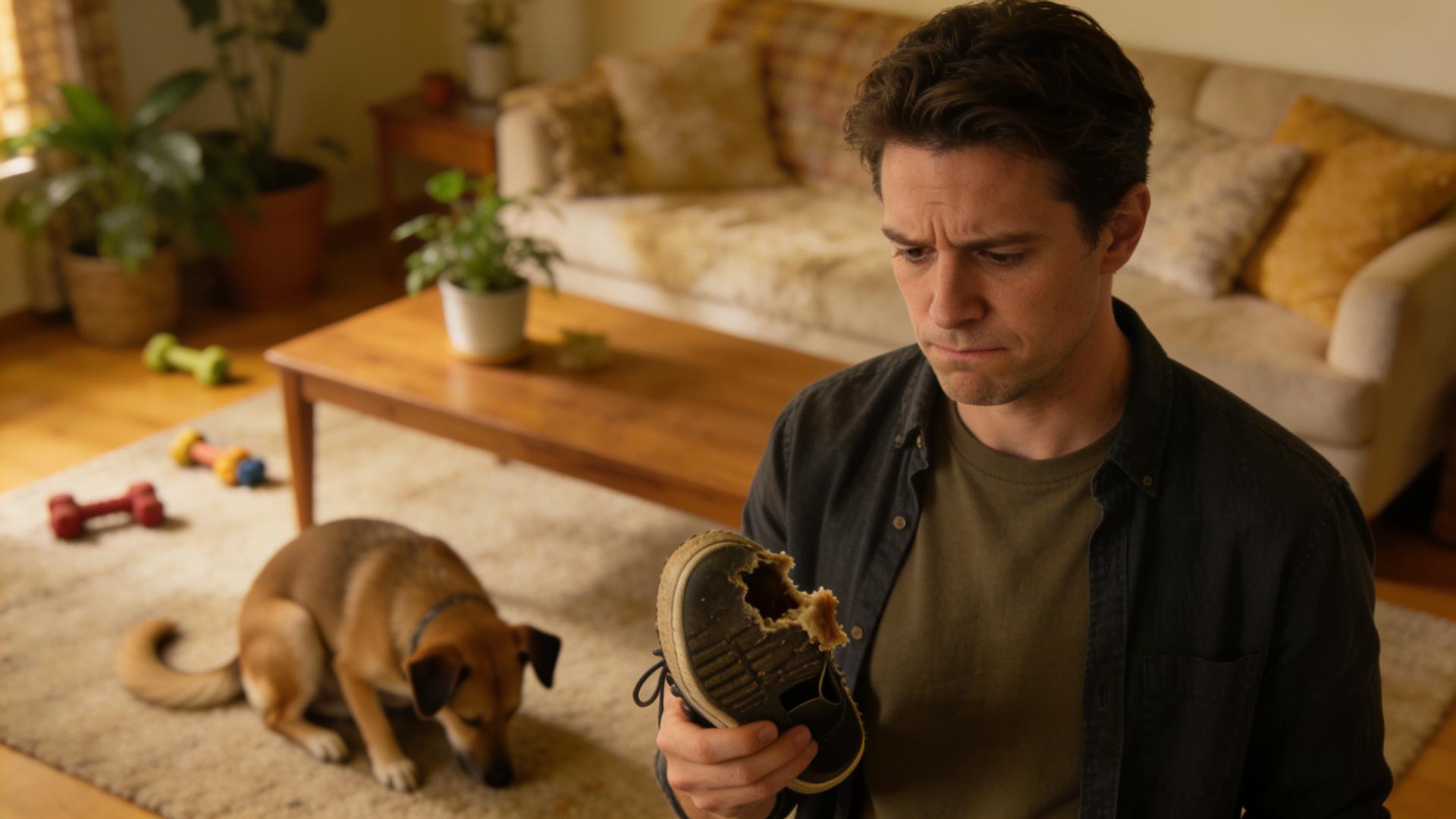
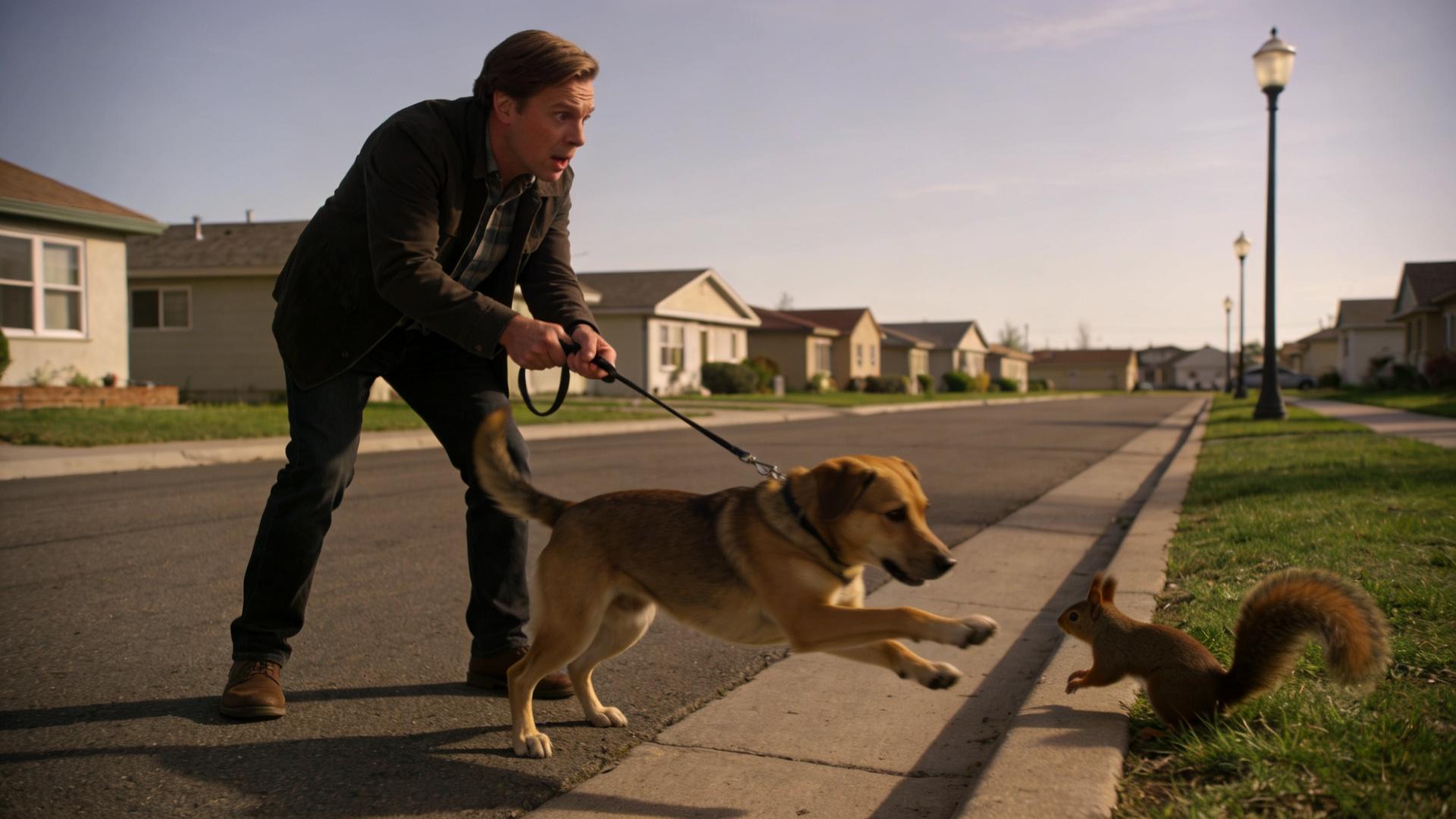
You’ve just finished folding the laundry, or perhaps you’re rushing to get dressed for work. One crucial item is missing: a sock. You search under the bed, behind the couch, to no avail. Then, you spot it. There, nestled in your dog’s bed, is the missing sock—slightly damp, covered in slobber, but seemingly cherished. If this scene is a daily drama in your home, you’re not alone. The dog sock stealing behavior is a universal, baffling, and often frustrating canine quirk. But what if this isn't just mischievous defiance? What if your dog’s sock obsession is a window into its canine mind? This article will delve into the instinctual drives behind this habit and provide a clear, actionable roadmap to reclaim your hosiery and restore harmony.

🦴 The Canine Reasons Behind the Sock Heist
To effectively address any dog behavior problem, we must first understand its root cause. Your dog isn't trying to ruin your day; it's following deep-seated, natural impulses. Here are the primary motivations fueling the great dog sock theft.
Scent Bonding: Your Smell is Their Comfort
To a dog's powerful nose, your scent is the most comforting aroma in the world. Your socks, soaked in the unique signature of your sweat and skin oils, are essentially concentrated you. For your dog, carrying or cuddling with a sock is like having a portable security blanket. This behavior is especially pronounced in dogs with separation anxiety, as the item provides tangible comfort when you're away. It’s not theft; it’s love, in a very soggy, aromatic form.
Prey Drive and Play: The Sock is the "Faux Prey"
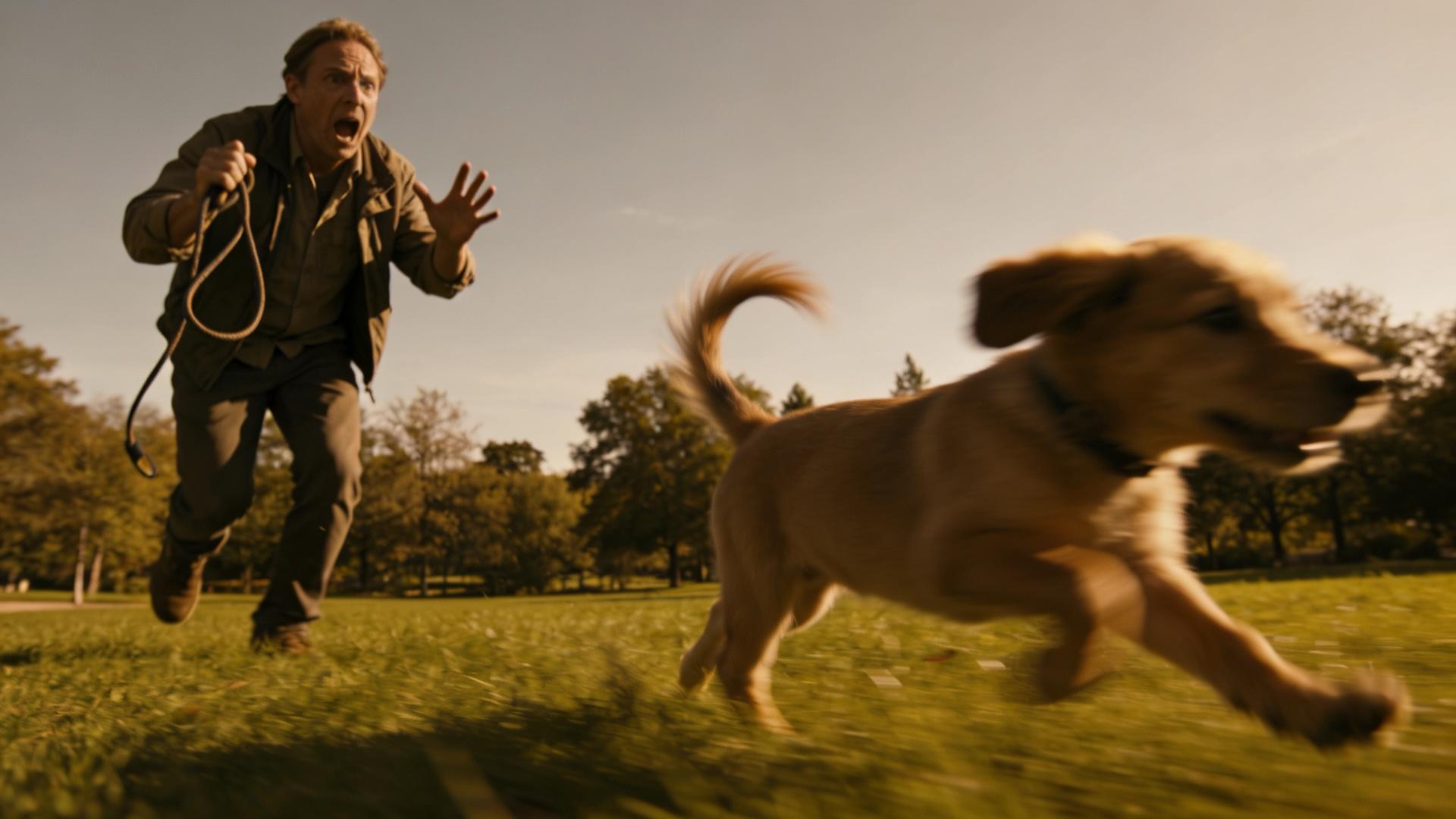
For many dogs, especially terriers, herders, and sporting breeds, the act of stealing socks triggers their innate prey sequence: stalk, chase, grab, shake, and "kill." A discarded sock is a perfect, limp prey substitute. The thrill is amplified when you give chase—you’ve just turned a boring Tuesday afternoon into an exhilarating hunt! This prey drive satisfies a fundamental canine need for a job and excitement.
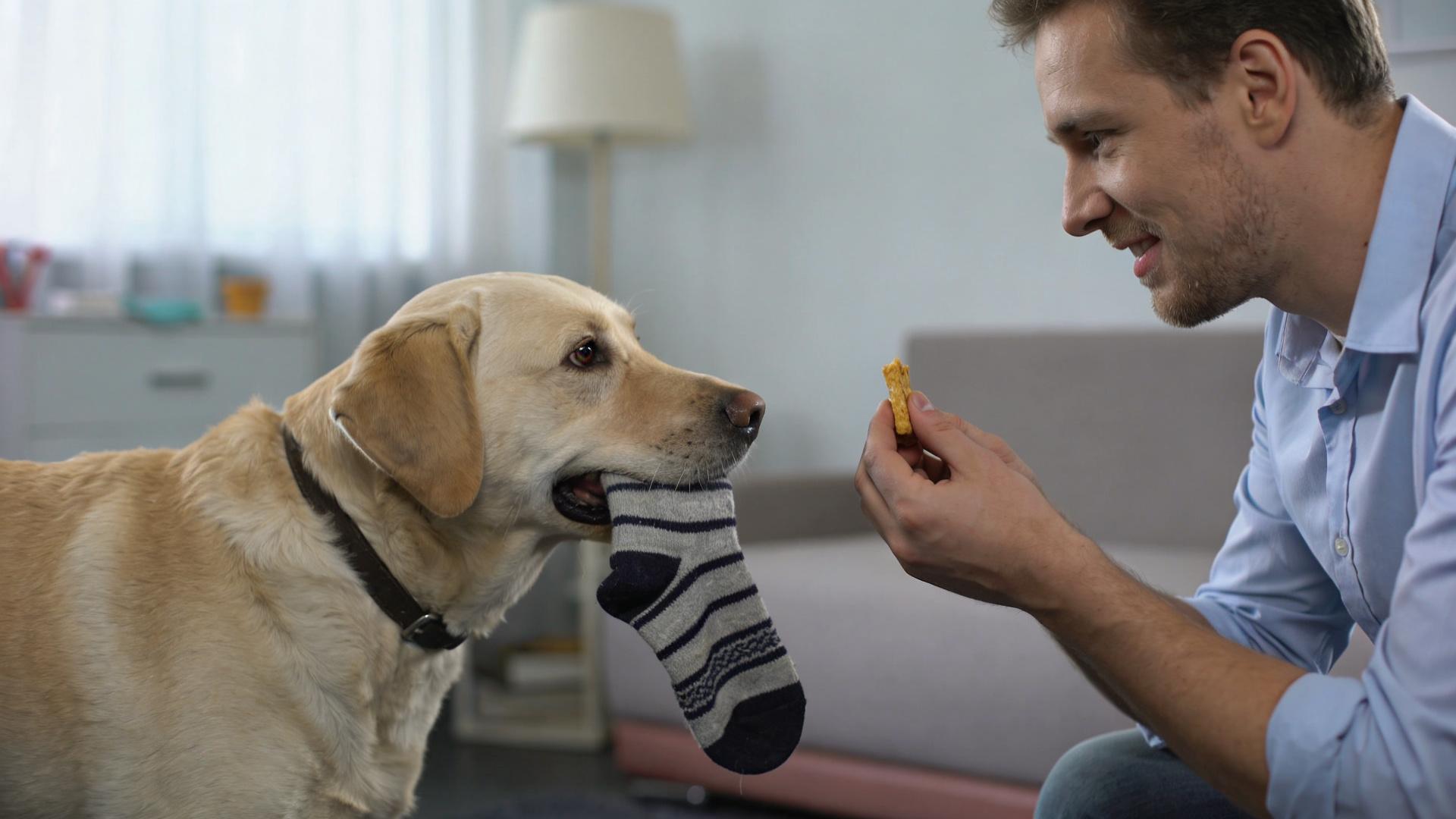
Attention Seeking: Any Reaction is a Good Reaction
Dogs are social creatures who crave interaction. If stealing a sock reliably gets you to leap off the couch, shout their name, and engage in a thrilling game of chase, they have hit the attention jackpot. From the dog's perspective, negative attention is still attention. The drama and energy you expend only serve to reinforce the behavior, making it more likely to recur.
Teething and Oral Fixation
For puppies, the world is explored through the mouth. The soft, malleable texture of a cotton or wool sock is heaven for sore gums during teething. For some adult dogs, this oral fixation persists. The act of chewing releases endorphins, providing a sense of calm and satisfaction. If appropriate chew toys aren't provided, socks become the default option.
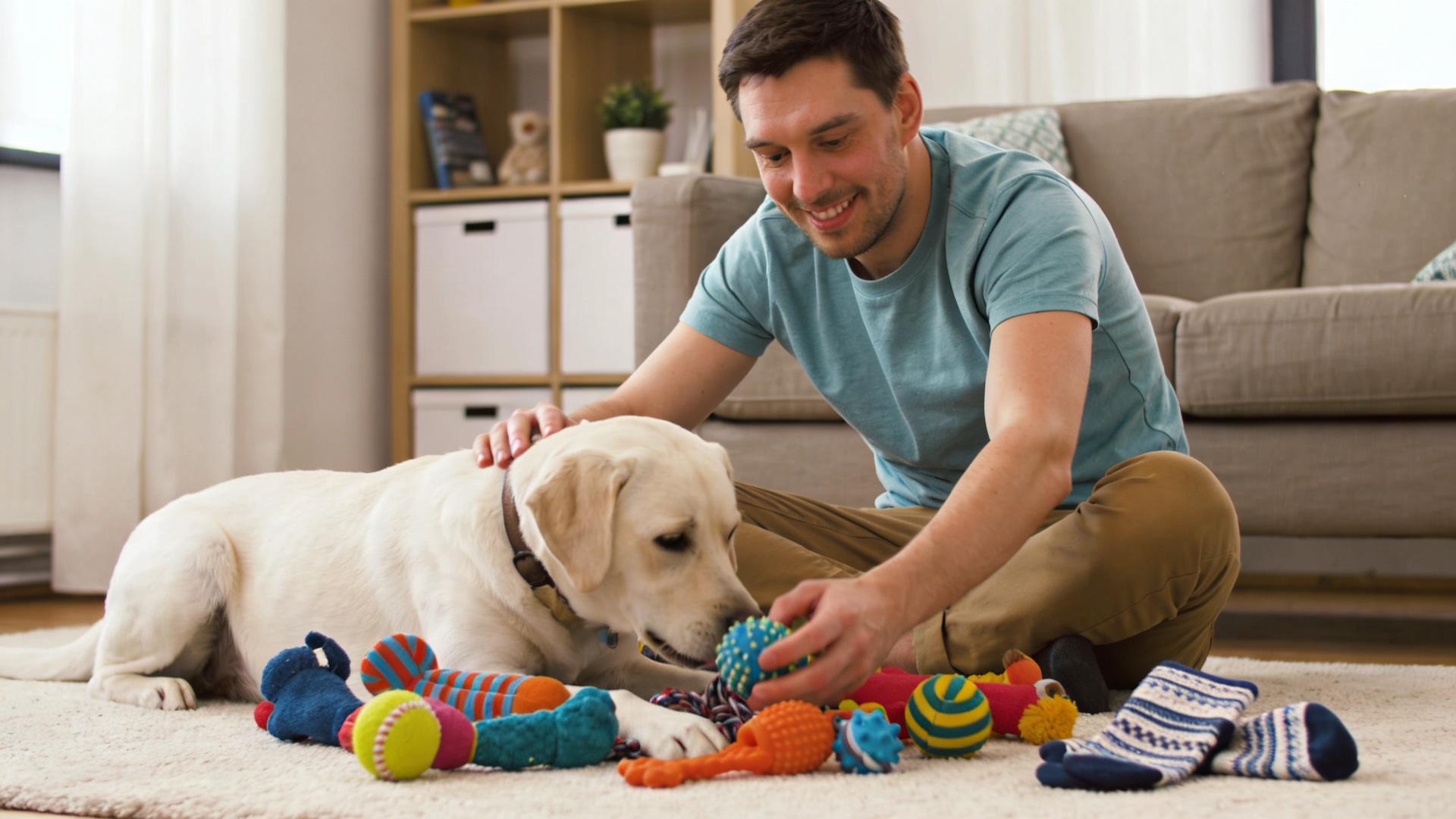
Boredom and Lack of Stimulation
A tired dog is a good dog, and a bored dog is an inventive one. Canine enrichment isn't a luxury; it's a requirement. Without sufficient physical exercise and mental stimulation, dogs will create their own "fun." Stealing socks becomes a self-rewarding hobby—it’s a game with a prize (your scent), a challenge (grabbing it unnoticed), and a potential chase sequence (your reaction).
🚀 Strategies to Retrieve Your Socks and Your Sanity
Understanding the "why" is only half the battle. The other half is implementing consistent, positive strategies to manage and redirect the behavior. The goal is to make the right choice (playing with a toy) easy and rewarding, and the wrong choice (stealing a sock) impossible and boring.
Management is Your First Line of Defense
You cannot train a behavior that doesn't occur. Prevention is paramount.
- Invest in a laundry hamper with a secure, dog-proof lid.
- Make a household rule: no socks on the floor, ever. Put them directly into the hamper.
- Keep bedroom and laundry room doors closed.
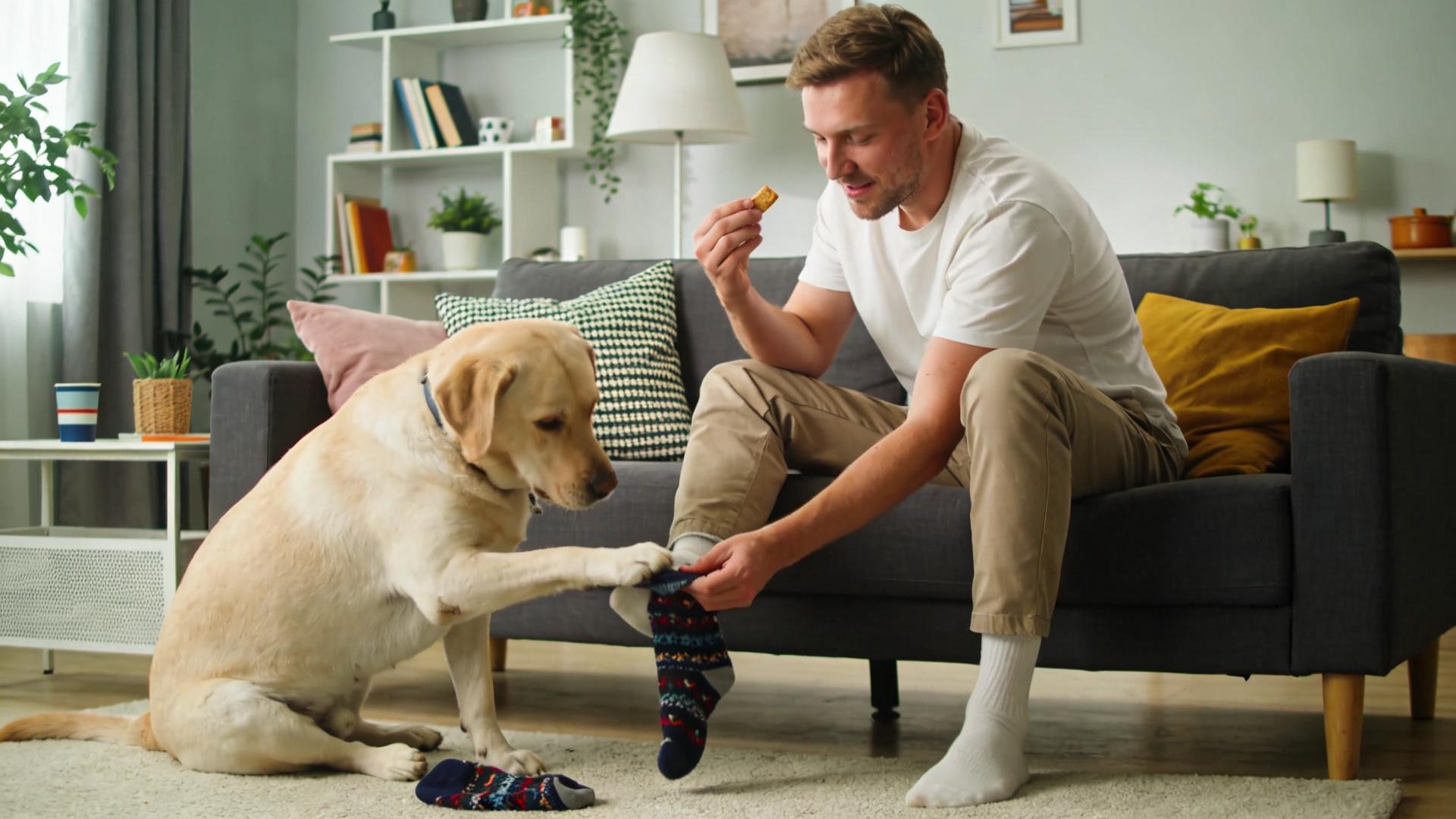
Remove the Reward: Stop the Chase!
This is critical. When you see your dog with a sock, do not run after them. Instead, be boring.
- Stay calm and still. Use a cheerful, non-confrontational voice.
- Offer a "trade." Show them a high-value treat (like a piece of chicken or cheese) and ask for a known cue like "drop it" or "leave it."
- Praise lavishly when they comply, give the treat, and then immediately engage them with an appropriate toy.
Provide Appropriate Alternatives
Satisfy the underlying need with the right tools.
- For chewers: Offer durable, enticing chew toys like Kongs stuffed with frozen peanut butter, rubber chew bones, or long-lasting edible chews.
- For hunters: Channel the prey drive into structured play. Use flirt poles, play vigorous games of fetch, or engage in dog training sports like agility or nose work.
- For comfort seekers: Provide a designated blanket or toy that smells like you. Sleep with it for a night before giving it to your dog.
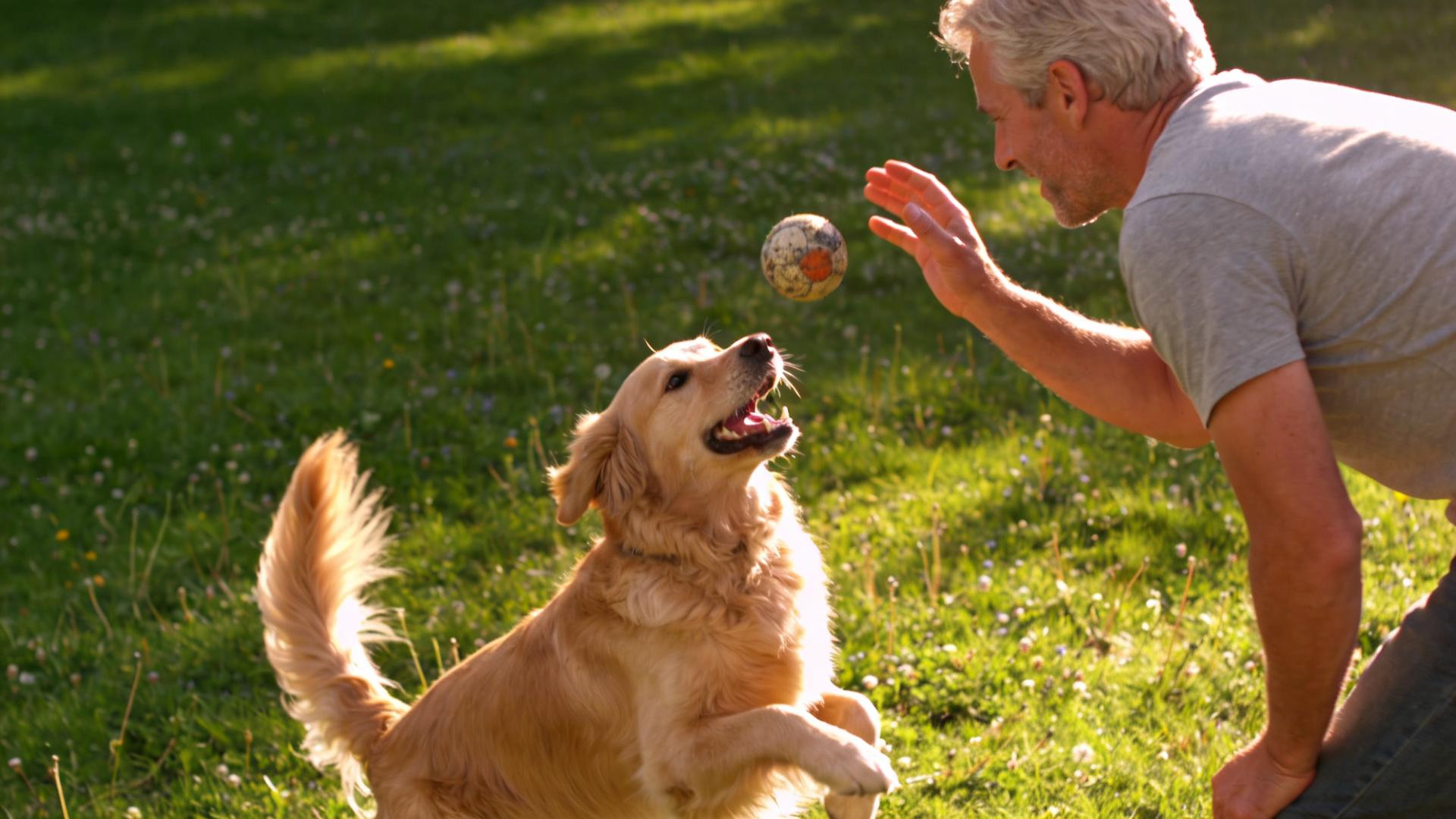
Increase Daily Enrichment
A mentally and physically tired dog has little interest in sock-based mischief. Ensure your dog gets:
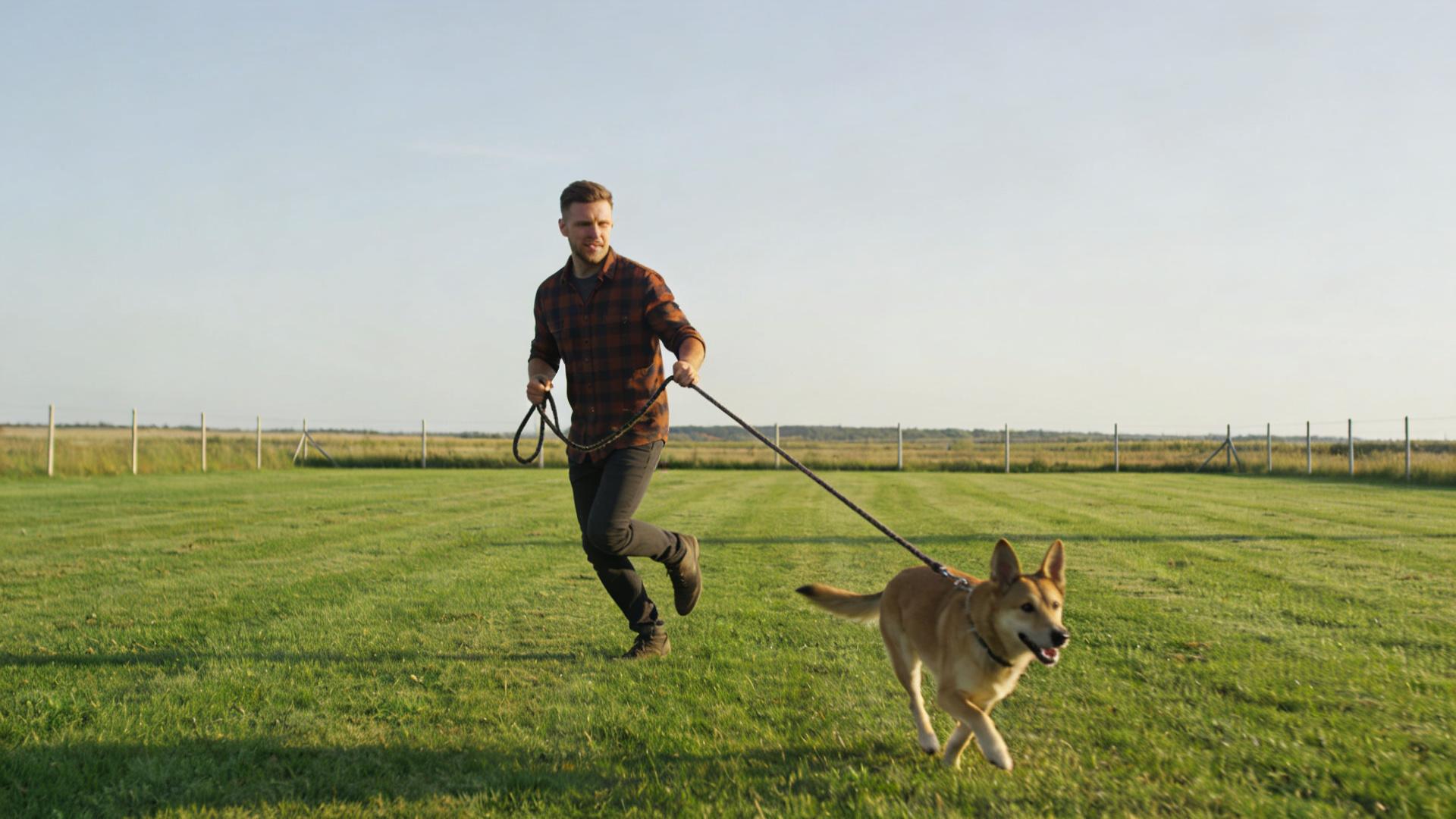
- Ample physical exercise: Tailored to breed and age—long walks, runs, swimming, or playdates.
- Mental stimulation: This is often the missing piece. Use puzzle toys for meals, practice 5-10 minutes of new training tricks daily, or hide treats around the house for a scavenger hunt.
Consistency and Positive Reinforcement
Dog training for sock stealing hinges on consistency. Every family member must follow the same rules. Most importantly, catch your dog being good. When you see them choosing to chew their own toy instead of investigating a fallen sock, shower them with praise and a treat. You are reinforcing the behavior you want to see more of.

Conclusion: From Nuisance to Understanding
Solving sock stealing in dogs is less about stamping out a "bad" habit and more about understanding and redirecting a natural canine behavior. Your dog’s sock fetish is a composite of love, instinct, play, and perhaps a plea for more engagement. By implementing management, removing the accidental rewards, and proactively satisfying your dog’s needs for scent, chew, prey, and attention, you can solve the mystery of the missing socks. Remember, patience and perspective are your greatest tools. See the world through your dog's nose, and you'll not only save your socks but also deepen the incredible bond you share.