
You May Have Missed
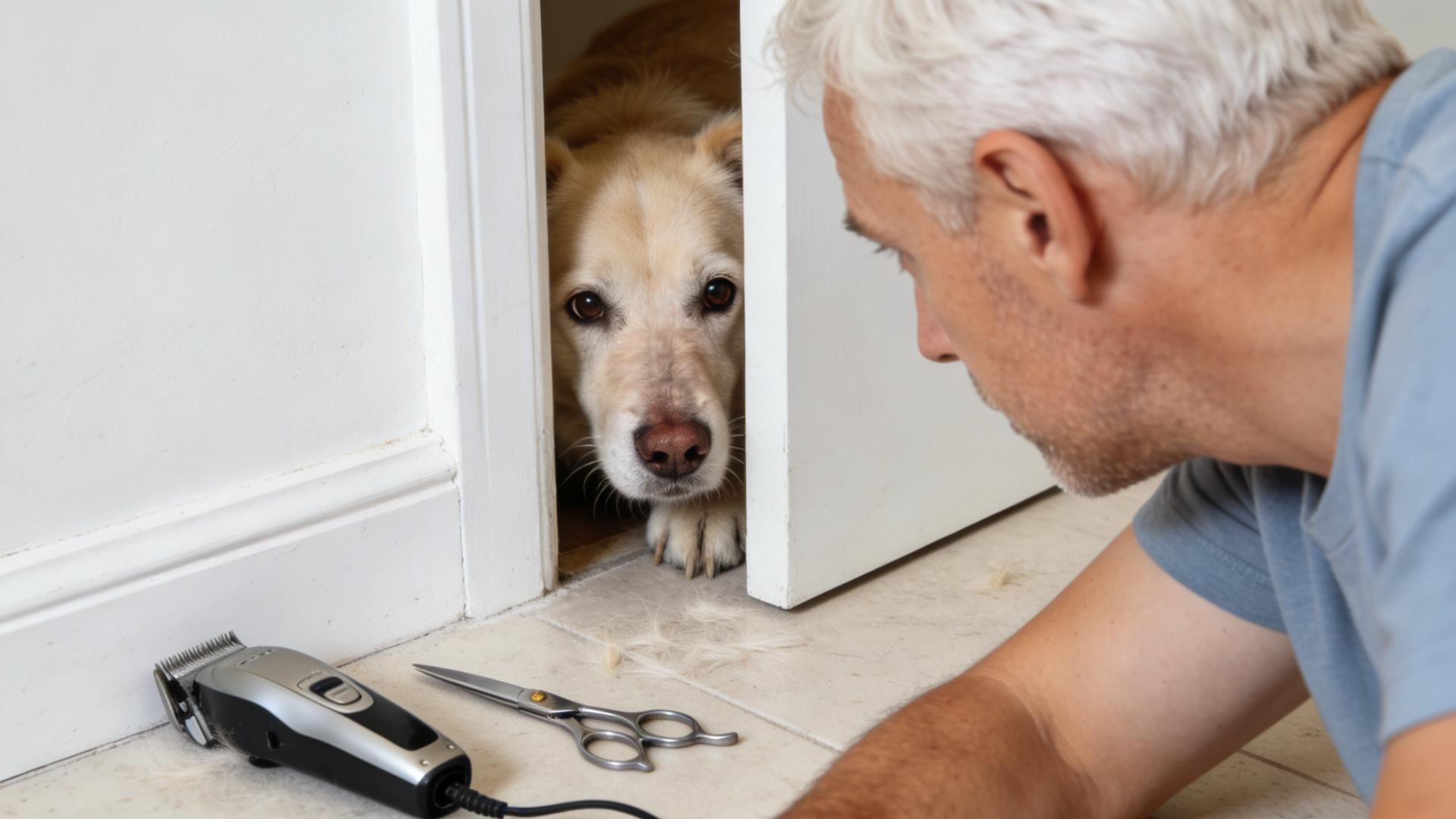
Alleviating grooming phobia: Helping dogs overcome their fear of scissors and clippers
For many dog owners, the simple mention of "grooming day" can induce a wave of dread. What should be a routine part of canine care—vital for health, hygiene, and comfort—can devolve into a traumatic struggle of fear, restraint, and stress. Grooming phobia is a prevalent, complex issue where a dog perceives scissors, clippers, and the entire grooming process as a significant threat. Transforming this experience from a nightmare into a manageable, even positive, routine is not only possible but essential for your dog's lifelong well-being. This comprehensive guide delves into the roots of this fear and provides a structured, empathetic path forward, strengthening the bond between you and your pet.
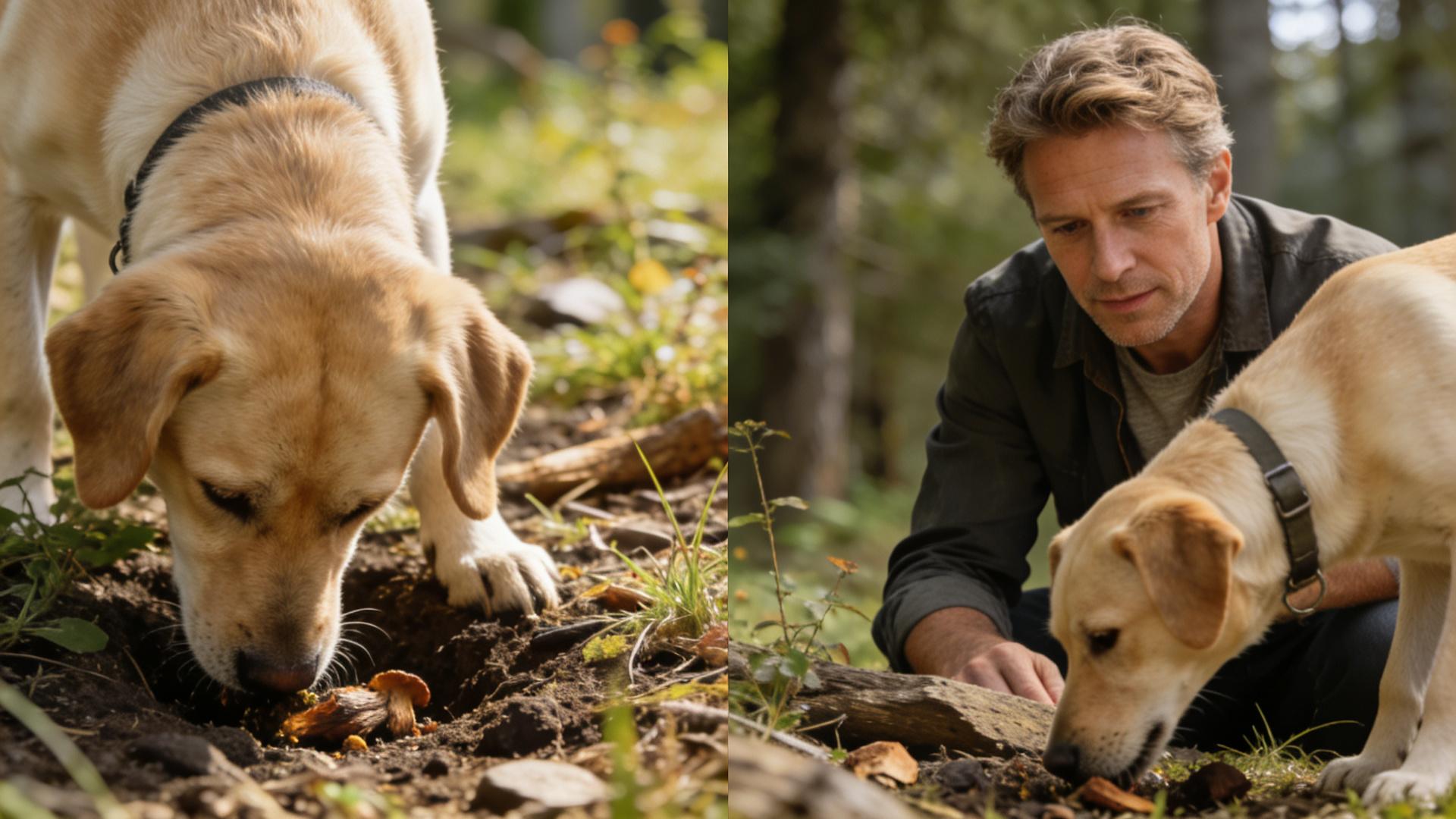
Refusal to eat: How to train your dog not to eat litter on the ground without a command
Every dog owner knows the heart-stopping moment: a split-second glance away, the sudden dip of the head, and the frantic, guttural “What is in your mouth?!” 🚨. Your dog has just vacuumed up a mystery morsel from the sidewalk—a discarded chicken bone, a moldy piece of bread, or something far worse. This scavenging crisis isn’t just a frustrating habit; it’s a direct threat to your dog’s health, risking poisoning, intestinal blockage, and severe illness. This guide is your definitive roadmap to building a reliable, automatic “refusal to eat” behavior, transforming your anxious walks into relaxed, safe partnerships.
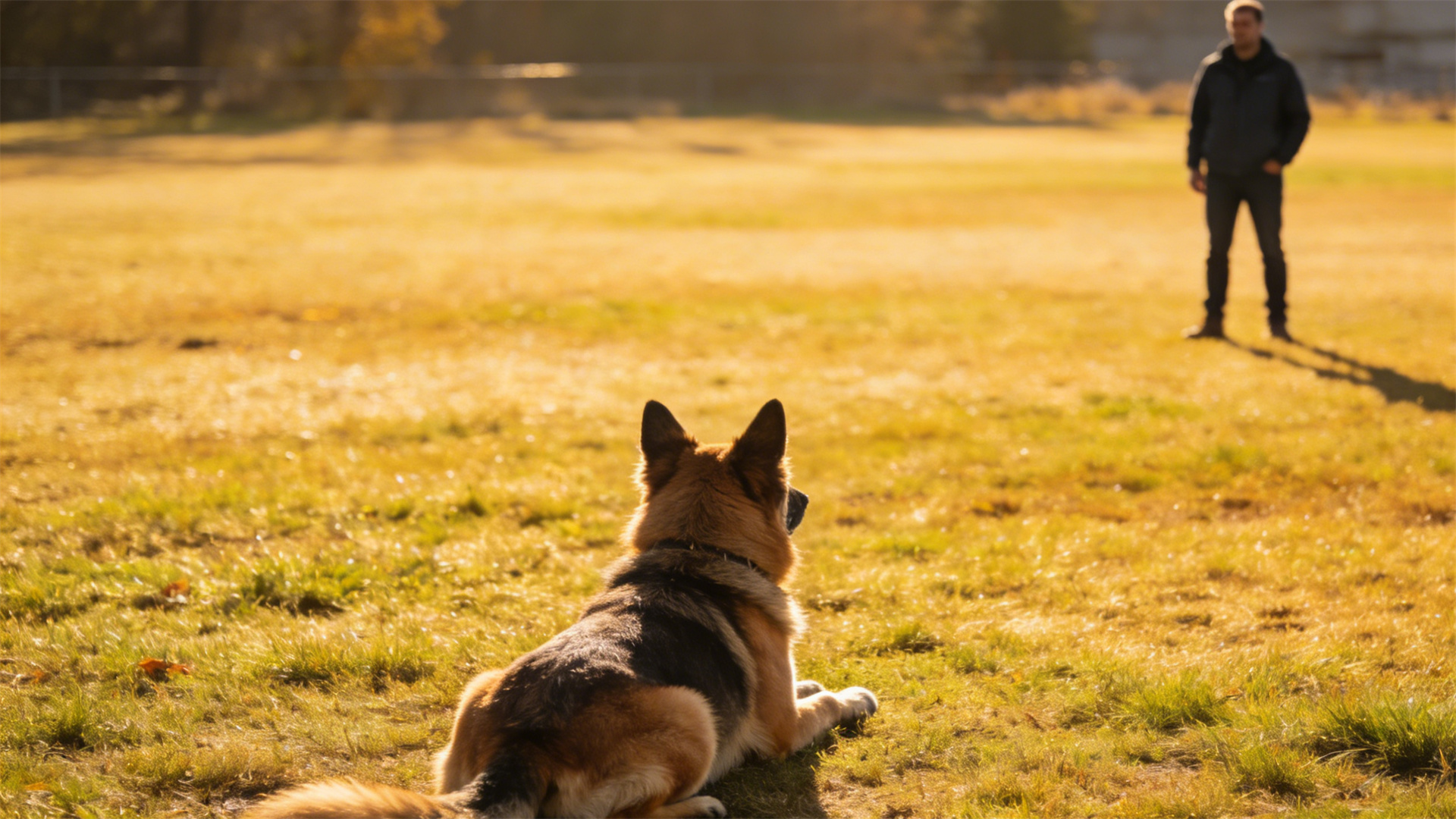
Level 3: Competitive and Work Skills
Welcome to the pinnacle of canine partnership. This is not pet training. Level three competitive dog skills demand a fundamental mindset shift from owner to handler, from companion to teammate. Here, we operate in the realms of precision, unwavering reliability, and flawless performance under intense pressure. This article is your definitive guide to advanced competitive canine training, designed for those preparing for titling events, competitive trials, or deploying dogs in critical professional roles. The journey requires dedication, expertise, and a dog that has transcended basics.
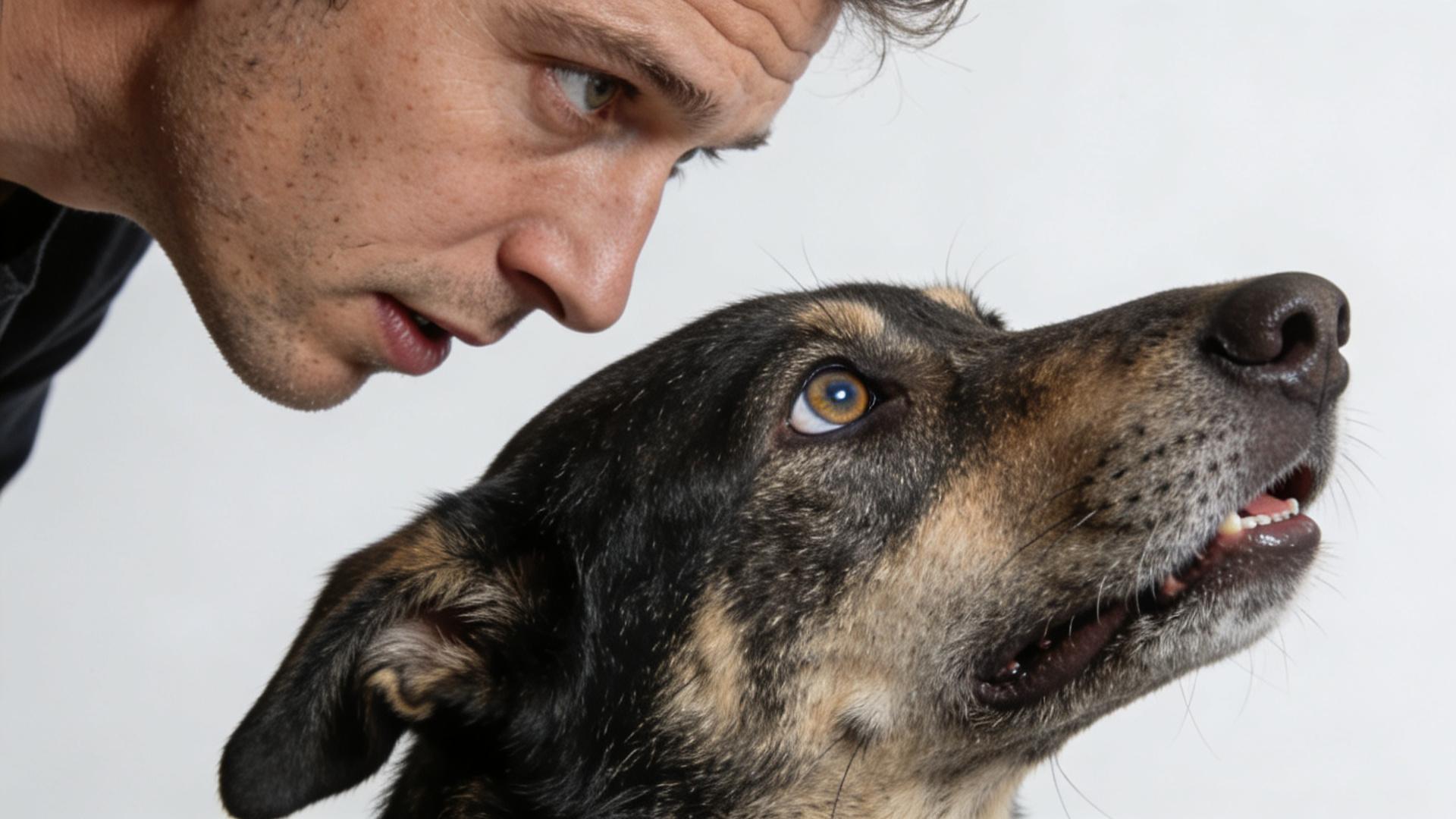
Aggression Prevention: Recognizing 5 Micro-expressions Before a Dog's Attack
In the critical seconds before a dog bite, there is rarely a dramatic growl or a clear snarl. More often, there is a silent, fleeting whisper of tension across the dog's face—a micro-expression that shouts a warning to those who know how to listen. For dog owners, trainers, and anyone who shares their world with canines, learning this silent language is the most powerful tool for aggression prevention. This article will define and detail five critical facial cues that precede an attack. This knowledge is not about fostering fear, but about wielding the proactive power of observation to ensure safety for both humans and dogs.
Backward walking training: Developing a dog's hind leg muscles and spatial awareness
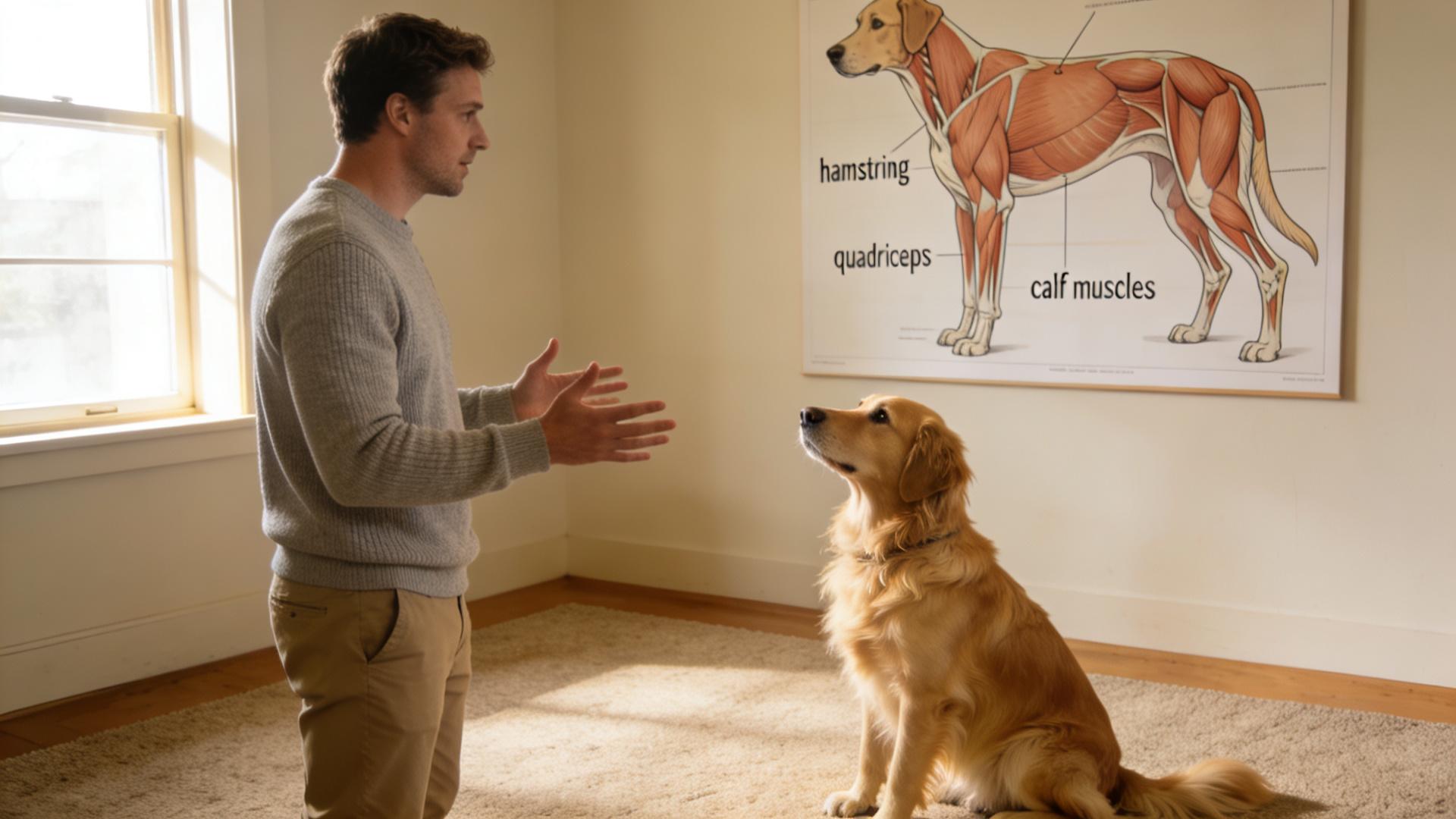
Ever watched a dog navigate a tricky obstacle course with precision, or seen a senior pup regain a spring in their step? The secret might not be in running faster, but in walking backwards. Backward walking training for dogs is an innovative exercise that goes beyond a party trick to become a cornerstone of canine fitness and cognition. This targeted movement directly builds stronger hindquarters and sharpens body awareness, offering profound benefits for sport dogs chasing agility titles, senior dogs managing mobility, and every family pet aiming for holistic wellness. By teaching your dog to walk backwards, you're engaging key muscle groups and neural pathways that foster both physical and mental agility.
Medical desensitization training: Encourage puppies to cooperate with nail trimming and ear turning.
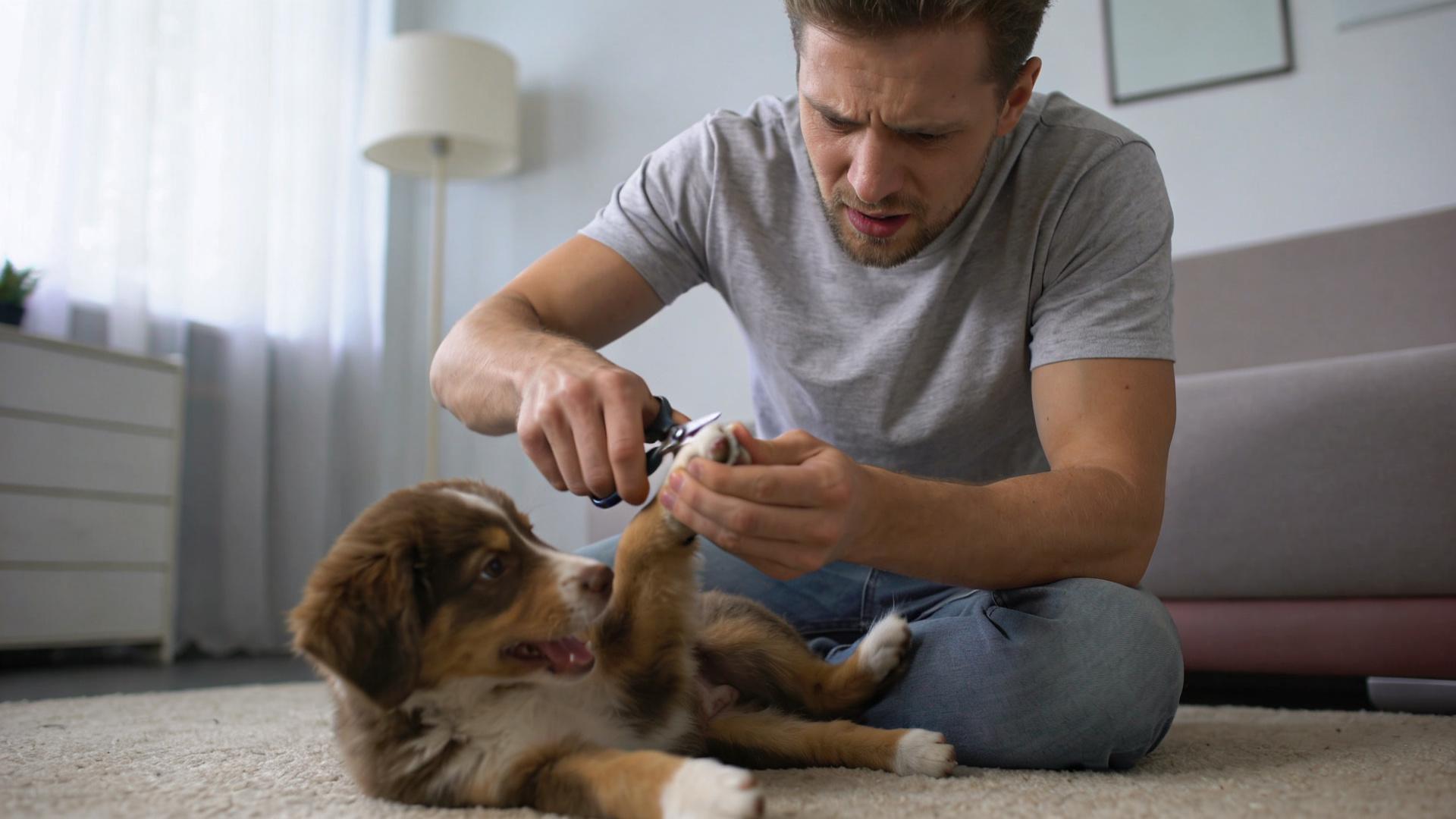
For countless puppy parents, the mere thought of nail trimming or ear cleaning can induce a wave of dread. What should be a routine part of healthcare often turns into a stressful wrestling match, filled with whimpers, squirms, and a frustrated owner. If this sounds familiar, you’re not alone. Many puppies view these necessary procedures with suspicion or outright fear. But what if you could transform these chores into moments of calm cooperation—or even enjoyment—for your pup? This is where the transformative power of medical desensitization training comes in. Rooted in science and compassion, this method uses patience, positive reinforcement, and a step-by-step approach to build unshakeable trust, encouraging your puppy to willingly participate in their own care. Let's explore how to turn grooming from a battle into a bonding experience.