
You May Have Missed

Is your dog's nose dry and faded? Learn how to get a shiny black nose.
As a devoted dog owner, you notice every little detail about your furry friend. So, when that cold, wet nose you love to boop starts feeling dry, rough, or even loses its rich black pigment, it’s natural to feel concerned. You’re not alone. A dry or faded nose is a very common observation, and the good news is that it’s often harmless. However, understanding why it’s happening is the first and most crucial step toward restoring your dog’s nose to its healthy, shiny black dog nose glory. This guide will walk you through the common causes, safe home care strategies, and the clear signs that it’s time to call your vet.
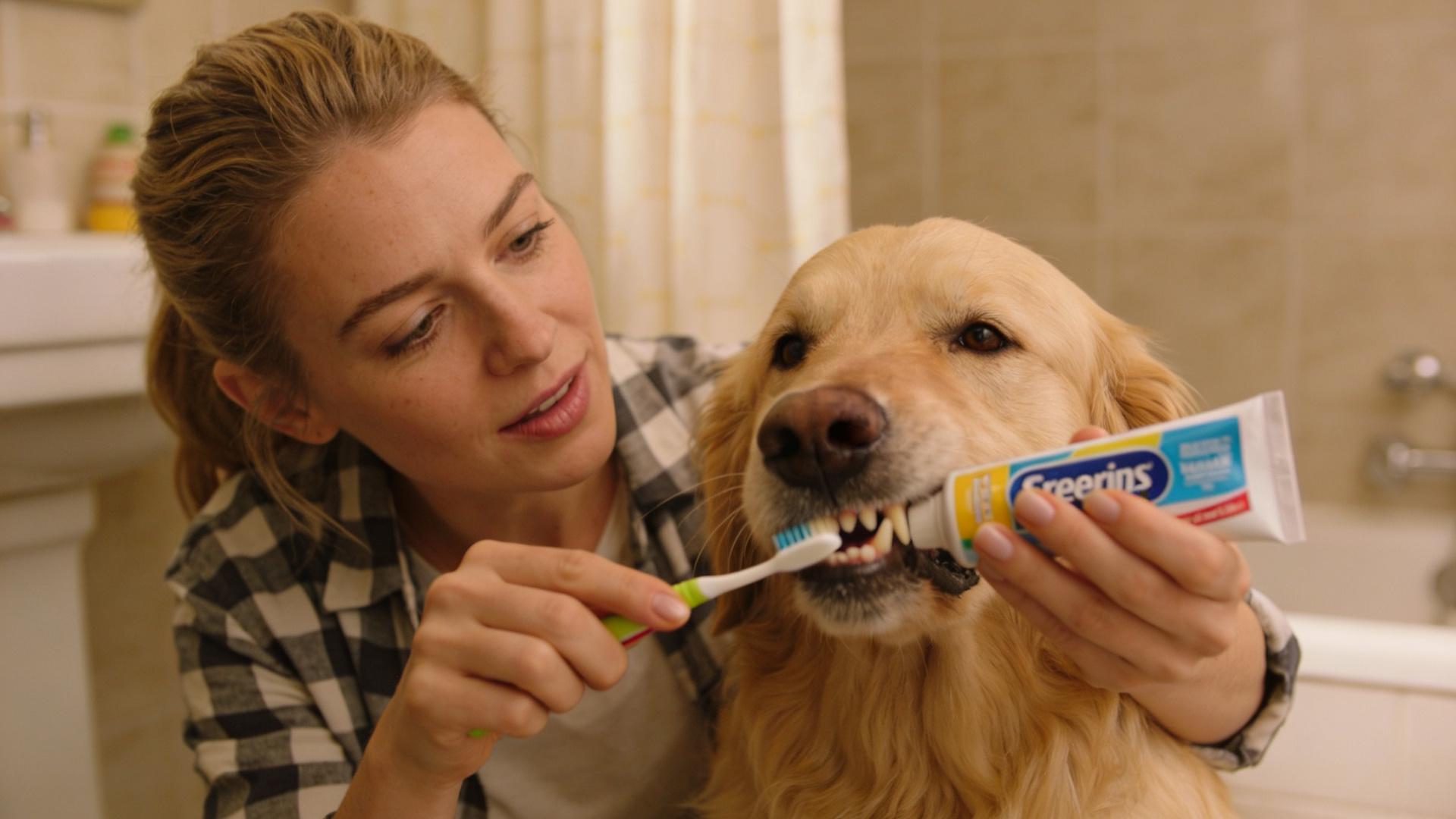
Toothpaste buying taboos: Why should human toothpaste never be used on dogs?
Let’s be unequivocally clear from the start: reaching for your own tube of minty-fresh paste to brush your dog’s teeth is not a harmless shortcut—it is a potentially lethal gamble. As a specialist in canine care and health communication, I encounter this well-intentioned mistake far too often. The core premise is non-negotiable: human toothpaste is formulated for humans, and its use on dogs is categorically dangerous. This article will dismantle the myth of interchangeability and arm you with the knowledge to protect your health from a hidden threat lurking in your bathroom cabinet.

Detailed Guide to Dog Ear Cleaning: How to Properly Use Ear Cleaning Solution to Prevent Earwax Buildup
A frantic head shake, a persistent paw scratching at the side, an unusual odor you can’t quite place—if you’re a dog owner, you may have witnessed these signs. What’s often dismissed as a quirky habit can be a cry for help from your dog’s delicate ears. Canine ear health is a pillar of overall wellness, yet it's frequently overlooked until a problem arises. This comprehensive guide is your definitive resource on dog ear cleaning, demystifying the process and empowering you to confidently use an ear cleaning solution for dogs to prevent earwax buildup and more serious issues. We'll walk you through anatomy, product selection, a fail-safe step-by-step tutorial, and critical safety tips to transform a potentially stressful task into a simple, routine act of care.

Rust removal from dog fences and cages: to prevent poisoning from ingesting rust.
For dog owners, pet care professionals, and kennel operators, maintaining a safe environment is paramount. One often-overlooked hazard is the silent creep of rust on metal dog fences, cages, and crates. Curious dogs may lick, chew, or ingest flaking rust, leading to potential heavy metal poisoning and other serious health complications. Proactive rust removal from dog fences and enclosures is not just about aesthetics; it's a critical component of responsible pet care. This authoritative guide will walk you through the why and how, providing actionable, dog-safe methods to eliminate this danger.
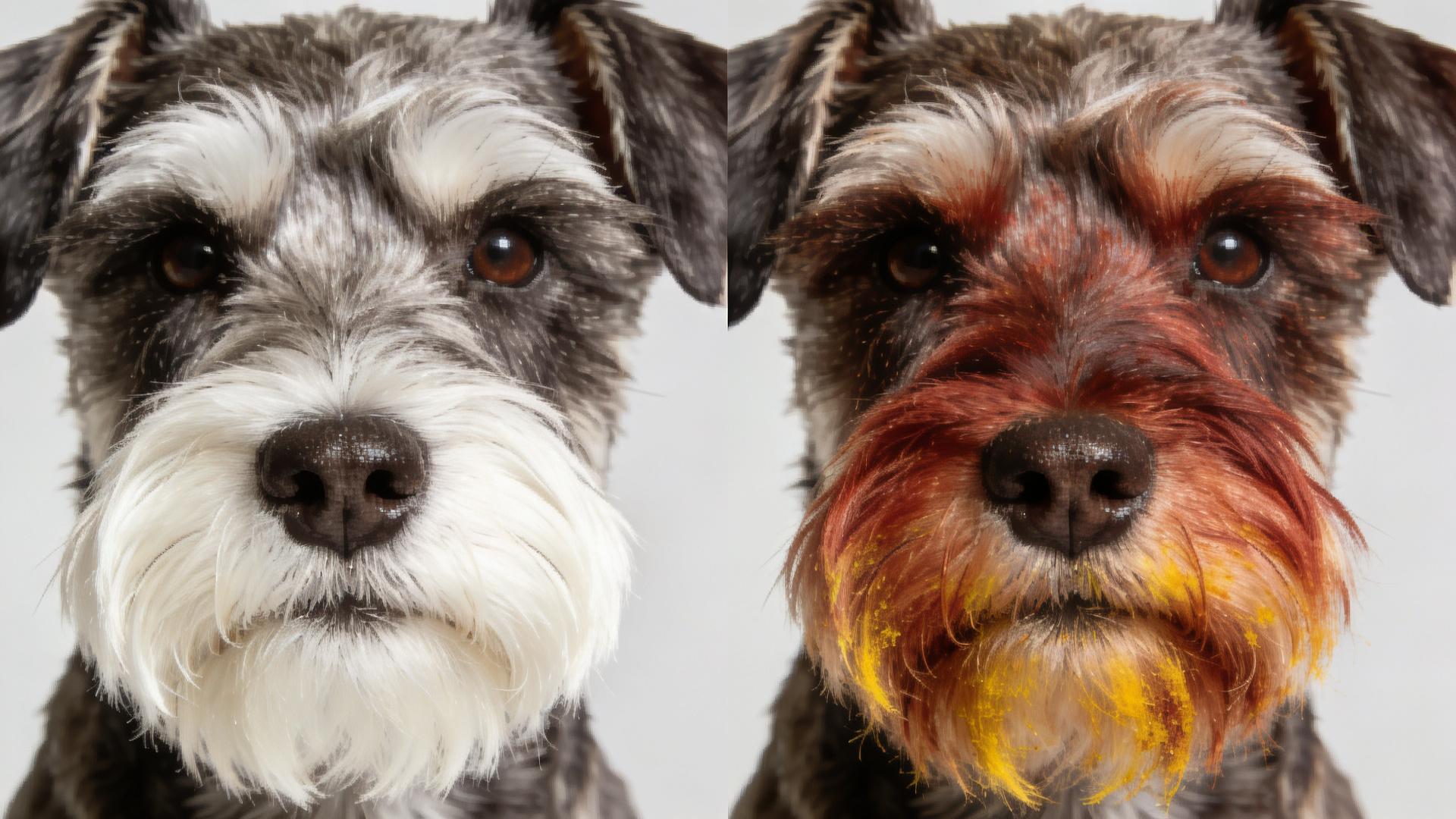
Beard and facial grooming: Preventing Schnauzers and other breeds from developing "yellow beards".
That bright, snowy-white beard is a point of pride for many Schnauzer owners. But all too often, that signature look is marred by unsightly reddish-brown or yellow stains, turning a dapper gentleman into a messy eater. This common frustration, known as "yellow beard" or facial staining, affects many bearded breeds and can feel like a losing battle. More than just a Grooming issue, a stained beard can harbor bacteria and yeast, leading to unpleasant odors and potential skin irritation. But don't despair! With the right knowledge and a consistent routine, you can keep your dog's facial hair clean, white, and healthy. This comprehensive guide will arm you with the science, strategies, and best practices for dog beard care to win the war against stains.
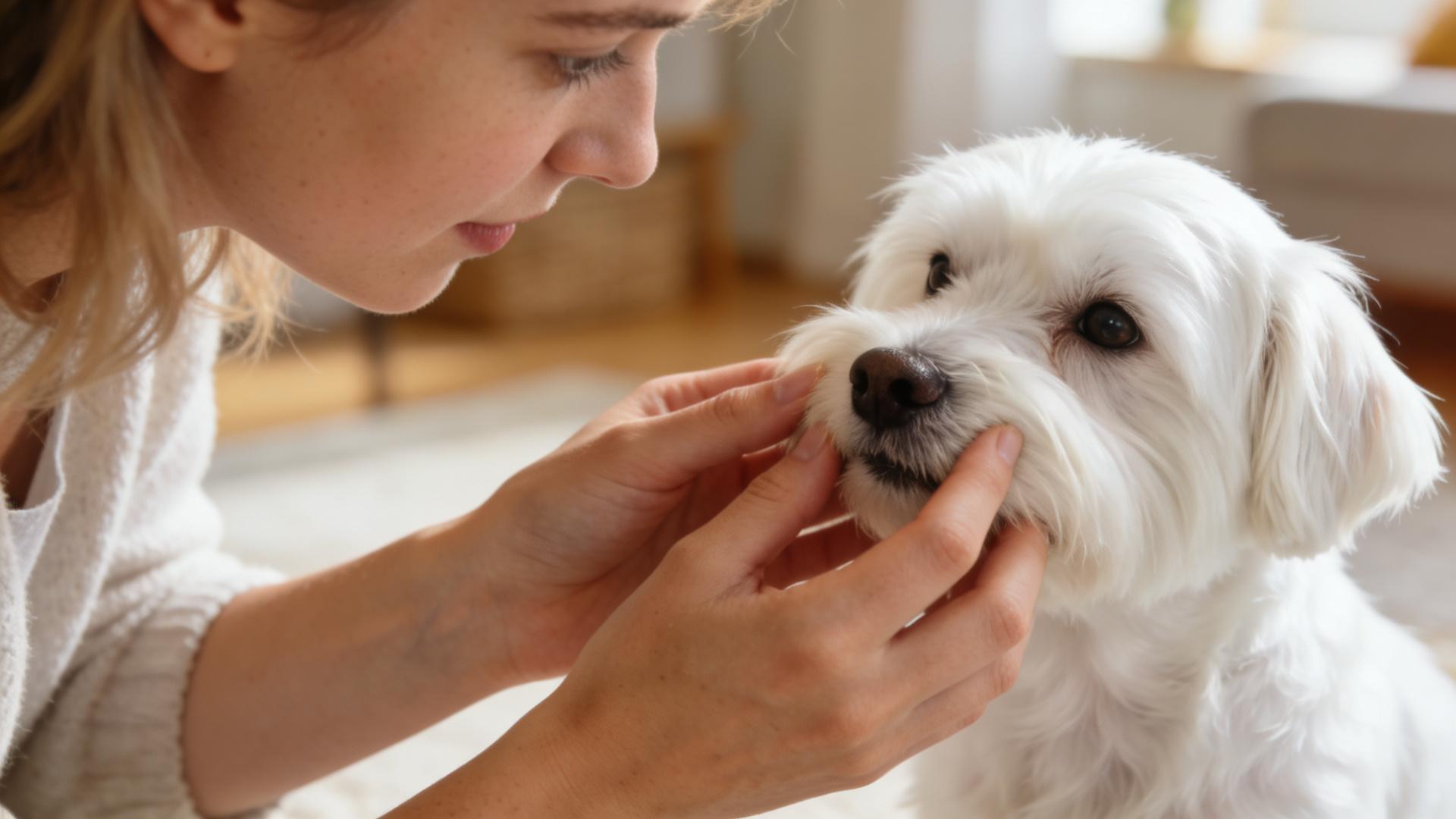
Tear Stain Removal Techniques: A Combination of Dietary Adjustments and Localized Cleansing
If you share your life with a dog, especially a light-colored breed like a Maltese, Shih Tzu, or Poodle, you've likely encountered those reddish-brown streaks beneath their eyes. These are dog tear stains, a common and often frustrating Grooming concern for pet parents. More than just a beauty issue, they can signal underlying factors worth addressing. This article cuts through the clutter of misinformation to provide a clear, actionable, and trustworthy guide. Our core thesis is that effective, long-term management of tear stains requires a dual-pronged strategy: addressing potential internal triggers through dietary adjustments and implementing a consistent, gentle localized cleansing routine. We must emphasize from the outset: sudden, severe, or persistent staining should always prompt a visit to your veterinarian to rule out medical issues like eye infections, blocked tear ducts, or anatomical problems.