
You May Have Missed
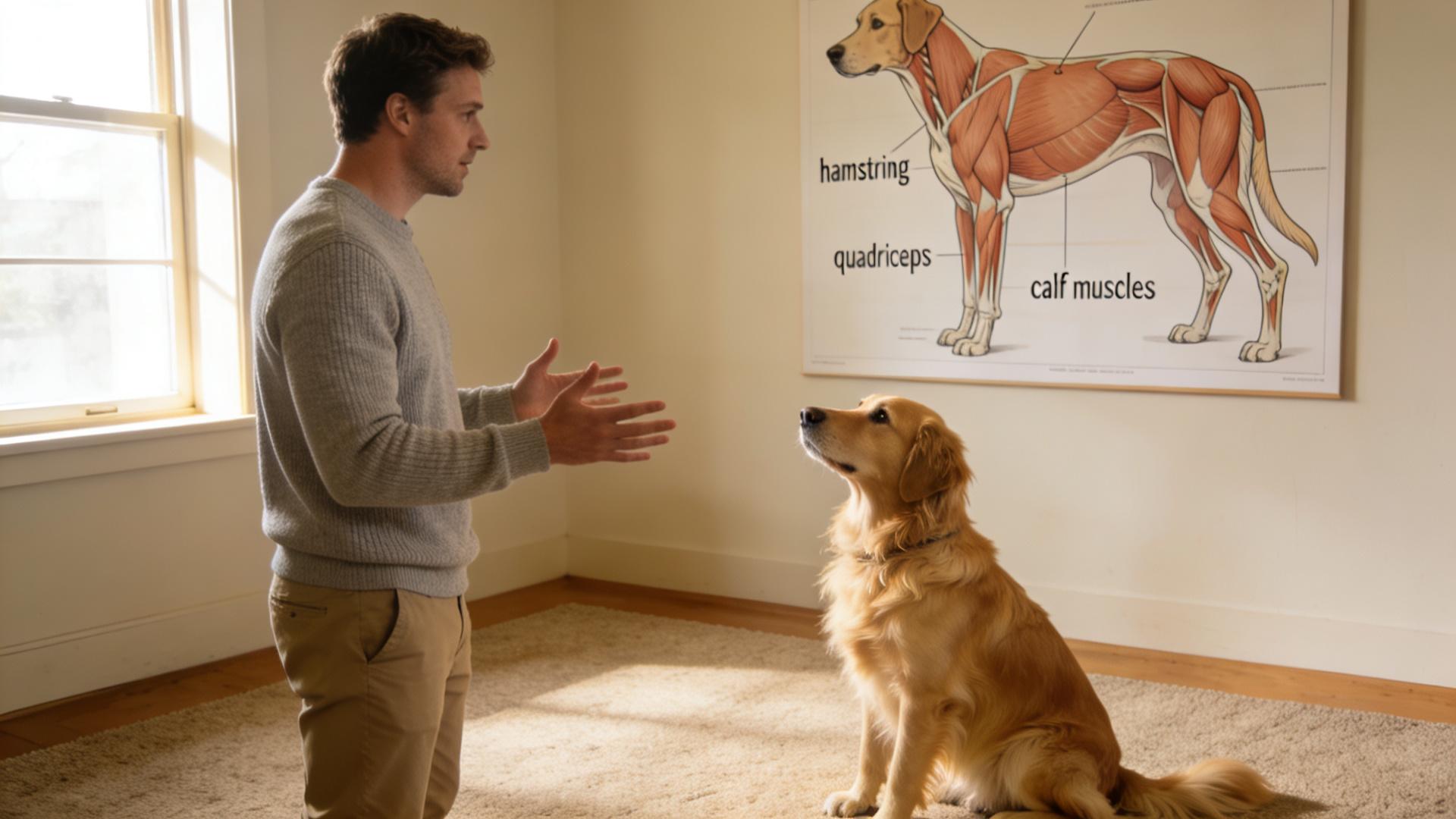
Backward walking training: Developing a dog's hind leg muscles and spatial awareness
Ever watched a dog navigate a tricky obstacle course with precision, or seen a senior pup regain a spring in their step? The secret might not be in running faster, but in walking backwards. Backward walking training for dogs is an innovative exercise that goes beyond a party trick to become a cornerstone of canine fitness and cognition. This targeted movement directly builds stronger hindquarters and sharpens body awareness, offering profound benefits for sport dogs chasing agility titles, senior dogs managing mobility, and every family pet aiming for holistic wellness. By teaching your dog to walk backwards, you're engaging key muscle groups and neural pathways that foster both physical and mental agility.
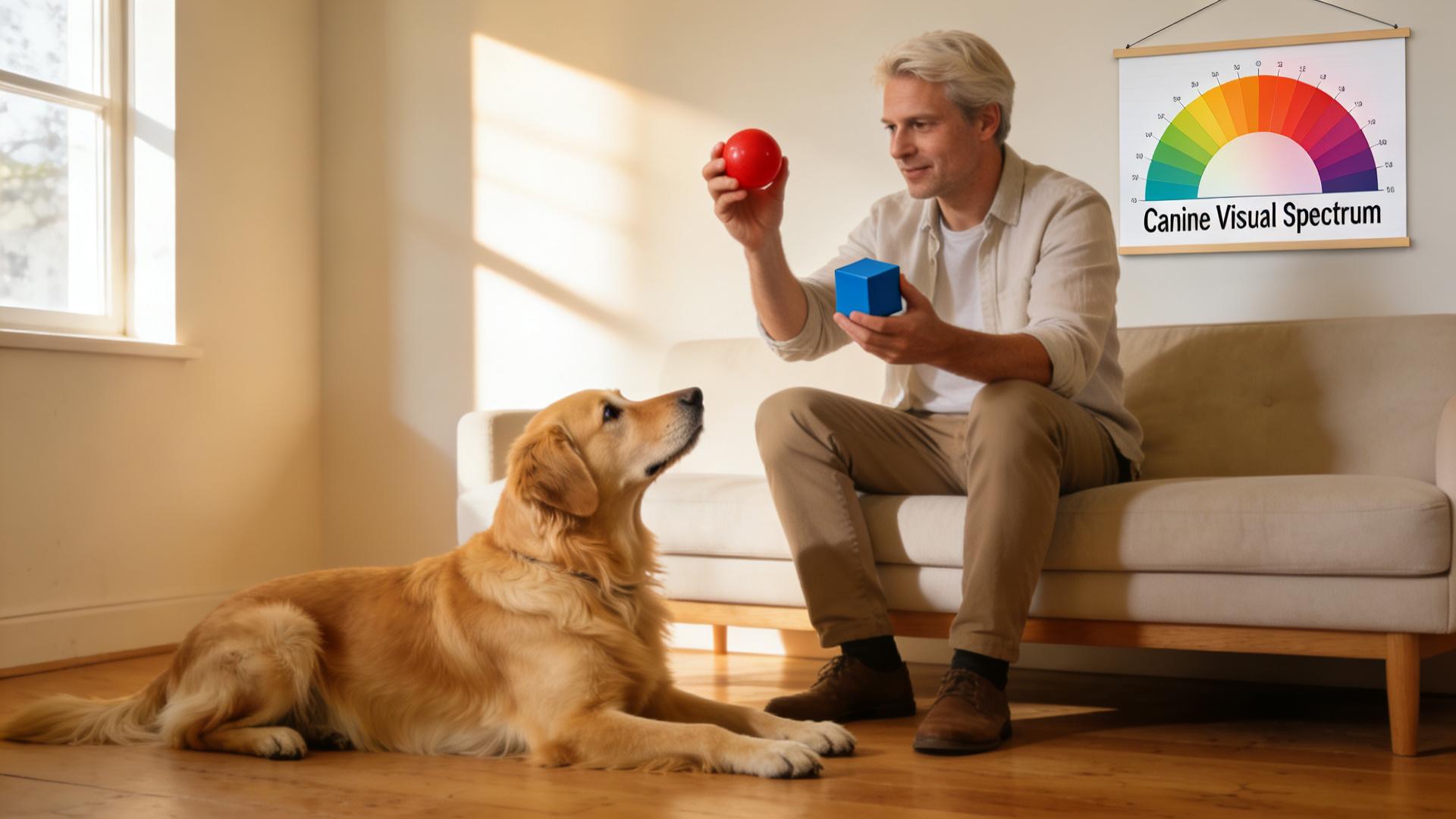
Dog logic development: Teach it to distinguish between red, yellow, and blue colors
For decades, the phrase "dog color blind" dominated our understanding of canine vision, leading many to believe our furry friends live in a world of grays. Dog color discrimination training shatters this outdated myth, presenting a fascinating frontier in advanced dog training. This journey isn't about giving your dog a superpower they don't possess; it's about harnessing their actual visual capabilities for profound mental stimulation for dogs. As a seasoned content creator in the canine realm, I'm here to guide you through this intricate process. We'll move beyond basic obedience into the realm of canine cognitive skills, where success is measured in engagement, communication, and the joy of collaborative learning. Remember, the goal is to exercise your dog's brilliant mind, not to pass a canine art critique.
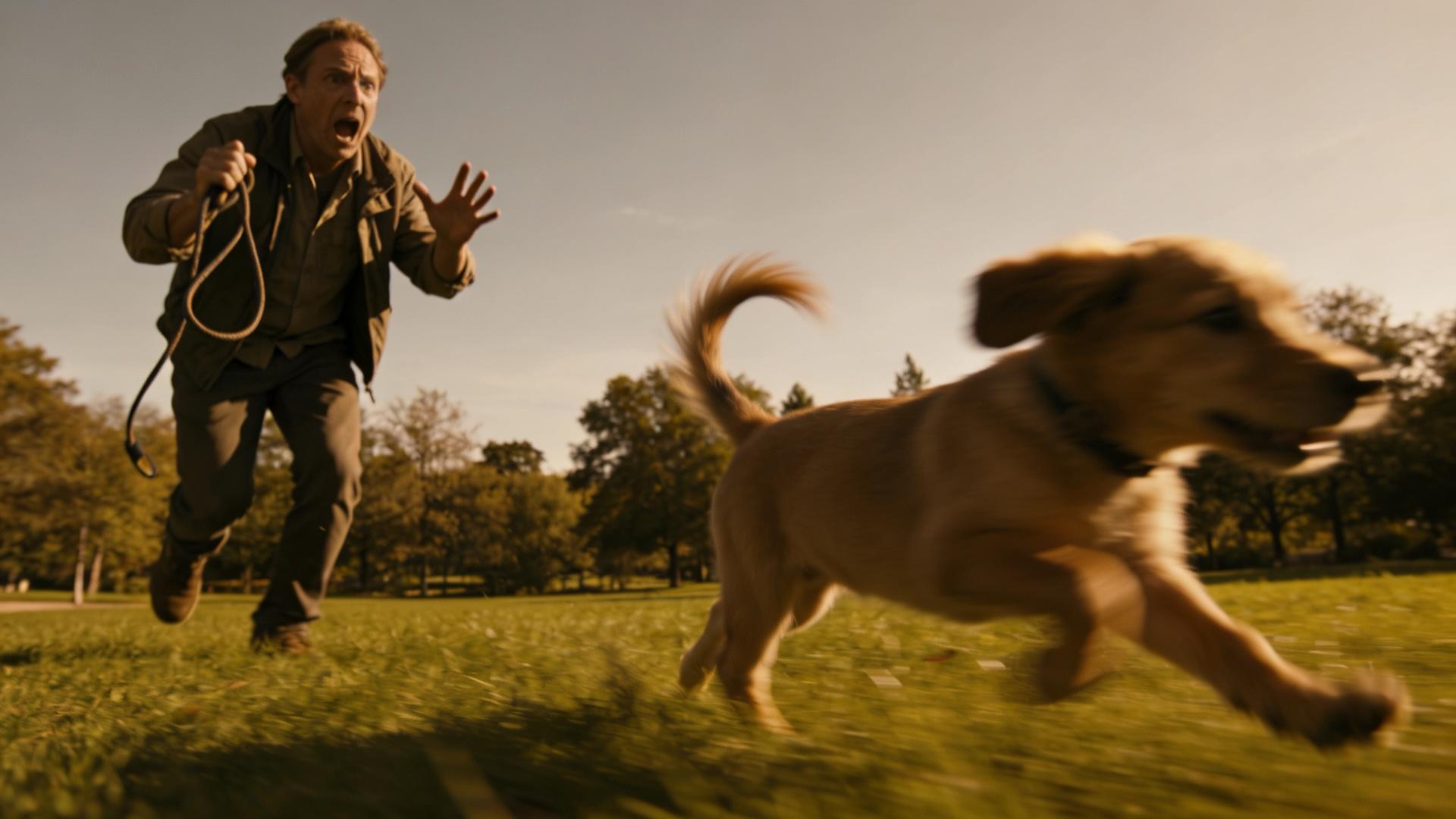
Puppy recall lesson one: Make it run to you no matter what.
Imagine this: your puppy’s leash slips from your hand at the park, or your front door swings open a moment too long. In that heartbeat, the single most important command you will ever teach your dog isn't just a trick—it's a lifesaving behavior. A reliable recall, the act of your dog coming to you instantly and joyfully, is the ultimate insurance policy. But this first lesson isn't about the word "come." It's about building an irresistible gravitational pull that makes your puppy sprint to you with unfiltered joy, every single time. We are not merely requesting an action; we are programming a reaction. This is the art and science of creating a foundation so strong that squirrels, smells, and other dogs simply can't compete. Let's begin.

Prohibition Commands (NO/OFF): How to instantly stop a puppy's inappropriate behavior
You’ve just settled onto the couch with a fresh cup of coffee when you hear it—the distinctive sound of shredding fabric. You turn to see your adorable new puppy gleefully disemboweling the corner of the living room rug. Or perhaps you’re trying to have a calm conversation with a guest, only to be constantly interrupted by a furry little tornado jumping up, nipping at sleeves, and barking for attention. These moments of inappropriate puppy behavior are universal rites of passage for dog owners, sparking equal parts frustration and helplessness. The good news? You don’t need to endure weeks of chaos. With two powerful, clear-cut tools—the NO command and the OFF command—you can communicate your boundaries instantly and effectively, creating a safer, happier home for both you and your pup.
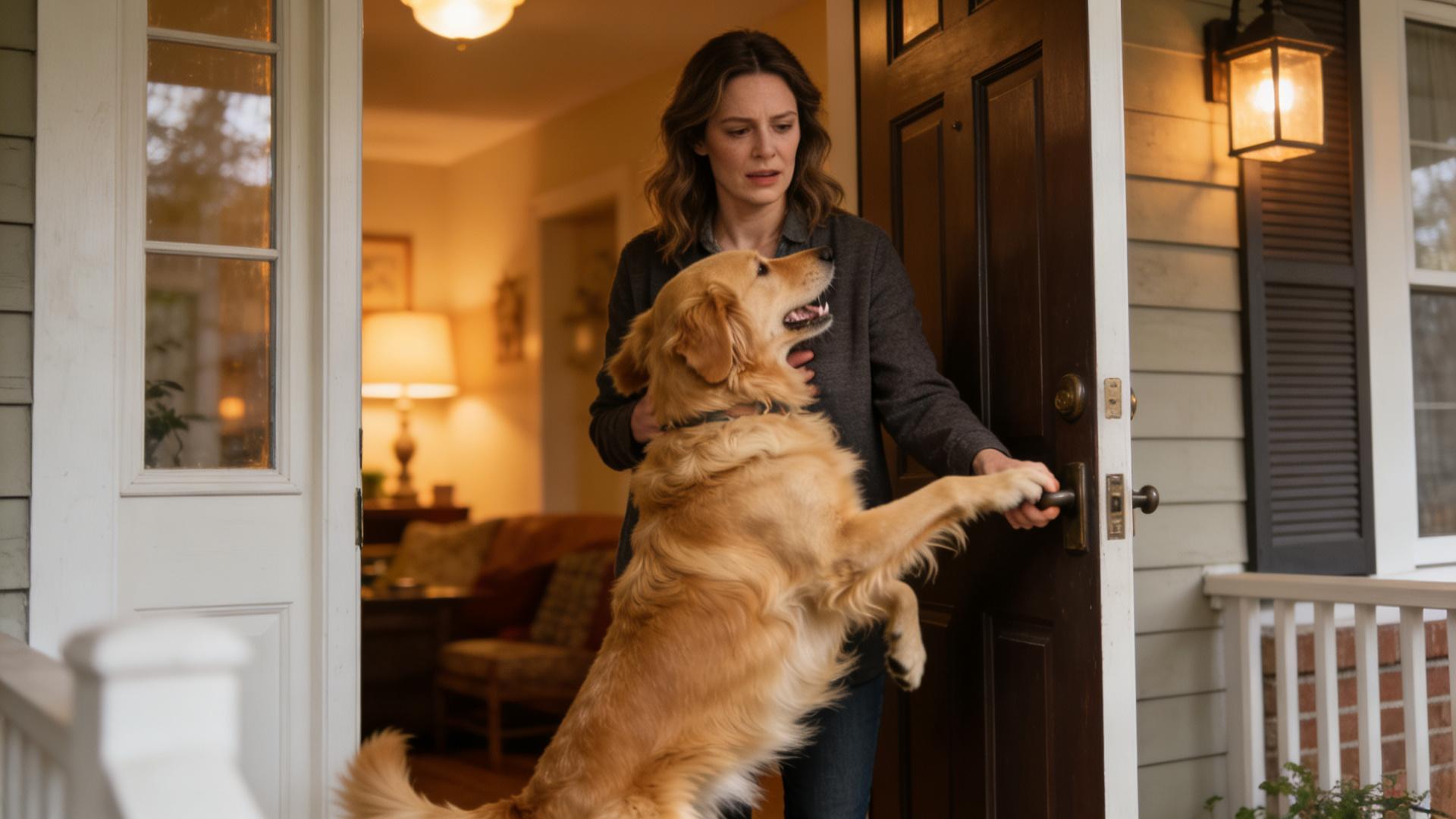
Refrain from jumping on people: Correcting a dog's social etiquette of jumping to greet people when excited.
For many dog owners, the joyful pitter-patter of paws is the soundtrack of homecoming. Yet, that joy can quickly turn to embarrassment or concern when those paws leave the ground and land squarely on a guest’s chest. A dog jumping to greet is a universal challenge, born from pure canine enthusiasm but fraught with social and safety implications. Correcting this instinctual behavior isn't about suppressing your dog's spirit; it's about channeling that excitement into a form of communication that humans understand and appreciate. This comprehensive guide delves into the why behind the jump and provides a detailed, step-by-roadmap for teaching a polite, four-on-the-floor greeting.
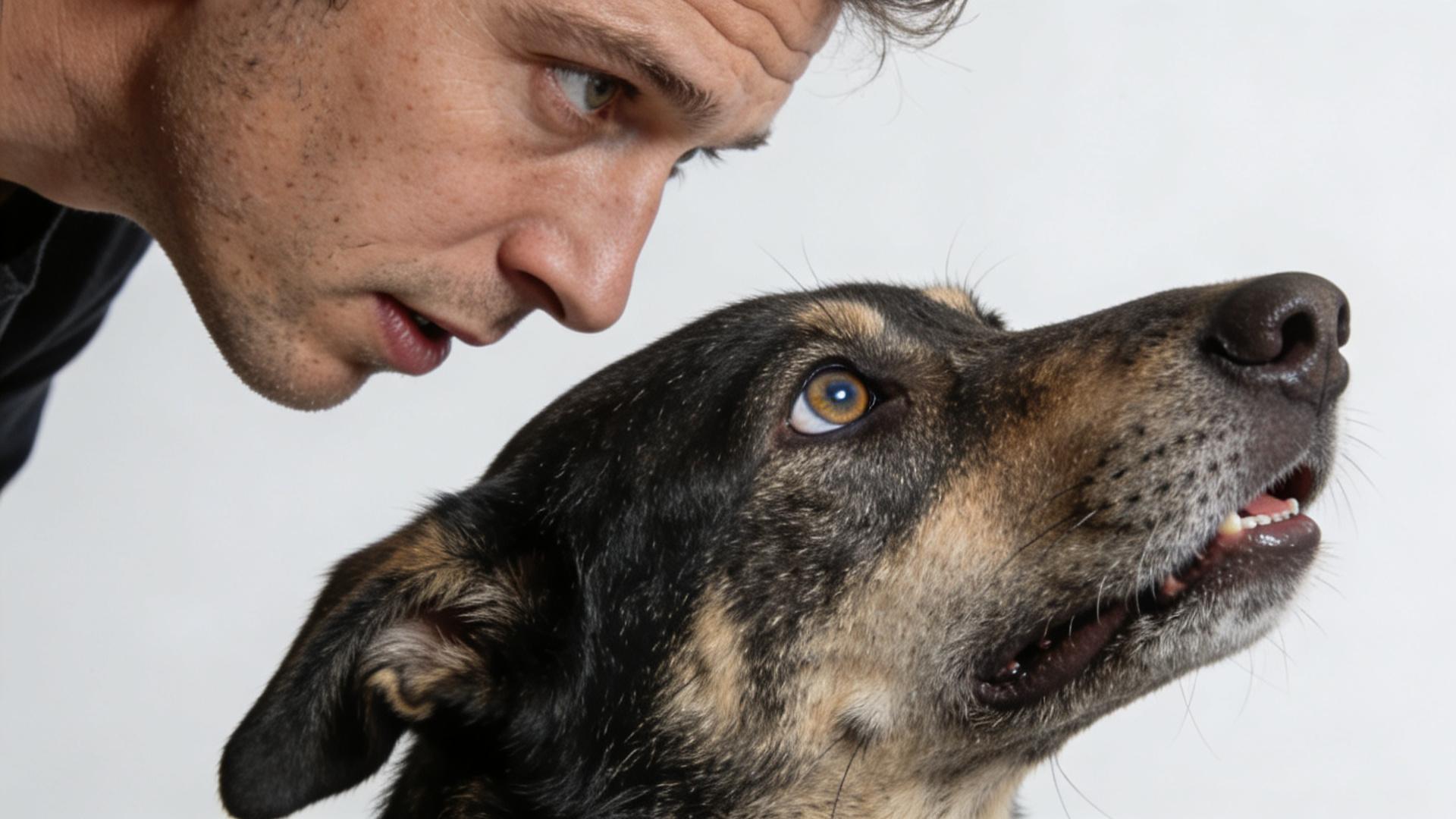
Aggression Prevention: Recognizing 5 Micro-expressions Before a Dog's Attack
In the critical seconds before a dog bite, there is rarely a dramatic growl or a clear snarl. More often, there is a silent, fleeting whisper of tension across the dog's face—a micro-expression that shouts a warning to those who know how to listen. For dog owners, trainers, and anyone who shares their world with canines, learning this silent language is the most powerful tool for aggression prevention. This article will define and detail five critical facial cues that precede an attack. This knowledge is not about fostering fear, but about wielding the proactive power of observation to ensure safety for both humans and dogs.