
You May Have Missed

Deciphering a dog's "reassurance signals": Is it licking its nose to beg for mercy?
You come home to a scene of minor chaos—a shredded pillow, garbage scattered across the floor. You find your dog, and they immediately avert their gaze, yawn, and give a quick, unmistakable lick of their nose. The conclusion seems obvious: “Look at that guilty face! He knows he did wrong and is begging for forgiveness.” This narrative feels instinctual to us, a story we’ve told ourselves for generations. But what if we’ve been reading the entire situation incorrectly?

Training Frequency Theory: Why is 10 minutes a day better than 2 hours a week?
Picture this: you’ve set aside a precious Saturday afternoon to finally get serious about your dog's training. You have treats, a clicker, and boundless determination. But fifteen minutes in, your dog is sniffing the grass, staring at a squirrel, or lying down with a sigh. Your two-hour "training marathon" dissolves into a cycle of frustration and distracted refocusing. Sound familiar? If so, you’re asking the right question: What is the optimal dog training frequency? The answer, backed by science and experience, challenges the marathon mentality. In essence, short, daily dog training sessions are profoundly more effective than infrequent, lengthy ones. Let's explore why the 10-minute daily habit reigns supreme.
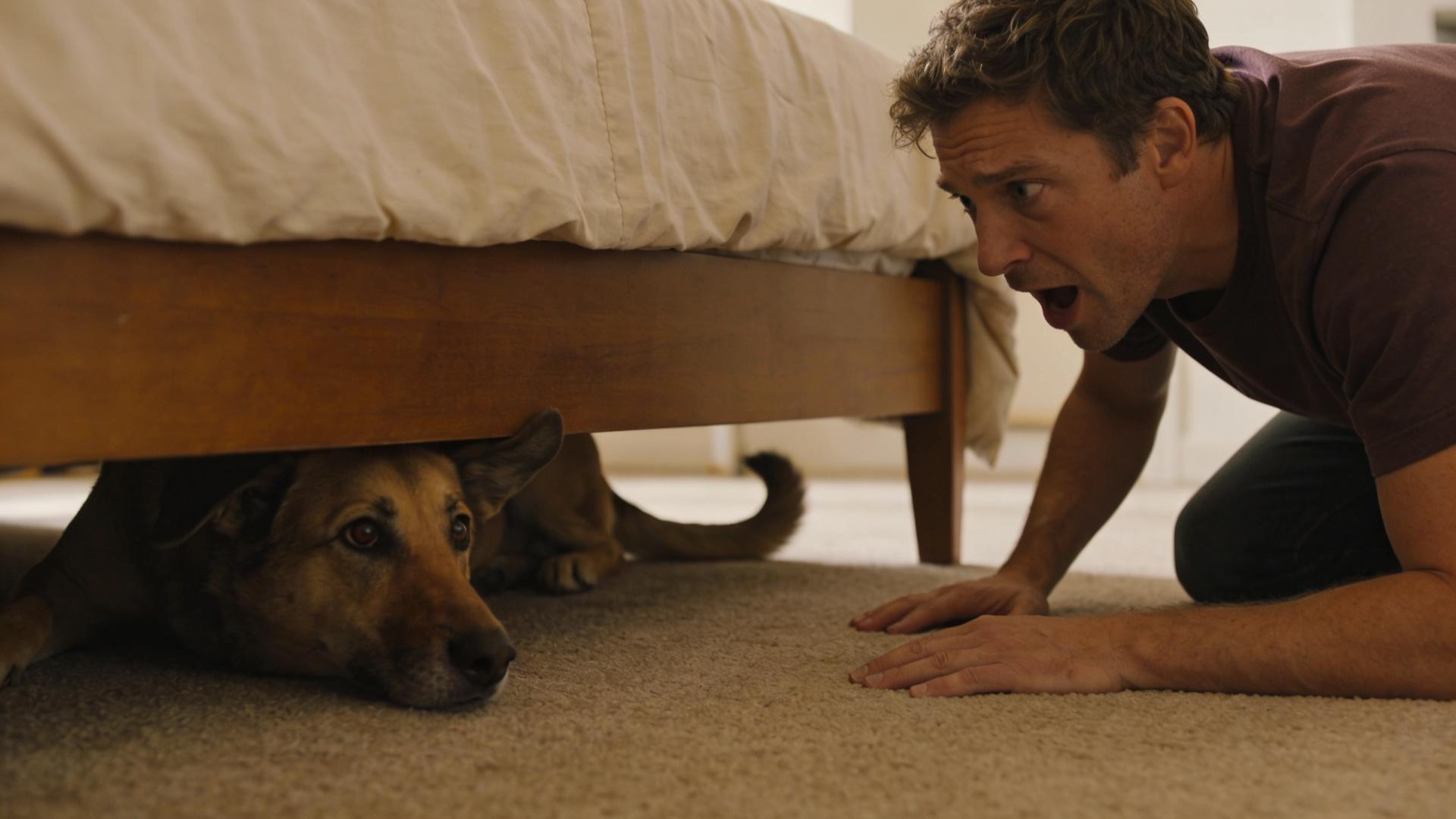
Happy Bath Training: Techniques to Make Your Dog Love Playing in Water and Blow-drying
Does your dog dive under the bed at the mere mention of a bath? You're not alone! But what if bath time could be filled with wagging tails and happy splashes? Welcome to the world of happy bath training—a systematic, positive approach designed to transform grooming from a stressful ordeal into a fun, trust-building activity. This comprehensive guide will equip you with proven techniques to help your dog not only tolerate but genuinely enjoy water and blow-drying. Embracing happy bath time is a game-changer for your dog's health and your peace of mind. Let's turn that fear into fun! 🐾
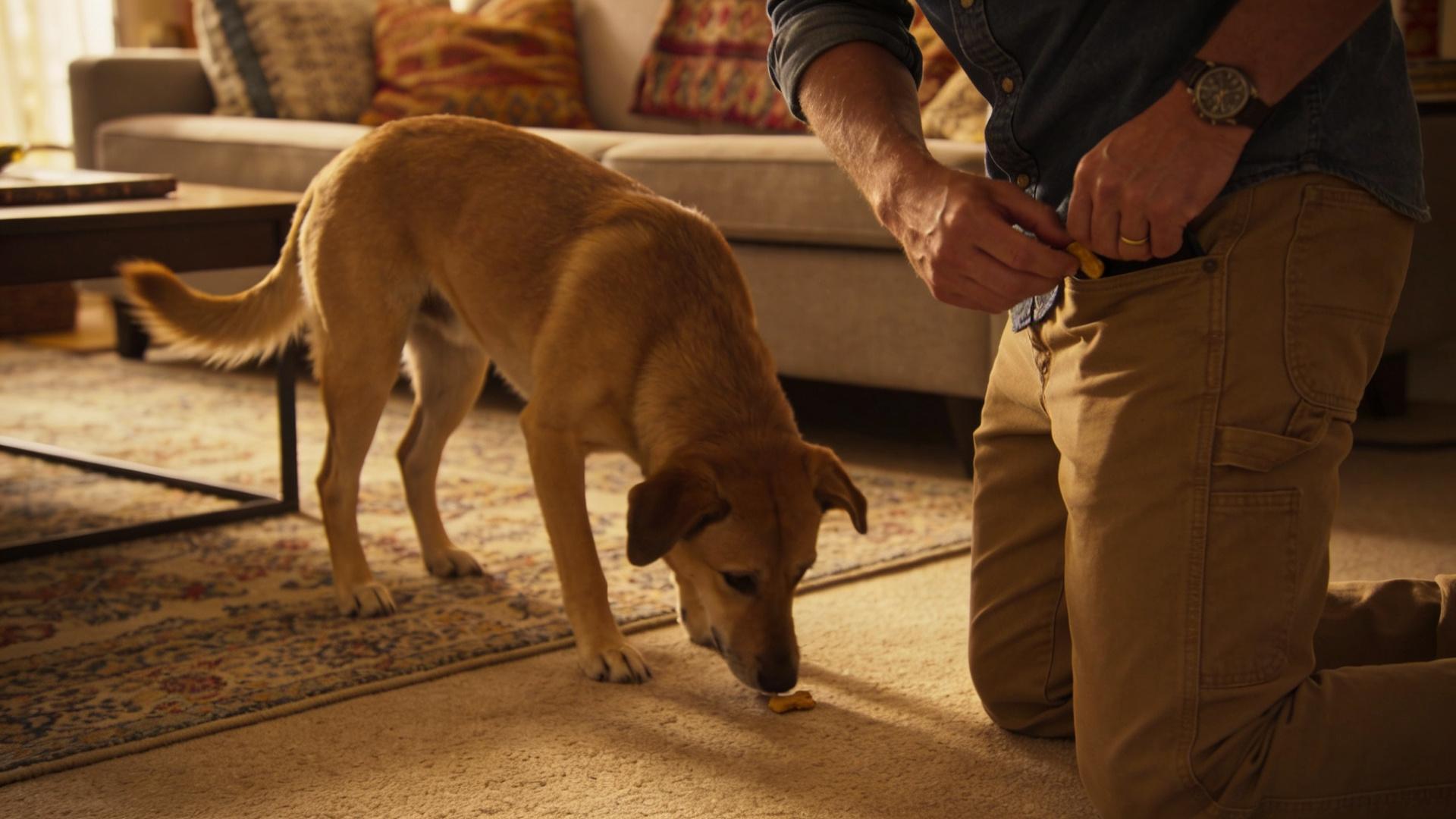
Dogs' "Jet Lag": Why is a 5-second delayed reward meaningless?
You’ve just spent ten minutes trying to teach your dog to "sit." Finally, he does it! You fumble for a treat in your pocket, unhook the leash, and by the time you deliver the reward, he’s already standing up and sniffing the ground. You think you’ve rewarded the "sit," but your dog is utterly confused. Sound familiar? This common frustration isn't your dog being stubborn—it's a fundamental breakdown in communication, a case of what we can call canine jet lag. While we operate on a timeline of minutes and intentions, your dog lives in a world of instantaneous cause and effect. So, why does a delay of just a few seconds render a reward completely meaningless in your dog’s mind? The answer lies in the very mechanics of how dogs learn.
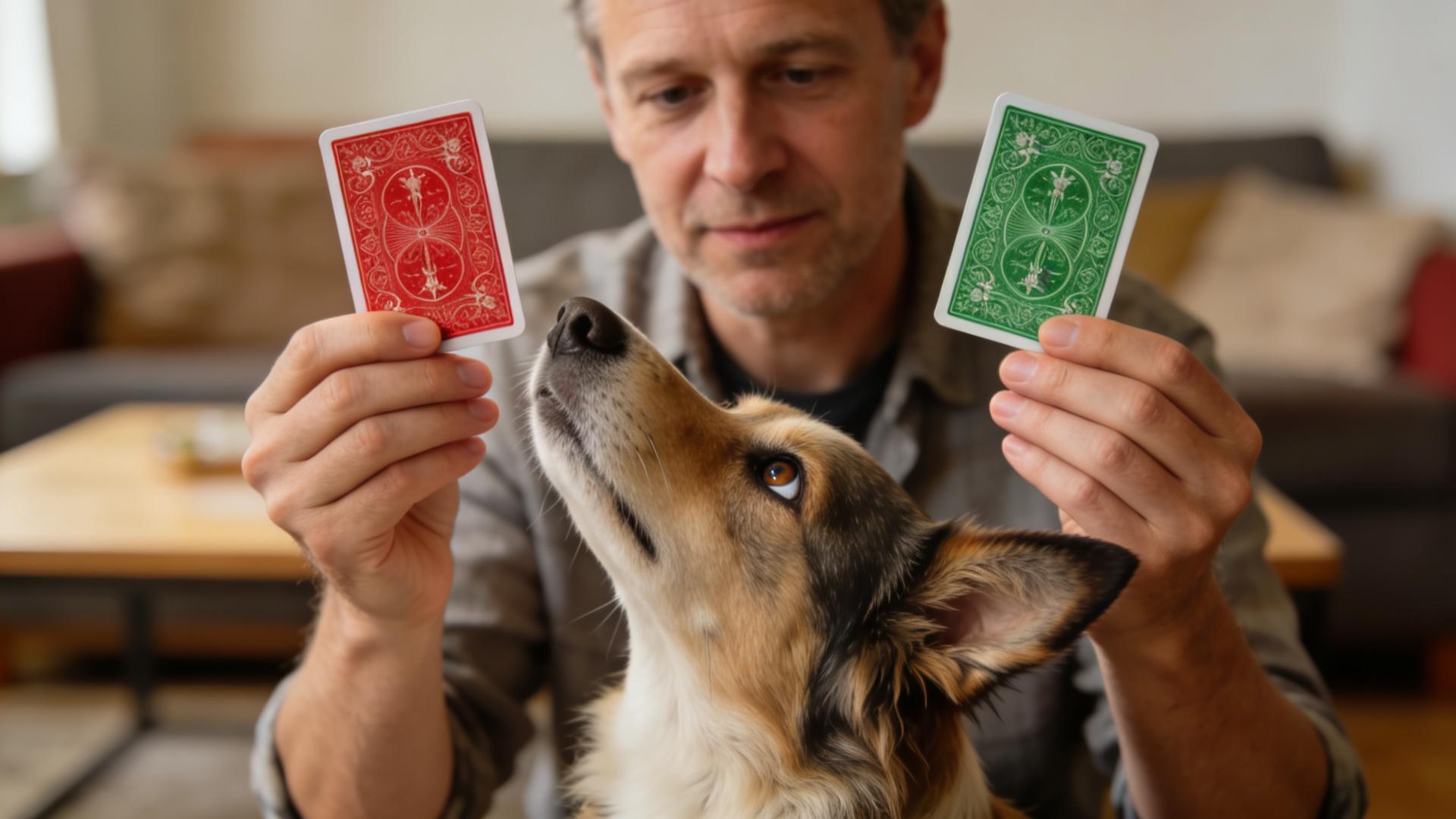
Traffic light training at intersections: Establishing visual signals for "stop" and "go".
Navigating busy urban intersections with your dog can transform a relaxing walk into a nerve-wracking game of chance. The honking cars, bustling pedestrians, and unpredictable movements create a minefield of distractions and dangers. What if you could introduce a common language of safety, one your dog understands as clearly as you understand a red or green light? This article delves into the powerful method of traffic light training for dogs, a system of visual signals that establishes crystal-clear "stop" and "go" cues. Our purpose is to provide you with a proven, step-by-step methodology to enhance your intersection safety for canines, forging not only a safer companion but a deeper bond built on communication and trust.
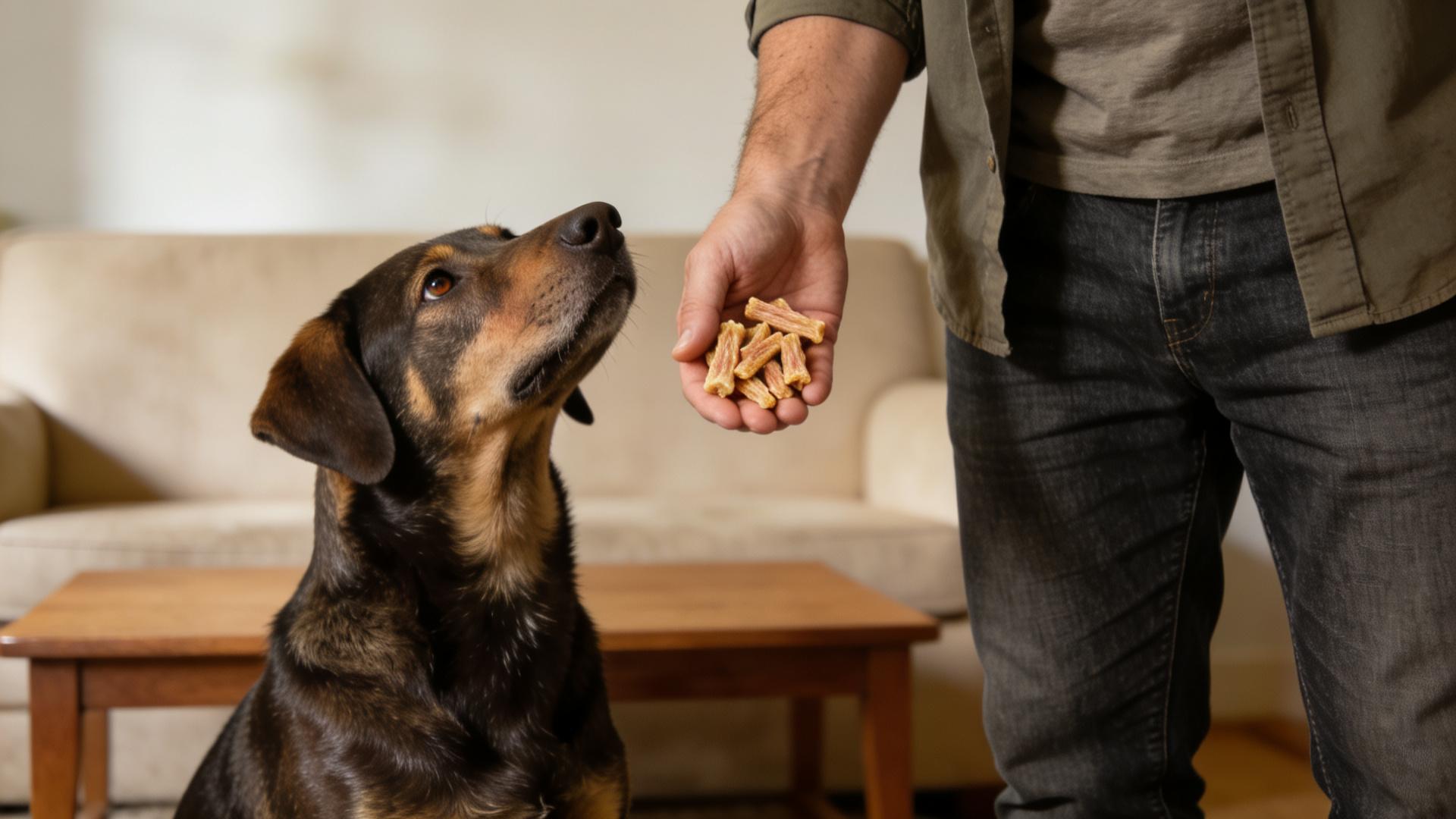
The "Stay" instruction: a step-by-step progression from 3 seconds to 3 minutes.
In the world of canine obedience training, few commands are as vital for both safety and everyday harmony as a reliable "Stay". It's the pause button that can prevent a dog from darting into traffic, the polite manners that keep them settled when guests arrive, and the foundation for more advanced skills. Yet, for many owners, the journey from a fleeting moment of stillness to a calm, prolonged stay command feels daunting. This article is your definitive guide. Our goal is to provide a clear, actionable, and stress-free training protocol that builds duration and distance gradually, transforming impatience into impeccable impulse control.