
You May Have Missed
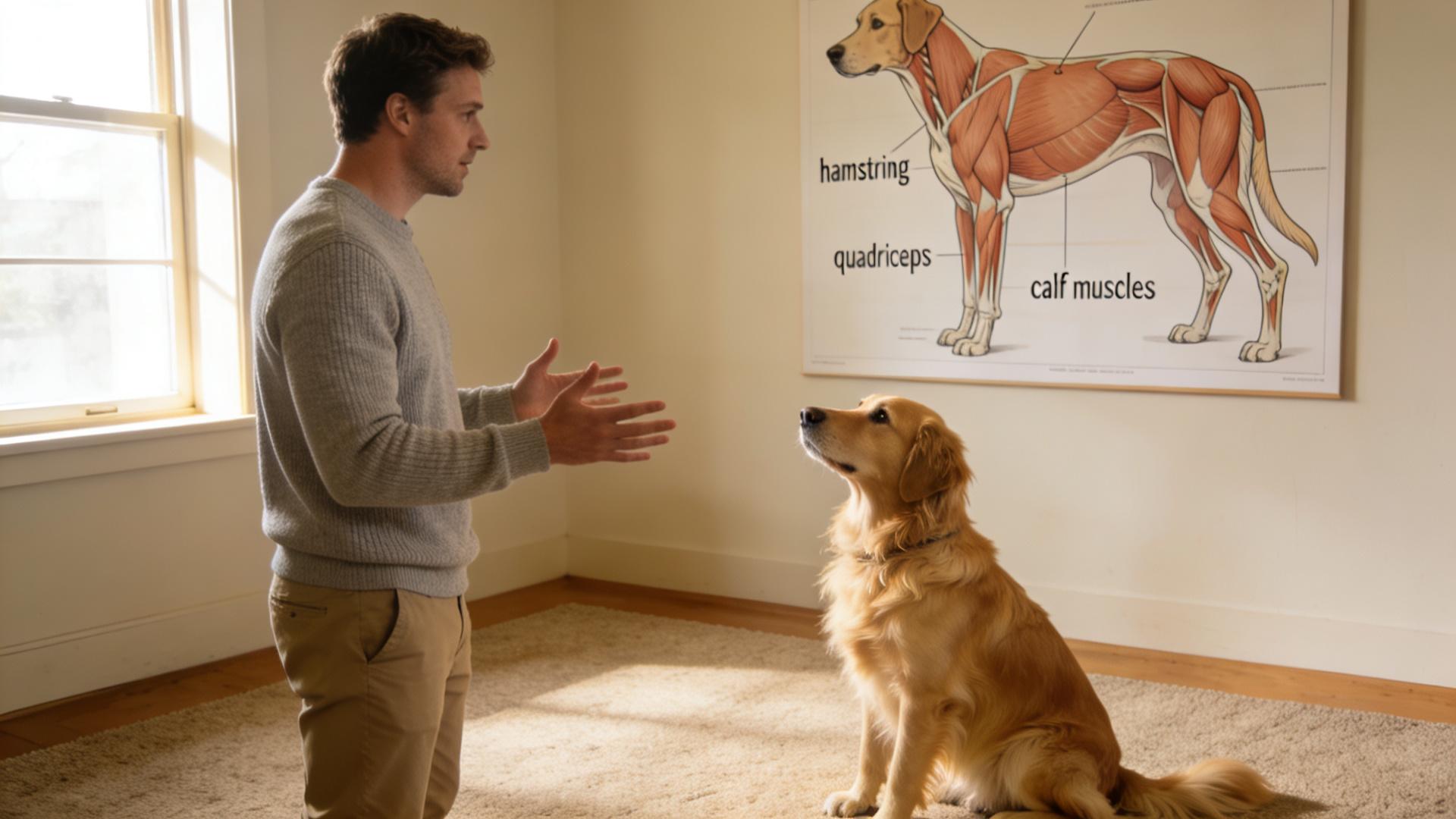
Backward walking training: Developing a dog's hind leg muscles and spatial awareness
Ever watched a dog navigate a tricky obstacle course with precision, or seen a senior pup regain a spring in their step? The secret might not be in running faster, but in walking backwards. Backward walking training for dogs is an innovative exercise that goes beyond a party trick to become a cornerstone of canine fitness and cognition. This targeted movement directly builds stronger hindquarters and sharpens body awareness, offering profound benefits for sport dogs chasing agility titles, senior dogs managing mobility, and every family pet aiming for holistic wellness. By teaching your dog to walk backwards, you're engaging key muscle groups and neural pathways that foster both physical and mental agility.
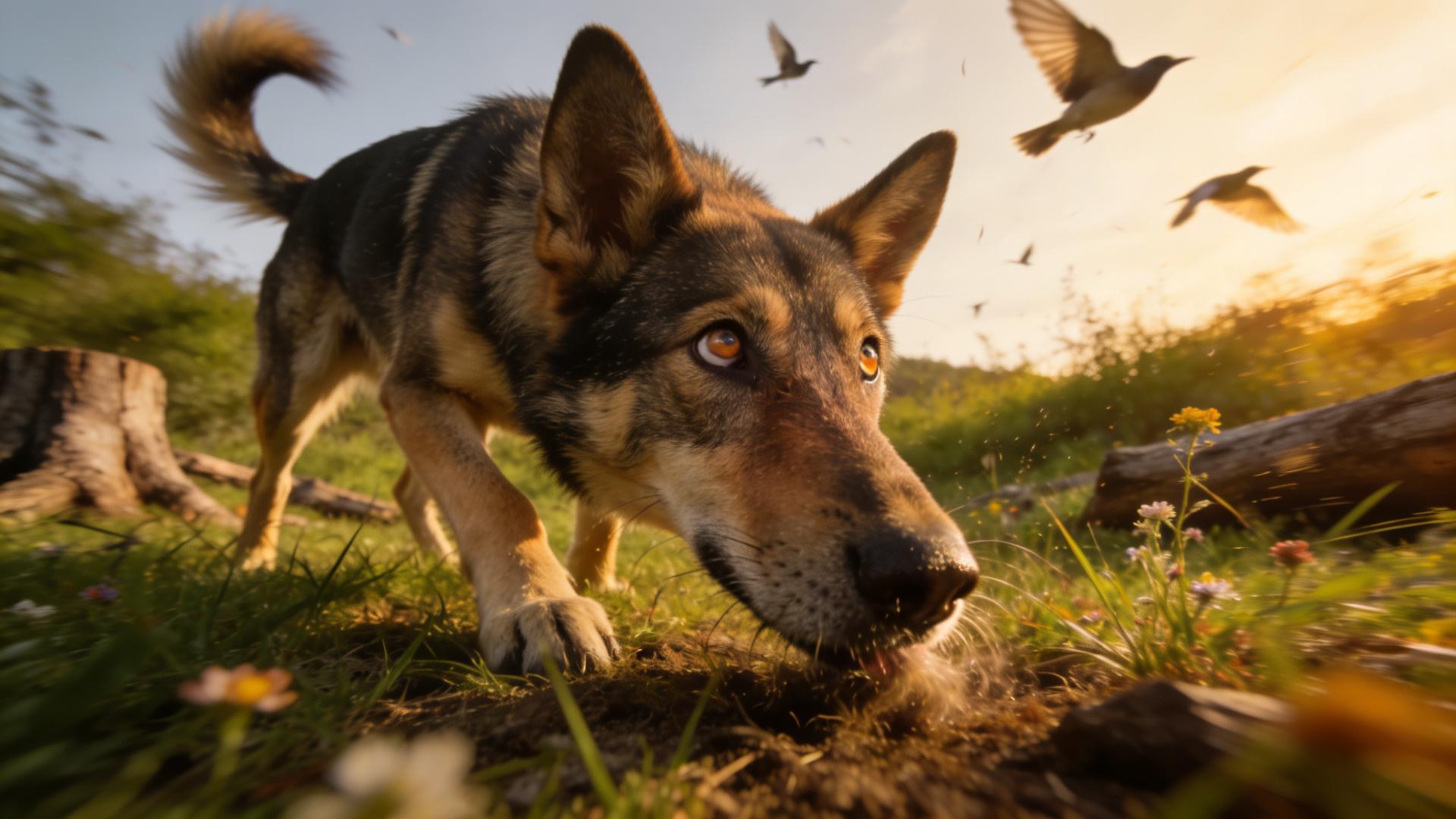
Shifting the training environment: Why is my dog obedient at home but goes crazy outside?
You’ve nailed it. Inside your living room, your dog is the picture of perfection—sitting on cue, staying calmly, and coming when called. But the moment you step outside, it’s as if a switch flips. The leash becomes a taut line of tension, commands vanish into the wind, and your well-mannered companion transforms into a pulsing, pulling, distracted whirlwind. If this scenario sounds painfully familiar, you are far from alone. This frustrating dichotomy between indoor obedience and outdoor chaos is one of the most common challenges in dog training. Understanding this training environment shift is not just about fixing a behavior; it’s about comprehending how your dog perceives the world. This article will delve into the core reasons behind this behavior and equip you with practical, proven strategies to build a reliable, well-behaved partner in any setting.
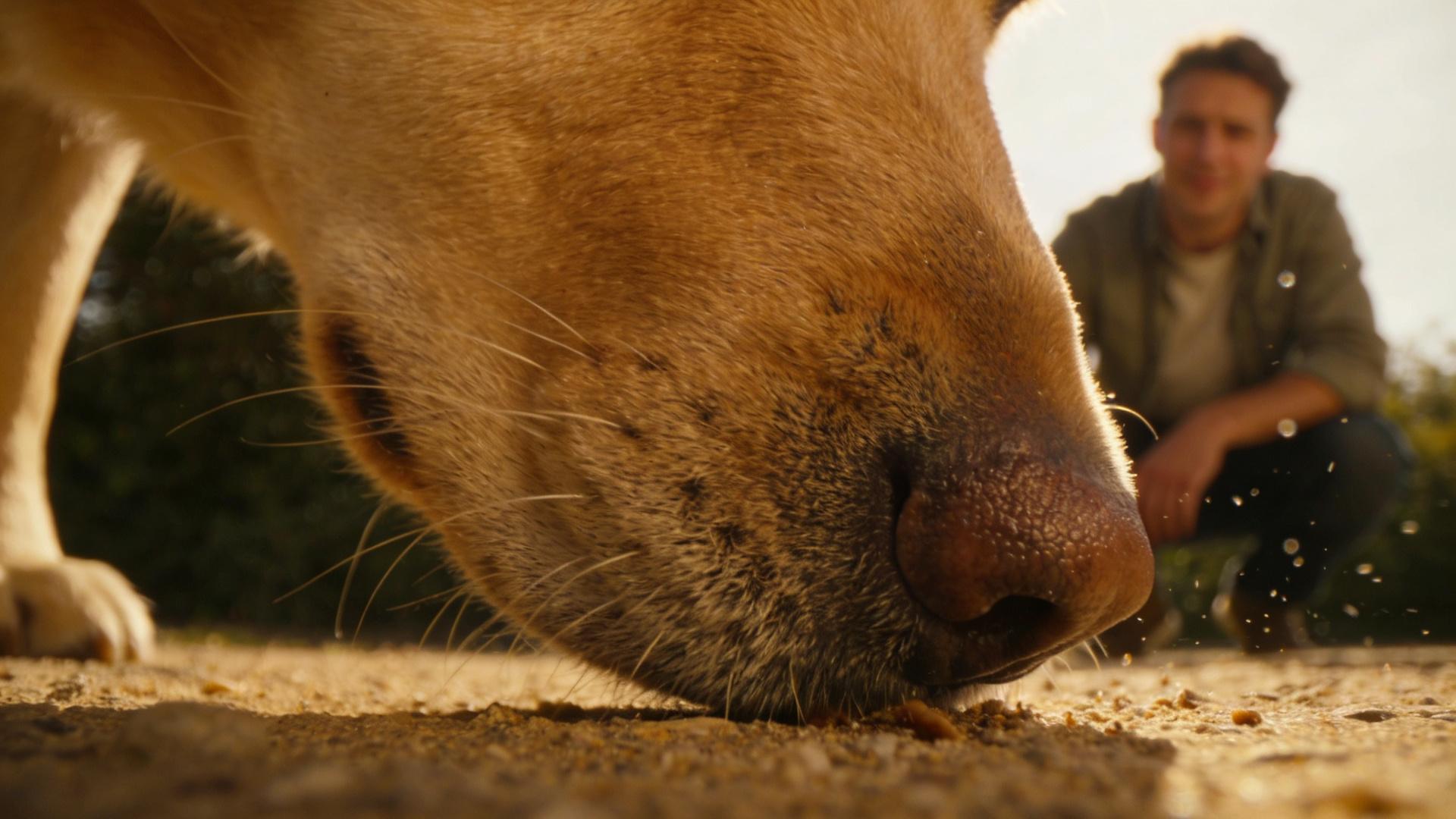
Smell and Confidence: Why do timid dogs need more smell training?
You see it every day. The lowered head, the tucked tail, the hesitant steps that seem to measure the safety of every inch of the living room. Your dog shrinks from visitors, startles at unfamiliar sounds, and seems to view the world as a minefield of potential threats. For these timid souls, life is lived in a constant state of low-grade alarm. But what if the key to unlocking their courage was right under their nose? A dog's primary window to the world is not their eyes, but their magnificent nose. Unlike the often overwhelming flood of visual and auditory information, scent is a sense they control, a language they are fluent in, and a pathway to calm. This article posits a powerful thesis: structured smell training is not just a game, but a transformative tool that can significantly reduce anxiety and build unshakeable confidence in shy dogs. We will explore the science behind this and provide a practical roadmap for you and your fearful companion.
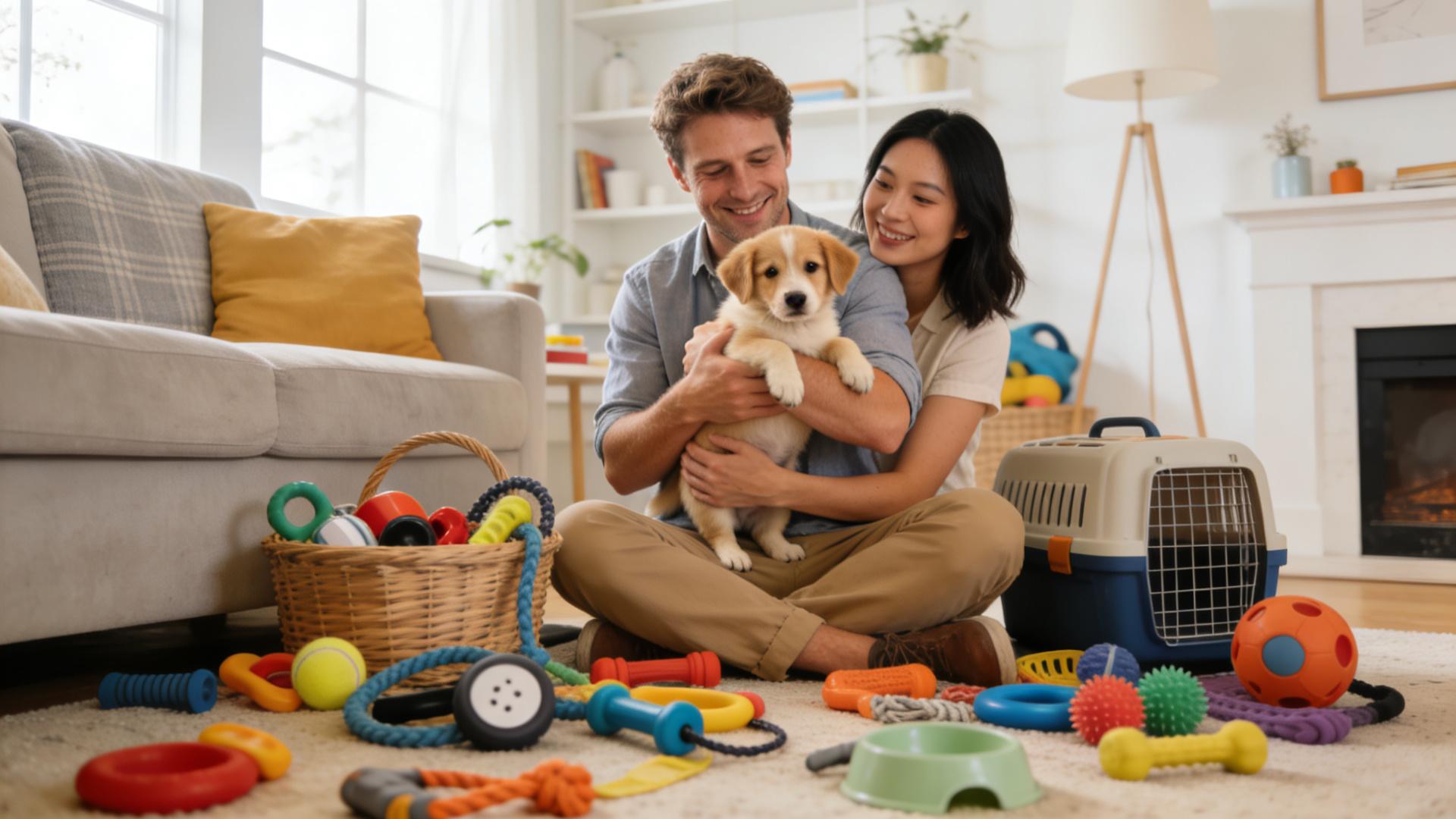
2026 Puppy Training Kit: 5 Essential Training Tools for New Parents
Bringing home your new puppy is a whirlwind of joy, cuddles, and… pure, unadulterated overwhelm. Between the excited piddles, the sharp little teeth, and the sudden midnight serenades, it’s easy for first-time pet parents to feel lost. Traditional training advice is plentiful, but the future of puppy parenting is here, blending timeless canine psychology with smart technology and innovative design. Welcome to the 2026 Puppy Training Kit, a curated collection not just of supplies, but of solutions. This guide cuts through the noise to present five essential tools designed to make your training journey more efficient, effective, and deeply connected. Let’s transform that adorable handful of chaos into a well-mannered companion with tools that empower you both.
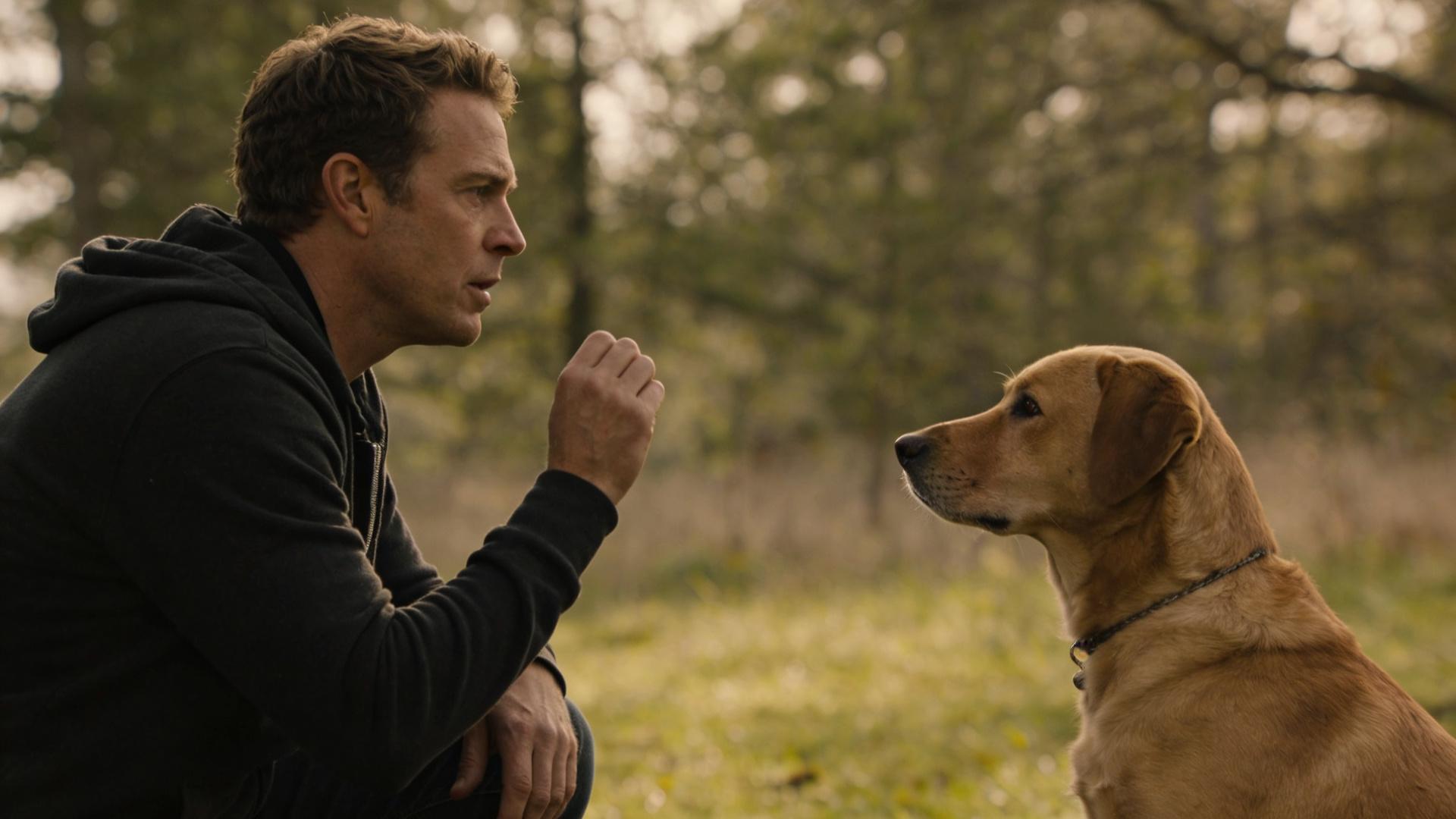
Silent training: achieving tacit understanding by using only eye contact and body language to complete instructions
In the bustling world of dog training, filled with vocal cues, clickers, and treat bags, there exists a profoundly quiet corner. It is a space where communication flows not through sound, but through the subtle, powerful languages of the eyes and the body. Silent dog training is not merely a technique; it is an art form and a philosophy that seeks to cultivate a deep, intuitive bond between human and canine. Imagine directing your dog through a crowded park, navigating an agility course, or simply asking for a polite sit at a curb—all without uttering a single word. This is the pinnacle of tacit understanding dog training, a connection built on mutual observation, trust, and a symphony of non-verbal signals. This comprehensive guide will unveil the methods, science, and soul behind communicating with your dog in silence, transforming your relationship into one of seamless, quiet harmony. $image$
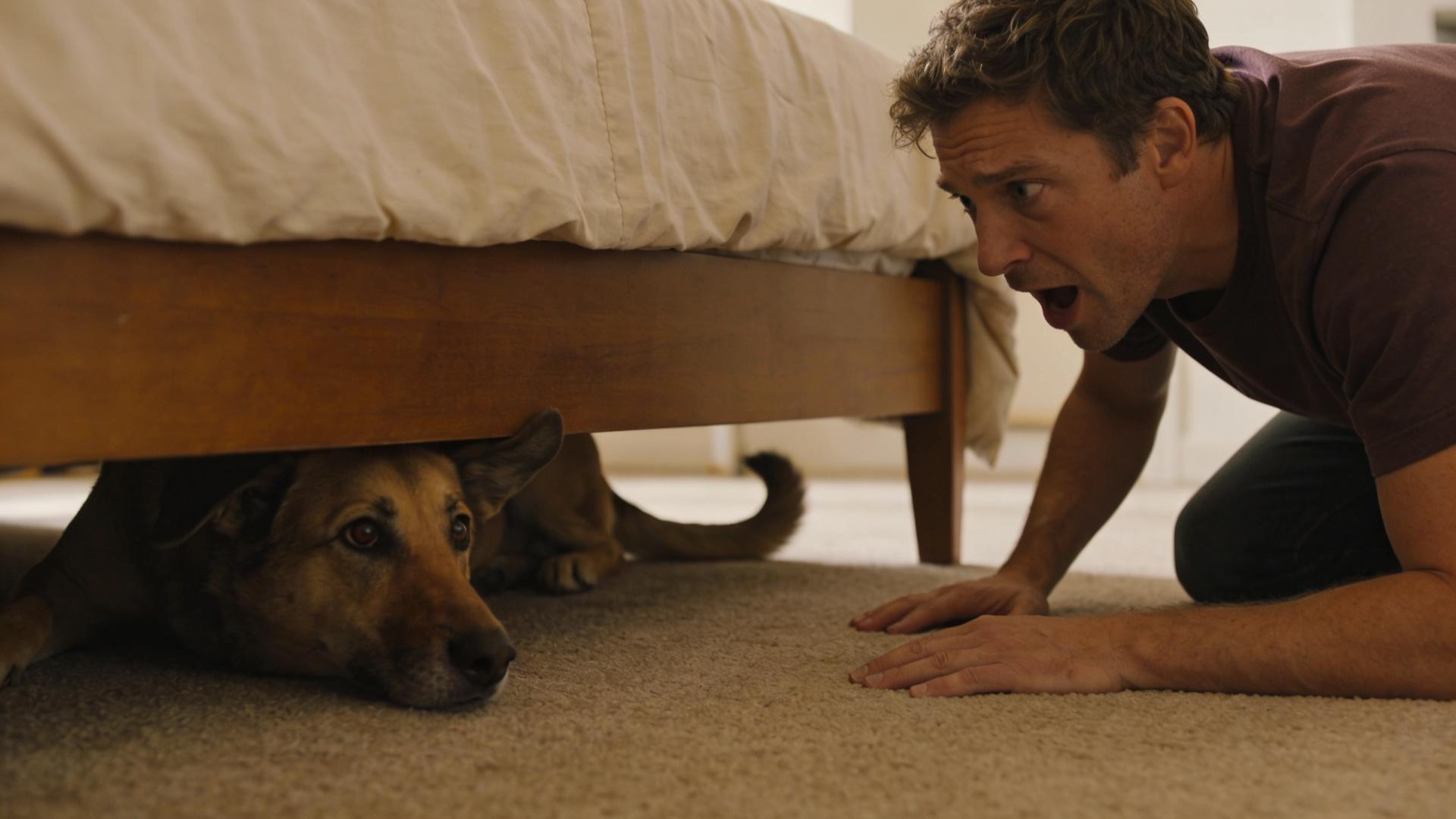
Happy Bath Training: Techniques to Make Your Dog Love Playing in Water and Blow-drying
Does your dog dive under the bed at the mere mention of a bath? You're not alone! But what if bath time could be filled with wagging tails and happy splashes? Welcome to the world of happy bath training—a systematic, positive approach designed to transform grooming from a stressful ordeal into a fun, trust-building activity. This comprehensive guide will equip you with proven techniques to help your dog not only tolerate but genuinely enjoy water and blow-drying. Embracing happy bath time is a game-changer for your dog's health and your peace of mind. Let's turn that fear into fun! 🐾