
You May Have Missed

Long-term bed rest care for paralyzed/weak dogs: prevention of bedsores and cleaning up excrement.
Caring for a canine companion who requires long-term bed rest is one of the most profound expressions of the human-animal bond. Whether due to paralysis, degenerative conditions, surgery, or severe weakness, this journey transforms you into a dedicated nurse, advocate, and source of unwavering comfort. While the path is demanding, a structured, informed approach can prevent complications and ensure your dog’s quality of life remains as high as possible. Two of the most critical and intertwined challenges in this care are preventing painful pressure injuries and managing incontinence with dignity. This comprehensive guide delves into the meticulous, loving routine required to master both.
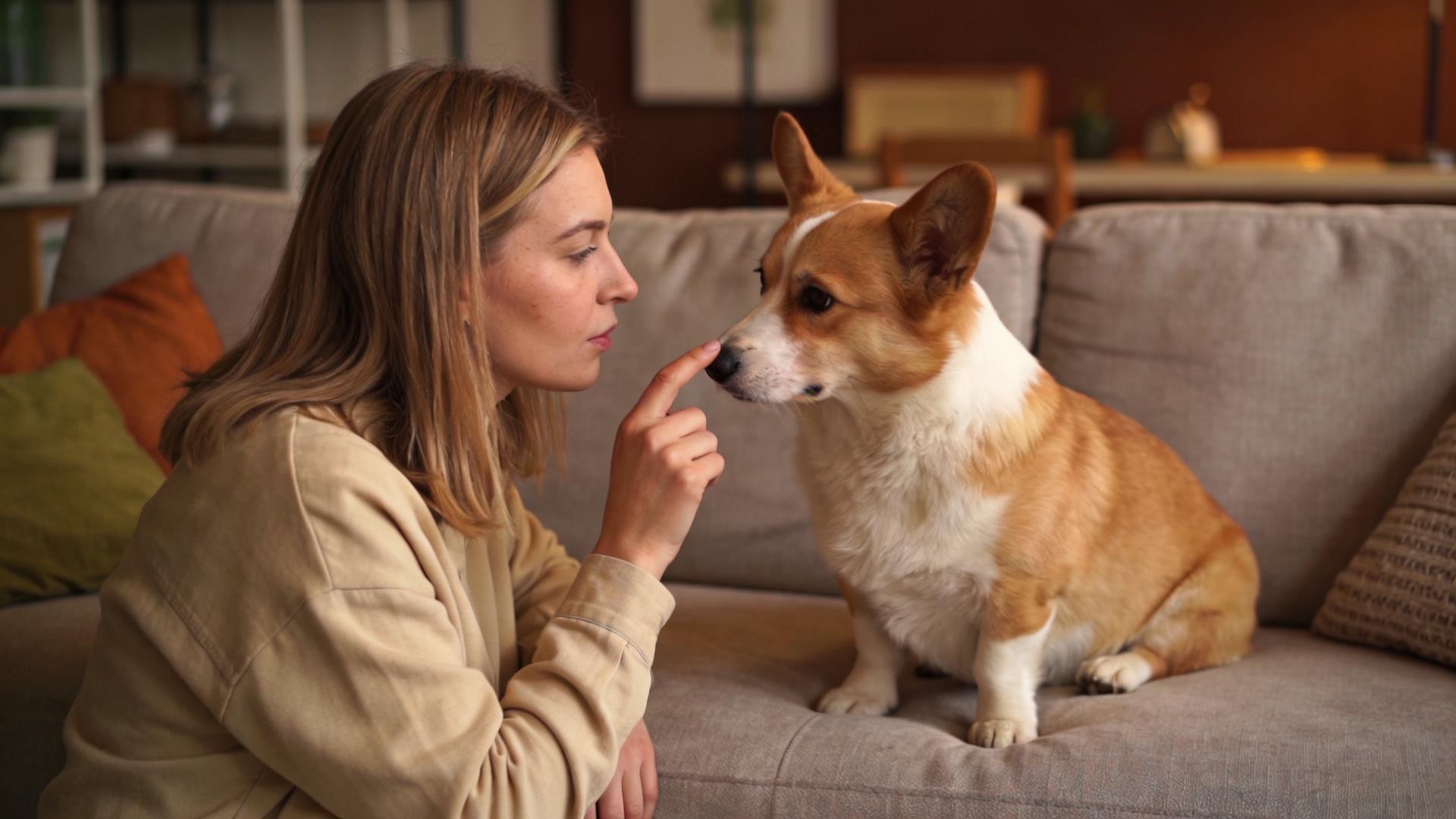
Is your dog's nose dry and faded? Learn how to get a shiny black nose.
As a devoted dog owner, you notice every little detail about your furry friend. So, when that cold, wet nose you love to boop starts feeling dry, rough, or even loses its rich black pigment, it’s natural to feel concerned. You’re not alone. A dry or faded nose is a very common observation, and the good news is that it’s often harmless. However, understanding why it’s happening is the first and most crucial step toward restoring your dog’s nose to its healthy, shiny black dog nose glory. This guide will walk you through the common causes, safe home care strategies, and the clear signs that it’s time to call your vet.
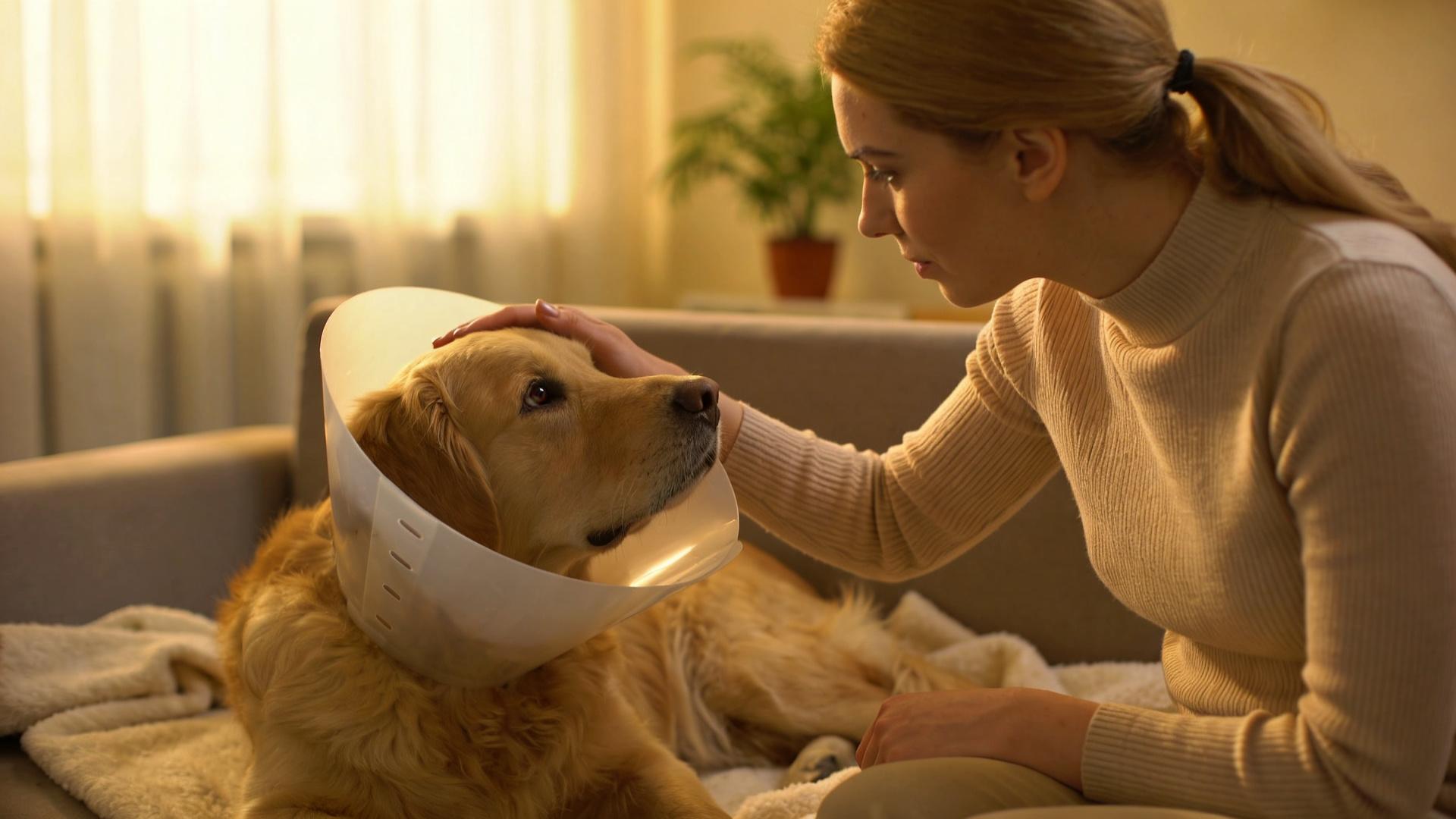
Post-sterilization wound care: Wearing and cleaning an Elizabethan collar (E-ring)
The final stitch is placed, and your beloved canine companion is safely home after their sterilization surgery. While the major procedure is over, the crucial chapter of recovery has just begun. Central to this phase is a simple yet profoundly important device: the Elizabethan collar, or E-collar. Often met with sighs (from both dog and owner), this "cone of shame" is, in reality, a cone of protection and healing. This comprehensive guide delves into the critical why and how of Elizabethan collar use, providing you with the detailed knowledge to navigate your dog's post-operative period with confidence, ensuring their health and comfort.

Dog not cooperating with nail trimming? The whole process of "bloodline" recognition and desensitization training.
For countless dog owners, the simple act of trimming their dog's nails transforms into a high-stakes drama. The frantic scrambling, the desperate hiding under the bed, the pitiful whines, and the occasional snap of fear—it’s a scene played out in homes everywhere. You're not alone in this struggle. Many resign themselves to a lifetime of scratched floors, awkward "click-clack" sounds on tile, and expensive, stressful trips to the groomer. But what if your dog's intense resistance isn't mere stubbornness or a "bad attitude"? What if it's a profound, deep-seated instinct screaming in panic? Understanding this fundamental truth is the pivotal first step away from the battlefield and toward a peaceful, cooperative solution. This guide merges the **science of canine behavior** with a compassionate, step-by-step training protocol to finally make nail care a neutral—or even positive—experience for you and your dog.
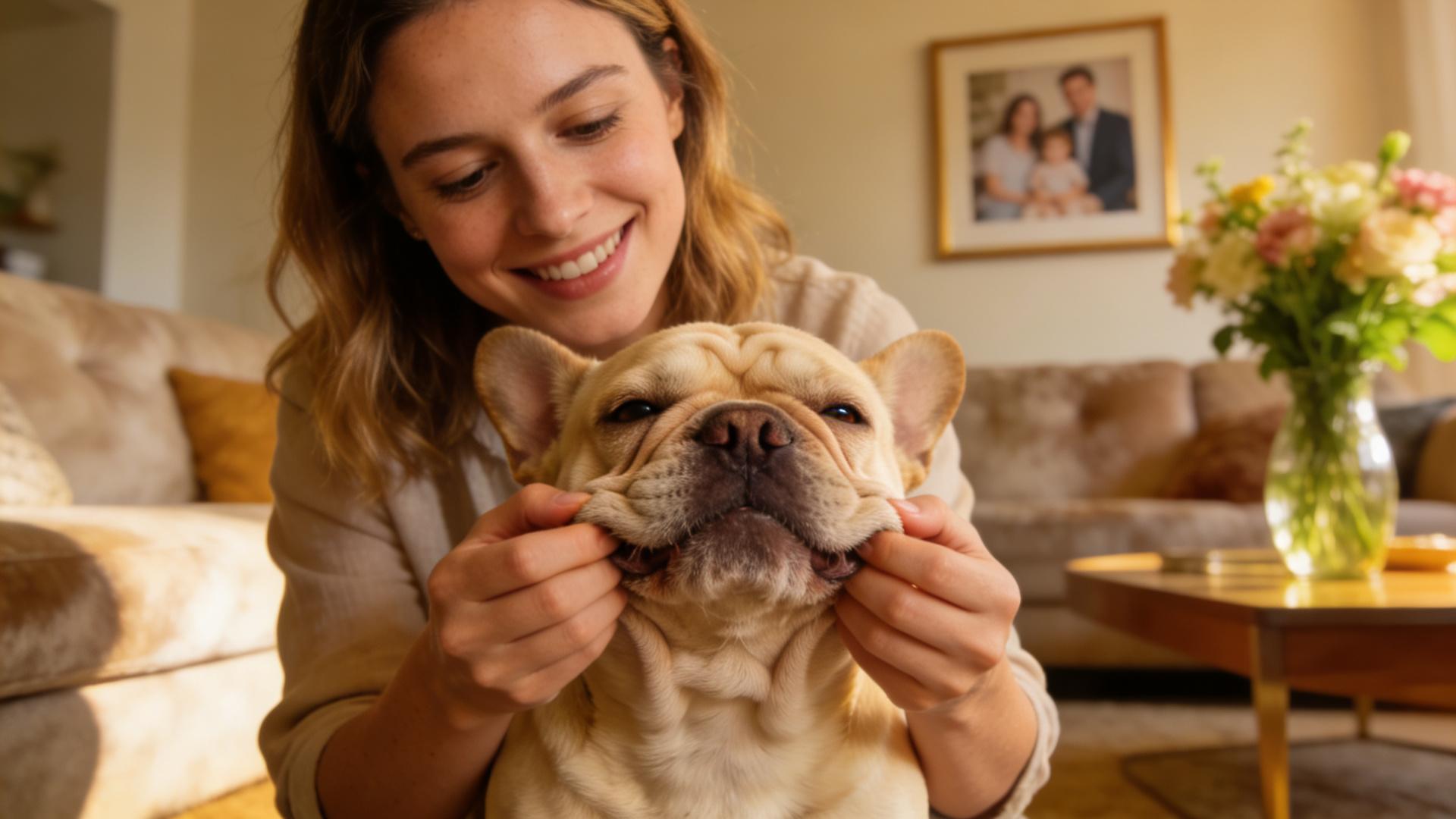
Canine lip fold inflammation care: Cleaning the crevices of brachynose and breeds with large lip folds
For owners of squish-faced companions and dogs with expressive, droopy lips, that adorable face comes with a unique grooming responsibility. The very folds that give breeds like Bulldogs and Spaniels their charming expressions can become a hub for hidden problems. Canine lip fold inflammation, clinically known as lip fold pyoderma or intertrigo, is a common but often overlooked condition. When moisture, food, saliva, and bacteria become trapped in these deep skin crevices, it creates a perfect storm for irritation, infection, and discomfort. Proactive and informed care is not just an aesthetic choice—it's a crucial component of your dog's overall health and wellbeing. This comprehensive guide will walk you through understanding, treating, and preventing this condition, ensuring your furry friend stays happy and comfortable.
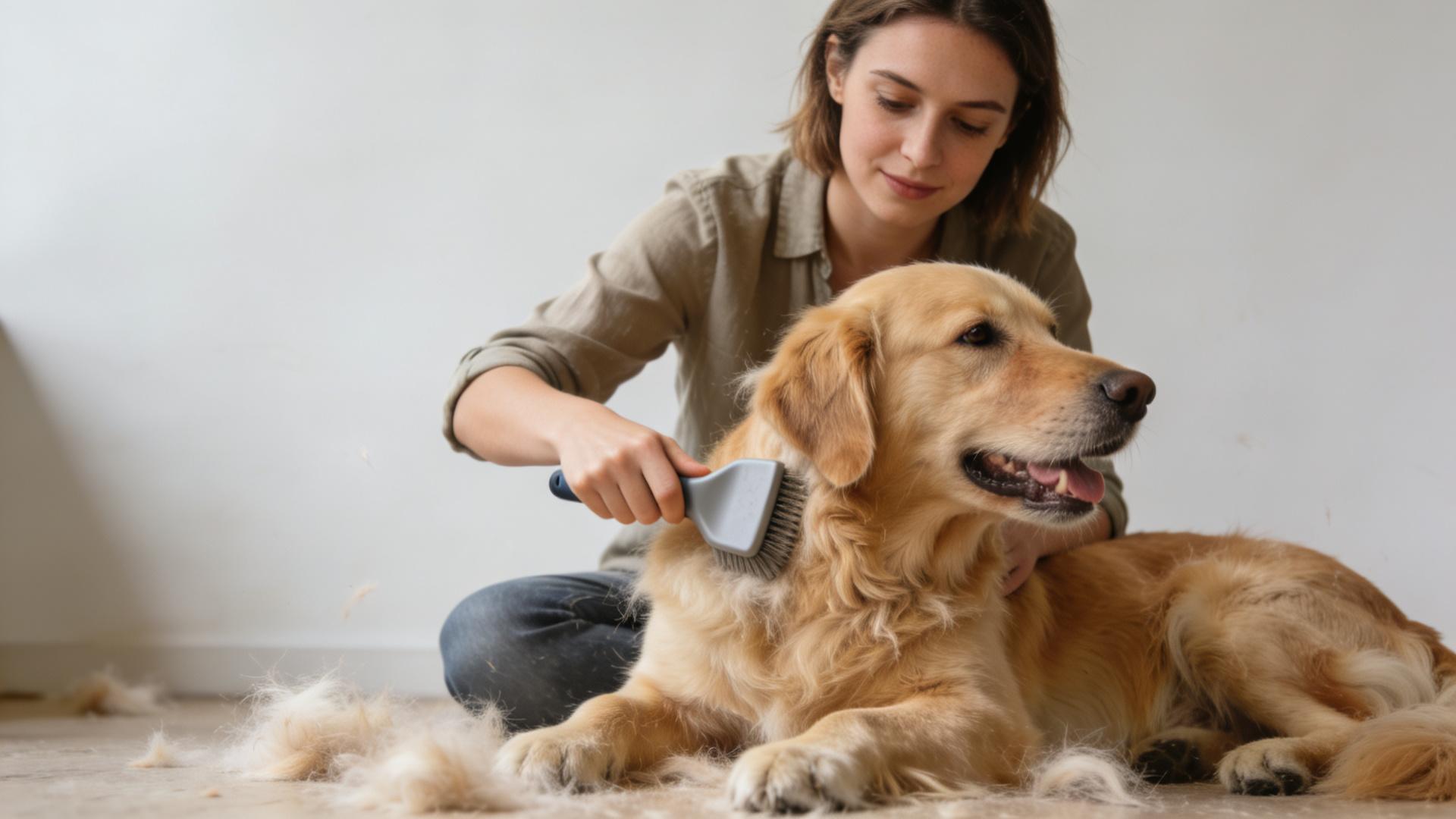
Hair care during the awkward shedding period: Nutritional supplements and grooming suggestions
The sight of tumbleweeds of fur rolling across your floor and the constant presence of dog hair on every dark item of clothing is a universal experience for dog owners. Welcome to the awkward shedding period, a natural but often messy phase in your canine companion's life. This isn't just about aesthetics; it's a biological process where old hair is shed to make way for new growth, regulated by factors like daylight hours (photoperiod) and temperature. Understanding this phase is the first step to transforming a frustrating time into an opportunity for enhanced bonding and superior health for your dog's coat and skin. With a strategic combination of internal nutrition and external grooming, you can successfully navigate this season, resulting in a shinier coat for your pet and a cleaner home for you.