
You May Have Missed

Preventing Puppies from Biting Their Hands and Feet: Correct Feedback for Correcting Puppy Biting
The joy of bringing home a new puppy is often quickly tempered by the sharp pinch of needle-like teeth on your fingers and toes. If you’ve found yourself asking, “Why does my puppy keep biting my hands and feet?” you are absolutely not alone. This is one of the most common and frustrating challenges for new dog owners. However, this behavior is a normal part of canine development, not a sign of an aggressive dog. The key lies in understanding the why behind the bites and implementing a consistent, positive strategy for preventing puppy biting. Timely and correct intervention is crucial for your safety, your puppy’s future social skills, and a harmonious home.
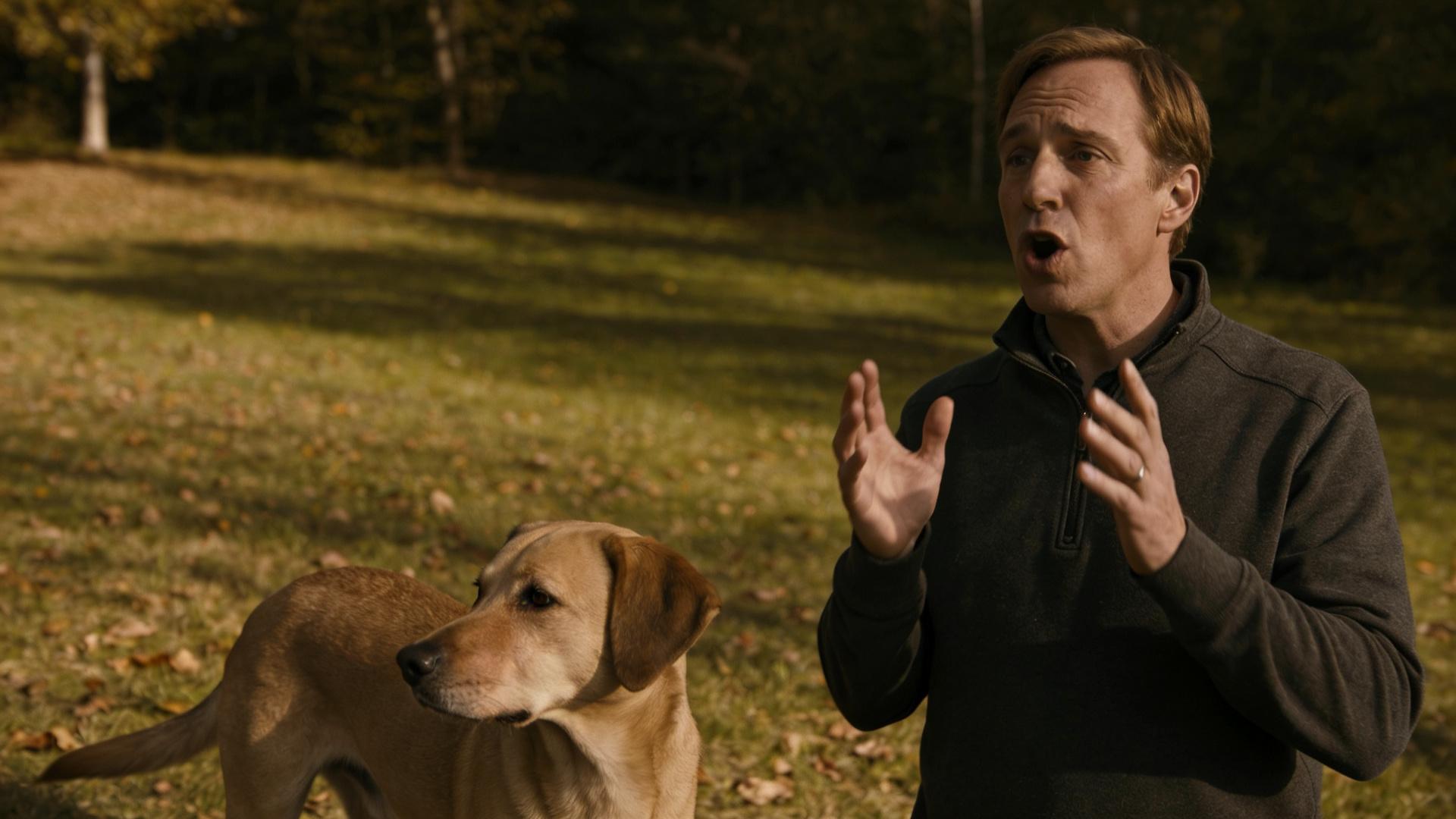
The first "Sit down": How to use gestures to quickly establish command awareness
Welcome, fellow dog lover. If you're standing there, repeating "sit, sit, SIT!" while your dog looks blissfully past you, you're only using half of your communication toolkit. You're speaking, but your dog's native language is visual. This guide will fundamentally transform how you connect with your canine companion, starting with the foundational command: the "sit." We're going beyond the basic verbal cue to unlock the power of silent gestures, building an instant, unwavering layer of command awareness that cuts through noise, distance, and distraction. Let's begin the conversation your dog has been waiting for.

Level 5: Expert Dog Trainer Certification
In the evolving world of canine professions, a title alone is no longer enough. For those dedicated to reaching the zenith of their craft, the pursuit of an expert dog trainer certification is the defining journey. This isn't just another course; it's a rigorous validation of mastery, a globally recognized passport to elite roles, and a solemn commitment to ethical, science-based practice. This comprehensive guide demystifies the pinnacle credentials, such as the CPDT-KA and KPA-CTP, providing you with the roadmap to transform from a competent trainer into a recognized industry authority.
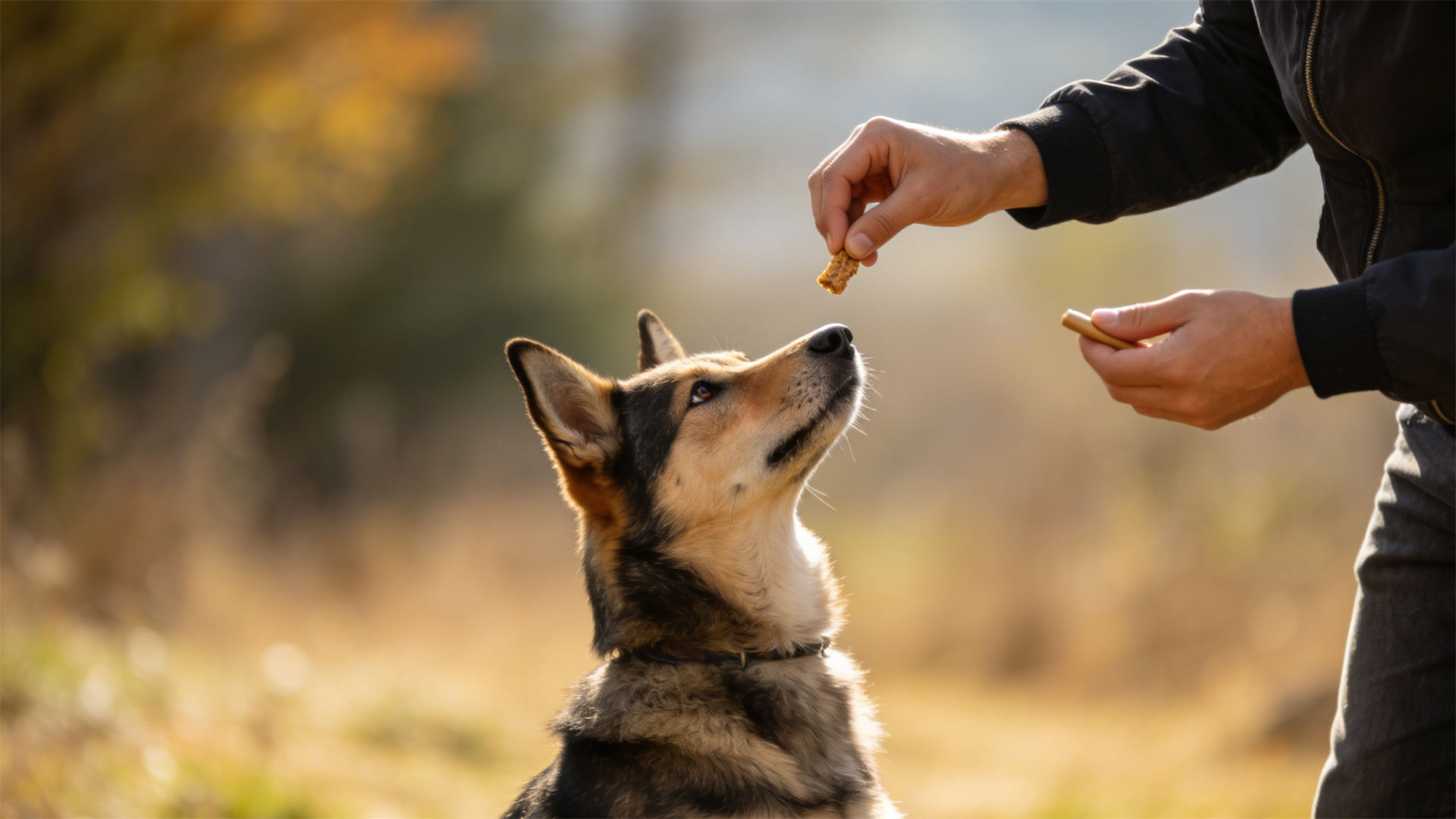
Today's training focus: Clicker method
In the vast world of dog training methodologies, few tools have garnered as much acclaim from professional trainers and pet owners alike as the humble clicker. More than just a noisemaker, the clicker is the cornerstone of a revolutionary approach that emphasizes clarity, mutual respect, and joyful learning. Clicker training for dogs isn't a fleeting trend; it's a scientifically-backed application of operant conditioning that empowers your dog to think and participate actively in their own education. This comprehensive guide will demystify the clicker training method, equipping you with the knowledge and steps to forge a deeper bond and unlock your canine companion's full potential.
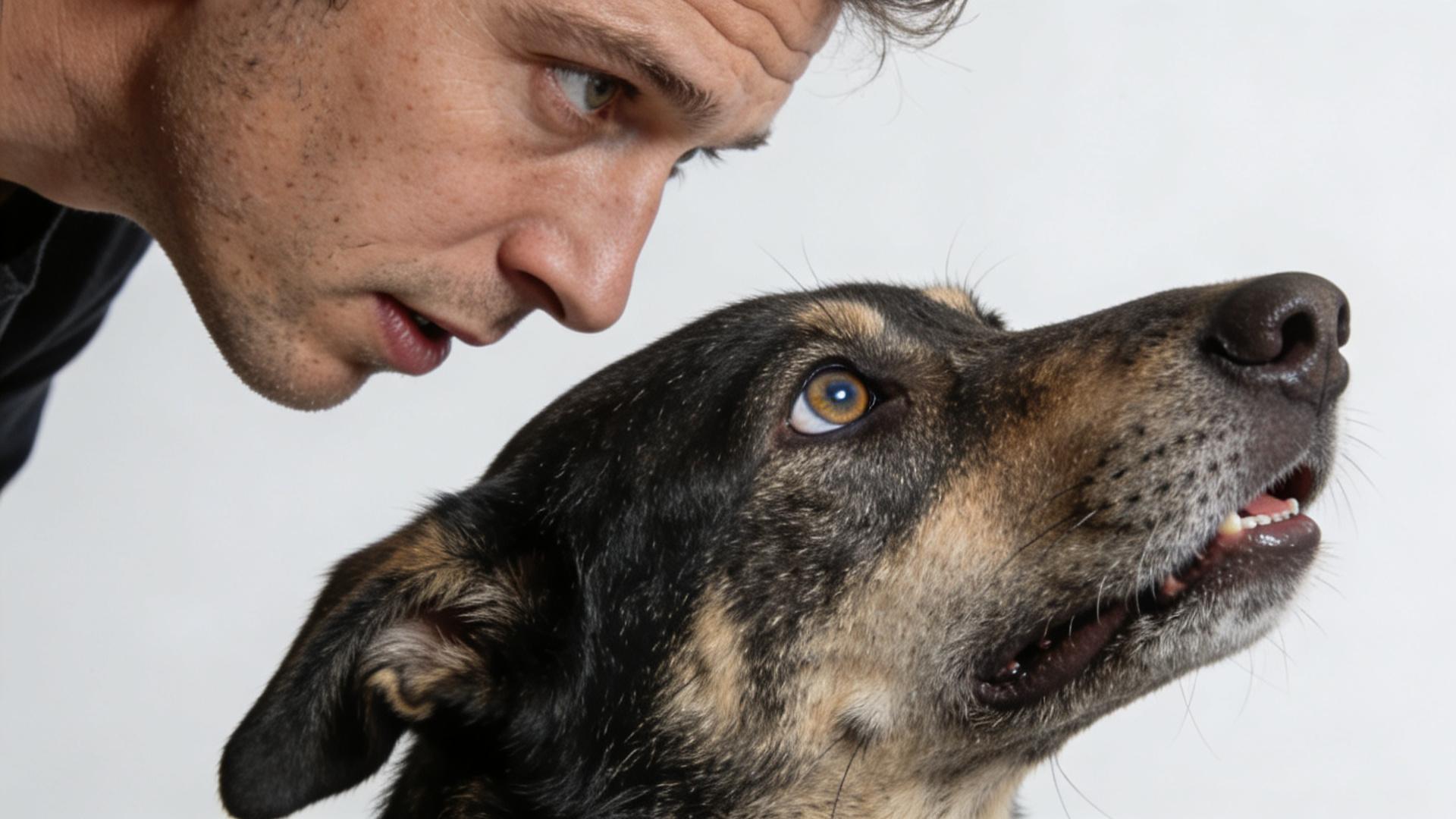
Aggression Prevention: Recognizing 5 Micro-expressions Before a Dog's Attack
In the critical seconds before a dog bite, there is rarely a dramatic growl or a clear snarl. More often, there is a silent, fleeting whisper of tension across the dog's face—a micro-expression that shouts a warning to those who know how to listen. For dog owners, trainers, and anyone who shares their world with canines, learning this silent language is the most powerful tool for aggression prevention. This article will define and detail five critical facial cues that precede an attack. This knowledge is not about fostering fear, but about wielding the proactive power of observation to ensure safety for both humans and dogs.
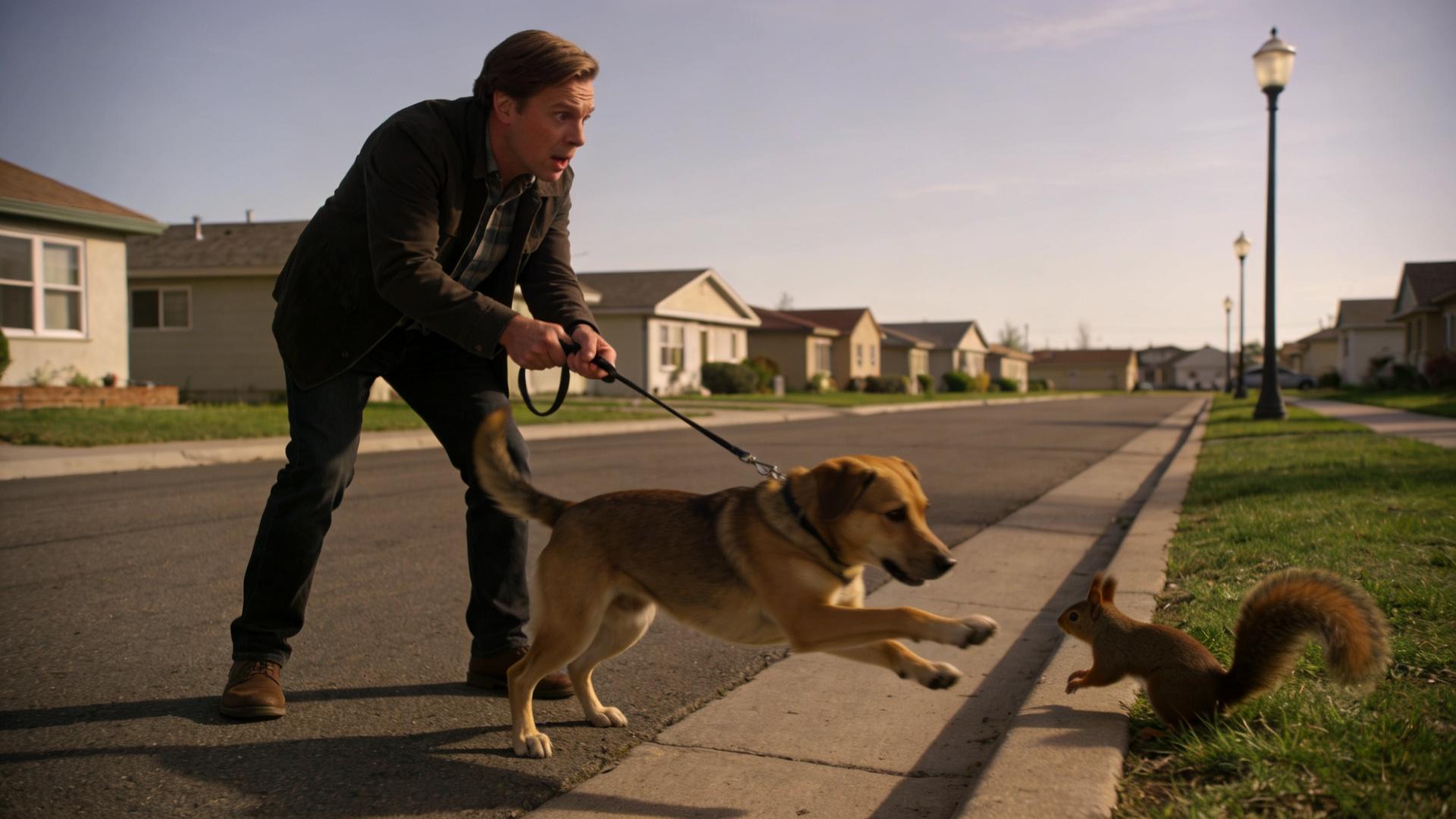
Crossing the road safety training: Do dogs also need to be aware of traffic flow?
As a dog owner, you’ve likely experienced that heart-stopping moment: your dog lunges toward the street, captivated by a squirrel or simply forging ahead without a care. It’s a stark reminder that our canine companions perceive the world—and the dangers within it—differently than we do. This brings us to a critical question: Do dogs also need to be aware of traffic flow? The unequivocal answer is yes. While a dog may never understand a green light, they can and must learn to rely on your cues and exhibit specific, life-saving behaviors near roads. Road safety for canines is not an optional advanced trick; it's a fundamental pillar of responsible pet ownership, especially in our busy urban and suburban landscapes.