
You May Have Missed

Canine Gut Microbiota: The Practical Role of Probiotics and Prebiotics in Improving Soft Stools
If you're here, you've likely been on the less glamorous end of dog ownership. You're not just a pet parent. You're a poop detective. The sight of a soft, unformed stool where a firm, healthy one should be is a common but frustrating concern. Before you spiral into worry about serious illness or dietary dead-ends, take a deep breath. More often than not, the answer lies not in a dramatic medication, but in the microscopic world within your dog's digestive tract. The solution is often about nurturing balance. This article will guide you through the practical, actionable science of your dog's gut health. We will demystify the canine gut microbiota and explain exactly how two powerful tools—probiotics and prebiotics—can work together to transform your dog's digestion and finally firm up those stools.
Early warning of infectious diseases
For every dog owner, the bond with their furry companion is built on love, trust, and a deep-seated responsibility for their health. Infectious diseases pose a silent but significant threat, capable of escalating from mild discomfort to life-threatening emergencies with alarming speed. Early detection is not just beneficial; it is critical. Recognizing the subtle, initial signs of illness can drastically improve treatment outcomes, reduce suffering, and prevent the spread to other animals. This comprehensive guide empowers you to become your dog's first and most important health advocate, detailing the key early warning signs you must monitor and providing actionable insights for superior canine care.
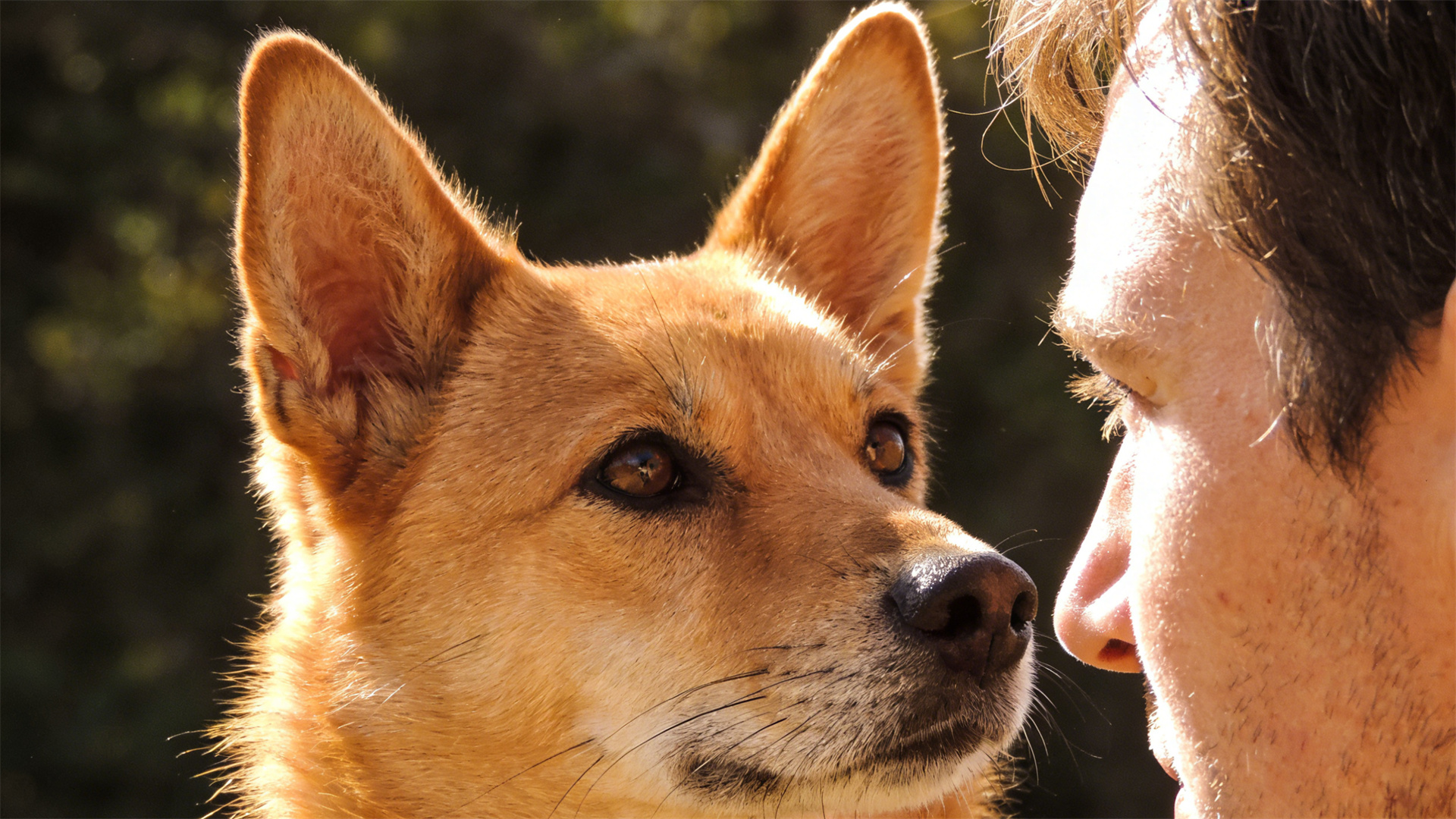
A dog's ability to sense its owner's emotions: Your stress is subtly being transmitted to it.
Have you ever collapsed on the couch after a grueling day, only to have your dog immediately lay its head on your lap with a soft sigh? Or perhaps you've noticed a spike in your dog's nervous energy during a period of personal tension or anxiety. This is not a coincidence. The bond between a dog and its owner is profound, built on millennia of co-evolution and daily companionship that goes far beyond the transactional nature of food and walks. Modern science now confirms what devoted pet lovers have always felt in their hearts: our dogs are deeply, intrinsically attuned to our emotional states. Your stress, often without a single word spoken, is being perceived, interpreted, and even felt by your canine companion.
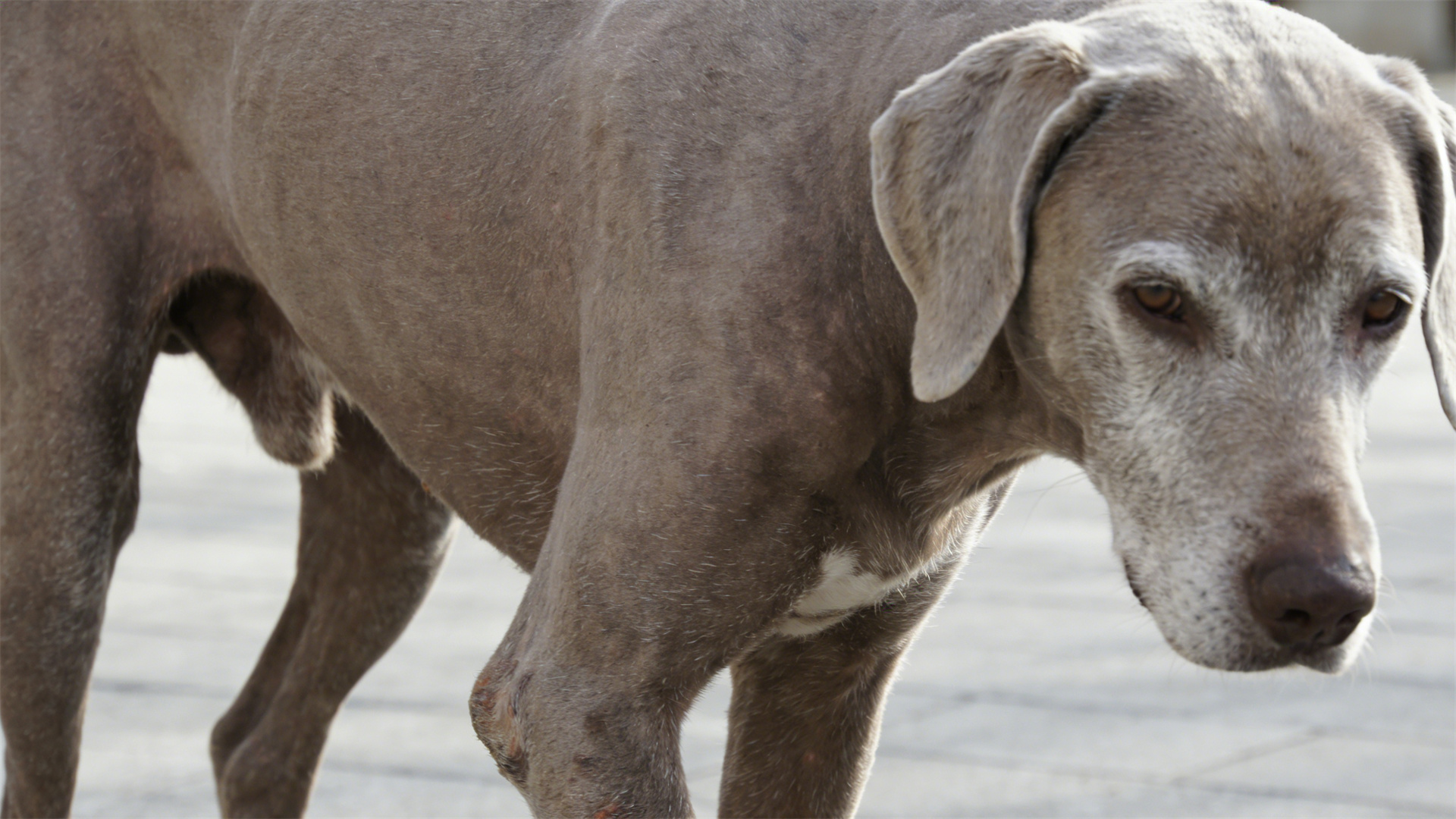
Glucosamine and Chondroitin: The Starting Point for Joint Protection in Large Dogs
Watching your gentle giant struggle to rise from a nap, or hesitate before a short flight of stairs, is a heart-wrenching experience for any large dog owner. The reality is that joint health is one of the most critical, yet vulnerable, aspects of a big breed's well-being. From playful Great Dane puppies to dignified senior Mastiffs, the immense weight and rapid growth that characterize these magnificent animals place unparalleled stress on their joints. This article serves as your comprehensive starting point, delving into the world of glucosamine and chondroitin—the cornerstone supplements for proactive joint protection for large dogs. We'll cut through the confusion, providing you with expert-backed, practical knowledge to help your canine companion move with comfort and confidence throughout every stage of life.

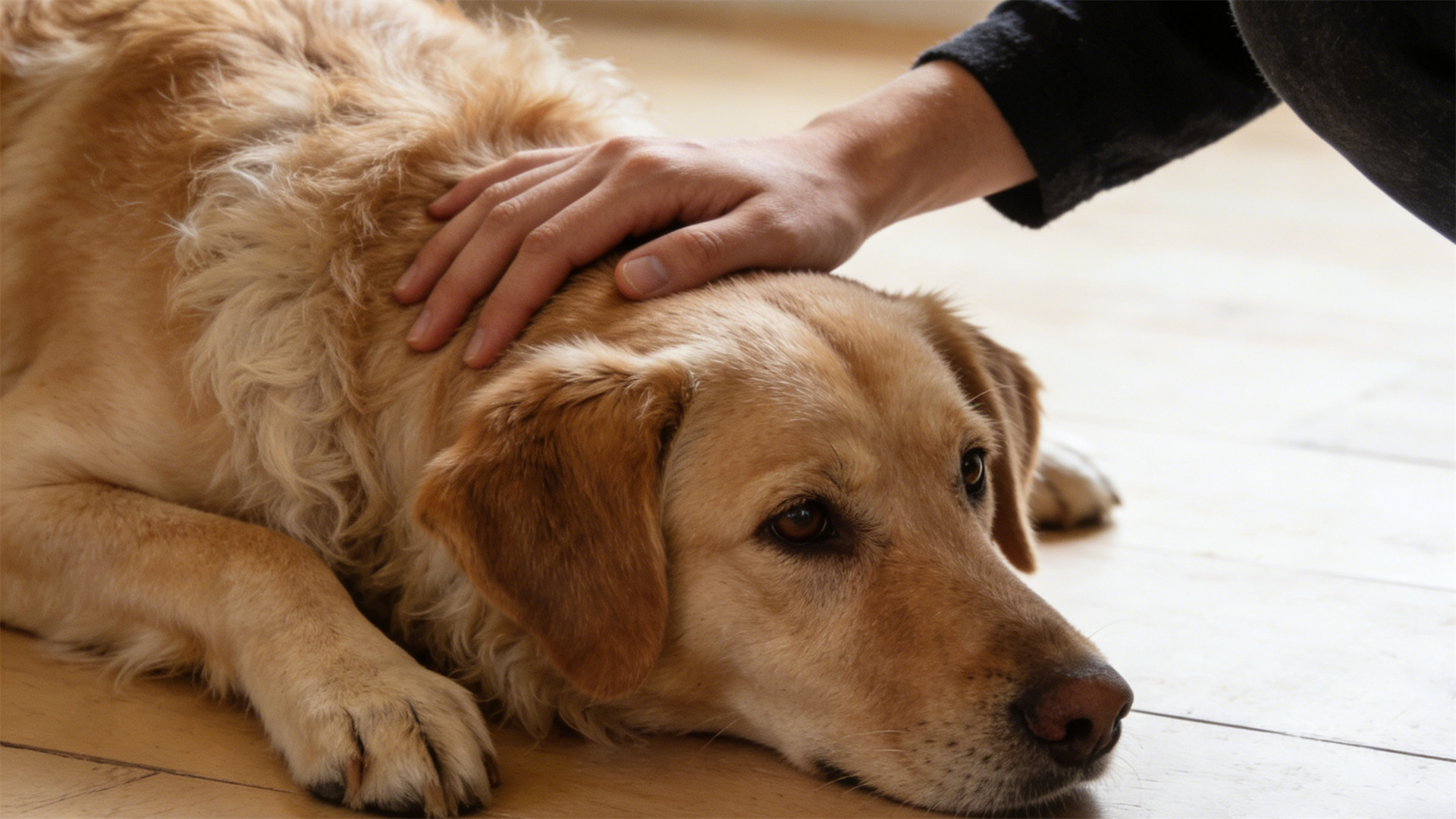
Do dogs suffer from PTSD? Understanding the psychological rebuilding process after abuse or homelessness.
For anyone who has welcomed a rescue dog into their home, witnessed a formerly confident pup become fearful after an accident, or simply looked into the eyes of a dog with a mysterious past, a poignant question often arises: Can dogs experience something akin to our human Post-Traumatic Stress Disorder? The answer, resoundingly supported by veterinary behaviorists and modern science, is yes. Canine PTSD is a very real, diagnosable, and treatable condition. Dogs who have endured profound trauma—be it abuse, neglect, a violent attack, a natural disaster, or the relentless stress of homelessness—can bear lasting psychological wounds. Understanding this reality is not an exercise in anthropomorphism; it is the crucial first step toward providing the compassionate, informed care these resilient animals need. This comprehensive guide will delve into the signs of canine PTSD, explore the roots of trauma, and most importantly, map out the patient, nuanced journey of psychological rebuilding. $image$
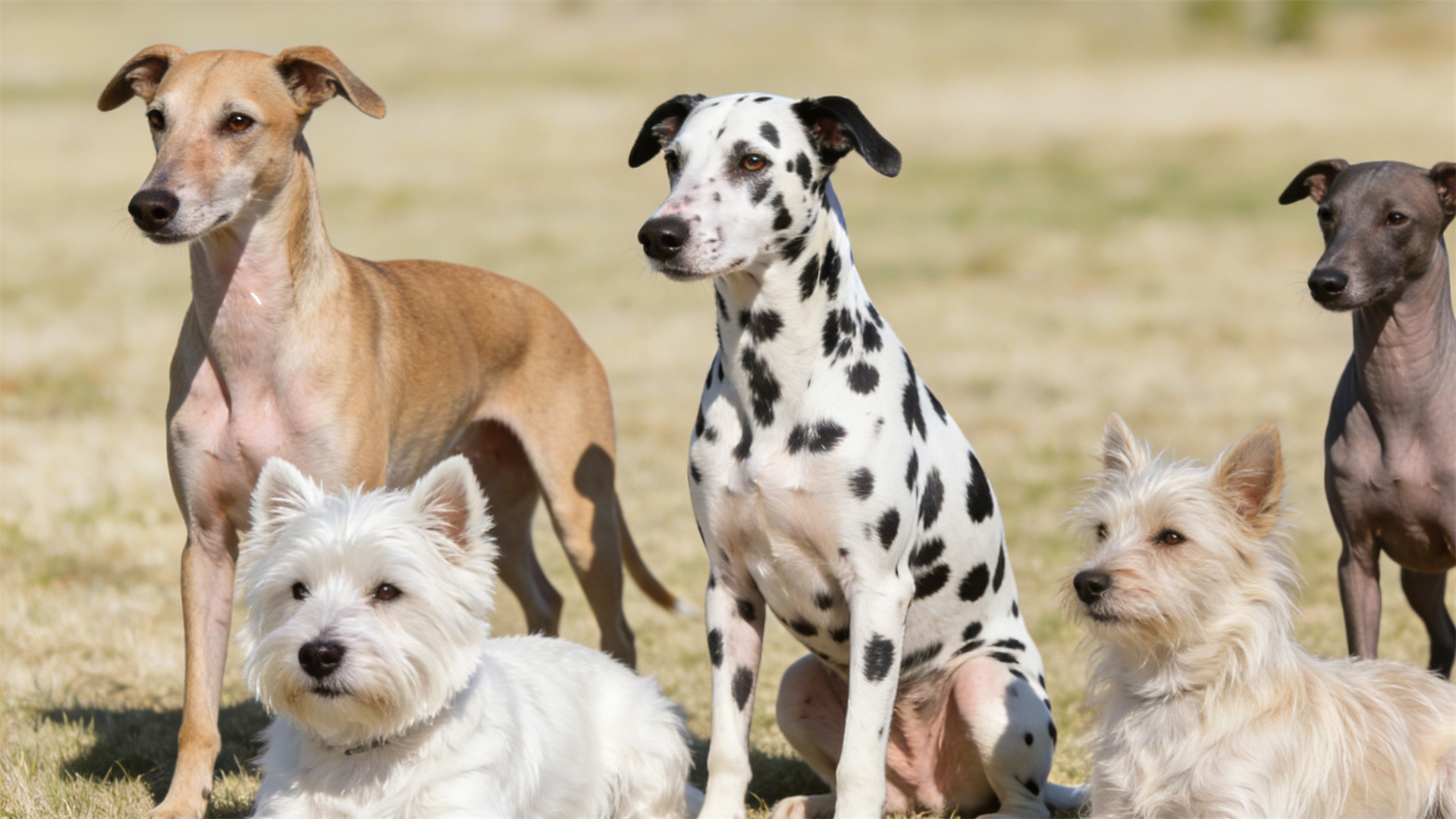
Dog sun protection information: How to prevent skin cancer during outdoor activities in summer?
The sun is shining, the trails are calling, and your canine companion is eagerly waiting by the door. Summer is the season for adventure, but as responsible pet parents, we often lather ourselves in sunscreen while overlooking a critical danger for our four-legged friends. The sun's powerful ultraviolet (UV) rays pose a significant threat to your dog's health, capable of causing painful sunburns and, more alarmingly, increasing the risk of developing skin cancers. Proactive, informed sun protection is not an optional extra—it's an essential component of modern, preventative canine healthcare. This comprehensive guide will equip you with the knowledge and strategies to safeguard your dog, ensuring your summer memories are filled with nothing but joy and good health.