
You May Have Missed
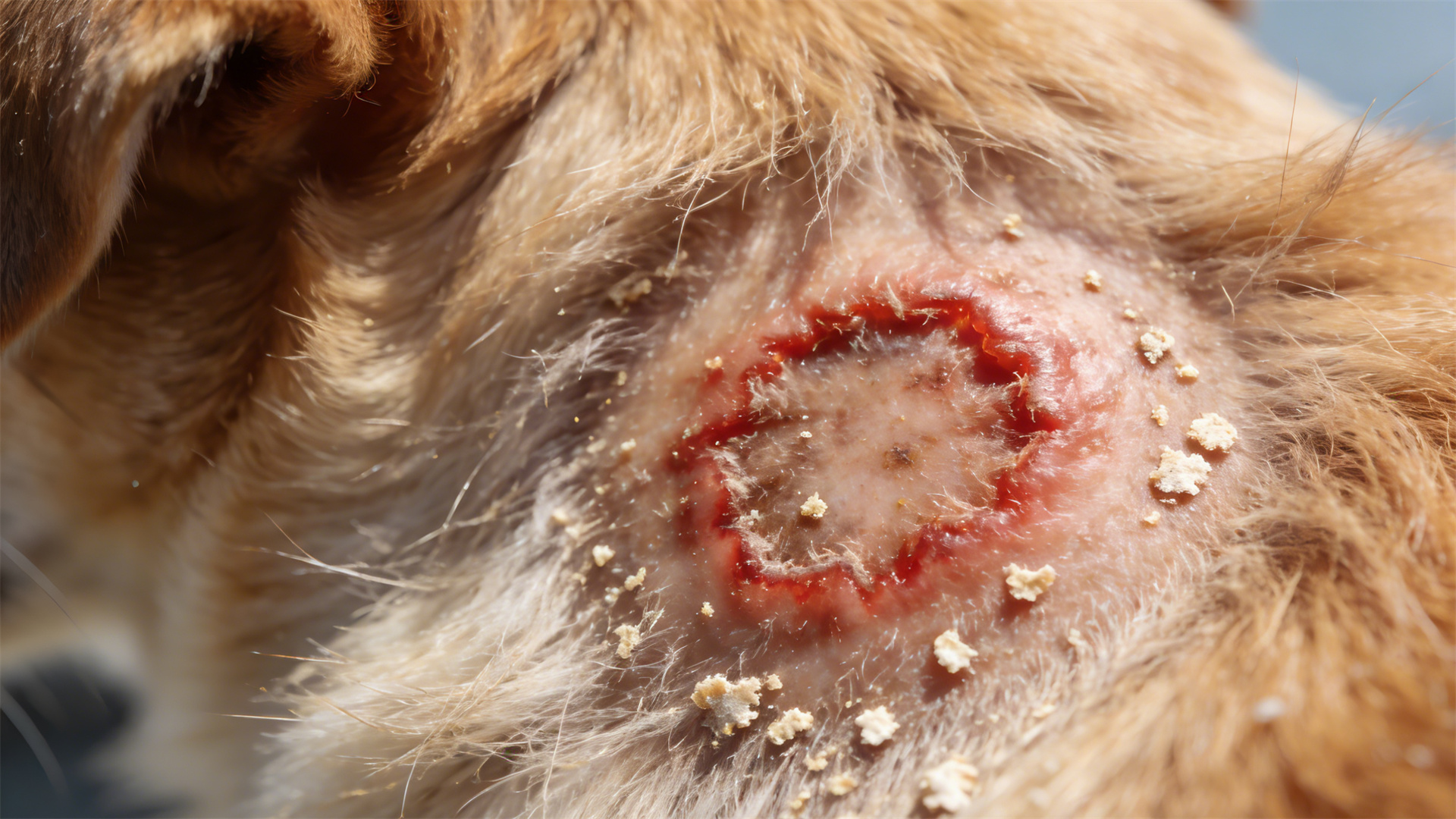
The "detective" approach to canine skin diseases: differentiating between fungal, bacterial, and allergic dermatitis.
As a seasoned content creator and SEO expert in canine care, I know that understanding your dog's skin issues is like solving a complex mystery. 🕵️♂️ Your dog can't tell you what's wrong, and the symptoms—itching, redness, hair loss—often look frustratingly similar. But just like a skilled detective, you can learn to gather clues, examine evidence, and narrow down the suspects. This comprehensive guide will empower you to become a "skin detective" for your furry friend, learning to differentiate between the three most common culprits: fungal, bacterial, and allergic dermatitis. Remember, while this information is an invaluable tool for observation and communication, always consult your veterinarian for a definitive diagnosis and treatment plan. Your vet is the forensic lab and the chief inspector rolled into one.
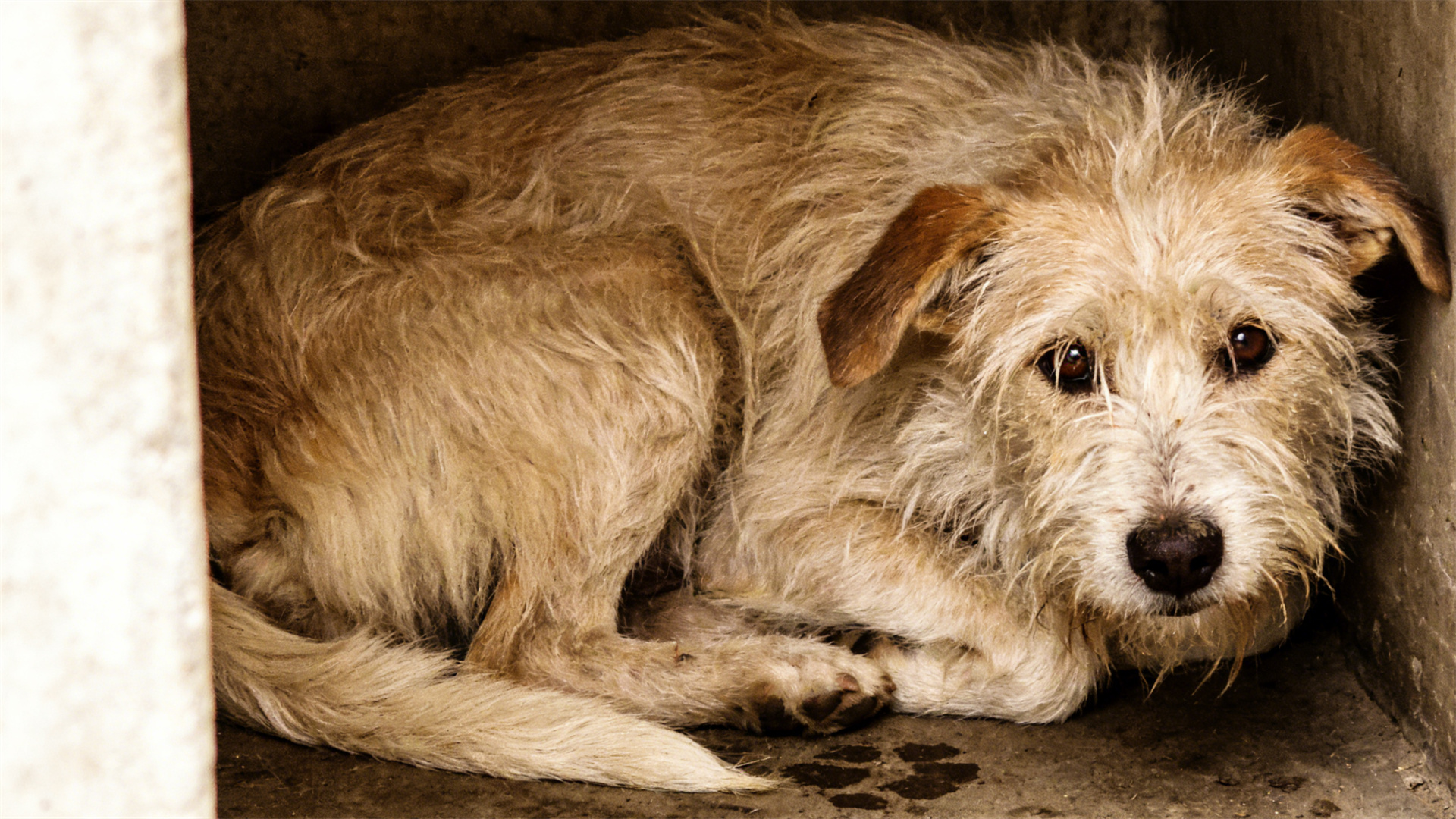
Physiological manifestations of separation anxiety: How chronic stress damages a dog's immune system
You notice the shredded couch cushion, the anxious whining as you grab your keys, the frantic greeting when you return—even from a quick grocery run. Most dog owners recognize these as classic signs of separation anxiety. But what many fail to see is the invisible, internal storm brewing beneath the surface. This isn't just a behavioral issue; it's a profound physiological crisis that systematically dismantles your dog's health from the inside out. The chronic stress of separation anxiety doesn't just hurt your dog's feelings; it inflicts measurable, long-term damage to your dog's immune system, opening the door to a host of serious illnesses. Understanding this link is the first, most critical step in protecting your loyal companion's long-term vitality.
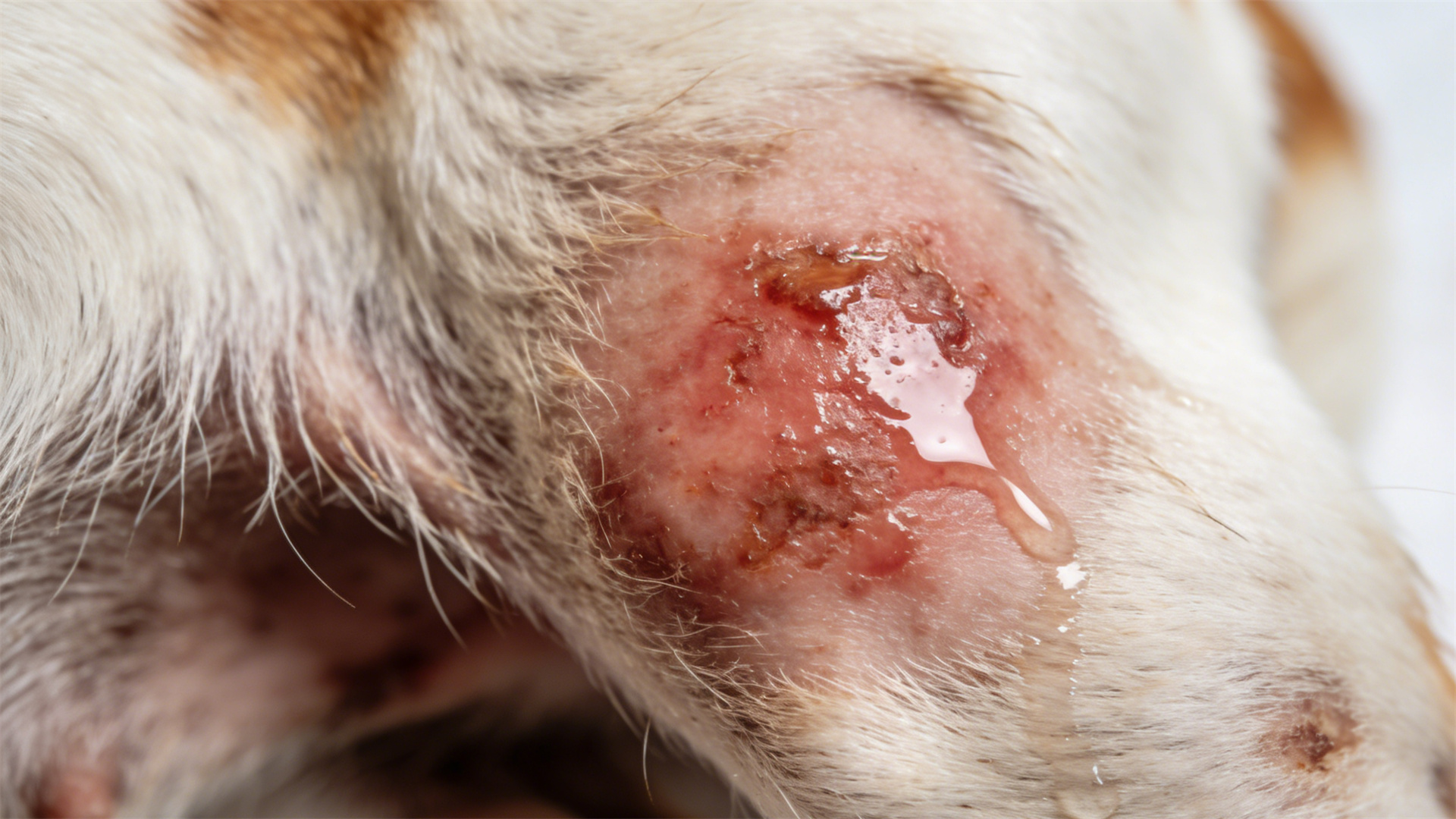
Health risks after getting wet in the rain: eczema, colds, and the details of drying your skin.
The joyous, muddy puddle jump, the enthusiastic sprint through a downpour—for many dogs, rainy weather is just another exciting element of their outdoor adventure. However, as they shake off in your hallway, a hidden process begins. That sodden coat isn't just an inconvenience; it's a potential gateway to a range of health issues that can dampen your canine companion's spirits far more than the weather. For the responsible pet owner, understanding the health risks posed by lingering moisture and mastering the art of proper drying are not just chores, but critical acts of preventative healthcare. This comprehensive guide delves into the science behind the risks, from the itchy menace of canine eczema to the sneezes of a dog cold, and provides an exhaustive, step-by-step protocol to ensure your dog is truly dry, safe, and comfortable after every wet outing.
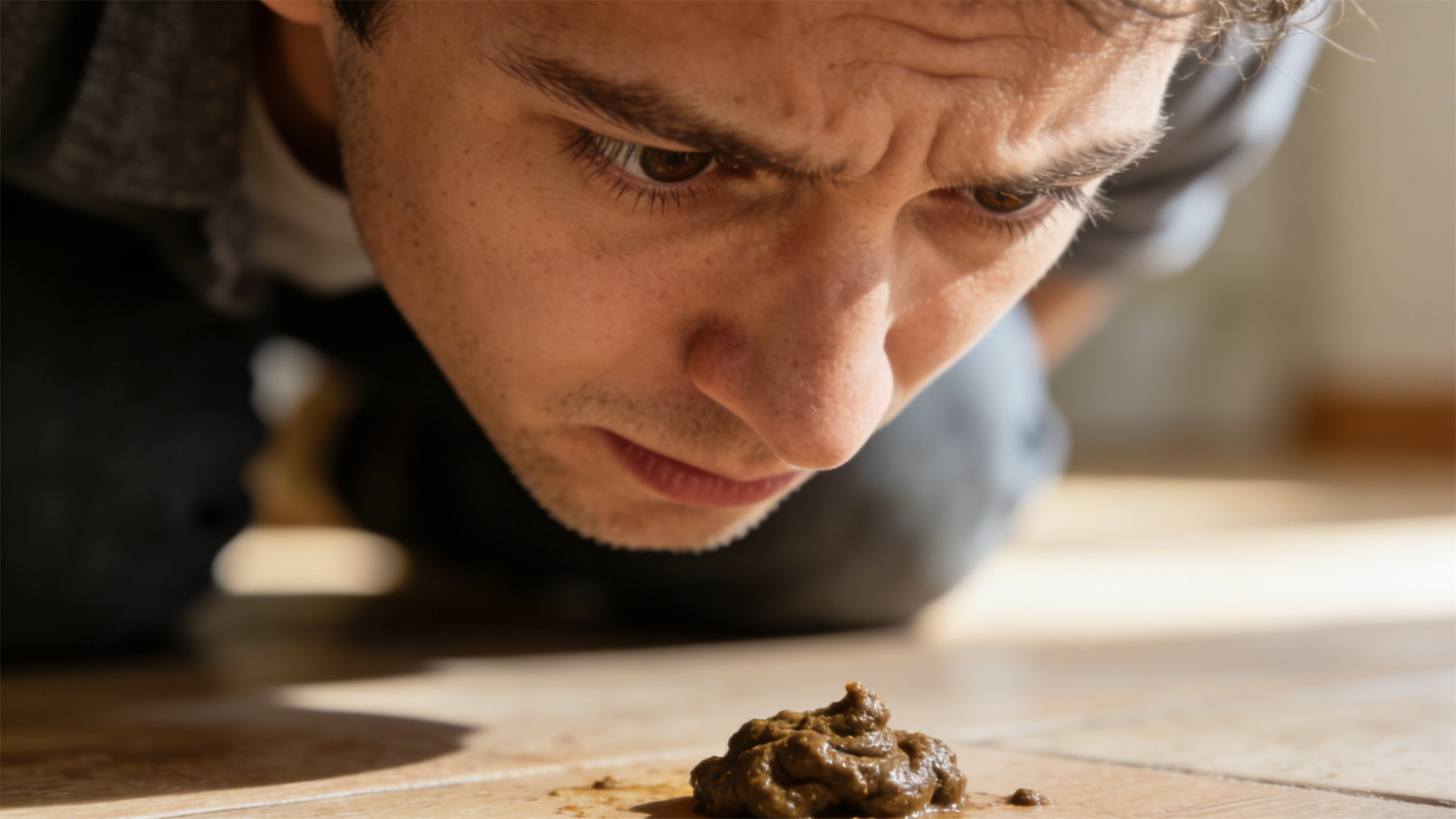
Diarrhea classification in dogs: When can I give them probiotics, and when is it necessary to seek veterinary care?
If you’re a dog owner, you’ve almost certainly faced the unpleasant sight and worrying scenario of your canine companion having a bout of diarrhea. It’s one of the most common health issues presented to veterinarians, yet it can range from a minor, self-limiting tummy grumble to a critical symptom of a life-threatening condition. The pivotal question in that anxious moment is: “Do I manage this at home, or is this a veterinary emergency?” The answer lies not in a one-size-fits-all approach, but in mastering the art of classification. By learning to accurately classify your dog's diarrhea, you become empowered to choose the correct path—whether that's supportive home care with probiotics or seeking immediate professional veterinary intervention. This guide will equip you with the knowledge to make that critical distinction.
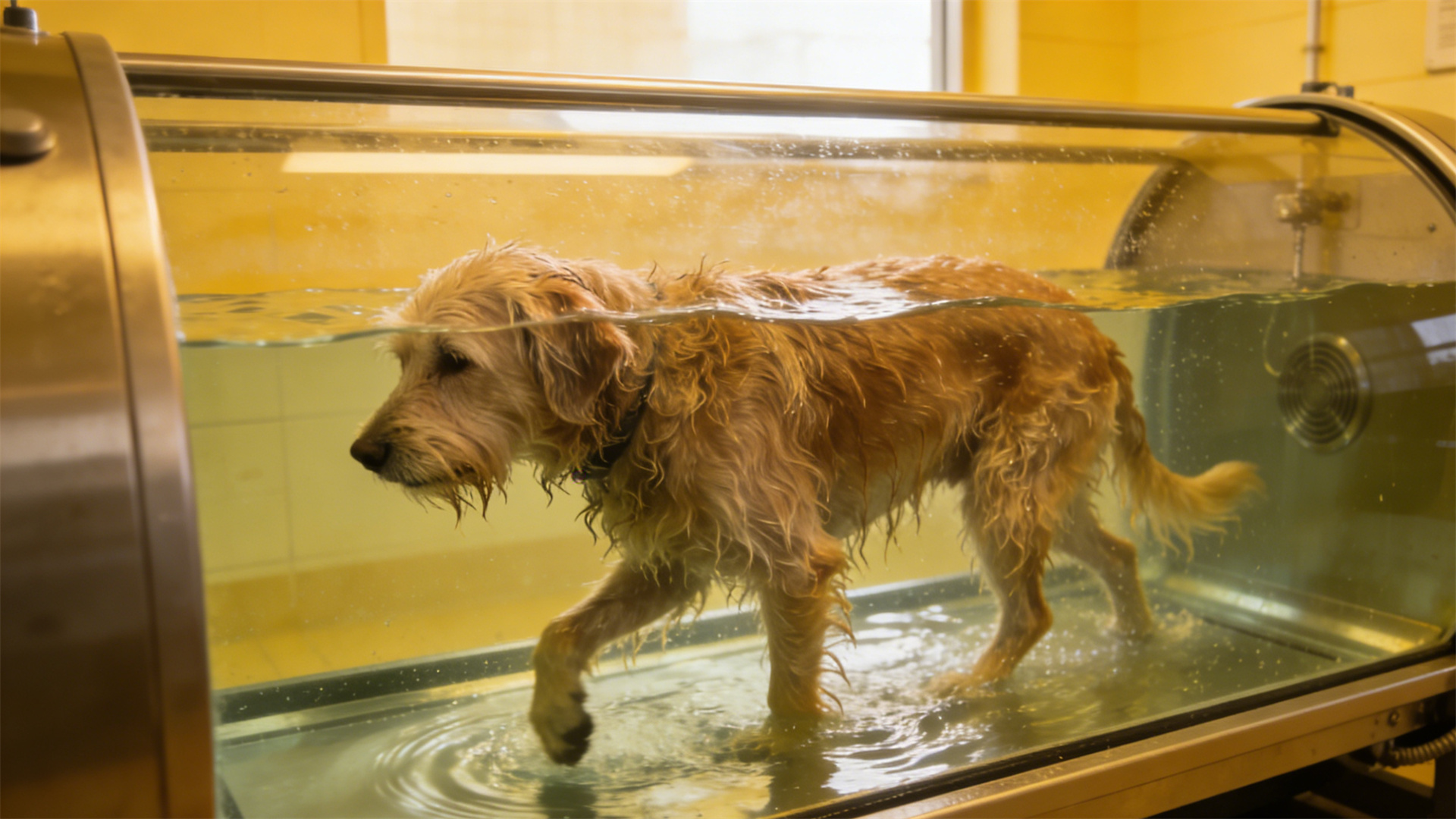
Gentle exercise: Indoor water treadmill rehabilitation program suitable for senior dogs
The golden years with a senior dog are a precious time, filled with shared memories and a deepened bond. As our canine companions age, we naturally seek ways to keep them comfortable, mobile, and engaged with life. Witnessing a once-sprightly dog slow down due to arthritis, muscle loss, or general stiffness can be heart-wrenching for any pet owner. The desire to help is strong, yet the fear of causing further injury with traditional exercise is real. This is where modern veterinary rehabilitation offers a transformative solution: the indoor water treadmill program. Tailored specifically for the needs of aging canines, this therapy provides a gateway to gentle exercise, pain relief, and improved quality of life. This comprehensive guide will explore the profound benefits, practical process, and hopeful future of indoor water treadmill rehabilitation for your cherished senior dog.
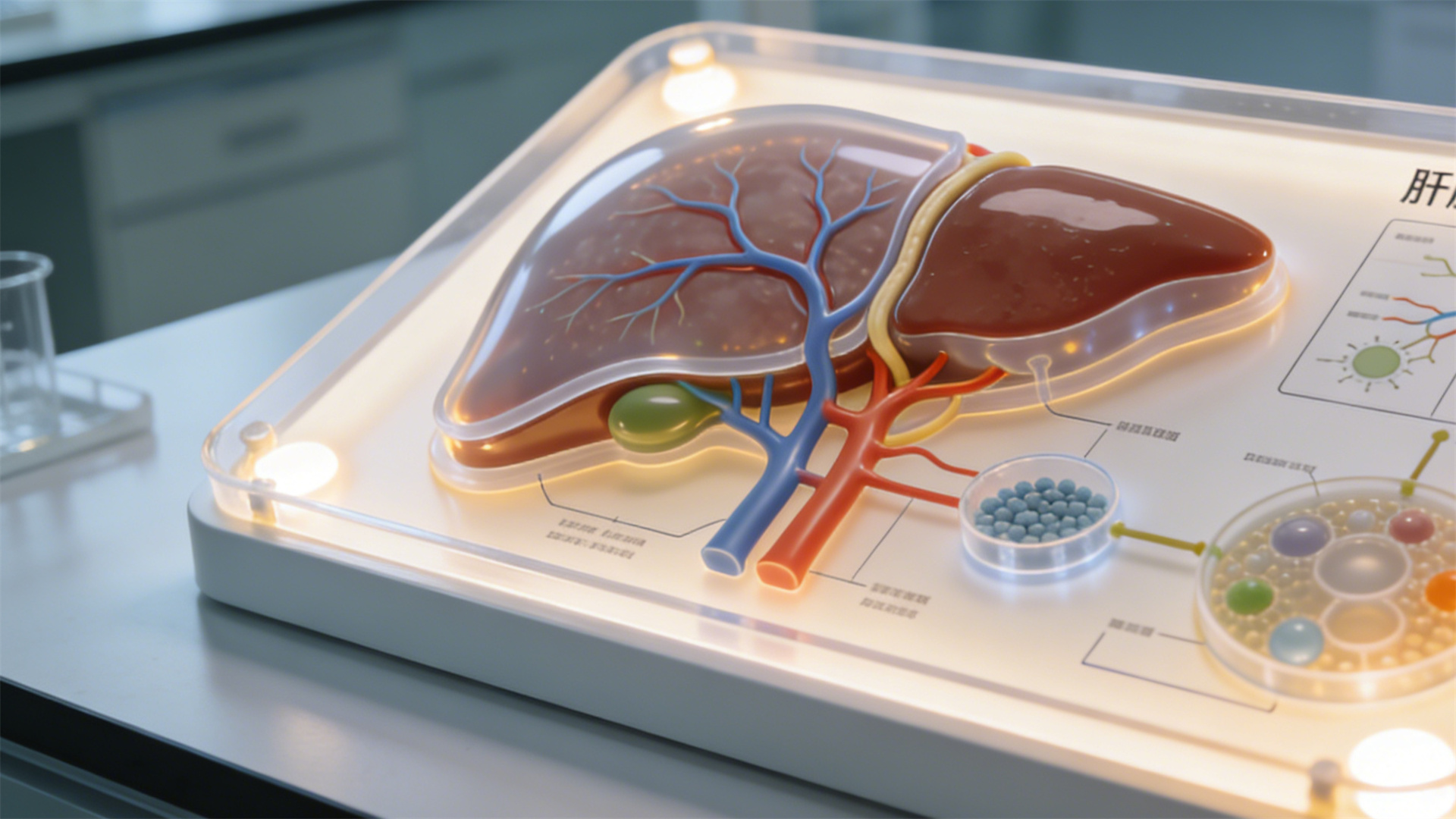
Metabolic stress of deworming medication: How to find a balance between high-frequency deworming and liver protection
As a devoted dog owner, you know that parasite prevention is a non-negotiable pillar of responsible pet care. The image of a healthy, playful pup is one free from the burden of internal worms. But in our quest to protect them, could we be inadvertently stressing another vital system? The very medications designed to safeguard our dogs must be processed by their bodies, primarily through the liver. This creates a scenario of metabolic stress—a hidden cost that demands our attention. This article delves into the science behind this process, explores the debate on deworming frequency, and provides a practical roadmap to balance effective parasite control with robust liver protection for dogs.