
You May Have Missed
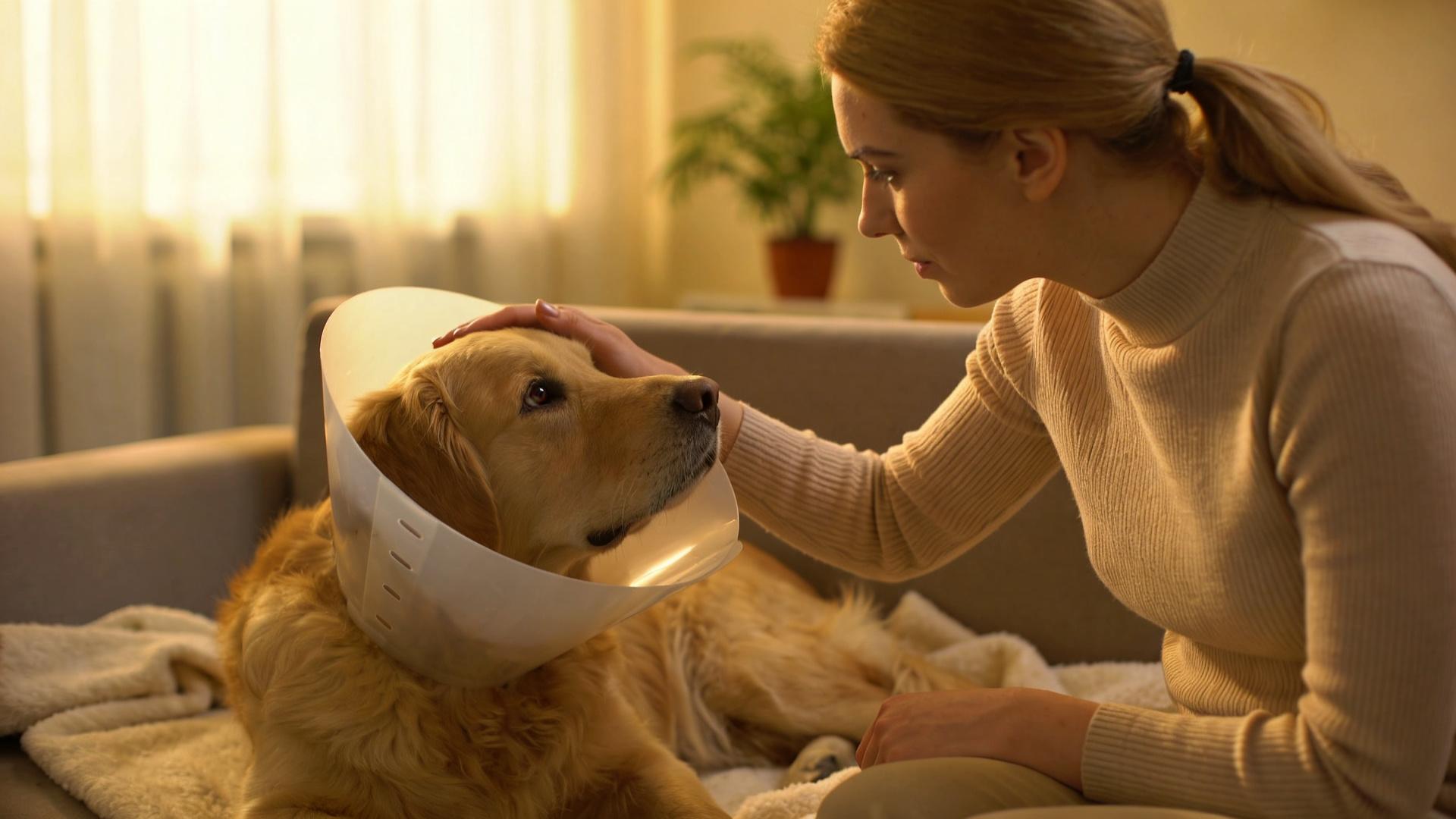
Post-sterilization wound care: Wearing and cleaning an Elizabethan collar (E-ring)
The final stitch is placed, and your beloved canine companion is safely home after their sterilization surgery. While the major procedure is over, the crucial chapter of recovery has just begun. Central to this phase is a simple yet profoundly important device: the Elizabethan collar, or E-collar. Often met with sighs (from both dog and owner), this "cone of shame" is, in reality, a cone of protection and healing. This comprehensive guide delves into the critical why and how of Elizabethan collar use, providing you with the detailed knowledge to navigate your dog's post-operative period with confidence, ensuring their health and comfort.
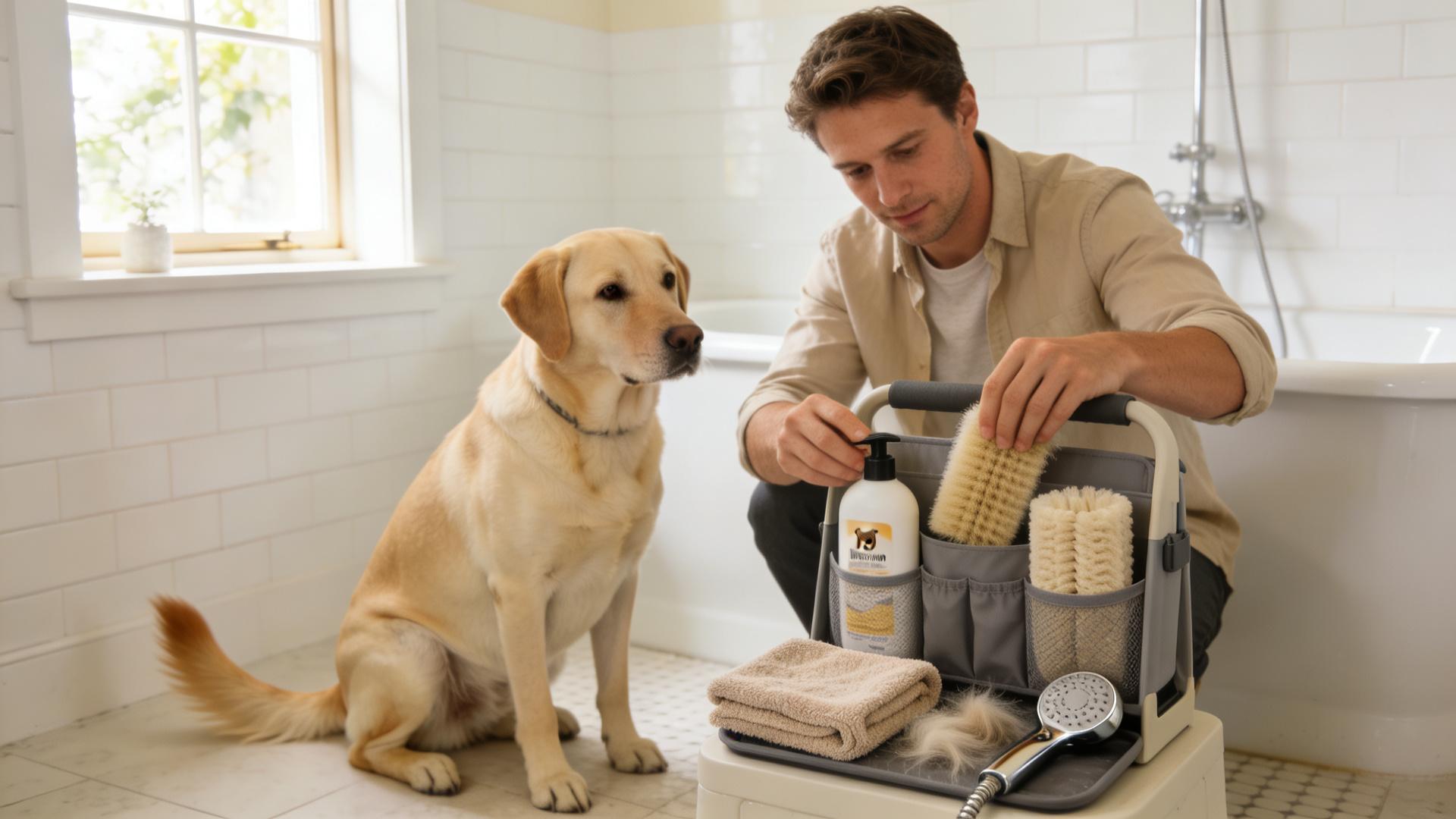
No more need for help with dog washing at home: 5 steps to turn your bathroom into a professional pet grooming studio
Tired of the chaotic, soggy struggle of bathing your dog. Wrestling with a wet, slippery pup in a cramped tub is a chore for both of you. But what if you could transform that ordinary bathroom into a serene, efficient, and professional pet grooming at home studio. Imagine achieving a salon-quality wash and dry in the comfort of your own home, saving money and reducing stress for your canine companion. It's not a fantasy. With these five strategic steps, you can create the perfect environment for a successful, mess-controlled, and even enjoyable dog washing at home experience. Say goodbye to needing an extra pair of hands and hello to your new role as your dog's personal groomer.
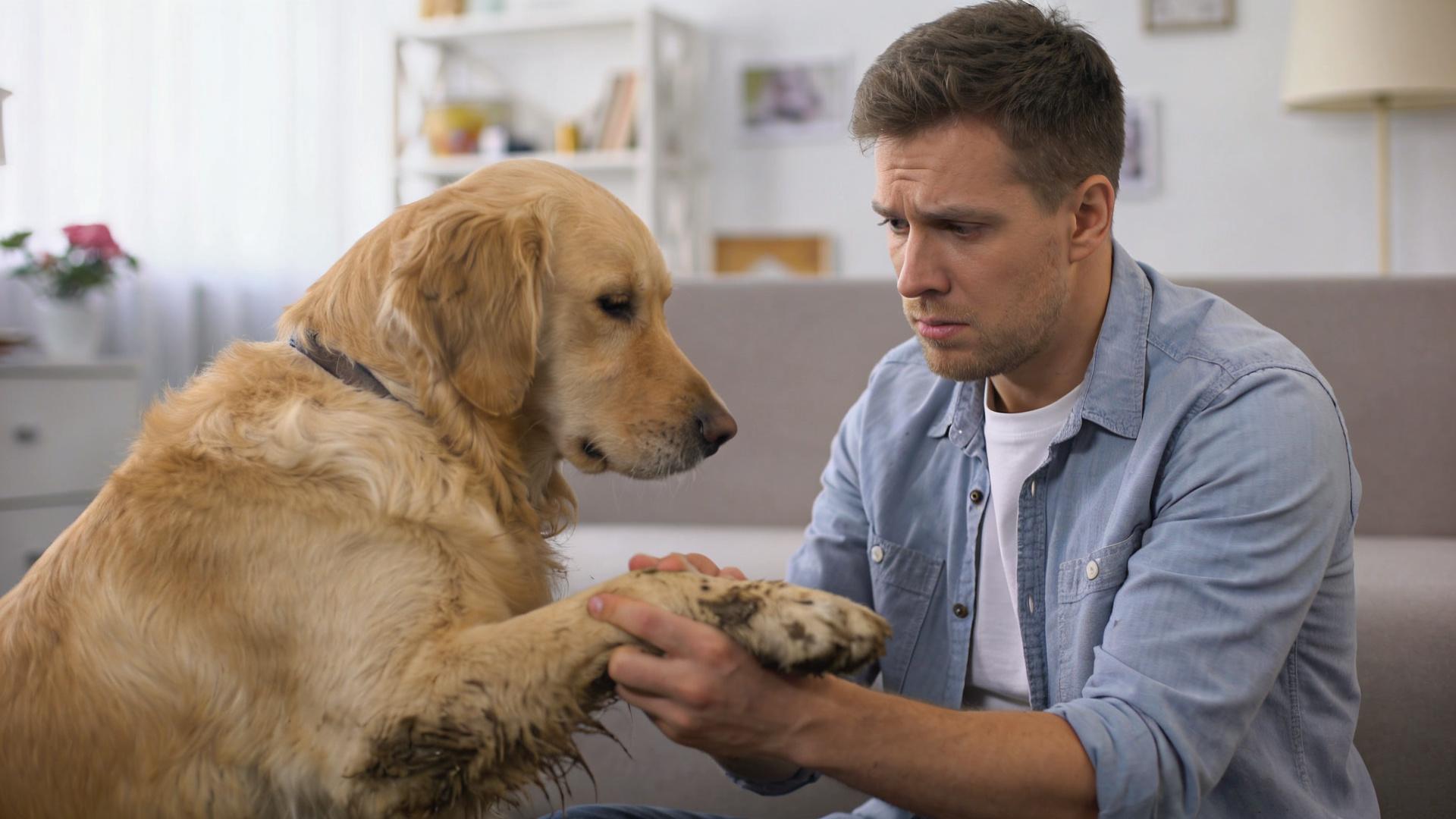
In-depth analysis: Why does frequent bathing cause skin diseases in dogs?
You love your dog, and you want them clean, fresh, and smelling great. It seems logical: a dirty dog gets a bath. But what if your well-intentioned frequent bathing is secretly sabotaging your best friend's health? Imagine this: after a muddy park adventure, you give your pup a thorough scrub. A week later, they're scratching again, so into the tub they go. Soon, you notice dry, flaky patches, a faint odd smell, or persistent itching. This common scenario leads us to a critical question: Can washing your dog too often actually make them sick? This article provides a comprehensive, evidence-based explanation of how frequent bathing disrupts the delicate health of canine skin, leading to diseases, and offers practical guidance for safe, effective grooming.
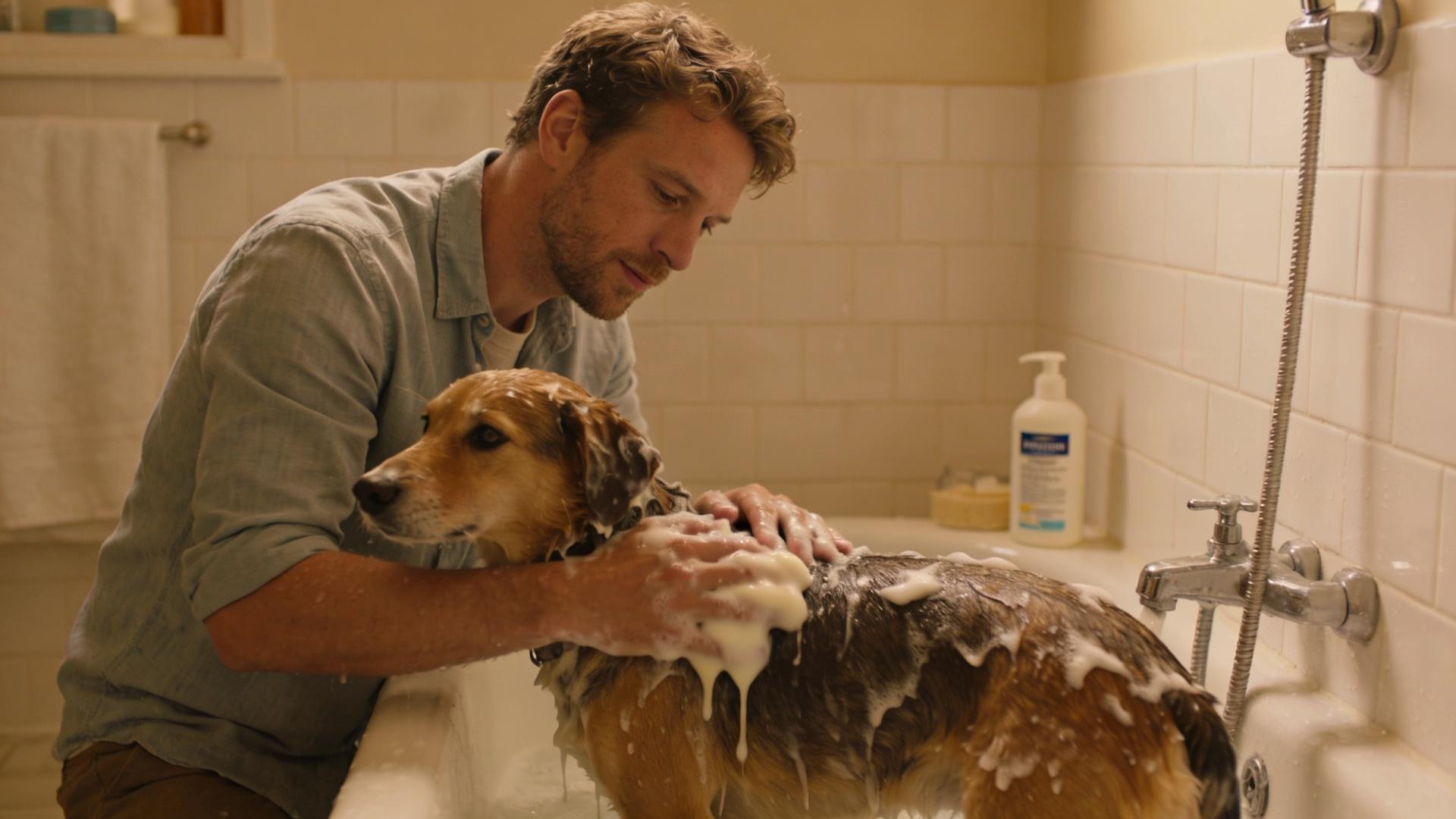
Are dog conditioners a rip-off? Scientific solutions for repairing dry, brittle fur.
As a dog parent, you want nothing but the best for your furry companion. A shiny, soft coat is often the most visible sign of a healthy dog. But when that coat turns dry, brittle, and lackluster, the search for solutions begins, often leading you to the pet care aisle and the myriad of dog conditioners. The immediate question arises: is this a genuine solution or just a clever marketing ploy? Let's dive deep into the science of canine coat health and separate fact from fiction.
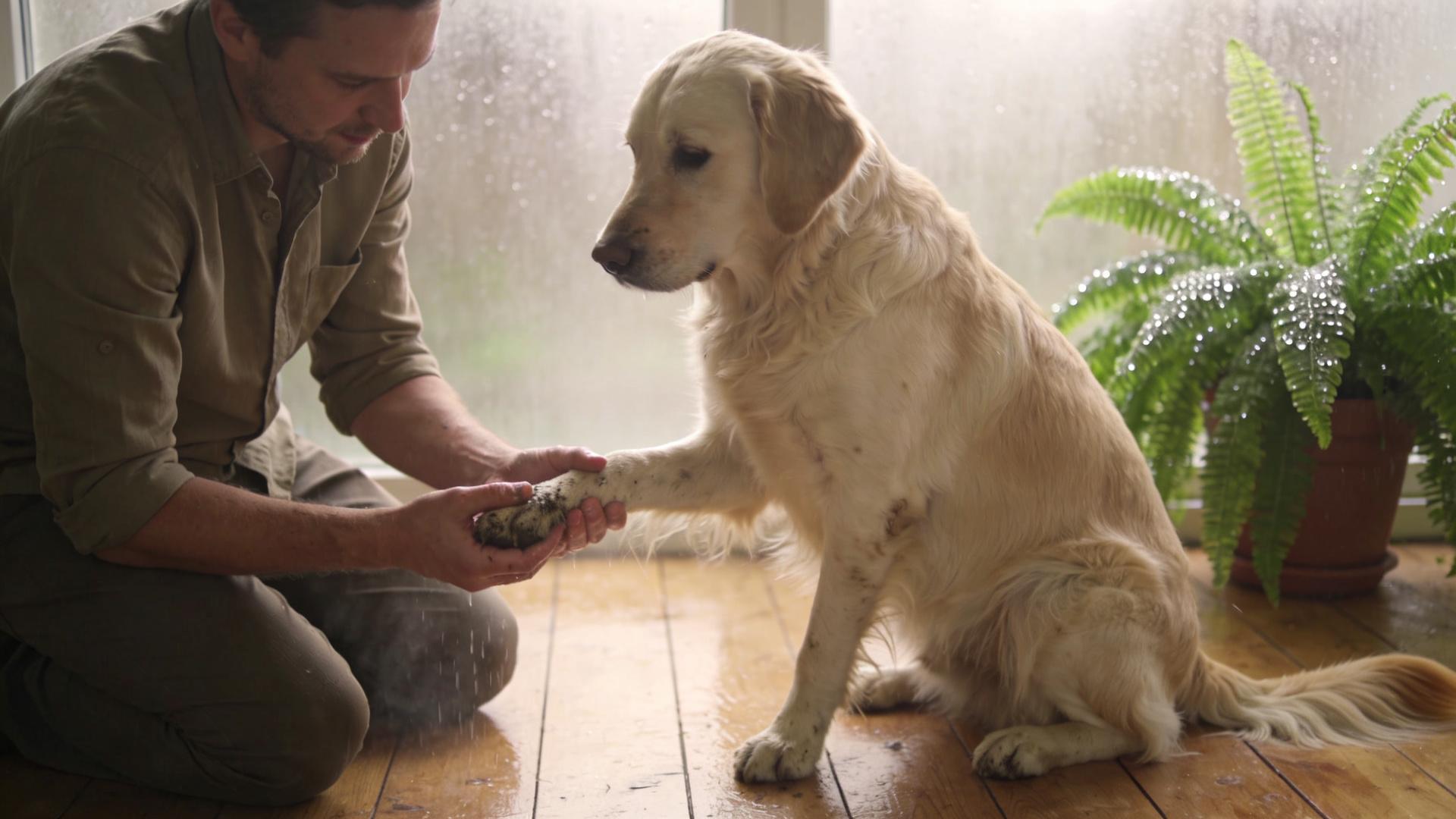
Nail care in humid environments: daily maintenance to prevent paronychia.
If you live in a tropical, coastal, or simply muggy area, you're no stranger to the dampness that hangs in the air. While you might find it uncomfortable, for your dog, this persistent humidity can pose a serious, hidden threat to their paw health: paronychia. This painful nail bed infection is more than just a minor irritation; it's a condition where bacteria or fungi invade the sensitive skin around the claw, leading to swelling, redness, and significant discomfort for your furry friend. Humidity acts as an incubator, creating the perfect warm, moist environment for these pathogens to thrive. This article is your comprehensive, step-by-step manual on preventing paronychia in dogs through diligent, daily maintenance, ensuring your dog's paws stay healthy and happy, no matter the weather.
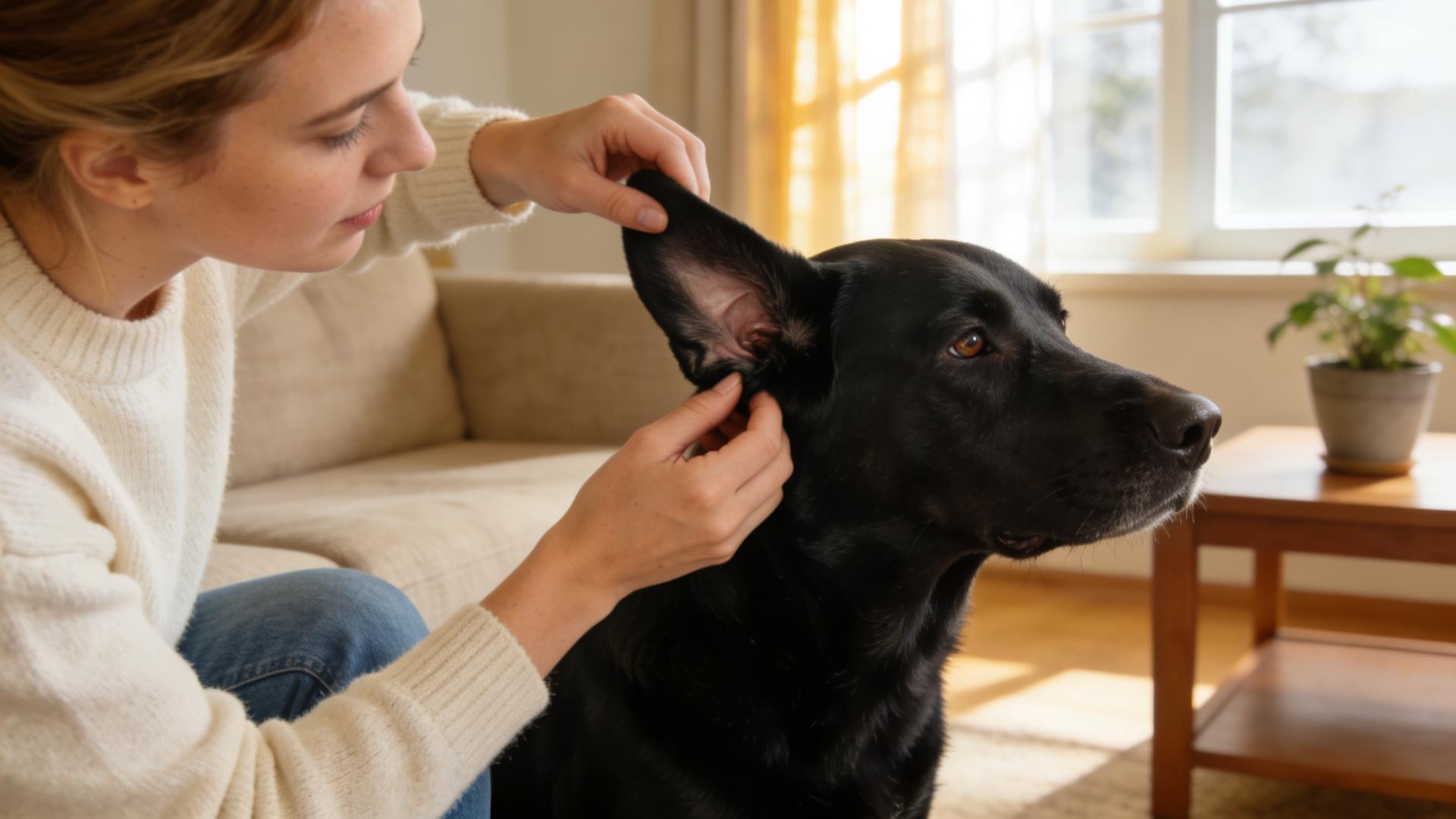
Diagnosing ear odor in dogs: Preliminary assessment of ear disease type based on color and smell
That familiar head shake. The persistent scratching. And then, you catch a whiff of something unpleasant from your dog's ears. Ear odor in dogs is never normal and is one of the most telling signs that something is amiss. For a concerned dog owner, this smell can be worrying, but it is also a crucial clue. While a definitive diagnosis always requires a veterinarian, you can learn to interpret these preliminary signs. This guide will empower you to make informed observations about dog ear discharge color and dog ear infection smell, helping you understand the potential ear disease type based on color and smell before your vet visit. Remember, this is a preliminary assessment of ear disease, not a replacement for professional care.