
You May Have Missed

Dog not cooperating with nail trimming? The whole process of "bloodline" recognition and desensitization training.
For countless dog owners, the simple act of trimming their dog's nails transforms into a high-stakes drama. The frantic scrambling, the desperate hiding under the bed, the pitiful whines, and the occasional snap of fear—it’s a scene played out in homes everywhere. You're not alone in this struggle. Many resign themselves to a lifetime of scratched floors, awkward "click-clack" sounds on tile, and expensive, stressful trips to the groomer. But what if your dog's intense resistance isn't mere stubbornness or a "bad attitude"? What if it's a profound, deep-seated instinct screaming in panic? Understanding this fundamental truth is the pivotal first step away from the battlefield and toward a peaceful, cooperative solution. This guide merges the **science of canine behavior** with a compassionate, step-by-step training protocol to finally make nail care a neutral—or even positive—experience for you and your dog.

Dog grooming scissors buying guide: Differences in usage between straight scissors, thinning scissors, and backspinning scissors.
Every professional groomer and dedicated pet parent knows that the secret to a flawless dog haircut lies not just in skill, but in the tools. Among the most critical instruments in your arsenal are grooming scissors. Using the wrong type can lead to a choppy, uneven, or even uncomfortable result for your pup. This comprehensive guide will dissect the three essential types—straight, thinning, and backspinning scissors—demystifying their distinct purposes and techniques. By understanding their differences, you can transform your grooming results from amateur to artisan, ensuring both safety and style for your canine companion.
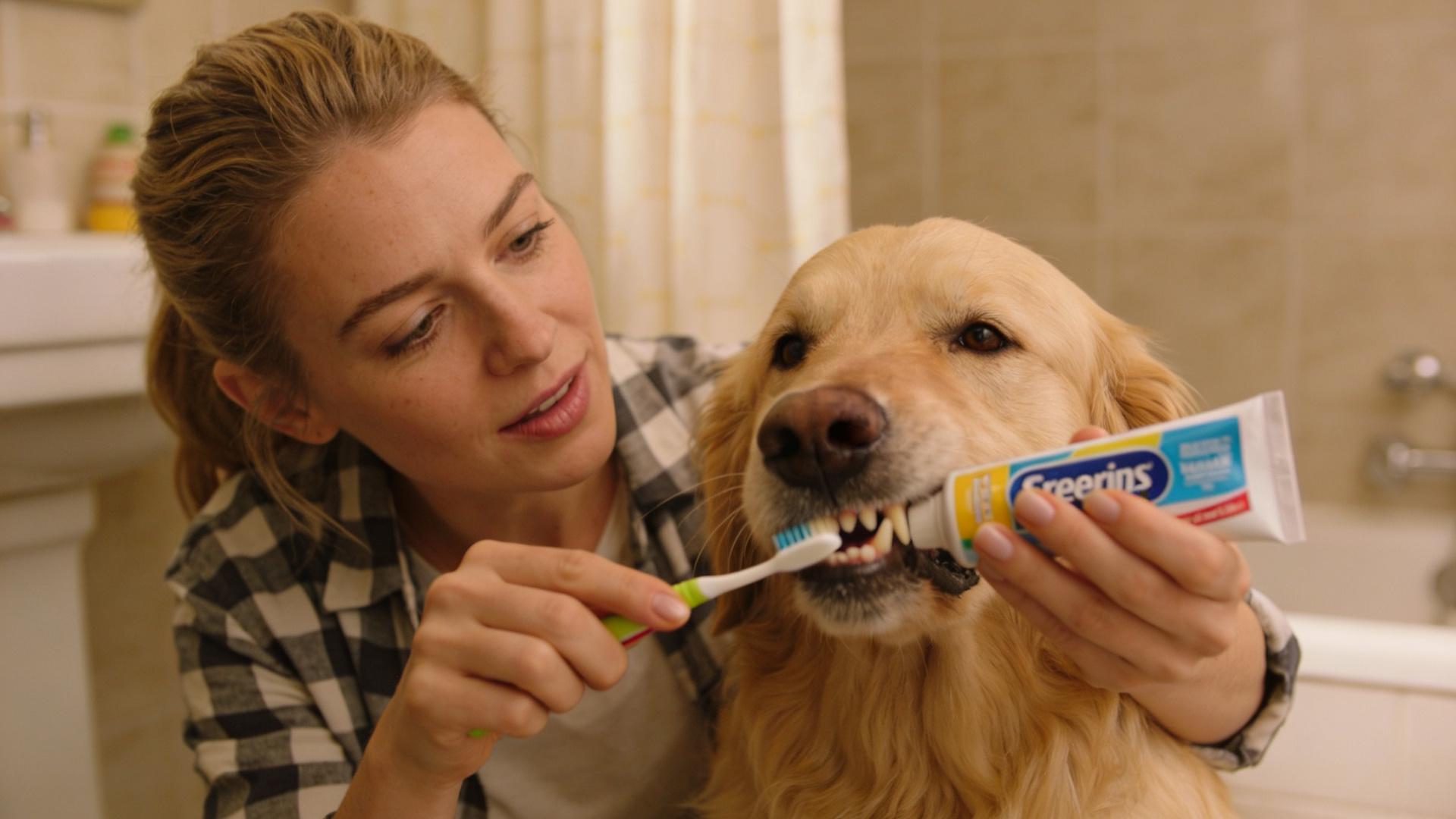
Toothpaste buying taboos: Why should human toothpaste never be used on dogs?
Let’s be unequivocally clear from the start: reaching for your own tube of minty-fresh paste to brush your dog’s teeth is not a harmless shortcut—it is a potentially lethal gamble. As a specialist in canine care and health communication, I encounter this well-intentioned mistake far too often. The core premise is non-negotiable: human toothpaste is formulated for humans, and its use on dogs is categorically dangerous. This article will dismantle the myth of interchangeability and arm you with the knowledge to protect your health from a hidden threat lurking in your bathroom cabinet.

Tear Stain Removal Techniques: A Combination of Dietary Adjustments and Localized Cleansing
If you share your life with a dog, especially a light-colored breed like a Maltese, Shih Tzu, or Poodle, you've likely encountered those reddish-brown streaks beneath their eyes. These are dog tear stains, a common and often frustrating Grooming concern for pet parents. More than just a beauty issue, they can signal underlying factors worth addressing. This article cuts through the clutter of misinformation to provide a clear, actionable, and trustworthy guide. Our core thesis is that effective, long-term management of tear stains requires a dual-pronged strategy: addressing potential internal triggers through dietary adjustments and implementing a consistent, gentle localized cleansing routine. We must emphasize from the outset: sudden, severe, or persistent staining should always prompt a visit to your veterinarian to rule out medical issues like eye infections, blocked tear ducts, or anatomical problems.

Winter Static Electricity Protection: Simple Tips to Reduce Flying Fur and Electric Shock in Dogs
You reach down to give your beloved dog a good morning scratch behind the ears, and zap. A tiny blue spark leaps from your fingertip to their nose, causing them to yelp and flinch away. Or perhaps you notice their normally sleek coat suddenly resembles a dandelion puff, with fine hairs standing straight out, defiantly repelling your attempts to smooth them down. Welcome to the season of winter static, a common but often distressing issue for dogs and their owners in cold, dry climates. These small shocks and the phenomenon of flying fur are more than just minor annoyances. They can cause your pet anxiety, discomfort, and even a lingering fear of your touch. As a concerned pet parent, you naturally want a solution. This article is your comprehensive guide. We will demystify the causes of winter static in dogs and provide you with simple, effective, and pet-safe strategies to reduce electric shocks and control flyaway fur, ensuring a more comfortable winter for both you and your four-legged family member.

Cleaning and discarding standards for dog toys: Don't let crumbs clog your intestines.
For any dog parent, the sight of their furry friend gleefully shredding a new toy is pure joy. Toys are not just playthings; they are essential tools for mental stimulation, dental health, and combating boredom. However, lurking beneath that playful exterior of a worn-out squeaky toy or a beloved plush lamb is a potential health hazard few consider. Without a rigorous protocol for maintenance, the very objects meant to enrich your dog's life can become silent threats, leading to costly vet visits, emergency surgeries, or worse. This comprehensive guide dives deep into the non-negotiable cleaning and discarding standards for dog toys, arming you with the knowledge to prevent dangerous intestinal blockages from ingested toy fragments.