
You May Have Missed

Temperature and humidity monitoring in pet rooms: using smart sensors to prevent respiratory diseases.
For dog owners, creating a safe and nurturing home environment is a paramount concern. We meticulously plan their diets, ensure they get ample exercise, and shower them with affection. Yet, one critical aspect of their well-being often goes unnoticed: the very air they breathe. The microclimate of your home—specifically the temperature and humidity in the rooms where your dog sleeps and plays—can be a silent contributor to respiratory distress and long-term health issues. This comprehensive guide delves into the vital link between indoor climate control and canine respiratory health, and demonstrates how modern, affordable smart sensor technology provides a powerful, proactive solution to safeguard your furry family member's wellness.
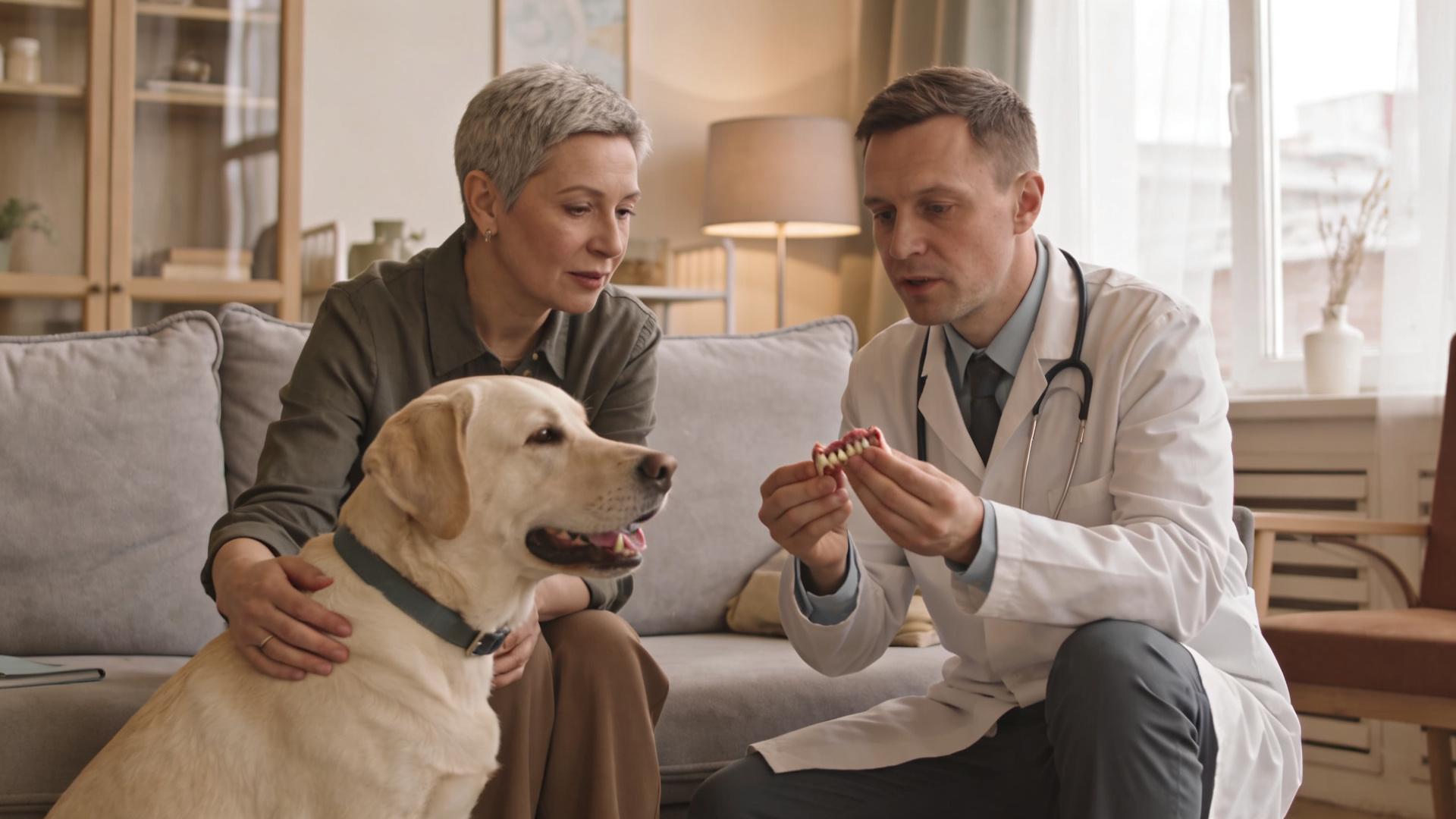
Preventing periodontal disease: Oral care habits that only take 30 seconds a day
Did you know that by the age of three, over 80% of dogs show signs of periodontal disease? 🦷 It’s the most common clinical condition occurring in adult dogs, yet it’s also one of the most preventable. The thought of adding another lengthy task to your daily routine can be daunting. But what if effective prevention wasn't a chore? This guide delivers on a powerful promise: building a healthy mouth for your dog with habits that take just 30 seconds a day. By investing half a minute now, you can save your dog from pain, protect their overall health, and avoid costly veterinary dental procedures down the line.
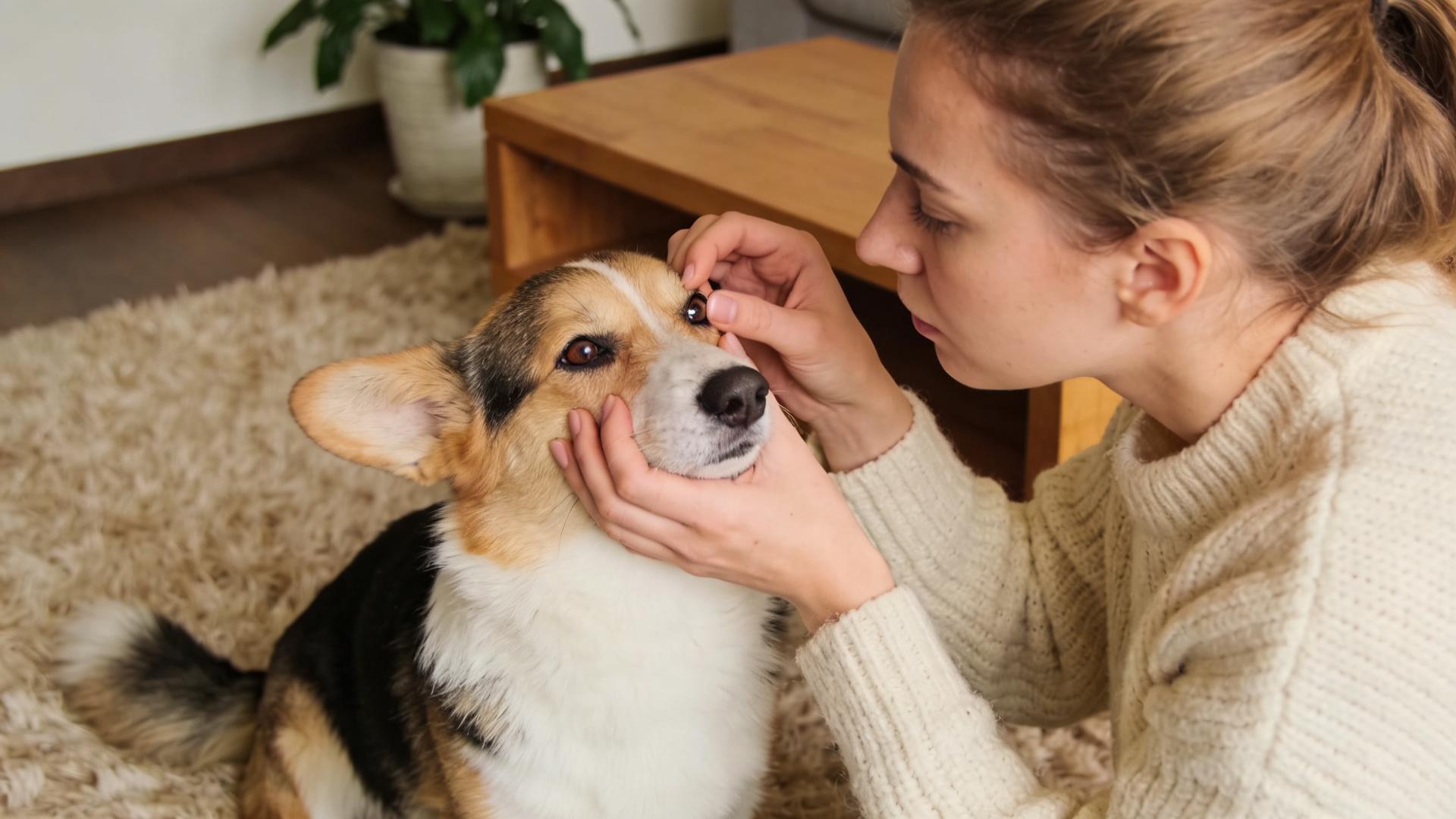
Eye wipes vs. saline solution: The correct way to handle eye discharge in dogs
Meta Description: Discover the safe way to manage dog eye discharge. Our expert guide compares eye wipes for dogs and saline solution for dogs, with step-by-step instructions on how to clean dog eyes and when to seek veterinary care.

Rinsing your dog with fresh water after playing at the beach: Salt can corrode a dog's fur.
There are few greater joys than watching your dog experience the sheer freedom of a beach. The sprint across the sand, the ecstatic leaps through the waves, the focused digging—it’s a symphony of canine bliss and fantastic exercise. As responsible pet parents, we revel in providing these moments of happiness. However, beneath the surface of this perfect day lurks a silent threat that many well-meaning owners overlook: salt corrosion. That same seawater that brings so much joy can wreak havoc on your dog’s coat and skin. Understanding this risk is the first, and most critical, step in transforming a fun outing into a truly safe and health-positive experience for your four-legged friend.

Cleaning and discarding standards for dog toys: Don't let crumbs clog your intestines.
For any dog parent, the sight of their furry friend gleefully shredding a new toy is pure joy. Toys are not just playthings; they are essential tools for mental stimulation, dental health, and combating boredom. However, lurking beneath that playful exterior of a worn-out squeaky toy or a beloved plush lamb is a potential health hazard few consider. Without a rigorous protocol for maintenance, the very objects meant to enrich your dog's life can become silent threats, leading to costly vet visits, emergency surgeries, or worse. This comprehensive guide dives deep into the non-negotiable cleaning and discarding standards for dog toys, arming you with the knowledge to prevent dangerous intestinal blockages from ingested toy fragments.

Choosing Sunscreen Clothing for Dogs: The Harm of UV Rays to Light-Skinned Dog Breeds
As a canine care specialist with years of experience, I have witnessed a concerning trend: a steady rise in skin-related issues among our beloved pets, directly linked to sun exposure. One startling statistic from veterinary dermatology reports indicates that cutaneous squamous cell carcinoma is one of the most common skin cancers in dogs, and UV radiation is a primary culprit. This article serves as a crucial guide for every responsible dog owner. Our purpose is to illuminate the often-overlooked dangers of ultraviolet rays, particularly for vulnerable breeds, and to empower you with the knowledge to choose the most effective shield: high-quality sunscreen clothing. Protecting your dog is an act of love, and it begins with understanding the threat.