
You May Have Missed

Sunlight and Exercise: The Dual Regulation of Serotonin Secretion and Bone Health in Dogs
When we think about our dog's health, our minds often jump to premium food, regular vet check-ups, and perhaps a stylish new bed. But what if two of the most powerful wellness tools are utterly free, accessible right outside your door, and work in perfect harmony? A truly holistic approach to canine vitality looks beyond the bowl and into the fundamental rhythms of nature and movement. The central thesis is profound yet simple: daily sunlight exposure and regular, appropriate exercise work in powerful tandem to regulate critical hormones like serotonin and fortify skeletal integrity. This dual-action strategy doesn't just target one system; it creates a cascade of benefits that uplifts your dog's mind, strengthens their body, and builds a foundation for a longer, more joyful life.
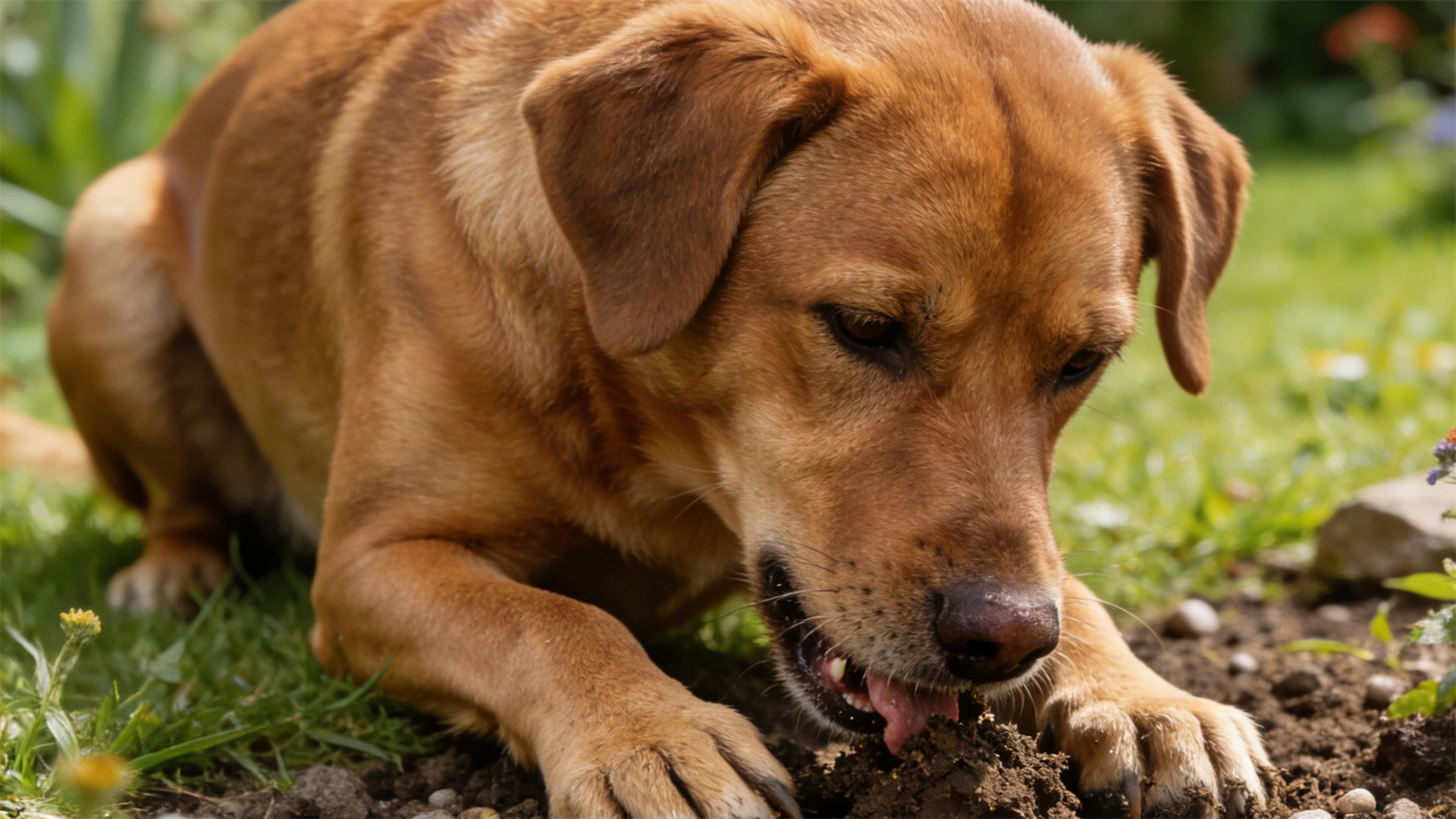
Micronutrient deficiencies in dogs: The underlying logic behind brittle nails, soil-eating, and pica.
You notice your dog’s nails seem to split or flake easily during a trim. Later, you catch them intently munching on dirt in the garden. Perhaps they’ve even graduated to chewing on rocks, socks, or drywall. As a concerned dog owner, you might write these off as odd behaviors or minor quirks. But what if these seemingly unrelated issues were connected? What if they were your dog’s way of sending a nutritional distress signal? The common thread often lies in micronutrient deficiencies in dogs—a subtle but significant imbalance that impacts health from the inside out.

Clinical Nutrition Guidelines
Navigating the world of dog food is complex, but when your dog faces a health challenge, nutrition transforms from a matter of sustenance to a powerful component of medical therapy. This article delves into the specialized realm of canine clinical nutrition—a field where food is meticulously formulated as a tool to manage, mitigate, and sometimes even help treat specific diseases. Our goal is to translate veterinary science into clear, actionable guidance, empowering you to become an informed partner in your dog's healthcare journey. Clinical nutrition is not about the latest trend; it's about targeted, evidence-based dietary intervention.
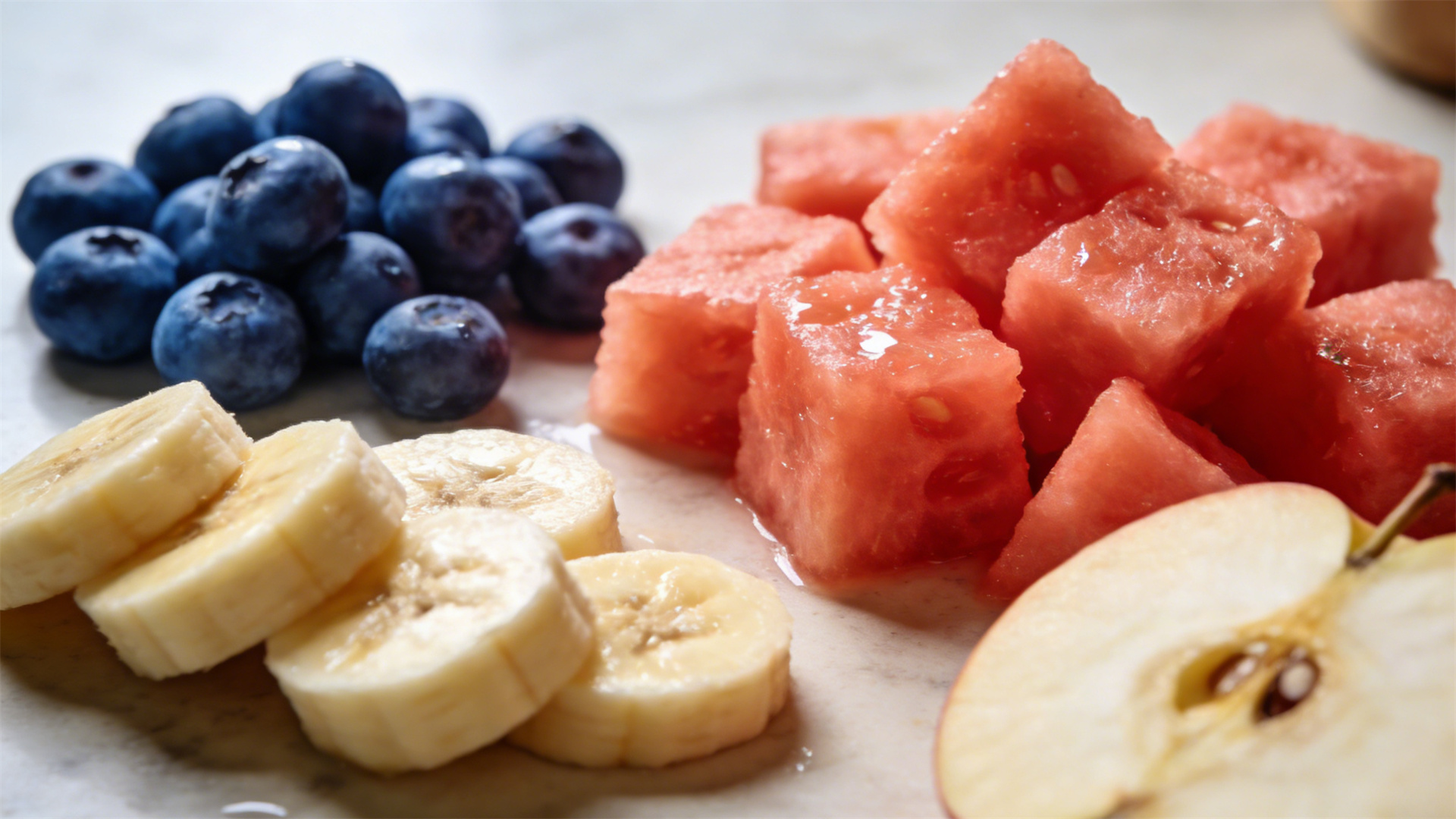
Can dogs eat fruit? 2026 "Red and Black List" and recommended intake levels.
As a doting dog parent, you’ve probably wondered, while slicing a watermelon or snacking on blueberries, if your furry friend can join in. That hopeful gaze is hard to resist! The question "can dogs eat fruit" is incredibly common, and the answer is a careful, conditional yes. 🐶 Many fruits are packed with beneficial vitamins, minerals, fiber, and hydration. However, the canine digestive system is not the same as ours, and significant, even lethal, dangers exist with certain fruits. Navigating this fruity landscape requires a clear map. This definitive 2026 guide provides exactly that: a vet-reviewed "Black List" of safe options, a critical "Red List" of toxic hazards, and precise, size-based serving recommendations. Your first and most important rule? Always consult your veterinarian before introducing any new food to your dog's diet.
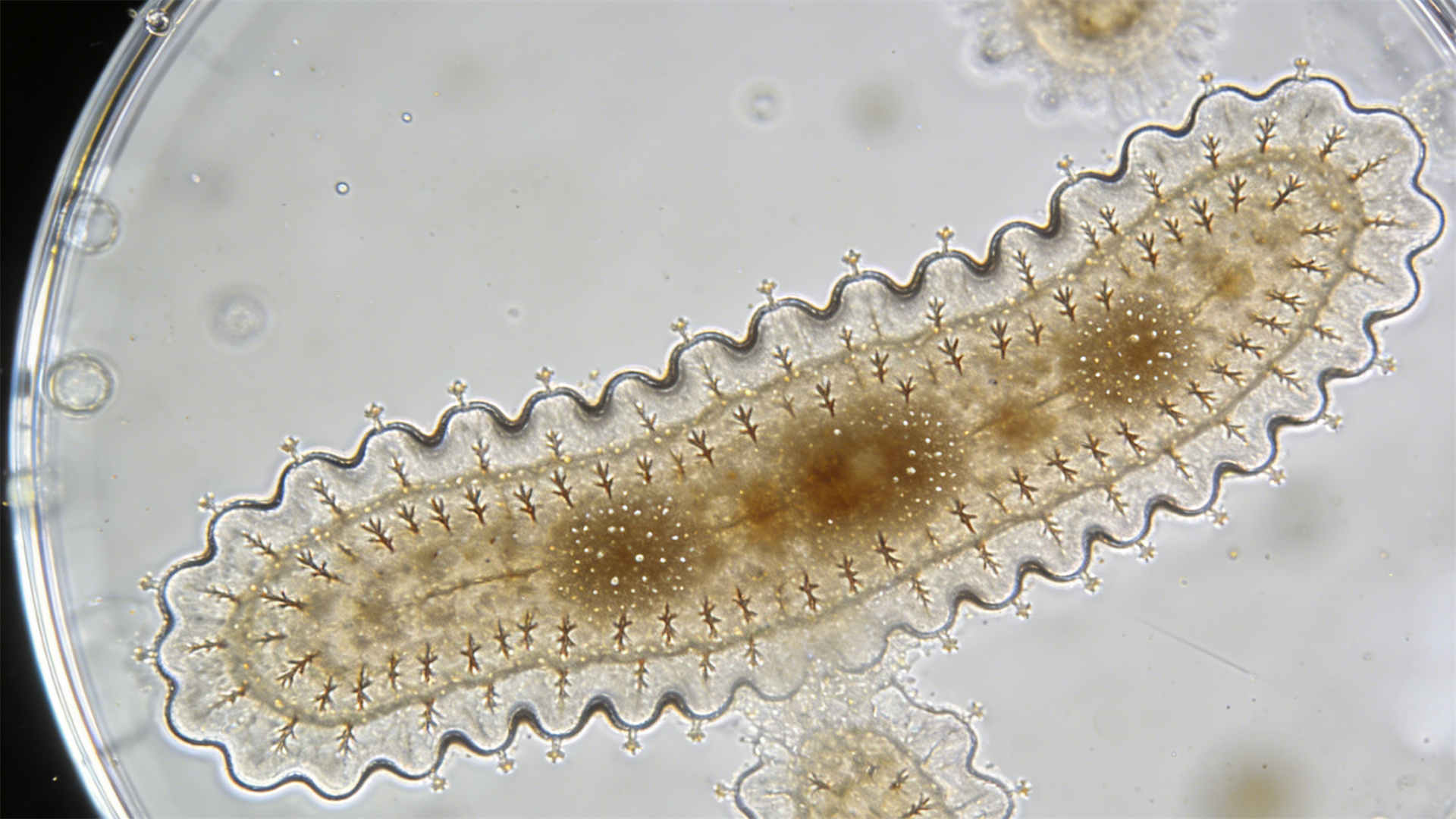
Dog's ears smell bad and scratch? Detailed explanation of ear mites and Malassezia removal methods.
That persistent head shake, the frantic scratching, the faint (or not-so-faint) odor every time your dog cuddles up—it’s a clear signal that something is amiss in their ears. As a loving pet parent, it’s distressing to watch. You’re not just dealing with a nuisance; you’re witnessing your dog's genuine discomfort. Two of the most common culprits behind this canine ear drama are ear mites and Malassezia yeast infections. While the symptoms of itching and odor may seem similar, these are two distinct enemies requiring different battle plans. Misdiagnosis can lead to weeks of ineffective treatment and prolonged suffering for your pup. This comprehensive guide will arm you with the knowledge to understand the difference, seek the right professional help, and implement effective removal and prevention strategies for lasting ear health.
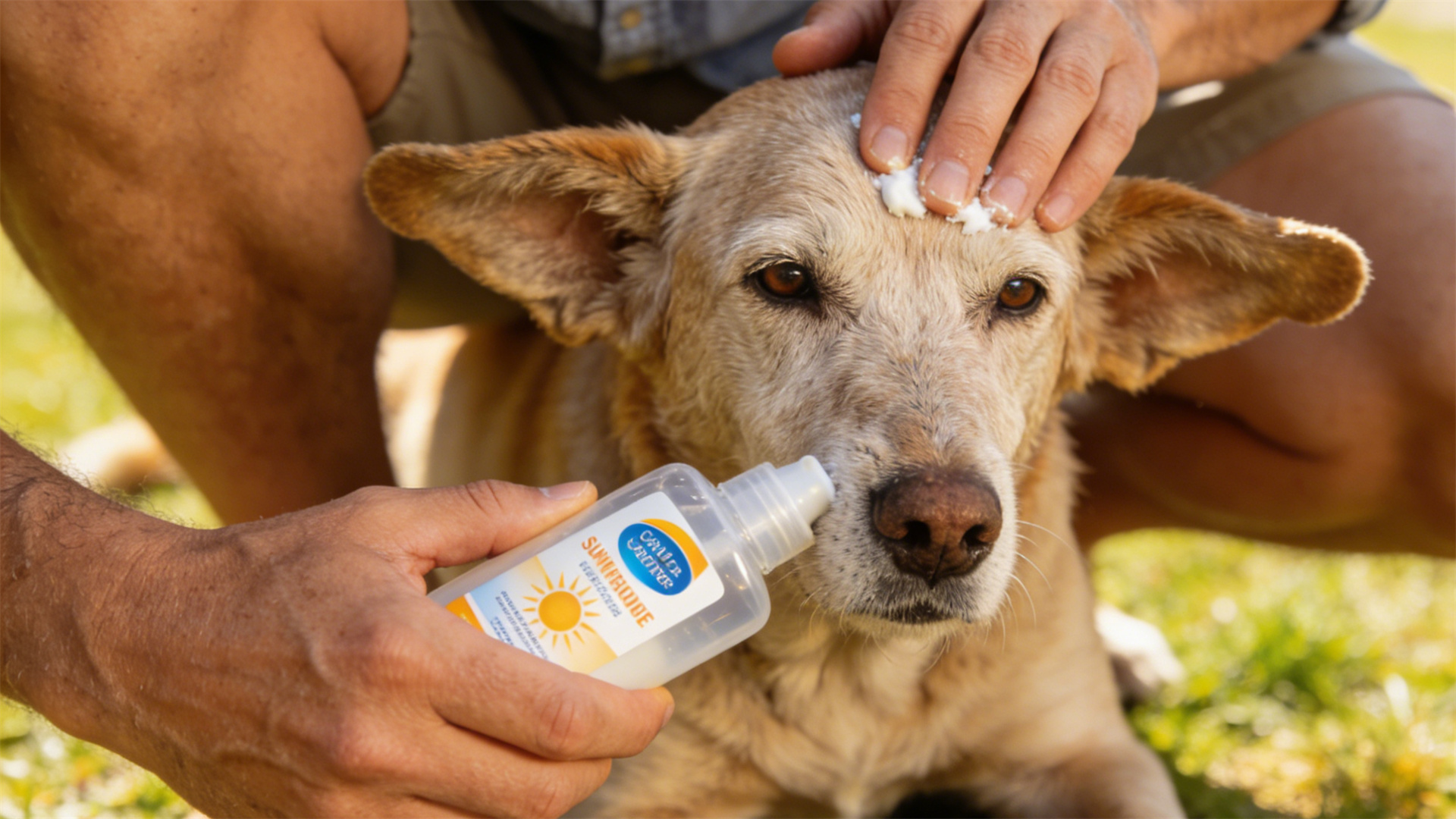
Hair management for senior dogs: Cold and sun protection measures after skin thins
As our canine companions gracefully enter their golden years, their care requirements evolve. One of the most significant yet often overlooked changes involves their skin and coat. What was once a resilient barrier against the elements can become delicate and vulnerable. For the devoted owner, understanding and adapting to these changes isn't a matter of vanity—it's a core component of preventative health and comfort. This comprehensive guide delves into the world of hair management for senior dogs, with a specialized focus on protecting their thinning skin from two opposing threats: biting cold and harsh sunlight.