
You May Have Missed
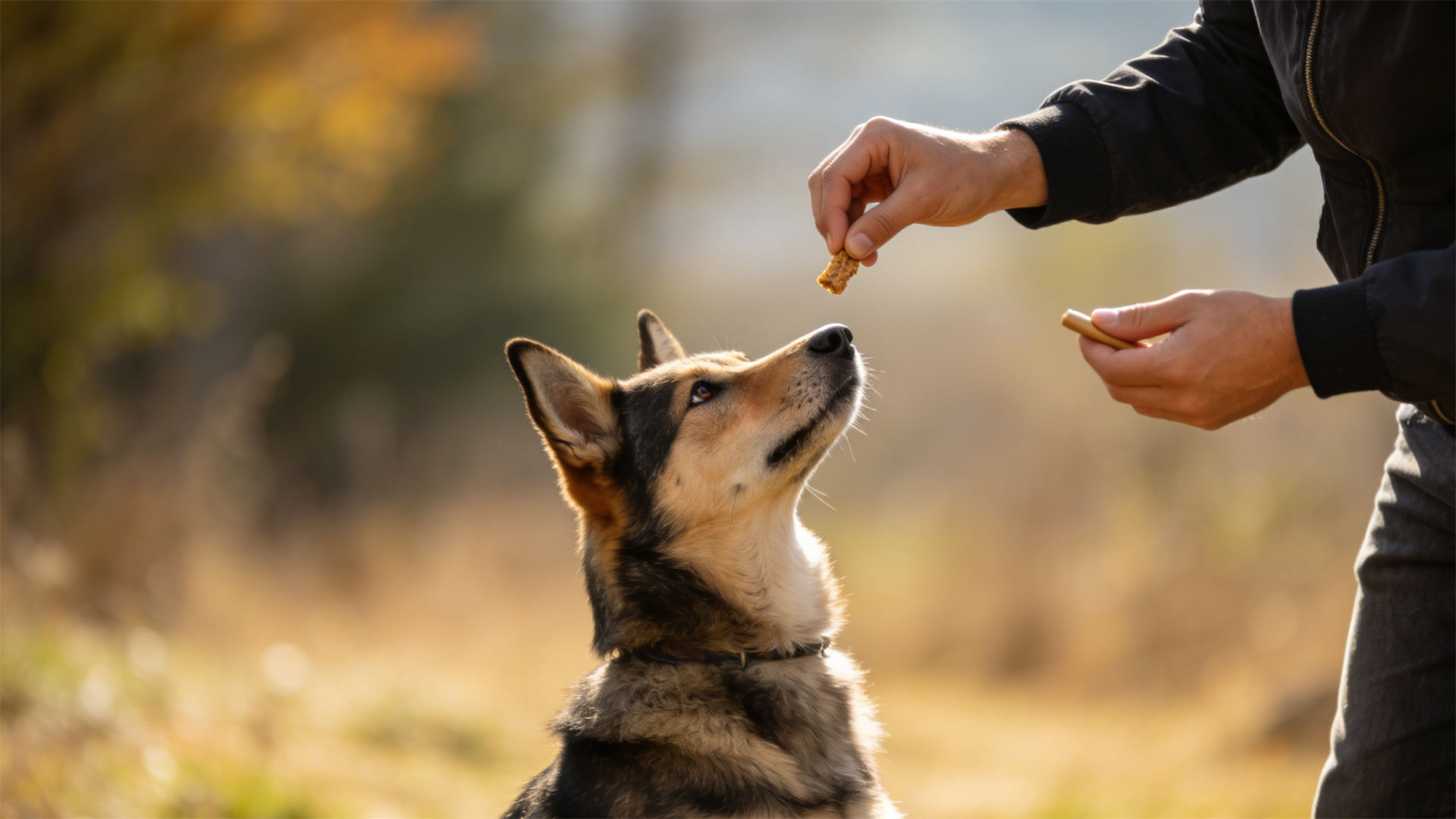
Today's training focus: Clicker method
In the vast world of dog training methodologies, few tools have garnered as much acclaim from professional trainers and pet owners alike as the humble clicker. More than just a noisemaker, the clicker is the cornerstone of a revolutionary approach that emphasizes clarity, mutual respect, and joyful learning. Clicker training for dogs isn't a fleeting trend; it's a scientifically-backed application of operant conditioning that empowers your dog to think and participate actively in their own education. This comprehensive guide will demystify the clicker training method, equipping you with the knowledge and steps to forge a deeper bond and unlock your canine companion's full potential.
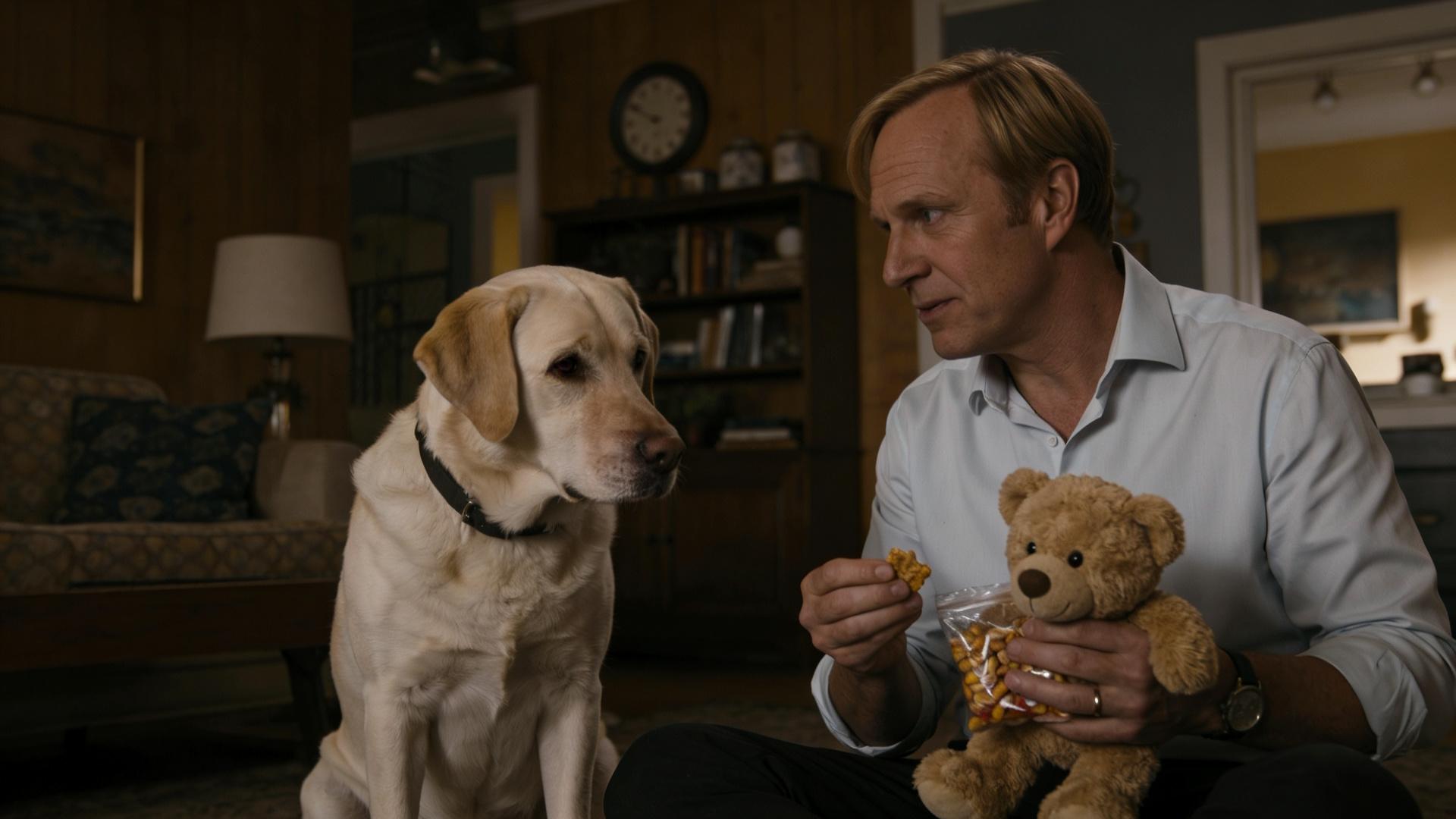
Advanced Name Recognition: Teaching your dog to find the "Teddy Bear" from a pile of toys.
The bond between a human and a dog is often built on a shared language. While basic commands like "sit" and "stay" form the foundation, advancing to advanced name recognition opens a thrilling new chapter in communication. Imagine the pure joy—and the impressed guests—when you casually ask your dog to "go find your Teddy Bear," and they confidently navigate a mountain of plush toys to bring back the correct one. This isn't mere parlor trick; it's a profound demonstration of canine cognitive ability and a deeply enriching form of mental stimulation for dogs. This comprehensive guide will walk you through the systematic process of teaching this impressive skill, turning abstract words into meaningful requests and strengthening your partnership through intelligent play.

Training Frequency Theory: Why is 10 minutes a day better than 2 hours a week?
Picture this: you’ve set aside a precious Saturday afternoon to finally get serious about your dog's training. You have treats, a clicker, and boundless determination. But fifteen minutes in, your dog is sniffing the grass, staring at a squirrel, or lying down with a sigh. Your two-hour "training marathon" dissolves into a cycle of frustration and distracted refocusing. Sound familiar? If so, you’re asking the right question: What is the optimal dog training frequency? The answer, backed by science and experience, challenges the marathon mentality. In essence, short, daily dog training sessions are profoundly more effective than infrequent, lengthy ones. Let's explore why the 10-minute daily habit reigns supreme.
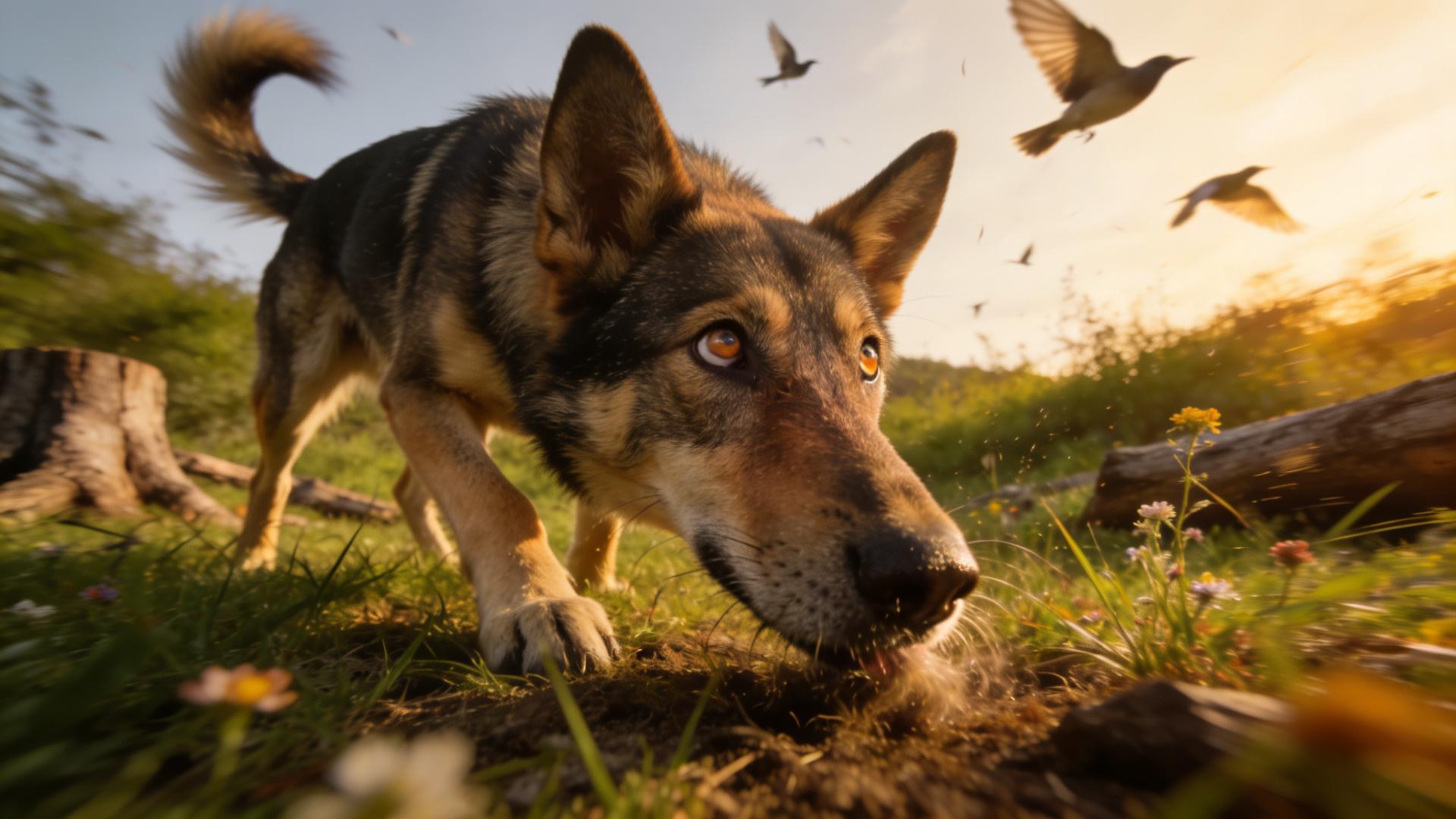
Shifting the training environment: Why is my dog obedient at home but goes crazy outside?
You’ve nailed it. Inside your living room, your dog is the picture of perfection—sitting on cue, staying calmly, and coming when called. But the moment you step outside, it’s as if a switch flips. The leash becomes a taut line of tension, commands vanish into the wind, and your well-mannered companion transforms into a pulsing, pulling, distracted whirlwind. If this scenario sounds painfully familiar, you are far from alone. This frustrating dichotomy between indoor obedience and outdoor chaos is one of the most common challenges in dog training. Understanding this training environment shift is not just about fixing a behavior; it’s about comprehending how your dog perceives the world. This article will delve into the core reasons behind this behavior and equip you with practical, proven strategies to build a reliable, well-behaved partner in any setting.
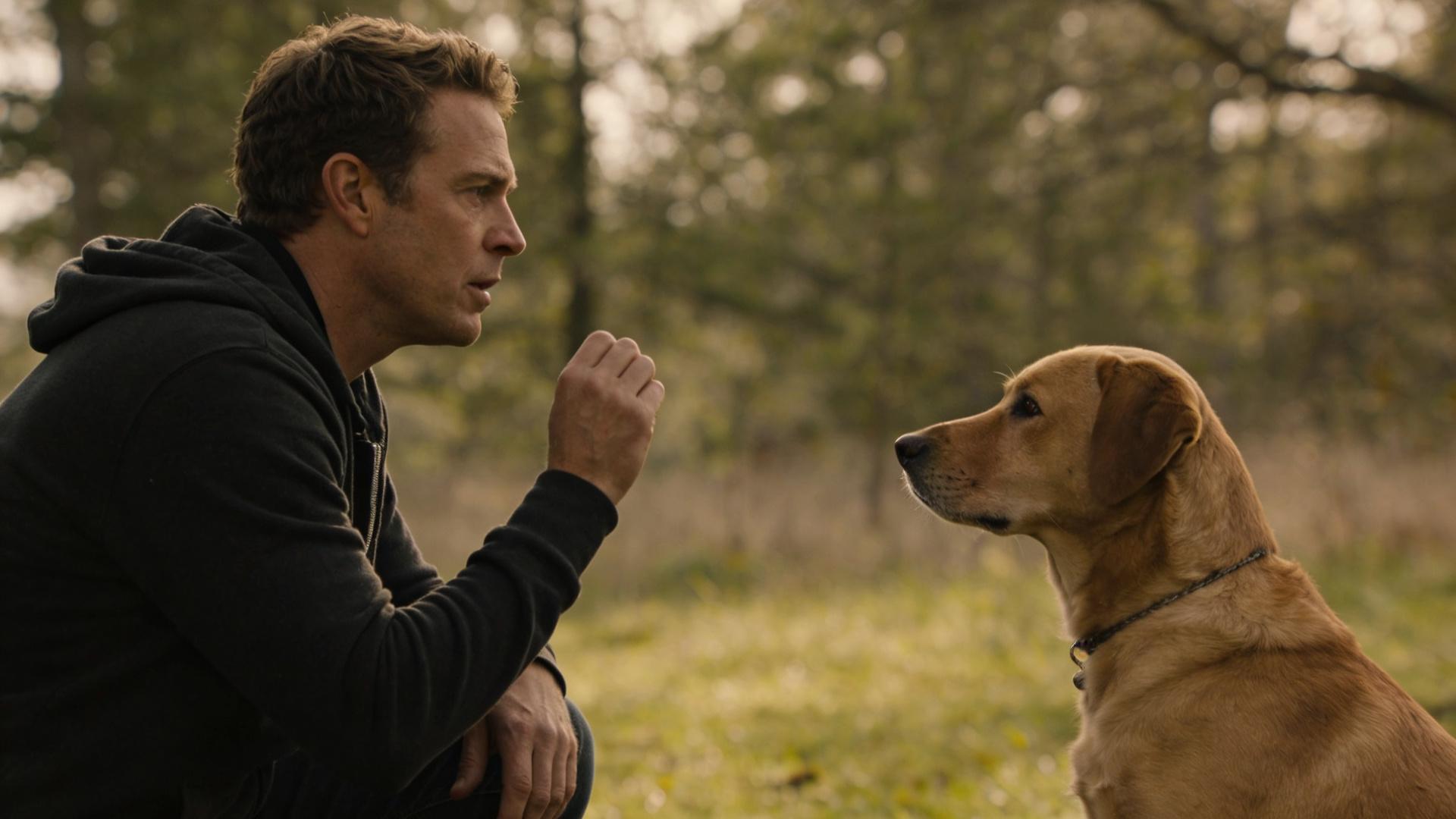
Silent training: achieving tacit understanding by using only eye contact and body language to complete instructions
In the bustling world of dog training, filled with vocal cues, clickers, and treat bags, there exists a profoundly quiet corner. It is a space where communication flows not through sound, but through the subtle, powerful languages of the eyes and the body. Silent dog training is not merely a technique; it is an art form and a philosophy that seeks to cultivate a deep, intuitive bond between human and canine. Imagine directing your dog through a crowded park, navigating an agility course, or simply asking for a polite sit at a curb—all without uttering a single word. This is the pinnacle of tacit understanding dog training, a connection built on mutual observation, trust, and a symphony of non-verbal signals. This comprehensive guide will unveil the methods, science, and soul behind communicating with your dog in silence, transforming your relationship into one of seamless, quiet harmony. $image$
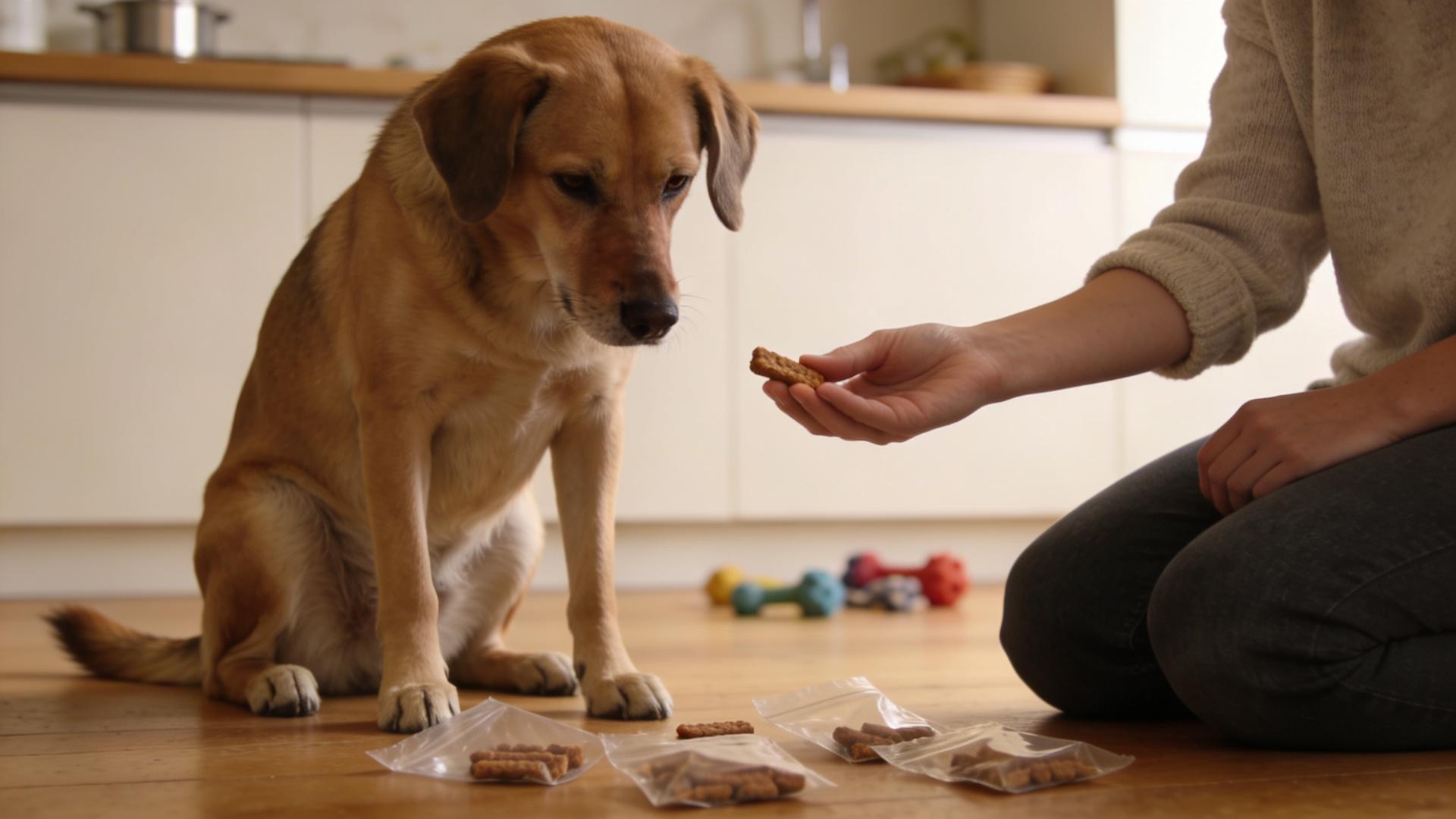
The diminishing returns of rewards: Why are your snack rewards becoming less and less effective?
You’re in the middle of a crucial training session, the treat pouch is full, but your dog’s focus is everywhere but on you. You hold up their once-favorite chicken bit, and they just… sniff and look away. It’s a frustrating moment every dedicated dog owner faces: when the treats that used to guarantee a perfect “sit” or “down” suddenly seem to lose all their power. What happened? Has your dog become stubborn, or have you failed as a trainer? The answer is likely neither. You’re experiencing a fundamental principle of canine behavior and learning theory: the law of diminishing returns on rewards. Just like in economics, where added benefits decrease with more investment, the motivational value of a treat can plummet with overuse or poor strategy. Let’s unpack why your edible currency is losing its value and, more importantly, how you can restore its buying power.