
You May Have Missed
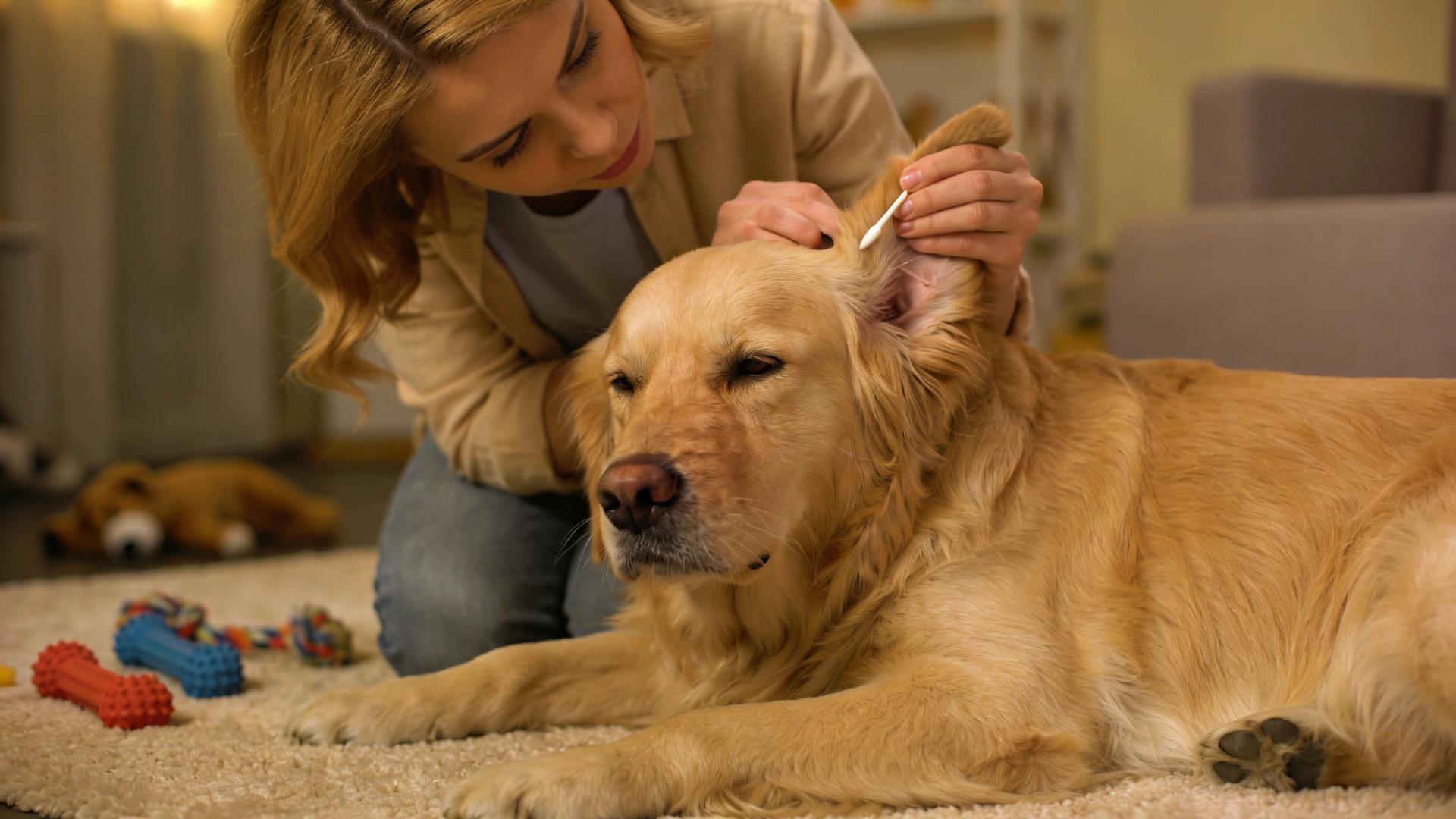
Detailed Guide to Dog Ear Cleaning: How to Properly Use Ear Cleaning Solution to Prevent Earwax Buildup
A frantic head shake, a persistent paw scratching at the side, an unusual odor you can’t quite place—if you’re a dog owner, you may have witnessed these signs. What’s often dismissed as a quirky habit can be a cry for help from your dog’s delicate ears. Canine ear health is a pillar of overall wellness, yet it's frequently overlooked until a problem arises. This comprehensive guide is your definitive resource on dog ear cleaning, demystifying the process and empowering you to confidently use an ear cleaning solution for dogs to prevent earwax buildup and more serious issues. We'll walk you through anatomy, product selection, a fail-safe step-by-step tutorial, and critical safety tips to transform a potentially stressful task into a simple, routine act of care.

Dog not cooperating with nail trimming? The whole process of "bloodline" recognition and desensitization training.
For countless dog owners, the simple act of trimming their dog's nails transforms into a high-stakes drama. The frantic scrambling, the desperate hiding under the bed, the pitiful whines, and the occasional snap of fear—it’s a scene played out in homes everywhere. You're not alone in this struggle. Many resign themselves to a lifetime of scratched floors, awkward "click-clack" sounds on tile, and expensive, stressful trips to the groomer. But what if your dog's intense resistance isn't mere stubbornness or a "bad attitude"? What if it's a profound, deep-seated instinct screaming in panic? Understanding this fundamental truth is the pivotal first step away from the battlefield and toward a peaceful, cooperative solution. This guide merges the **science of canine behavior** with a compassionate, step-by-step training protocol to finally make nail care a neutral—or even positive—experience for you and your dog.
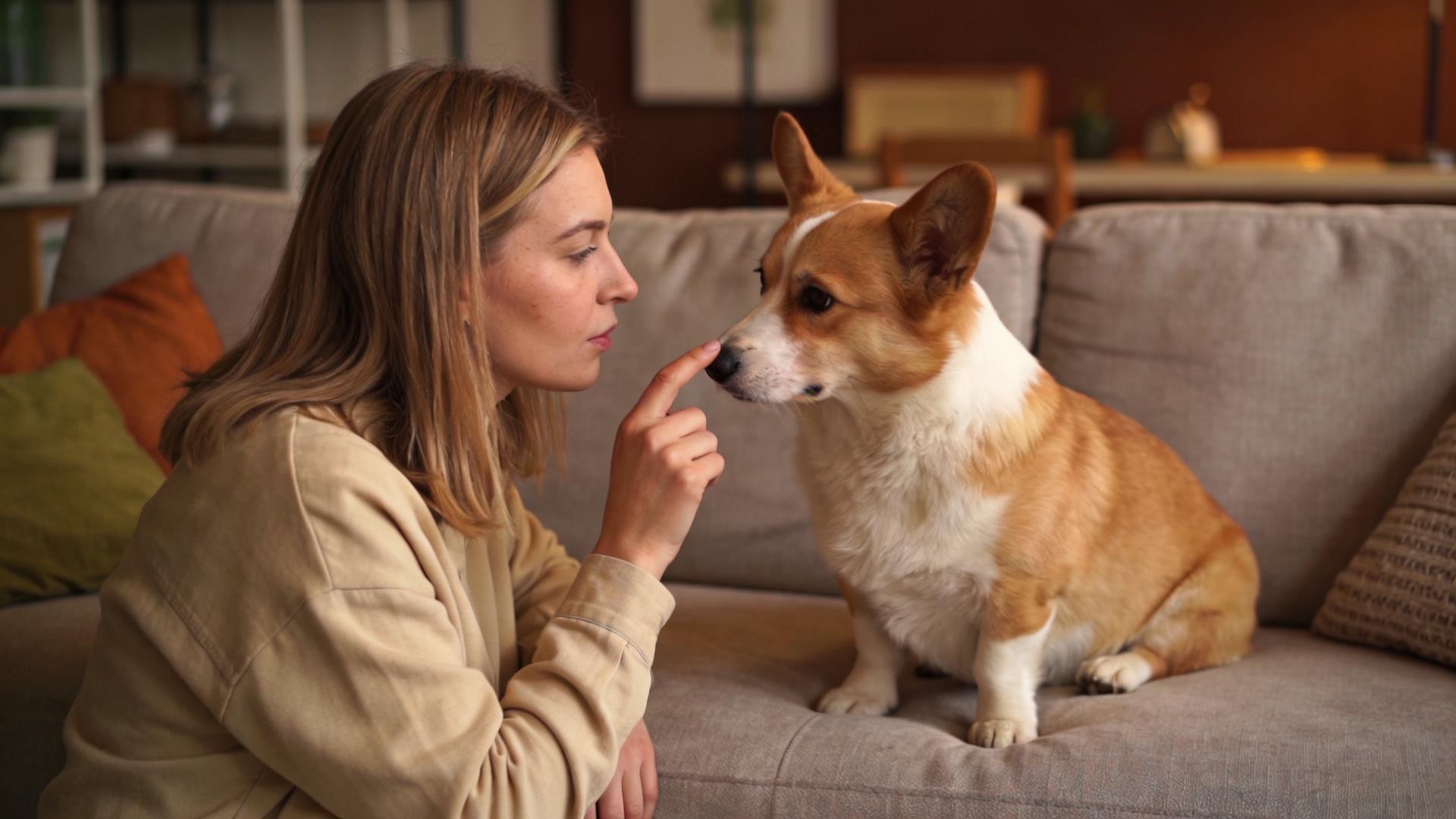
Is your dog's nose dry and faded? Learn how to get a shiny black nose.
As a devoted dog owner, you notice every little detail about your furry friend. So, when that cold, wet nose you love to boop starts feeling dry, rough, or even loses its rich black pigment, it’s natural to feel concerned. You’re not alone. A dry or faded nose is a very common observation, and the good news is that it’s often harmless. However, understanding why it’s happening is the first and most crucial step toward restoring your dog’s nose to its healthy, shiny black dog nose glory. This guide will walk you through the common causes, safe home care strategies, and the clear signs that it’s time to call your vet.
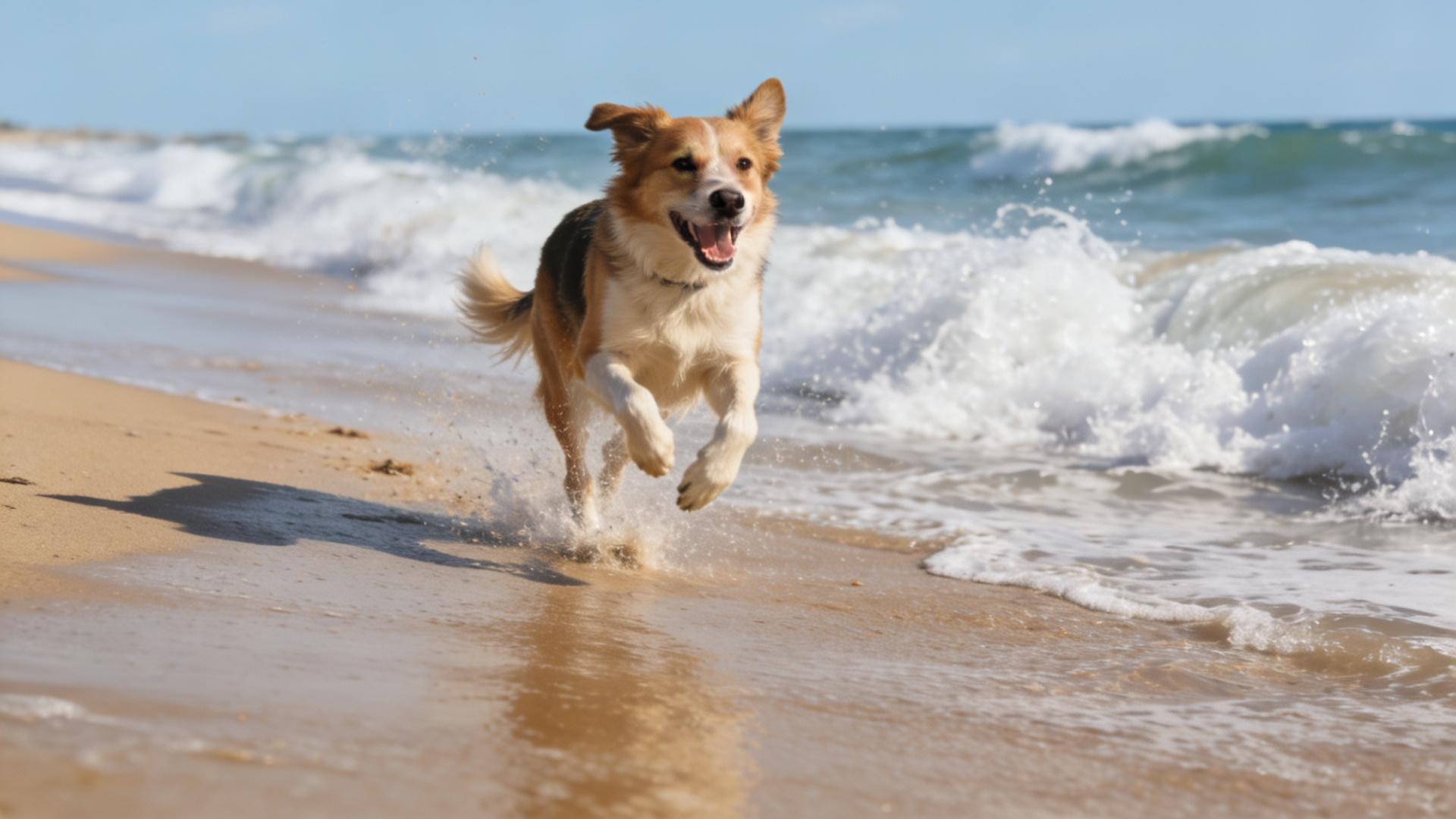
Rinsing your dog with fresh water after playing at the beach: Salt can corrode a dog's fur.
There are few greater joys than watching your dog experience the sheer freedom of a beach. The sprint across the sand, the ecstatic leaps through the waves, the focused digging—it’s a symphony of canine bliss and fantastic exercise. As responsible pet parents, we revel in providing these moments of happiness. However, beneath the surface of this perfect day lurks a silent threat that many well-meaning owners overlook: salt corrosion. That same seawater that brings so much joy can wreak havoc on your dog’s coat and skin. Understanding this risk is the first, and most critical, step in transforming a fun outing into a truly safe and health-positive experience for your four-legged friend.
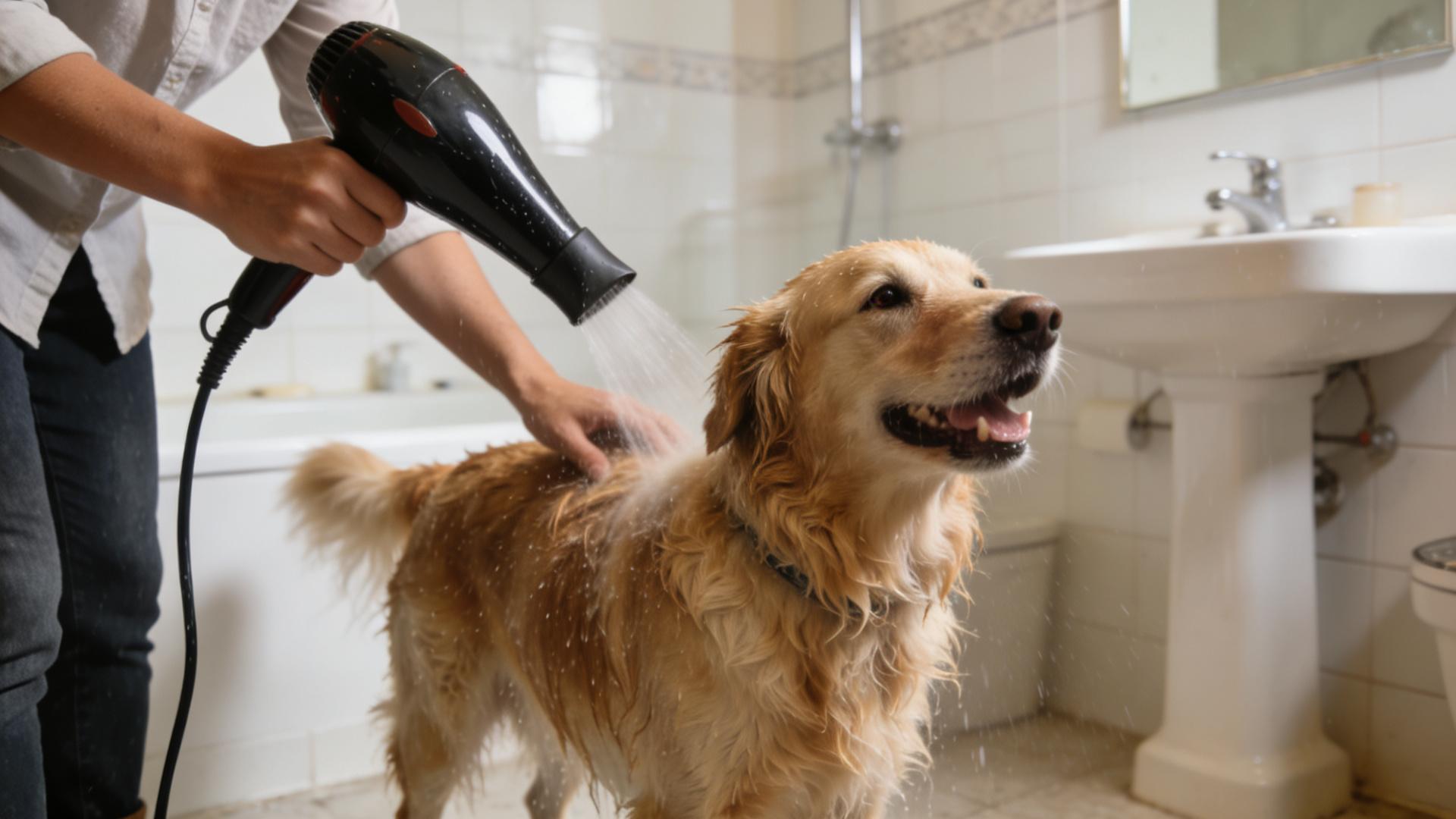
The underlying reason why dogs must be dried after a bath: a breeding ground for eczema and fungal infections.
For many dog owners, bath time is the main event—the suds, the scrubbing, the sometimes comedic struggle. The job feels done once the last rinse is complete. However, this mindset overlooks the most critical step in the entire grooming process: thorough drying. Incomplete drying is not merely an oversight that leaves your dog damp and uncomfortable; it is an active risk factor that creates a perfect, humid breeding ground for serious and painful skin conditions. Understanding the science behind this process is the cornerstone of proactive, preventative canine care. This article delves deep into why skipping this step is one of the most common and detrimental dog bathing mistakes, and how a proper routine is your best defense.
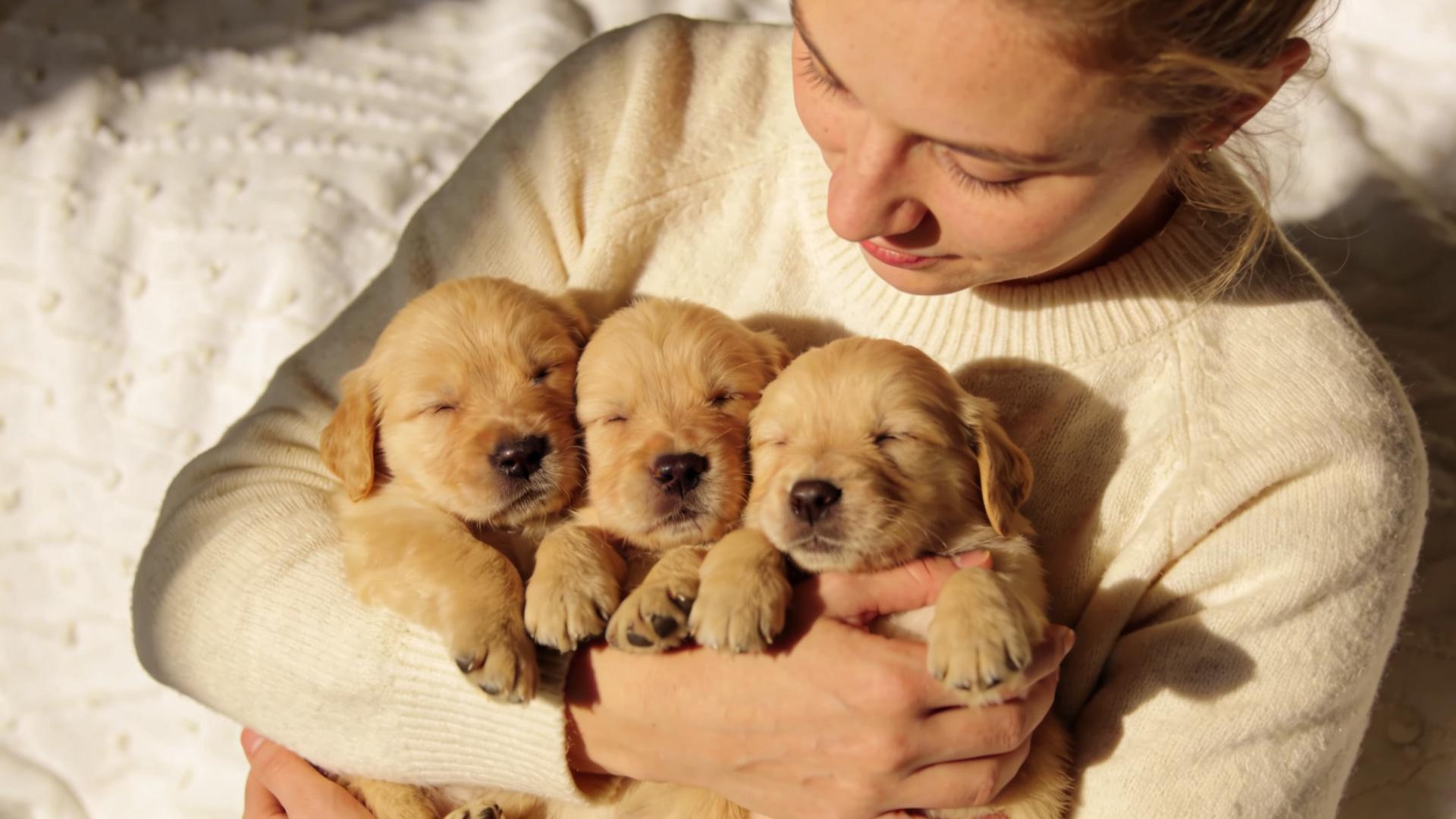
"Warmth and Cleanliness" for Newborn Puppies: Simulated Care When the Mother is Away
For newborn puppies, the mother is their entire world. She provides nourishment, essential warmth, and meticulous cleanliness through her constant care. Her presence is the cornerstone of their survival in those critical first weeks. When she is absent due to illness, rejection, or unforeseen circumstances, the roles of providing warmth and maintaining cleanliness fall entirely to you, the caregiver. This responsibility is daunting but profoundly rewarding. This guide aims to be your compassionate companion, offering detailed, step-by-step simulated care methods to ensure the health and survival of orphaned or mother-assisted puppies. We will navigate this journey together, focusing on the two most critical pillars of neonatal care: thermal support and hygienic practice.