
You May Have Missed
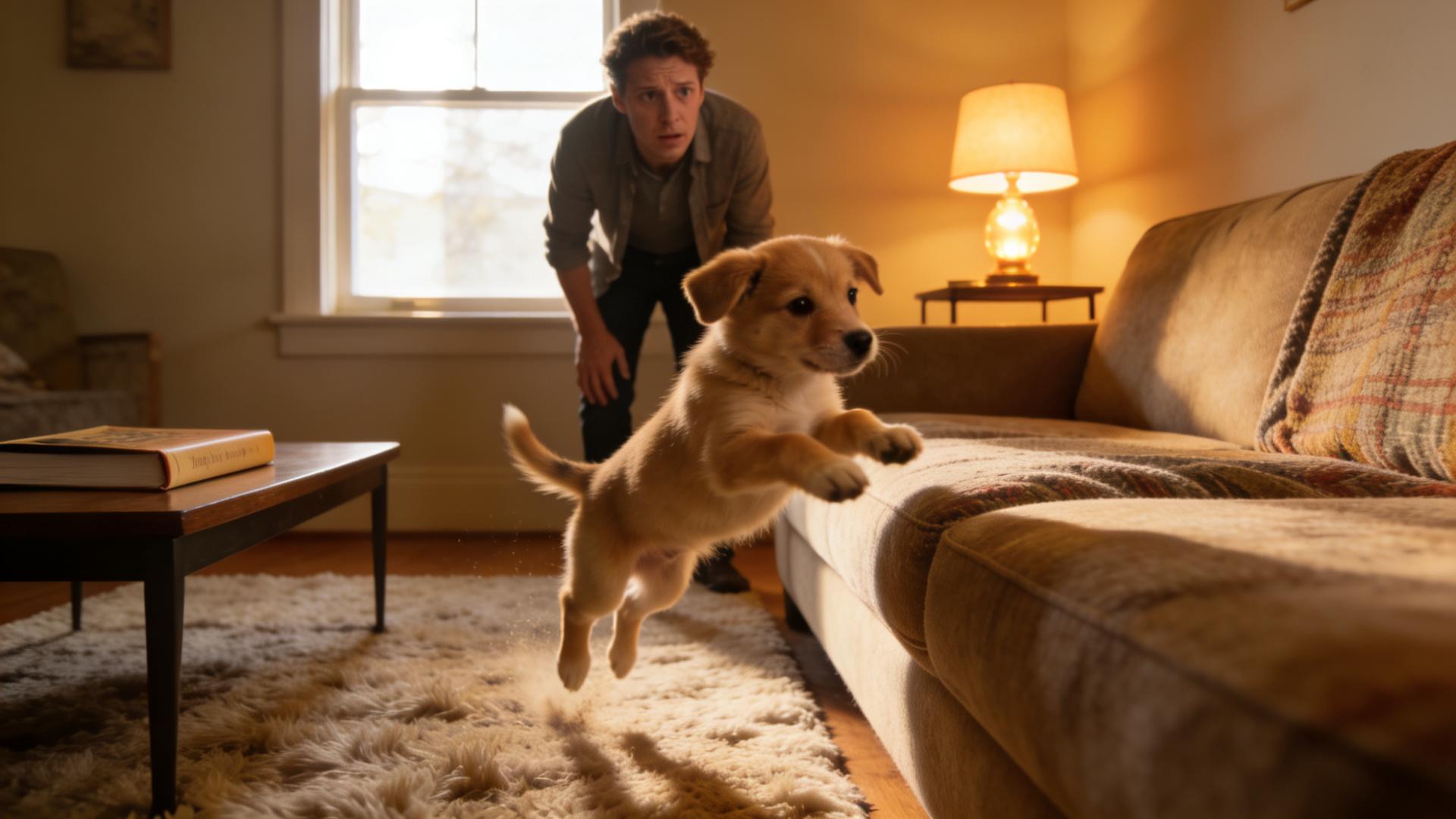
Step and ramp training: Develops puppies' limb coordination
As a loving puppy parent, you watch every wobbly step and joyful bounce with a mix of adoration and quiet concern. That leap off the couch makes your heart skip a beat. You wonder: is this safe for their growing joints? What if they miss and tumble? This instinct to protect is the first sign of a great owner. Today, we’re turning that concern into proactive, health-building action. Beyond just getting on the bed, structured step and ramp training is a foundational skill that cultivates body awareness, prevents injury, and sets the stage for a lifetime of confident movement. This article will guide you through why it's critical, how to choose the right tools, and provide a step-by-step protocol to develop your puppy's limb coordination and proprioception safely and effectively.
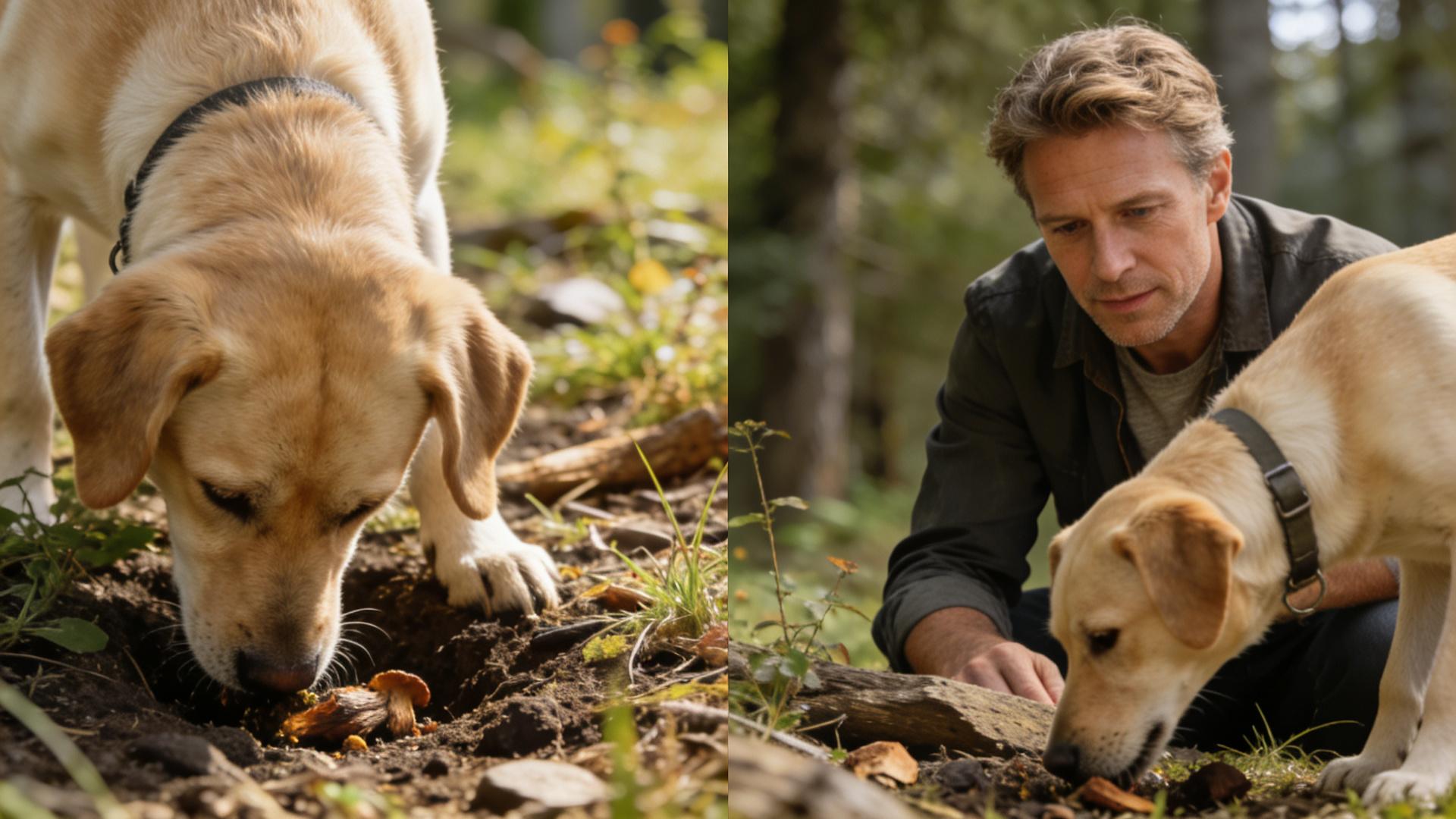
Refusal to eat: How to train your dog not to eat litter on the ground without a command
Every dog owner knows the heart-stopping moment: a split-second glance away, the sudden dip of the head, and the frantic, guttural “What is in your mouth?!” 🚨. Your dog has just vacuumed up a mystery morsel from the sidewalk—a discarded chicken bone, a moldy piece of bread, or something far worse. This scavenging crisis isn’t just a frustrating habit; it’s a direct threat to your dog’s health, risking poisoning, intestinal blockage, and severe illness. This guide is your definitive roadmap to building a reliable, automatic “refusal to eat” behavior, transforming your anxious walks into relaxed, safe partnerships.
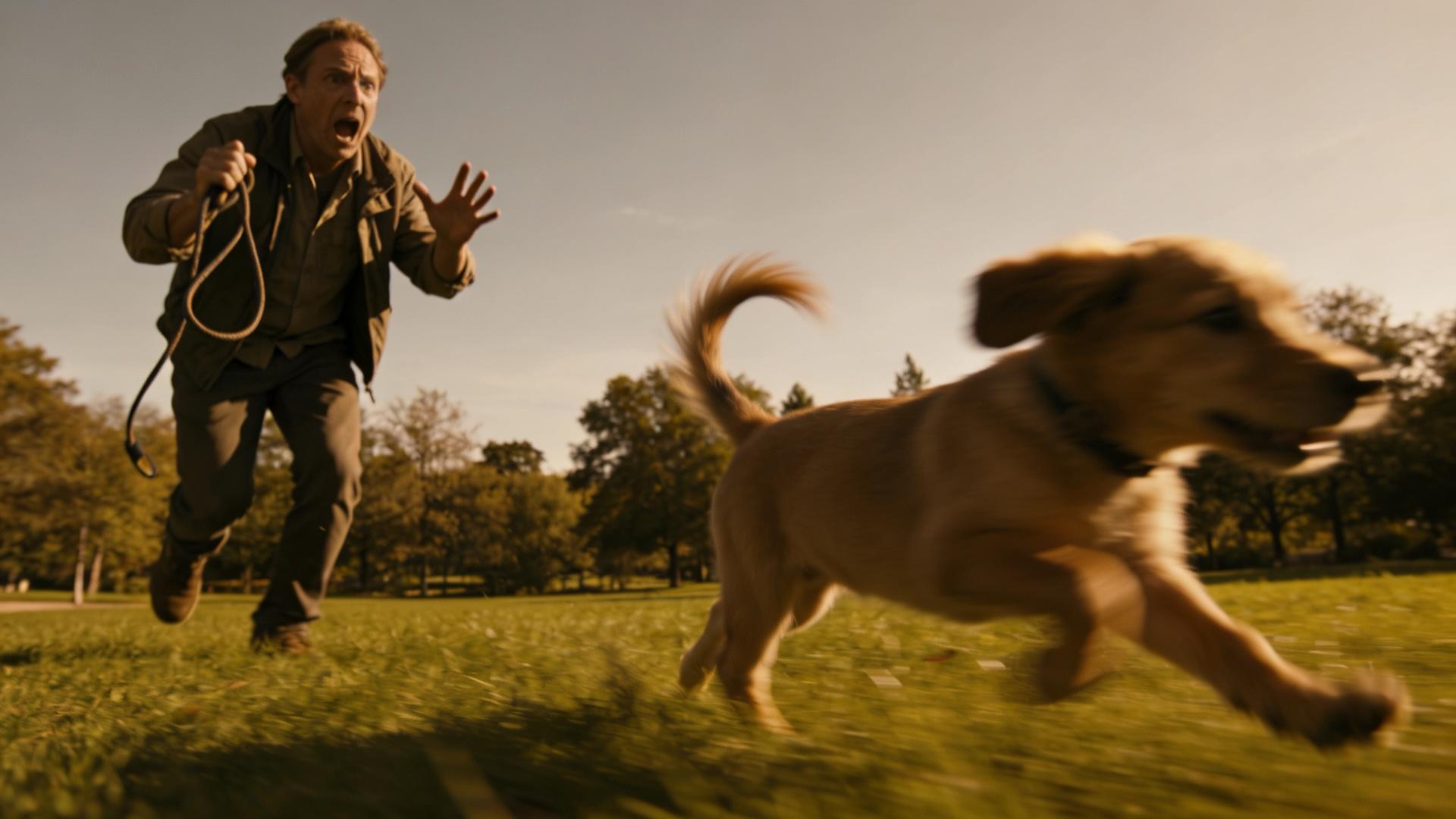
Puppy recall lesson one: Make it run to you no matter what.
Imagine this: your puppy’s leash slips from your hand at the park, or your front door swings open a moment too long. In that heartbeat, the single most important command you will ever teach your dog isn't just a trick—it's a lifesaving behavior. A reliable recall, the act of your dog coming to you instantly and joyfully, is the ultimate insurance policy. But this first lesson isn't about the word "come." It's about building an irresistible gravitational pull that makes your puppy sprint to you with unfiltered joy, every single time. We are not merely requesting an action; we are programming a reaction. This is the art and science of creating a foundation so strong that squirrels, smells, and other dogs simply can't compete. Let's begin.
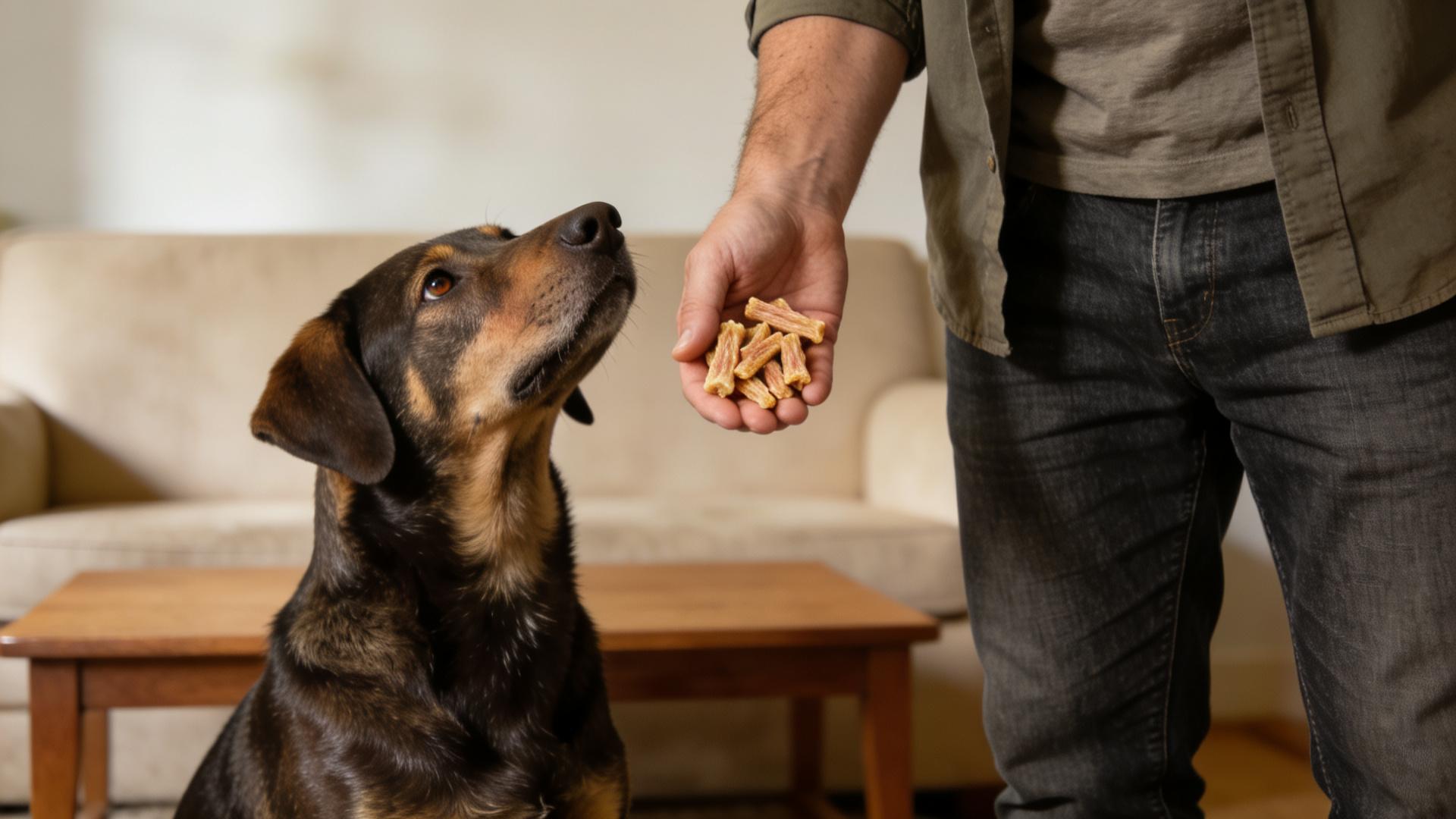
The "Stay" instruction: a step-by-step progression from 3 seconds to 3 minutes.
In the world of canine obedience training, few commands are as vital for both safety and everyday harmony as a reliable "Stay". It's the pause button that can prevent a dog from darting into traffic, the polite manners that keep them settled when guests arrive, and the foundation for more advanced skills. Yet, for many owners, the journey from a fleeting moment of stillness to a calm, prolonged stay command feels daunting. This article is your definitive guide. Our goal is to provide a clear, actionable, and stress-free training protocol that builds duration and distance gradually, transforming impatience into impeccable impulse control.
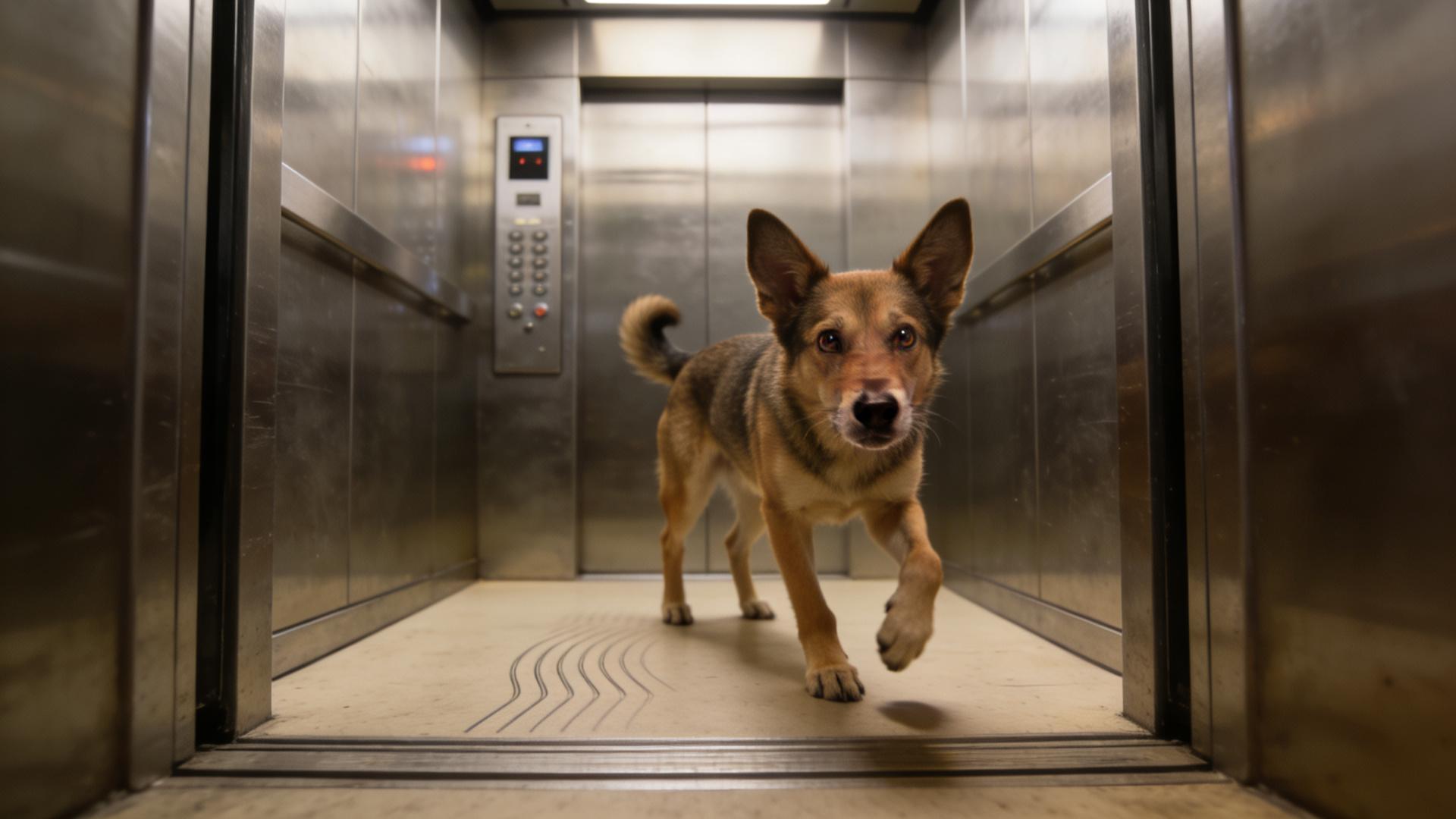
Elevator etiquette training: Calm control when entering confined spaces
The doors slide shut with a soft whoosh, the floor gives a slight lurch, and suddenly, the world feels very small. For many dogs, an elevator ride is a confusing cocktail of strange sounds, confined space, and unpredictable movement. Imagine your dog, panting heavily, pulling on the leash, or even trying to bolt as the doors open. This common scenario isn't just stressful—it can be a safety risk for everyone involved. Training your dog for elevator etiquette is not a luxury; it's a crucial skill for urban living that ensures safety and comfort for your pet, you, and fellow passengers. With patience and the right approach, you can transform this daunting experience into a calm, controlled routine.
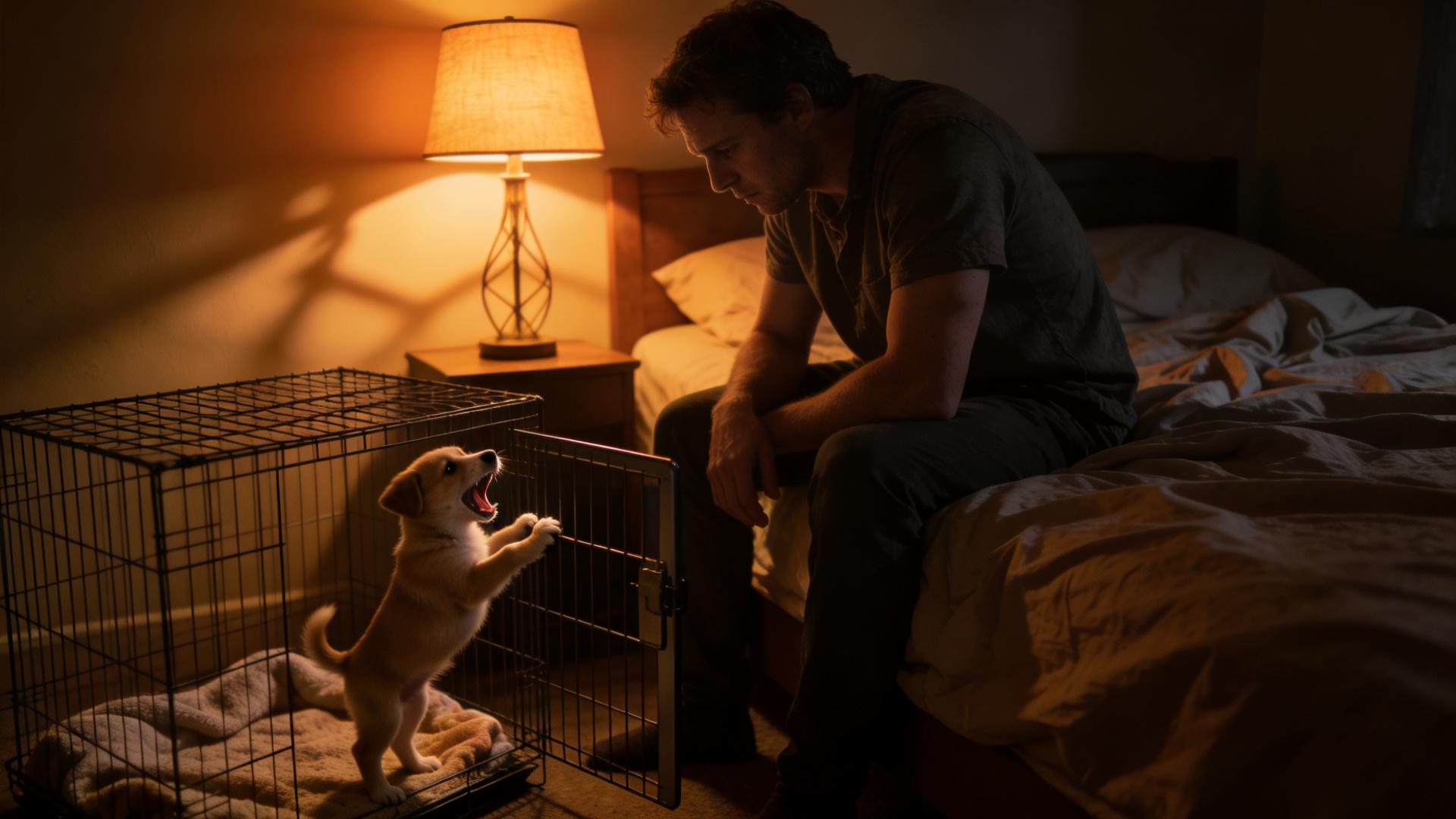
Puppy sleep habit training: solutions to nighttime barking and restlessness
Exhausted from puppy night waking? Our expert guide reveals the root causes of barking and restlessness and provides a proven, step-by-step training plan to finally get peaceful sleep for you and your new dog.