Dog "crime" scene on the spot: From funny cases to scientific dog training guide

S

Caden

Feb 20,2026 • 24 Min Read

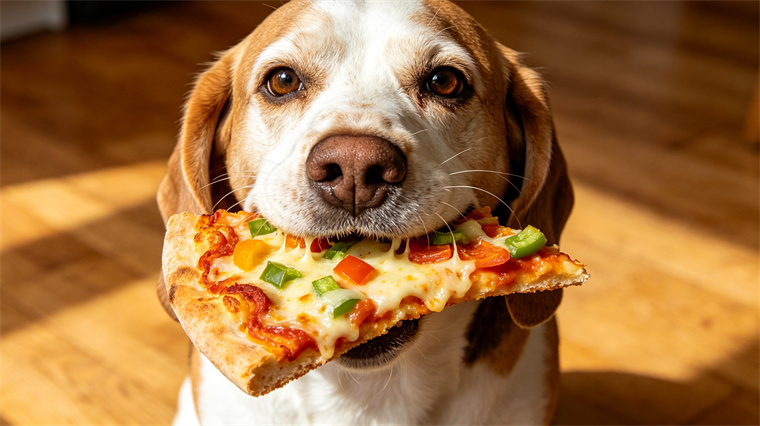
🐾 Has your dog ever secretly swiped your socks or shoes, or even "pilfered" a slice of pizza right off the dining table? Recently, a compilation of pet "thefts" went viral online, featuring countless moments of dogs "committing crimes" that left viewers in stitches. But behind the laughter, why are dogs so keen on "stealing"? Is it mere mischief, natural instinct, or an actual behavioral issue? In this article, we will delve deep into the root causes of canine thievery, analyzing it through the three key dimensions of canine behavior, training techniques, and general care and management.
Dog

🐶 I. Iconic Canine "Theft" Moments

Below are real "criminal records" shared by netizens—each photo hides a story so funny it’ll leave your sides splitting. We’ve categorized these incidents by the type of stolen item and reconstructed every detail within the images—from the look in the dog's eyes to the level of chaos at the "crime scene"—making you feel as though you are witnessing these "furry felons" being caught red-handed in person.

🧦 Category #1: Sock & Shoe Obsessives—The "Fetishist" Thieves

Dogs in this category harbor a mysterious obsession with their owners' footwear. They don't chew them up; instead, they collect them, carry them around, or even treat them as "tokens of affection."
Dog

📸 Case #1: Maze’s Sock Box—The Most Organized "Collector"

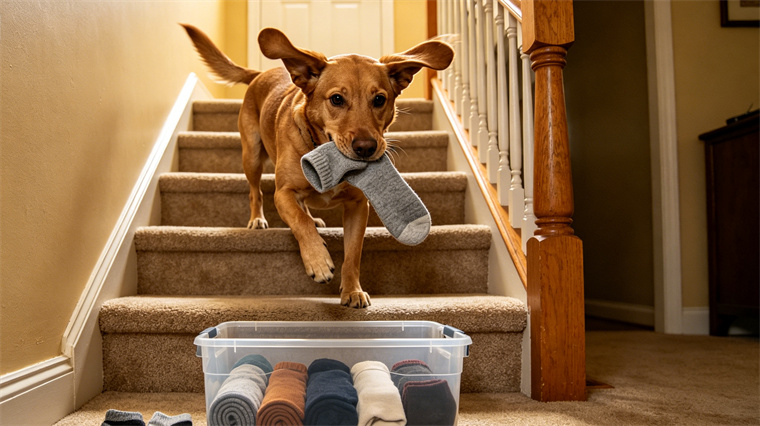
[Image Description] The photo was taken at the foot of a staircase in an ordinary home. Beneath the stairs sits an open, transparent plastic storage bin, inside of which are neatly stacked at least 12 socks of various colors and styles—some rolled into balls, others laid flat—looking as if they had been meticulously organized. Scattered next to the bin are two additional socks that the canine culprit apparently didn't have time to stash away.

The owner captioned: “This is Maze’s sock box. She steals socks from the bedroom, then immediately runs downstairs to deposit them into this box. She has kept this up for two years now.”

[Behavioral Analysis] Maze’s behavior is a classic example of a combination of “hoarding instinct” and “attention-seeking.” She isn’t trying to destroy the socks; rather, she treats the act of collecting them as a game and a ritual. For her, successfully stealing a sock and placing it in the box provides a sense of satisfaction—a feeling of “mission accomplished.”
Next Page→
Advertisement

Found this article helpful?

Share it with more new dog owners and raise pets scientifically together.

You May Have Missed

Emotional synchronization: How does the owner's anxiety interfere with training effectiveness?
Training

Emotional synchronization: How does the owner's anxiety interfere with training effectiveness?

Picture this: You’re in the backyard, treat pouch on your hip, ready to practice a solid "stay." You give the cue, take one step back, and your dog immediately breaks position. A wave of frustration rises. You try again, your voice tightening. Your dog now seems distracted, sniffing the ground, avoiding eye contact. The more you try to "get it right," the worse it gets. Your anxiety climbs, and your dog’s behavior unravels in tandem. Why does it feel like your emotional state is the invisible hand guiding—or sabotaging—your training session? The answer lies in a powerful, biological phenomenon: emotional synchronization. This is the shared emotional leash that connects your inner world directly to your dog's ability to learn, focus, and cooperate.

Puppy recall lesson one: Make it run to you no matter what.
Training

Puppy recall lesson one: Make it run to you no matter what.

Imagine this: your puppy’s leash slips from your hand at the park, or your front door swings open a moment too long. In that heartbeat, the single most important command you will ever teach your dog isn't just a trick—it's a lifesaving behavior. A reliable recall, the act of your dog coming to you instantly and joyfully, is the ultimate insurance policy. But this first lesson isn't about the word "come." It's about building an irresistible gravitational pull that makes your puppy sprint to you with unfiltered joy, every single time. We are not merely requesting an action; we are programming a reaction. This is the art and science of creating a foundation so strong that squirrels, smells, and other dogs simply can't compete. Let's begin.

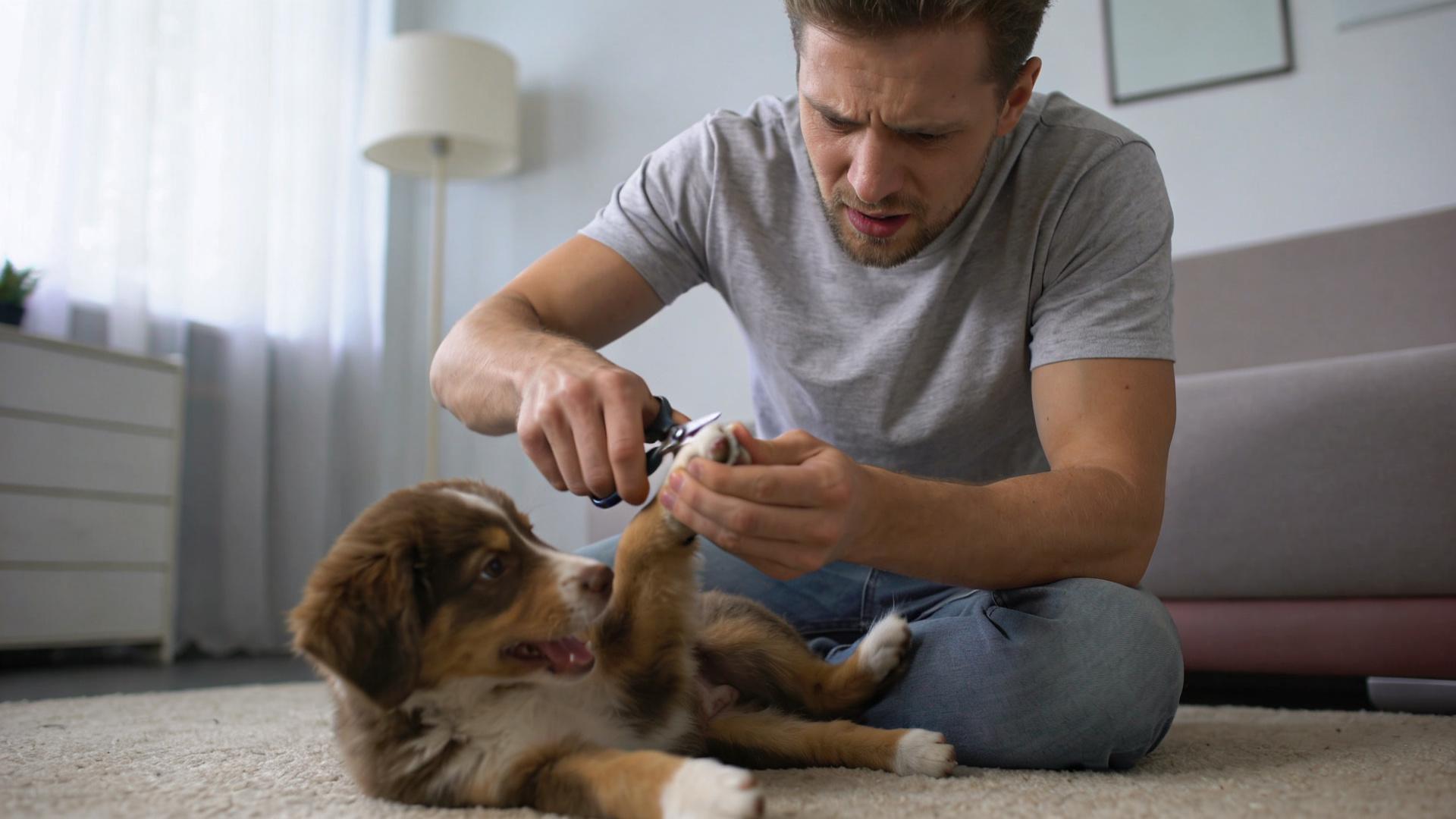
Medical desensitization training: Encourage puppies to cooperate with nail trimming and ear turning.
Training

Medical desensitization training: Encourage puppies to cooperate with nail trimming and ear turning.

For countless puppy parents, the mere thought of nail trimming or ear cleaning can induce a wave of dread. What should be a routine part of healthcare often turns into a stressful wrestling match, filled with whimpers, squirms, and a frustrated owner. If this sounds familiar, you’re not alone. Many puppies view these necessary procedures with suspicion or outright fear. But what if you could transform these chores into moments of calm cooperation—or even enjoyment—for your pup? This is where the transformative power of medical desensitization training comes in. Rooted in science and compassion, this method uses patience, positive reinforcement, and a step-by-step approach to build unshakeable trust, encouraging your puppy to willingly participate in their own care. Let's explore how to turn grooming from a battle into a bonding experience.

Deciphering a dog's "reassurance signals": Is it licking its nose to beg for mercy?
Training

Deciphering a dog's "reassurance signals": Is it licking its nose to beg for mercy?

You come home to a scene of minor chaos—a shredded pillow, garbage scattered across the floor. You find your dog, and they immediately avert their gaze, yawn, and give a quick, unmistakable lick of their nose. The conclusion seems obvious: “Look at that guilty face! He knows he did wrong and is begging for forgiveness.” This narrative feels instinctual to us, a story we’ve told ourselves for generations. But what if we’ve been reading the entire situation incorrectly?

Level 1: Socialization and Order in the Cub Stage
Training

Level 1: Socialization and Order in the Cub Stage

The first few weeks with your new puppy are a whirlwind of joy, licks, and… let's be honest, a bit of chaos. In this critical period, your most important jobs aren't just cuddling and playing. They are socialization and establishing order. Think of this as Level 1 in your dog's lifelong training game. Mastering these two foundational pillars is the single greatest investment you can make in your pup's future. It builds a confident, well-mannered companion and prevents a host of behavioral issues down the line. This guide will walk you through exactly how to navigate your puppy's cub stage with purpose and positivity.

The "plateau" in training: How to break through when your dog stops progressing?
Training

The "plateau" in training: How to break through when your dog stops progressing?

You’ve been diligently working on "sit," "stay," or a fancy new trick. Progress was steady, tail wags were abundant, and then… it stops. Your dog seems to forget what they knew yesterday, loses interest, or simply can’t seem to grasp the next step. Sound familiar? Every single dog owner encounters training plateaus. This is that frustrating phase where your dog's learning curve flattens, and visible improvement grinds to a halt. First, take a deep breath. Do not worry. This is not a sign of failure—yours or your dog’s. It is a completely normal, even expected, part of the training journey. With insight, patience, and the right strategic shifts, you can absolutely break through and guide your dog back onto the path of progress. This guide will equip you with the knowledge and tools to do just that.