The landscape of canine nutrition has undergone a revolution in the past decade. Driven by a surge in pet parental education, advanced veterinary science, and a universal demand for transparency, what goes into our dogs' bowls has fundamentally changed. By 2026, this evolution has reached a critical milestone, with mainstream dog food manufacturers collectively moving away from a host of outdated additives. This shift isn't about fear, it's a testament to progress. Here, we examine the definitive black list of ingredients now considered undesirable by leading brands, and illuminate the positive, health-focused trends that have taken their place.
🚫 The 2026 Black List: 10 Abandoned Additives
The following ingredients, once commonplace, now signal a formulation stuck in the past. Their abandonment marks a significant step forward for the industry and for the wellness of our pets.
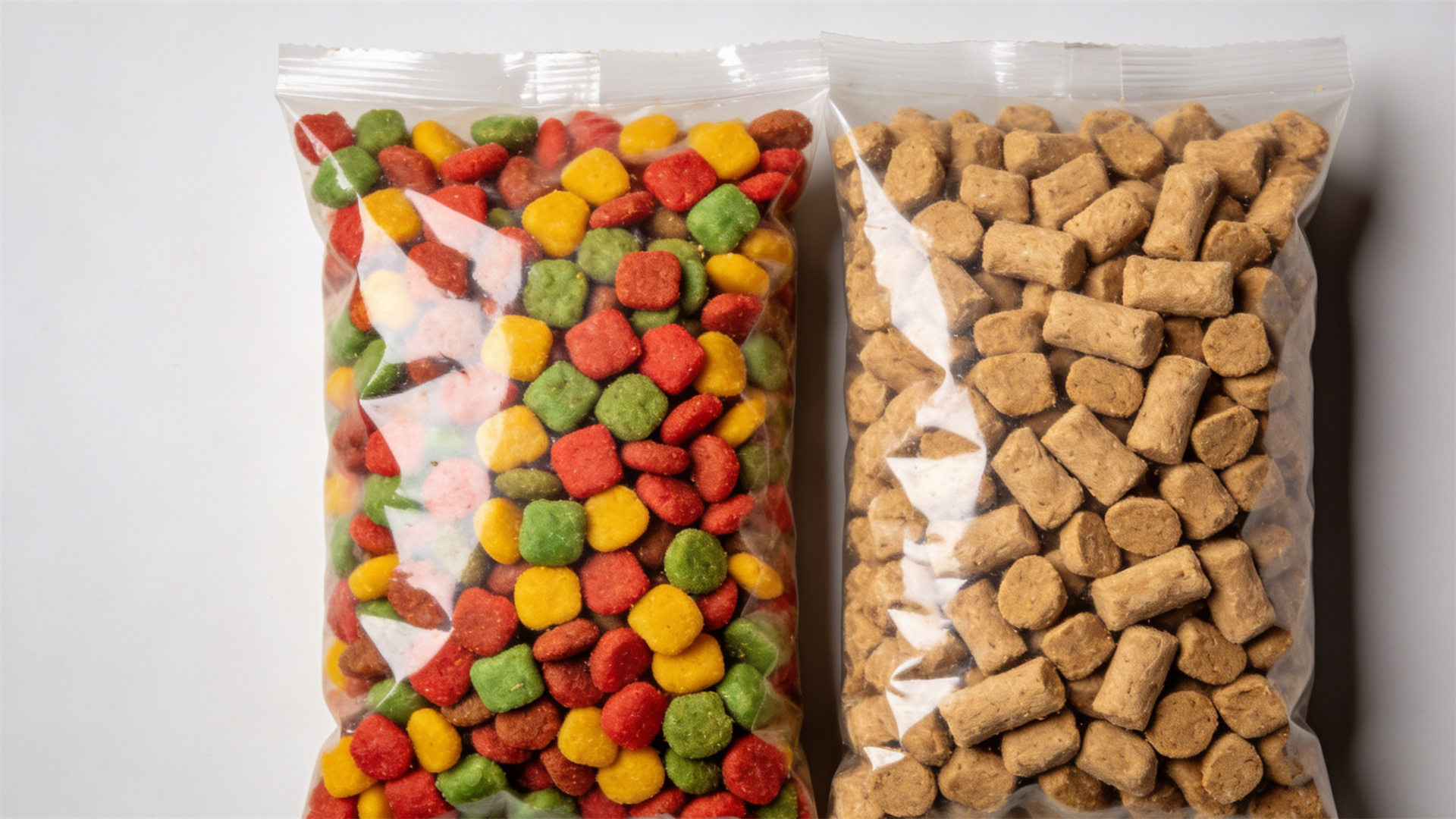
1. Artificial Colors (Red 40, Yellow 5, Blue 2):
These synthetic dyes were used solely to make kibble appear more vibrant and appealing to human shoppers. Concerns over potential hypersensitivity reactions and anecdotal links to hyperactivity and behavioral issues in sensitive dogs grew impossible to ignore. Crucially, they provide zero nutritional benefit to the animal. As of 2026, mainstream manufacturers have universally eliminated synthetic dyes, opting for natural color from sources like beet pulp, blueberries, and carrots.
2. Propylene Glycol:
This chemical cousin to antifreeze was historically used as a moistening agent in semi-moist foods and some treats to retain moisture. While deemed "generally recognized as safe" in small amounts, its primary use was in products of low nutritional value. The desire for cleaner, whole-food formulations and consumer aversion to any chemical preservatives or humectants has rendered it obsolete in mainstream, healthy dog food lines.
3. Meat and Bone Meal (Unspecified):
This vague ingredient was a cheap source of protein and minerals, derived from rendered mammalian tissues. The critical issue is its lack of specificity and quality control; it could contain parts from any number of animals, including diseased tissues or non-nutritive components. The move toward named, recognizable protein sources (like chicken meal or lamb meal) for quality and safety transparency has made non-specific meat and bone meal a relic of the past for trusted brands.
4. Corn Syrup and Sugar:
Added sugars were sometimes used in low-quality foods and treats to enhance palatability and create a dependency on sweet tastes. This contributed directly to obesity, dental problems, and unnecessary blood sugar spikes. In 2026, with canine obesity a leading health concern, responsible manufacturers rely on the natural flavors of high-quality meats and fats for palatability, eliminating empty-calorie sweeteners from their core formulas.
5. BHA, BHT, and Ethoxyquin (Synthetic Preservatives):
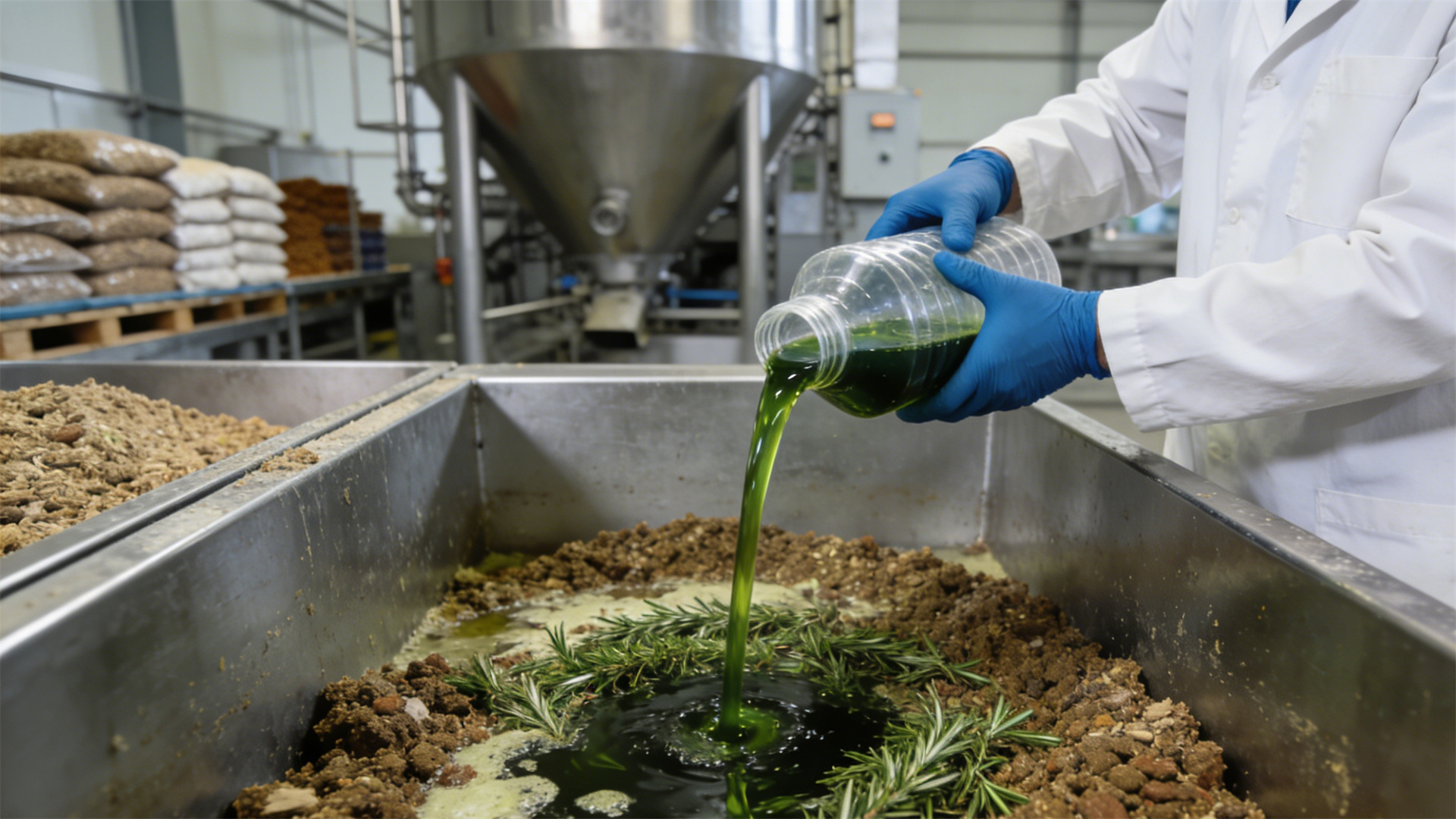
These potent chemical preservatives were champions of long shelf lives, preventing fats in kibble from becoming rancid. However, longstanding debates about their potential carcinogenic effects and liver strain, even at approved levels, eroded consumer trust. The industry-wide pivot is now toward mixed tocopherols (vitamin E), rosemary extract, and other natural preservatives, aligning with the clean label dog food movement.
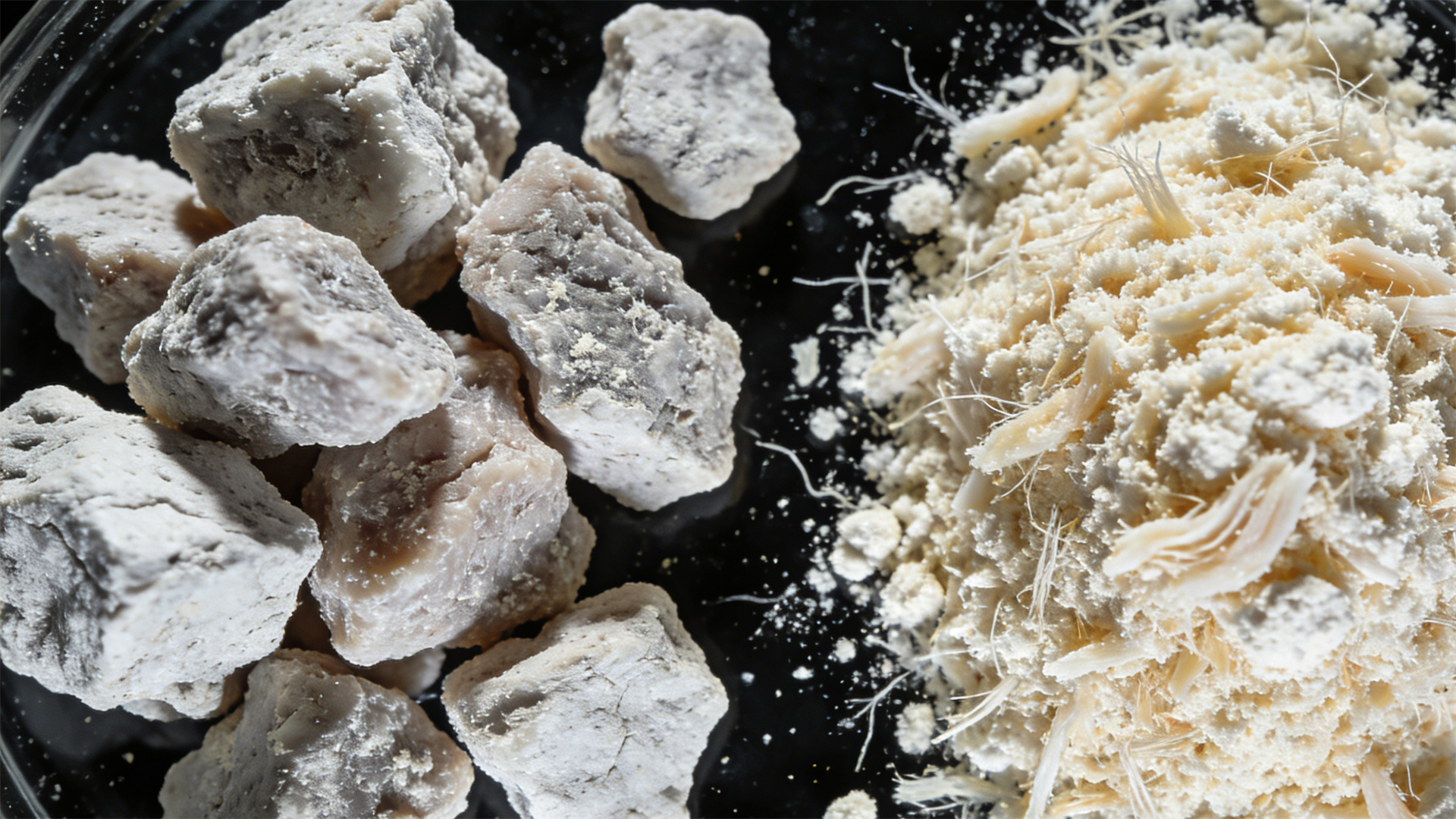
6. Cellulose (Powdered Cellulose):
Purified wood pulp was added as a low-cost, non-nutritive fiber source and filler to add bulk to food. While fiber is essential, this form provides no meaningful vitamins, minerals, or fermentable benefits for the gut. Mainstream brands in 2026 utilize superior, functional fiber sources like pumpkin, chicory root, and apple pomace, which support digestive health and offer additional nutrients.
7. Artificial Flavors (e.g., "Animal Digest" Spray):
These were chemical concoctions designed to mask the taste of poor-quality ingredients and entice dogs to eat. The term "animal digest" itself is a nebulous by-product slurry. Today's informed pet parents demand real food flavor. Brands now achieve palatability through freeze-dried raw coatings, bone broth infusions, and high concentrations of real meat, making artificial flavor enhancers a hallmark of outdated formulations.
8. Carrageenan:
This thickening and gelling agent, derived from seaweed, was common in wet foods and some specialty diets. Research, though primarily in lab animals, suggested a potential link to gastrointestinal inflammation and ulceration. Given the availability of safer alternatives like guar gum or agar-agar, and the priority on gut health, mainstream pet food companies have phased carrageenan out of their recipes as a precautionary measure.
9. By-Product Meals (Unspecified):
Distinct from named by-product meals (like chicken by-product meal), the unspecified version is a major red flag. It represents the rendered, cleaned parts of slaughtered animals not specified by species, which can include beaks, feet, and undeveloped eggs. The lack of transparency and nutritional consistency is its downfall. The 2026 standard demands specificity, making "poultry by-product meal" an unacceptable ingredient for leading manufacturers focused on safe dog food ingredients.
10. Generic "Animal Fat" Preserved with BHA/BHT:
This ingredient combines two black-list issues. First, the fat source is unspecified, raising quality concerns. Second, it is often preserved with the very synthetic antioxidants the industry is moving away from. This double lack of transparency and use of controversial preservatives exemplifies the old way of thinking. Modern brands use named fats (like chicken fat) preserved naturally with tocopherols, closing the loop on quality and clean labeling.
✅ The Implied Red List: What Has Taken Their Place
The abandonment of the above additives is only one side of the story. The true narrative of 2026 is the embrace of superior, health-supporting practices. This is your implied red list of what to look for, the positive dog nutrition trends 2026 has cemented as standard.
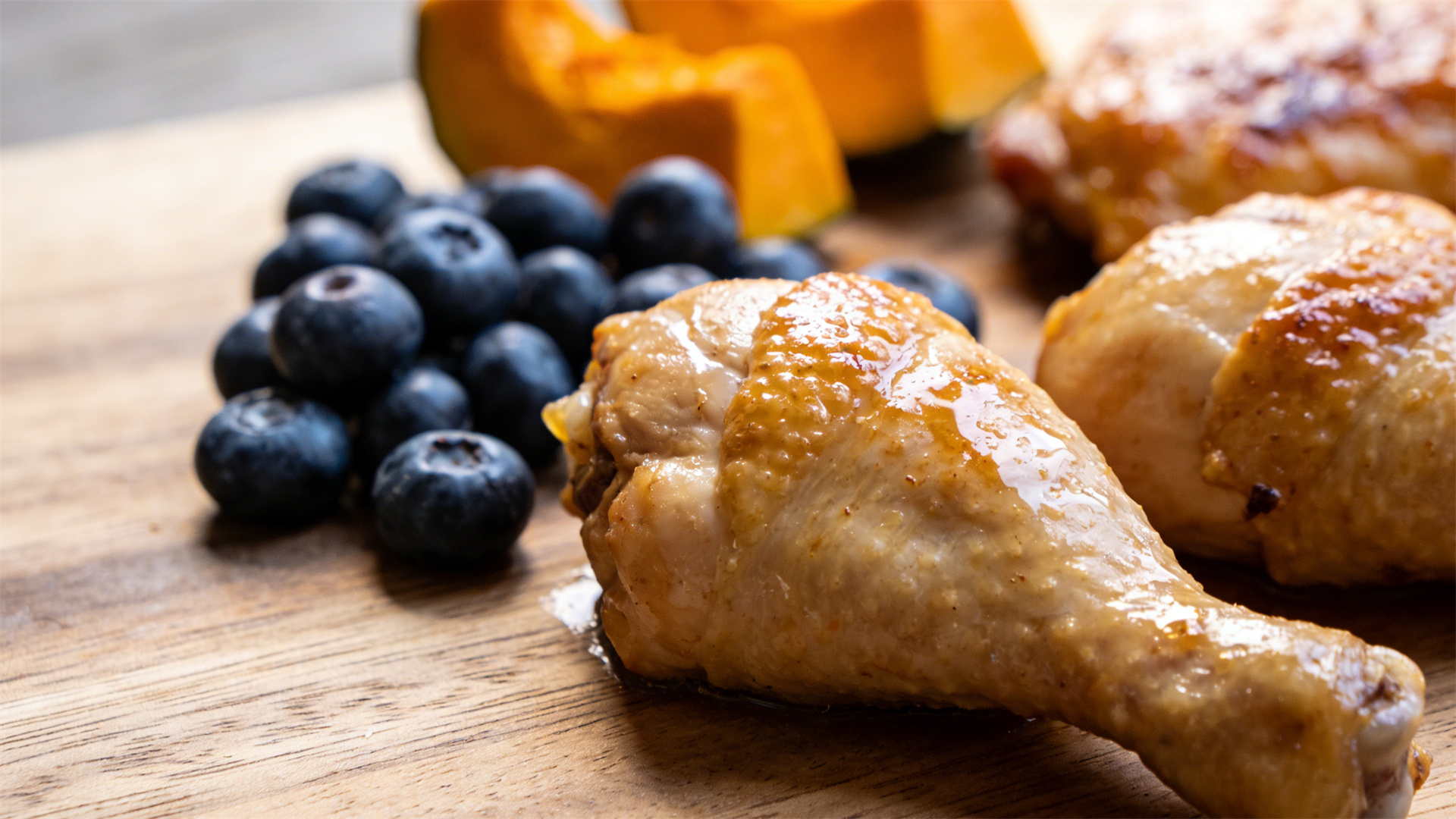
The first is the supremacy of named, whole-food protein sources. Diets now lead with clear ingredients like deboned chicken, salmon, or beef as the #1 component. The second is the use of functional superfoods such as blueberries for antioxidants, turmeric for anti-inflammatory support, and probiotics like dried fermentation products for robust gut microbiome health. Third, transparent sourcing and sustainability claims are no longer niche but expected, with brands detailing the origin of their key components.
Furthermore, life-stage and breed-specific precision nutrition has become highly sophisticated, moving beyond just puppy and senior formulas. Finally, the commitment to natural preservation using mixed tocopherols and rosemary extract is now a baseline for any brand wishing to be considered mainstream and trustworthy. These are the healthy alternatives to harmful additives that define the current market.
Special Reminder: How to Read a 2026 Dog Food Label
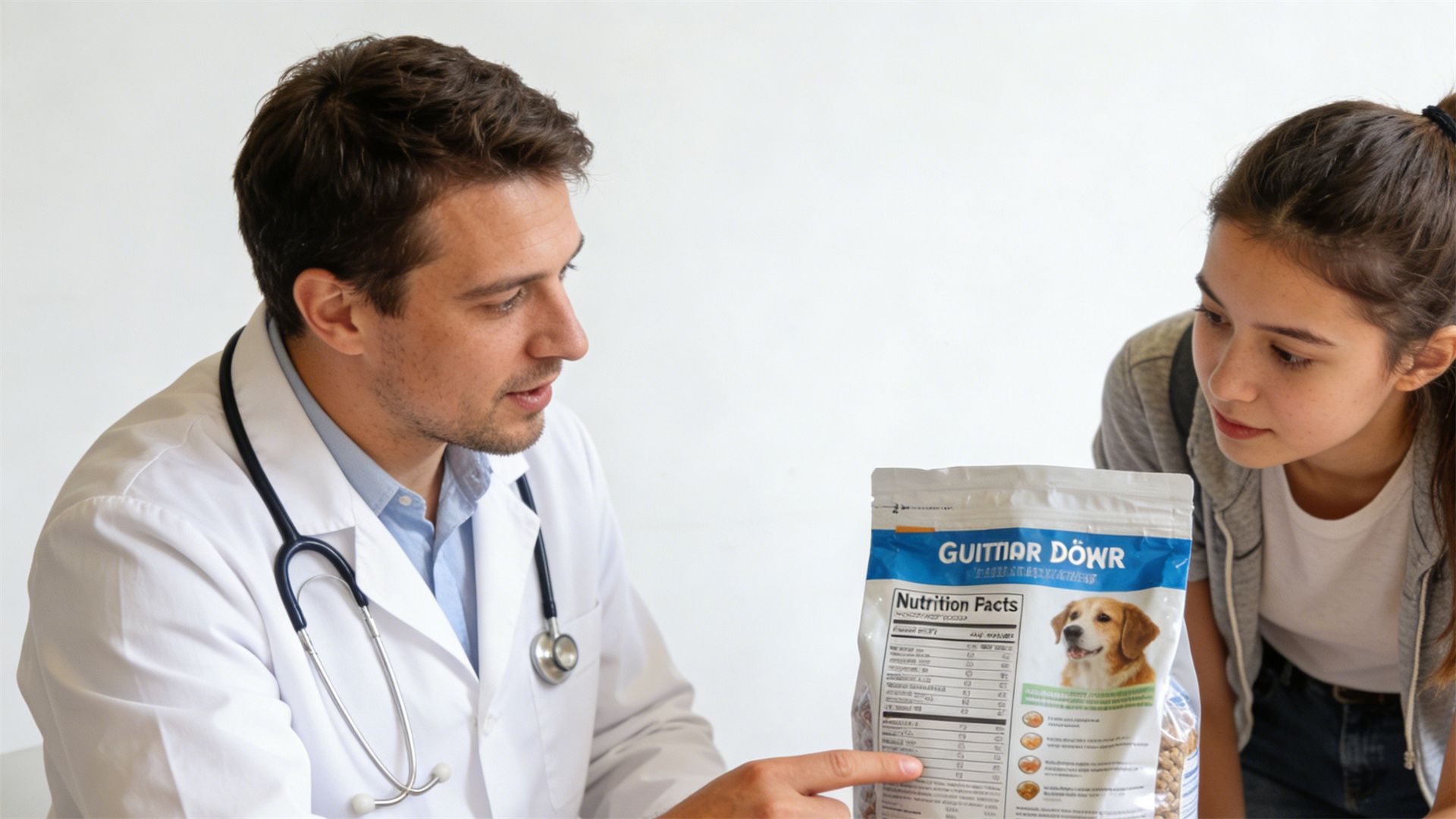
Empowerment through education is key. Always start by reading the ingredient panel, not just the marketing claims. Look for the trends outlined in the Red List. The first five ingredients tell the story of the formula's primary composition. Consult with your veterinarian to align your dog's specific health needs with the optimal nutritional profile. Remember, the best dog food ingredient list 2026 can offer is one you can understand, from sources you can recognize.
The journey of canine nutrition is one of continuous improvement. The abandonment of these ten additives by mainstream dog food manufacturers is a clear marker of how far we've come, prioritizing long-term vitality over cost and convenience. As we look beyond 2026, the trend is unequivocal: the future of dog food is whole, transparent, and thoughtfully crafted, fueling our companions for a healthier, happier life.