
You May Have Missed
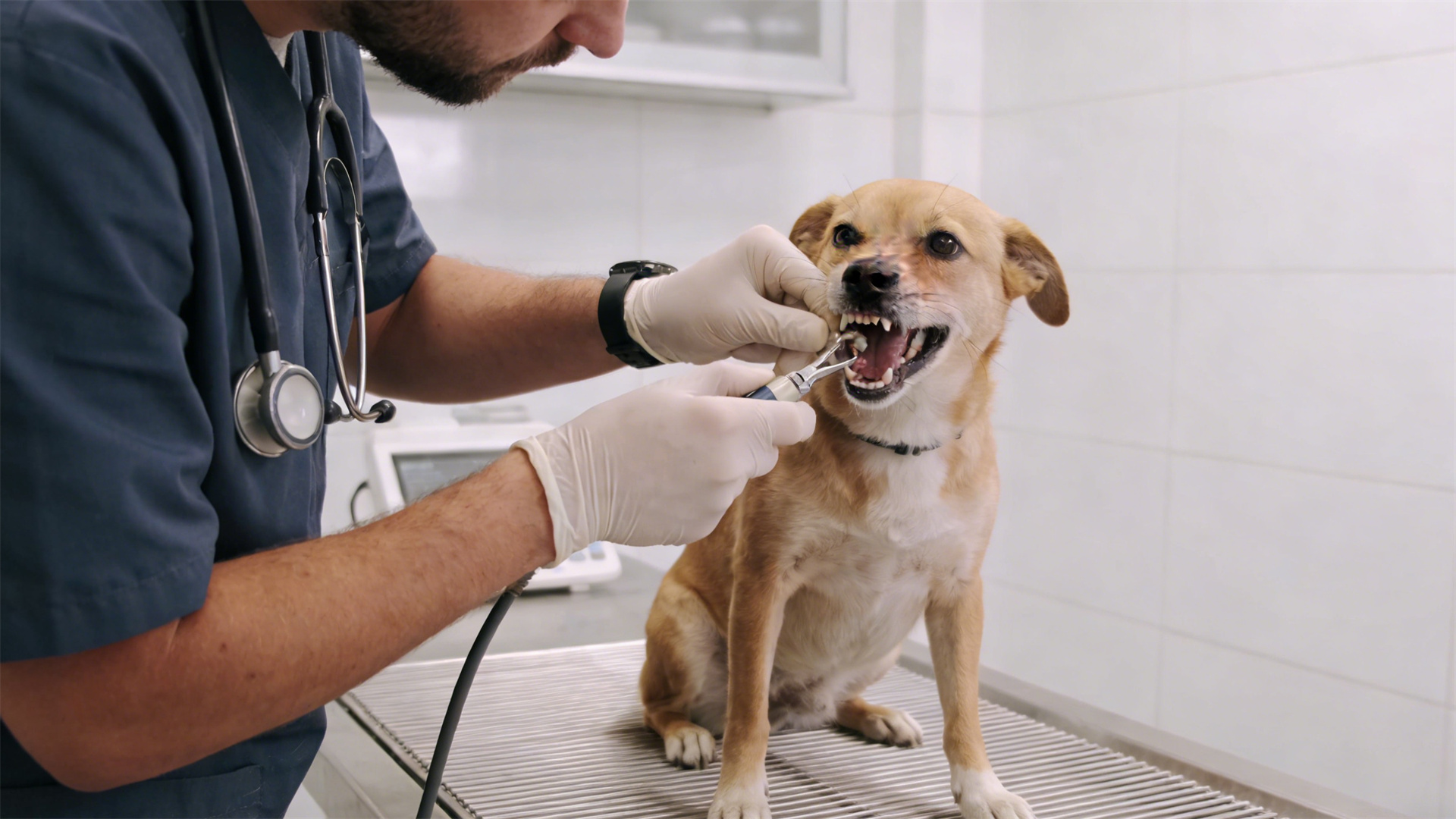
Oral health management
Let's be honest: does your dog's breath smell like a garbage truck on a hot day? 🚚💨 You're not alone. But here's the real question—are you dismissing that foul odor as just "dog breath," or are you recognizing it as the first red flag of a serious health issue? Oral health management for dogs isn't just about fresh kisses; it's a critical pillar of your pet's overall longevity and vitality. In this definitive guide, we'll walk you through everything, from daily dog dental hygiene routines to knowing when it's time for a professional veterinary dental care visit. Ready to transform your dog's dental health? Let's dive in!

Clinical Nutrition Guidelines
Navigating the world of dog food is complex, but when your dog faces a health challenge, nutrition transforms from a matter of sustenance to a powerful component of medical therapy. This article delves into the specialized realm of canine clinical nutrition—a field where food is meticulously formulated as a tool to manage, mitigate, and sometimes even help treat specific diseases. Our goal is to translate veterinary science into clear, actionable guidance, empowering you to become an informed partner in your dog's healthcare journey. Clinical nutrition is not about the latest trend; it's about targeted, evidence-based dietary intervention.

The application of music therapy in kennels: the stabilizing effect of specific frequency music on heart rate.
Kennels, shelters, and boarding facilities are essential pillars of canine care, providing safety and temporary refuge. However, for many dogs, these environments—despite their best intentions—can be hotbeds of stress and anxiety. The cacophony of unfamiliar sounds, the presence of unknown dogs, and the separation from familiar people and routines trigger a profound physiological response. One of the most direct and measurable markers of this stress is an increased heart rate, which, when sustained, can negatively impact overall health and well-being. In the search for innovative, non-invasive tools to combat this issue, music therapy has emerged as a surprisingly powerful ally. This article delves deep into the science and practice of using specific frequency music in kennel settings, exploring its demonstrable, calming effect on the canine cardiovascular system and its role as a cornerstone of modern, compassionate animal welfare.

The grain controversy is over: Why do some dog breeds still need adequate dietary fiber?
For years, the dog food aisle was a battleground of grain-free diet dogs versus traditional formulas, fueled by fears and trends. Today, the grain controversy dogs have endured is largely settled by science, shifting our focus from elimination to inclusion. The real question isn't about grains per se, but about ensuring all dogs, especially certain breeds, receive optimal dietary fiber for dogs. This article delves into why canine dietary fiber is non-negotiable for health, how needs vary by breed, and how to provide it wisely.
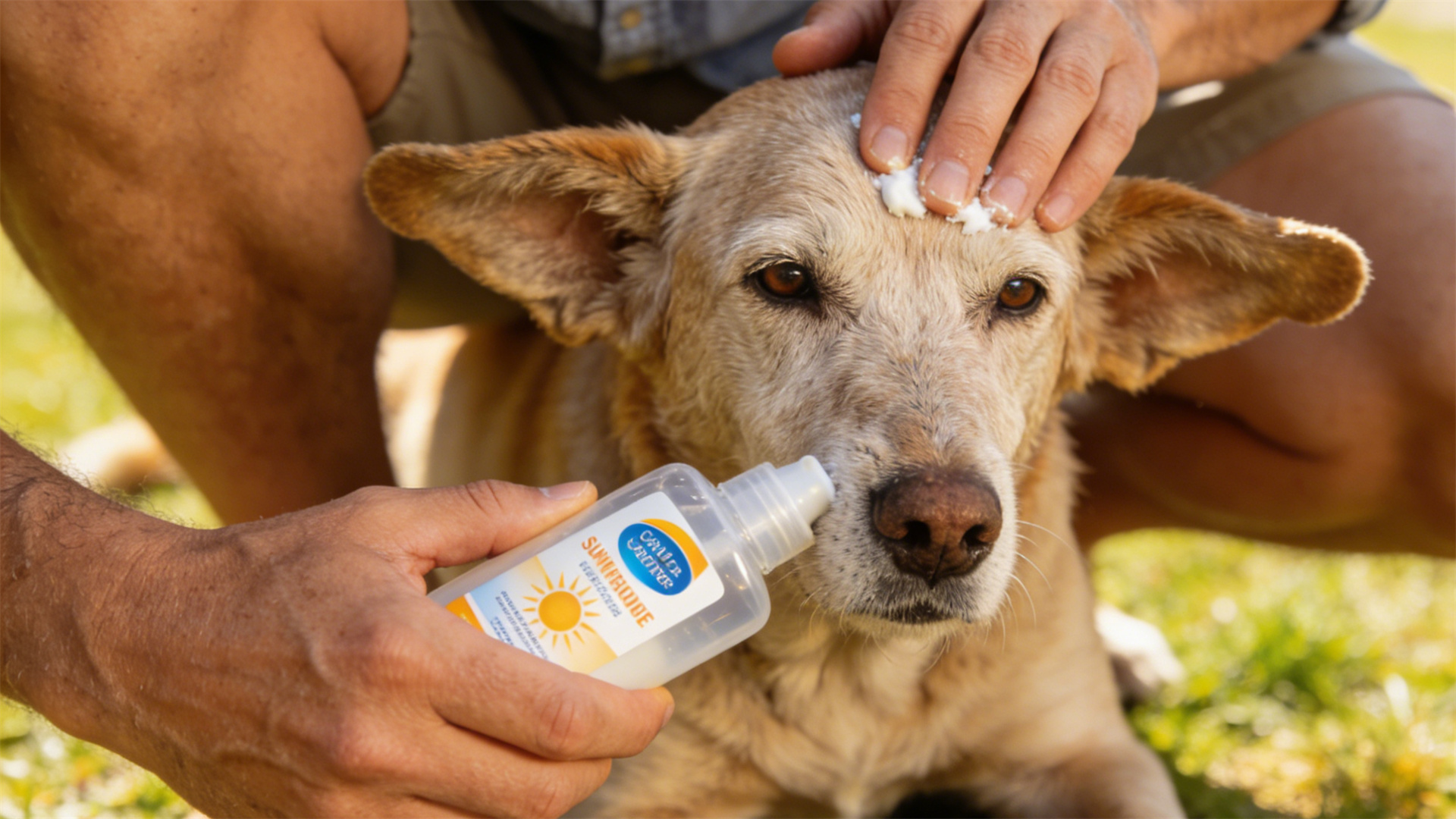
Hair management for senior dogs: Cold and sun protection measures after skin thins
As our canine companions gracefully enter their golden years, their care requirements evolve. One of the most significant yet often overlooked changes involves their skin and coat. What was once a resilient barrier against the elements can become delicate and vulnerable. For the devoted owner, understanding and adapting to these changes isn't a matter of vanity—it's a core component of preventative health and comfort. This comprehensive guide delves into the world of hair management for senior dogs, with a specialized focus on protecting their thinning skin from two opposing threats: biting cold and harsh sunlight.

Micronutrient deficiencies in dogs: The underlying logic behind brittle nails, soil-eating, and pica.
You notice your dog’s nails seem to split or flake easily during a trim. Later, you catch them intently munching on dirt in the garden. Perhaps they’ve even graduated to chewing on rocks, socks, or drywall. As a concerned dog owner, you might write these off as odd behaviors or minor quirks. But what if these seemingly unrelated issues were connected? What if they were your dog’s way of sending a nutritional distress signal? The common thread often lies in micronutrient deficiencies in dogs—a subtle but significant imbalance that impacts health from the inside out.