
You May Have Missed
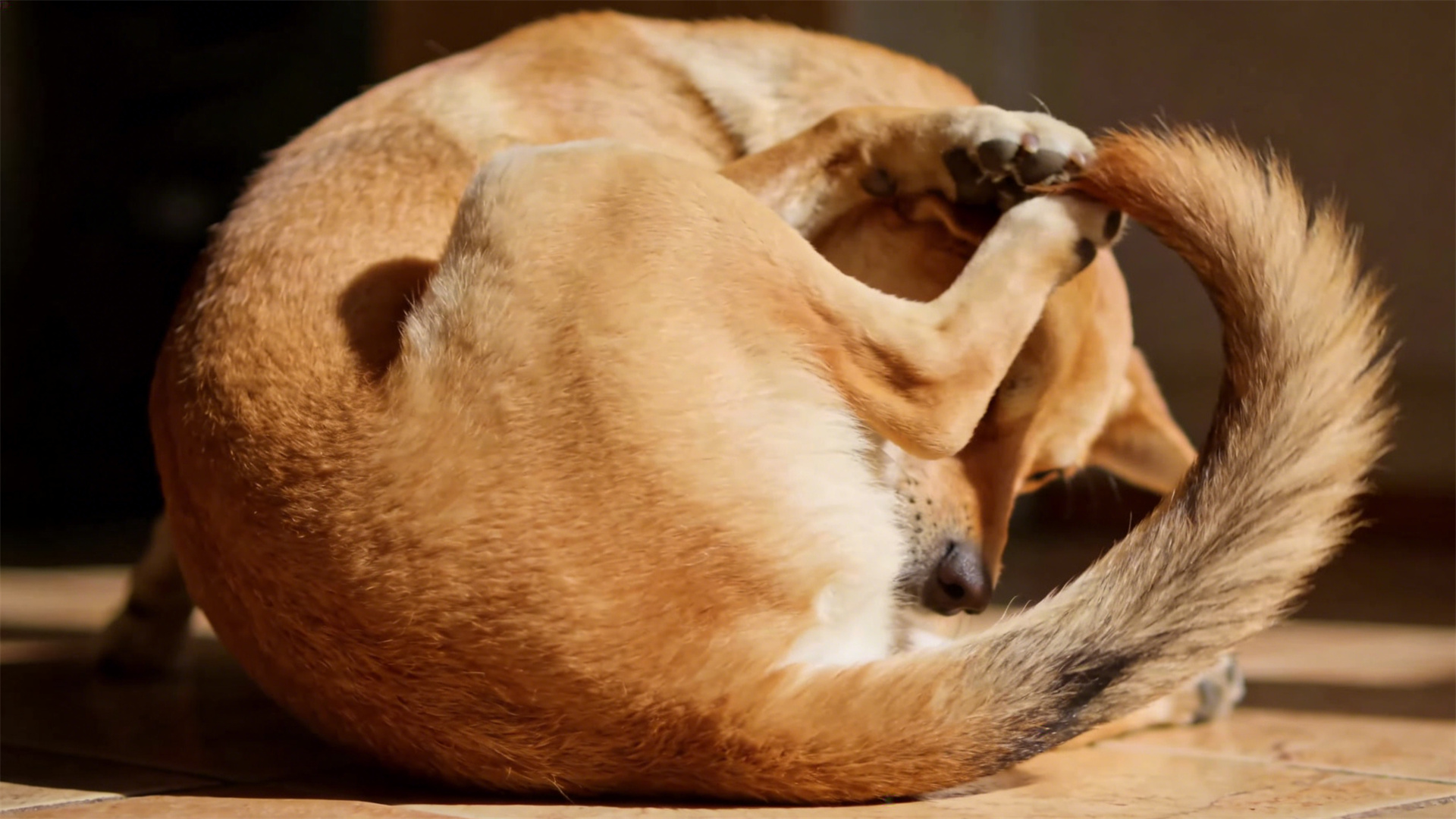
Compulsive behaviors (such as tail chasing): Is it naughtiness or brain damage?
As a dog owner, few sights are as simultaneously amusing and perplexing as watching your dog spin in frantic circles, determined to catch that elusive tail. It’s a classic canine quirk, often laughed off as a moment of goofy antics. But when the spinning becomes a daily ritual, when it intensifies to the point of exhaustion or injury, that amusement can quickly curdle into concern. Is this just a naughty phase, a silly habit? Or could it be a red flag for something more serious, like brain damage or a neurological disorder? Understanding the stark difference between playful behavior and a pathological compulsion is not just academic—it’s crucial for the long-term health and happiness of your four-legged family member.
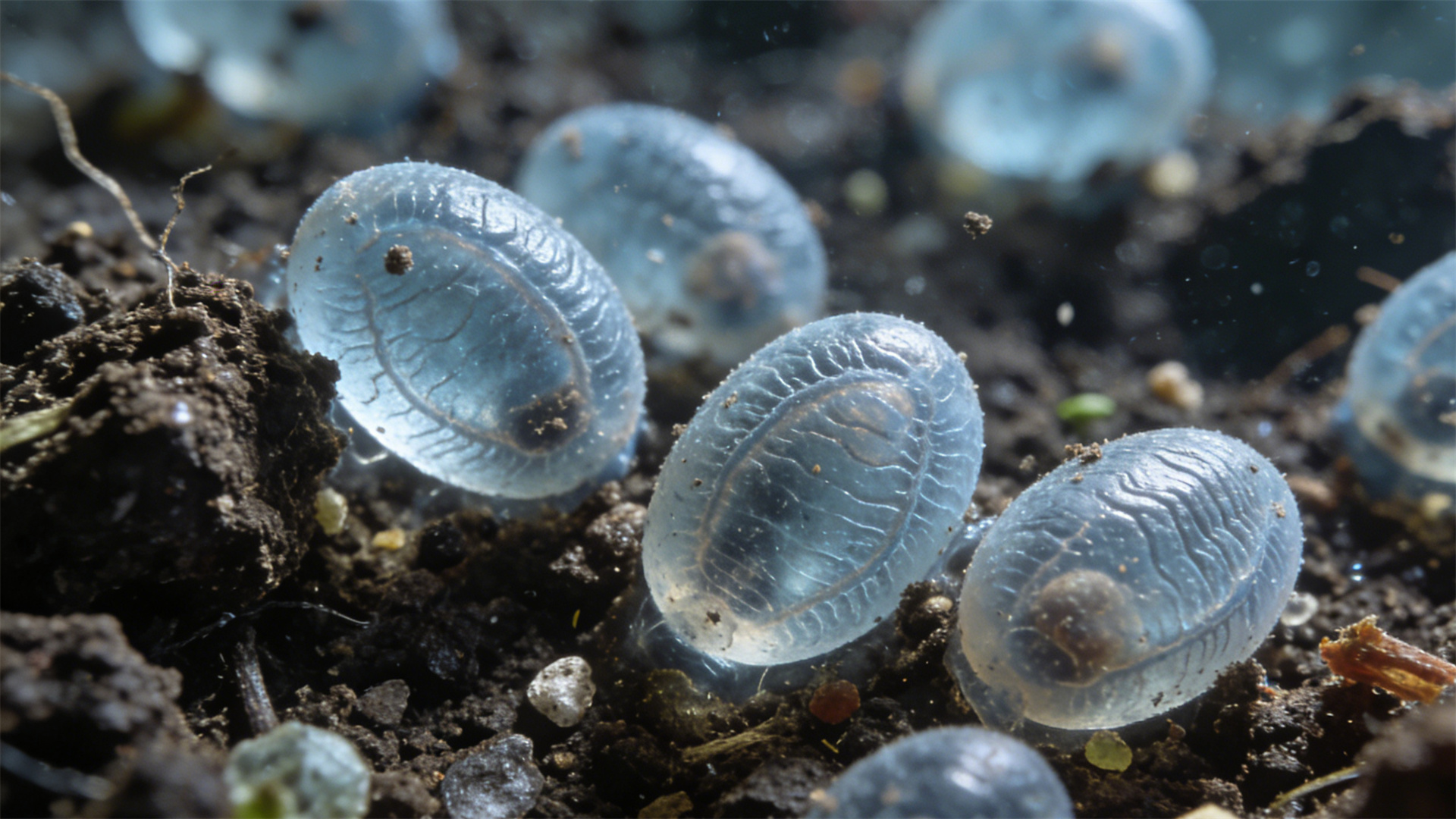
Warning about zoonotic diseases in cats and dogs: How to prevent cross-infection of parasites in multi-pet households
Welcome to your essential guide for safeguarding your furry family and yourself! If your home is blessed with the pitter-patter of both canine and feline paws, you're part of a vibrant multi-pet household. However, this wonderful coexistence comes with a heightened responsibility: managing the risk of zoonotic diseases. These are infections that can transfer from animals to humans, and parasites are often the culprits. The close quarters of a shared home create perfect conditions for parasite cross infection. But fear not—with knowledge and proactive steps, you can create a fortress of safety. This article will equip you with everything you need to know about common threats and actionable zoonosis prevention tips.
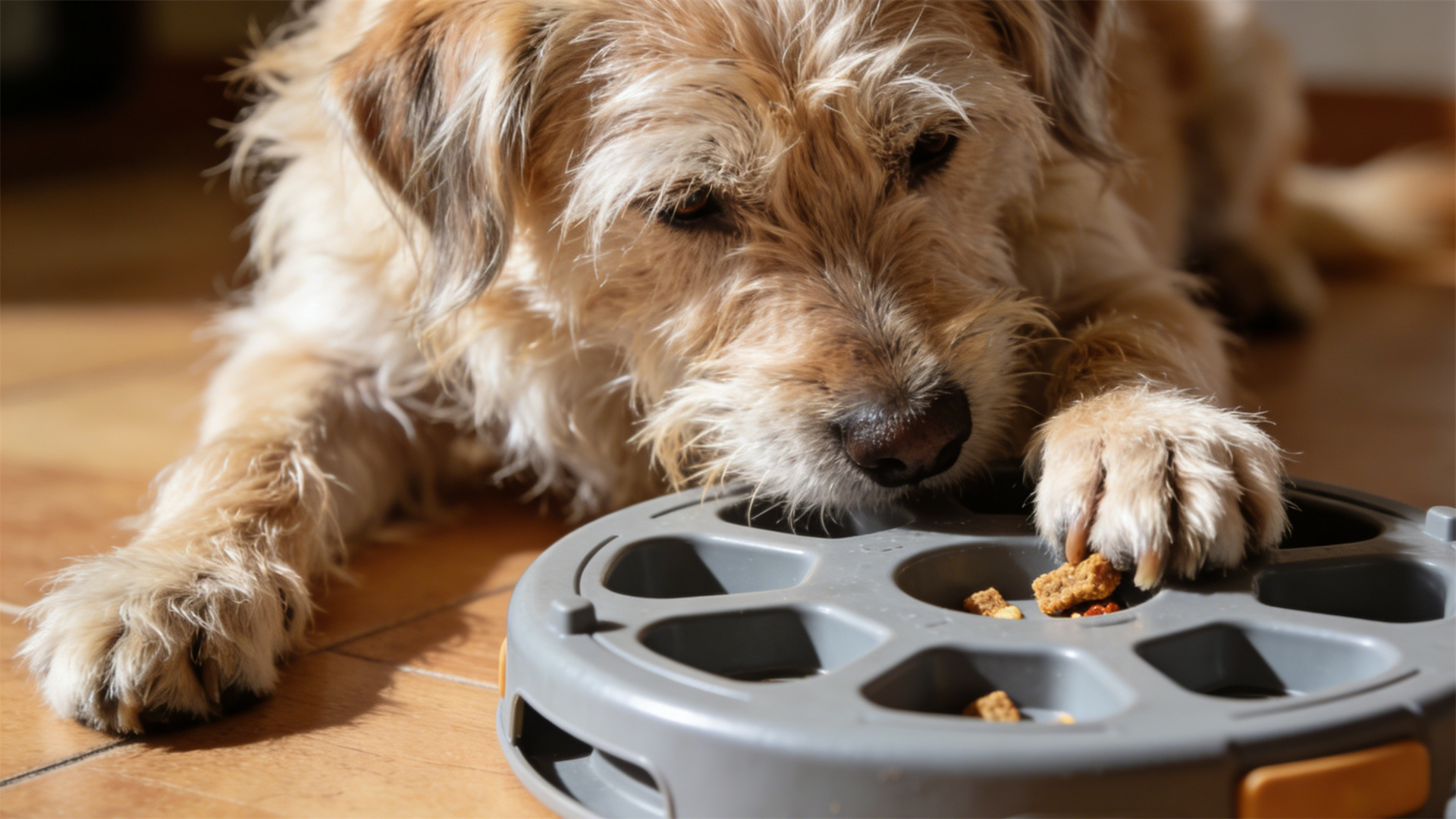
Cognitive training: Using educational toys to slow down brain degeneration in older dogs
You notice it in the small things. Your faithful companion, now with a frosted muzzle, might pause for a moment, seemingly confused in a familiar corner of the yard. Perhaps their sleep-wake cycle has flipped, or they seem less enthusiastic about a game they once loved. These subtle shifts can be easy to dismiss as "just getting old," but they often point to something more specific: Canine Cognitive Dysfunction (CCD), a condition akin to dementia in humans. While this reality can feel daunting, there is a powerful, positive, and profoundly bonding tool at your disposal: cognitive training. Just as physical exercise keeps the body strong, consistent mental exercise is crucial for maintaining brain health. And the best part? It can be as simple and joyful as play. This article will guide you through using educational toys as a cornerstone strategy to enrich your senior dog's life, slow cognitive decline, and strengthen your unbreakable bond.
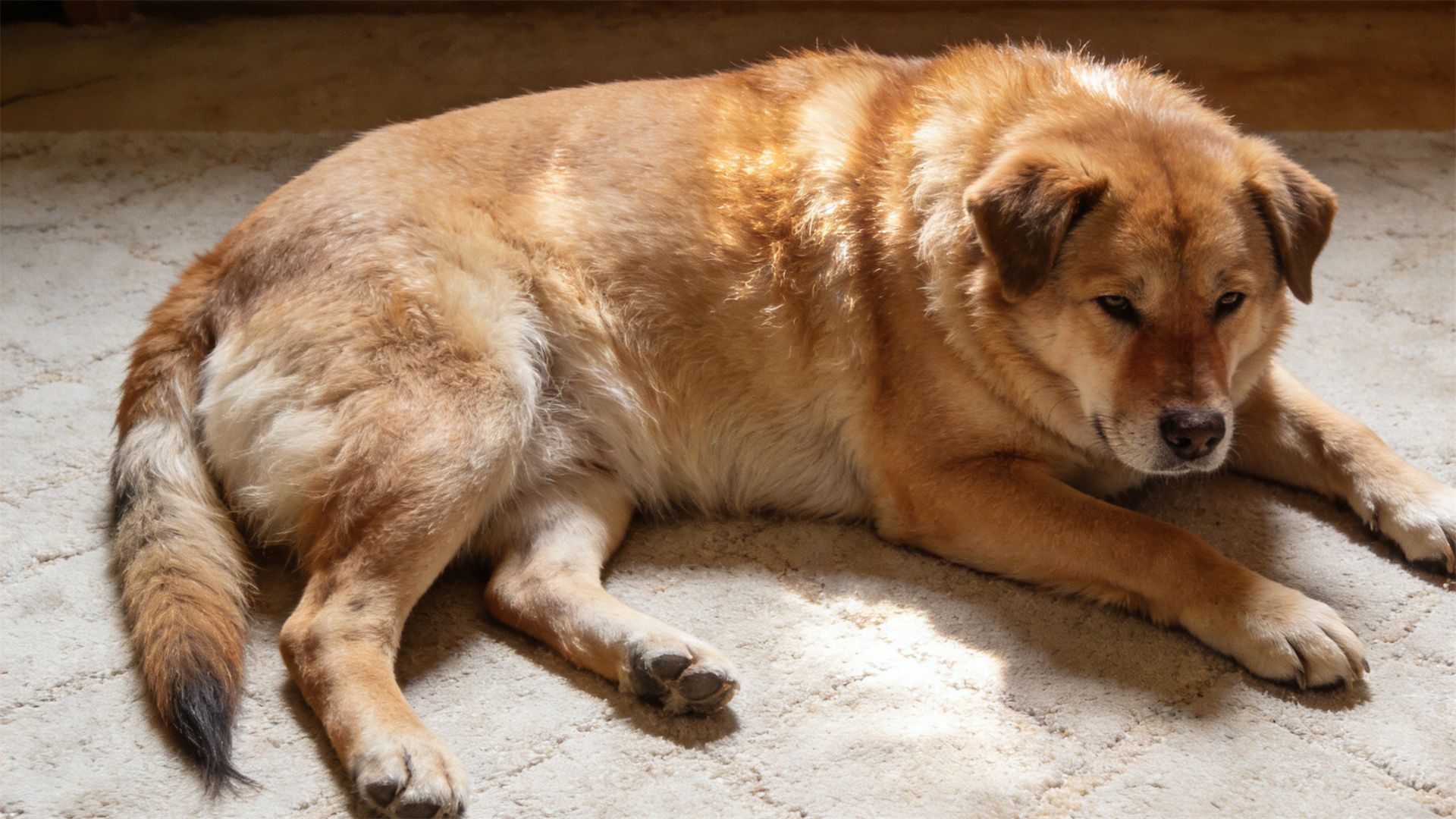
Canine hypothyroidism: Why is your dog getting fat even though it eats little?
Have you noticed your dog packing on pounds despite cutting back on treats and meals? You're not alone. Many dog owners struggle with unexplained weight gain in dogs, feeling frustrated and concerned. The culprit might be a hidden hormonal imbalance: canine hypothyroidism. This common endocrine disorder sneaks up, often mistaken for simple aging. This article will explore how a sluggish thyroid can cause your dog to gain weight while eating little, and guide you through understanding, diagnosing, and managing this condition. We will cover the definition of hypothyroidism, its symptoms beyond weight gain, causes, diagnosis process, treatment options, and daily management tips. Your journey to helping your dog feel like themselves again starts here.
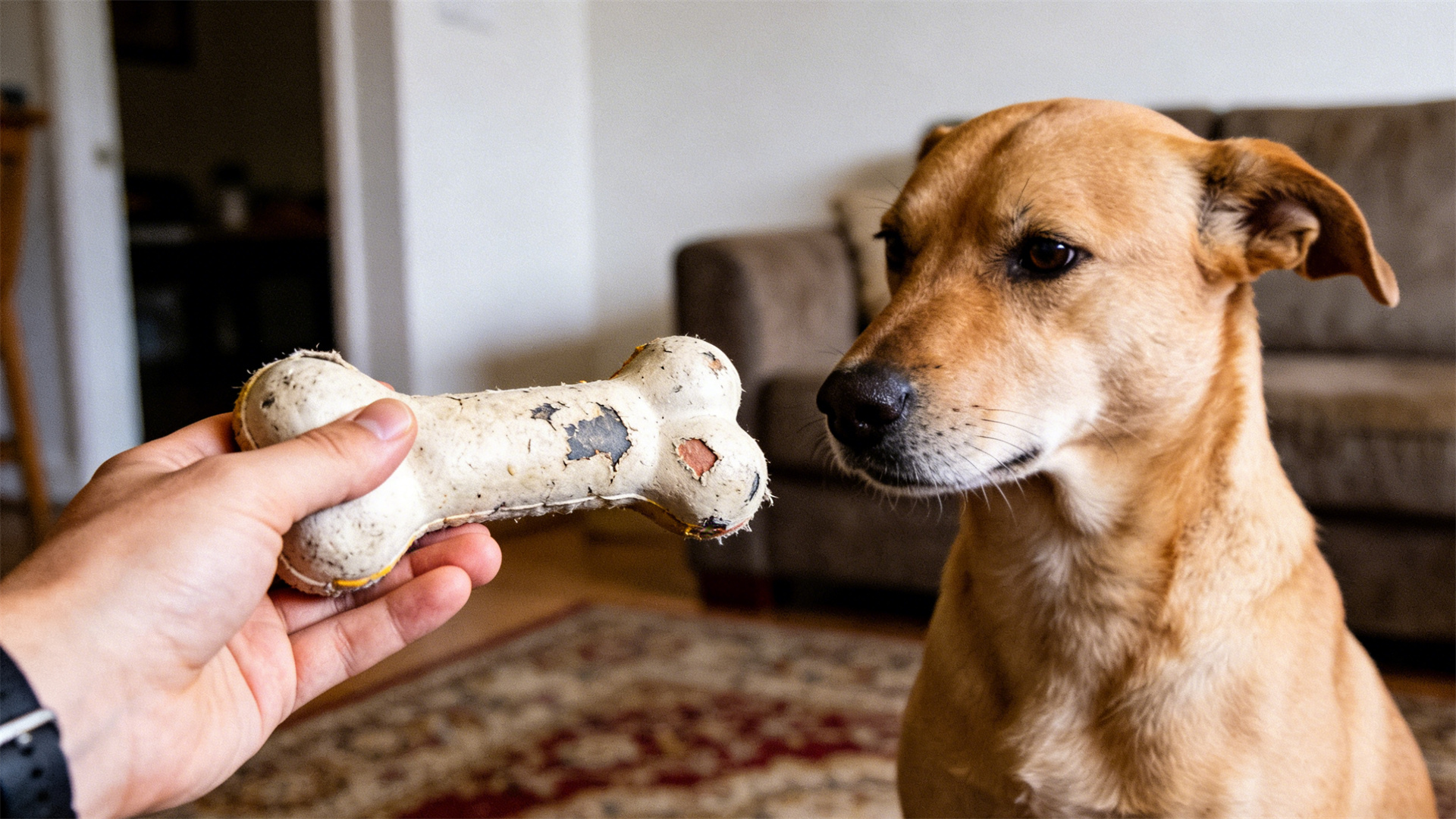
2026 Canine Psychology: Five Typical Signs of Canine Depression
The year 2026 marks a pivotal moment in our relationship with dogs. advancements in canine psychology have moved from the lab to the living room. with neuroimaging and biometric sensors now commonplace. we can peer into the canine mind like never before. This reveals a profound truth. dogs experience complex emotional states. including depression. Recognizing canine depression is no longer optional. it is a critical component of responsible pet ownership. This article delves into the future of dog mental health. detailing five typical signs of canine depression as understood in 2026. Our objective is clear. to equip you with knowledge that is both cutting-edge and actionable. ensuring your dog thrives emotionally and physically.
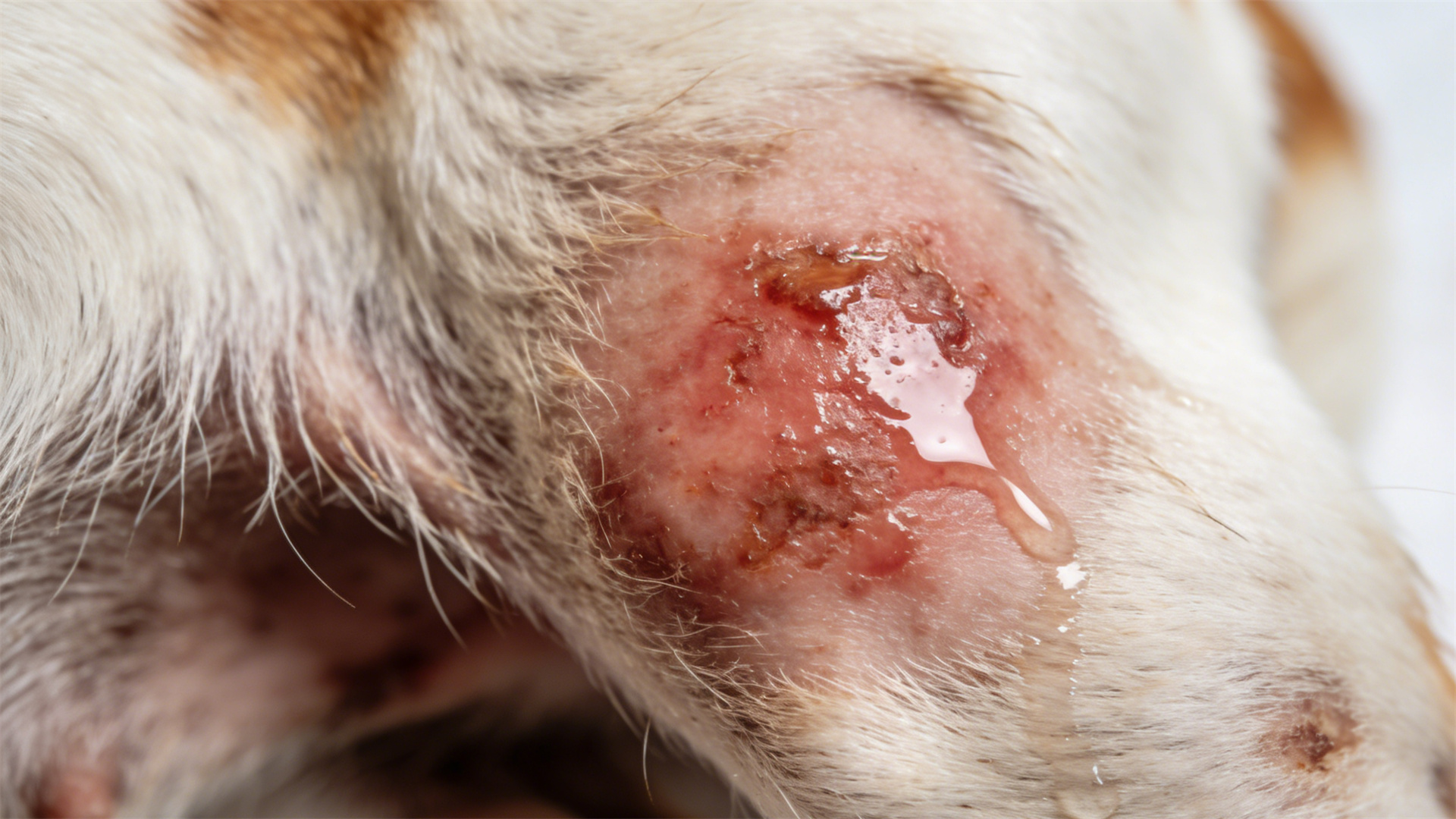
Health risks after getting wet in the rain: eczema, colds, and the details of drying your skin.
The joyous, muddy puddle jump, the enthusiastic sprint through a downpour—for many dogs, rainy weather is just another exciting element of their outdoor adventure. However, as they shake off in your hallway, a hidden process begins. That sodden coat isn't just an inconvenience; it's a potential gateway to a range of health issues that can dampen your canine companion's spirits far more than the weather. For the responsible pet owner, understanding the health risks posed by lingering moisture and mastering the art of proper drying are not just chores, but critical acts of preventative healthcare. This comprehensive guide delves into the science behind the risks, from the itchy menace of canine eczema to the sneezes of a dog cold, and provides an exhaustive, step-by-step protocol to ensure your dog is truly dry, safe, and comfortable after every wet outing.