
You May Have Missed
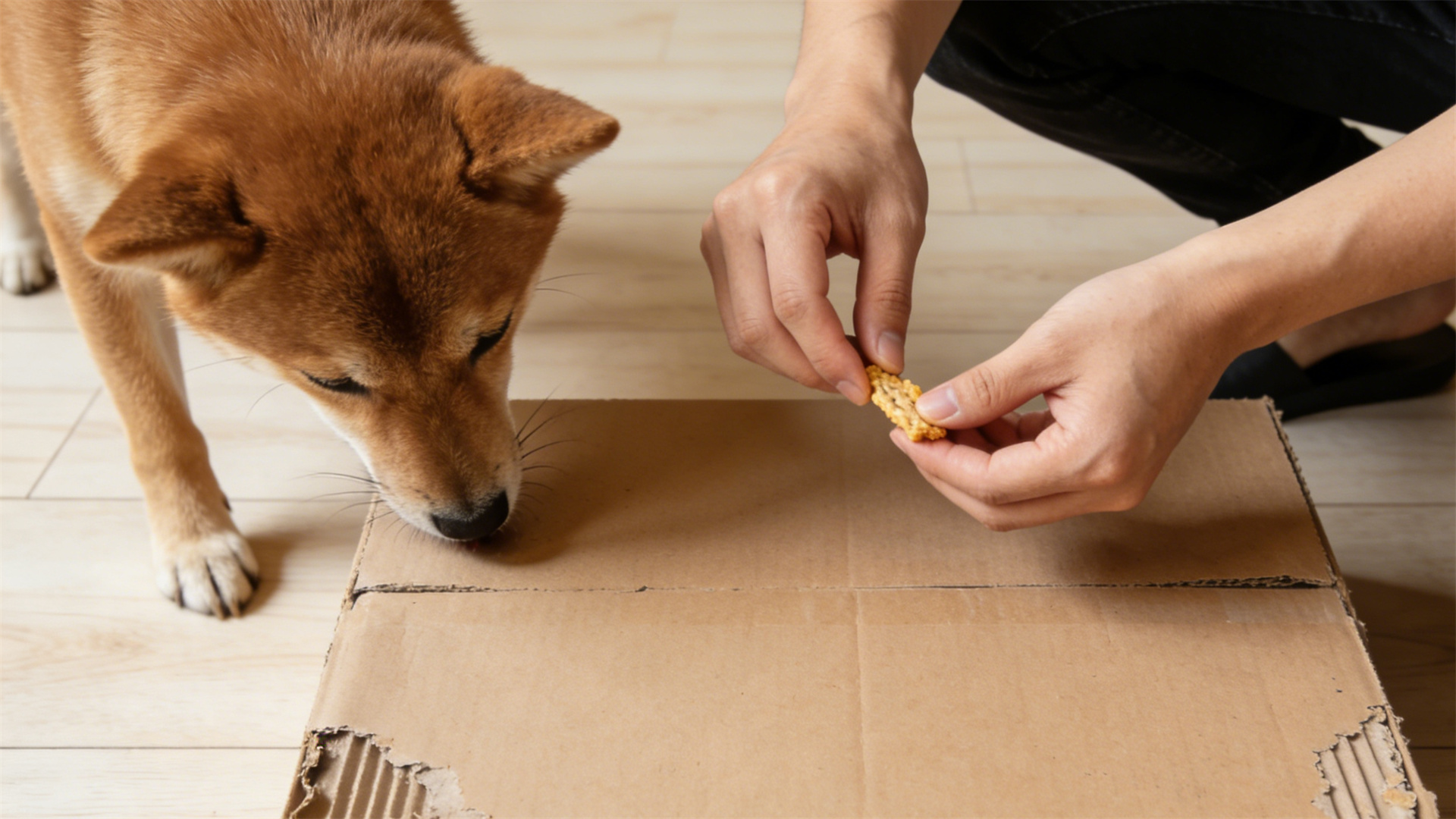
Desensitization during relocation
Imagine this: Boxes are everywhere, strange people are bustling in and out, and the familiar scents of home are slowly being replaced by the smell of tape and cardboard. In the corner, your usually cheerful dog is panting heavily, hiding under the table, or following you from room to room with worried eyes. This scene is all too common for families during a move. Relocation is a major life event for humans, but for our dogs, it can be a profoundly confusing and stressful experience. Their entire world—the sights, sounds, and smells they depend on for security—is being dismantled. This article is your comprehensive, step-by-step guide to using desensitization to transform this stressful ordeal into a manageable transition, ensuring your furry family member feels safe and secure every step of the way.
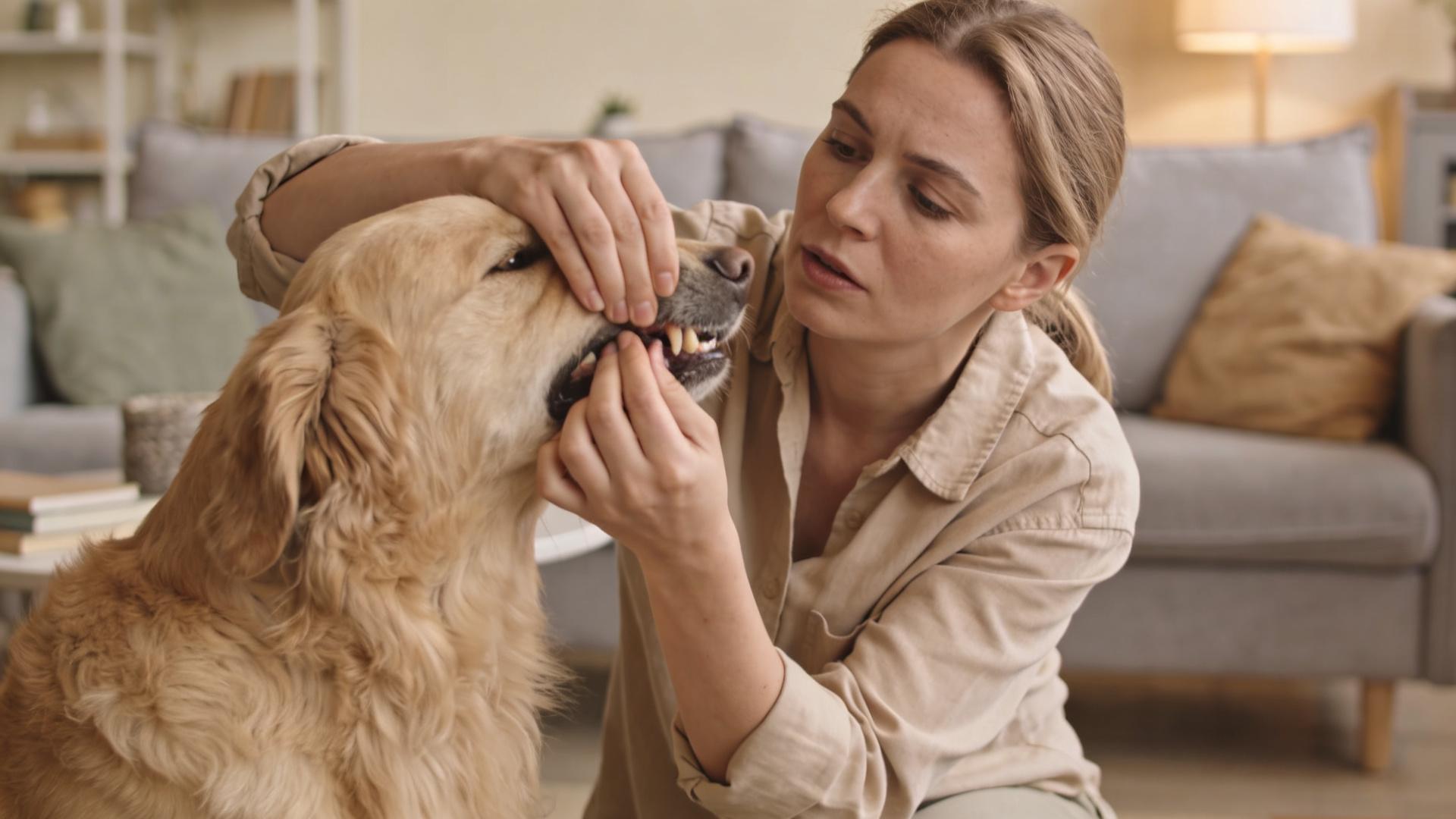
Canine oral ulcer care: How to promote healing through daily cleaning
Seeing your dog flinch while eating, drooling more than usual, or hesitating to play with their favorite toy is heart-wrenching. 🐾 Discovering an angry-looking sore inside their mouth can instantly spike any pet parent's anxiety. You're not just worried about their pain; you're overwhelmed with questions about how to help. The path to relief starts with understanding one non-negotiable truth: consistent, gentle daily cleaning is the cornerstone of healing canine oral ulcers. While a veterinarian must diagnose the root cause, your care at home creates the clean environment essential for recovery. This guide will provide you with a compassionate, step-by-step plan to confidently perform this crucial aspect of health care, turning a daunting task into a manageable, healing ritual for you and your dog.
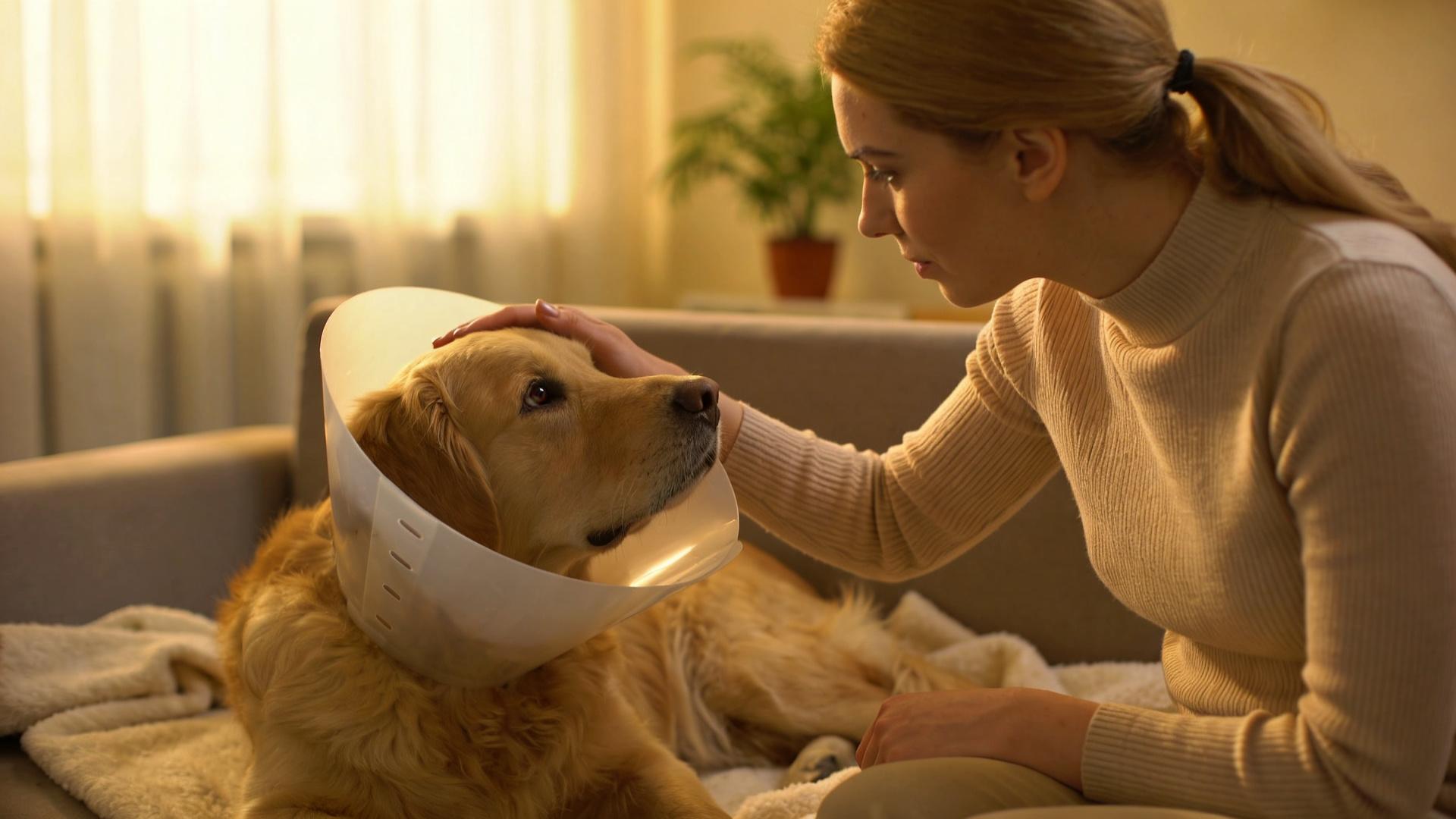
Post-sterilization wound care: Wearing and cleaning an Elizabethan collar (E-ring)
The final stitch is placed, and your beloved canine companion is safely home after their sterilization surgery. While the major procedure is over, the crucial chapter of recovery has just begun. Central to this phase is a simple yet profoundly important device: the Elizabethan collar, or E-collar. Often met with sighs (from both dog and owner), this "cone of shame" is, in reality, a cone of protection and healing. This comprehensive guide delves into the critical why and how of Elizabethan collar use, providing you with the detailed knowledge to navigate your dog's post-operative period with confidence, ensuring their health and comfort.
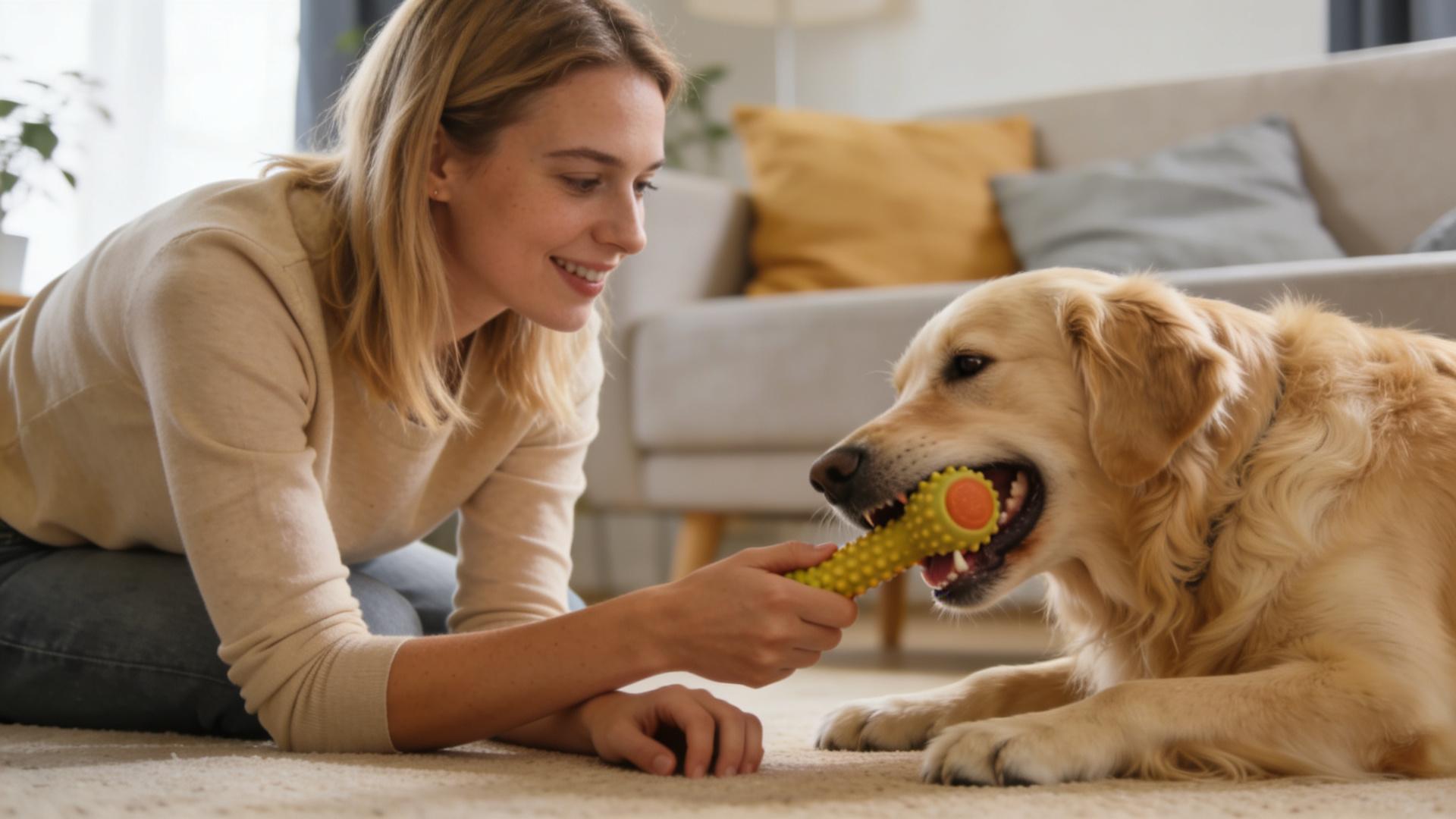
Cleaning and discarding standards for dog toys: Don't let crumbs clog your intestines.
For any dog parent, the sight of their furry friend gleefully shredding a new toy is pure joy. Toys are not just playthings; they are essential tools for mental stimulation, dental health, and combating boredom. However, lurking beneath that playful exterior of a worn-out squeaky toy or a beloved plush lamb is a potential health hazard few consider. Without a rigorous protocol for maintenance, the very objects meant to enrich your dog's life can become silent threats, leading to costly vet visits, emergency surgeries, or worse. This comprehensive guide dives deep into the non-negotiable cleaning and discarding standards for dog toys, arming you with the knowledge to prevent dangerous intestinal blockages from ingested toy fragments.

Long-term bed rest care for paralyzed/weak dogs: prevention of bedsores and cleaning up excrement.
Caring for a canine companion who requires long-term bed rest is one of the most profound expressions of the human-animal bond. Whether due to paralysis, degenerative conditions, surgery, or severe weakness, this journey transforms you into a dedicated nurse, advocate, and source of unwavering comfort. While the path is demanding, a structured, informed approach can prevent complications and ensure your dog’s quality of life remains as high as possible. Two of the most critical and intertwined challenges in this care are preventing painful pressure injuries and managing incontinence with dignity. This comprehensive guide delves into the meticulous, loving routine required to master both.

Choosing a dog chew toy: The potential impact of its softness/hardness on gum health
Every dog owner knows the joy of handing their pup a new chew toy. That immediate, tail-wagging focus is pure bliss. But beyond mere entertainment, a chew toy serves a critical role in your dog's physical and mental well-being. It's not just a plaything; it's a key tool for oral hygiene, stress relief, and instinctual satisfaction. However, the wrong choice can silently undermine your dog's gum health, leading to discomfort or even serious dental issues. This raises a pivotal question for every responsible pet parent: How does the texture—the very softness or hardness—of a chew toy influence the delicate state of a dog's gums? Let's delve into the science and expert advice to find the optimal chew for a happy, healthy smile.