
You May Have Missed
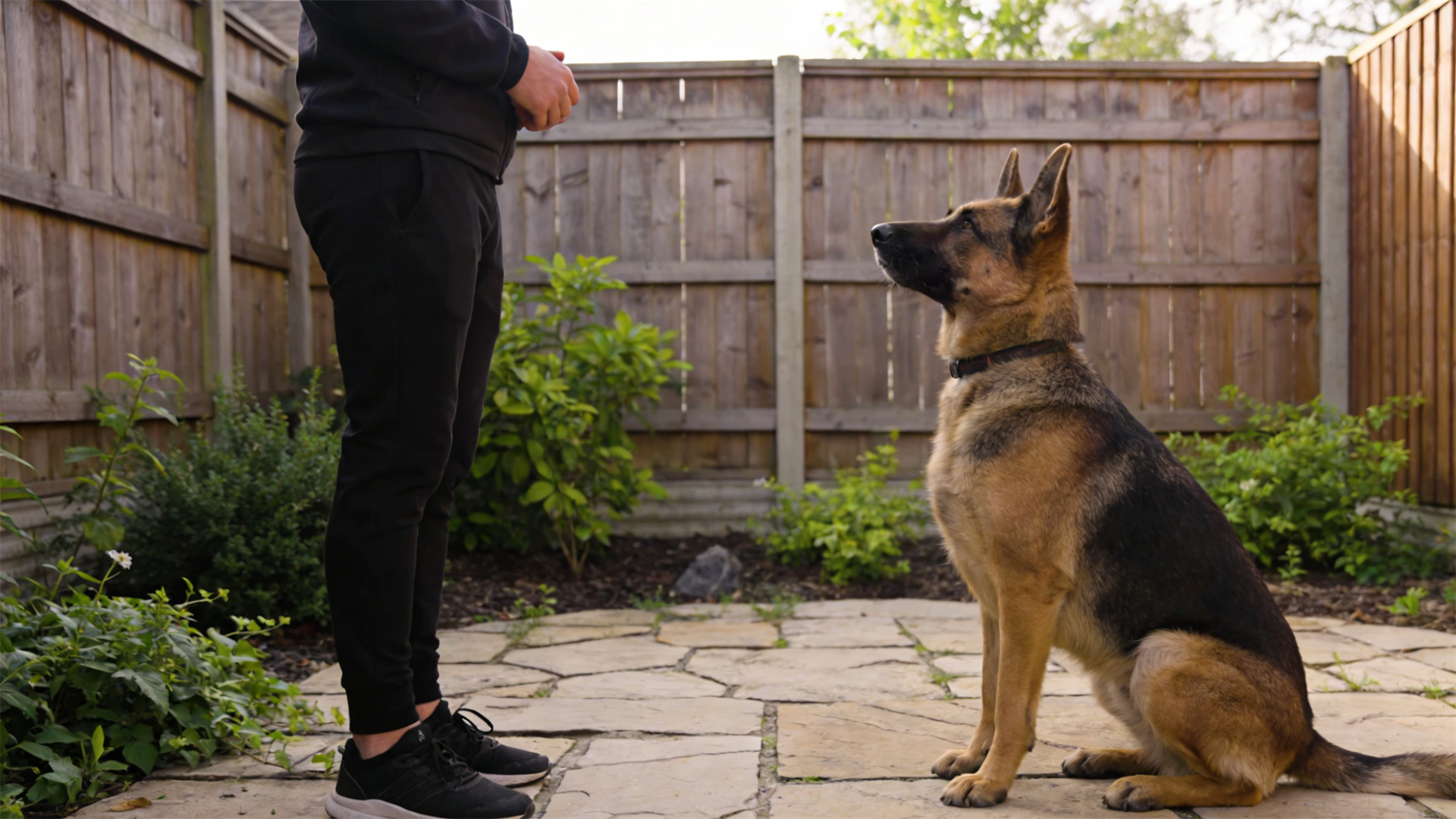
Level 2: Outdoor High-Interference Resistance Training
You’ve mastered the basics in your living room and backyard. Your dog is a star when it’s just the two of you. But the moment you step into the real world—a park buzzing with squirrels, joggers, and other dogs—their training seems to vanish. This gap between controlled obedience and real-world reliability is the single biggest challenge for dedicated dog owners. Closing it requires a systematic approach known as Outdoor High-Interference Resistance Training. This advanced methodology is designed to "proof" your dog's commands against the chaos of everyday life, transforming them from a pet that can listen into a partner you can always trust. This guide will provide you with the exact roadmap to achieve that unwavering focus and control.

Mute Command: How to instantly quiet a barking dog using hand gestures
The doorbell rings, and your dog erupts into a frenzy of barking. A squirrel dashes past the window, setting off another vocal alarm. While barking is natural canine communication, excessive noise can fray nerves, disturb neighbors, and leave you feeling powerless. In fact, studies suggest that nuisance barking is one of the most common complaints in residential communities and a leading reason dogs are surrendered to shelters. For years, the solution has seemed to be shouting "Quiet!" over the din, often escalating the tension. But what if you could silence the barking with a simple, silent wave of your hand? Enter the Mute Command—a powerful, non-verbal technique that uses clear hand gestures to gain immediate control. This guide will transform you from a frustrated owner into a calm, confident leader, teaching you the precise method to instantly quiet a barking dog.

Dog logic development: Teach it to distinguish between red, yellow, and blue colors
For decades, the phrase "dog color blind" dominated our understanding of canine vision, leading many to believe our furry friends live in a world of grays. Dog color discrimination training shatters this outdated myth, presenting a fascinating frontier in advanced dog training. This journey isn't about giving your dog a superpower they don't possess; it's about harnessing their actual visual capabilities for profound mental stimulation for dogs. As a seasoned content creator in the canine realm, I'm here to guide you through this intricate process. We'll move beyond basic obedience into the realm of canine cognitive skills, where success is measured in engagement, communication, and the joy of collaborative learning. Remember, the goal is to exercise your dog's brilliant mind, not to pass a canine art critique.
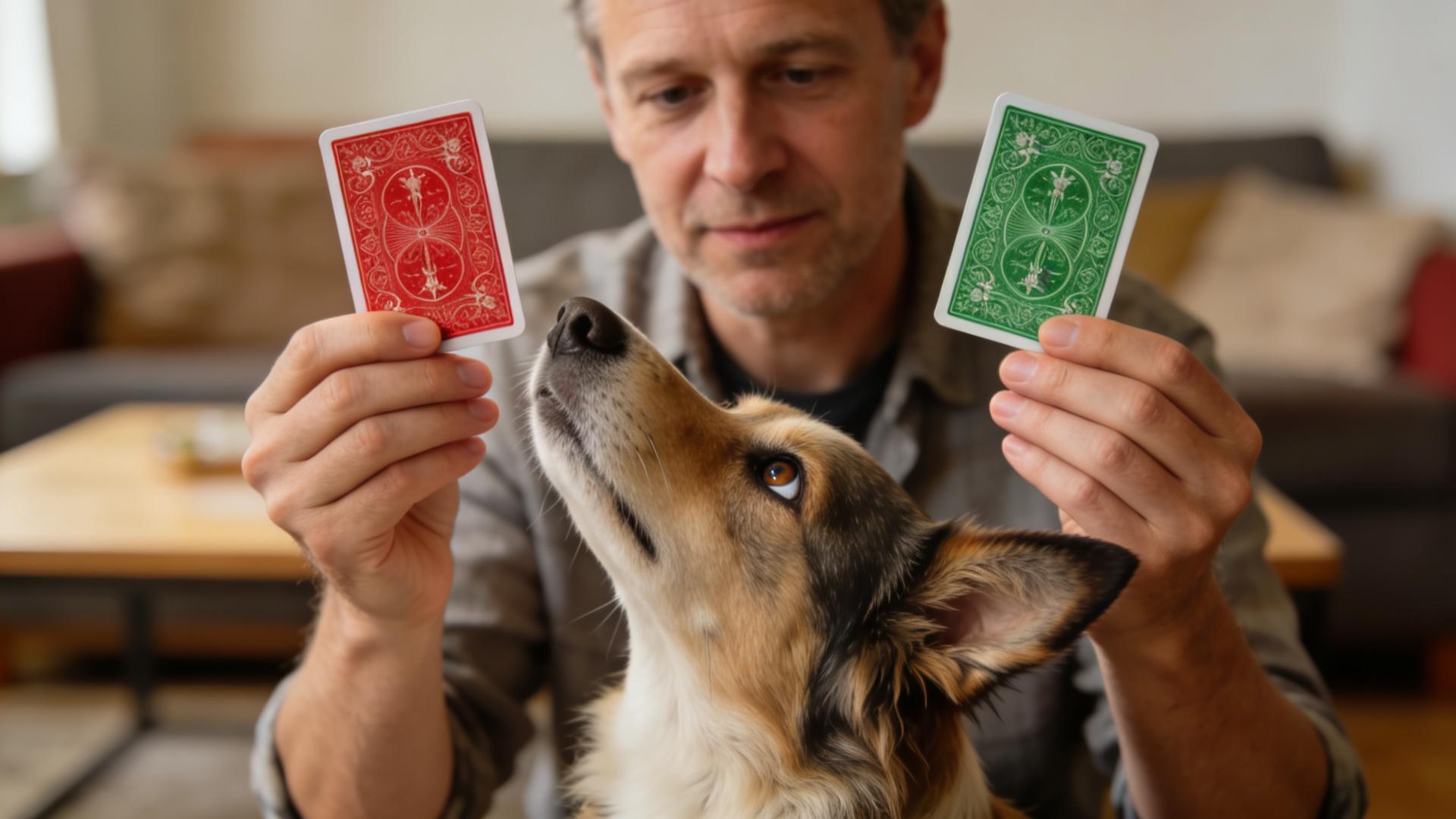
Traffic light training at intersections: Establishing visual signals for "stop" and "go".
Navigating busy urban intersections with your dog can transform a relaxing walk into a nerve-wracking game of chance. The honking cars, bustling pedestrians, and unpredictable movements create a minefield of distractions and dangers. What if you could introduce a common language of safety, one your dog understands as clearly as you understand a red or green light? This article delves into the powerful method of traffic light training for dogs, a system of visual signals that establishes crystal-clear "stop" and "go" cues. Our purpose is to provide you with a proven, step-by-step methodology to enhance your intersection safety for canines, forging not only a safer companion but a deeper bond built on communication and trust.
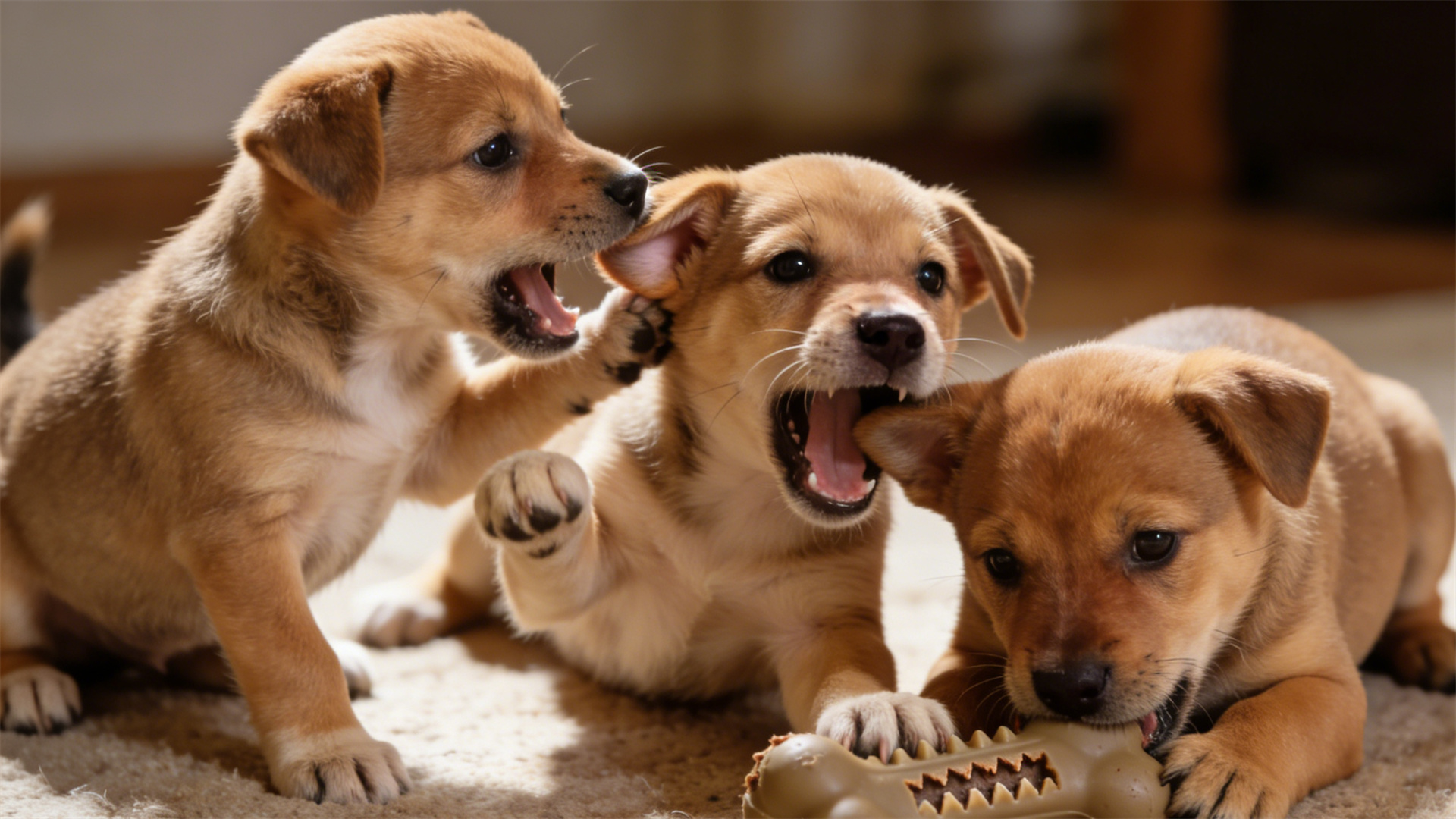
Preventing Puppies from Biting Their Hands and Feet: Correct Feedback for Correcting Puppy Biting
The joy of bringing home a new puppy is often quickly tempered by the sharp pinch of needle-like teeth on your fingers and toes. If you’ve found yourself asking, “Why does my puppy keep biting my hands and feet?” you are absolutely not alone. This is one of the most common and frustrating challenges for new dog owners. However, this behavior is a normal part of canine development, not a sign of an aggressive dog. The key lies in understanding the why behind the bites and implementing a consistent, positive strategy for preventing puppy biting. Timely and correct intervention is crucial for your safety, your puppy’s future social skills, and a harmonious home.
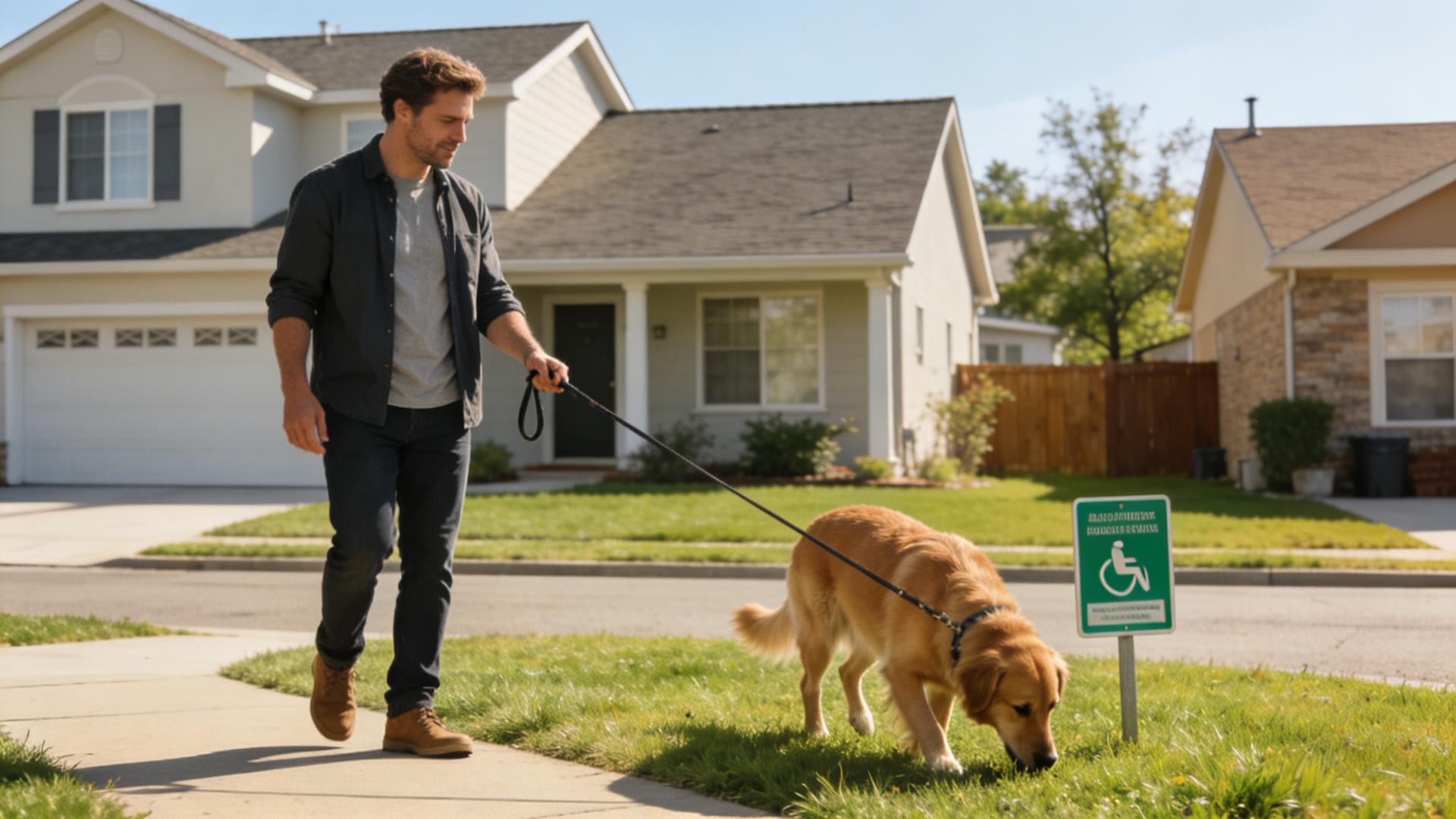
Civilized dog walking tips: Train your dog to relieve itself in designated grassy areas.
In the tapestry of community life, few threads are as common—or as potentially disruptive—as the daily dog walk. It’s a ritual of joy, exercise, and bonding. Yet, without mindful practice, it can fray into a source of neighborhood tension. The cornerstone of civilized dog walking is the simple, impactful act of guiding your dog to relieve itself in designated grassy areas. This isn't merely about convenience; it's a profound exercise in responsible dog ownership and community stewardship. This comprehensive guide will equip you with the actionable steps, scientific rationale, and nuanced understanding needed to master this essential skill, transforming your walks into a model of polite dog walking behavior.