
You May Have Missed
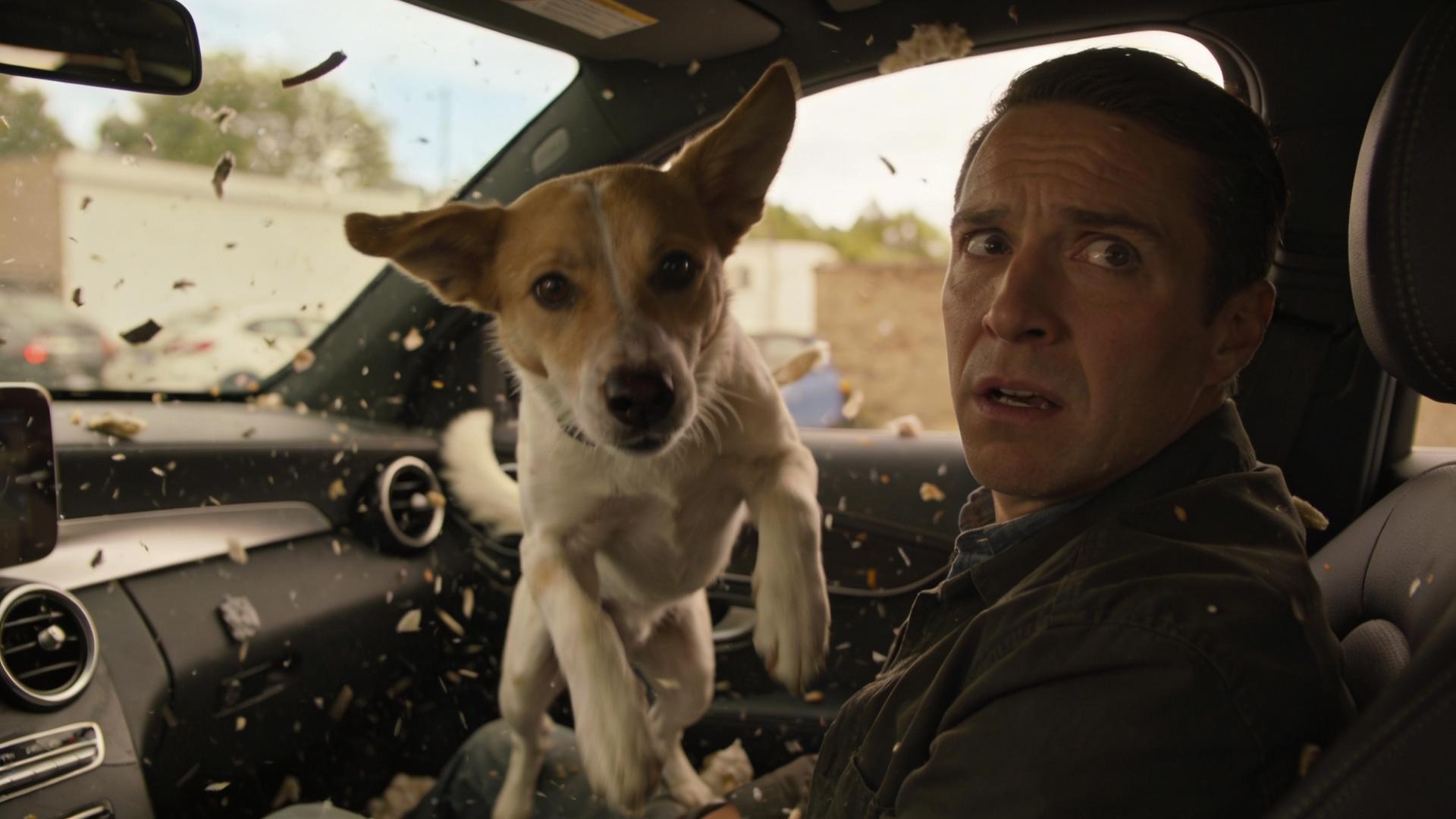
In-car socialization training: a solution to prevent dogs from getting carsick and running around inside the car.
You’ve packed the treats, the favorite toy, and the travel bowl. You open the car door with a cheerful, “Go for a ride!” only to be met with a cowering dog or a frantic, whirling dervish of excitement. What follows is a journey filled with stress: pitiful whining, anxious panting, frantic scrambling from seat to seat, or worse—the unmistakable sounds and smells of a carsick dog. This scene shatters the dream of joyful road trips with your furry co-pilot, turning a simple vet visit into an ordeal. If this resonates, you’re not alone. The core problem isn't a "bad dog"—it's a lack of positive, structured exposure to the vehicle. The proven solution is systematic in-car socialization training. This transformative process doesn't just manage symptoms; it rewires your dog's emotional response to the car, creating a calm, safe, and happy traveler. Let's embark on the journey to peaceful car rides.
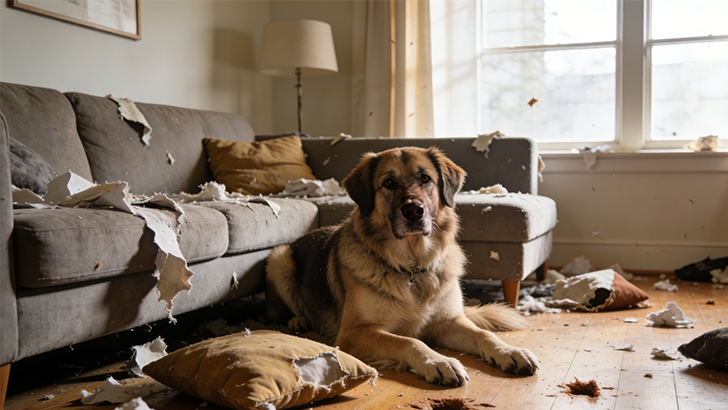
The Science of Home Destruction: Is it High Energy or Extreme Boredom?
You walk through the front door after a long day, and your heart sinks. The living room looks like a confetti bomb went off—shredded cushions, disemboweled pillows, and the leg of your favorite chair now a gnawed sculpture. Your canine companion greets you with a wagging tail and innocent eyes, oblivious to the carnage. Sound familiar? 🐾 This scene plays out in homes daily, leaving frustrated owners asking one burning question: “Why does my dog do this?” Is it a simple case of a hyperactive, high-energy dog, or is it a cry for help from a deeply bored mind? This article delves into the behavioral science behind the wreckage, separating myth from fact and providing a clear roadmap to peace and intact furniture.
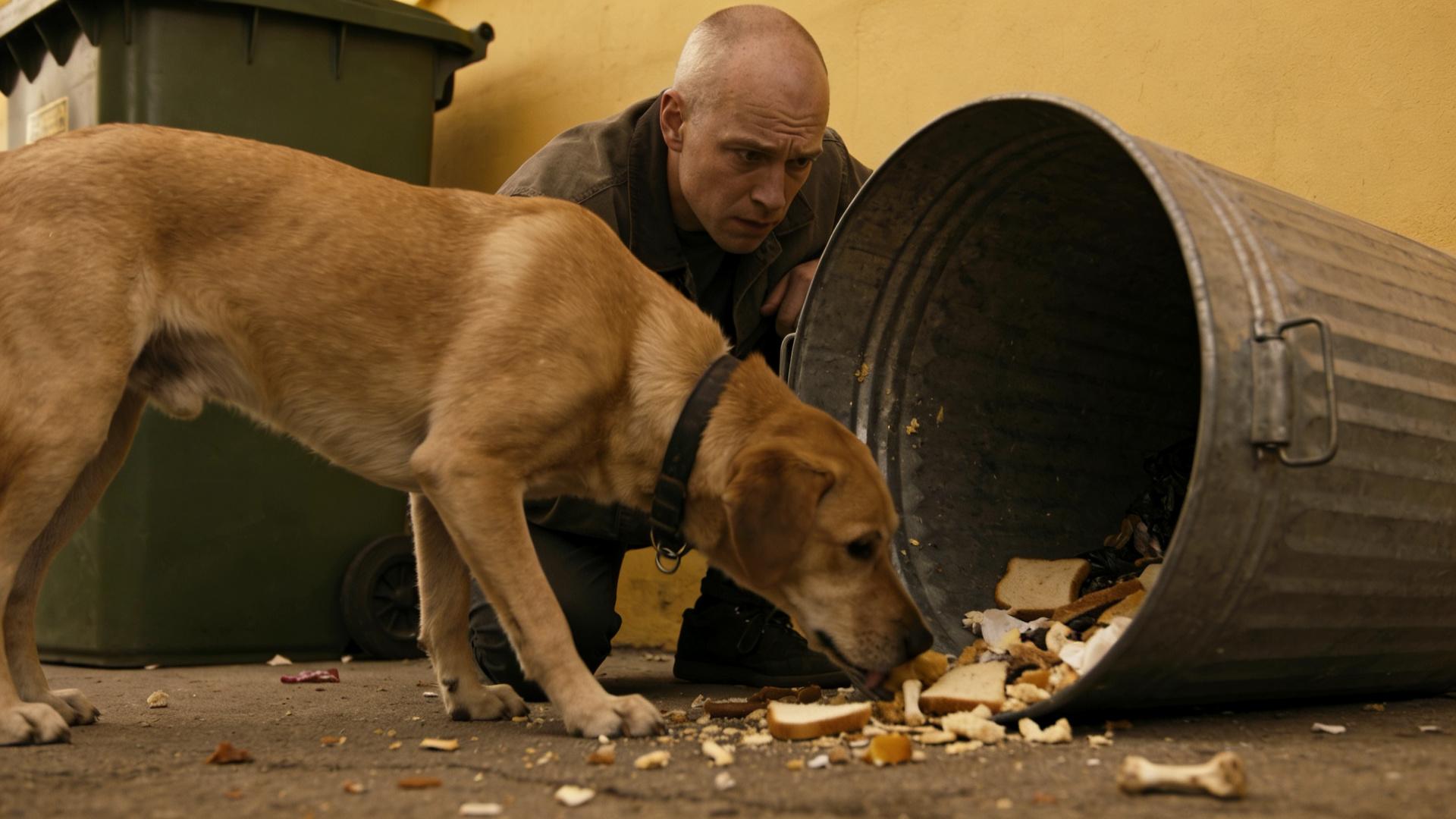
Habitual rummagerer in trash cans: How to correct this behavior through environmental setup and aversion therapy
Does your otherwise perfect pup transform into a trash bandit the moment you turn your back? You're not alone. This frustrating, messy, and potentially dangerous behavior is one of the most common complaints among dog owners. The good news is that it's highly manageable—but not through scolding or punishment. Successfully reclaiming your garbage requires a smart, two-pronged strategy: environmental management and behavior modification. This comprehensive guide will walk you through exactly how to implement both, creating a cleaner home and a safer, happier dog.
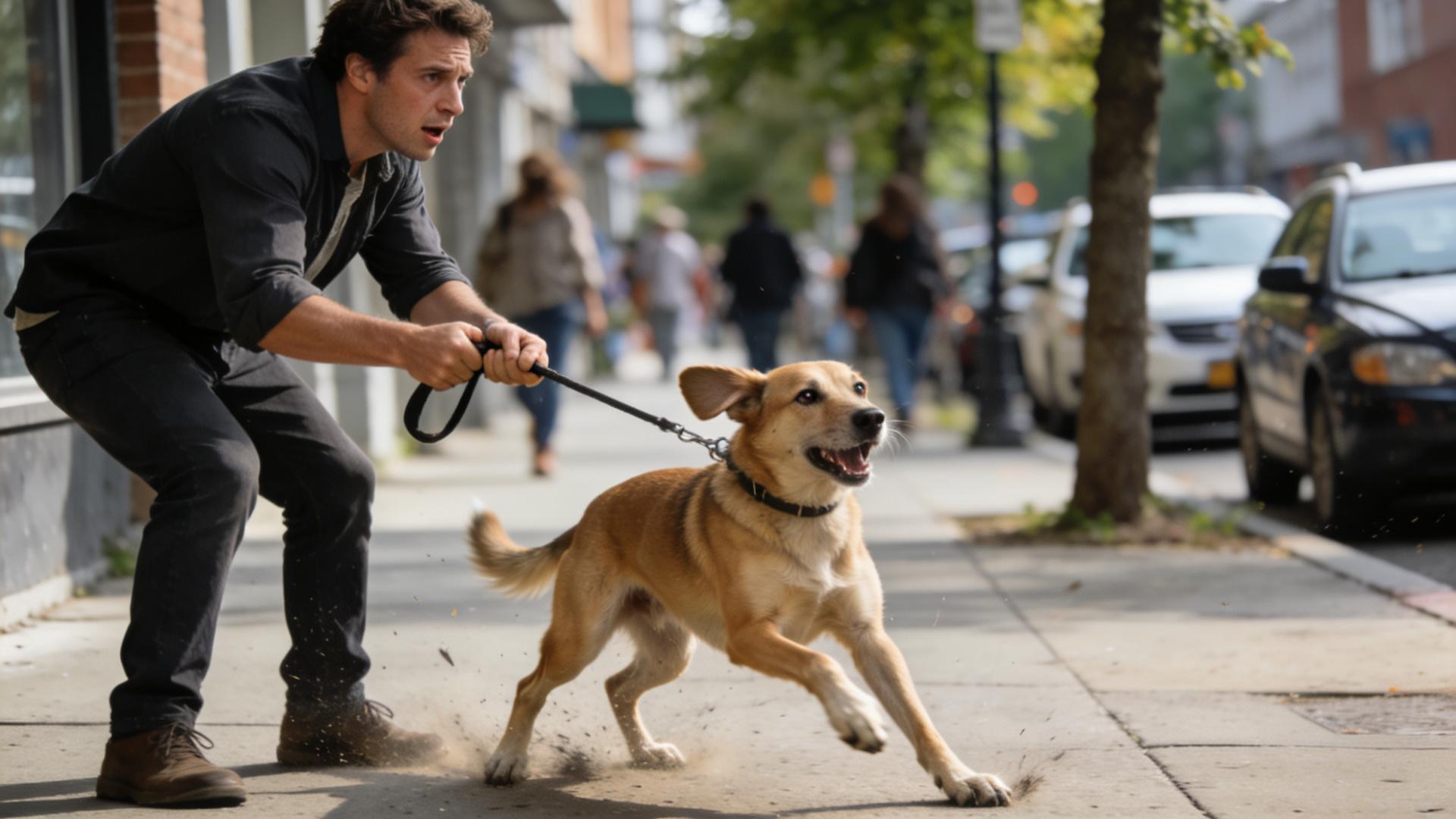
Automatic Sit: Train your dog to automatically sit when its owner stops.
You’re mid-walk, and you need to pause—to cross the street, greet a neighbor, or pick up after your dog. Instead of a calm stop, you’re met with a tangled leash, a dog leaning into their harness, or frantic sniffing at the exact spot you need to stand. This common walking challenge is more than just frustrating; it can compromise safety and control. What if, every single time you stopped moving, your dog instantly and politely sat by your side? This isn't a fantasy; it's the automatic sit, a foundational skill that transforms chaotic halts into moments of calm obedience.
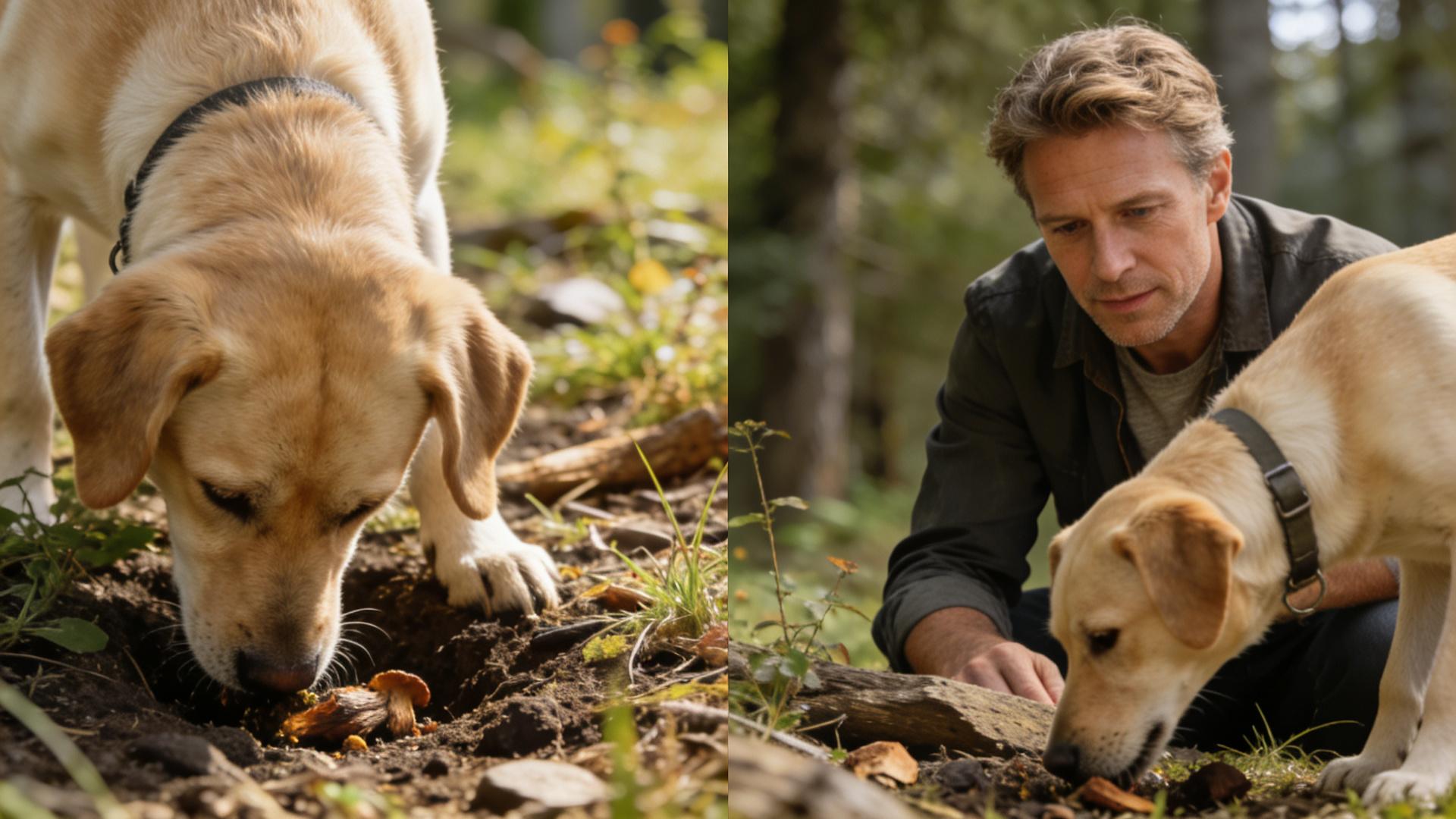
Refusal to eat: How to train your dog not to eat litter on the ground without a command
Every dog owner knows the heart-stopping moment: a split-second glance away, the sudden dip of the head, and the frantic, guttural “What is in your mouth?!” 🚨. Your dog has just vacuumed up a mystery morsel from the sidewalk—a discarded chicken bone, a moldy piece of bread, or something far worse. This scavenging crisis isn’t just a frustrating habit; it’s a direct threat to your dog’s health, risking poisoning, intestinal blockage, and severe illness. This guide is your definitive roadmap to building a reliable, automatic “refusal to eat” behavior, transforming your anxious walks into relaxed, safe partnerships.
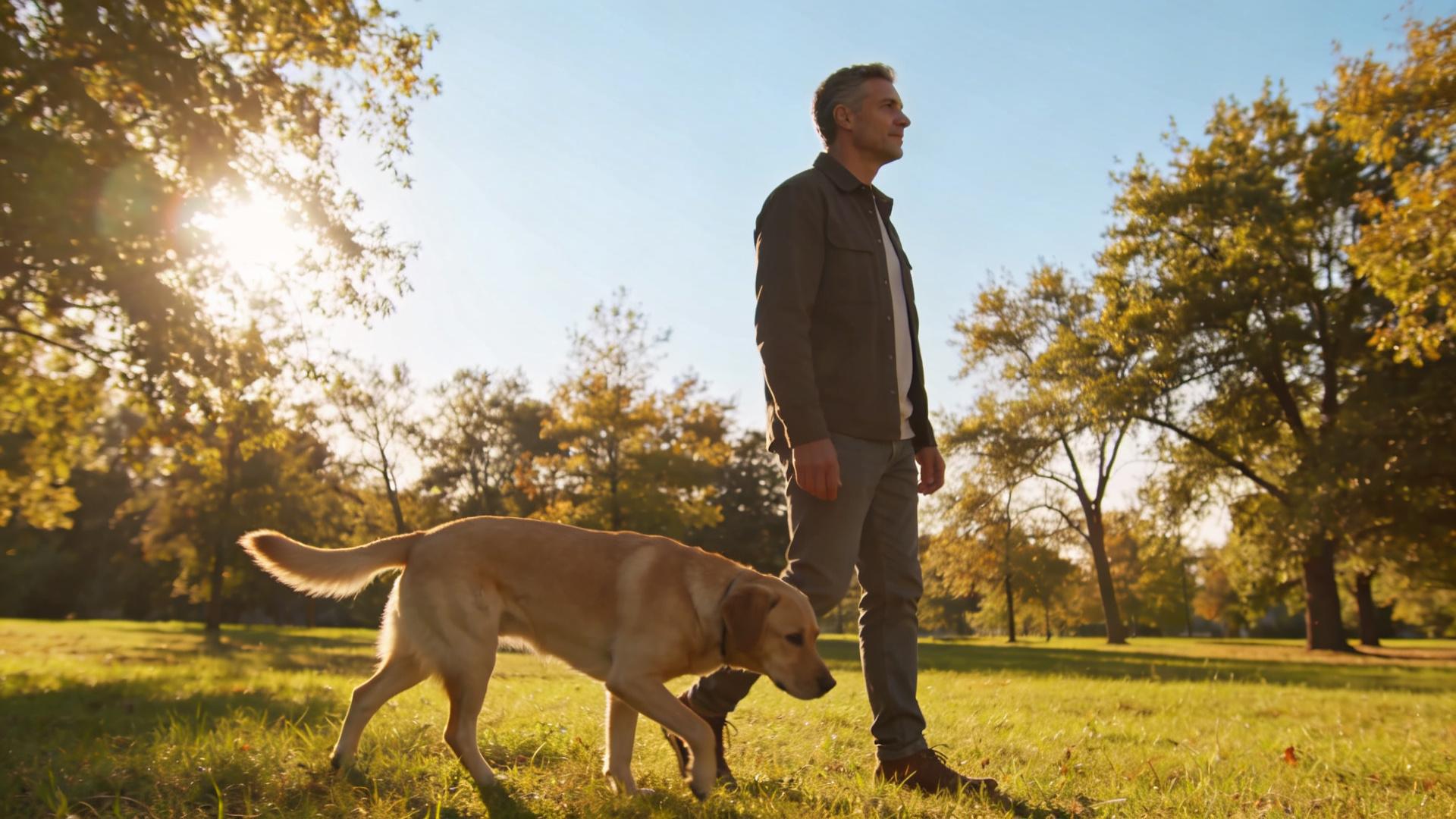
Perfect heel training: Keep your dog always on your left side.
Imagine strolling through the park with your dog walking calmly by your left side. This vision is achievable through perfect heel training. Heel training is the cornerstone of canine obedience. It ensures safety during walks and strengthens your bond. The traditional left side position is not arbitrary. It has practical roots. This guide will provide everything you need to master heel training for dogs.