
You May Have Missed
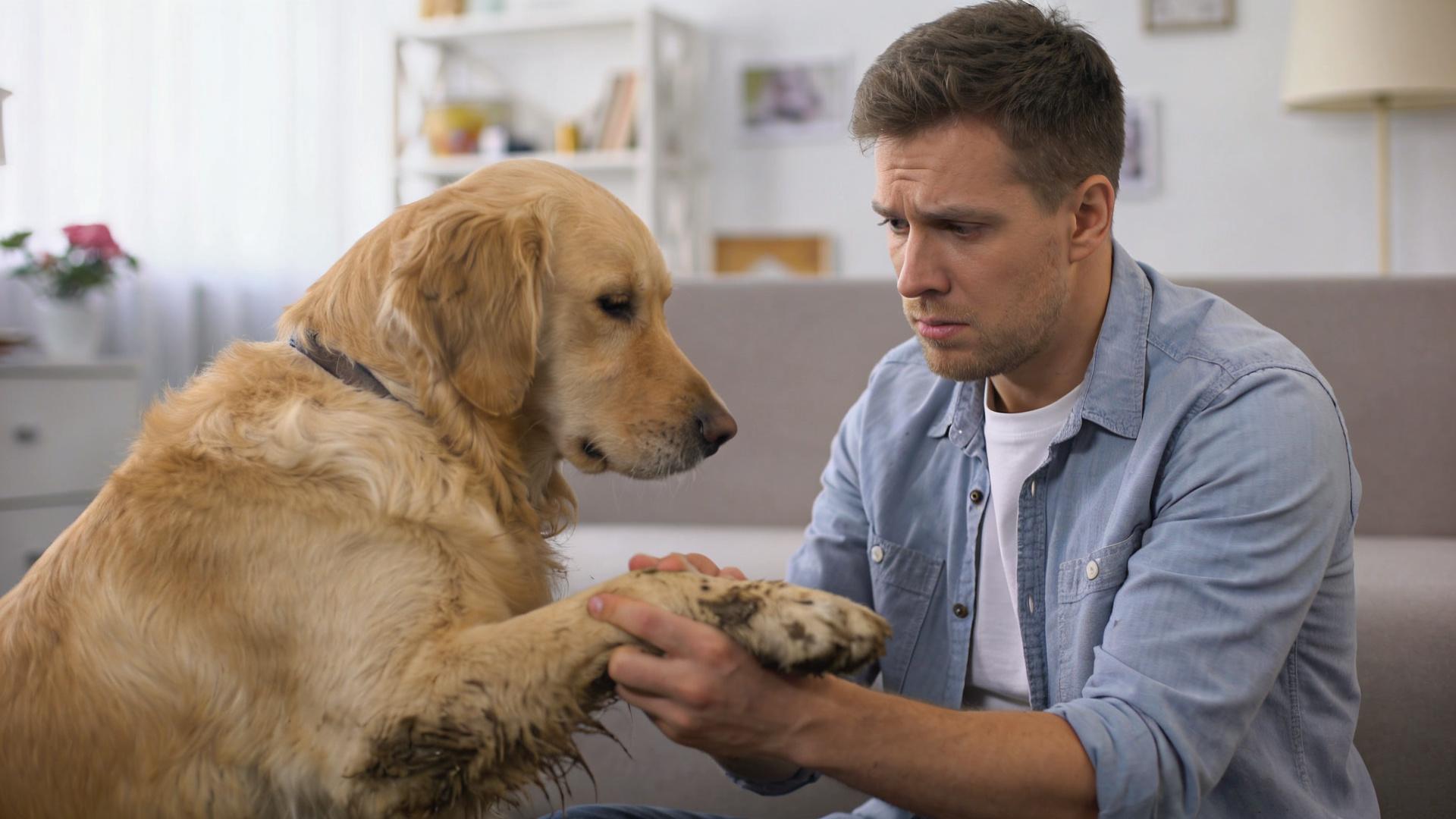
In-depth analysis: Why does frequent bathing cause skin diseases in dogs?
You love your dog, and you want them clean, fresh, and smelling great. It seems logical: a dirty dog gets a bath. But what if your well-intentioned frequent bathing is secretly sabotaging your best friend's health? Imagine this: after a muddy park adventure, you give your pup a thorough scrub. A week later, they're scratching again, so into the tub they go. Soon, you notice dry, flaky patches, a faint odd smell, or persistent itching. This common scenario leads us to a critical question: Can washing your dog too often actually make them sick? This article provides a comprehensive, evidence-based explanation of how frequent bathing disrupts the delicate health of canine skin, leading to diseases, and offers practical guidance for safe, effective grooming.
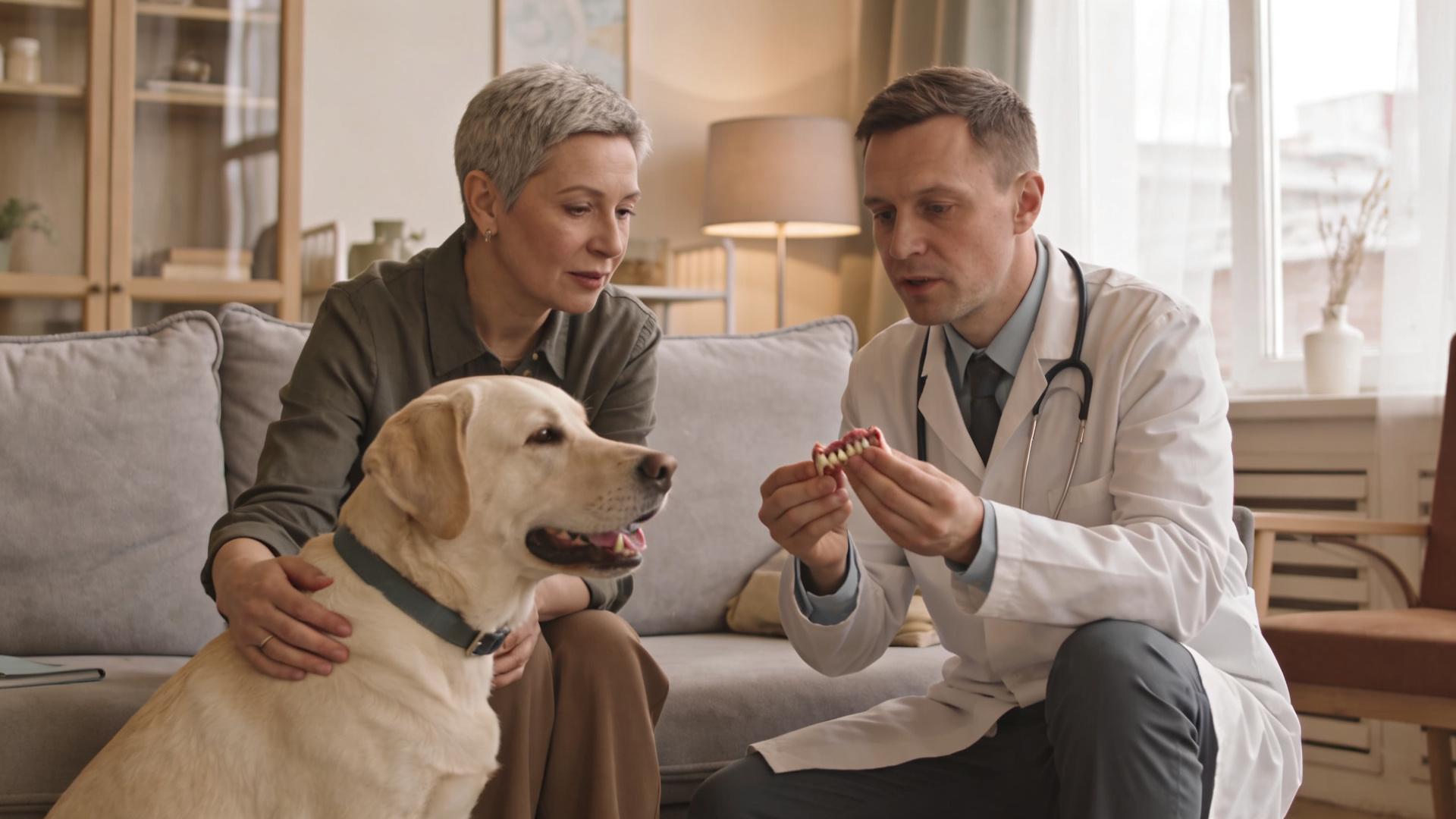
Preventing periodontal disease: Oral care habits that only take 30 seconds a day
Did you know that by the age of three, over 80% of dogs show signs of periodontal disease? 🦷 It’s the most common clinical condition occurring in adult dogs, yet it’s also one of the most preventable. The thought of adding another lengthy task to your daily routine can be daunting. But what if effective prevention wasn't a chore? This guide delivers on a powerful promise: building a healthy mouth for your dog with habits that take just 30 seconds a day. By investing half a minute now, you can save your dog from pain, protect their overall health, and avoid costly veterinary dental procedures down the line.
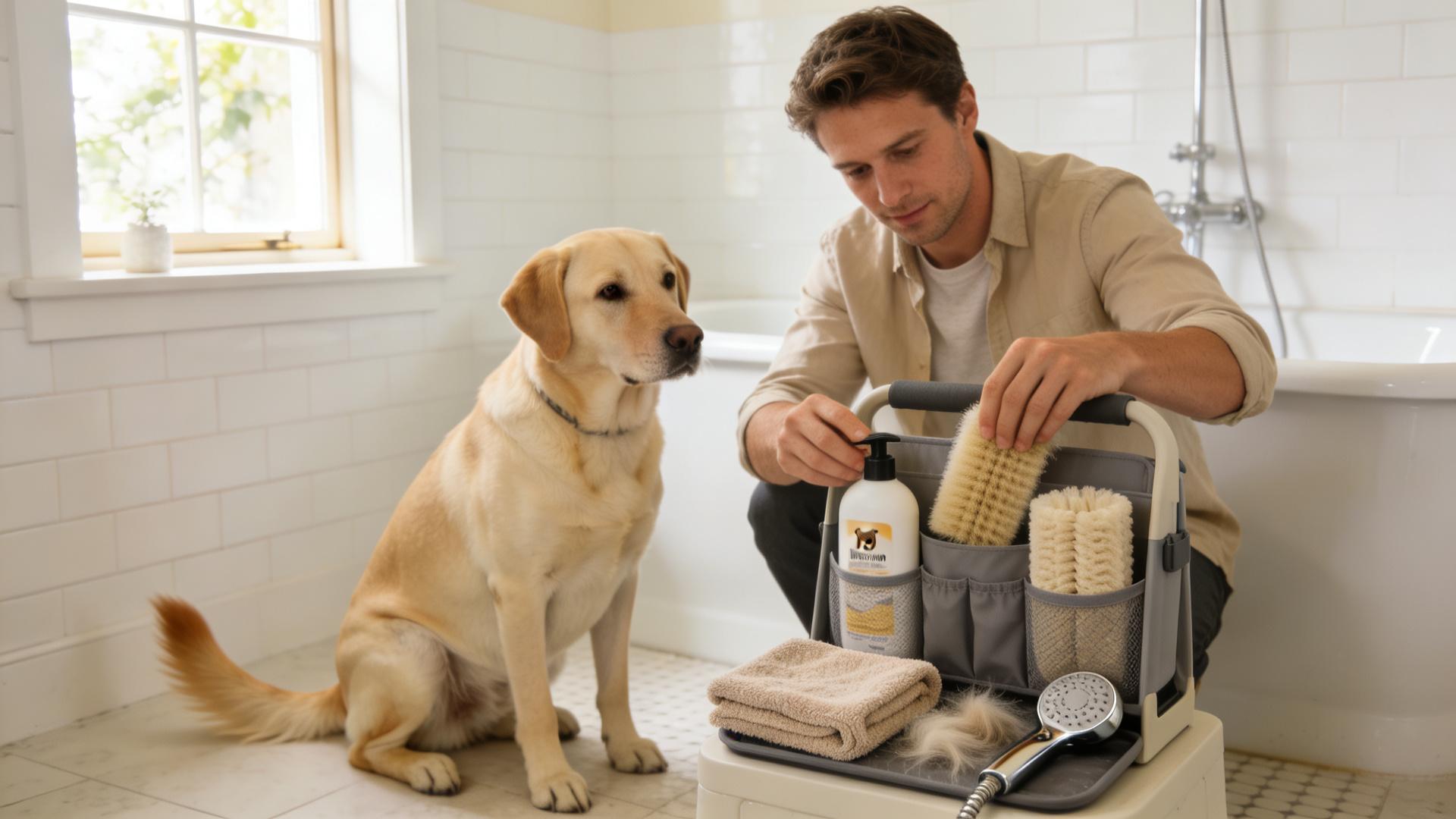
No more need for help with dog washing at home: 5 steps to turn your bathroom into a professional pet grooming studio
Tired of the chaotic, soggy struggle of bathing your dog. Wrestling with a wet, slippery pup in a cramped tub is a chore for both of you. But what if you could transform that ordinary bathroom into a serene, efficient, and professional pet grooming at home studio. Imagine achieving a salon-quality wash and dry in the comfort of your own home, saving money and reducing stress for your canine companion. It's not a fantasy. With these five strategic steps, you can create the perfect environment for a successful, mess-controlled, and even enjoyable dog washing at home experience. Say goodbye to needing an extra pair of hands and hello to your new role as your dog's personal groomer.
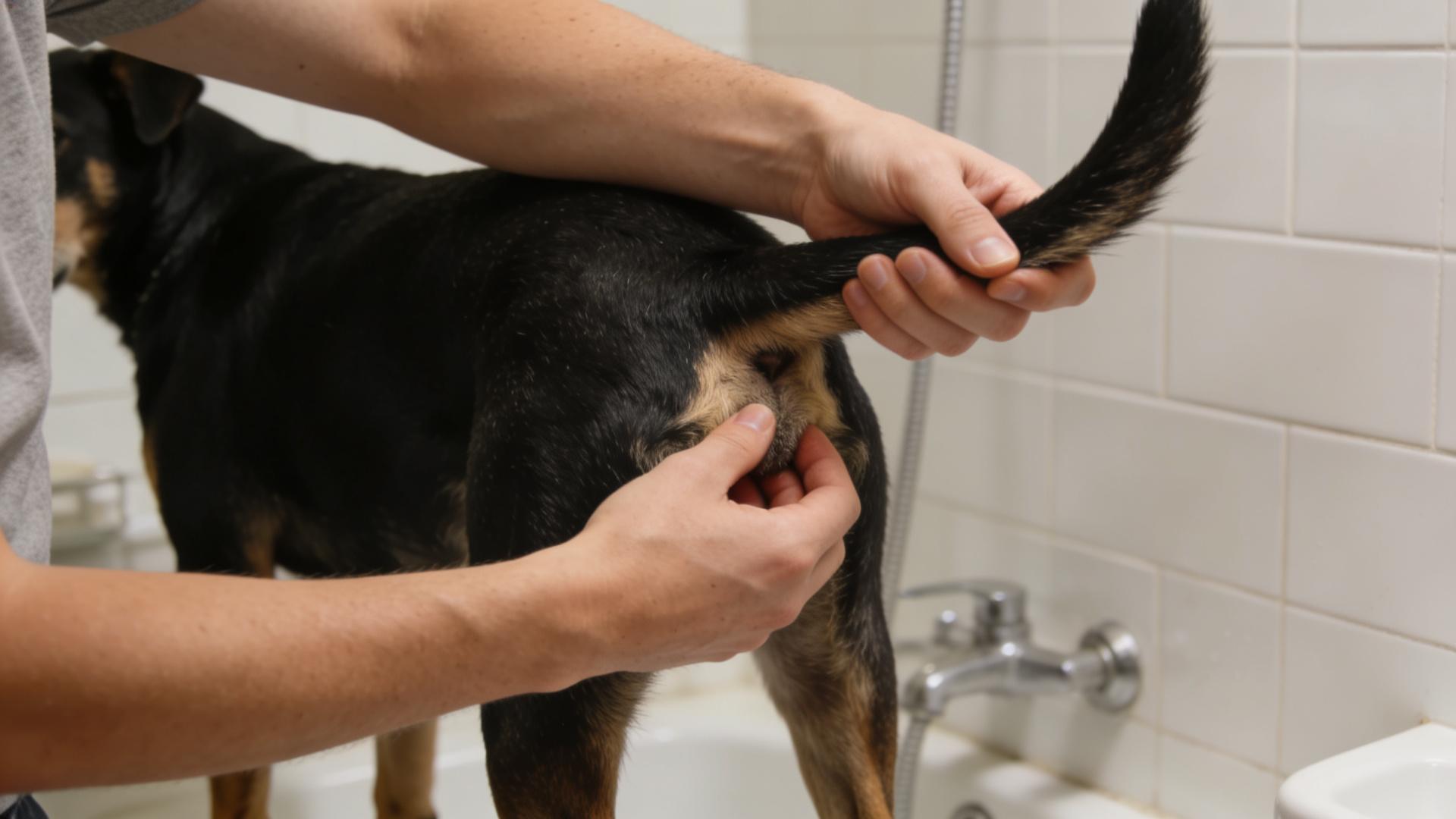
The secret at the base of the tail: an easily overlooked blind spot for skin cleaning.
As a dedicated dog owner, you pride yourself on your pet's sparkling coat, clean paws, and fresh breath. You have the grooming routine down to a science—or so you think. Yet, in the intricate map of canine hygiene, there lies a territory often left uncharted, a zone hidden in plain sight: the base of the tail. This crucial junction is a frequent casualty of grooming oversight, a secret hotspot where minor neglect can seed major discomfort for your beloved companion. Let's shine a light on this shadowy area, understand why it's forgotten, and master the art of keeping it healthy. 🐕
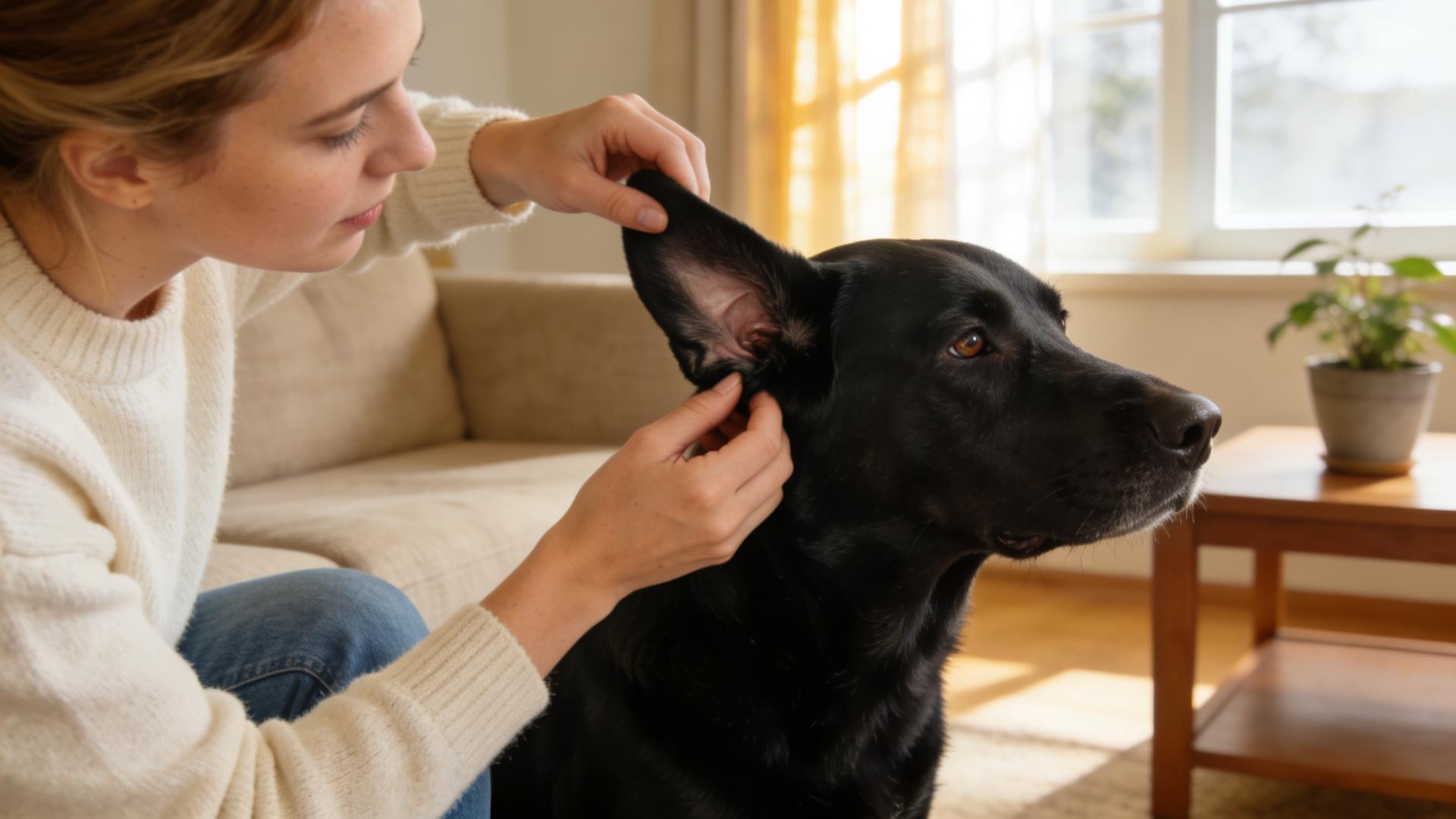
Diagnosing ear odor in dogs: Preliminary assessment of ear disease type based on color and smell
That familiar head shake. The persistent scratching. And then, you catch a whiff of something unpleasant from your dog's ears. Ear odor in dogs is never normal and is one of the most telling signs that something is amiss. For a concerned dog owner, this smell can be worrying, but it is also a crucial clue. While a definitive diagnosis always requires a veterinarian, you can learn to interpret these preliminary signs. This guide will empower you to make informed observations about dog ear discharge color and dog ear infection smell, helping you understand the potential ear disease type based on color and smell before your vet visit. Remember, this is a preliminary assessment of ear disease, not a replacement for professional care.
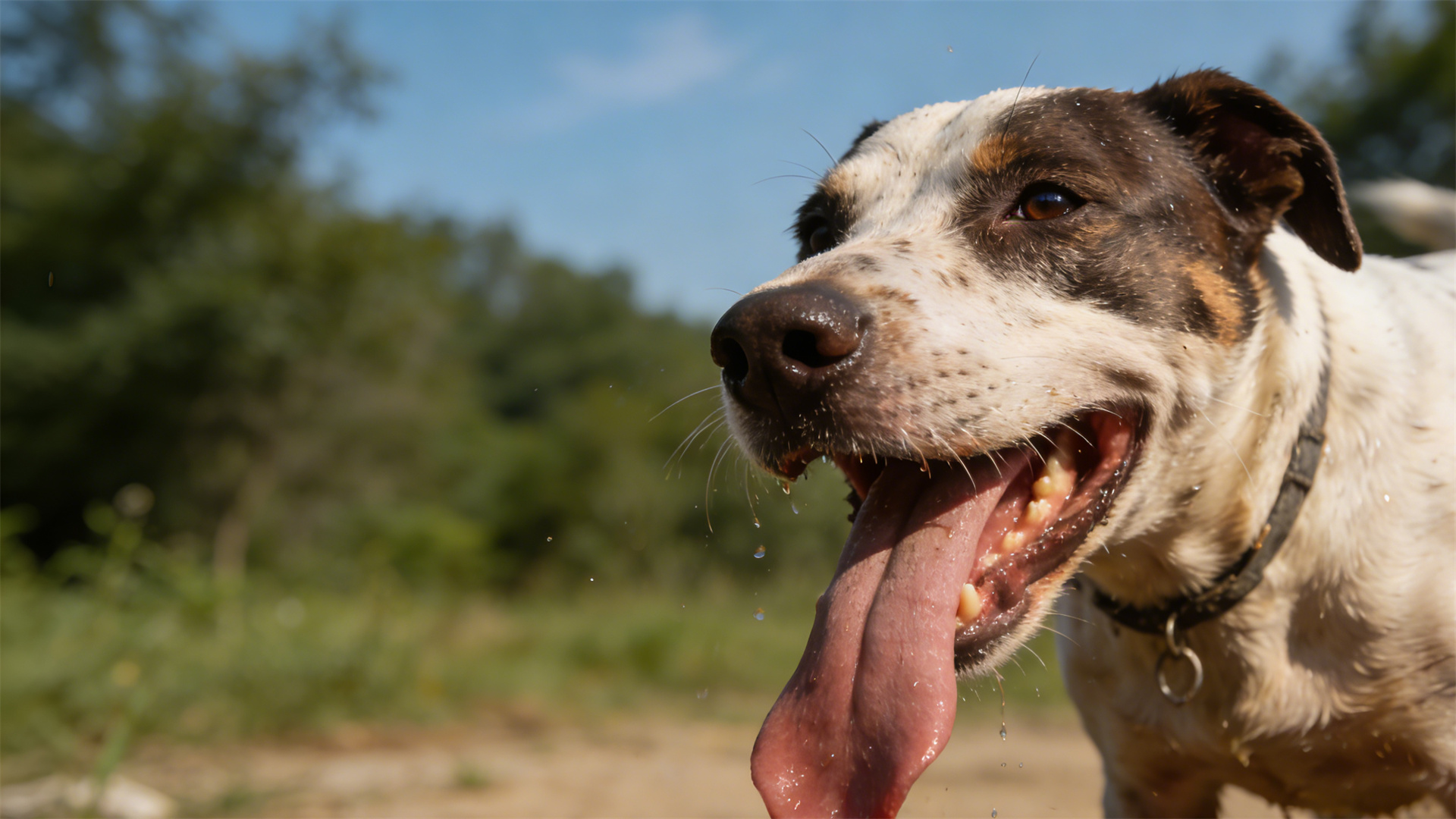
Extreme weather protection
As a devoted dog owner, you’re likely attuned to your furry friend's every whimper and tail wag. But when extreme weather strikes—be it blistering heat, bone-chilling cold, or violent storms—our canine companions rely entirely on us for their safety and well-being. Extreme weather protection for dogs isn't a luxury; it's a fundamental aspect of responsible pet ownership. This comprehensive guide merges essential veterinary knowledge with practical, actionable steps to equip you for anything Mother Nature throws your way. Whether you're a new puppy parent or a seasoned dog handler, understanding these health and safety principles is crucial for your pet's long-term vitality.