
You May Have Missed
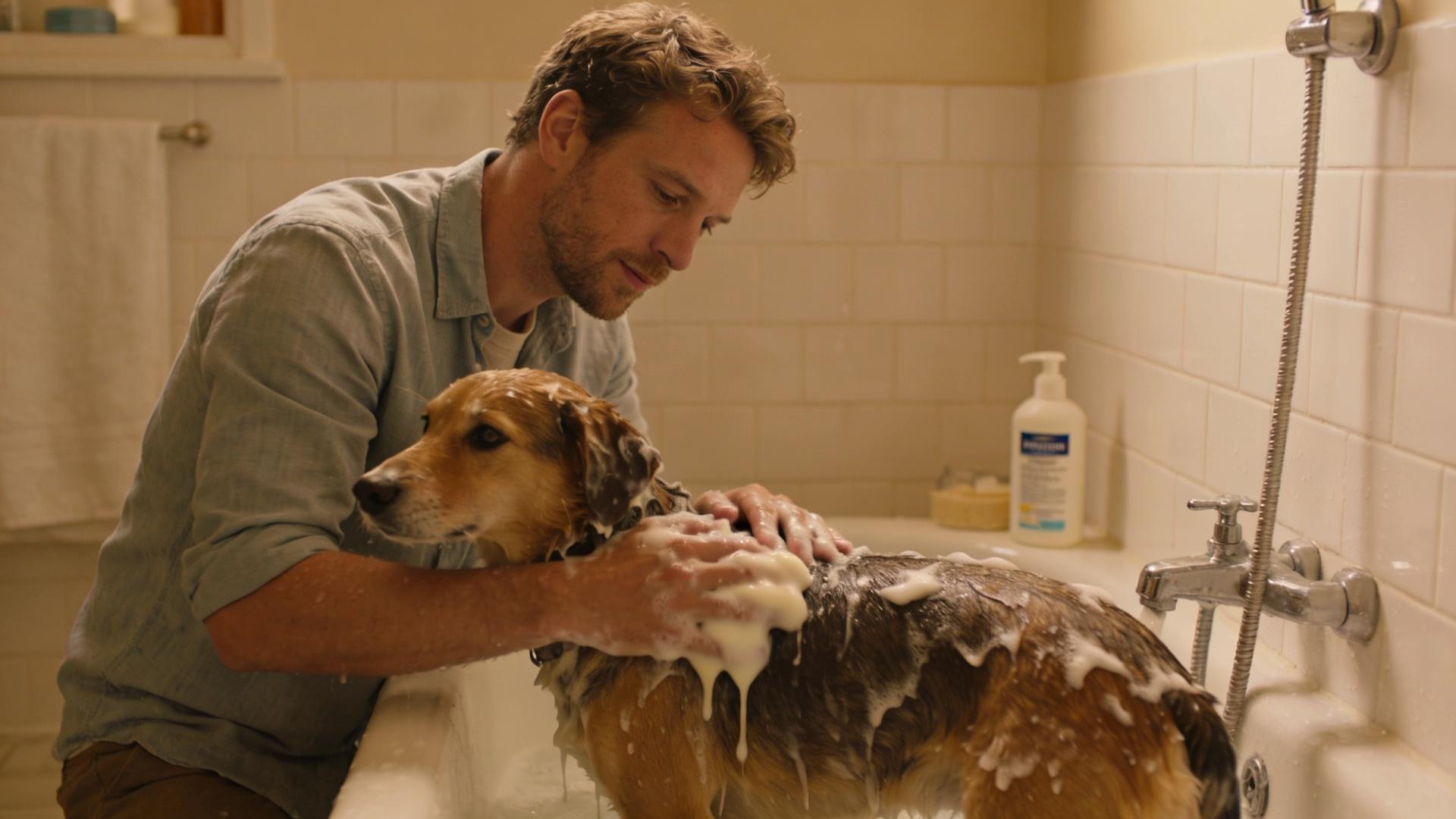
Are dog conditioners a rip-off? Scientific solutions for repairing dry, brittle fur.
As a dog parent, you want nothing but the best for your furry companion. A shiny, soft coat is often the most visible sign of a healthy dog. But when that coat turns dry, brittle, and lackluster, the search for solutions begins, often leading you to the pet care aisle and the myriad of dog conditioners. The immediate question arises: is this a genuine solution or just a clever marketing ploy? Let's dive deep into the science of canine coat health and separate fact from fiction.
Effectively remove dog odor from your home: Mainstream odor removers and air circulation solutions for 2026
You've cleaned every surface, washed all the blankets, and yet that distinctive dog odor lingers in your home like an uninvited guest. It's a blend of wet fur, earthy paws, and something else you can't quite pinpoint—a stubborn aroma that seems embedded in the very air you breathe. If this scenario feels all too familiar, you're not alone. The challenge of pet odors is universal for dog owners, but the solutions are evolving rapidly. This article is your definitive, forward-looking guide to reclaiming a fresh-smelling home. We will delve into the most effective, mainstream odor removers for 2026 and pair them with cutting-edge air circulation solutions for odors, providing you with a comprehensive, modern strategy to eliminate canine smells for good.

Long-term bed rest care for paralyzed/weak dogs: prevention of bedsores and cleaning up excrement.
Caring for a canine companion who requires long-term bed rest is one of the most profound expressions of the human-animal bond. Whether due to paralysis, degenerative conditions, surgery, or severe weakness, this journey transforms you into a dedicated nurse, advocate, and source of unwavering comfort. While the path is demanding, a structured, informed approach can prevent complications and ensure your dog’s quality of life remains as high as possible. Two of the most critical and intertwined challenges in this care are preventing painful pressure injuries and managing incontinence with dignity. This comprehensive guide delves into the meticulous, loving routine required to master both.
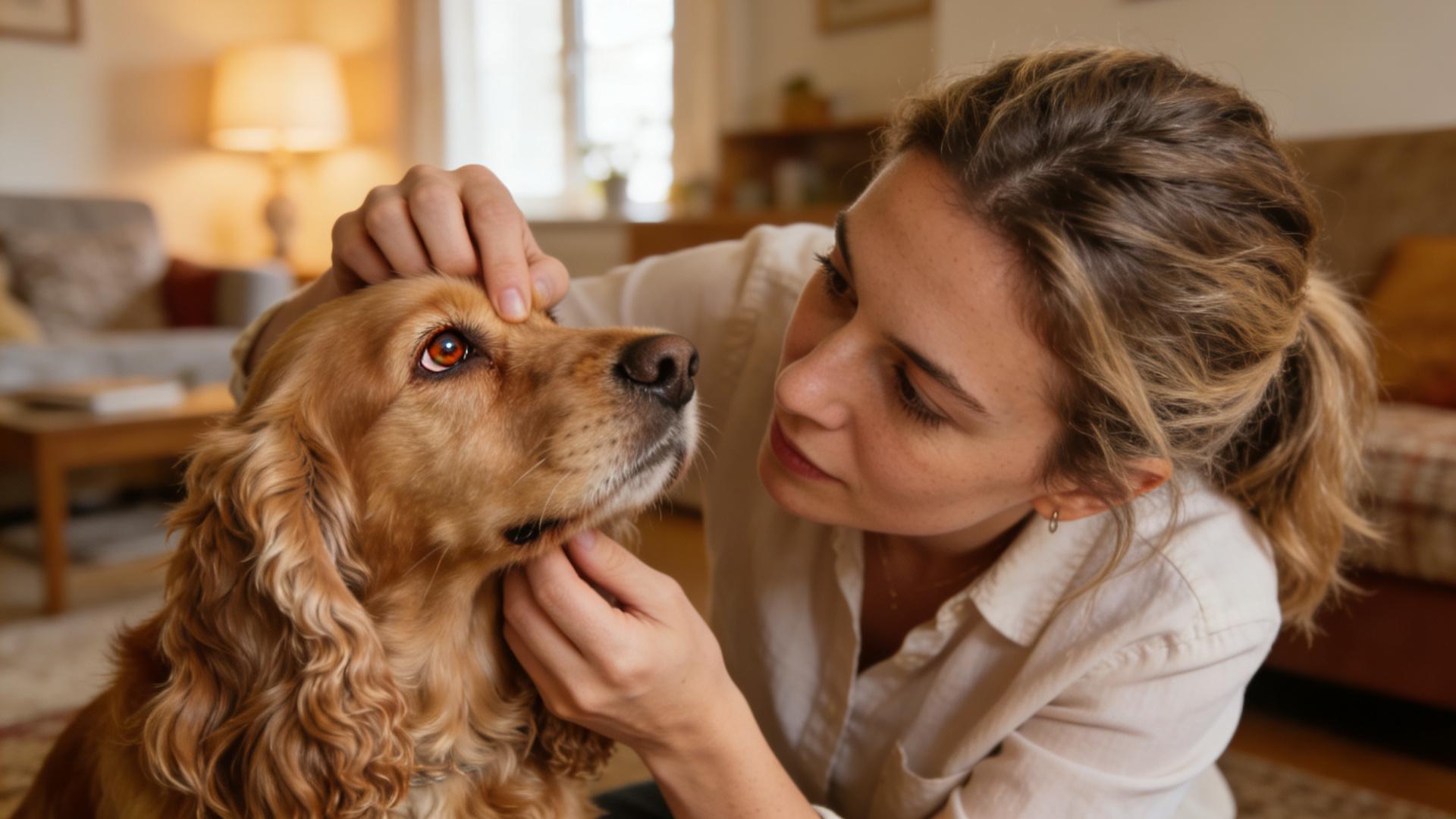
Daily care for dog's ingrown eyelashes: How to reduce eye strain and discharge
As a devoted dog owner, noticing your furry friend squinting or constantly dealing with goopy eyes can be deeply concerning. One common yet often misunderstood culprit behind such discomfort is ingrown eyelashes, a condition veterinarians call distichiasis. This occurs when eyelashes, known as cilia, grow from an abnormal spot on the eyelid margin and turn inward, brushing against the sensitive surface of the eye with every blink. Imagine the persistent irritation of a single grain of sand in your eye. Now, imagine that feeling is caused by your own eyelashes. That is the daily reality for dogs with this condition. This physical abrasion leads directly to eye strain, inflammation, and excessive eye discharge as the eye tries to protect and lubricate itself. It is crucial to understand from the outset that distichiasis is a medical condition requiring a definitive diagnosis from a veterinarian or a veterinary ophthalmologist. Daily care is a vital component of management, but it starts with professional confirmation.
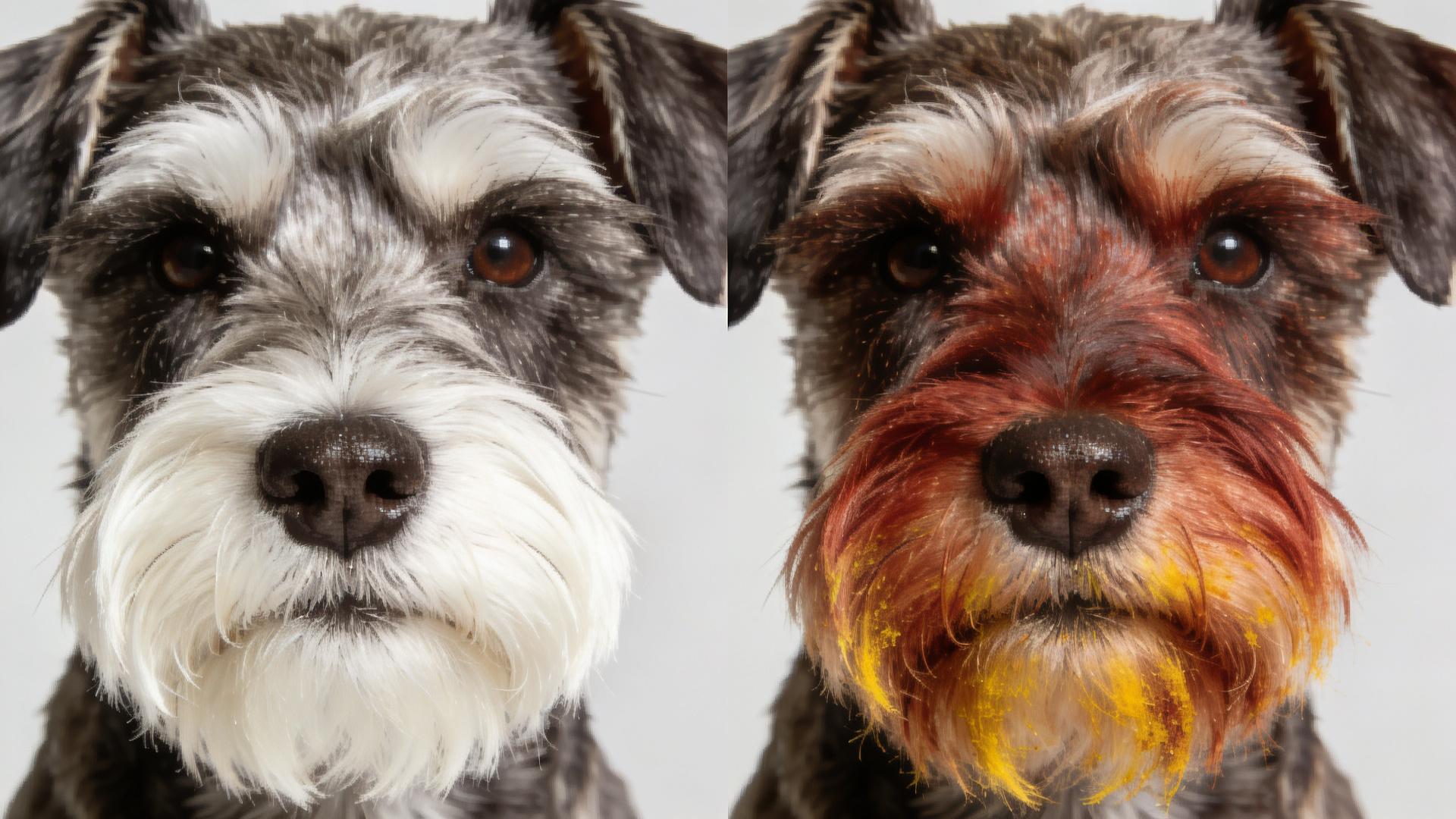
Beard and facial grooming: Preventing Schnauzers and other breeds from developing "yellow beards".
That bright, snowy-white beard is a point of pride for many Schnauzer owners. But all too often, that signature look is marred by unsightly reddish-brown or yellow stains, turning a dapper gentleman into a messy eater. This common frustration, known as "yellow beard" or facial staining, affects many bearded breeds and can feel like a losing battle. More than just a Grooming issue, a stained beard can harbor bacteria and yeast, leading to unpleasant odors and potential skin irritation. But don't despair! With the right knowledge and a consistent routine, you can keep your dog's facial hair clean, white, and healthy. This comprehensive guide will arm you with the science, strategies, and best practices for dog beard care to win the war against stains.
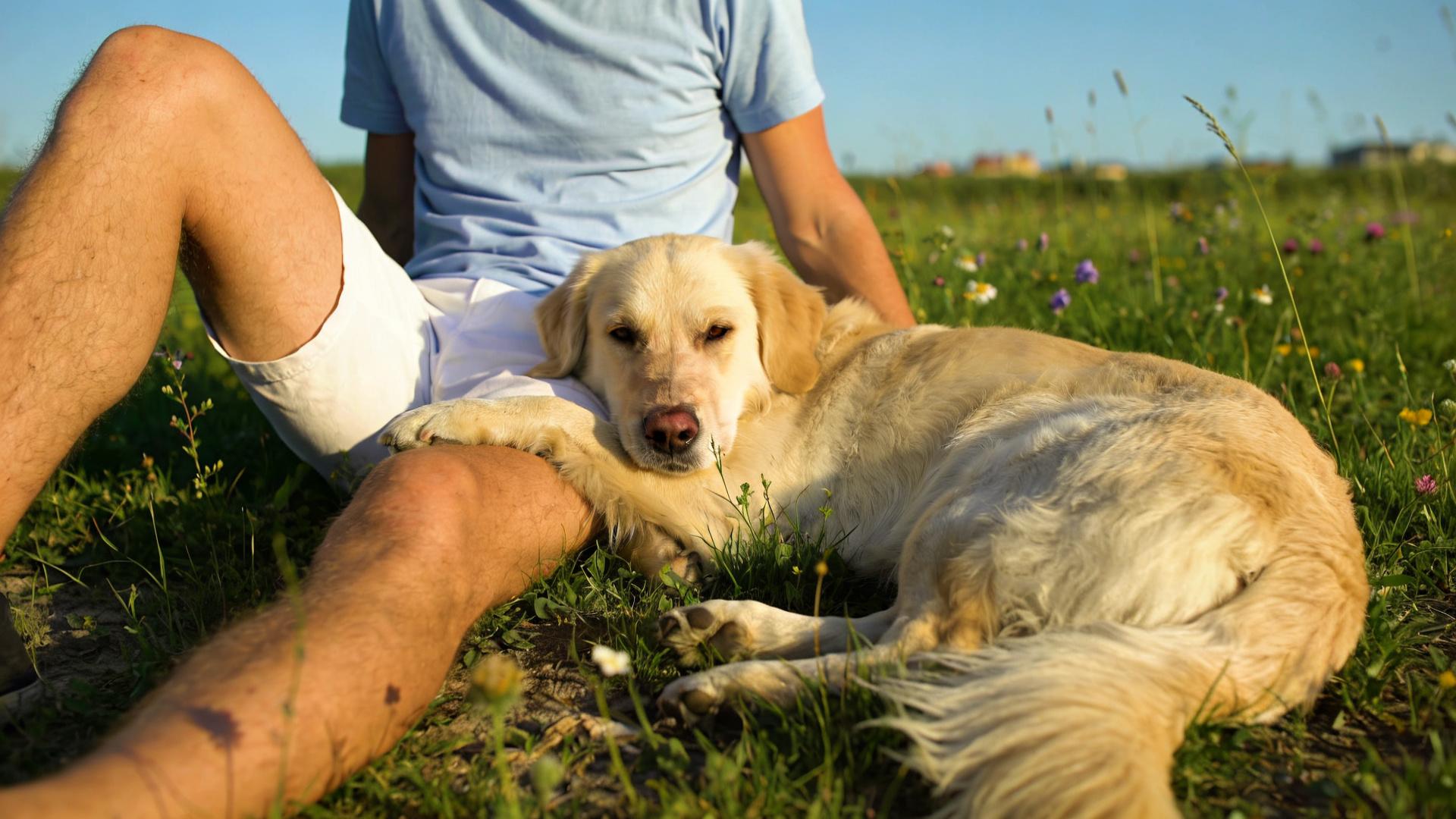
Choosing Sunscreen Clothing for Dogs: The Harm of UV Rays to Light-Skinned Dog Breeds
As a canine care specialist with years of experience, I have witnessed a concerning trend: a steady rise in skin-related issues among our beloved pets, directly linked to sun exposure. One startling statistic from veterinary dermatology reports indicates that cutaneous squamous cell carcinoma is one of the most common skin cancers in dogs, and UV radiation is a primary culprit. This article serves as a crucial guide for every responsible dog owner. Our purpose is to illuminate the often-overlooked dangers of ultraviolet rays, particularly for vulnerable breeds, and to empower you with the knowledge to choose the most effective shield: high-quality sunscreen clothing. Protecting your dog is an act of love, and it begins with understanding the threat.