
You May Have Missed

Winter Static Electricity Protection: Simple Tips to Reduce Flying Fur and Electric Shock in Dogs
You reach down to give your beloved dog a good morning scratch behind the ears, and zap. A tiny blue spark leaps from your fingertip to their nose, causing them to yelp and flinch away. Or perhaps you notice their normally sleek coat suddenly resembles a dandelion puff, with fine hairs standing straight out, defiantly repelling your attempts to smooth them down. Welcome to the season of winter static, a common but often distressing issue for dogs and their owners in cold, dry climates. These small shocks and the phenomenon of flying fur are more than just minor annoyances. They can cause your pet anxiety, discomfort, and even a lingering fear of your touch. As a concerned pet parent, you naturally want a solution. This article is your comprehensive guide. We will demystify the causes of winter static in dogs and provide you with simple, effective, and pet-safe strategies to reduce electric shocks and control flyaway fur, ensuring a more comfortable winter for both you and your four-legged family member.
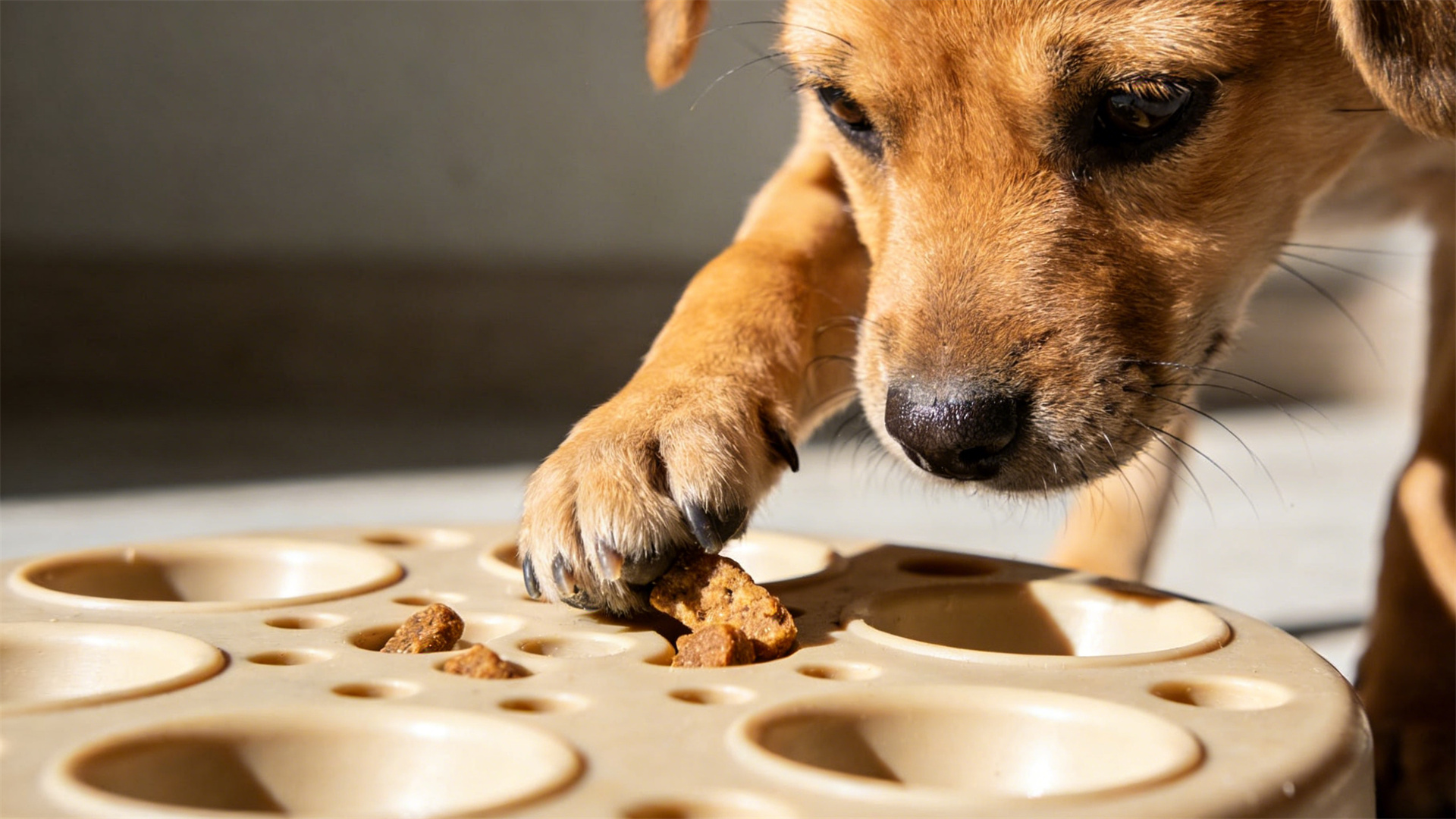
Intellectual development
When we think of a "smart dog," images of a Border Collie herding sheep or a Poodle performing complex tricks often come to mind. But canine intellectual development is far more nuanced and accessible to every dog, regardless of breed. It's the cornerstone of a happy, well-adjusted, and behaviorally healthy companion. This journey goes beyond teaching "sit" and "stay"; it's about nurturing your dog's innate ability to process information, solve problems, and adapt to their world. In this comprehensive guide, we'll explore the fascinating science of the canine mind and provide you with a actionable blueprint to foster your dog's cognitive health and unlock their full intellectual potential.

Dog-specific towel material review: Chamois cloth vs. microfiber – which is more absorbent?
You’ve just finished washing your beloved dog, and as you reach for a towel, you’re faced with a common dilemma. The regular bath towels you use are already soaked through after one pass over your Labrador’s thick coat, leaving them shivering and your bathroom looking like a splash zone. Every pet parent knows the struggle of effectively drying their furry friend. The secret weapon in this battle isn’t just any towel; it’s a towel engineered for the job. But with so many options shouting “super absorbent!” from store shelves and online listings, how do you choose? This article cuts through the wet confusion to answer one core question: In the head-to-head matchup of chamois cloth dog towel versus microfiber dog towel, which material truly reigns supreme in dog towel absorbency? Let’s wring out the facts.
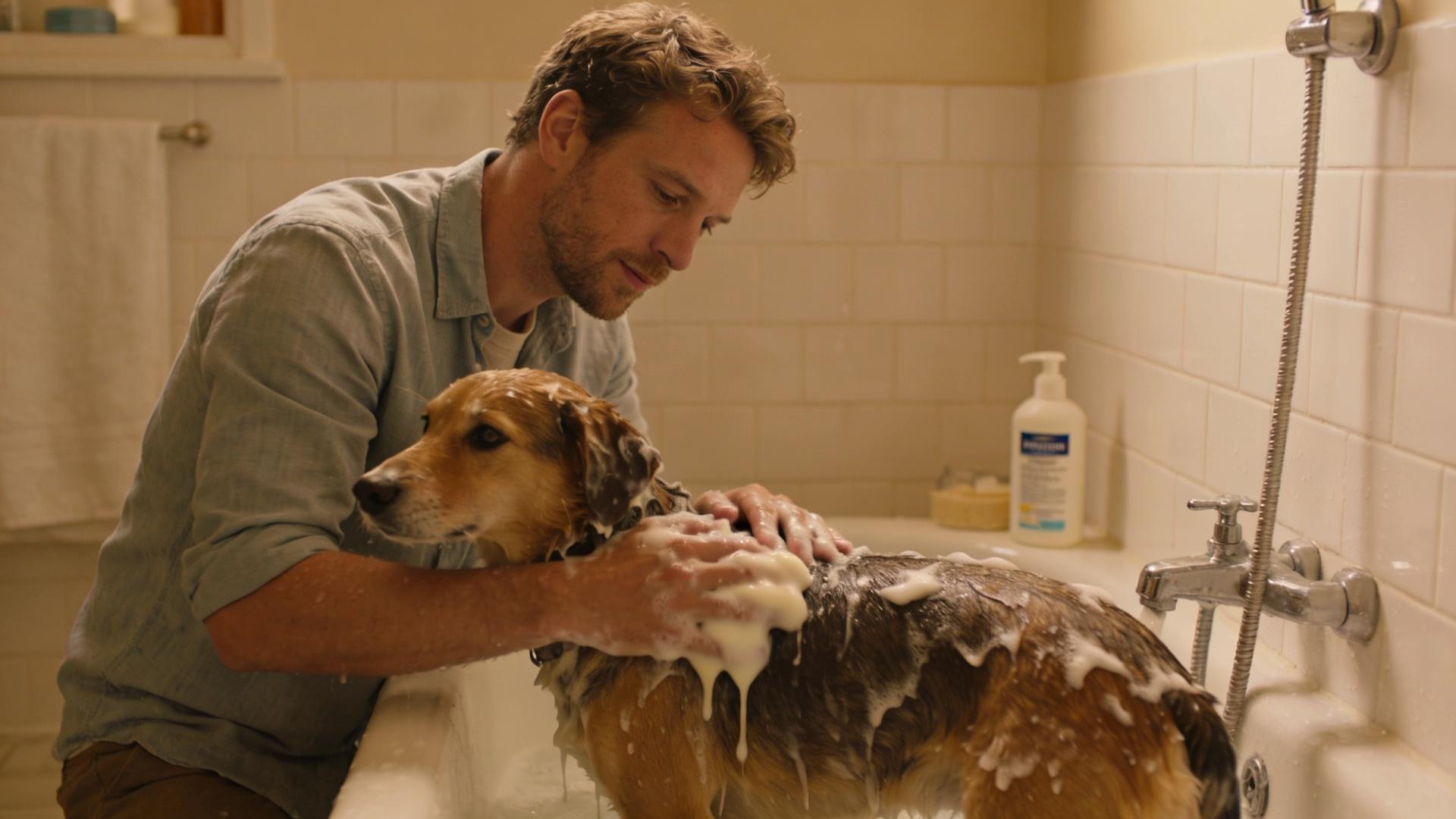
Are dog conditioners a rip-off? Scientific solutions for repairing dry, brittle fur.
As a dog parent, you want nothing but the best for your furry companion. A shiny, soft coat is often the most visible sign of a healthy dog. But when that coat turns dry, brittle, and lackluster, the search for solutions begins, often leading you to the pet care aisle and the myriad of dog conditioners. The immediate question arises: is this a genuine solution or just a clever marketing ploy? Let's dive deep into the science of canine coat health and separate fact from fiction.

Cleaning and discarding standards for dog toys: Don't let crumbs clog your intestines.
For any dog parent, the sight of their furry friend gleefully shredding a new toy is pure joy. Toys are not just playthings; they are essential tools for mental stimulation, dental health, and combating boredom. However, lurking beneath that playful exterior of a worn-out squeaky toy or a beloved plush lamb is a potential health hazard few consider. Without a rigorous protocol for maintenance, the very objects meant to enrich your dog's life can become silent threats, leading to costly vet visits, emergency surgeries, or worse. This comprehensive guide dives deep into the non-negotiable cleaning and discarding standards for dog toys, arming you with the knowledge to prevent dangerous intestinal blockages from ingested toy fragments.

Environmental Safety Guidelines: Which common household plants are toxic to dogs?
Your home is a sanctuary, a place of comfort and safety for your entire family—including your canine companion. However, hidden amidst the décor and greenery that brings life to your rooms may lurk unexpected dangers. Dogs are inherently curious creatures, exploring the world with their noses and mouths, and the prevalence of popular houseplants can turn this natural curiosity into a serious health emergency. This comprehensive guide serves a critical purpose: to identify the most common household plants that are toxic to dogs, empower you with an immediate action plan, and provide you with the knowledge to create a beautiful and safe environment for everyone.