
You May Have Missed
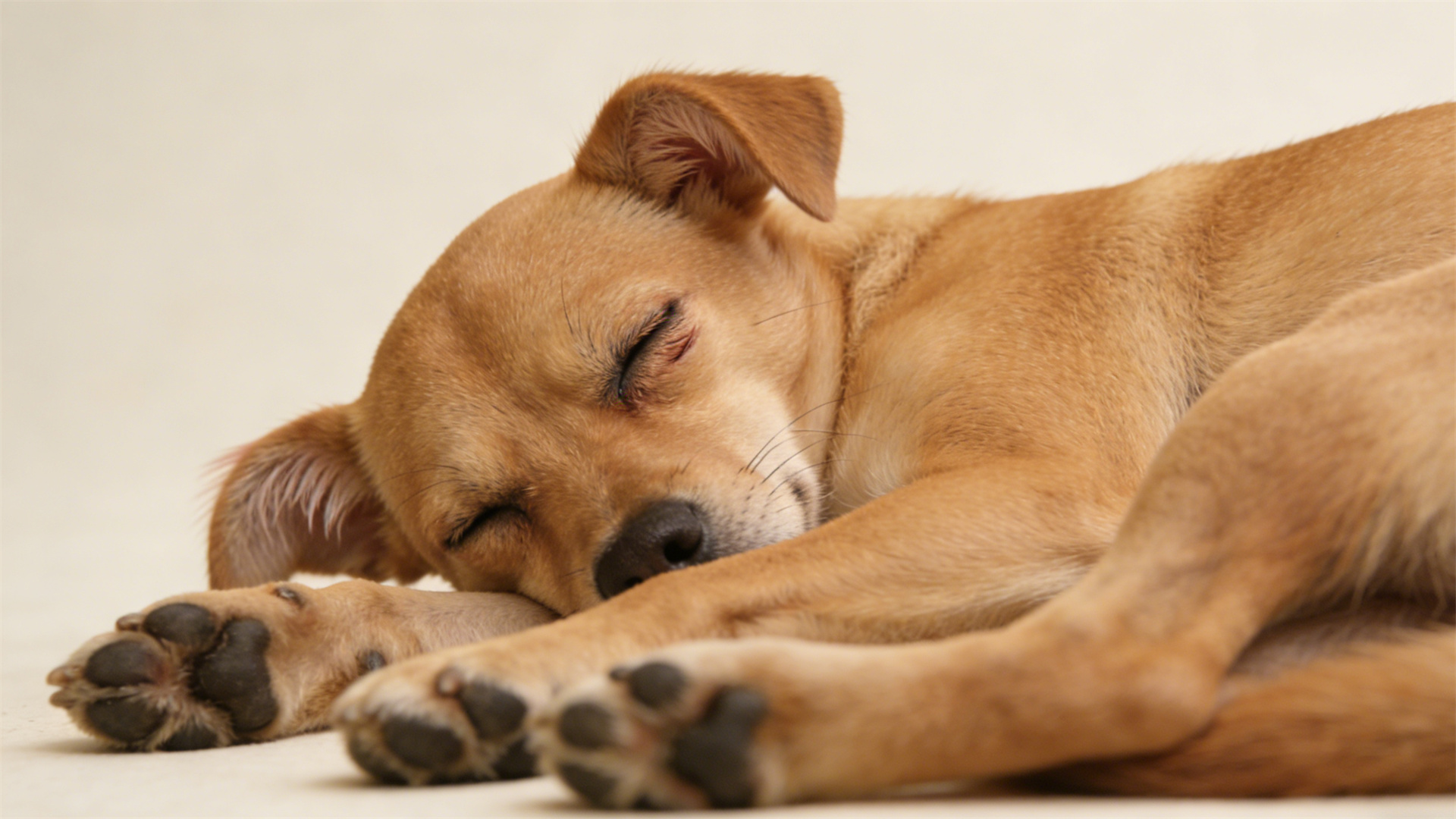
Canine Sleep Physiology: The Impact of Insufficient Deep Sleep on Body Repair
As a dog owner, you meticulously plan their diet, ensure they get plenty of exercise, and schedule regular vet visits. But how often do you consider the quality of their sleep? Just like humans, dogs require structured, restorative sleep for optimal health. This article delves into the fascinating world of canine sleep physiology, uncovering why deep sleep in dogs is non-negotiable for cellular repair, immune function, and long-term vitality. We'll translate complex science into actionable insights, helping you ensure your best friend isn't just sleeping, but healing.
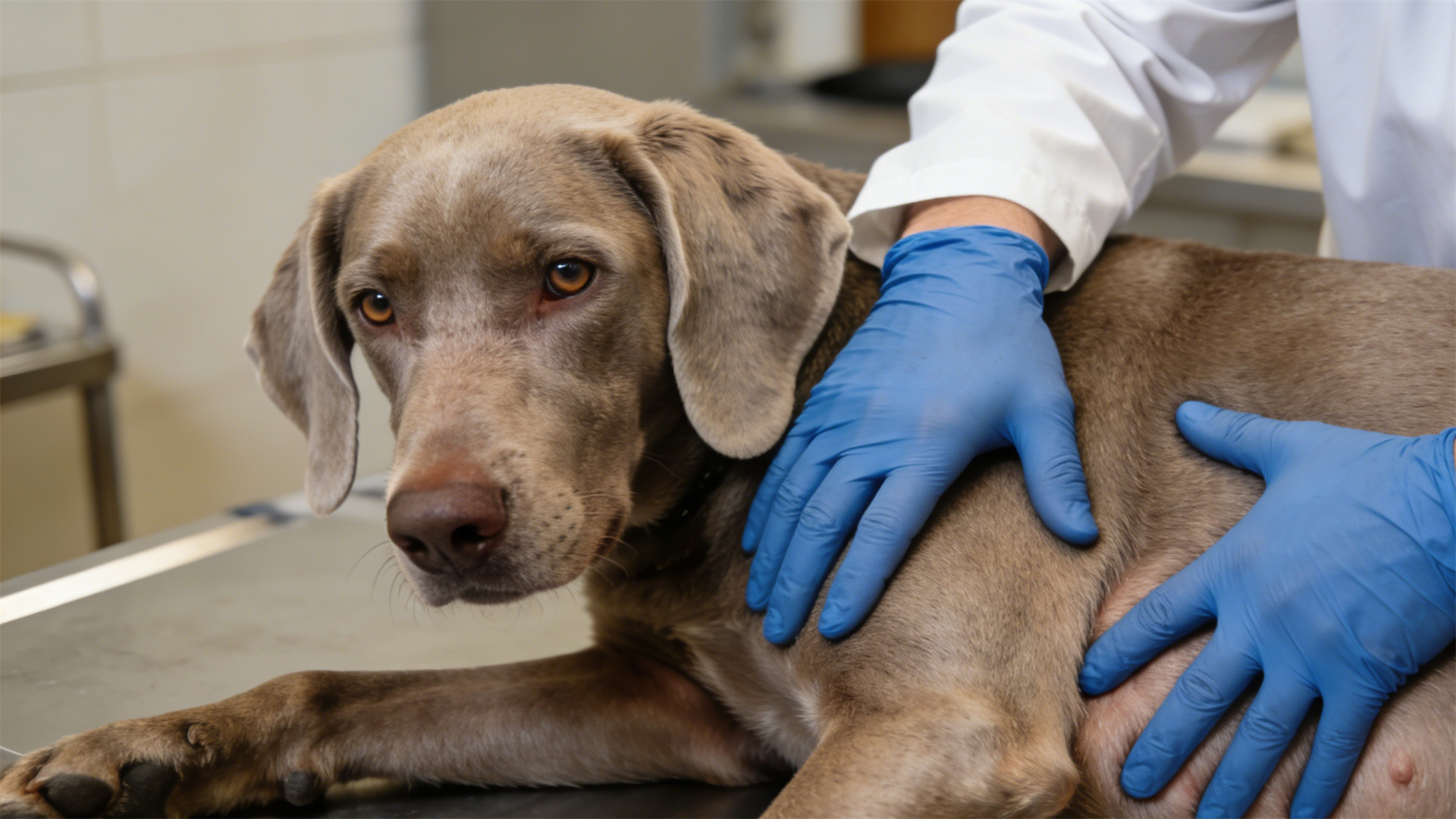
The Health Logic of Slow-Feed Bowls: A Lifeline for Preventing Gastric Toxosis (GDV) in Large Dogs
For owners of large and giant breed dogs, there is perhaps no veterinary term more terrifying than GDV. It strikes with little warning, progresses with alarming speed, and carries a soberingly high mortality rate. Yet, one of the most powerful preventive tools is deceptively simple and sits right on your kitchen floor. This article delves into the critical, life-saving connection between your dog's eating speed and their risk of gastric toxosis, making the authoritative case that a slow-feed bowl is not a mere convenience gadget—it is an essential health intervention.
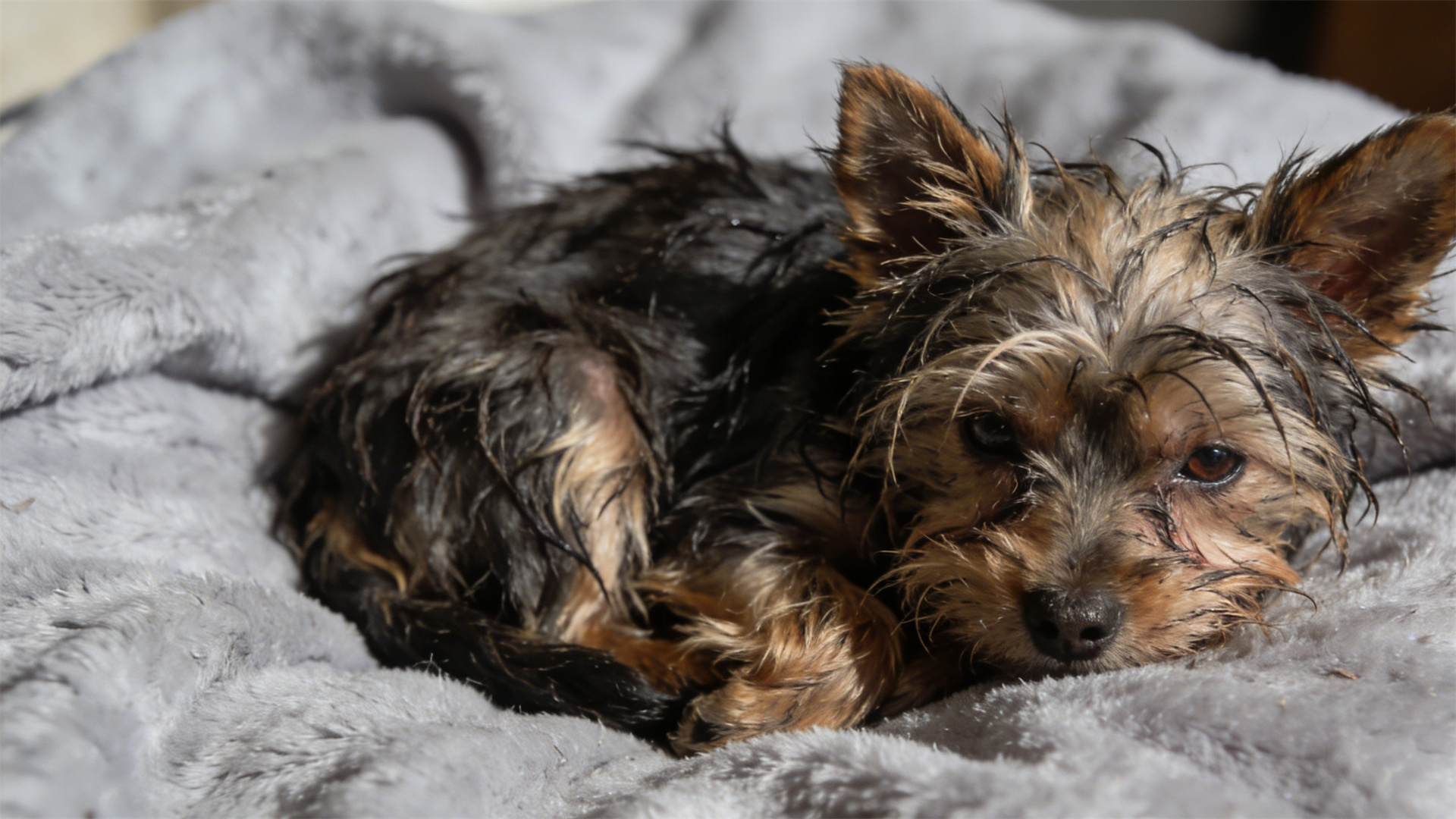
Hypoglycemia in Small Dogs: Details of Managing Small, Frequent Meals in Puppies
For owners of tiny companions—a Chihuahua, Yorkie, Pomeranian, or any other petite breed—the joy of a new puppy is immense. Yet, this joy comes with a significant responsibility unique to their size: guarding against hypoglycemia, or dangerously low blood sugar. This condition isn't just a minor concern; it's a potentially life-threatening emergency that can escalate with frightening speed. The cornerstone of prevention and management lies in a deceptively simple strategy: small, frequent meals. This article is your comprehensive guide to understanding why this is non-negotiable for toy and small breed puppies and exactly how to implement it to ensure your furry friend thrives.
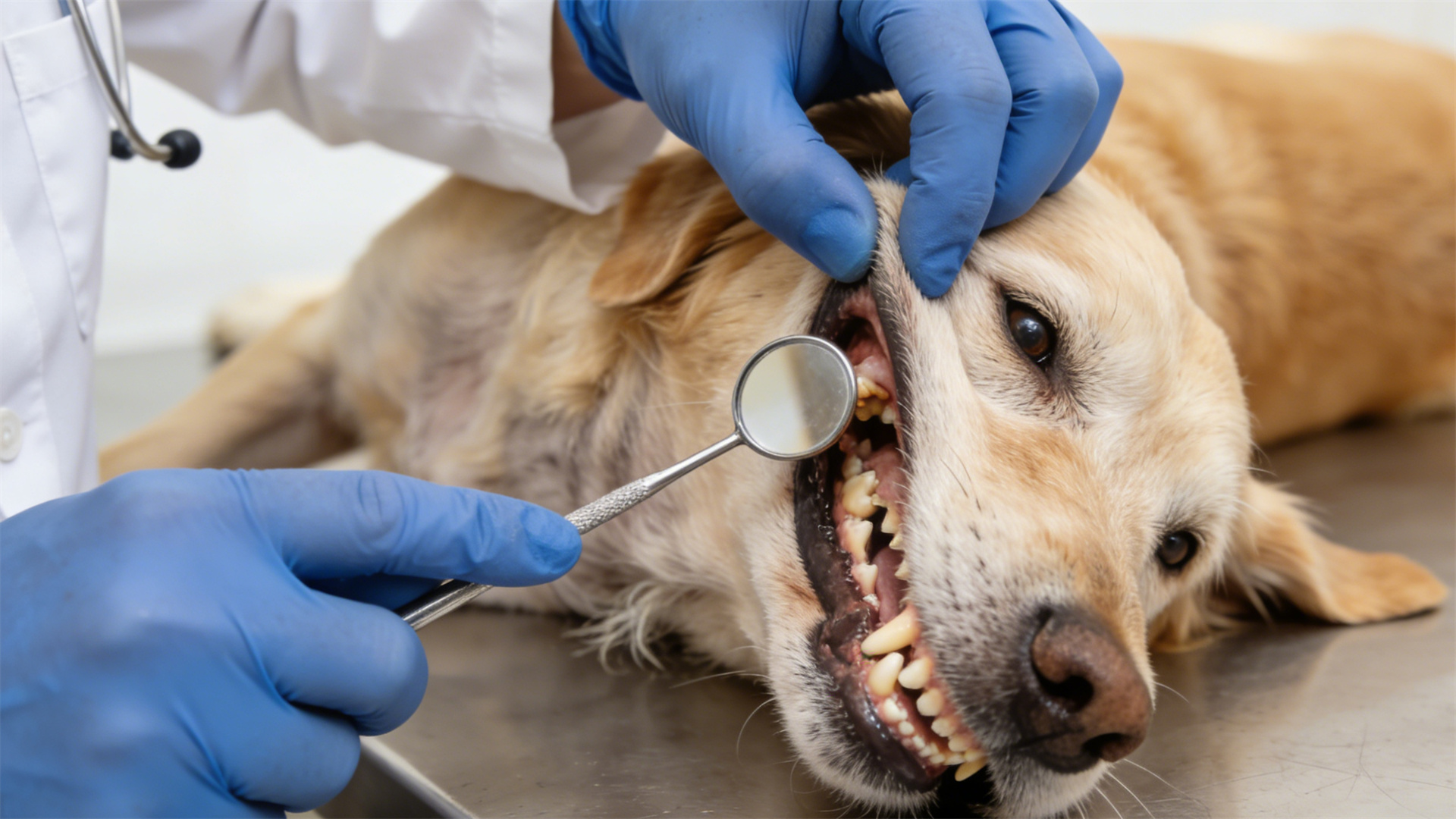
Tooth loss in senior dogs: How to ensure nutritional intake even without teeth?
Watching your loyal companion grow old is a journey filled with love, but it also brings new challenges. One of the most common and concerning issues for pet parents is senior dog tooth loss. The moment you notice missing teeth or see your dog struggling to chew, a wave of worry is natural. How will they eat? Can they still get the nutrition they need to thrive? The answer is a resounding yes. While tooth loss changes their feeding routine, it does not have to diminish their quality of life or health. This comprehensive guide will walk you through everything you need to know about feeding a dog with no teeth, from understanding the causes to mastering the art of preparing delicious, nutrient-rich meals. Your toothless senior can continue to enjoy mealtime and live a happy, comfortable life with your informed care and support.
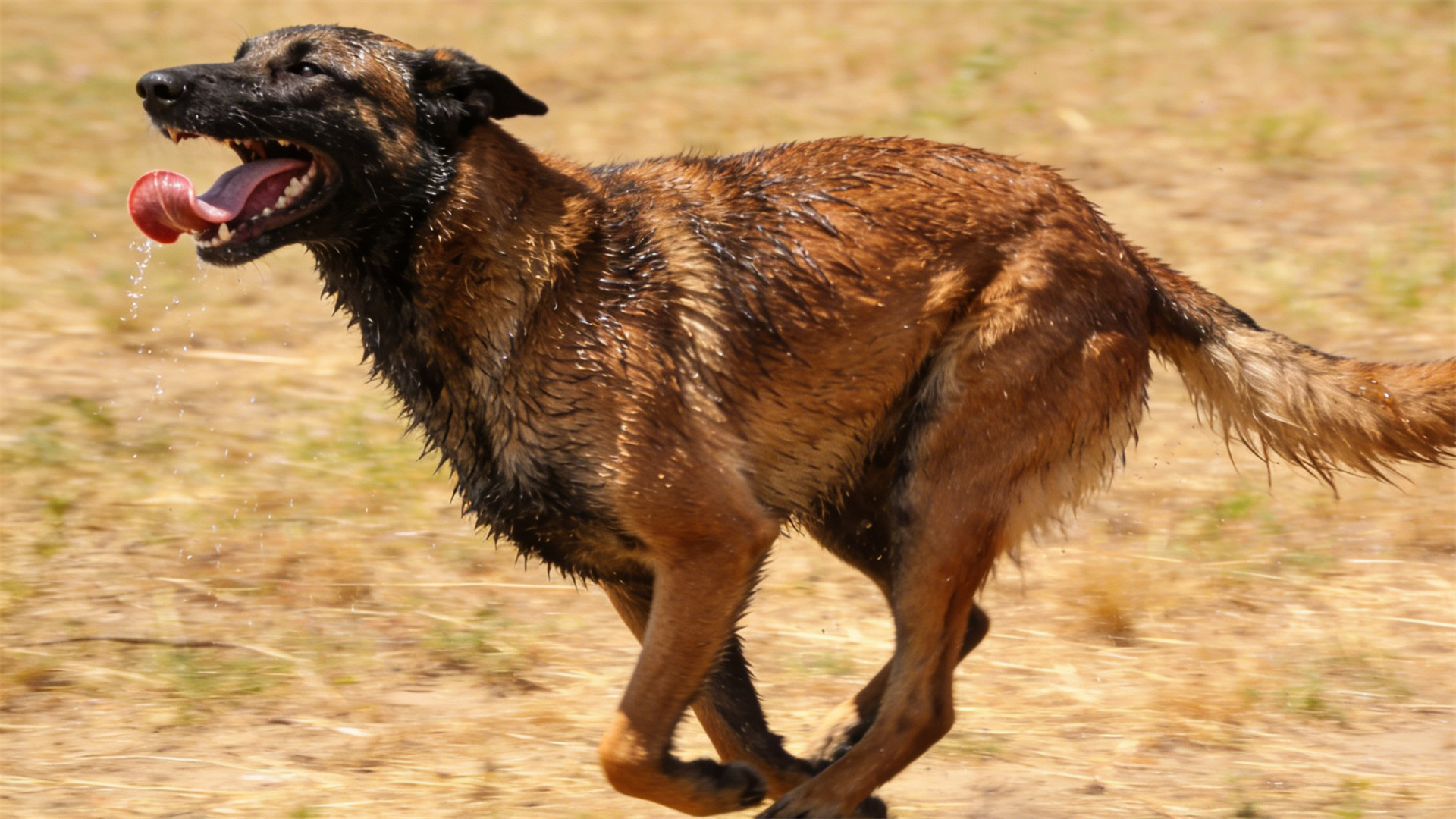
Physical recovery for working dogs: the science of electrolyte replenishment after high-intensity exercise
In the world of canine athletes, victory and reliability are forged not only in the intensity of the work but in the quality of the recovery that follows. For the working dog—be it a police K9, a search-and-rescue hero, an agility champion, or a dedicated sport partner—high-intensity exercise is a routine demand. While we meticulously plan their training and fuel their drive, the science of physical recovery, particularly electrolyte replenishment for dogs, is often the unsung hero of sustained performance and long-term health. This article delves beyond simple hydration, exploring the critical physiological processes and providing a practical, evidence-based roadmap for optimizing your canine partner's post-work reset.
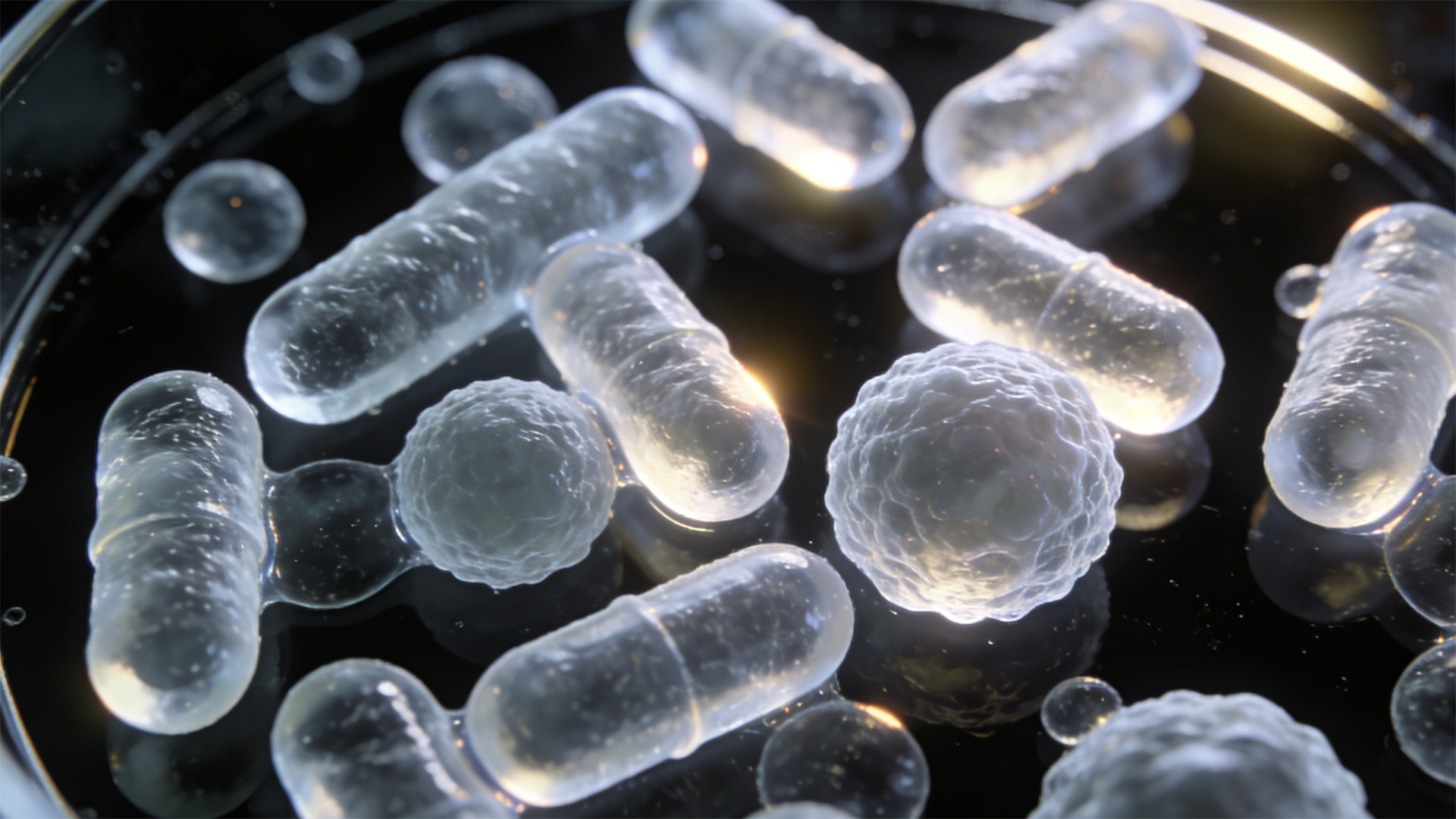
Canine Gut Microbiota: The Practical Role of Probiotics and Prebiotics in Improving Soft Stools
If you're here, you've likely been on the less glamorous end of dog ownership. You're not just a pet parent. You're a poop detective. The sight of a soft, unformed stool where a firm, healthy one should be is a common but frustrating concern. Before you spiral into worry about serious illness or dietary dead-ends, take a deep breath. More often than not, the answer lies not in a dramatic medication, but in the microscopic world within your dog's digestive tract. The solution is often about nurturing balance. This article will guide you through the practical, actionable science of your dog's gut health. We will demystify the canine gut microbiota and explain exactly how two powerful tools—probiotics and prebiotics—can work together to transform your dog's digestion and finally firm up those stools.