
You May Have Missed
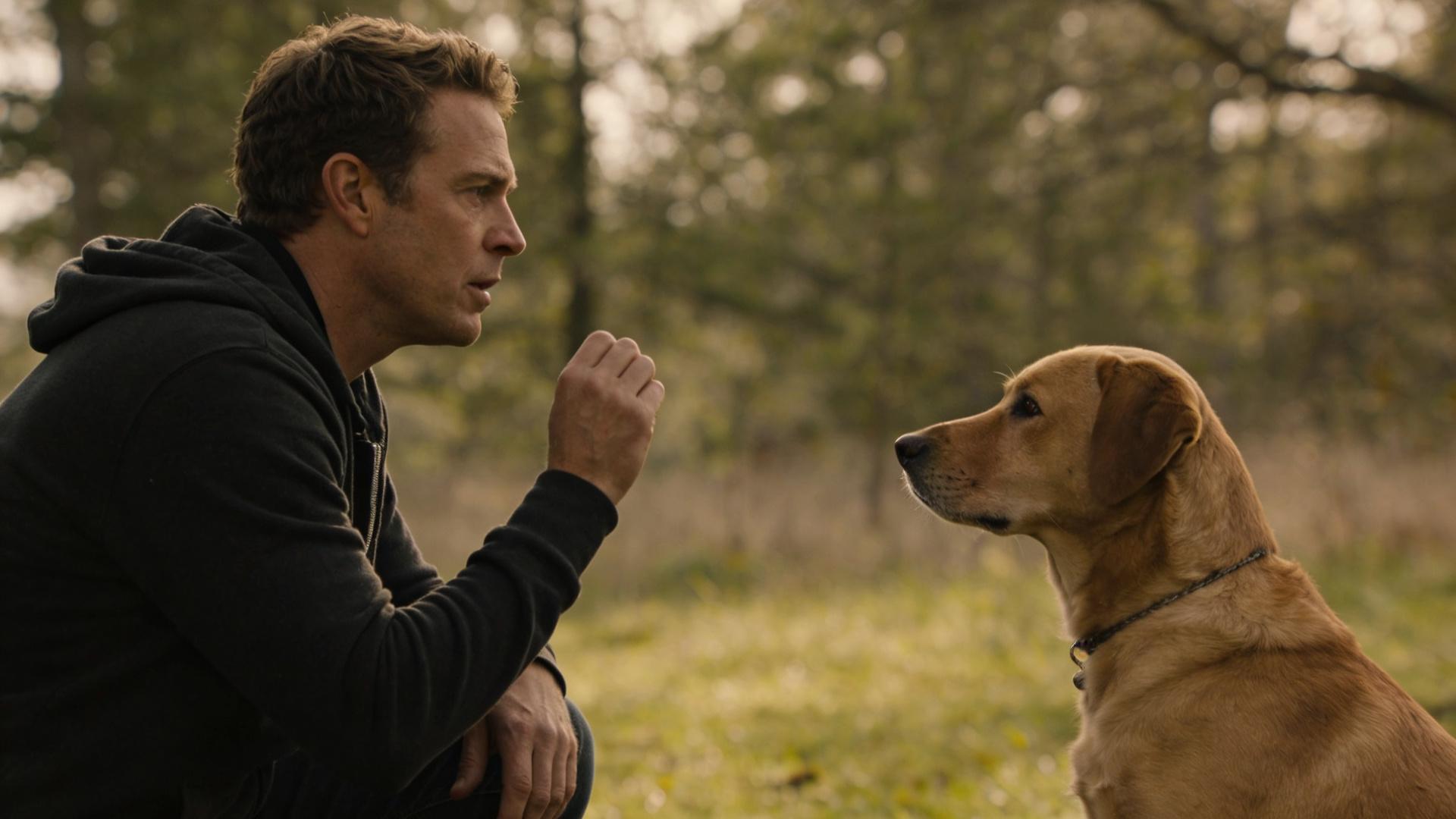
Silent training: achieving tacit understanding by using only eye contact and body language to complete instructions
In the bustling world of dog training, filled with vocal cues, clickers, and treat bags, there exists a profoundly quiet corner. It is a space where communication flows not through sound, but through the subtle, powerful languages of the eyes and the body. Silent dog training is not merely a technique; it is an art form and a philosophy that seeks to cultivate a deep, intuitive bond between human and canine. Imagine directing your dog through a crowded park, navigating an agility course, or simply asking for a polite sit at a curb—all without uttering a single word. This is the pinnacle of tacit understanding dog training, a connection built on mutual observation, trust, and a symphony of non-verbal signals. This comprehensive guide will unveil the methods, science, and soul behind communicating with your dog in silence, transforming your relationship into one of seamless, quiet harmony. $image$
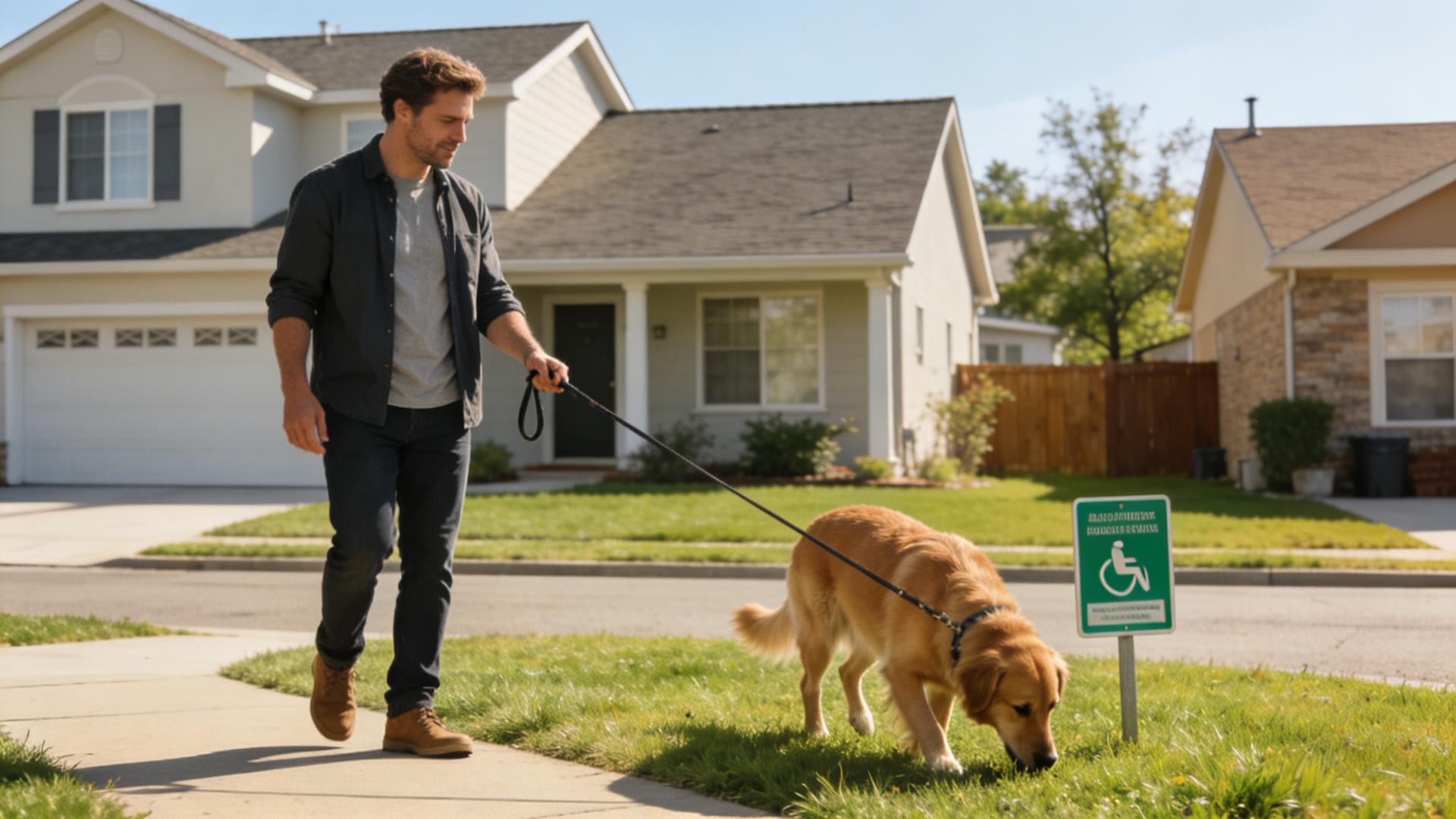
Civilized dog walking tips: Train your dog to relieve itself in designated grassy areas.
In the tapestry of community life, few threads are as common—or as potentially disruptive—as the daily dog walk. It’s a ritual of joy, exercise, and bonding. Yet, without mindful practice, it can fray into a source of neighborhood tension. The cornerstone of civilized dog walking is the simple, impactful act of guiding your dog to relieve itself in designated grassy areas. This isn't merely about convenience; it's a profound exercise in responsible dog ownership and community stewardship. This comprehensive guide will equip you with the actionable steps, scientific rationale, and nuanced understanding needed to master this essential skill, transforming your walks into a model of polite dog walking behavior.
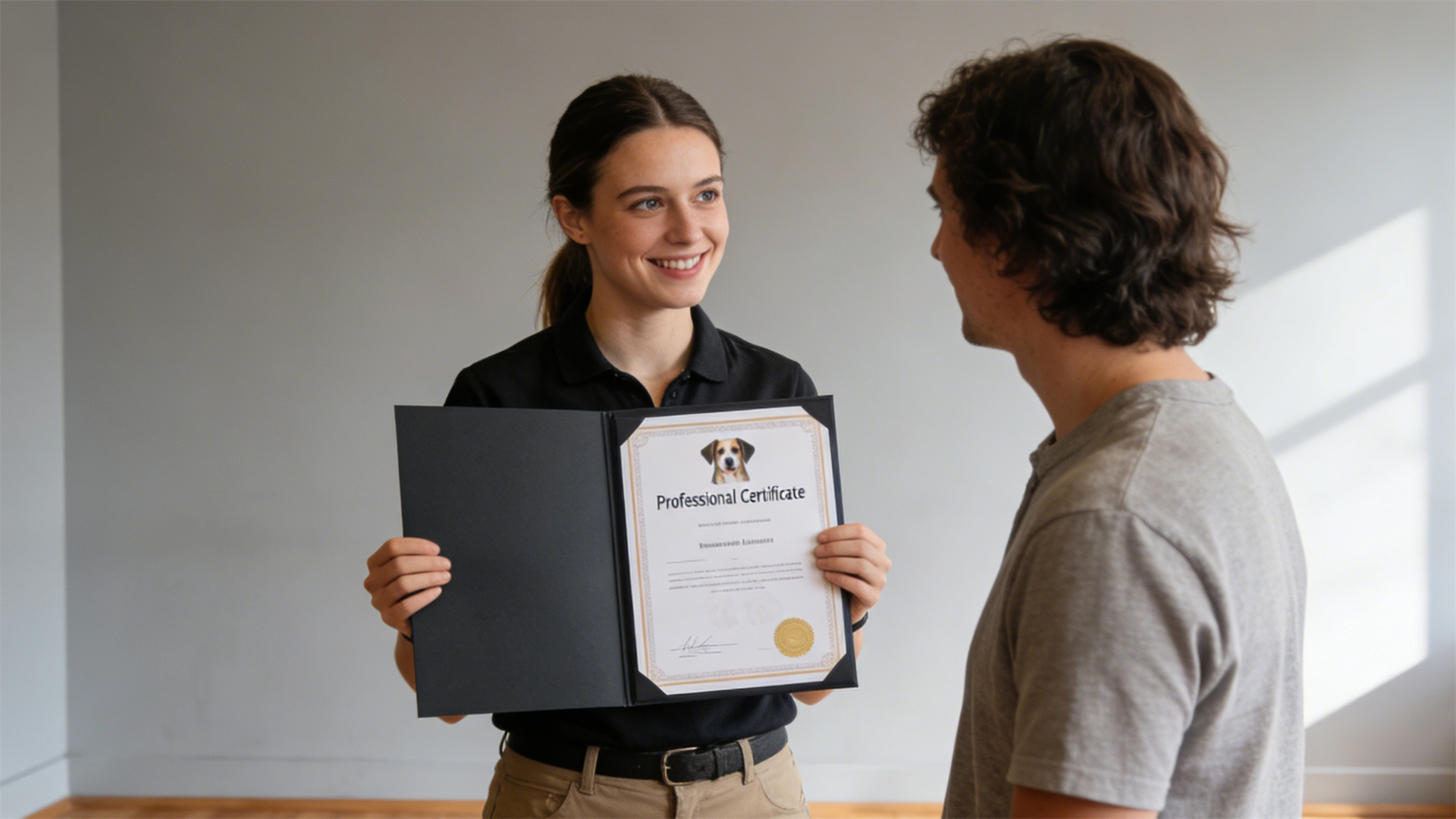
Level 5: Expert Dog Trainer Certification
In the evolving world of canine professions, a title alone is no longer enough. For those dedicated to reaching the zenith of their craft, the pursuit of an expert dog trainer certification is the defining journey. This isn't just another course; it's a rigorous validation of mastery, a globally recognized passport to elite roles, and a solemn commitment to ethical, science-based practice. This comprehensive guide demystifies the pinnacle credentials, such as the CPDT-KA and KPA-CTP, providing you with the roadmap to transform from a competent trainer into a recognized industry authority.
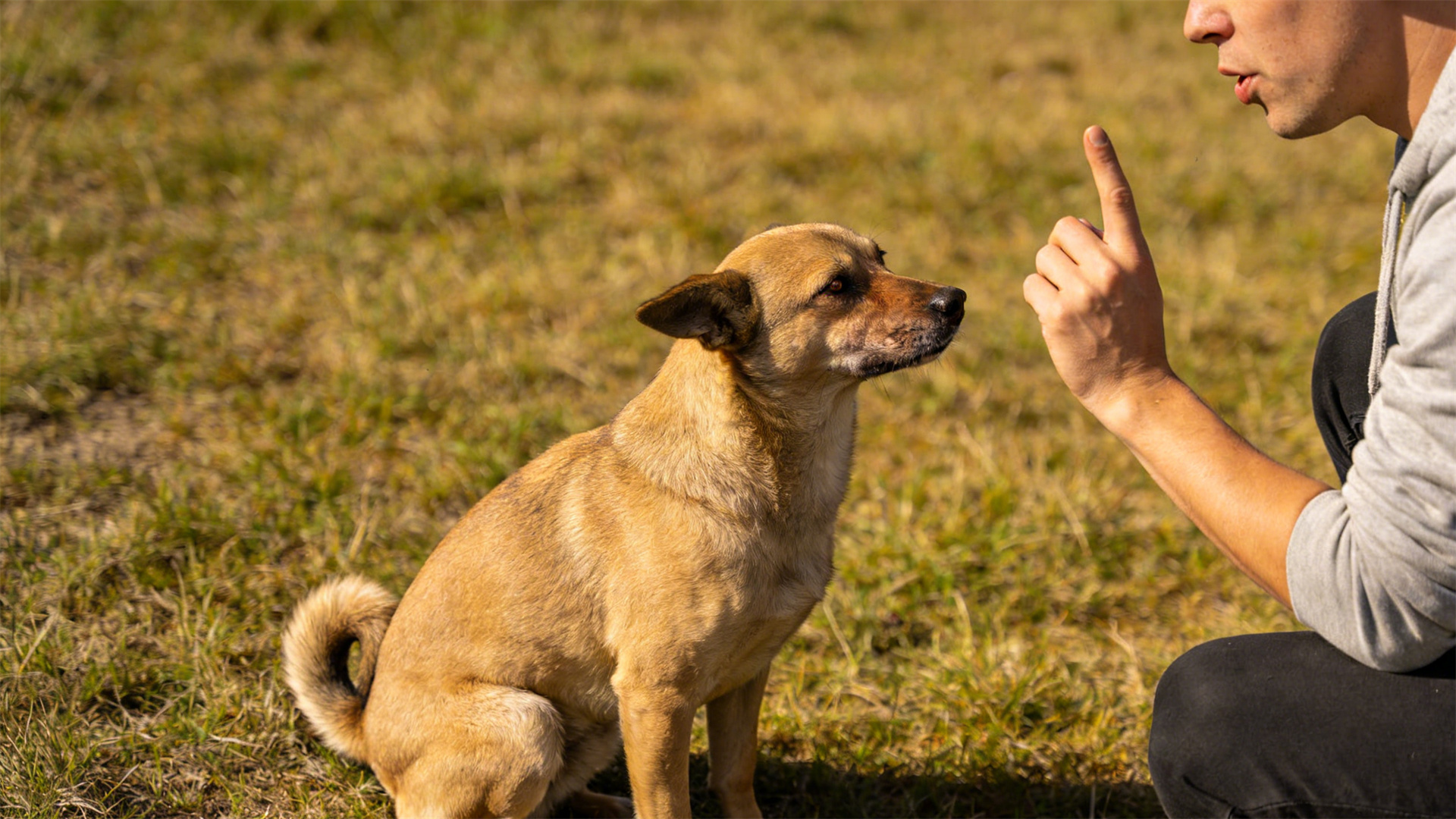
Quick Method for Establishing a Fixed Toileting Habit: How to Build a Conditioned Reflex Using Inducers and Rewards
House training. For many new dog owners, these two words conjure feelings of frustration, confusion, and the unmistakable scent of enzymatic cleaner. The cycle of guessing, accidents, and failed schedules can test the bond with your new companion. But what if the key wasn't just more frequent trips outside, but smarter communication? What if you could build a reliable, almost automatic habit in your dog? The solution lies not in scolding, but in leveraging the simple, powerful principles of behavioral psychology. This guide outlines a quick method for establishing a fixed toileting habit by constructing a clear conditioned reflex using two precise tools: the inducer and the reward. It’s a method that transforms you from a cleaner to a coach, forging a partnership built on clarity and positive reinforcement.
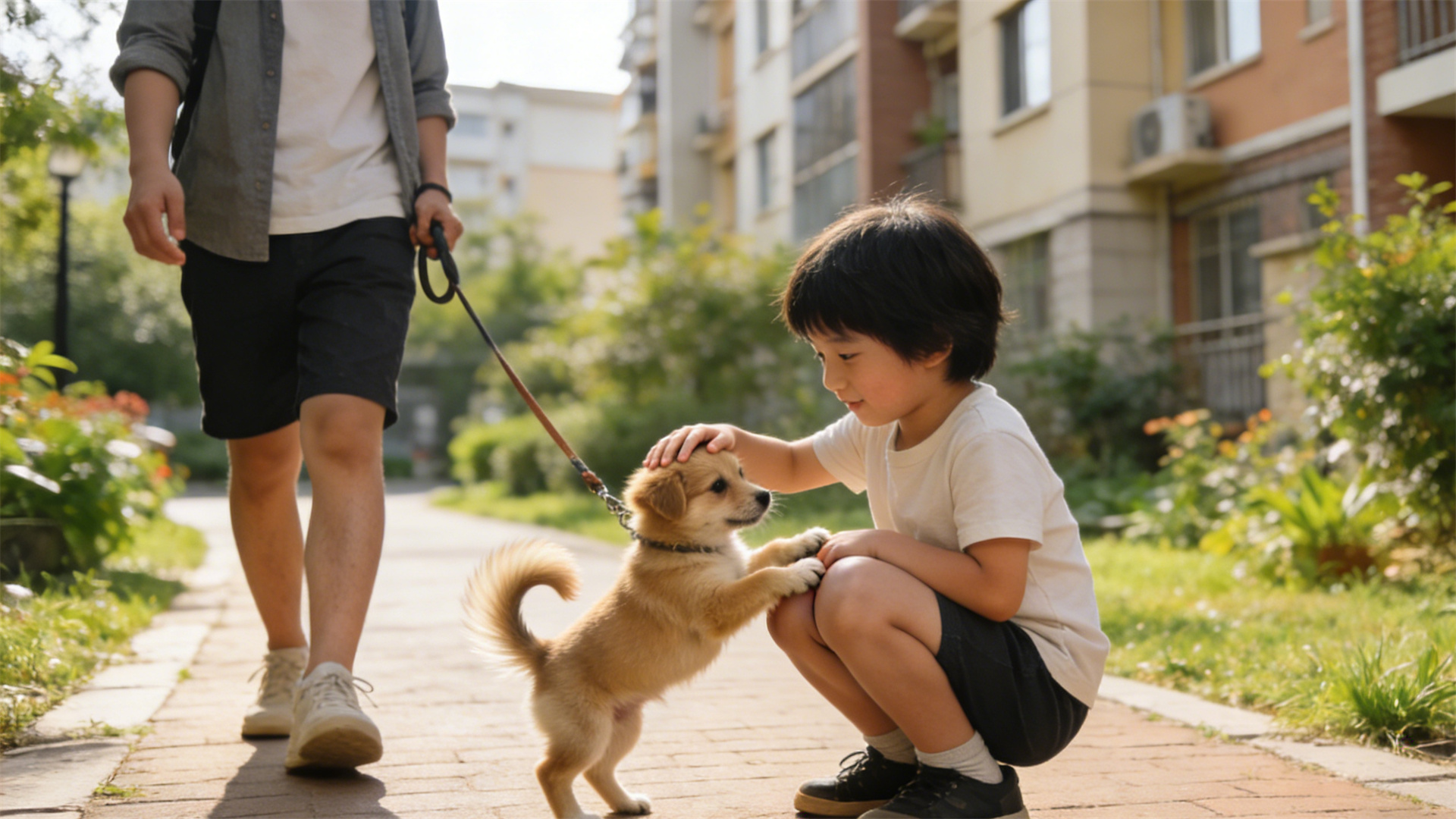
Level 1: Socialization and Order in the Cub Stage
The first few weeks with your new puppy are a whirlwind of joy, licks, and… let's be honest, a bit of chaos. In this critical period, your most important jobs aren't just cuddling and playing. They are socialization and establishing order. Think of this as Level 1 in your dog's lifelong training game. Mastering these two foundational pillars is the single greatest investment you can make in your pup's future. It builds a confident, well-mannered companion and prevents a host of behavioral issues down the line. This guide will walk you through exactly how to navigate your puppy's cub stage with purpose and positivity.
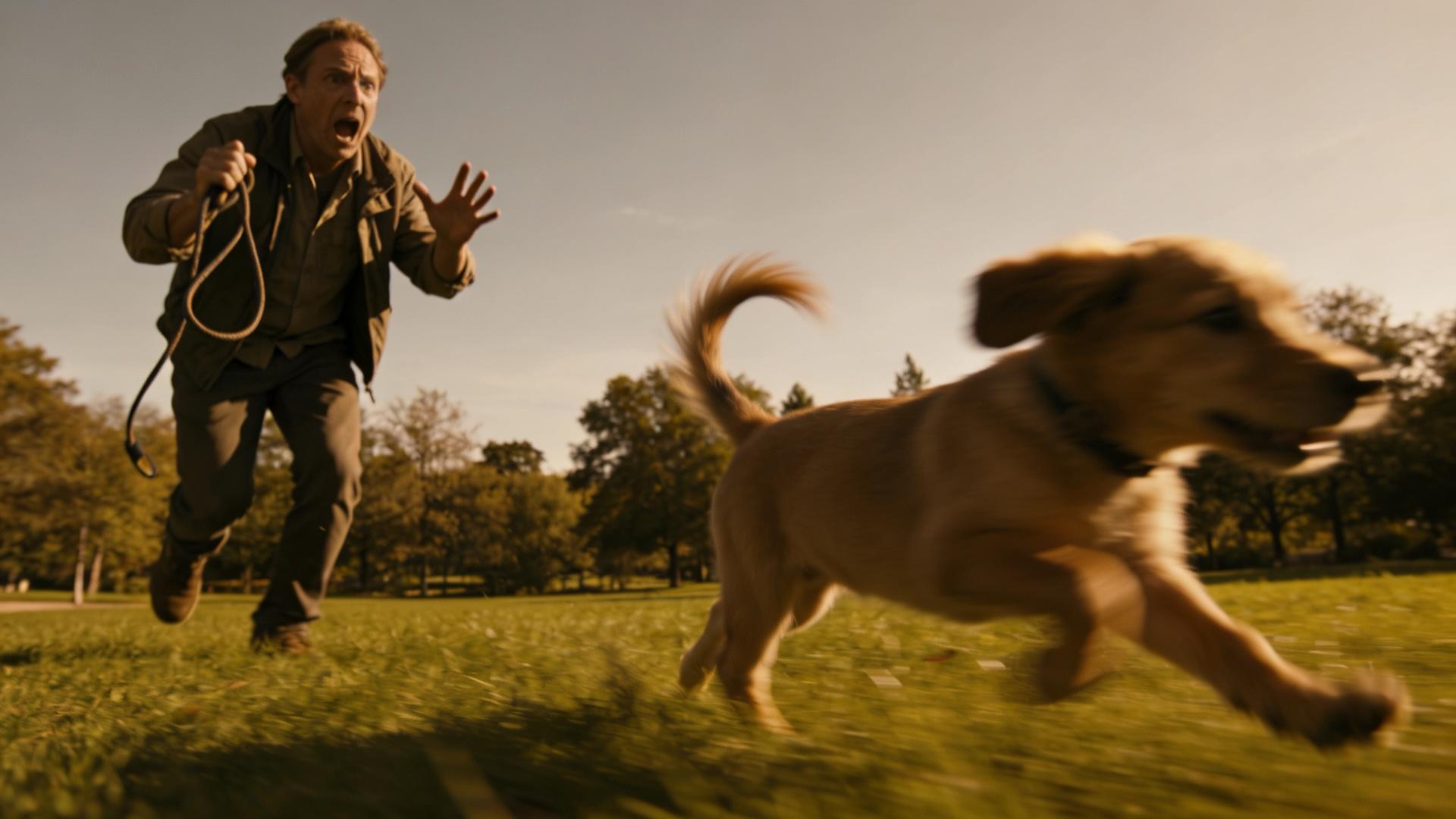
Puppy recall lesson one: Make it run to you no matter what.
Imagine this: your puppy’s leash slips from your hand at the park, or your front door swings open a moment too long. In that heartbeat, the single most important command you will ever teach your dog isn't just a trick—it's a lifesaving behavior. A reliable recall, the act of your dog coming to you instantly and joyfully, is the ultimate insurance policy. But this first lesson isn't about the word "come." It's about building an irresistible gravitational pull that makes your puppy sprint to you with unfiltered joy, every single time. We are not merely requesting an action; we are programming a reaction. This is the art and science of creating a foundation so strong that squirrels, smells, and other dogs simply can't compete. Let's begin.