
You May Have Missed
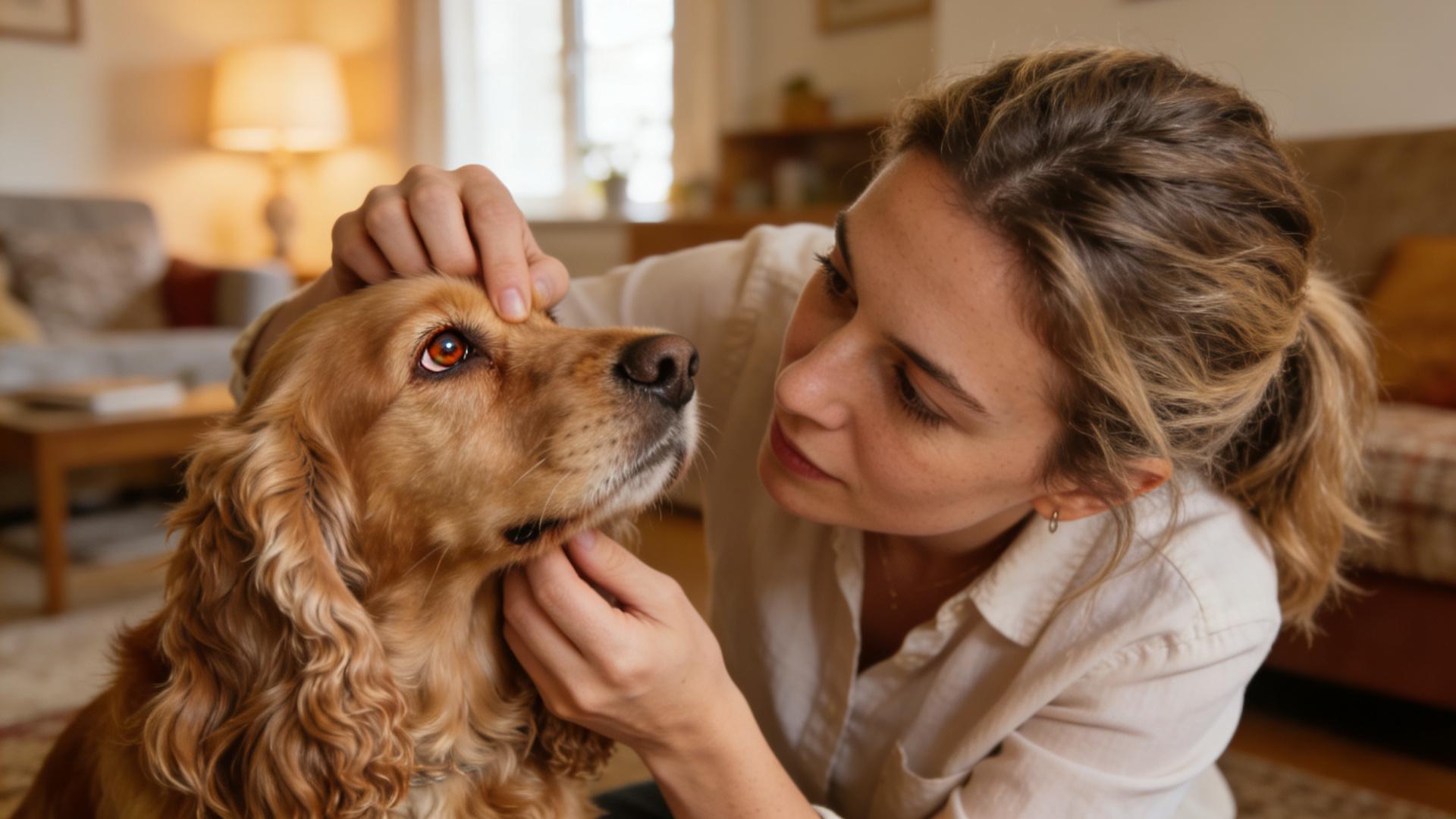
Daily care for dog's ingrown eyelashes: How to reduce eye strain and discharge
As a devoted dog owner, noticing your furry friend squinting or constantly dealing with goopy eyes can be deeply concerning. One common yet often misunderstood culprit behind such discomfort is ingrown eyelashes, a condition veterinarians call distichiasis. This occurs when eyelashes, known as cilia, grow from an abnormal spot on the eyelid margin and turn inward, brushing against the sensitive surface of the eye with every blink. Imagine the persistent irritation of a single grain of sand in your eye. Now, imagine that feeling is caused by your own eyelashes. That is the daily reality for dogs with this condition. This physical abrasion leads directly to eye strain, inflammation, and excessive eye discharge as the eye tries to protect and lubricate itself. It is crucial to understand from the outset that distichiasis is a medical condition requiring a definitive diagnosis from a veterinarian or a veterinary ophthalmologist. Daily care is a vital component of management, but it starts with professional confirmation.
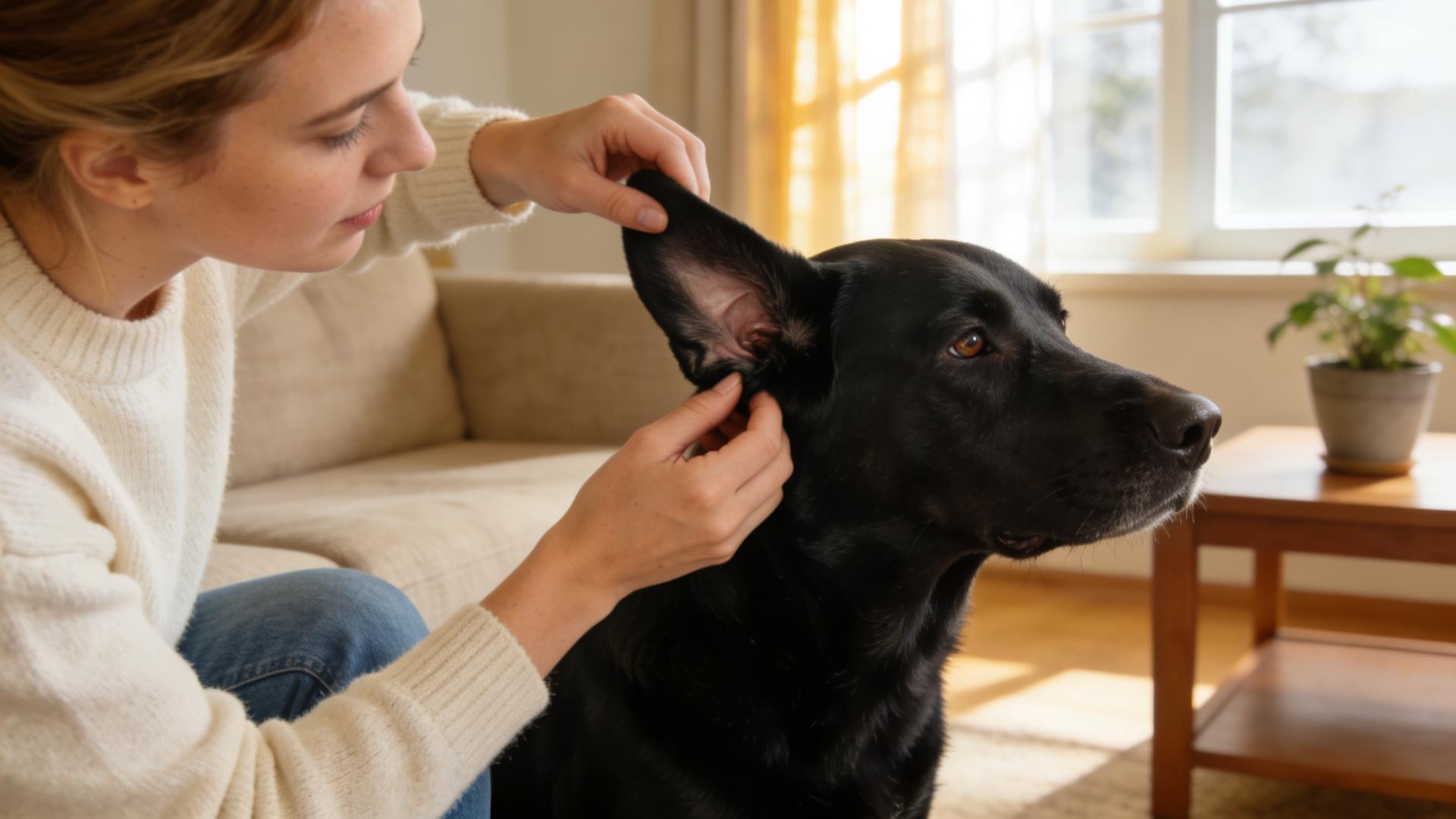
Diagnosing ear odor in dogs: Preliminary assessment of ear disease type based on color and smell
That familiar head shake. The persistent scratching. And then, you catch a whiff of something unpleasant from your dog's ears. Ear odor in dogs is never normal and is one of the most telling signs that something is amiss. For a concerned dog owner, this smell can be worrying, but it is also a crucial clue. While a definitive diagnosis always requires a veterinarian, you can learn to interpret these preliminary signs. This guide will empower you to make informed observations about dog ear discharge color and dog ear infection smell, helping you understand the potential ear disease type based on color and smell before your vet visit. Remember, this is a preliminary assessment of ear disease, not a replacement for professional care.
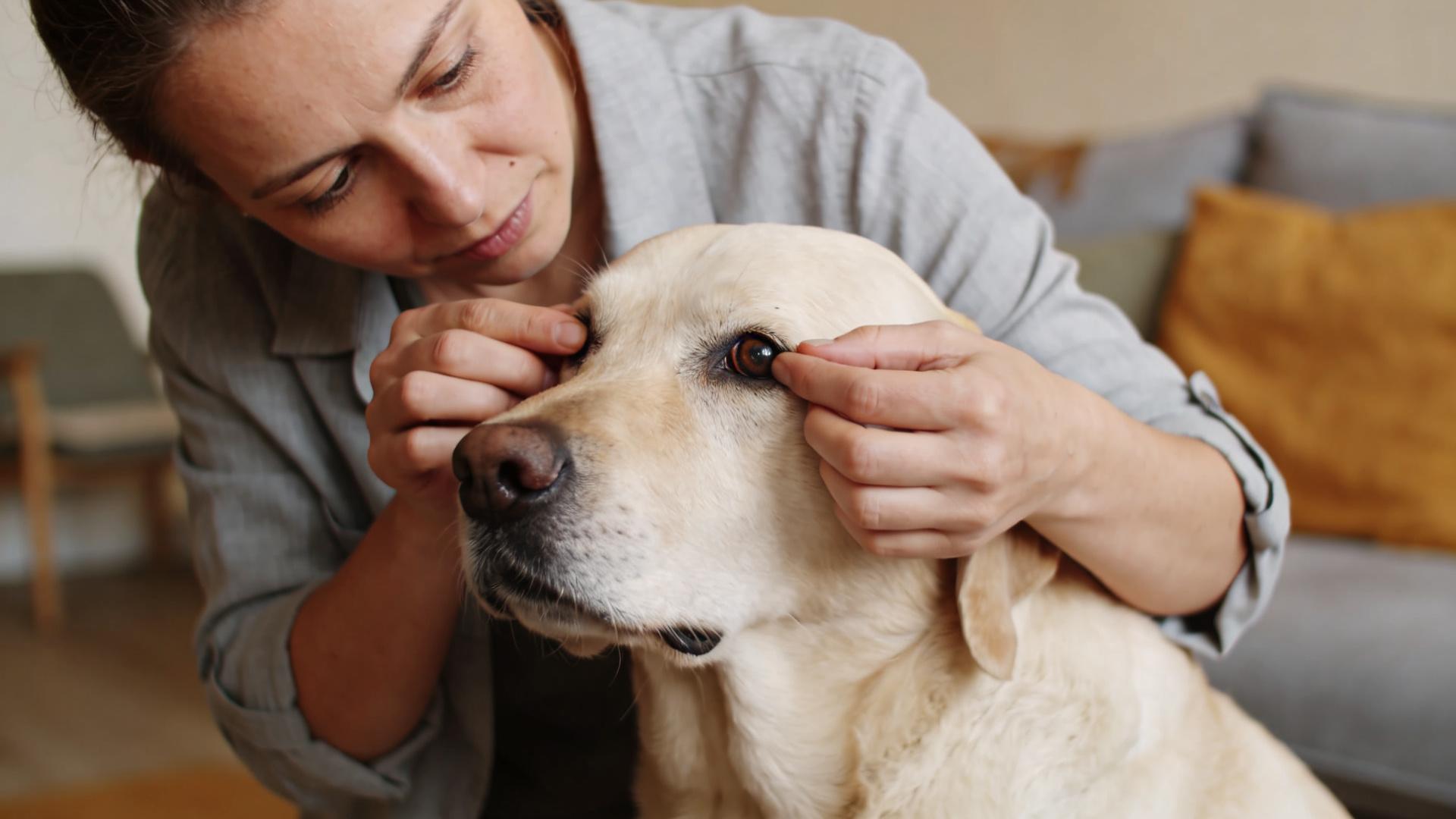
Eye hygiene for dogs with declining vision: reducing infection and protecting residual vision.
Watching your beloved dog navigate the world with fading eyesight is an emotional journey filled with concern and a deep desire to help. As their vision dims, their eyes often become more vulnerable, turning daily care into a critical pillar of their comfort and health. This guide is your compassionate resource, blending practical steps with expert insight to help you master eye hygiene for dogs experiencing vision loss in dogs. By focusing on meticulous care, you can play a pivotal role in reducing eye infection in dogs and protecting residual vision in dogs, ensuring their golden years are safe and vibrant.
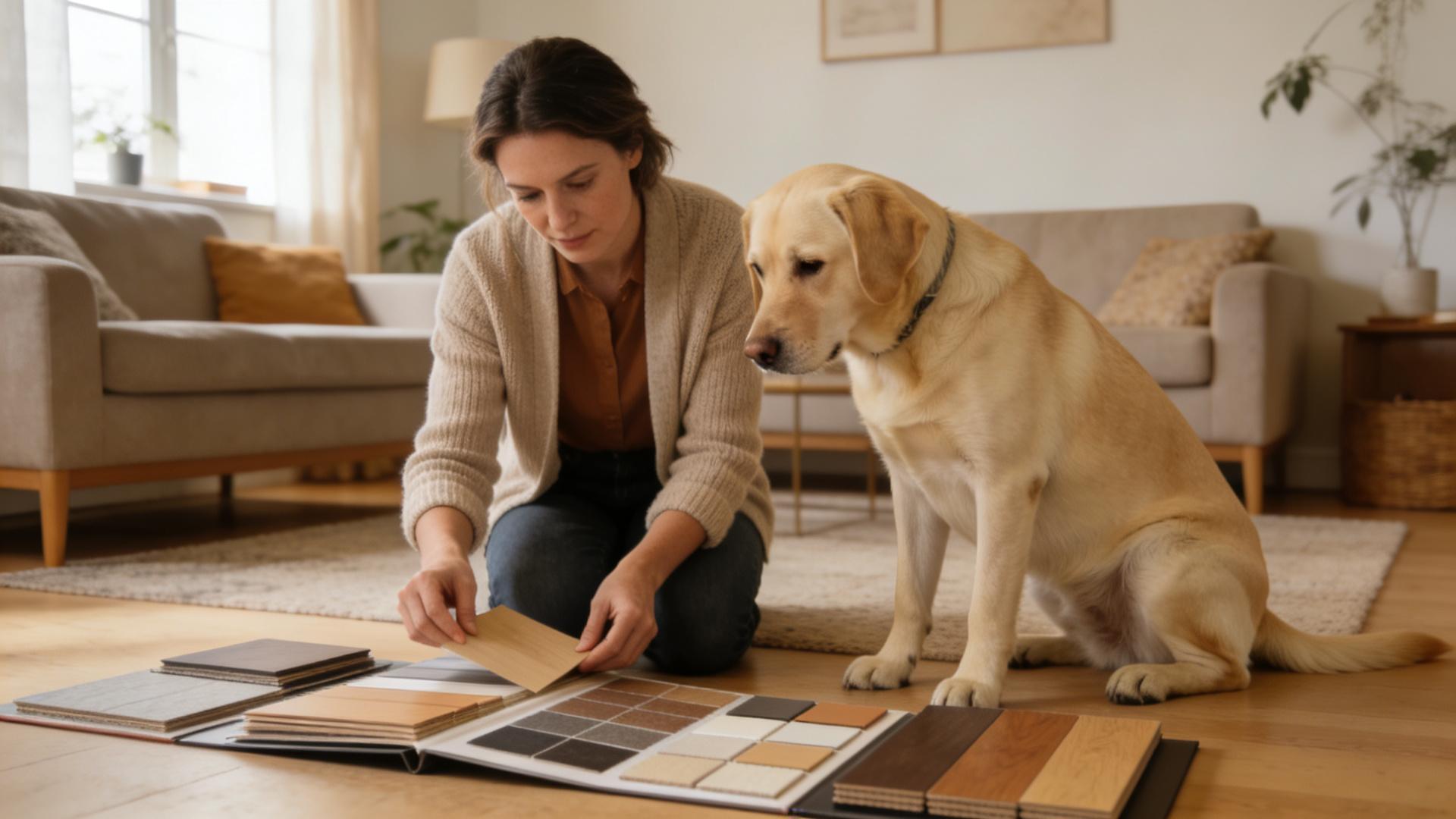
Pet-friendly flooring options: a balance of slip resistance, durability, and easy cleaning.
If you share your home with a four-legged friend, you know the unique challenges they bring to your floors. From the frantic “zoomies” that send them skidding around corners to the muddy paw prints after a rainy walk, and the occasional accident or spilled water bowl—our floors take a beating. Choosing the right surface isn't just about aesthetics; it's about creating a safe, durable, and livable environment for the entire family. Your mission, should you choose to accept it, is to find flooring that expertly balances three non-negotiable criteria: slip resistance for safety, durability against claws and impact, and easy cleaning for simple maintenance. Let's dig into the best options that stand up to the "paw-test" of time.
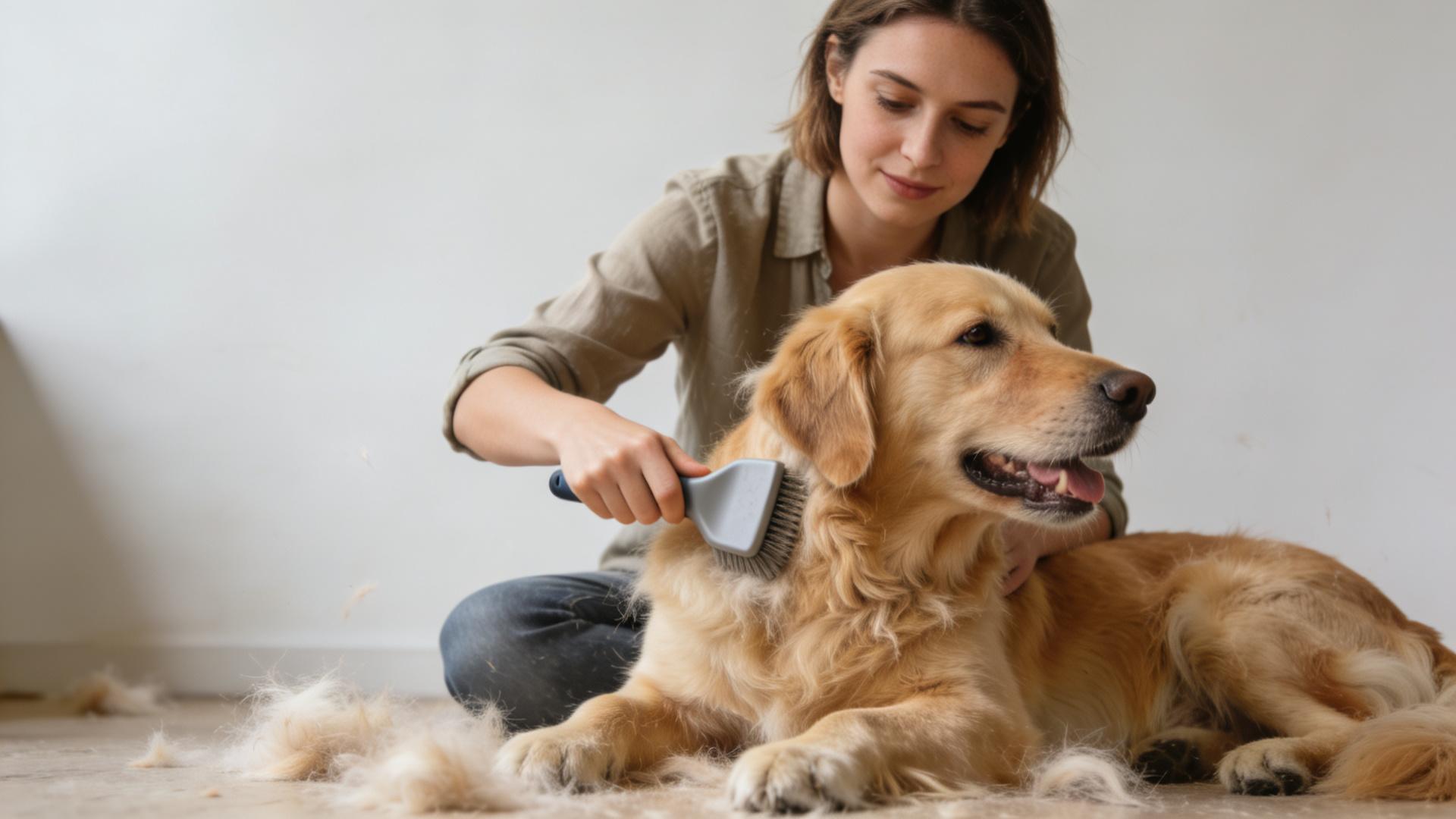
Hair care during the awkward shedding period: Nutritional supplements and grooming suggestions
The sight of tumbleweeds of fur rolling across your floor and the constant presence of dog hair on every dark item of clothing is a universal experience for dog owners. Welcome to the awkward shedding period, a natural but often messy phase in your canine companion's life. This isn't just about aesthetics; it's a biological process where old hair is shed to make way for new growth, regulated by factors like daylight hours (photoperiod) and temperature. Understanding this phase is the first step to transforming a frustrating time into an opportunity for enhanced bonding and superior health for your dog's coat and skin. With a strategic combination of internal nutrition and external grooming, you can successfully navigate this season, resulting in a shinier coat for your pet and a cleaner home for you.
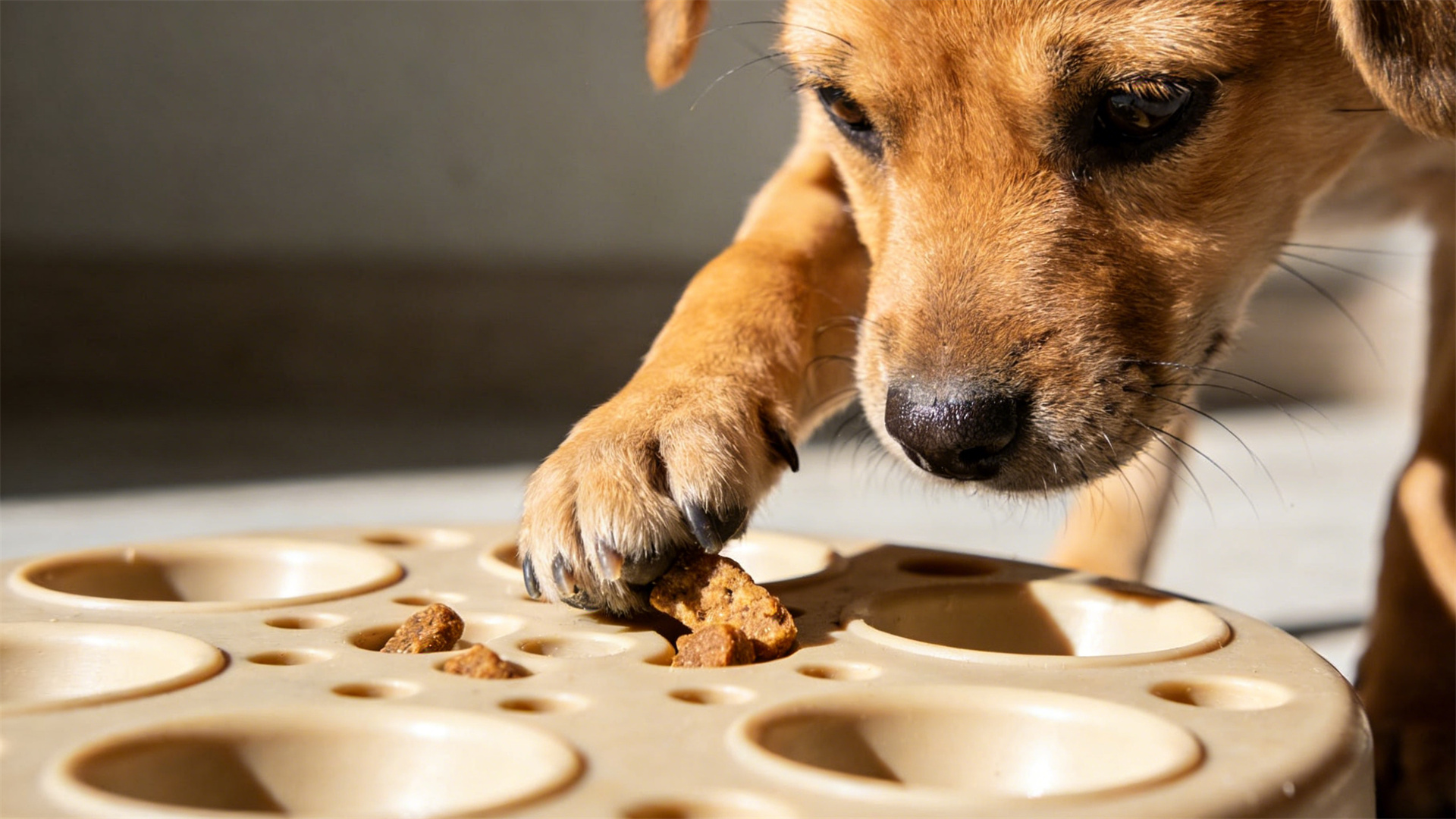
Intellectual development
When we think of a "smart dog," images of a Border Collie herding sheep or a Poodle performing complex tricks often come to mind. But canine intellectual development is far more nuanced and accessible to every dog, regardless of breed. It's the cornerstone of a happy, well-adjusted, and behaviorally healthy companion. This journey goes beyond teaching "sit" and "stay"; it's about nurturing your dog's innate ability to process information, solve problems, and adapt to their world. In this comprehensive guide, we'll explore the fascinating science of the canine mind and provide you with a actionable blueprint to foster your dog's cognitive health and unlock their full intellectual potential.