
You May Have Missed
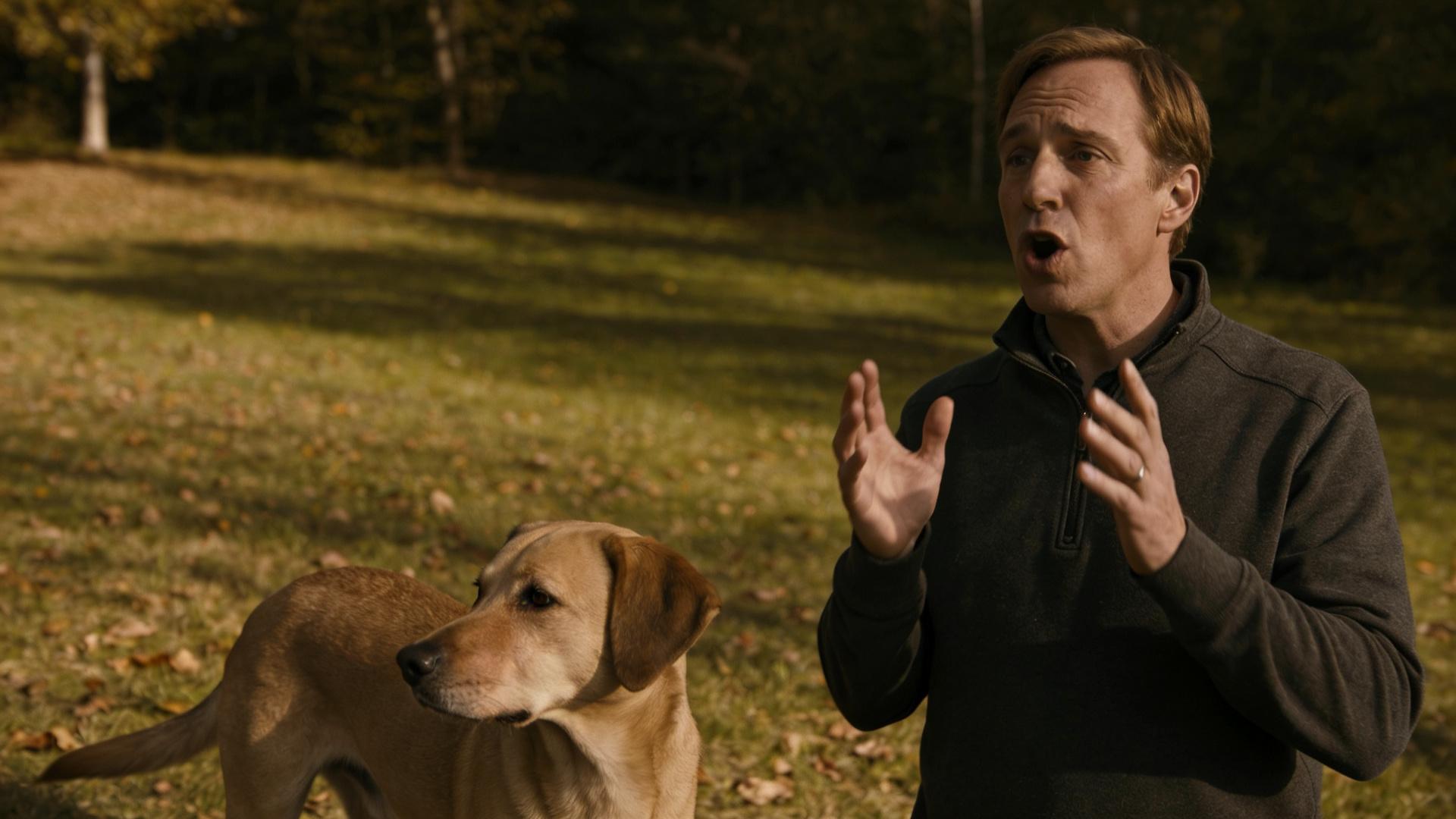
The first "Sit down": How to use gestures to quickly establish command awareness
Welcome, fellow dog lover. If you're standing there, repeating "sit, sit, SIT!" while your dog looks blissfully past you, you're only using half of your communication toolkit. You're speaking, but your dog's native language is visual. This guide will fundamentally transform how you connect with your canine companion, starting with the foundational command: the "sit." We're going beyond the basic verbal cue to unlock the power of silent gestures, building an instant, unwavering layer of command awareness that cuts through noise, distance, and distraction. Let's begin the conversation your dog has been waiting for.
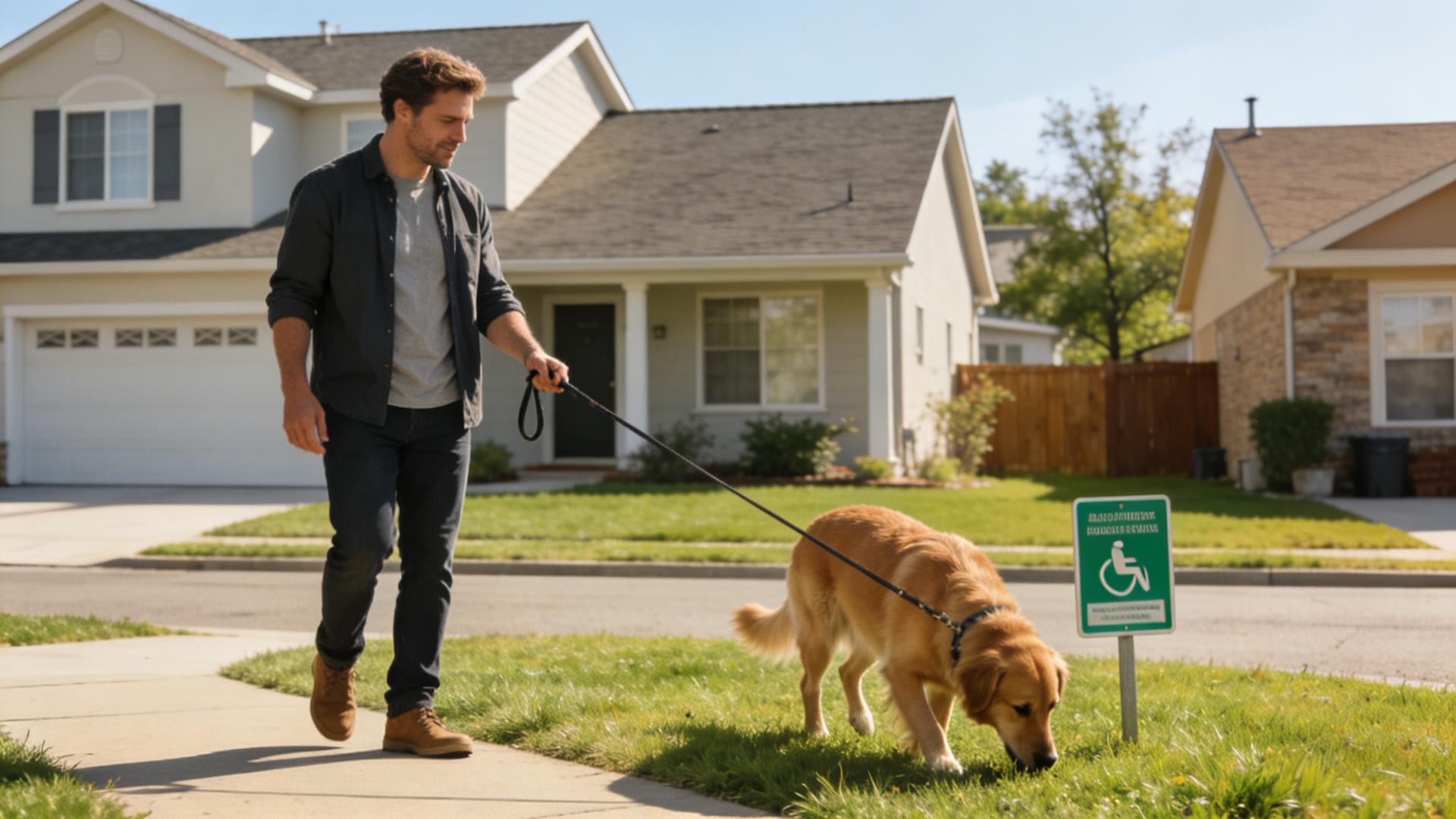
Civilized dog walking tips: Train your dog to relieve itself in designated grassy areas.
In the tapestry of community life, few threads are as common—or as potentially disruptive—as the daily dog walk. It’s a ritual of joy, exercise, and bonding. Yet, without mindful practice, it can fray into a source of neighborhood tension. The cornerstone of civilized dog walking is the simple, impactful act of guiding your dog to relieve itself in designated grassy areas. This isn't merely about convenience; it's a profound exercise in responsible dog ownership and community stewardship. This comprehensive guide will equip you with the actionable steps, scientific rationale, and nuanced understanding needed to master this essential skill, transforming your walks into a model of polite dog walking behavior.
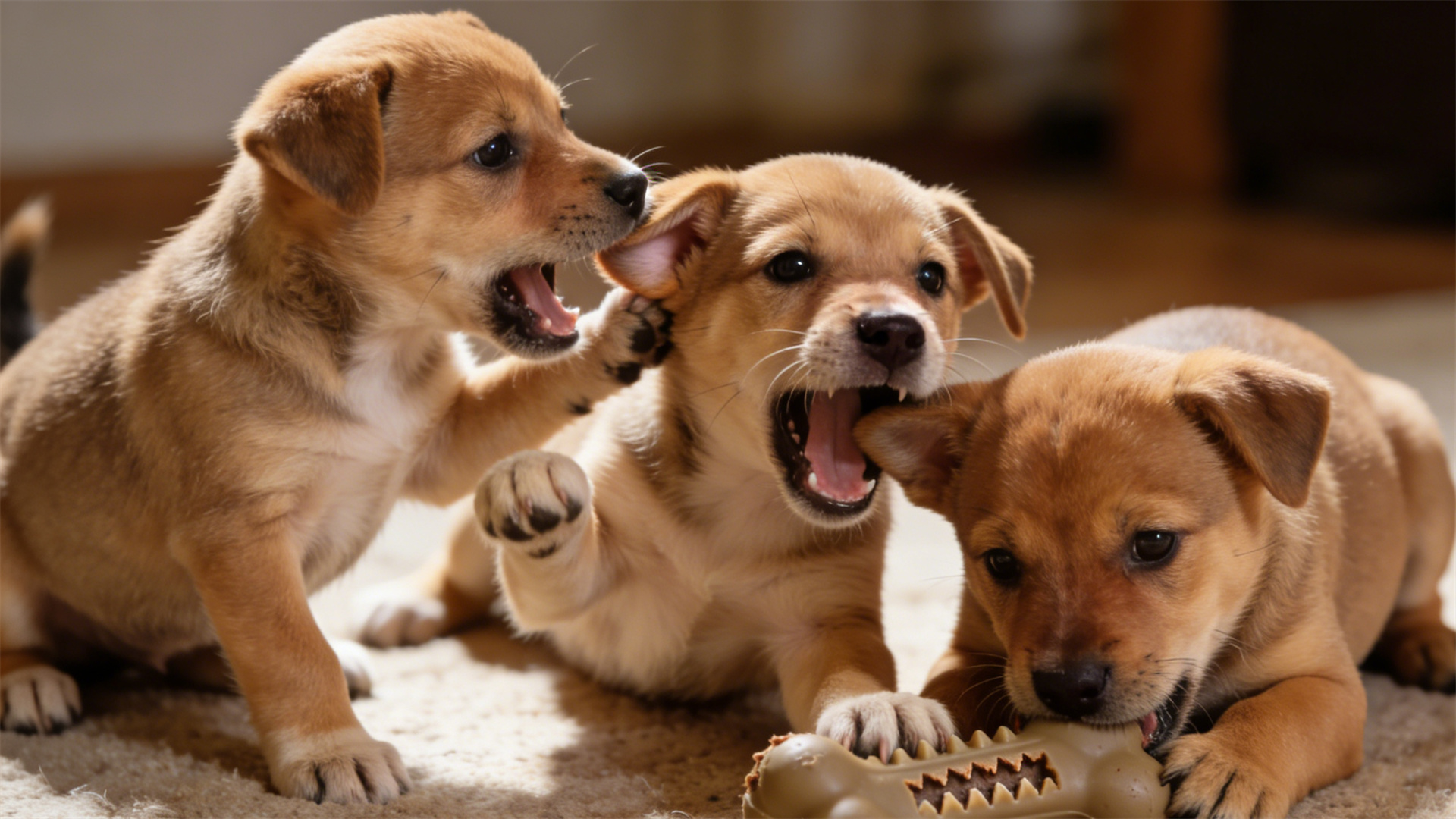
Preventing Puppies from Biting Their Hands and Feet: Correct Feedback for Correcting Puppy Biting
The joy of bringing home a new puppy is often quickly tempered by the sharp pinch of needle-like teeth on your fingers and toes. If you’ve found yourself asking, “Why does my puppy keep biting my hands and feet?” you are absolutely not alone. This is one of the most common and frustrating challenges for new dog owners. However, this behavior is a normal part of canine development, not a sign of an aggressive dog. The key lies in understanding the why behind the bites and implementing a consistent, positive strategy for preventing puppy biting. Timely and correct intervention is crucial for your safety, your puppy’s future social skills, and a harmonious home.
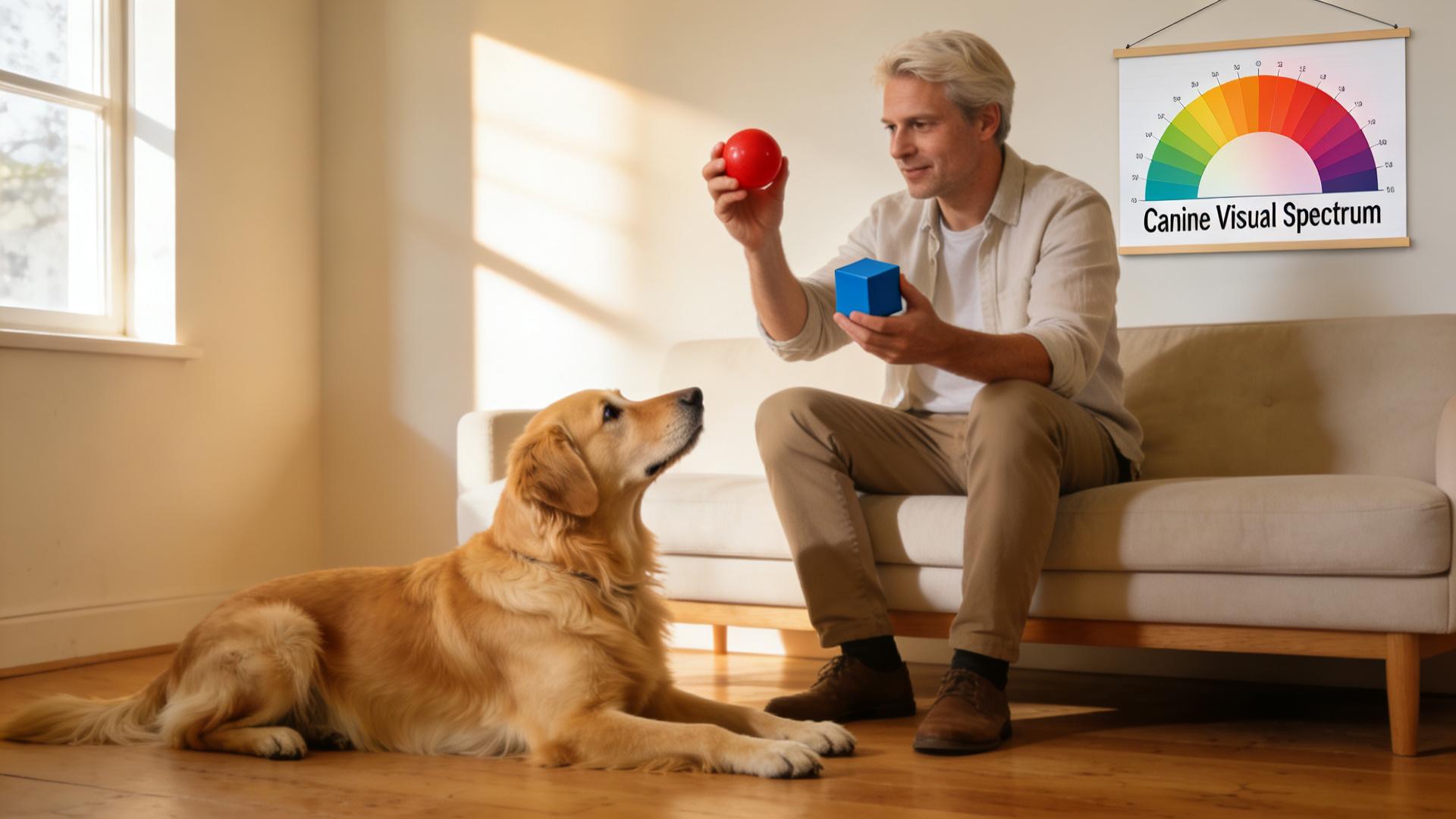
Dog logic development: Teach it to distinguish between red, yellow, and blue colors
For decades, the phrase "dog color blind" dominated our understanding of canine vision, leading many to believe our furry friends live in a world of grays. Dog color discrimination training shatters this outdated myth, presenting a fascinating frontier in advanced dog training. This journey isn't about giving your dog a superpower they don't possess; it's about harnessing their actual visual capabilities for profound mental stimulation for dogs. As a seasoned content creator in the canine realm, I'm here to guide you through this intricate process. We'll move beyond basic obedience into the realm of canine cognitive skills, where success is measured in engagement, communication, and the joy of collaborative learning. Remember, the goal is to exercise your dog's brilliant mind, not to pass a canine art critique.

Solving a dog's "fetish": Why does it always steal its owner's socks?
You’ve just finished folding the laundry, or perhaps you’re rushing to get dressed for work. One crucial item is missing: a sock. You search under the bed, behind the couch, to no avail. Then, you spot it. There, nestled in your dog’s bed, is the missing sock—slightly damp, covered in slobber, but seemingly cherished. If this scene is a daily drama in your home, you’re not alone. The dog sock stealing behavior is a universal, baffling, and often frustrating canine quirk. But what if this isn't just mischievous defiance? What if your dog’s sock obsession is a window into its canine mind? This article will delve into the instinctual drives behind this habit and provide a clear, actionable roadmap to reclaim your hosiery and restore harmony.
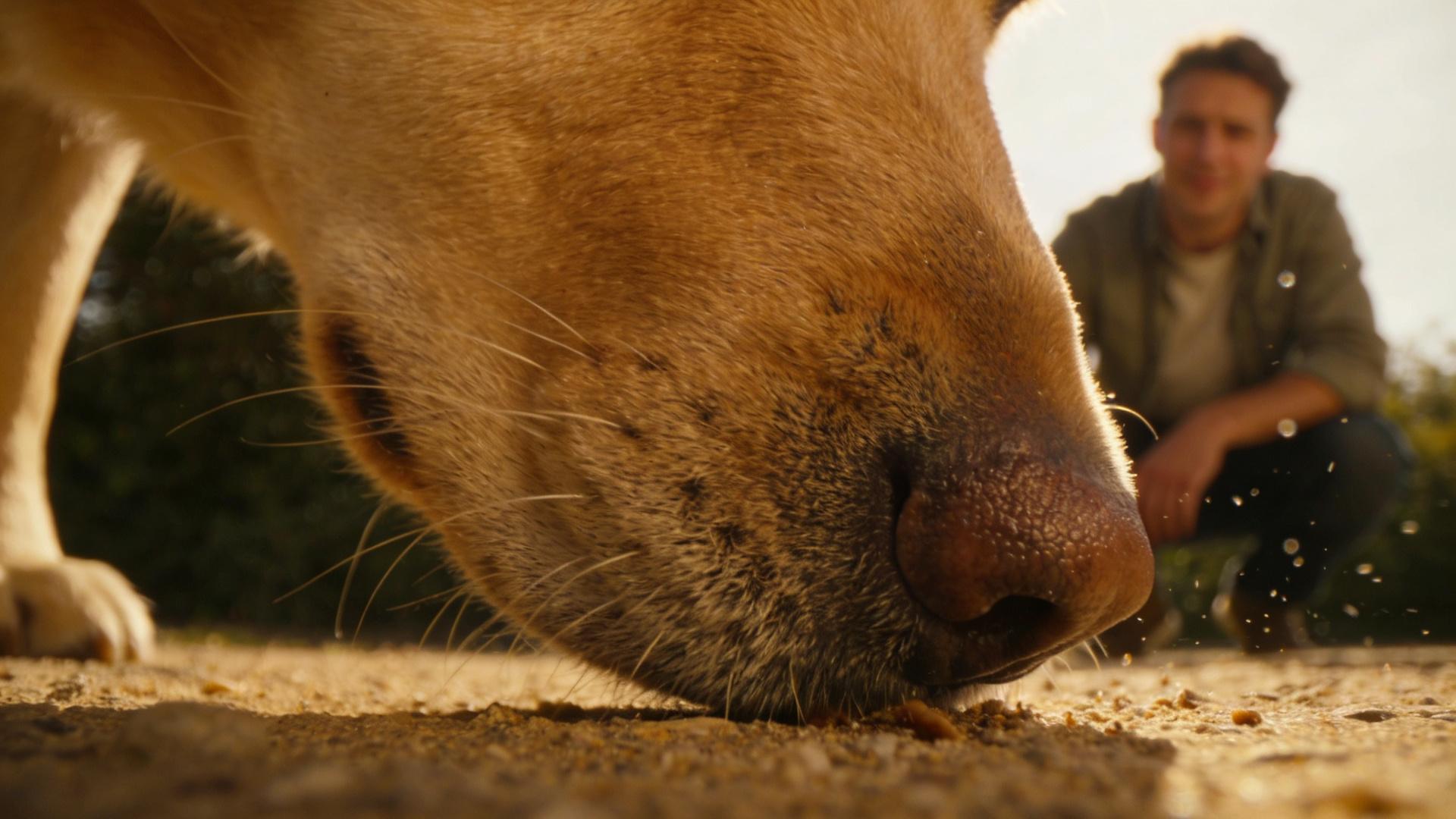
Smell and Confidence: Why do timid dogs need more smell training?
You see it every day. The lowered head, the tucked tail, the hesitant steps that seem to measure the safety of every inch of the living room. Your dog shrinks from visitors, startles at unfamiliar sounds, and seems to view the world as a minefield of potential threats. For these timid souls, life is lived in a constant state of low-grade alarm. But what if the key to unlocking their courage was right under their nose? A dog's primary window to the world is not their eyes, but their magnificent nose. Unlike the often overwhelming flood of visual and auditory information, scent is a sense they control, a language they are fluent in, and a pathway to calm. This article posits a powerful thesis: structured smell training is not just a game, but a transformative tool that can significantly reduce anxiety and build unshakeable confidence in shy dogs. We will explore the science behind this and provide a practical roadmap for you and your fearful companion.