
You May Have Missed
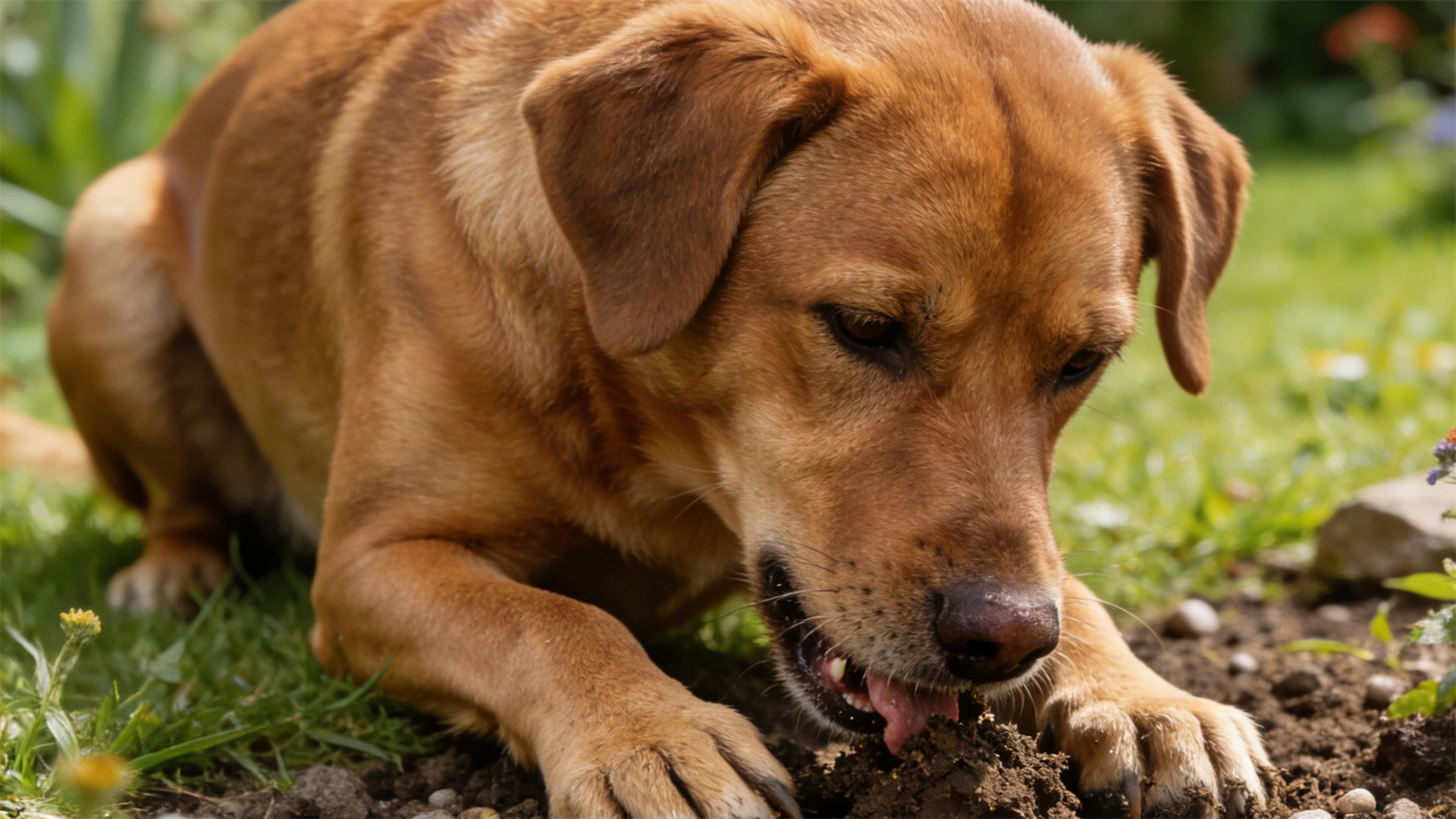
Micronutrient deficiencies in dogs: The underlying logic behind brittle nails, soil-eating, and pica.
You notice your dog’s nails seem to split or flake easily during a trim. Later, you catch them intently munching on dirt in the garden. Perhaps they’ve even graduated to chewing on rocks, socks, or drywall. As a concerned dog owner, you might write these off as odd behaviors or minor quirks. But what if these seemingly unrelated issues were connected? What if they were your dog’s way of sending a nutritional distress signal? The common thread often lies in micronutrient deficiencies in dogs—a subtle but significant imbalance that impacts health from the inside out.
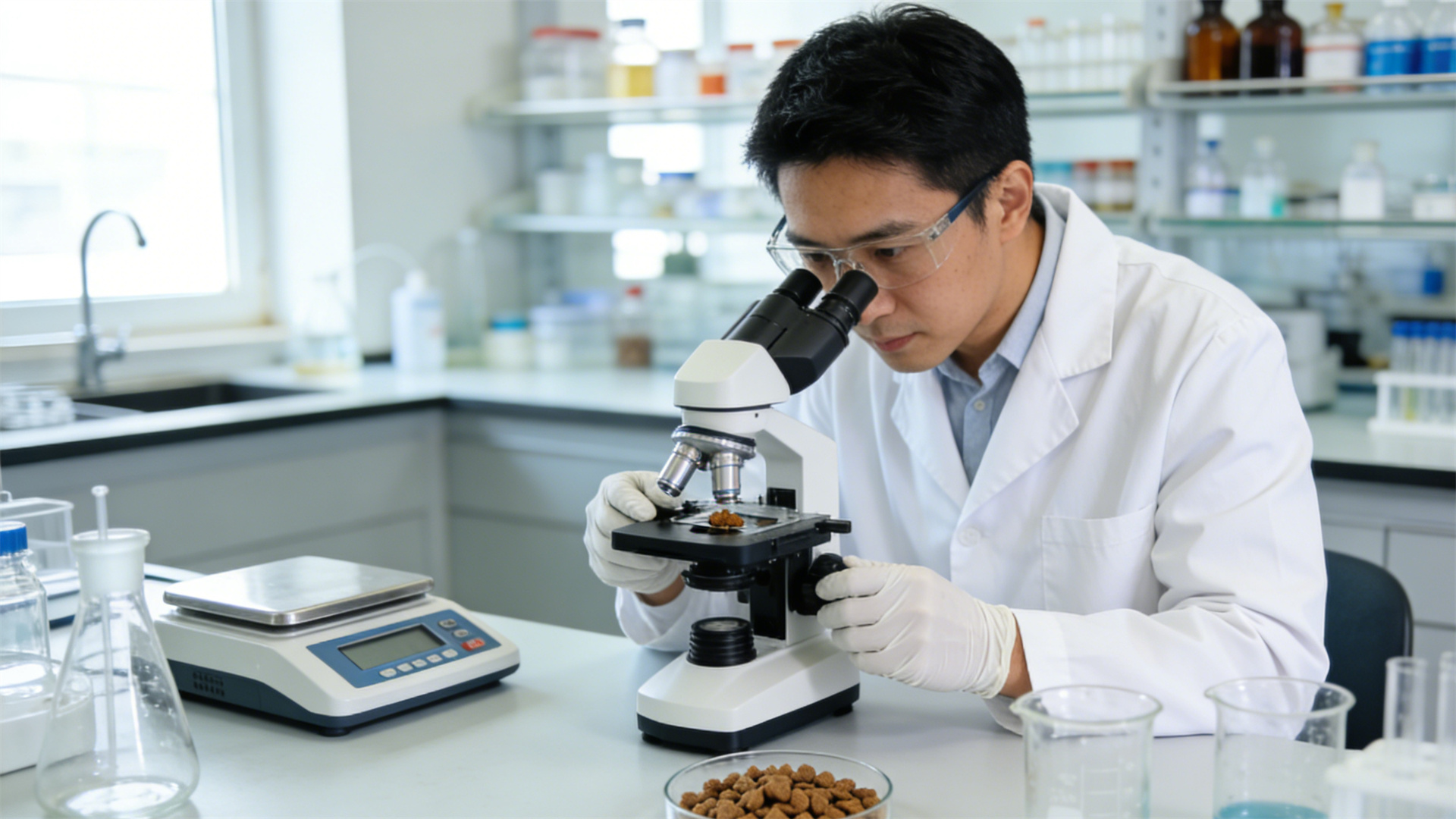
The grain controversy is over: Why do some dog breeds still need adequate dietary fiber?
For years, the dog food aisle was a battleground of grain-free diet dogs versus traditional formulas, fueled by fears and trends. Today, the grain controversy dogs have endured is largely settled by science, shifting our focus from elimination to inclusion. The real question isn't about grains per se, but about ensuring all dogs, especially certain breeds, receive optimal dietary fiber for dogs. This article delves into why canine dietary fiber is non-negotiable for health, how needs vary by breed, and how to provide it wisely.

Resource competition pressure in multi-dog households: How to alleviate long-term social stress in dogs
You come home to your two dogs, and instead of a joyful, wiggling greeting, you're met with a subtle tension. One dog is on the couch, stiffening as the other walks by. The younger dog quickly grabs a toy and scurries to another room when the older one glances over. There's no growling, no fights—just a quiet, palpable strain in the air. This is the often-overlooked reality of resource competition in a multi-dog household, and it extends far beyond squabbles over food bowls. Resources include prime sleeping spots, your attention, doorways, and even a clear path to walk through a room. When dogs live in a state of low-grade, perpetual negotiation for these assets, it leads to long-term social stress, a serious health and welfare issue that can manifest in behavioral and physical decline. The good news? This guide provides actionable, evidence-based strategies to transform your home into a more peaceful, predictable, and low-stress environment for every canine member of your family.
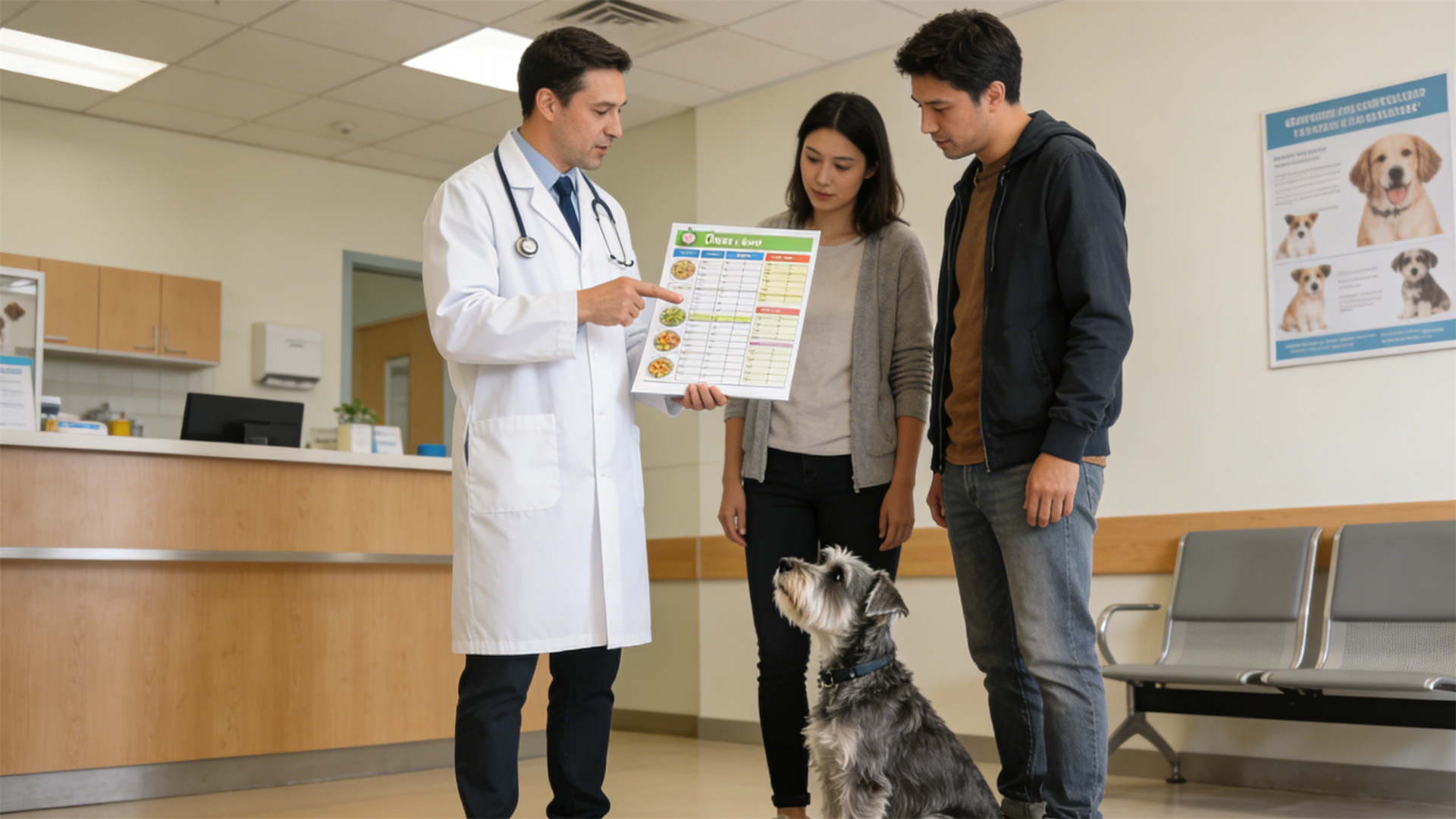
Schnauzer's hyperlipidemia: Why does this breed require a stricter diet with less oil?
With their iconic beards, bushy eyebrows, and spirited personalities, Schnauzers have captured the hearts of dog lovers worldwide. Whether it’s the spunky Miniature, the standard-bearer Standard, or the regal Giant, this breed family is renowned for its intelligence and loyalty. However, beneath that wiry coat lies a hidden, breed-specific metabolic quirk that demands vigilant attention from owners: a profound predisposition to hyperlipidemia. This condition makes a tailored, low-fat Schnauzer diet less oil not just a recommendation, but a critical component of lifelong health. This article delves into the genetic reasons, the potential health fallout, and the practical Schnauzer dietary requirements to manage this silent threat.
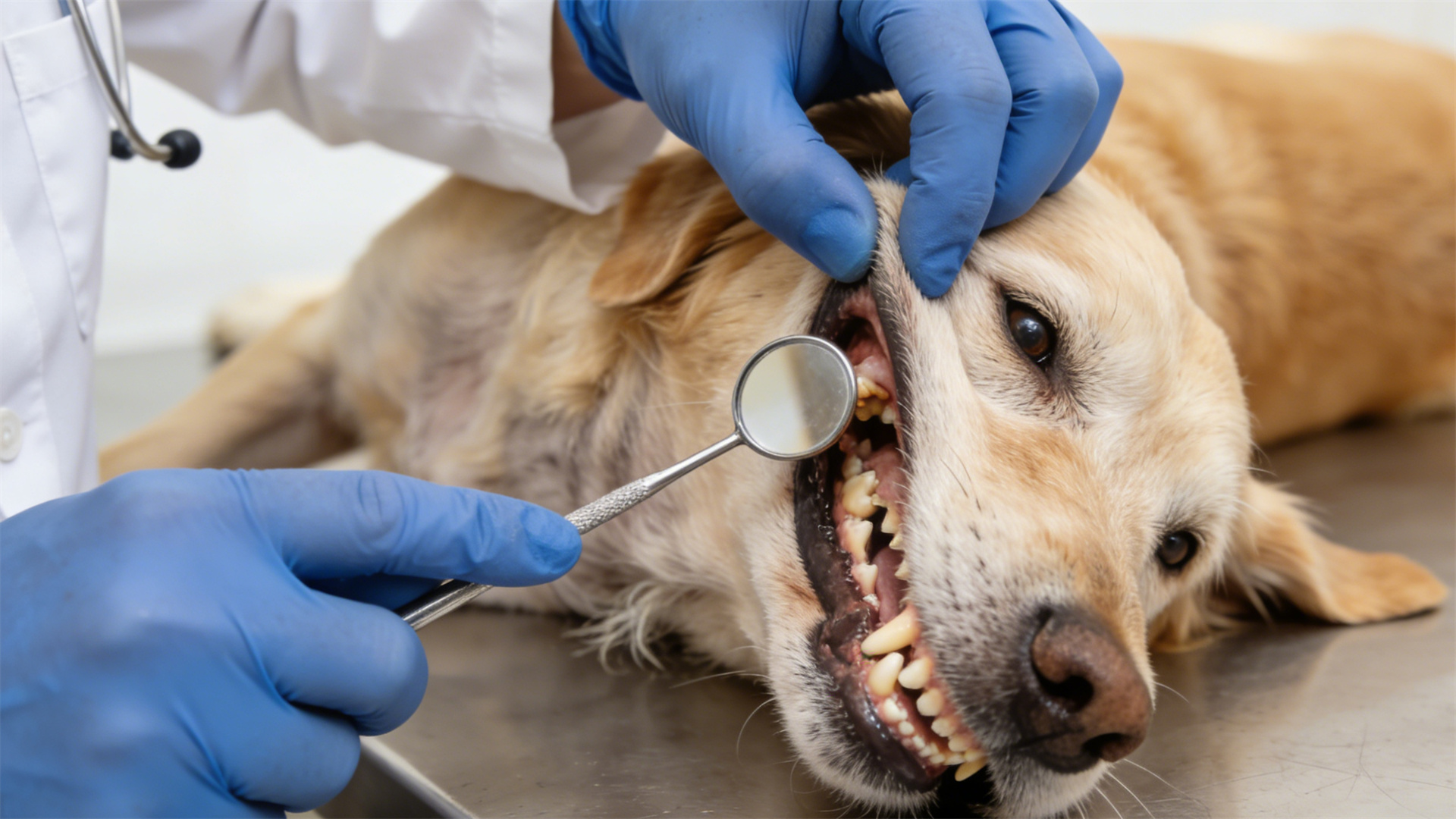
Tooth loss in senior dogs: How to ensure nutritional intake even without teeth?
Watching your loyal companion grow old is a journey filled with love, but it also brings new challenges. One of the most common and concerning issues for pet parents is senior dog tooth loss. The moment you notice missing teeth or see your dog struggling to chew, a wave of worry is natural. How will they eat? Can they still get the nutrition they need to thrive? The answer is a resounding yes. While tooth loss changes their feeding routine, it does not have to diminish their quality of life or health. This comprehensive guide will walk you through everything you need to know about feeding a dog with no teeth, from understanding the causes to mastering the art of preparing delicious, nutrient-rich meals. Your toothless senior can continue to enjoy mealtime and live a happy, comfortable life with your informed care and support.
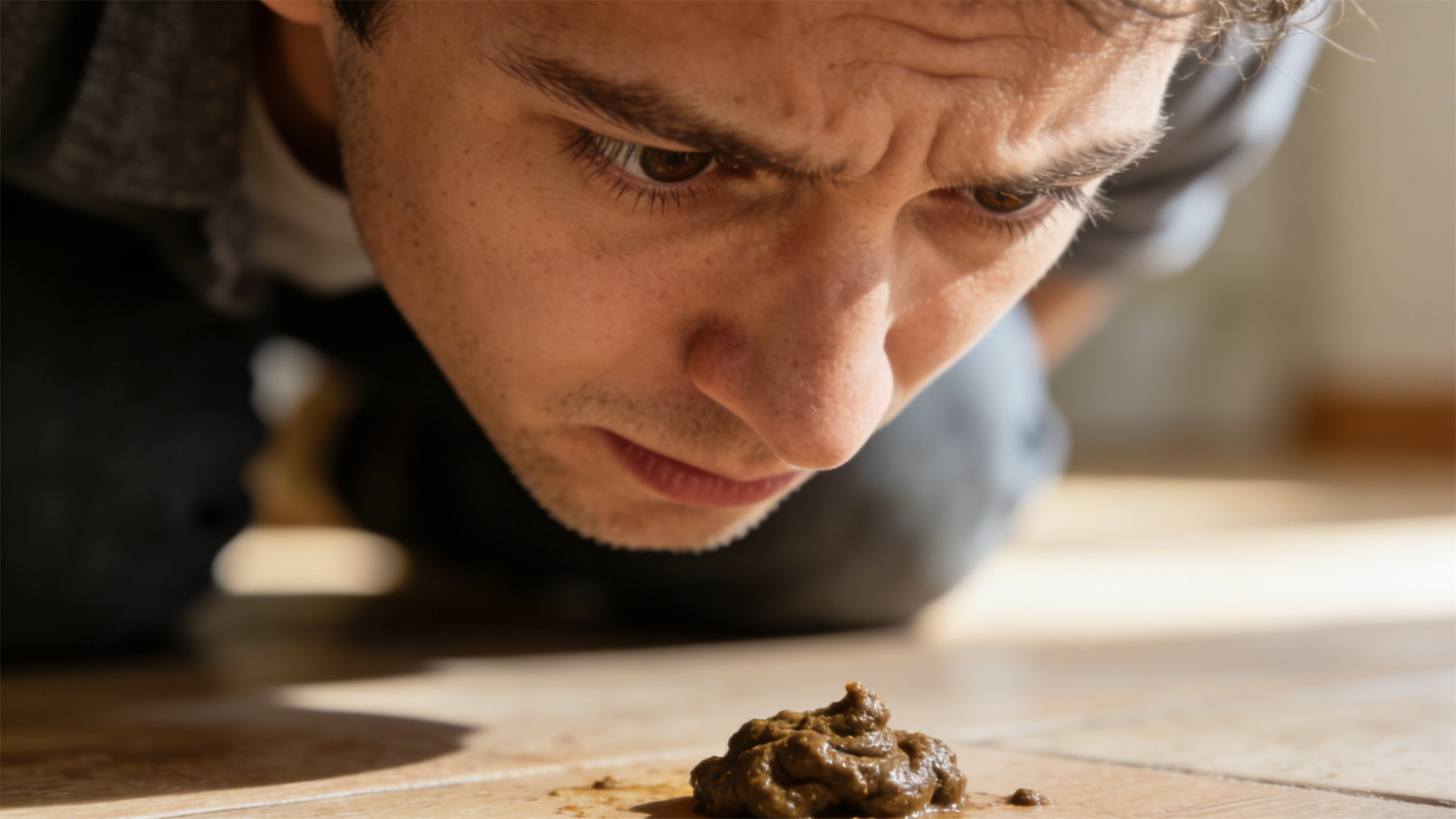
Diarrhea classification in dogs: When can I give them probiotics, and when is it necessary to seek veterinary care?
If you’re a dog owner, you’ve almost certainly faced the unpleasant sight and worrying scenario of your canine companion having a bout of diarrhea. It’s one of the most common health issues presented to veterinarians, yet it can range from a minor, self-limiting tummy grumble to a critical symptom of a life-threatening condition. The pivotal question in that anxious moment is: “Do I manage this at home, or is this a veterinary emergency?” The answer lies not in a one-size-fits-all approach, but in mastering the art of classification. By learning to accurately classify your dog's diarrhea, you become empowered to choose the correct path—whether that's supportive home care with probiotics or seeking immediate professional veterinary intervention. This guide will equip you with the knowledge to make that critical distinction.