
You May Have Missed
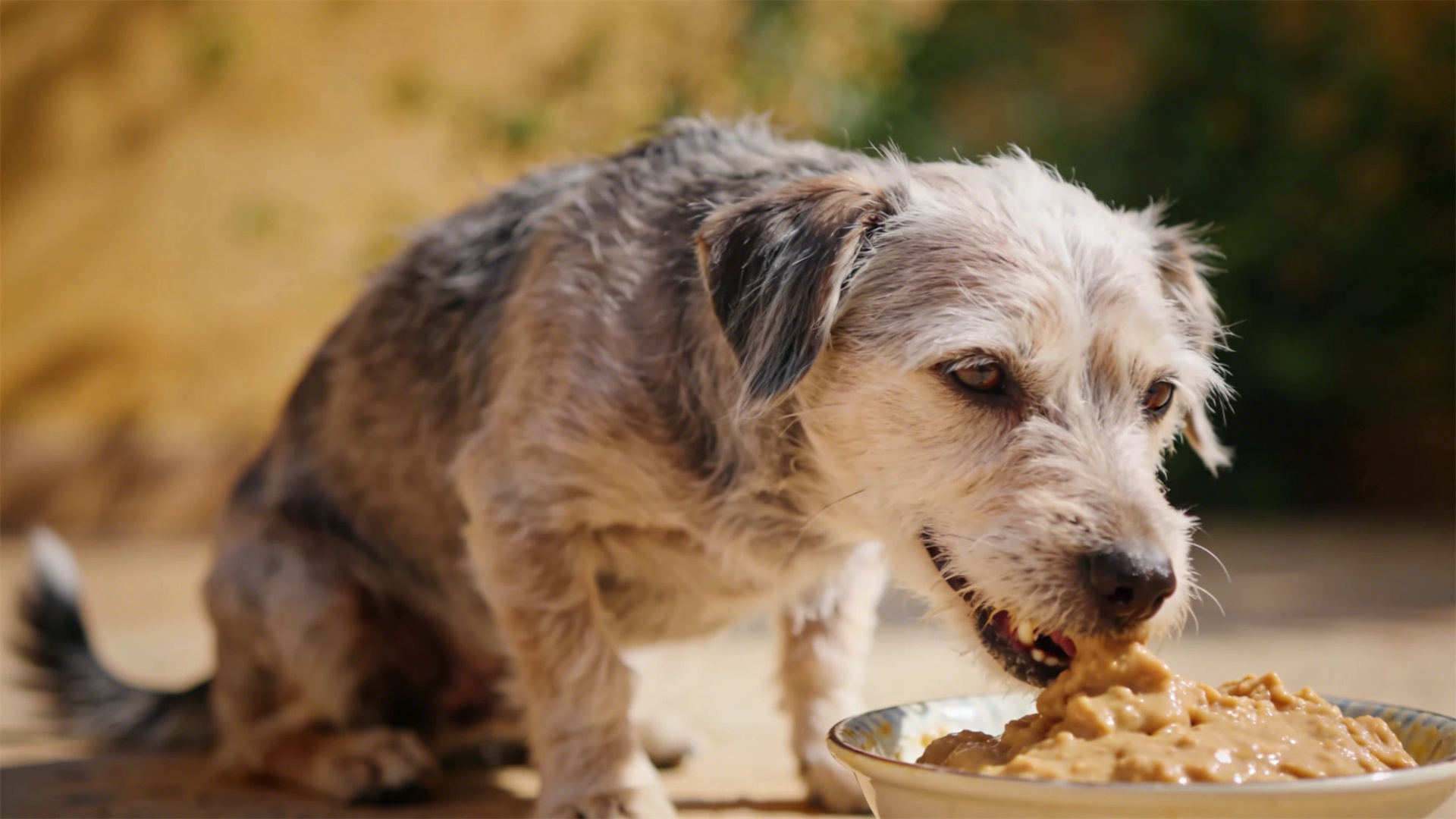
Soft food transition for senior dogs: Cooking techniques that balance palatability and nutrient absorption
As our loyal canine companions enter their golden years, their dietary needs evolve just as ours do. One of the most significant and caring adjustments you can make is transitioning your senior dog to a soft food diet. This isn't merely about convenience; it's a strategic move to support their changing health, comfort, and vitality. Crafting this food at home allows you to control the quality, tailor the nutrients, and, crucially, employ cooking techniques for senior dog food that maximize both appeal and digestibility. This comprehensive guide will walk you through the why and how, providing you with the knowledge to become your senior dog's personal chef and nutritionist.
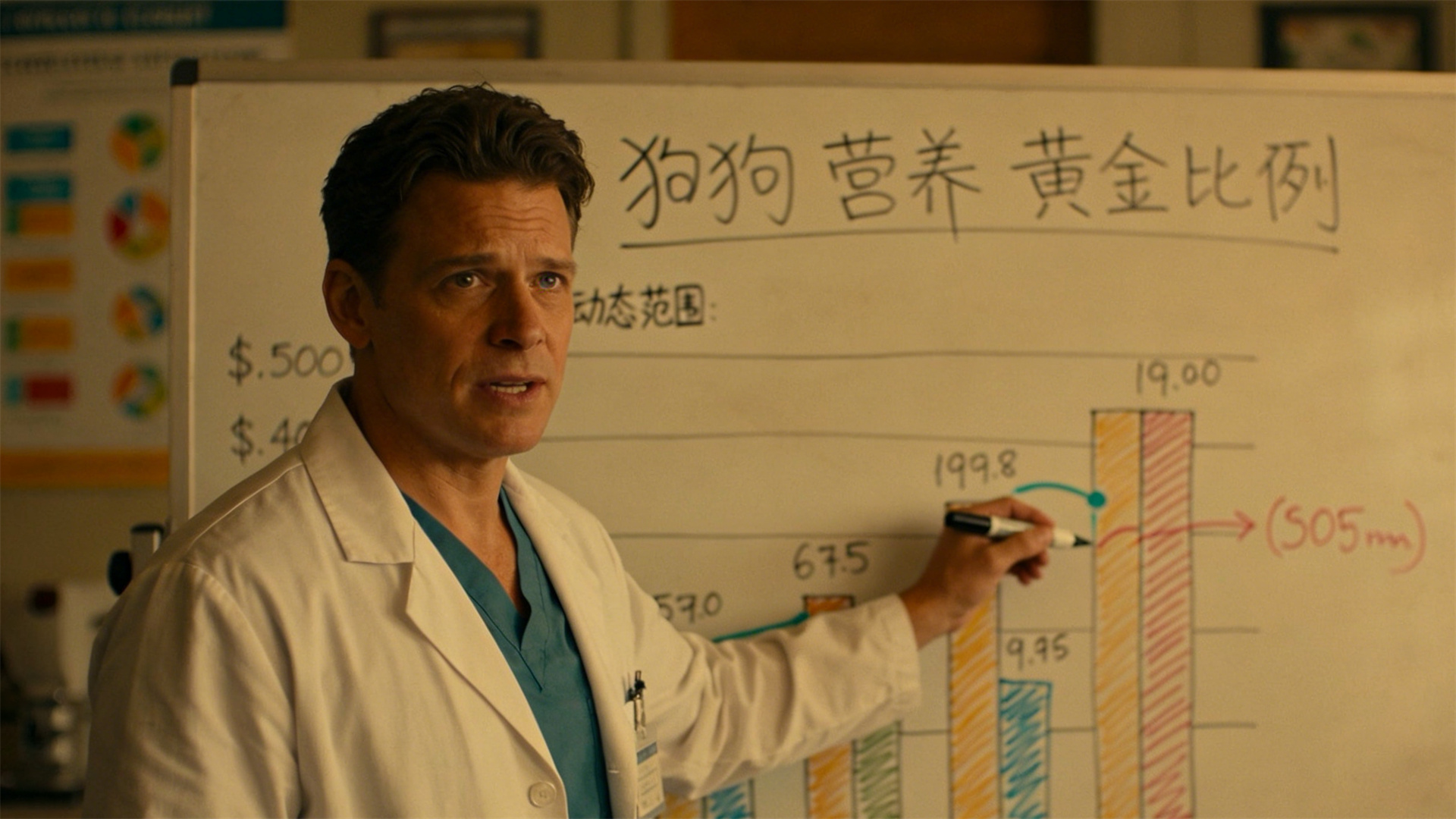
A Must-Read Nutritional Balance Formula for Homemade Dog Food: Avoiding Common Misconceptions Leading to Anemia
As a loving dog owner, you've likely considered homemade meals to provide the best for your furry companion. But did you know that well-intentioned kitchen efforts are a leading cause of nutritional deficiencies like anemia in dogs? A startling number of pets on homemade diets suffer from preventable health issues due to imbalanced nutrition. This article serves as your comprehensive guide, offering a reliable nutritional balance formula and dismantling the dangerous misconceptions that put your dog's health at risk. Let's ensure your culinary love translates into genuine, lifelong vitality for your pet.
2026 Canine Nutrition Standards: The Golden Ratio of Protein, Fat, and Carbohydrates
Canine nutrition is undergoing a revolution. Gone are the days of one-size-fits-all kibble. As research accelerates, we're moving from simply feeding dogs to precision-nourishing them. The question for discerning dog owners and forward-thinking professionals is no longer just "what to feed," but what precise nutritional architecture will optimize health, longevity, and vitality in the years to come. Enter the forward-looking 2026 canine nutrition standards, centered on a refined, dynamic macronutrient balance known as the Golden Ratio. This isn't a fleeting trend; it's the scientific culmination of decades of research, pointing toward a future of personalized canine wellness.
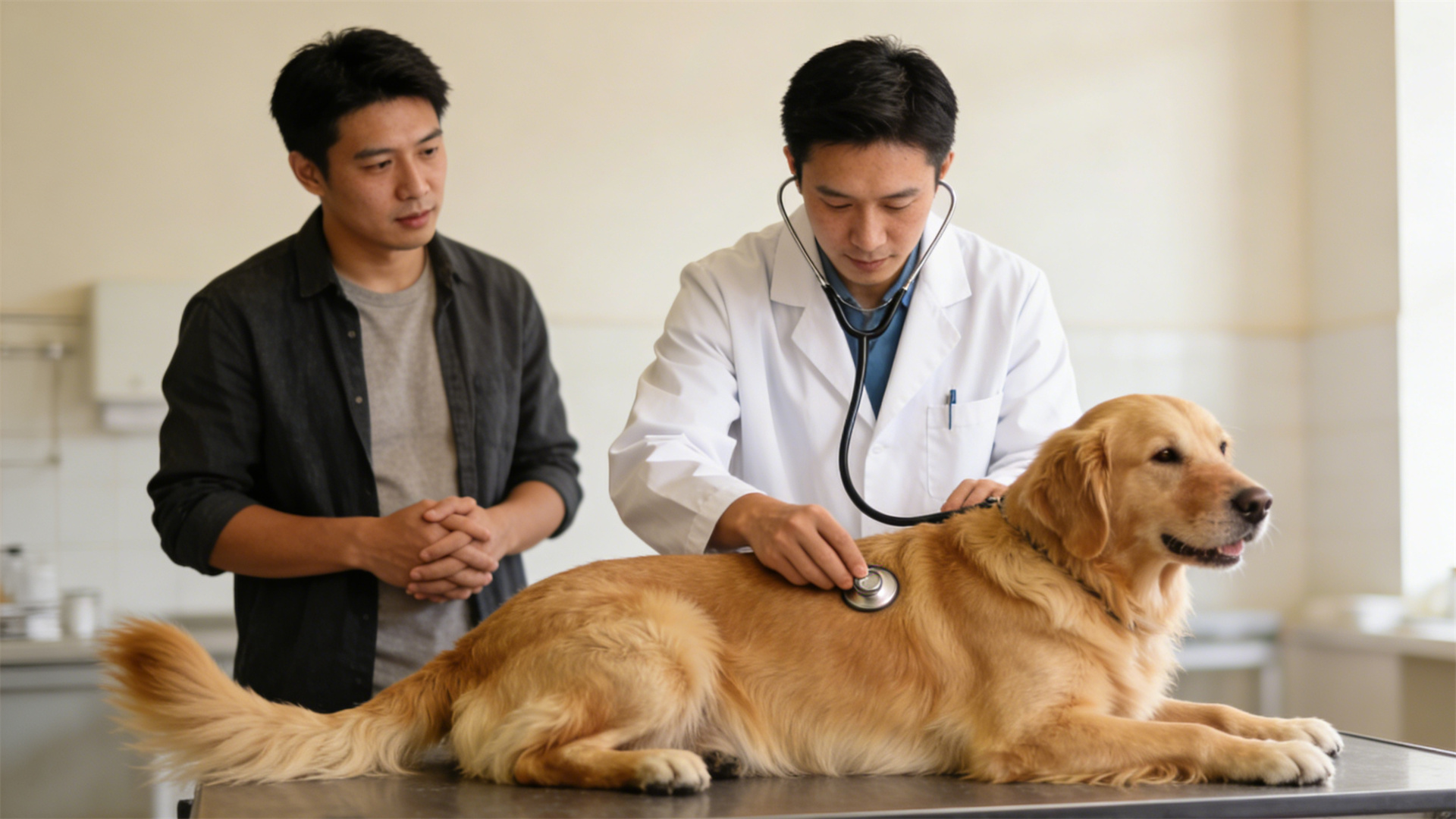
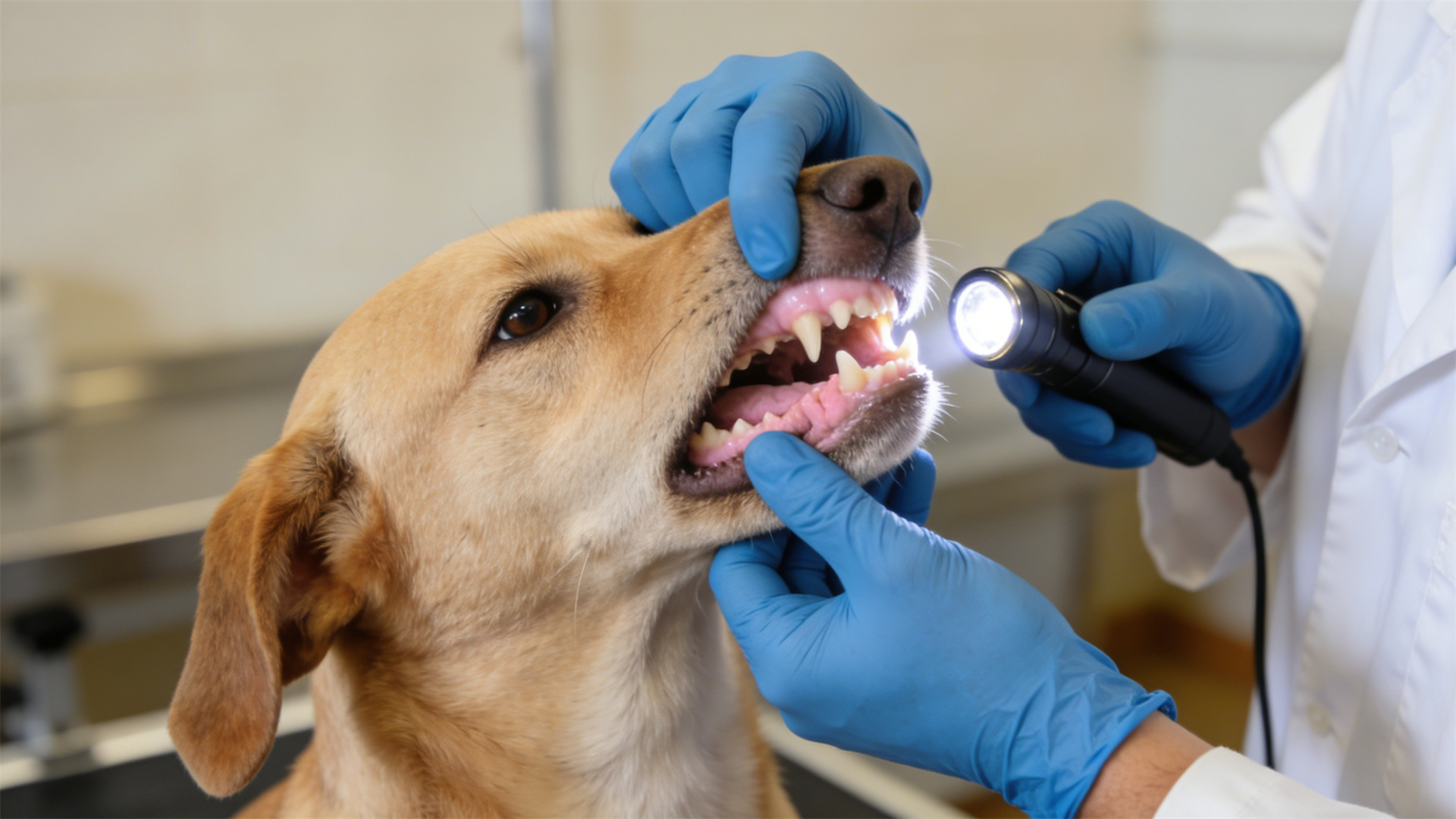
Full-cycle physical examination checklist
Have you ever looked at your dog and wondered if they're truly as healthy as they seem? That wagging tail and eager eyes can sometimes hide subtle signs of discomfort or early illness. As a devoted dog owner, your vigilance is the first line of defense in your pet's lifelong wellness journey. A full-cycle physical examination is not merely a sporadic vet visit; it's a proactive, consistent practice of observation and assessment that spans from puppyhood to the senior years. This comprehensive canine health checklist empowers you to become an active partner in your dog's health care. By mastering this nose-to-tail exam, you'll learn to spot minute changes, communicate effectively with your veterinarian, and ultimately, add more happy, healthy years to your dog's life. Let's embark on this essential aspect of responsible pet ownership together.
Peritonitis and Sepsis: First Aid and Post-Ingestion Health Management for Dogs
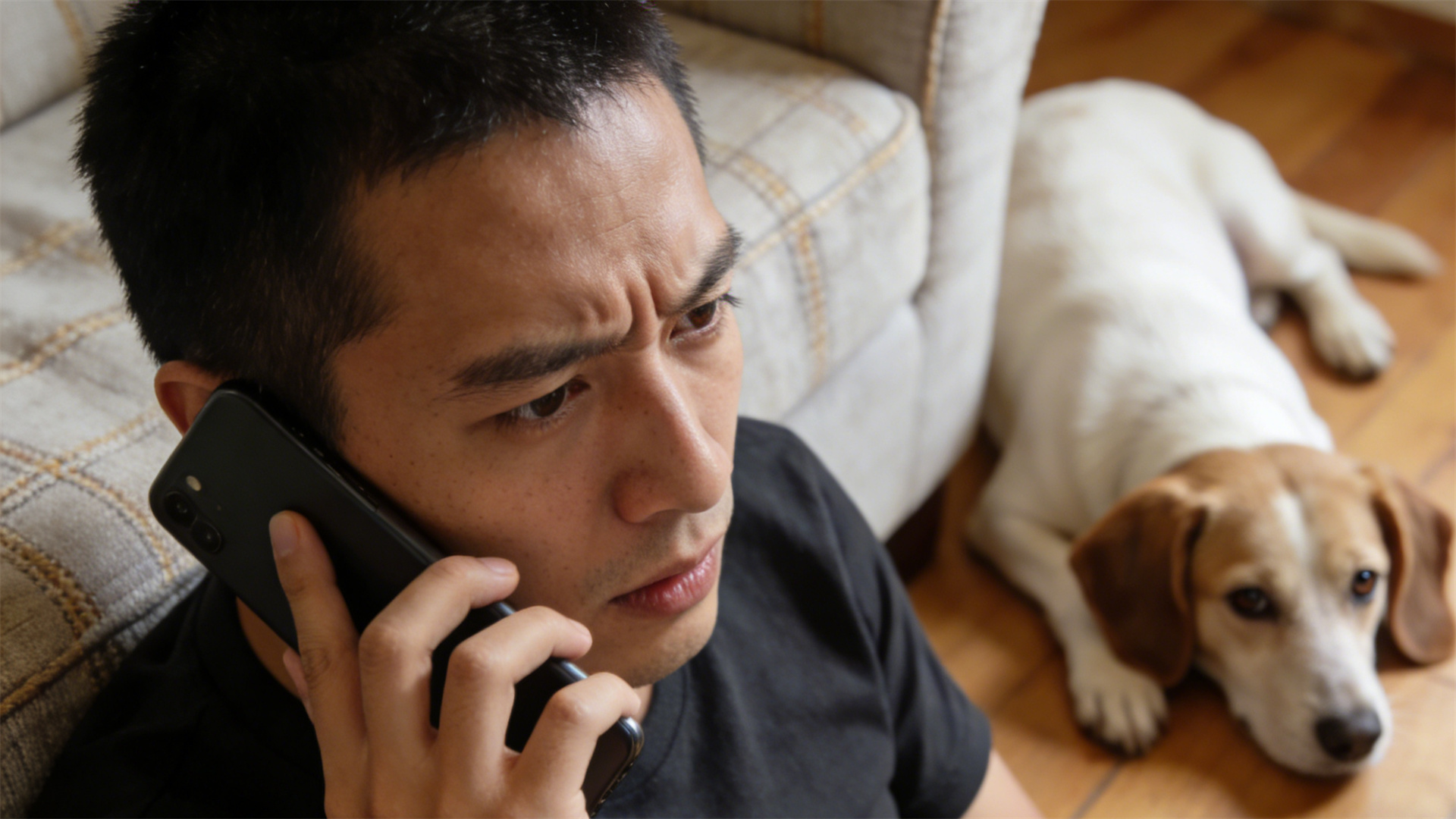
In the world of canine emergencies, few situations are as stealthy and devastating as peritonitis and its deadly progression to sepsis. These conditions represent a cascade of internal catastrophe where every minute counts. Peritonitis is a severe, often painful inflammation of the abdominal lining, typically caused by a rupture or infection. Sepsis is the body's overwhelming and life-threatening response to that infection, which can spiral into septic shock, organ failure, and death with terrifying speed. This guide is your crucial resource. Its purpose is to arm you, the devoted dog owner, with the knowledge to recognize the early warning signs, administer stabilizing first aid, and navigate the critical path of post-veterinary care to give your beloved companion the best chance at survival.
Cognitive impairment (CCD)
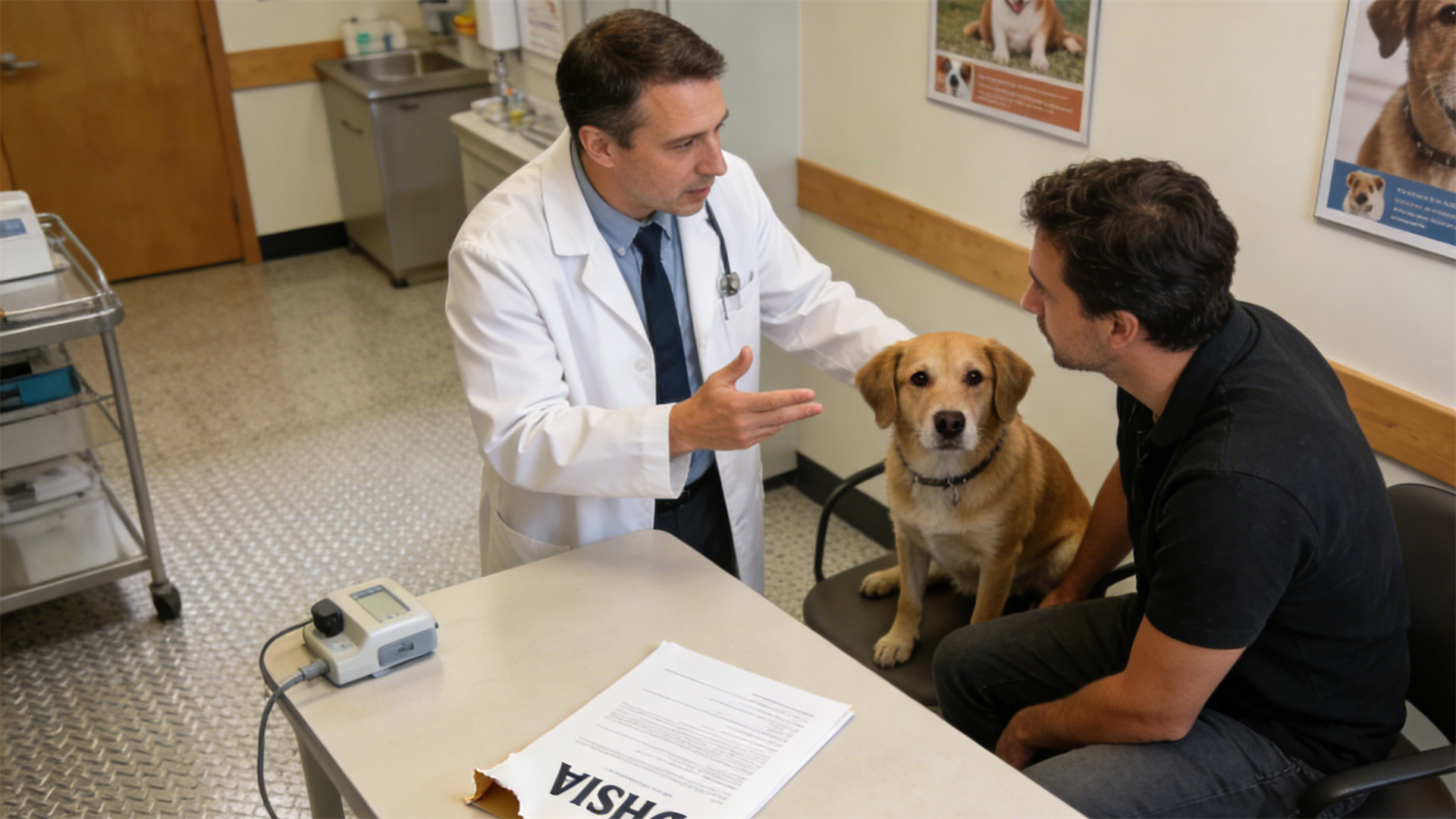
Watching your loyal companion grow older is a journey filled with love, but it can also bring new challenges. If your senior dog seems to be "acting differently," it might not just be normal aging. Canine Cognitive Dysfunction, often called dog dementia, is a common but under-recognized condition affecting older dogs. Similar to dementia or Alzheimer's in humans, CCD is a progressive, age-related decline in cognitive abilities caused by physical changes in the brain. This article will guide you through recognizing the signs, understanding the condition, and most importantly, learning actionable strategies to support your dog's quality of life. You are not alone in this journey.