
You May Have Missed

Temperature and humidity monitoring in pet rooms: using smart sensors to prevent respiratory diseases.
For dog owners, creating a safe and nurturing home environment is a paramount concern. We meticulously plan their diets, ensure they get ample exercise, and shower them with affection. Yet, one critical aspect of their well-being often goes unnoticed: the very air they breathe. The microclimate of your home—specifically the temperature and humidity in the rooms where your dog sleeps and plays—can be a silent contributor to respiratory distress and long-term health issues. This comprehensive guide delves into the vital link between indoor climate control and canine respiratory health, and demonstrates how modern, affordable smart sensor technology provides a powerful, proactive solution to safeguard your furry family member's wellness.

Mental health monitoring
For decades, the focus of pet care was predominantly on physical health—vaccinations, nutrition, and exercise. However, a profound shift has occurred, recognizing that our canine companions possess rich emotional lives. Just like humans, dogs can experience stress, anxiety, and depression. Monitoring your dog's mental health is not a luxury; it's a critical component of responsible ownership that directly impacts their quality of life, behavior, and even physical health. This comprehensive guide will empower you, the dedicated dog owner or caregiver, with the knowledge to spot the subtle signs of distress and provide actionable, empathetic support to cultivate a happier, more balanced pet.

Summer asphalt road burn warning: Is anti-scalding spray for dog paw pads effective?
As the summer sun beats down, a hidden and often underestimated danger lurks beneath our feet: scorching asphalt. For our canine companions, a simple walk can turn painful in minutes. As a seasoned content creator in the canine space, I cannot emphasize this enough: protecting your dog's paws from hot pavement is a non-negotiable aspect of summer pet care. This article delves deep into the science of the threat, scrutinizes one popular solution—anti-scalding spray—and arms you with a comprehensive, actionable strategy to keep your dog's paws safe all season long.

Preventing periodontal disease: Oral care habits that only take 30 seconds a day
Did you know that by the age of three, over 80% of dogs show signs of periodontal disease? 🦷 It’s the most common clinical condition occurring in adult dogs, yet it’s also one of the most preventable. The thought of adding another lengthy task to your daily routine can be daunting. But what if effective prevention wasn't a chore? This guide delivers on a powerful promise: building a healthy mouth for your dog with habits that take just 30 seconds a day. By investing half a minute now, you can save your dog from pain, protect their overall health, and avoid costly veterinary dental procedures down the line.
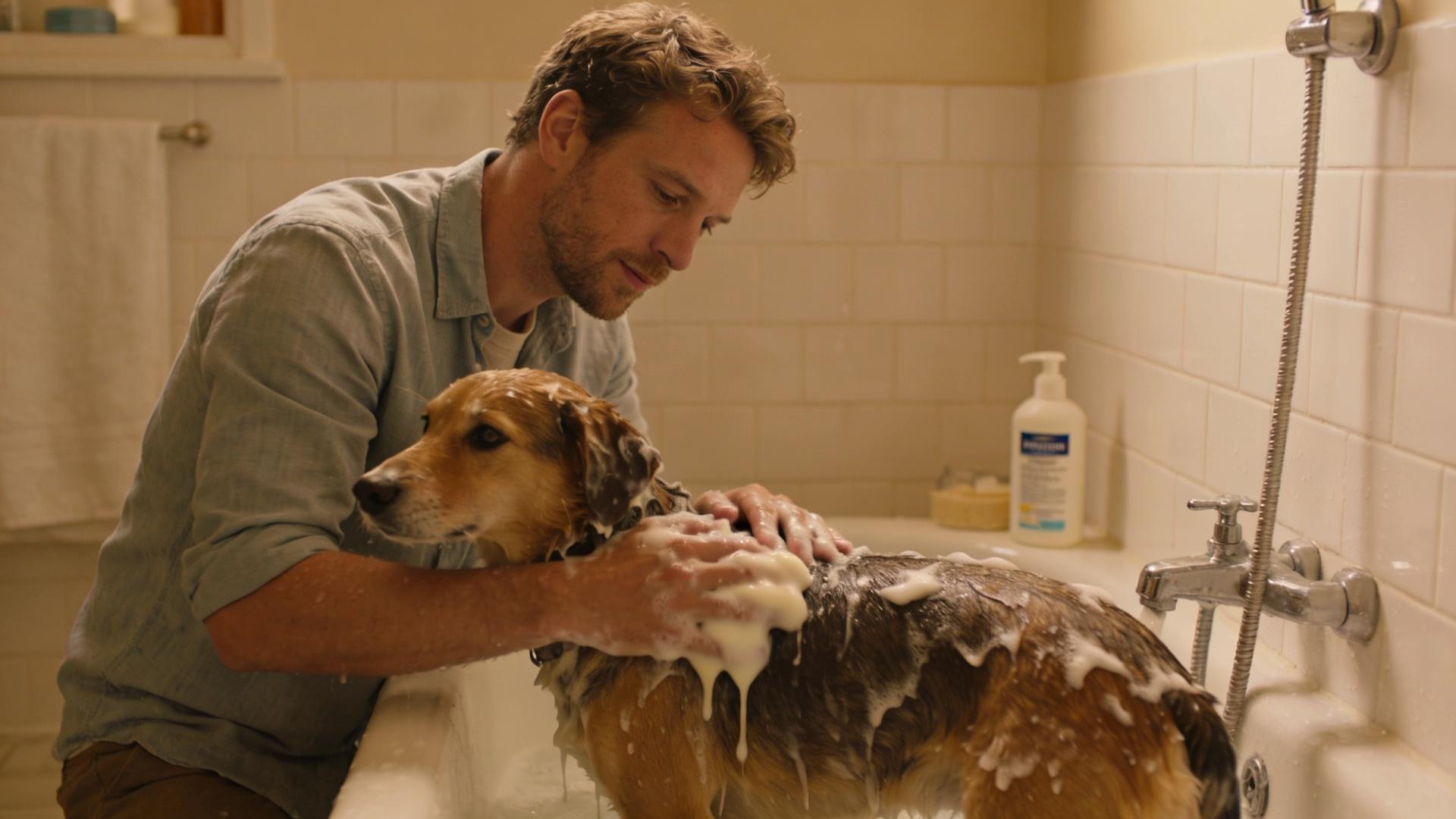
Are dog conditioners a rip-off? Scientific solutions for repairing dry, brittle fur.
As a dog parent, you want nothing but the best for your furry companion. A shiny, soft coat is often the most visible sign of a healthy dog. But when that coat turns dry, brittle, and lackluster, the search for solutions begins, often leading you to the pet care aisle and the myriad of dog conditioners. The immediate question arises: is this a genuine solution or just a clever marketing ploy? Let's dive deep into the science of canine coat health and separate fact from fiction.

Daily care for dog's ingrown eyelashes: How to reduce eye strain and discharge
As a devoted dog owner, noticing your furry friend squinting or constantly dealing with goopy eyes can be deeply concerning. One common yet often misunderstood culprit behind such discomfort is ingrown eyelashes, a condition veterinarians call distichiasis. This occurs when eyelashes, known as cilia, grow from an abnormal spot on the eyelid margin and turn inward, brushing against the sensitive surface of the eye with every blink. Imagine the persistent irritation of a single grain of sand in your eye. Now, imagine that feeling is caused by your own eyelashes. That is the daily reality for dogs with this condition. This physical abrasion leads directly to eye strain, inflammation, and excessive eye discharge as the eye tries to protect and lubricate itself. It is crucial to understand from the outset that distichiasis is a medical condition requiring a definitive diagnosis from a veterinarian or a veterinary ophthalmologist. Daily care is a vital component of management, but it starts with professional confirmation.