
You May Have Missed
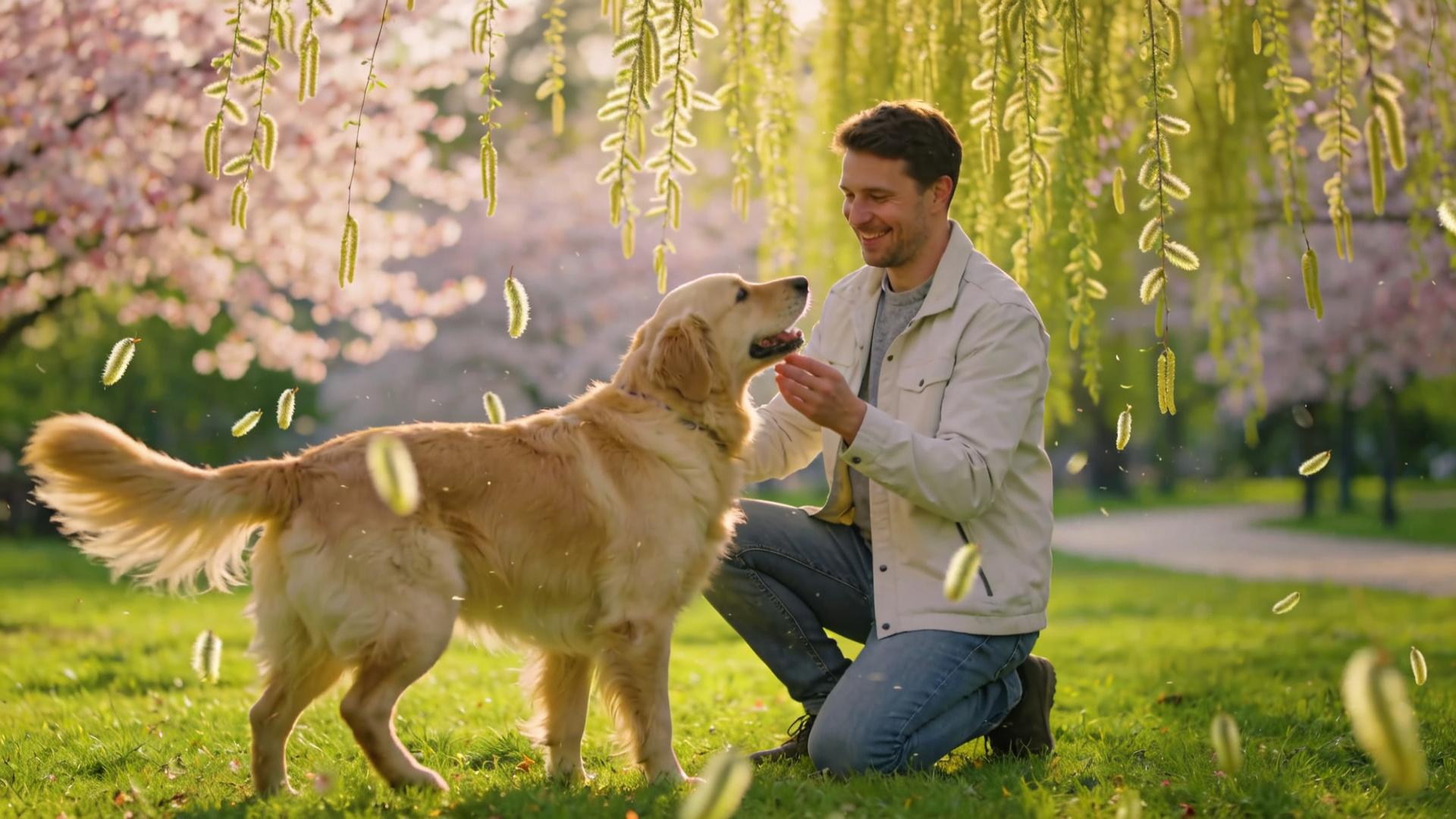
Springtime willow catkin allergy season: Is it okay to put a mask on your dog?
Spring is a symphony of rebirth—blooming flowers, longer days, and a sense of renewal. However, for countless dogs and their owners, this season also heralds the arrival of a delicate, floating nuisance: willow catkins. These fluffy seed pods, while picturesque, can turn into a cloud of allergens, triggering a range of uncomfortable symptoms in our canine companions. As a pet parent, seeing your dog sneeze incessantly or scratch relentlessly can be heart-wrenching. In the search for solutions, a question has emerged in parks and online forums alike: “Can I put a mask on my dog?” This article, crafted from a dual lens of canine health expertise, will provide a comprehensive, nuanced guide to navigating this seasonal challenge. We’ll explore the science, weigh the practicalities, and outline a holistic management plan to ensure your dog enjoys the spring safely and comfortably.
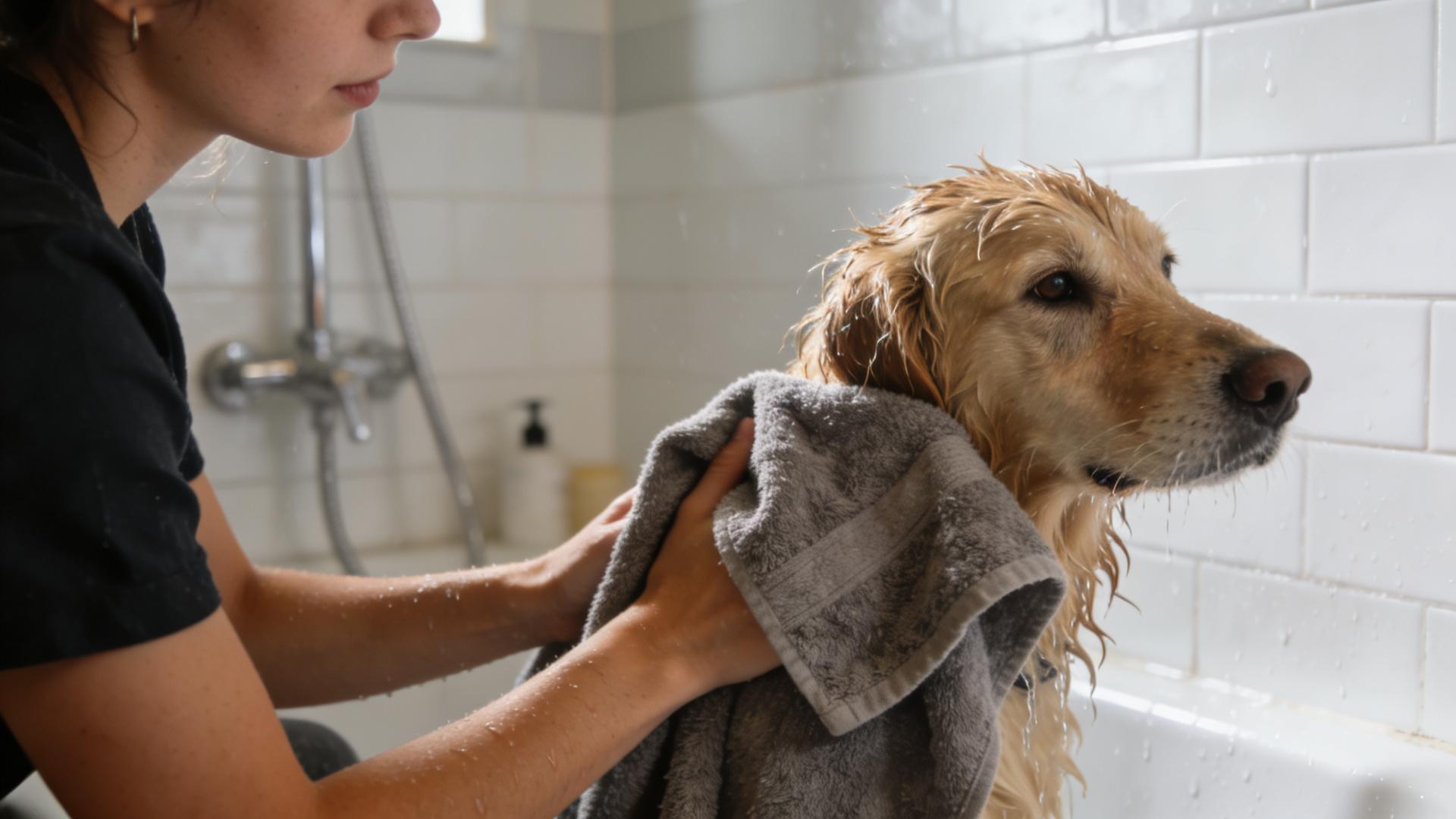
Dog-specific towel material review: Chamois cloth vs. microfiber – which is more absorbent?
You’ve just finished washing your beloved dog, and as you reach for a towel, you’re faced with a common dilemma. The regular bath towels you use are already soaked through after one pass over your Labrador’s thick coat, leaving them shivering and your bathroom looking like a splash zone. Every pet parent knows the struggle of effectively drying their furry friend. The secret weapon in this battle isn’t just any towel; it’s a towel engineered for the job. But with so many options shouting “super absorbent!” from store shelves and online listings, how do you choose? This article cuts through the wet confusion to answer one core question: In the head-to-head matchup of chamois cloth dog towel versus microfiber dog towel, which material truly reigns supreme in dog towel absorbency? Let’s wring out the facts.
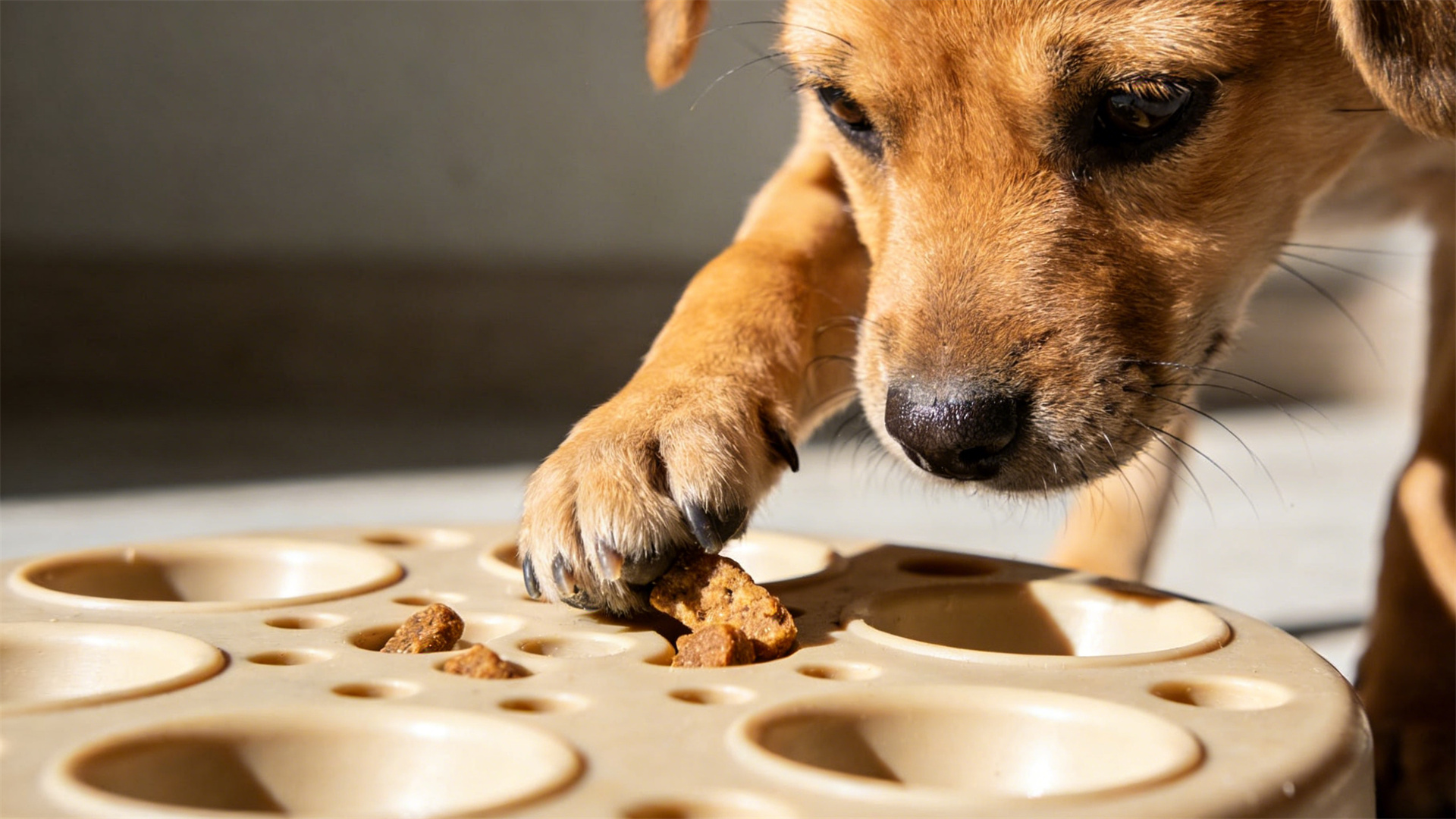
Intellectual development
When we think of a "smart dog," images of a Border Collie herding sheep or a Poodle performing complex tricks often come to mind. But canine intellectual development is far more nuanced and accessible to every dog, regardless of breed. It's the cornerstone of a happy, well-adjusted, and behaviorally healthy companion. This journey goes beyond teaching "sit" and "stay"; it's about nurturing your dog's innate ability to process information, solve problems, and adapt to their world. In this comprehensive guide, we'll explore the fascinating science of the canine mind and provide you with a actionable blueprint to foster your dog's cognitive health and unlock their full intellectual potential.
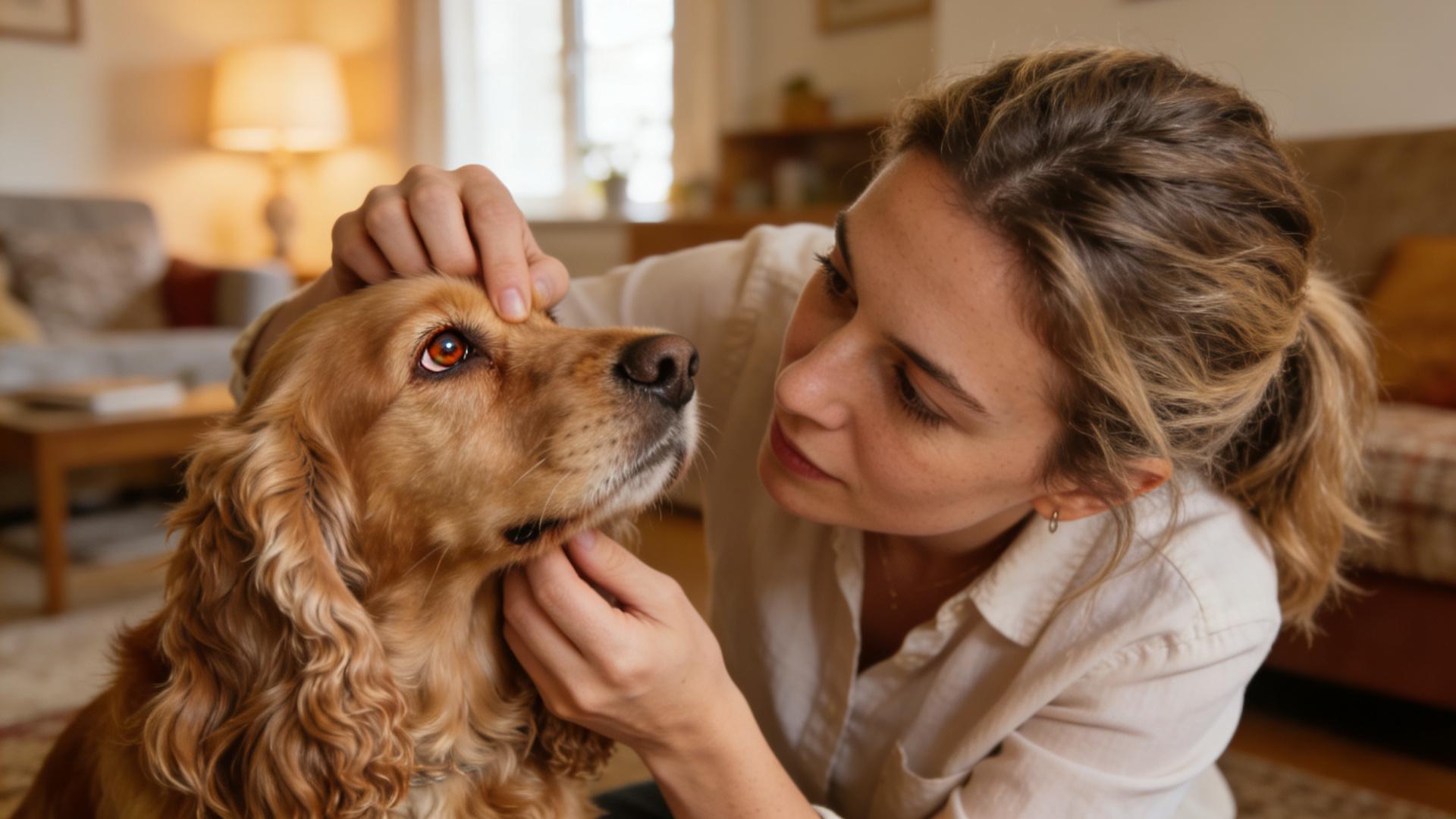
Daily care for dog's ingrown eyelashes: How to reduce eye strain and discharge
As a devoted dog owner, noticing your furry friend squinting or constantly dealing with goopy eyes can be deeply concerning. One common yet often misunderstood culprit behind such discomfort is ingrown eyelashes, a condition veterinarians call distichiasis. This occurs when eyelashes, known as cilia, grow from an abnormal spot on the eyelid margin and turn inward, brushing against the sensitive surface of the eye with every blink. Imagine the persistent irritation of a single grain of sand in your eye. Now, imagine that feeling is caused by your own eyelashes. That is the daily reality for dogs with this condition. This physical abrasion leads directly to eye strain, inflammation, and excessive eye discharge as the eye tries to protect and lubricate itself. It is crucial to understand from the outset that distichiasis is a medical condition requiring a definitive diagnosis from a veterinarian or a veterinary ophthalmologist. Daily care is a vital component of management, but it starts with professional confirmation.
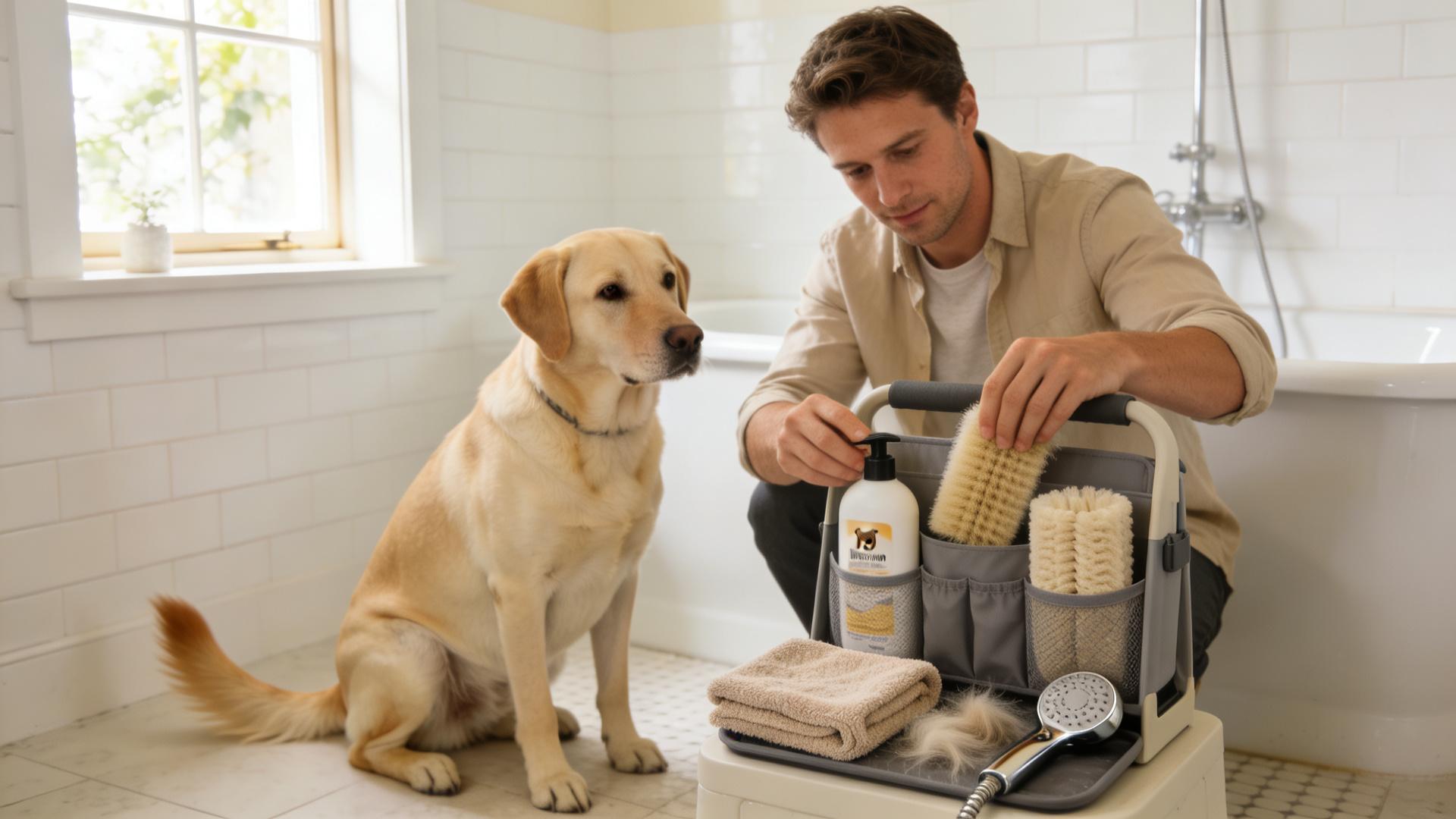
No more need for help with dog washing at home: 5 steps to turn your bathroom into a professional pet grooming studio
Tired of the chaotic, soggy struggle of bathing your dog. Wrestling with a wet, slippery pup in a cramped tub is a chore for both of you. But what if you could transform that ordinary bathroom into a serene, efficient, and professional pet grooming at home studio. Imagine achieving a salon-quality wash and dry in the comfort of your own home, saving money and reducing stress for your canine companion. It's not a fantasy. With these five strategic steps, you can create the perfect environment for a successful, mess-controlled, and even enjoyable dog washing at home experience. Say goodbye to needing an extra pair of hands and hello to your new role as your dog's personal groomer.

Muscle relaxation for working/sporting dogs: Home massage techniques and heat therapy skills
Your canine athlete thrives on action. Whether navigating an agility course, herding livestock, or accompanying you on long hikes, their powerful physique is their engine. But just like human athletes, working dogs and sporting dogs are susceptible to muscle fatigue, stiffness, and micro-injuries. Proactive muscle relaxation for working dogs isn't a luxury; it's a cornerstone of responsible performance care. This guide empowers you, the dedicated handler, with safe, effective home massage techniques for dogs and heat therapy skills for dogs to enhance recovery, prevent injury, and deepen your bond.