
You May Have Missed
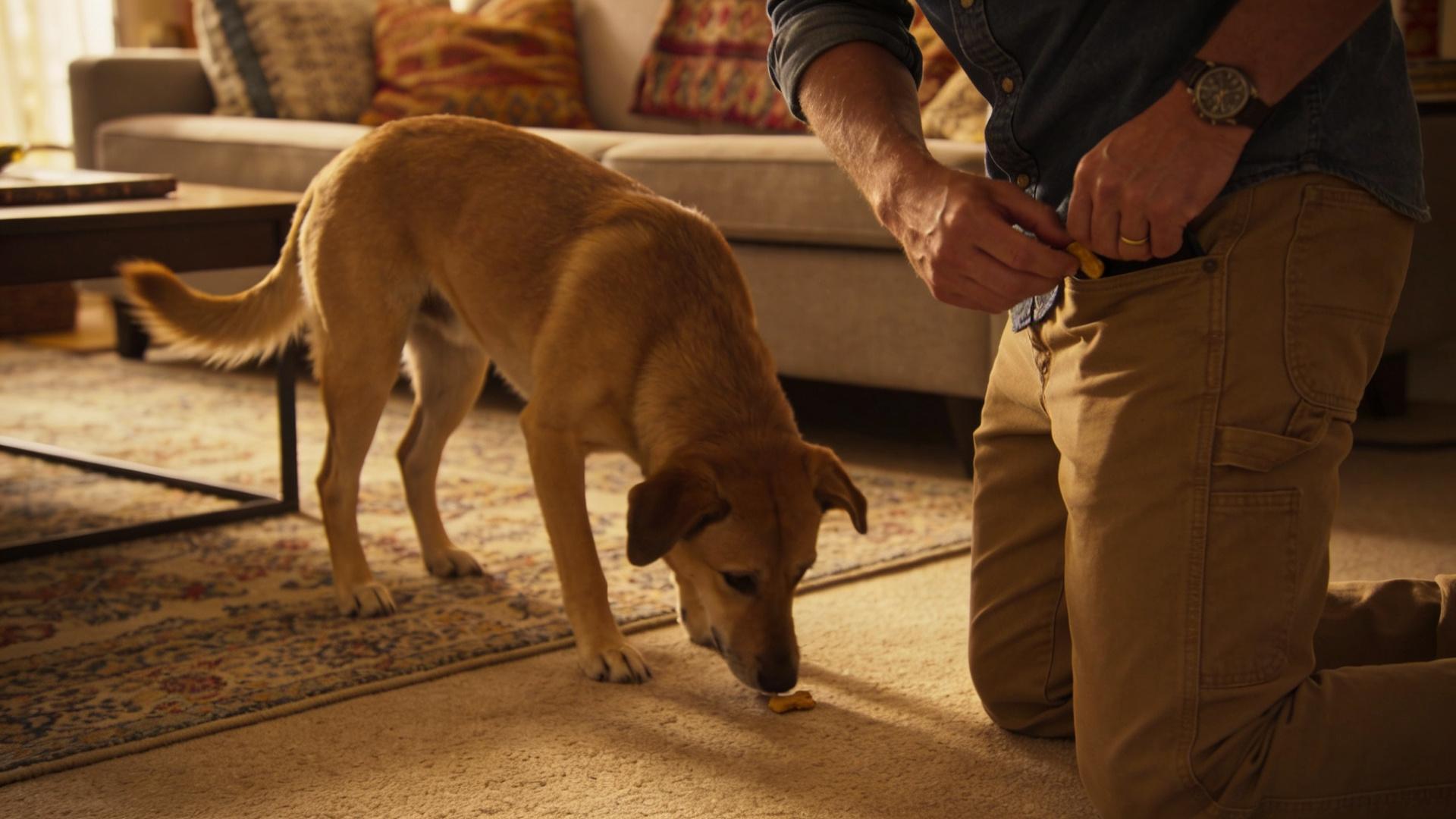
Dogs' "Jet Lag": Why is a 5-second delayed reward meaningless?
You’ve just spent ten minutes trying to teach your dog to "sit." Finally, he does it! You fumble for a treat in your pocket, unhook the leash, and by the time you deliver the reward, he’s already standing up and sniffing the ground. You think you’ve rewarded the "sit," but your dog is utterly confused. Sound familiar? This common frustration isn't your dog being stubborn—it's a fundamental breakdown in communication, a case of what we can call canine jet lag. While we operate on a timeline of minutes and intentions, your dog lives in a world of instantaneous cause and effect. So, why does a delay of just a few seconds render a reward completely meaningless in your dog’s mind? The answer lies in the very mechanics of how dogs learn.
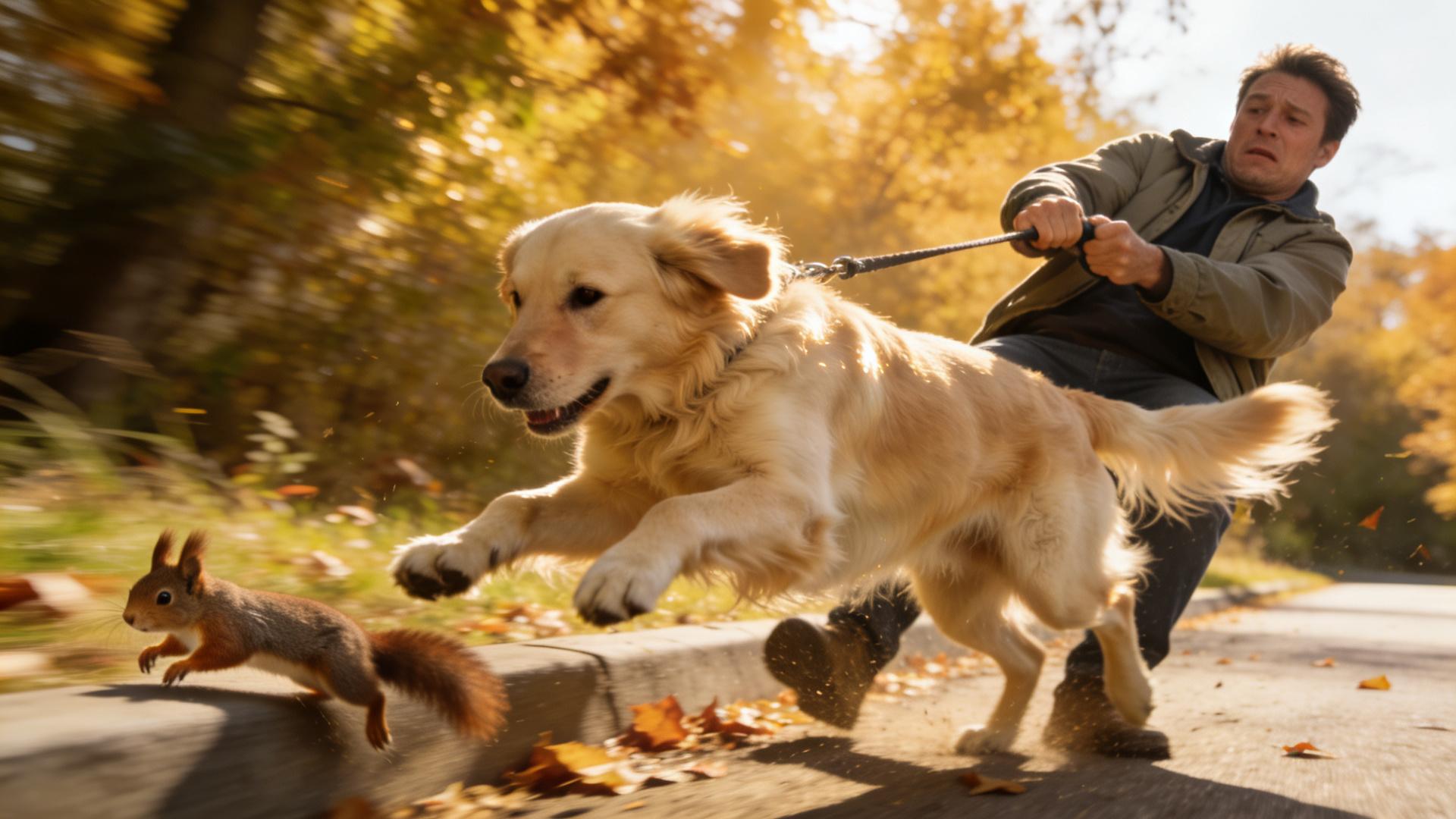
Slack rope following: Using "figure-eight movement" to correct sudden acceleration.
You’re enjoying a peaceful walk when a squirrel darts across the path. In a flash, your dog transforms into a sled dog, surging forward with such force that your shoulder aches. This sudden acceleration, also known as lunging or surging, is more than just an annoyance—it's a breakdown in communication and a potential safety hazard. Traditional "corrections" often create more tension, leading to a frustrating battle of wills. But what if the solution wasn't about holding tighter, but about creating intentional slack? Enter slack rope following and its powerful companion, the figure-eight movement. This sophisticated approach doesn't just manage pulling; it teaches your dog to actively seek a loose leash through intelligent handler movement.
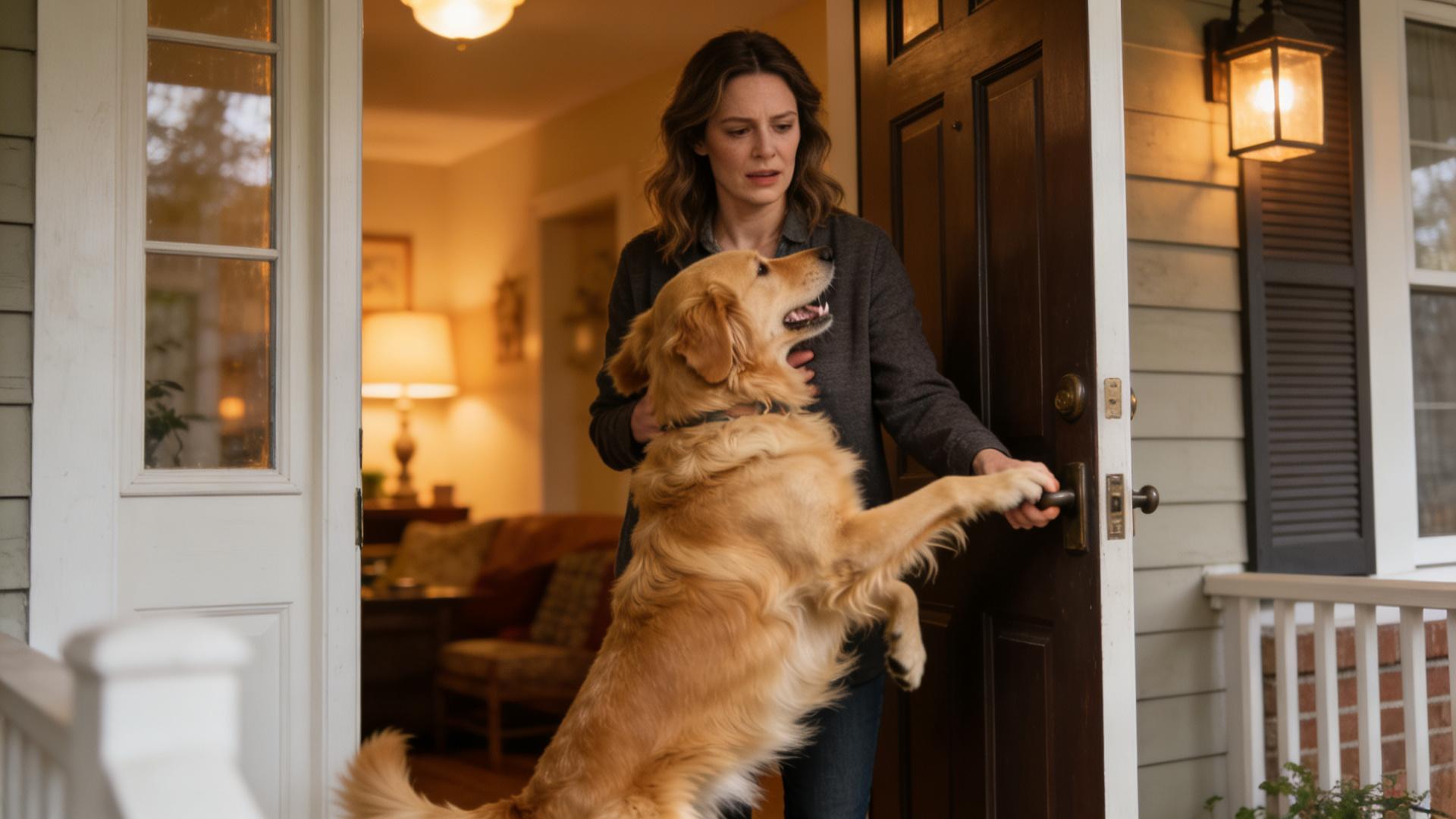
Refrain from jumping on people: Correcting a dog's social etiquette of jumping to greet people when excited.
For many dog owners, the joyful pitter-patter of paws is the soundtrack of homecoming. Yet, that joy can quickly turn to embarrassment or concern when those paws leave the ground and land squarely on a guest’s chest. A dog jumping to greet is a universal challenge, born from pure canine enthusiasm but fraught with social and safety implications. Correcting this instinctual behavior isn't about suppressing your dog's spirit; it's about channeling that excitement into a form of communication that humans understand and appreciate. This comprehensive guide delves into the why behind the jump and provides a detailed, step-by-roadmap for teaching a polite, four-on-the-floor greeting.
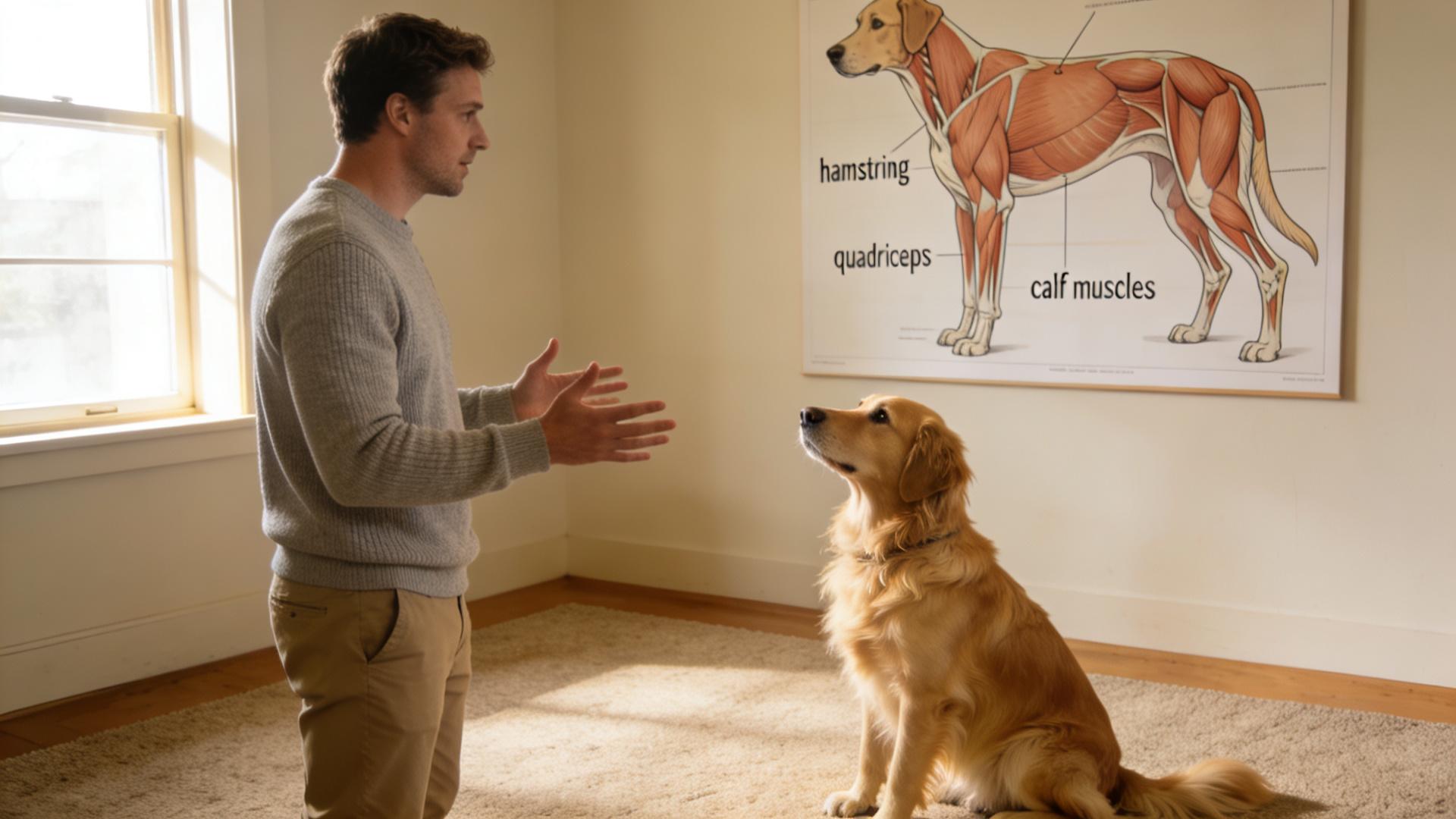
Backward walking training: Developing a dog's hind leg muscles and spatial awareness
Ever watched a dog navigate a tricky obstacle course with precision, or seen a senior pup regain a spring in their step? The secret might not be in running faster, but in walking backwards. Backward walking training for dogs is an innovative exercise that goes beyond a party trick to become a cornerstone of canine fitness and cognition. This targeted movement directly builds stronger hindquarters and sharpens body awareness, offering profound benefits for sport dogs chasing agility titles, senior dogs managing mobility, and every family pet aiming for holistic wellness. By teaching your dog to walk backwards, you're engaging key muscle groups and neural pathways that foster both physical and mental agility.
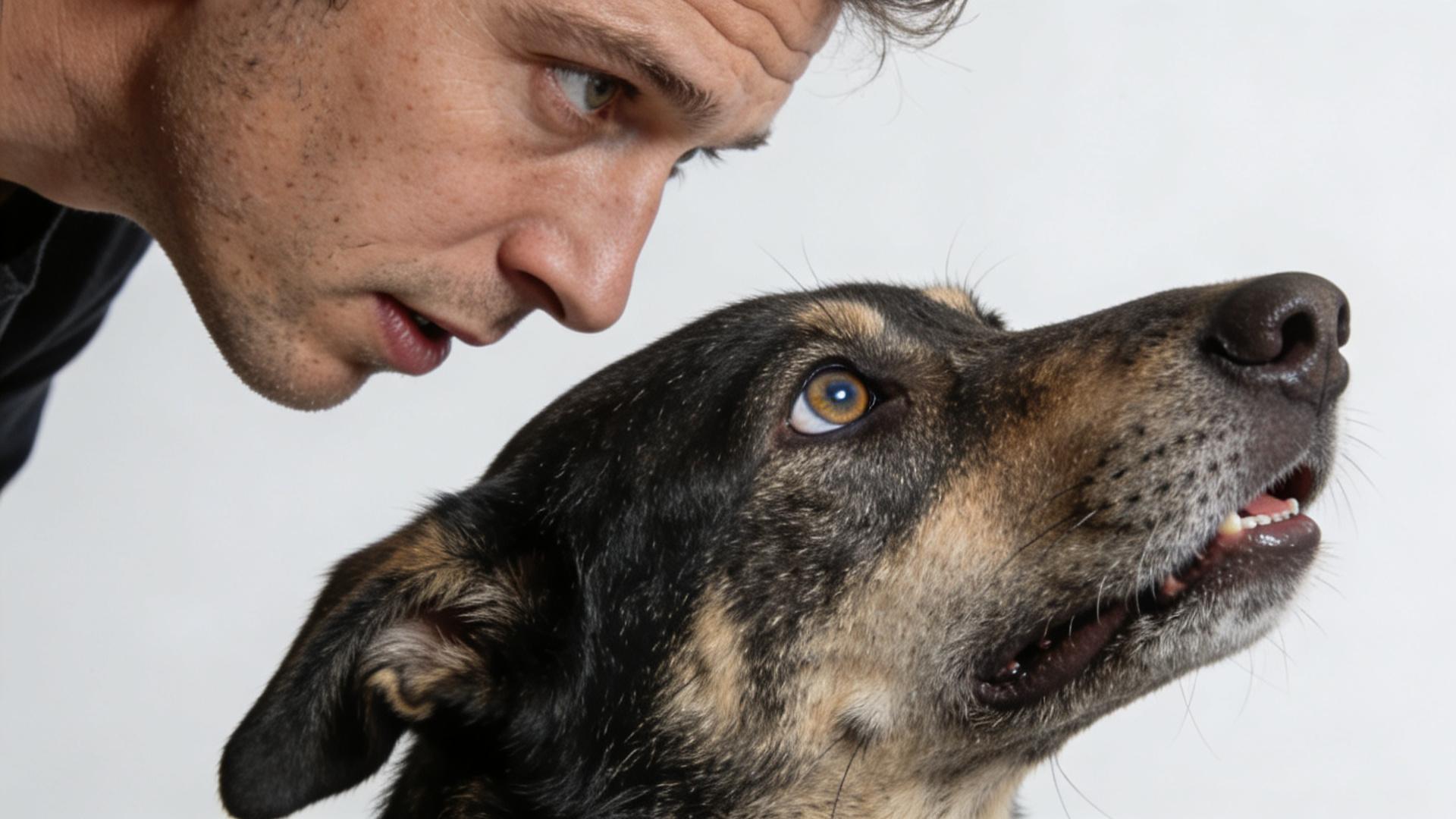
Aggression Prevention: Recognizing 5 Micro-expressions Before a Dog's Attack
In the critical seconds before a dog bite, there is rarely a dramatic growl or a clear snarl. More often, there is a silent, fleeting whisper of tension across the dog's face—a micro-expression that shouts a warning to those who know how to listen. For dog owners, trainers, and anyone who shares their world with canines, learning this silent language is the most powerful tool for aggression prevention. This article will define and detail five critical facial cues that precede an attack. This knowledge is not about fostering fear, but about wielding the proactive power of observation to ensure safety for both humans and dogs.
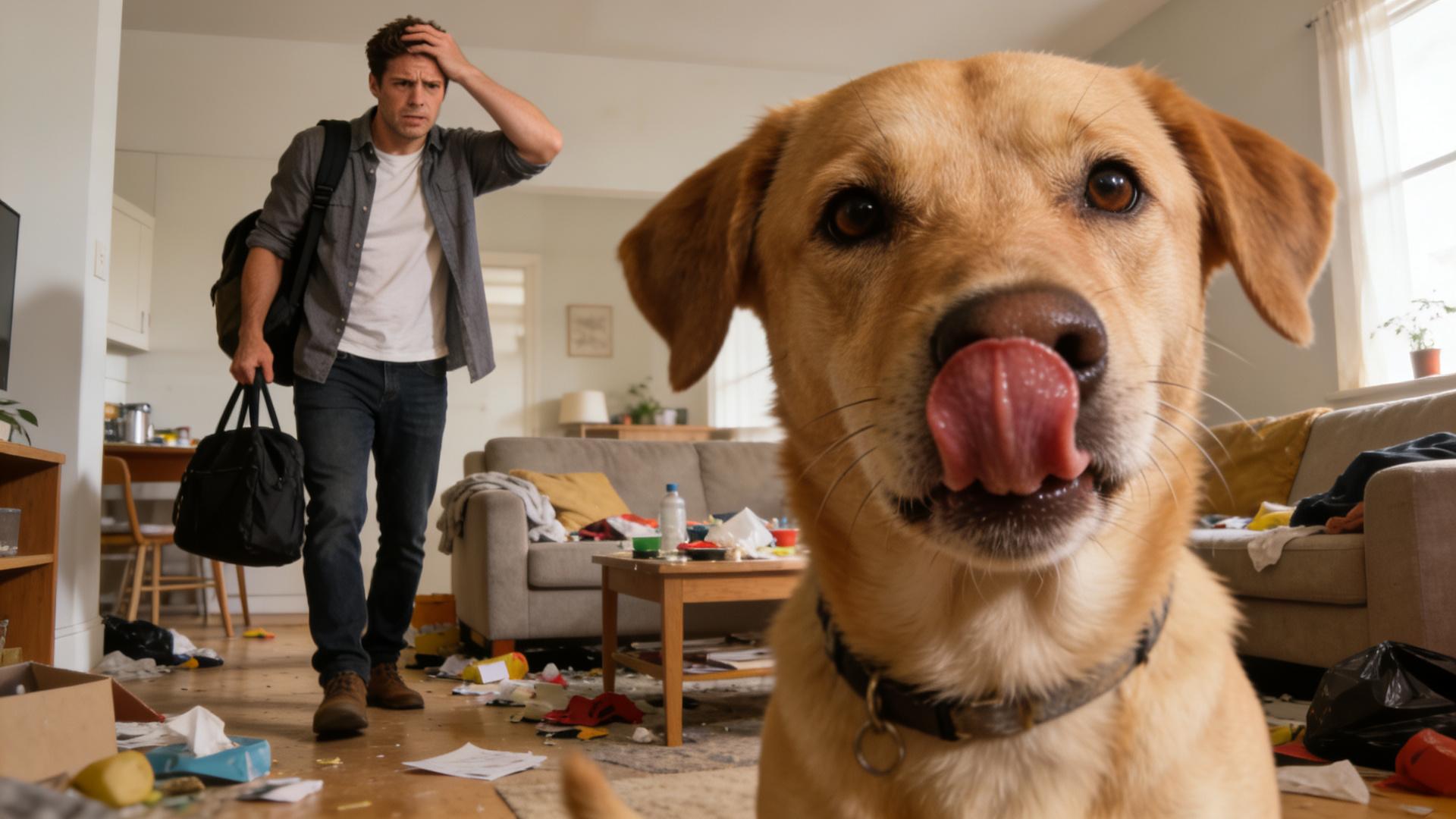
Deciphering a dog's "reassurance signals": Is it licking its nose to beg for mercy?
You come home to a scene of minor chaos—a shredded pillow, garbage scattered across the floor. You find your dog, and they immediately avert their gaze, yawn, and give a quick, unmistakable lick of their nose. The conclusion seems obvious: “Look at that guilty face! He knows he did wrong and is begging for forgiveness.” This narrative feels instinctual to us, a story we’ve told ourselves for generations. But what if we’ve been reading the entire situation incorrectly?