
You May Have Missed
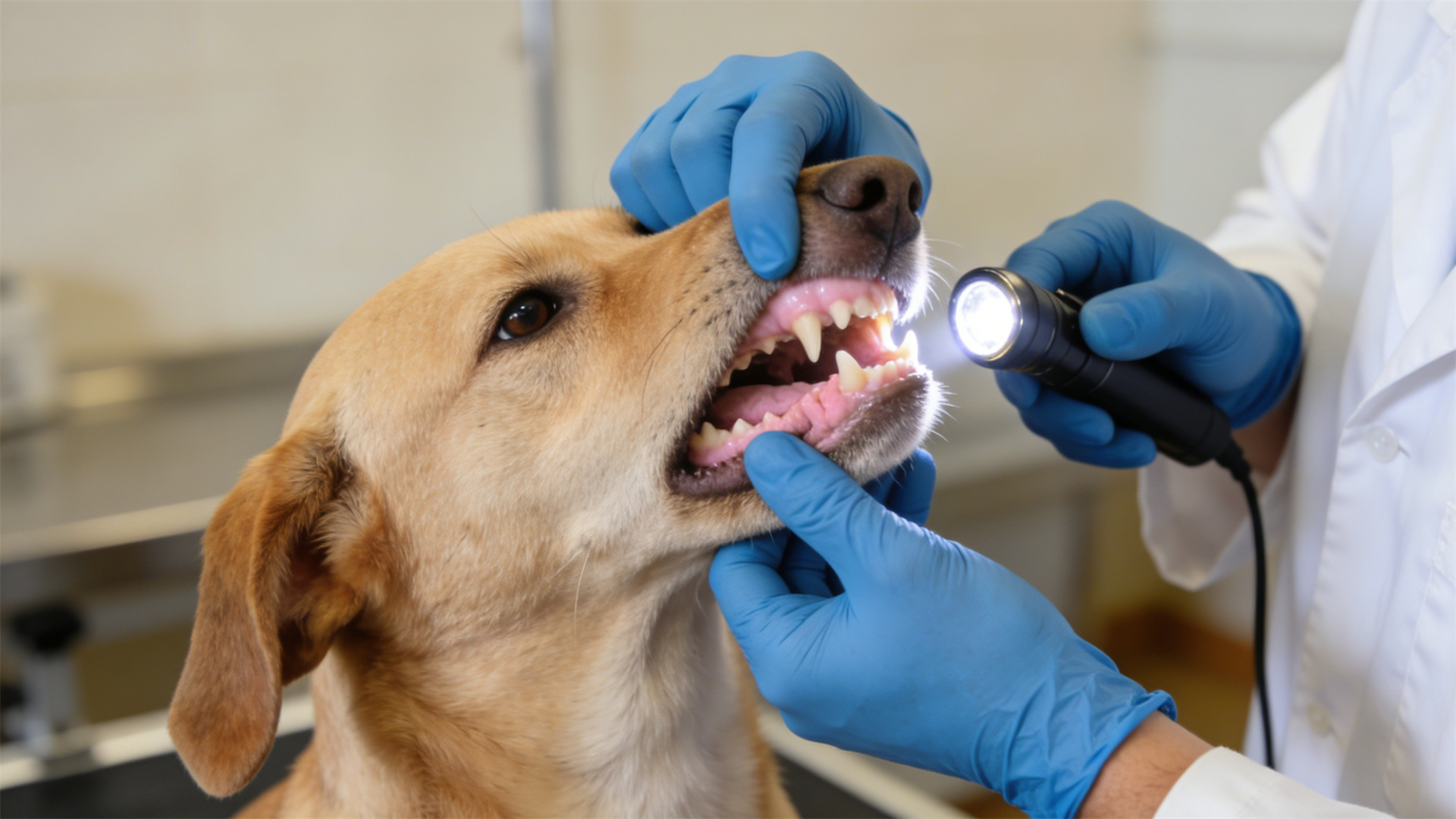
A Must-Read Nutritional Balance Formula for Homemade Dog Food: Avoiding Common Misconceptions Leading to Anemia
As a loving dog owner, you've likely considered homemade meals to provide the best for your furry companion. But did you know that well-intentioned kitchen efforts are a leading cause of nutritional deficiencies like anemia in dogs? A startling number of pets on homemade diets suffer from preventable health issues due to imbalanced nutrition. This article serves as your comprehensive guide, offering a reliable nutritional balance formula and dismantling the dangerous misconceptions that put your dog's health at risk. Let's ensure your culinary love translates into genuine, lifelong vitality for your pet.
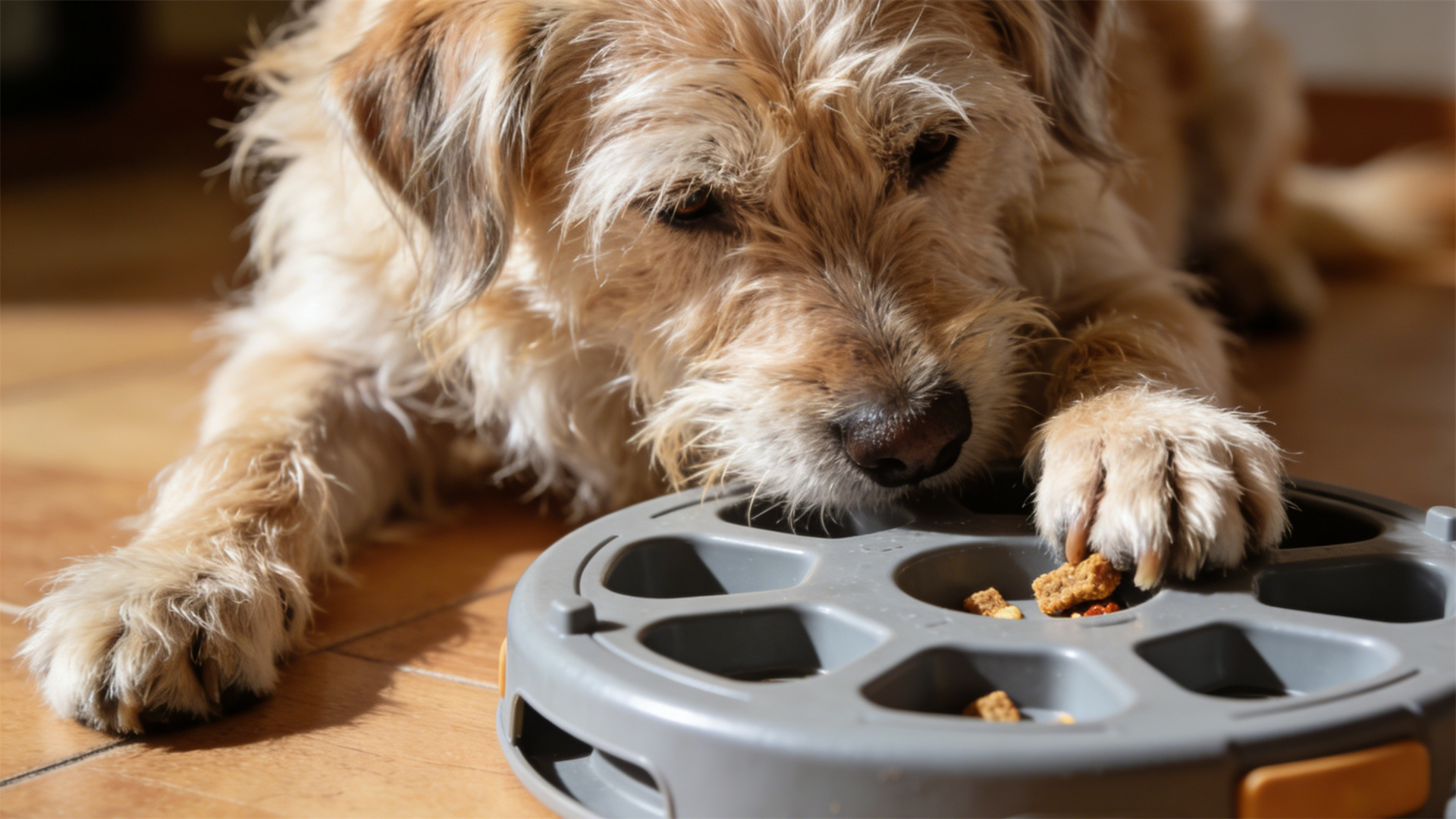
Cognitive training: Using educational toys to slow down brain degeneration in older dogs
You notice it in the small things. Your faithful companion, now with a frosted muzzle, might pause for a moment, seemingly confused in a familiar corner of the yard. Perhaps their sleep-wake cycle has flipped, or they seem less enthusiastic about a game they once loved. These subtle shifts can be easy to dismiss as "just getting old," but they often point to something more specific: Canine Cognitive Dysfunction (CCD), a condition akin to dementia in humans. While this reality can feel daunting, there is a powerful, positive, and profoundly bonding tool at your disposal: cognitive training. Just as physical exercise keeps the body strong, consistent mental exercise is crucial for maintaining brain health. And the best part? It can be as simple and joyful as play. This article will guide you through using educational toys as a cornerstone strategy to enrich your senior dog's life, slow cognitive decline, and strengthen your unbreakable bond.
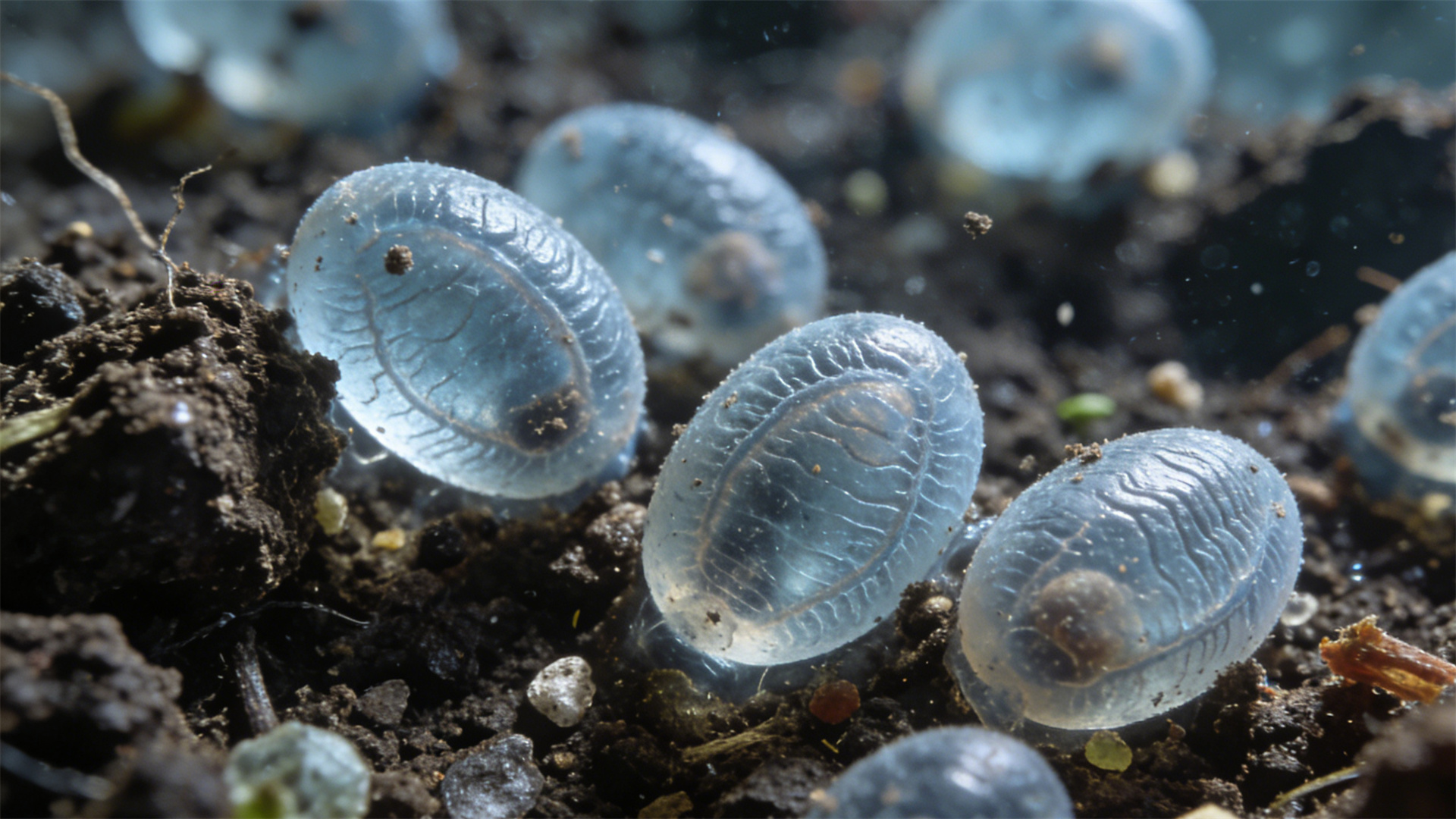
Warning about zoonotic diseases in cats and dogs: How to prevent cross-infection of parasites in multi-pet households
Welcome to your essential guide for safeguarding your furry family and yourself! If your home is blessed with the pitter-patter of both canine and feline paws, you're part of a vibrant multi-pet household. However, this wonderful coexistence comes with a heightened responsibility: managing the risk of zoonotic diseases. These are infections that can transfer from animals to humans, and parasites are often the culprits. The close quarters of a shared home create perfect conditions for parasite cross infection. But fear not—with knowledge and proactive steps, you can create a fortress of safety. This article will equip you with everything you need to know about common threats and actionable zoonosis prevention tips.
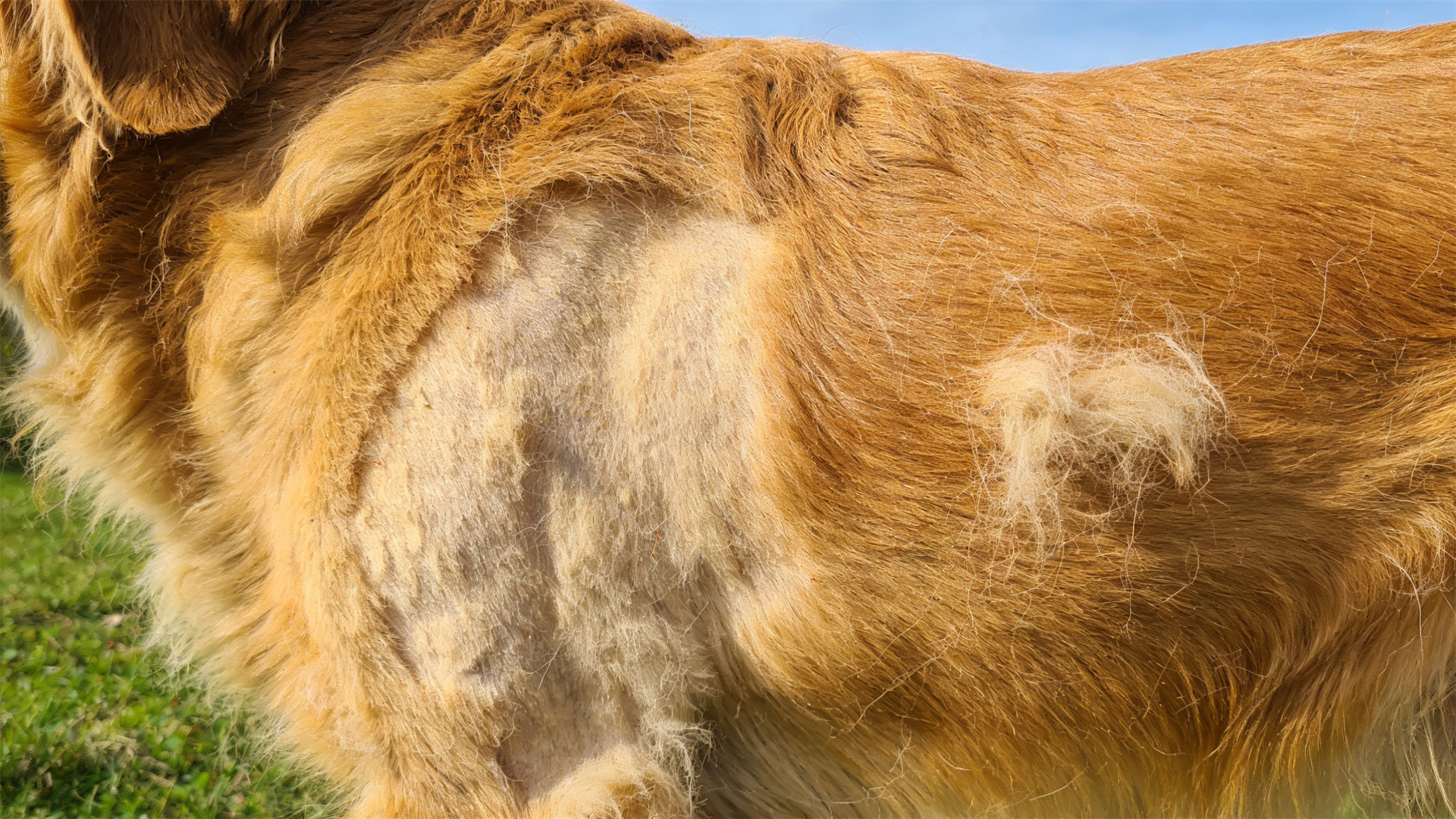
Seasonal hair loss vs. pathological hair loss: A simple trick to distinguish them
For every dog owner, the sight of tufts of fur clinging to the sofa, floating across the floor, or decorating your black pants is a familiar reality. While often jokingly called "dog glitter," this shedding can sometimes spark a wave of worry: Is this normal, or is my dog sick? Understanding the difference between a natural biological process and a sign of an underlying health issue is a cornerstone of responsible pet care. Not all hair loss is created equal. This guide will demystify canine seasonal shedding and pathological hair loss, arming you with the knowledge and a remarkably simple, hands-on trick to tell them apart with confidence.
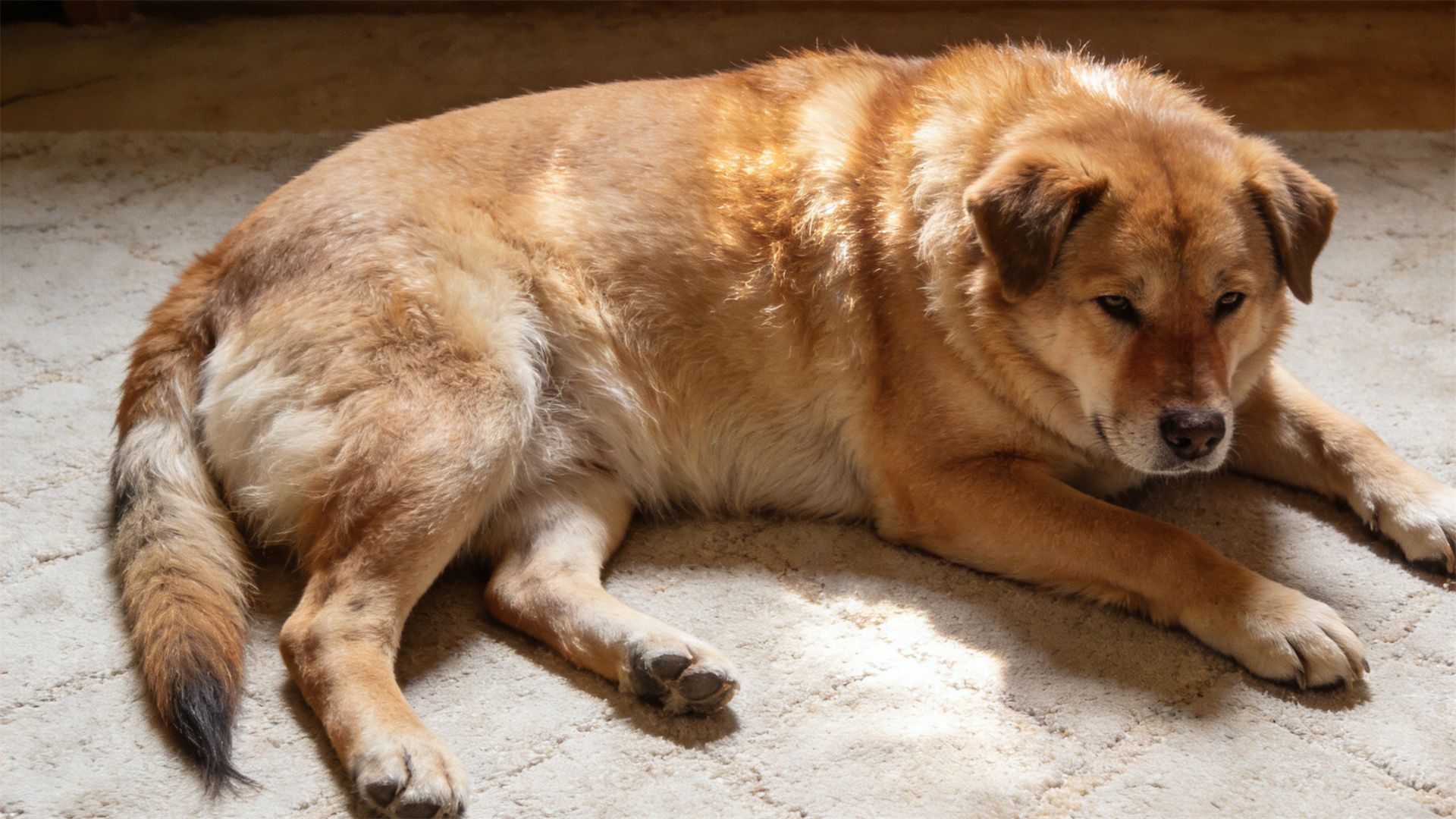
Canine hypothyroidism: Why is your dog getting fat even though it eats little?
Have you noticed your dog packing on pounds despite cutting back on treats and meals? You're not alone. Many dog owners struggle with unexplained weight gain in dogs, feeling frustrated and concerned. The culprit might be a hidden hormonal imbalance: canine hypothyroidism. This common endocrine disorder sneaks up, often mistaken for simple aging. This article will explore how a sluggish thyroid can cause your dog to gain weight while eating little, and guide you through understanding, diagnosing, and managing this condition. We will cover the definition of hypothyroidism, its symptoms beyond weight gain, causes, diagnosis process, treatment options, and daily management tips. Your journey to helping your dog feel like themselves again starts here.

2026 Canine Nutrition Standards: The Golden Ratio of Protein, Fat, and Carbohydrates
Canine nutrition is undergoing a revolution. Gone are the days of one-size-fits-all kibble. As research accelerates, we're moving from simply feeding dogs to precision-nourishing them. The question for discerning dog owners and forward-thinking professionals is no longer just "what to feed," but what precise nutritional architecture will optimize health, longevity, and vitality in the years to come. Enter the forward-looking 2026 canine nutrition standards, centered on a refined, dynamic macronutrient balance known as the Golden Ratio. This isn't a fleeting trend; it's the scientific culmination of decades of research, pointing toward a future of personalized canine wellness.