
You May Have Missed
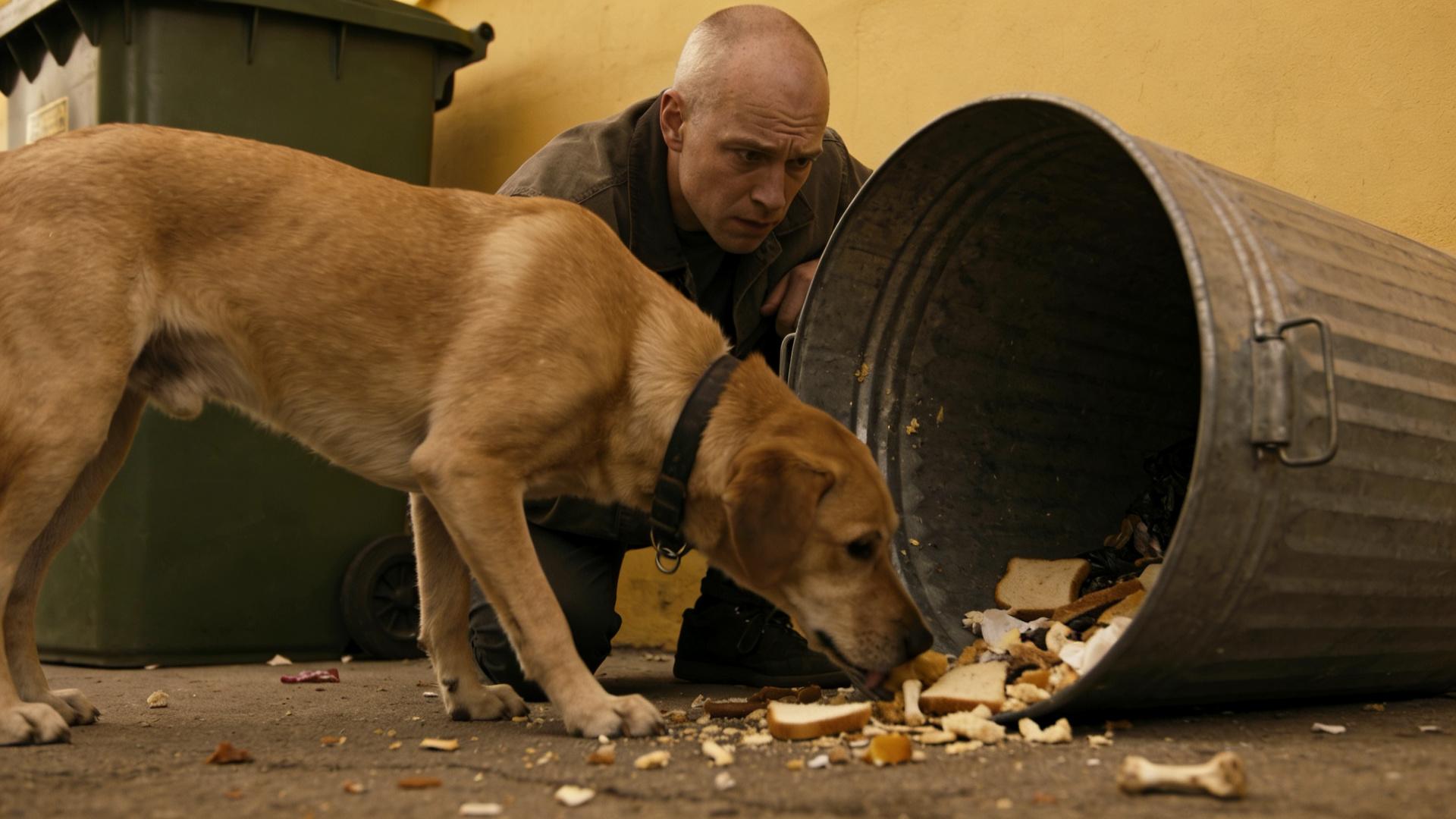
Habitual rummagerer in trash cans: How to correct this behavior through environmental setup and aversion therapy
Does your otherwise perfect pup transform into a trash bandit the moment you turn your back? You're not alone. This frustrating, messy, and potentially dangerous behavior is one of the most common complaints among dog owners. The good news is that it's highly manageable—but not through scolding or punishment. Successfully reclaiming your garbage requires a smart, two-pronged strategy: environmental management and behavior modification. This comprehensive guide will walk you through exactly how to implement both, creating a cleaner home and a safer, happier dog.
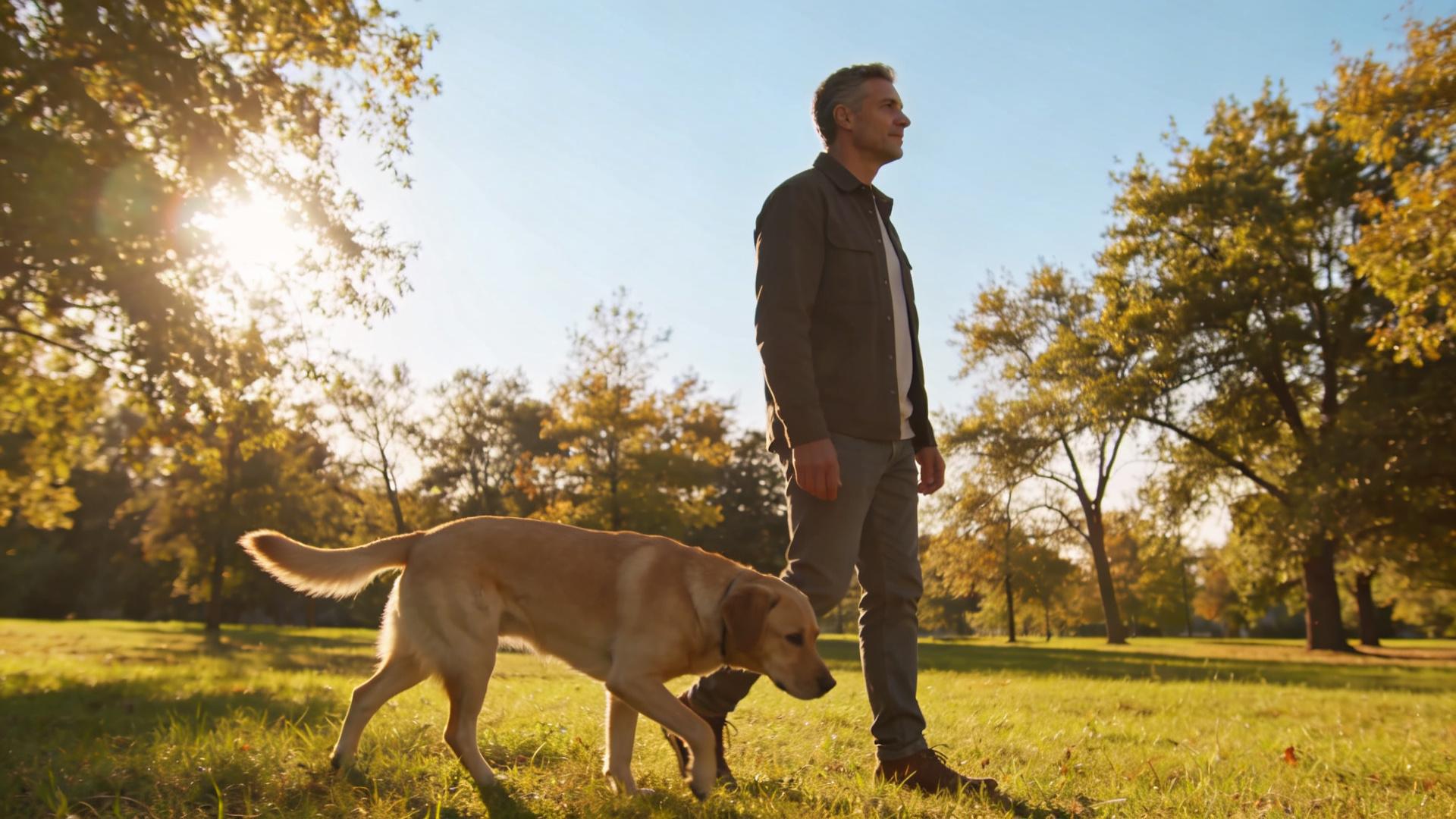
Perfect heel training: Keep your dog always on your left side.
Imagine strolling through the park with your dog walking calmly by your left side. This vision is achievable through perfect heel training. Heel training is the cornerstone of canine obedience. It ensures safety during walks and strengthens your bond. The traditional left side position is not arbitrary. It has practical roots. This guide will provide everything you need to master heel training for dogs.
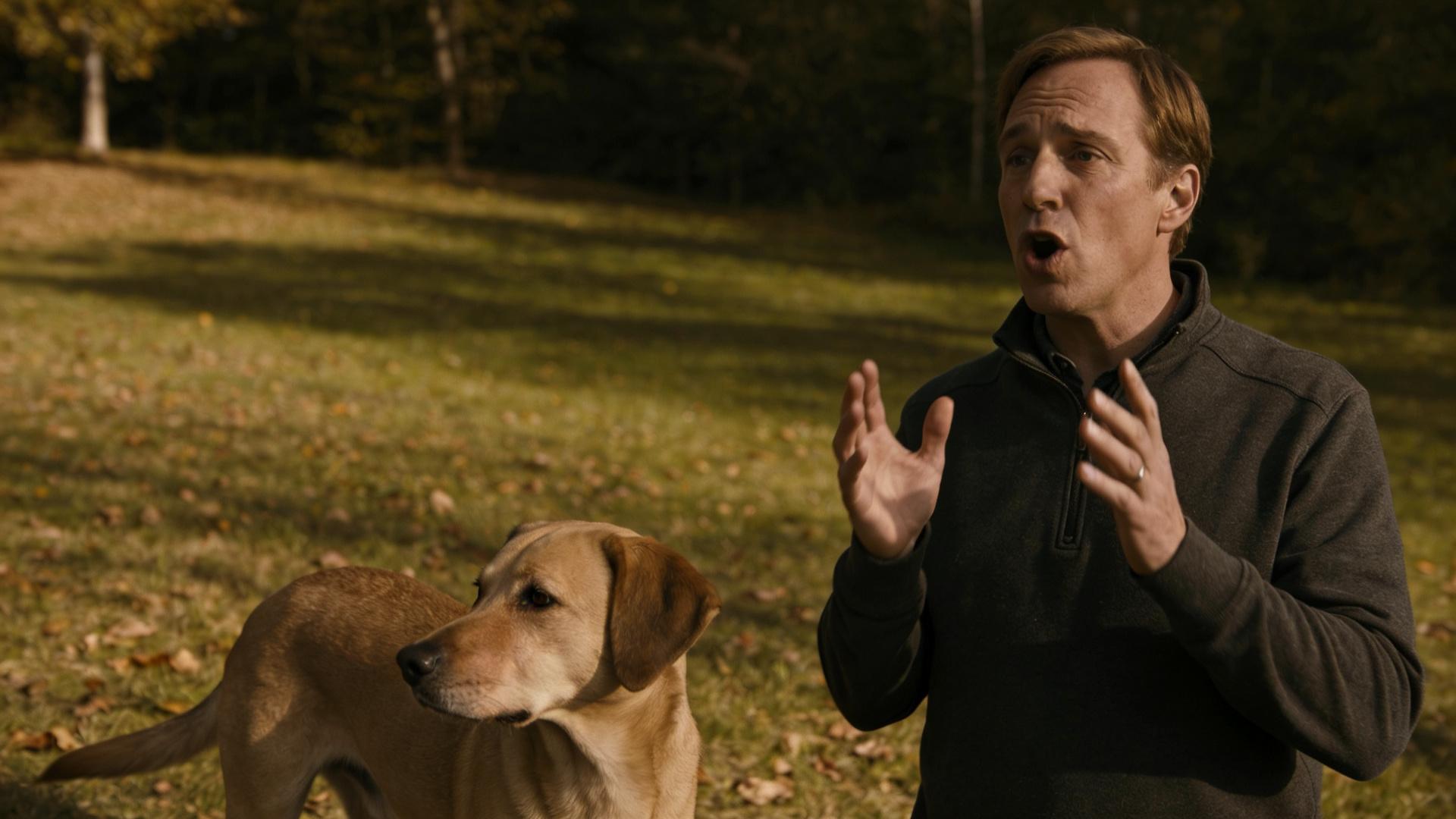
The first "Sit down": How to use gestures to quickly establish command awareness
Welcome, fellow dog lover. If you're standing there, repeating "sit, sit, SIT!" while your dog looks blissfully past you, you're only using half of your communication toolkit. You're speaking, but your dog's native language is visual. This guide will fundamentally transform how you connect with your canine companion, starting with the foundational command: the "sit." We're going beyond the basic verbal cue to unlock the power of silent gestures, building an instant, unwavering layer of command awareness that cuts through noise, distance, and distraction. Let's begin the conversation your dog has been waiting for.
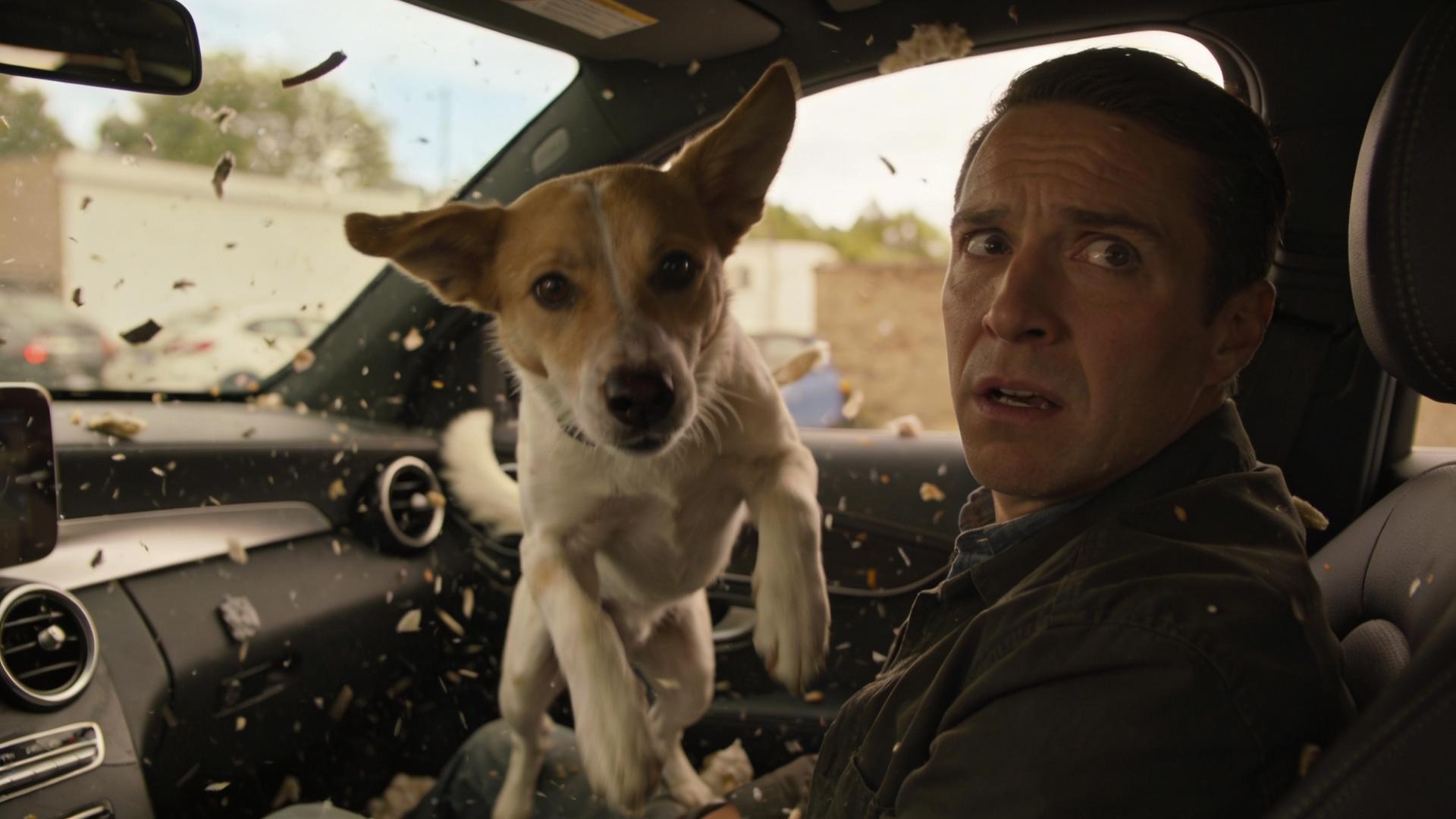
In-car socialization training: a solution to prevent dogs from getting carsick and running around inside the car.
You’ve packed the treats, the favorite toy, and the travel bowl. You open the car door with a cheerful, “Go for a ride!” only to be met with a cowering dog or a frantic, whirling dervish of excitement. What follows is a journey filled with stress: pitiful whining, anxious panting, frantic scrambling from seat to seat, or worse—the unmistakable sounds and smells of a carsick dog. This scene shatters the dream of joyful road trips with your furry co-pilot, turning a simple vet visit into an ordeal. If this resonates, you’re not alone. The core problem isn't a "bad dog"—it's a lack of positive, structured exposure to the vehicle. The proven solution is systematic in-car socialization training. This transformative process doesn't just manage symptoms; it rewires your dog's emotional response to the car, creating a calm, safe, and happy traveler. Let's embark on the journey to peaceful car rides.
Rainy Day Indoor Activity Guide: 5 Brain-Teasing Games You Can Play Without Leaving Home
The sky opens up, the pitter-patter on the roof begins, and you see your dog's ears droop. Another walk cancelled, another day of pent-up energy. But what if rainy days became an opportunity rather than a limitation? For the modern canine, mental stimulation is not a luxury; it's a necessity. A bored dog is often a destructive dog, and physical exercise is only one piece of the well-being puzzle. Engaging your dog's brain can tire them out as effectively as a long run, curbing behaviors like excessive barking, chewing, and pacing. This guide delves into five sophisticated, no-travel-required games that will transform your home into a canine cognitive gymnasium, ensuring a happy, tired, and fulfilled companion, come rain or shine.
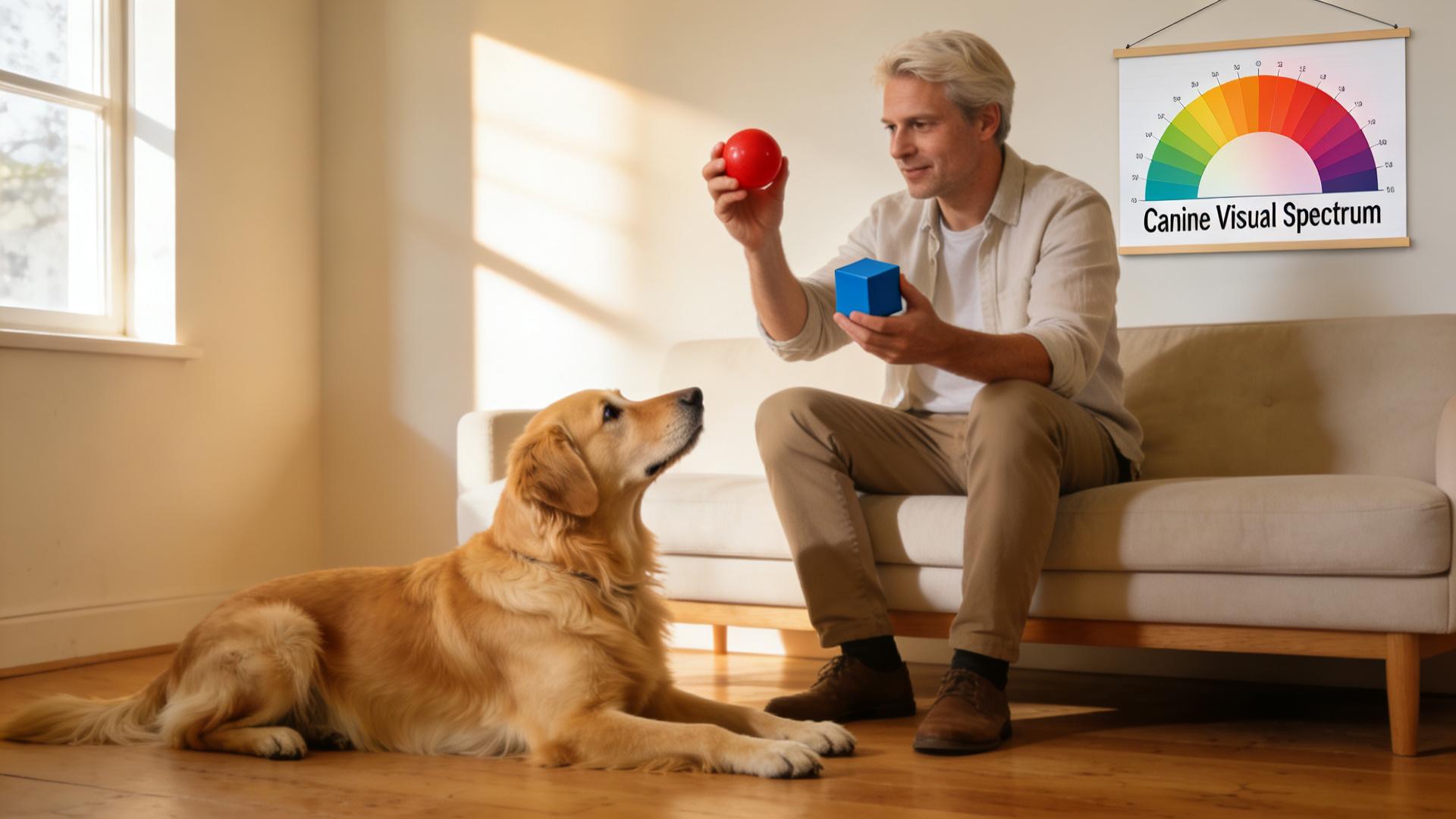
Dog logic development: Teach it to distinguish between red, yellow, and blue colors
For decades, the phrase "dog color blind" dominated our understanding of canine vision, leading many to believe our furry friends live in a world of grays. Dog color discrimination training shatters this outdated myth, presenting a fascinating frontier in advanced dog training. This journey isn't about giving your dog a superpower they don't possess; it's about harnessing their actual visual capabilities for profound mental stimulation for dogs. As a seasoned content creator in the canine realm, I'm here to guide you through this intricate process. We'll move beyond basic obedience into the realm of canine cognitive skills, where success is measured in engagement, communication, and the joy of collaborative learning. Remember, the goal is to exercise your dog's brilliant mind, not to pass a canine art critique.